Train. Compete. Recover.
A multi-purpose athletic facility in Speedway, Indiana — basketball leagues, skill training, and wellness services all under one roof.
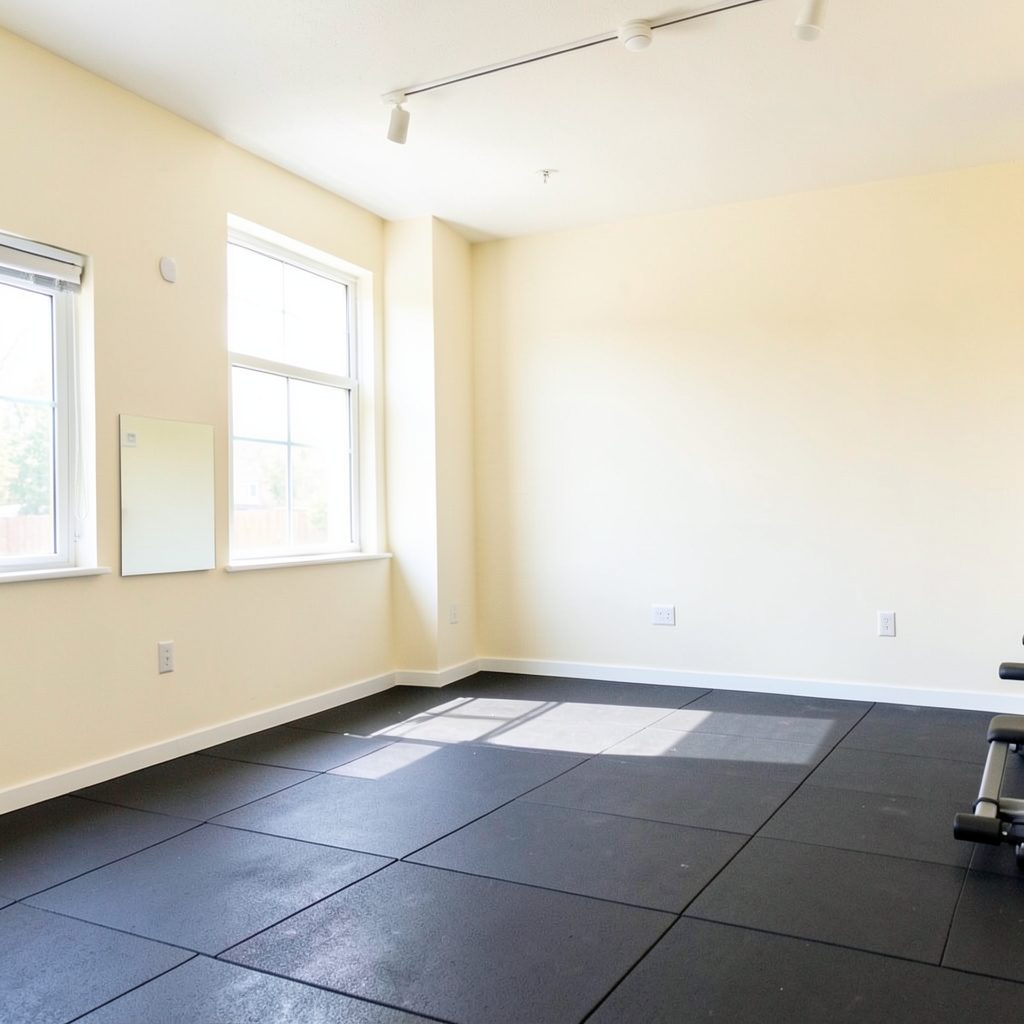
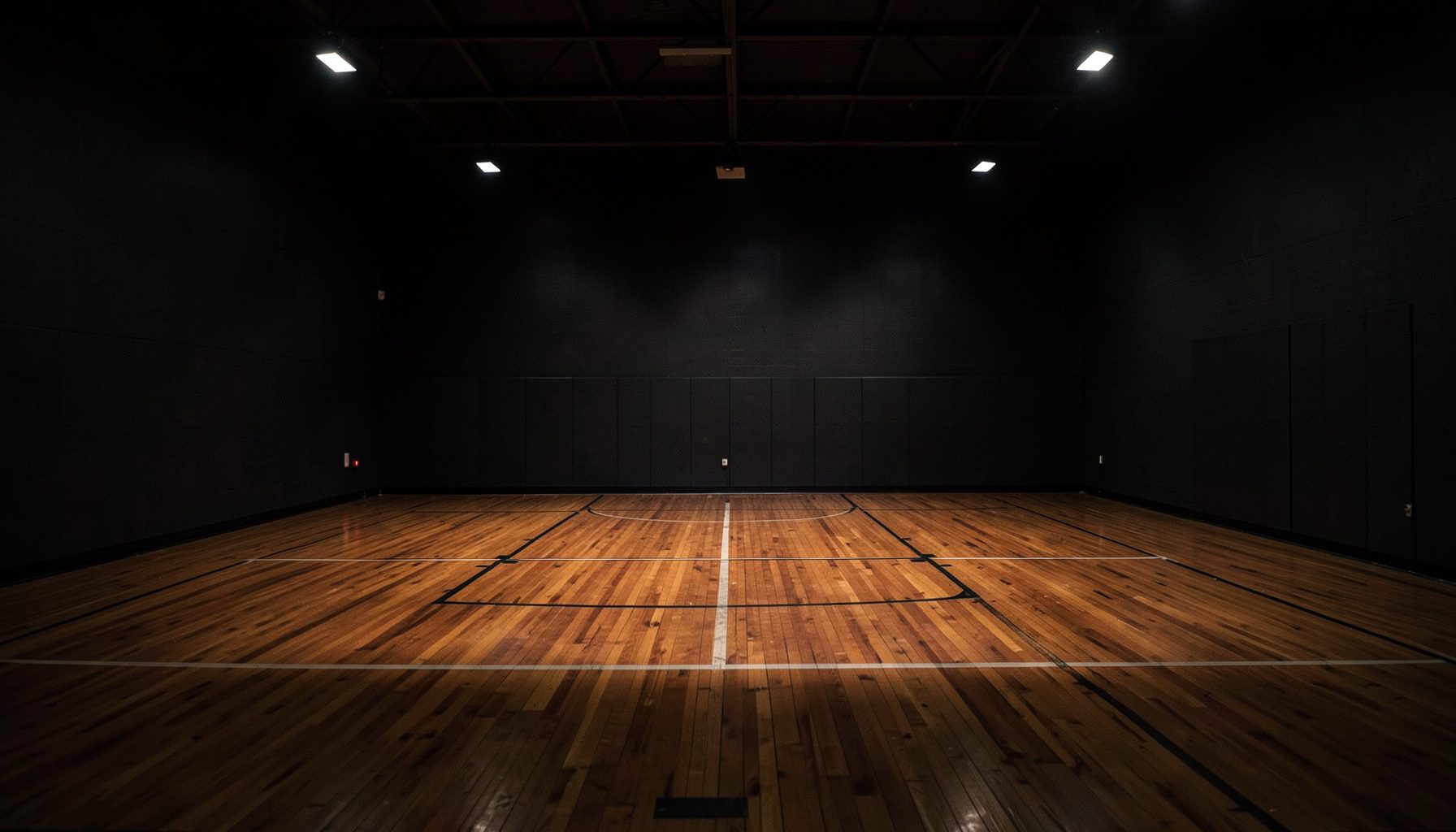
The Factory D1 Indy brings together three entities under one roof: competitive basketball leagues for all age groups, individual and group training, and wellness & recovery services including Normatec boot recovery and cryotherapy. Located off I-465 and High School Road at 6331 Crawfordsville Road, Speedway, Indiana 46224.
Get In TouchWhat a typical week of youth basketball league practices looks like
A youth basketball league week is usually a carefully balanced mix of skill development, team preparation, competition and recovery. Players may arrive with different experience levels, from children learning how to dribble to older athletes preparing for serious school or representative basketball.
The Factory D1 Indy in Speedway, Indiana, provides a useful example of how a multi-purpose basketball facility can organise that rhythm. For Australian families, the same principles apply whether a child plays in Melbourne, Sydney, Brisbane, Adelaide or a smaller regional centre: training should be structured, age appropriate and manageable alongside school, family commitments and other sports.
Starting the week with skill development
The first practice after a game often focuses on fundamentals rather than intense competition. Coaches may review basic ball-handling, passing, footwork and finishing around the basket. Younger players usually work through short activities that keep them moving, while older groups may complete more detailed technical drills.
A typical session might begin with dynamic movement, followed by dribbling patterns and partner passing. Players then rotate through stations, practising lay-ups with both hands, jump shots from controlled distances and defensive slides. This format gives every athlete frequent repetitions instead of leaving children waiting in long lines.
For Australian players who also participate in Australian rules football, soccer or netball, early-week basketball can reinforce transferable skills such as balance, spatial awareness and quick changes of direction. Coaches generally need to account for the heavier schedules common during school terms, particularly when Saturday sport is already part of the family routine.
Building fitness without losing focus
The second practice may introduce more movement and conditioning. Basketball fitness is rarely just long-distance running. Players need repeated bursts of speed, short recovery periods, lateral movement and the ability to make decisions while tired.
A coach might use relays, defensive close-outs, transition drills and small-sided games to build those qualities. A six-minute three-on-three activity, for example, can challenge fitness while requiring players to pass, cut and communicate. Older athletes may also complete age-appropriate strength exercises using body weight, resistance bands or light equipment.
Training should still feel like basketball rather than punishment. In Australia, where summer temperatures can be high in cities such as Brisbane or Perth, indoor facilities and sensible hydration breaks are especially valuable. A good coach adjusts intensity, encourages regular water intake and avoids treating exhaustion as proof of a successful session.
Preparing for team play
A midweek practice often moves from individual skills to team concepts. Players learn where to stand in attack, how to create passing angles and what to do when a teammate drives towards the basket. Defensive sessions may cover staying between an opponent and the hoop, helping from the weak side and recovering to a shooter.
Younger teams may use simple language such as “spread out”, “help” and “find your player”. Older groups can handle concepts including screens, spacing, transition defence and inbound plays. The goal is to give athletes a few clear decisions they can apply during a game, rather than filling the session with complicated tactics.
This is also when coaches can address league habits that affect the whole group. Players practise listening during time-outs, rotating fairly, accepting referee calls and encouraging teammates. Those behaviours matter in community basketball across Australia, where clubs often rely on volunteer coaches, parent scorers and shared venues.
Using competition as a learning tool
A weekly league schedule may include a practice match, scrimmage or structured game simulation. The emphasis is usually on applying skills under pressure rather than simply keeping score. Coaches may stop play briefly to correct spacing, demonstrate a defensive position or ask players to recognise a better passing option.
Small-sided games are particularly useful for developing young athletes. Three-on-three or four-on-four formats give players more touches of the ball and more chances to make decisions. They also reduce the tendency for one confident player to dominate possession, helping quieter athletes become involved.
In a competitive youth league, results still matter to children and families, but development should remain central. A team that loses while improving its passing, defensive communication and effort can have a more productive week than a team that wins through one player taking every shot.
Managing the day before game night
The final training session before a game is often shorter and sharper. It may include a warm-up, shooting practice, a review of key plays and a brief scrimmage. Coaches usually avoid exhausting athletes at this point, choosing to reinforce confidence and clarity instead.
Players may also review practical details such as arrival times, uniforms, footwear, positions and expected behaviour. This is useful for families balancing basketball with school pick-up, public transport and other activities. A clear message through the club’s registration platform or team group can prevent confusion on game day.
For Australian families, Friday evening training can compete with family dinners, part-time work and winter travel between suburbs. Clubs that provide predictable times and reasonable session lengths make it easier for parents to support participation throughout a full season.
Recovering after games and busy sessions
Recovery is part of a healthy basketball routine, particularly for older children who train several times each week. After practice or competition, athletes should cool down gradually, replace fluids, eat a balanced meal and get enough sleep. Younger players may need help recognising when they are tired rather than simply frustrated.
Some facilities offer additional wellness services alongside court training. At The Factory D1 Indy, families interested in compression-based recovery can learn about a Normatec therapy session before deciding whether it is suitable for an athlete. Such services should complement, rather than replace, sound coaching, medical advice and ordinary rest.
Recovery expectations should reflect age and workload. A primary-school player may need little beyond food, water and sleep, while a teenager attending school, representative training and weekend games may benefit from a more deliberate recovery plan. Persistent pain, swelling or unusual fatigue should be discussed with a qualified health professional.
Making the weekend game meaningful
Game day is the practical test of the week’s work. Players warm up, practise shots, listen to a short team briefing and then compete in a setting where decisions happen quickly. Coaches look for effort, teamwork and correct habits, not just points on the scoreboard.
A balanced game environment gives every athlete meaningful court time and an opportunity to contribute. Children can learn to defend without the ball, move after passing, communicate in transition and respond positively when a play does not work. Parents support that process by praising effort, courage and improvement rather than focusing only on statistics.
After the game, a brief team review helps players understand what happened. Coaches might identify one successful habit and one focus for the next week. This keeps feedback manageable and gives athletes a clear reason to return to training.
Turning one week into steady progress
A typical week works best when each session has a purpose. Skill practice builds control, conditioning supports movement, team drills develop awareness, game simulations create pressure and recovery allows the body to adapt. The exact schedule can change according to age, competition level, school commitments and facility availability.
At a basketball centre such as The Factory D1 Indy, athletes can combine league participation with individual training, group skills sessions and other conditioning options. Australian families can use the same framework when comparing local clubs, private academies and community programs, whether they are looking for beginner activities in Sydney or a more competitive pathway in Melbourne.
The most valuable progress is often gradual. A child who learns to use both hands, make a safe pass, defend with better balance or encourage a teammate is developing foundations that extend beyond one fixture. Consistent attendance and realistic expectations usually produce better results than trying to make every practice intense.
Families looking for a structured basketball routine can explore youth league options, skills training and age-appropriate programs at The Factory D1 Indy. A well-planned week gives young athletes space to learn, compete, recover and enjoy becoming part of a team.
Inside The Factory

Three Entities, One Roof
Leagues
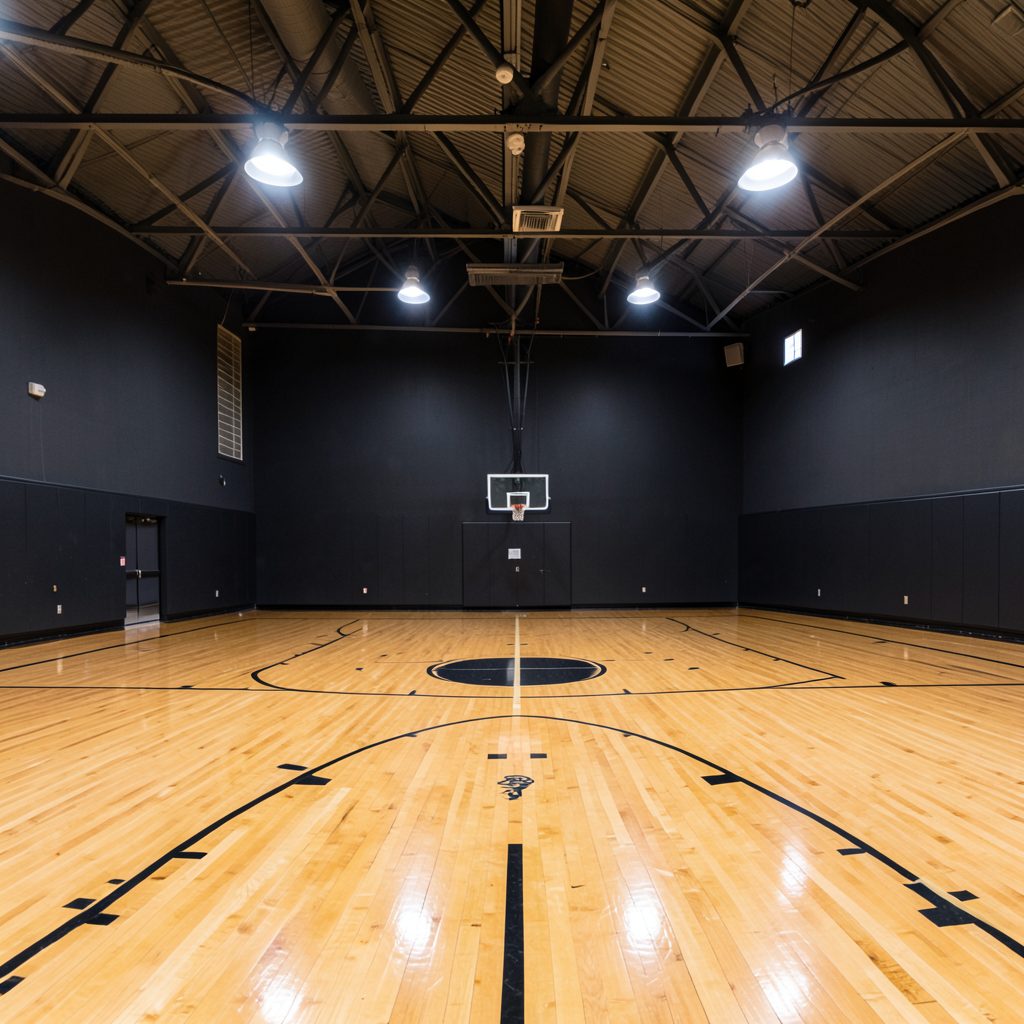
Eight league divisions span every age group: Indy Pro AM, 18+ Open Men's, 30+ Men's, Bite Size (ages 3–6), Impact League, 5th/6th Grade, Middle School, and High School. Gather your team and compete.
Training
Individual and group basketball training for all skill levels. Major M.O.V.E.S. Basketball Training serves ages 4–7 on Wednesday and Thursday evenings at 6:30 PM — $30 per session or $100 unlimited monthly.
Wellness & Recovery
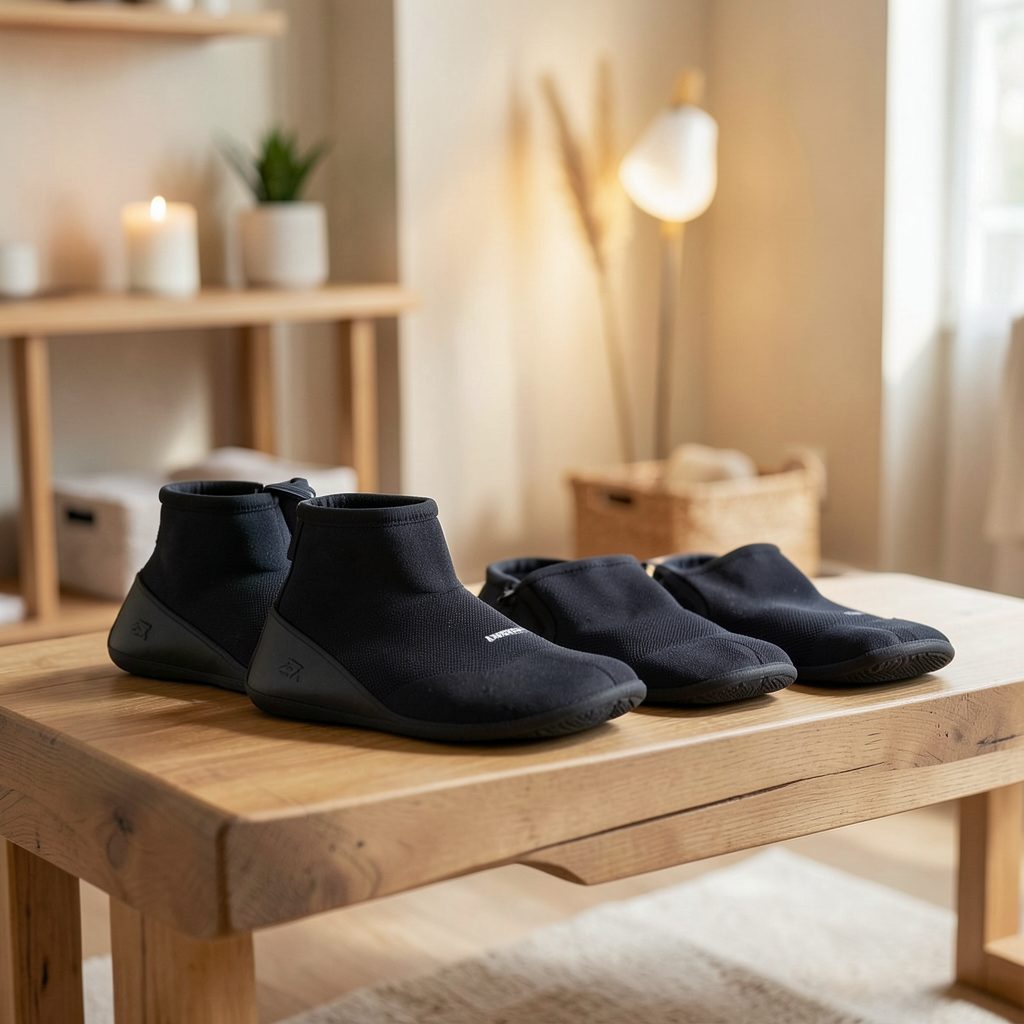
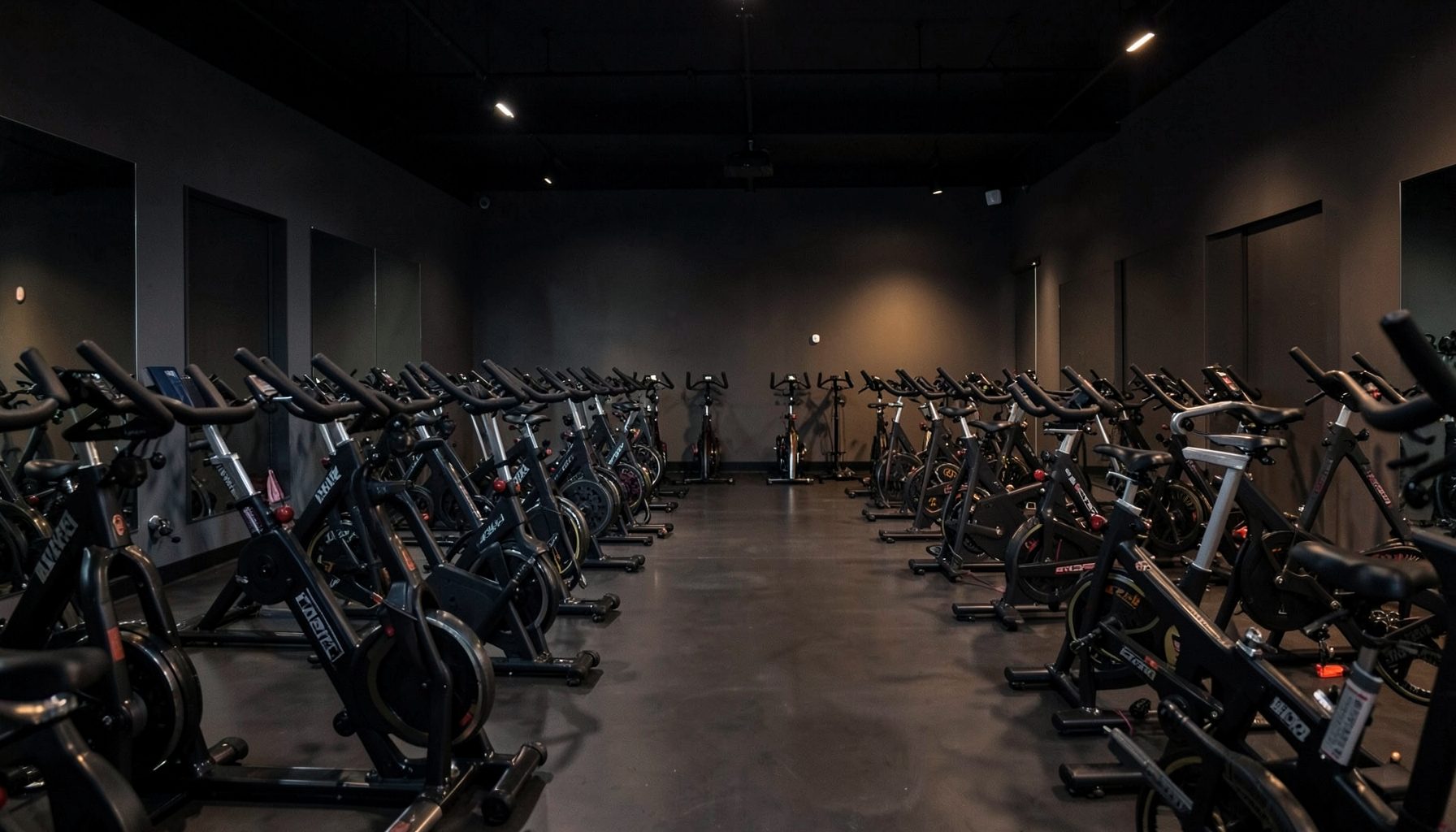
Normatec boot recovery and cryotherapy treatments help athletes bounce back faster. Cycle and spin classes add a cardio dimension to the holistic performance approach.
Have a Question?