Train. Compete. Recover.
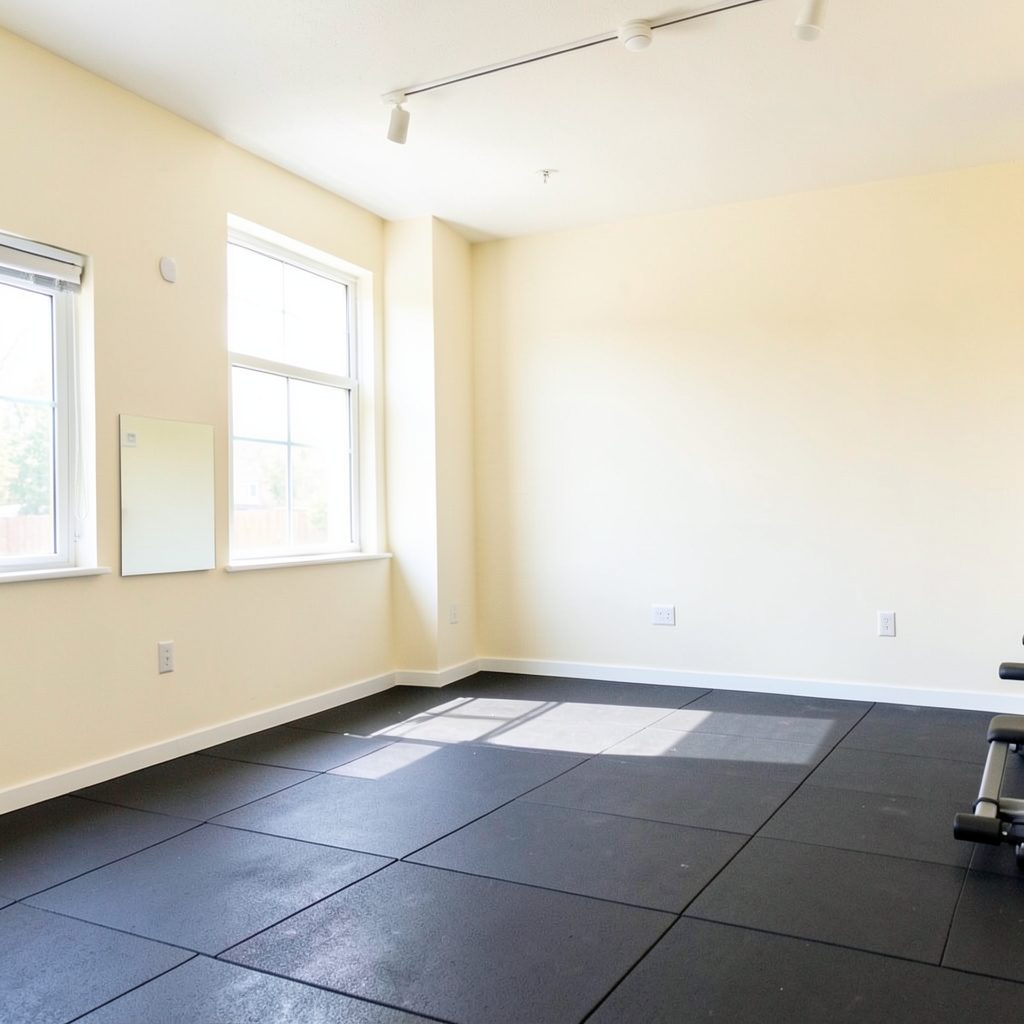
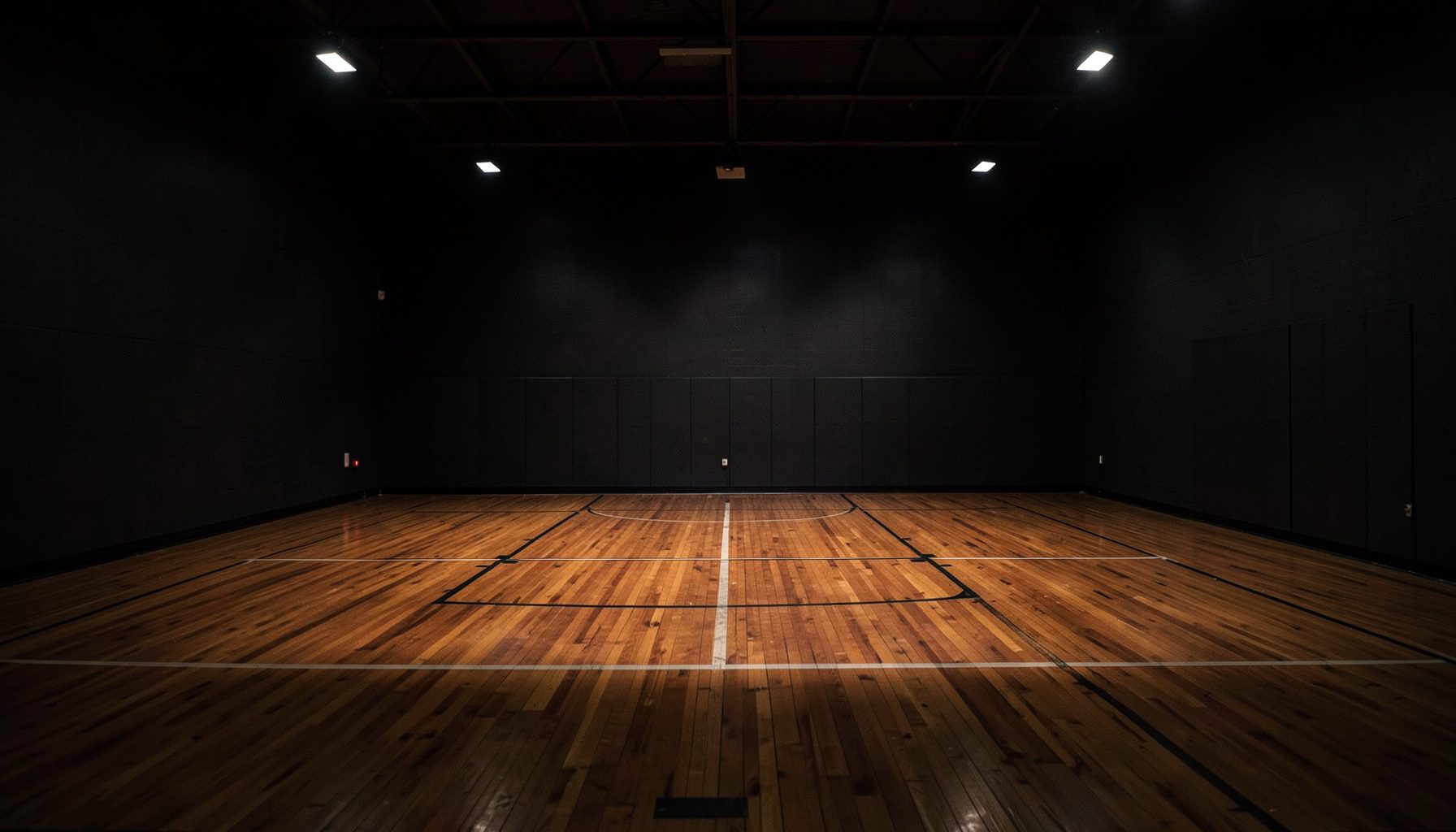
A multi-purpose athletic facility in Speedway, Indiana — basketball leagues, skill training, and wellness services all under one roof.
The Factory D1 Indy brings together three entities under one roof: competitive basketball leagues for all age groups, individual and group training, and wellness & recovery services including Normatec boot recovery and cryotherapy. Located off I-465 and High School Road at 6331 Crawfordsville Road, Speedway, Indiana 46224.
Get In TouchWhat to Expect During Your First Normatec Compression Session
Recovery can feel unfamiliar when you have spent most of your training time focused on effort, intensity, and performance. Normatec compression therapy offers a quieter, more restorative experience. Instead of actively exercising, you sit or recline while specialized compression sleeves apply controlled pressure to your legs.
At The Factory D1 Indy in Speedway, Indiana, Normatec sessions fit naturally into a broader athletic routine. Basketball players, cyclists, youth athletes, adult competitors, and fitness participants can use recovery services to support the work they do in training, leagues, and conditioning sessions.
Knowing what happens before, during, and after your first appointment can make the process feel simple. The session is designed to be comfortable, adjustable, and easy to fit around your regular practice or workout schedule.
How Normatec Compression Works
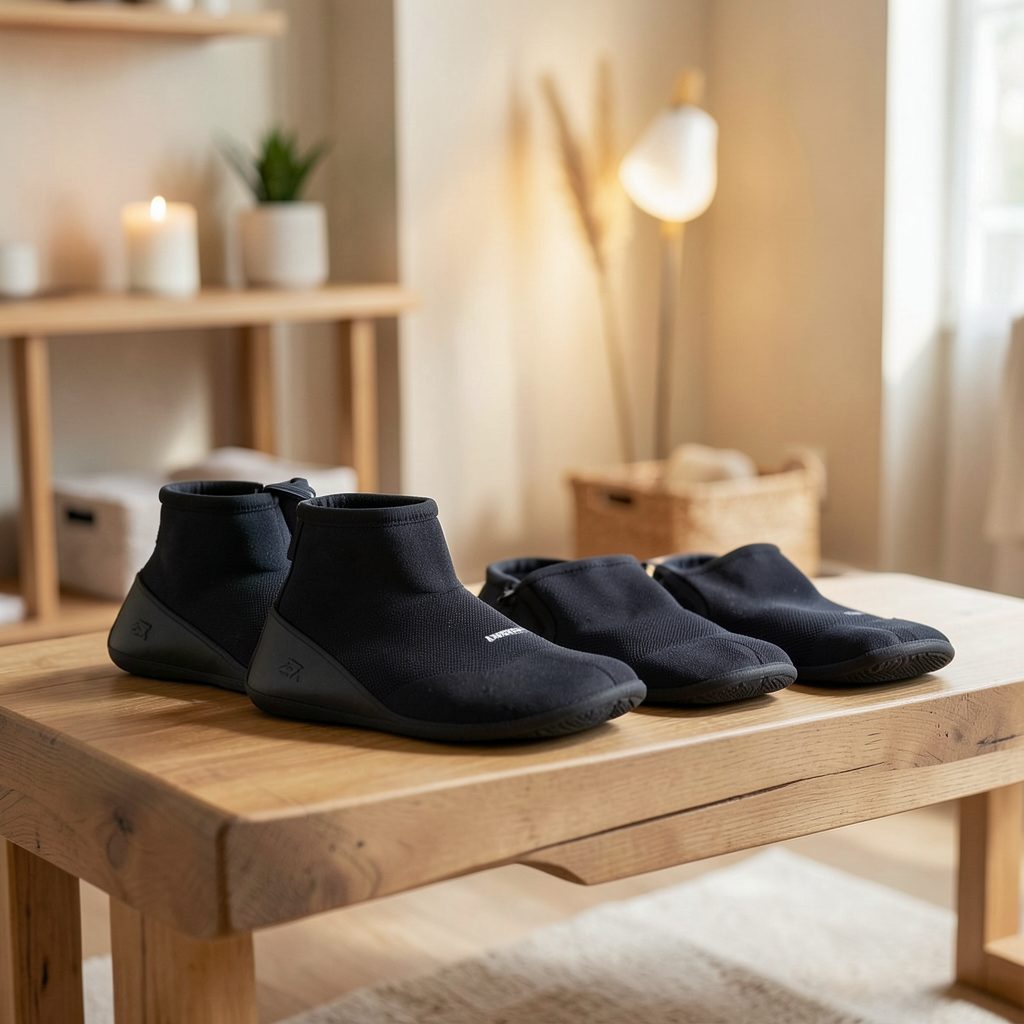
Normatec uses inflatable leg sleeves, often called compression boots, that surround the legs from the feet upward. The system fills sections of the sleeves with air in a sequence, creating rhythmic pressure that moves upward through the lower body. This sequential compression is intended to support circulation and fluid movement after physical activity.
You remain seated or reclined while the device completes its programmed cycles. The sleeves may feel snug as each chamber inflates, then loosen before the next section activates. The sensation is usually more like a firm, repeated squeeze than a painful pressure.
A staff member can help position the sleeves and explain the controls before the session begins. Pressure and program settings may be adjusted for comfort, so you should speak up if the compression feels too intense, uneven, or uncomfortable.
Preparing Before Your Appointment
Wear comfortable clothing that allows the sleeves to fit smoothly over your legs. Loose athletic pants or shorts are usually practical, while bulky pockets, thick seams, and restrictive garments may interfere with a comfortable fit. You will generally keep your clothes on unless staff members provide different instructions.
Arrive with enough time to check in and discuss your goals. Tell the provider about recent injuries, swelling, soreness, surgeries, circulation concerns, or medical conditions. Compression therapy may not be suitable for everyone, especially people with certain vascular, cardiac, or clotting conditions, so medical guidance is important when there is any uncertainty.
Hydration is a sensible part of recovery, particularly after a hard basketball practice, spin class, or strength workout. It will not replace sleep, nutrition, mobility work, or professional medical care, but arriving reasonably hydrated can help you feel more comfortable while resting.
What Happens During the Session
Your first session usually begins with a brief explanation of the equipment. You sit in a chair or on a recovery surface, place your legs inside the sleeves, and allow the staff member to secure the closures. The sleeves should feel fitted without cutting into the skin or causing sharp pressure.
Once the system starts, you will notice different sections inflating around your feet, calves, knees, and thighs. The pattern may repeat for the length of the appointment. Many people use the time to relax, listen to music, review a training plan, or simply let their body settle after exercise.
There should be no strenuous movement required. You can bend your upper body, talk with staff, or change your position slightly as long as you do not disrupt the sleeves. If you experience numbness, tingling, significant pain, dizziness, unusual shortness of breath, or discoloration, pause the session and notify the staff immediately.
| What You May Notice | What It Usually Means | What To Do |
|---|---|---|
| Rhythmic squeezing | The air chambers are inflating in sequence | Relax and allow the cycle to continue |
| Firm pressure around the feet or calves | The lower chambers are activating | Tell staff if the pressure feels excessive |
| A gradual release | One compression phase is ending | No action is usually needed |
| Warmth or relaxation | Your body is settling while you rest | Continue monitoring your comfort |
| Persistent pain, numbness, or discoloration | The fit or pressure may need attention | Stop and speak with staff promptly |
How Your Body May Feel Afterwards
People respond to compression therapy differently. Some leave feeling relaxed, lighter, or less tight through the legs. Others notice little immediate change but appreciate the chance to rest between demanding sessions. A single appointment should not be treated as a guaranteed fix for soreness or fatigue.
Your post-session experience may depend on the workout that came before it, your sleep, hydration, training load, and existing muscle soreness. If you completed intense lower-body work, the legs may still feel tired even after compression. Recovery is a process, and Normatec is one tool within that process.
It is also normal to feel ready to move gently afterward. An easy walk, light stretching, or a relaxed mobility routine can complement a compression session. Avoid treating temporary relief as a reason to immediately repeat a high-intensity workout before your body is prepared.
Who May Benefit From Compression Recovery
Normatec can be useful for athletes who place repeated demands on their legs. Basketball players may use it after practices, games, jumping sessions, or conditioning workouts. Cyclists and spin participants may appreciate compression after sustained pedaling and high-volume leg work. If you are interested in developing the lower-body capacity that supports court movement, these leg strength sessions can complement recovery-focused services.
The service may also appeal to adults who train recreationally, compete in leagues, or want structured recovery after exercise. Youth athletes should use wellness services with appropriate adult oversight and guidance from qualified professionals. The right approach depends on age, training demands, health history, and the recommendations of a parent, coach, or medical provider.
Compression therapy is not a substitute for diagnosis or treatment. It should not be used to mask an injury so that an athlete can continue playing through serious pain. When soreness is severe, persistent, accompanied by swelling, or connected to an acute injury, consult a qualified healthcare professional.
Fitting Recovery Into Training
The most useful time for a session depends on your schedule and how your body responds. Some athletes book compression after a demanding workout or competition. Others use it on a rest day when their legs feel heavy from several consecutive training sessions. Staff can help you think through a practical routine without making recovery more complicated than it needs to be.
Pairing recovery with a complete training plan is often more effective than relying on one service. Basketball athletes may combine skills training, strength work, conditioning, mobility, sleep, nutrition, and compression therapy. Cyclists may schedule it after a challenging ride or spin class. The goal is to support consistent participation while respecting the time your body needs to adapt.
Useful habits to keep in mind include:
- Schedule your first session after a moderate workout rather than your most exhausting day.
- Communicate clearly about pressure, fit, injuries, and any unusual sensations.
- Drink water and allow enough time afterward for a calm transition.
- Track how your legs feel later that day and the next morning.
- Combine compression with sleep, balanced meals, mobility, and appropriate rest.
Start Your Recovery Routine At The Factory D1 Indy
Your first Normatec appointment should feel straightforward: arrive prepared, explain your needs, get comfortably fitted, and let the compression cycle run while you rest. The service can be a convenient addition to training at The Factory D1 Indy, where athletes and community members have access to basketball programs, leagues, cycle classes, and wellness resources in one athletic environment.
Book a recovery session at The Factory D1 Indy and give your legs dedicated time to reset after practice, competition, or conditioning.
Inside The Factory

Three Entities, One Roof
Leagues
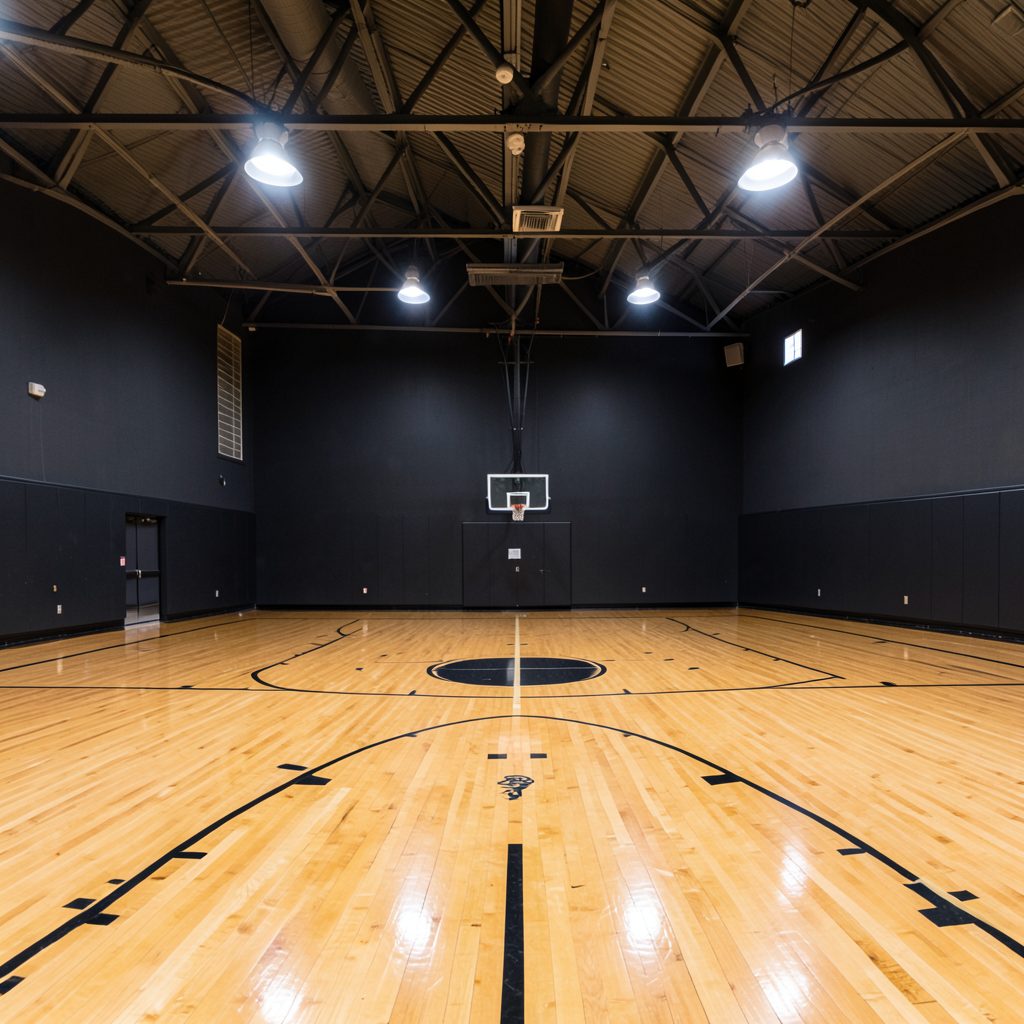
Eight league divisions span every age group: Indy Pro AM, 18+ Open Men's, 30+ Men's, Bite Size (ages 3–6), Impact League, 5th/6th Grade, Middle School, and High School. Gather your team and compete.
Training
Individual and group basketball training for all skill levels. Major M.O.V.E.S. Basketball Training serves ages 4–7 on Wednesday and Thursday evenings at 6:30 PM — $30 per session or $100 unlimited monthly.
Wellness & Recovery
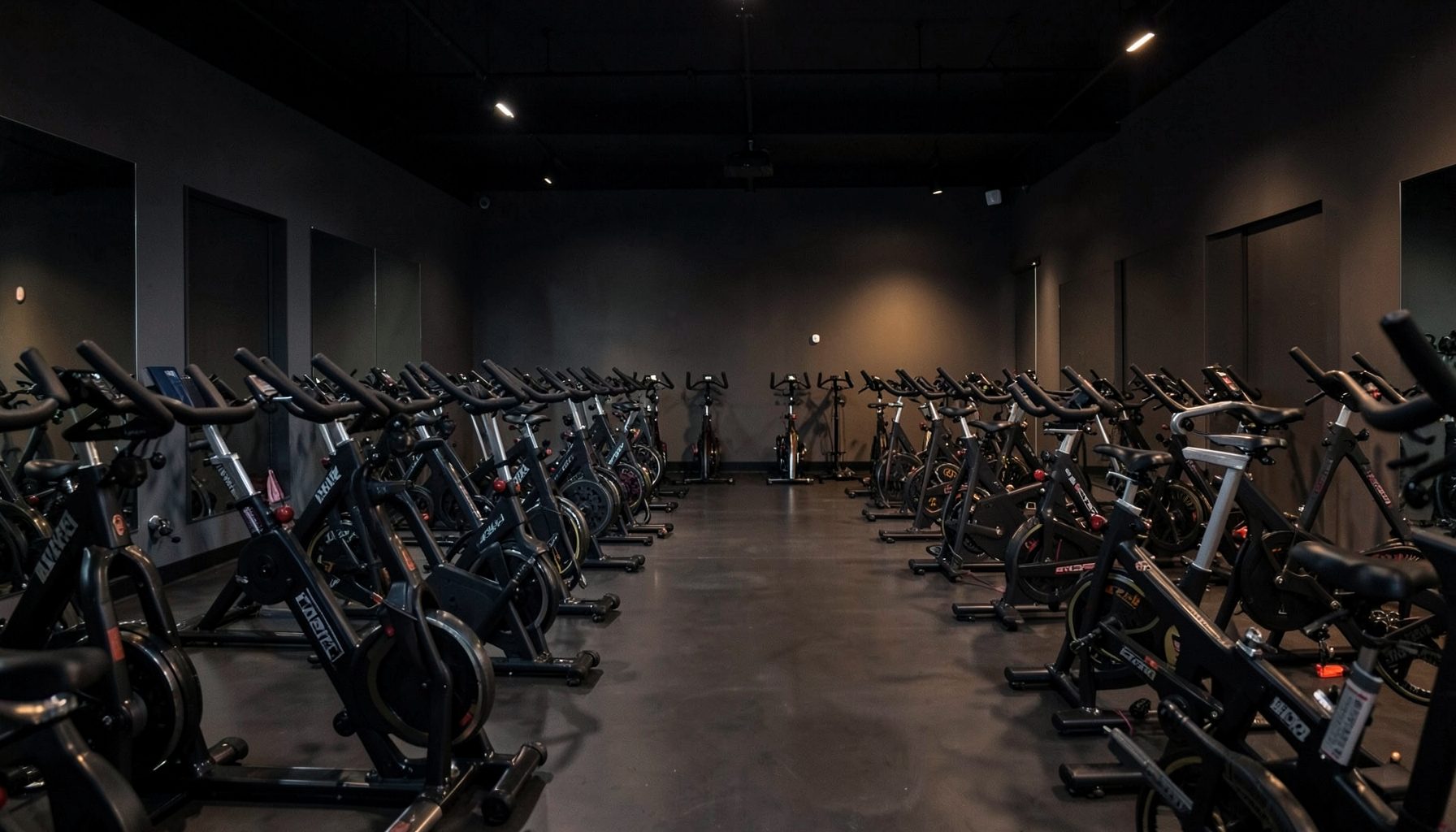
Normatec boot recovery and cryotherapy treatments help athletes bounce back faster. Cycle and spin classes add a cardio dimension to the holistic performance approach.
Have a Question?