Train. Compete. Recover.
A multi-purpose athletic facility in Speedway, Indiana — basketball leagues, skill training, and wellness services all under one roof.
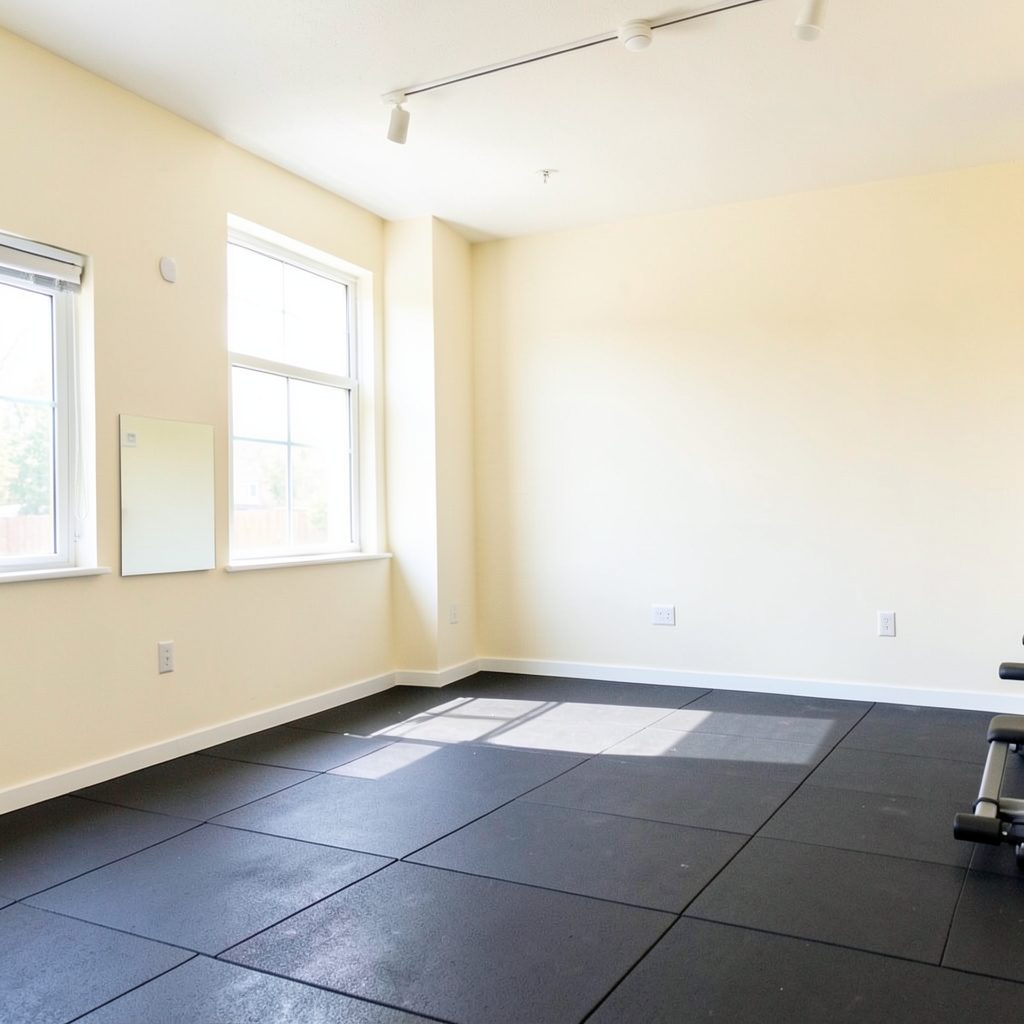
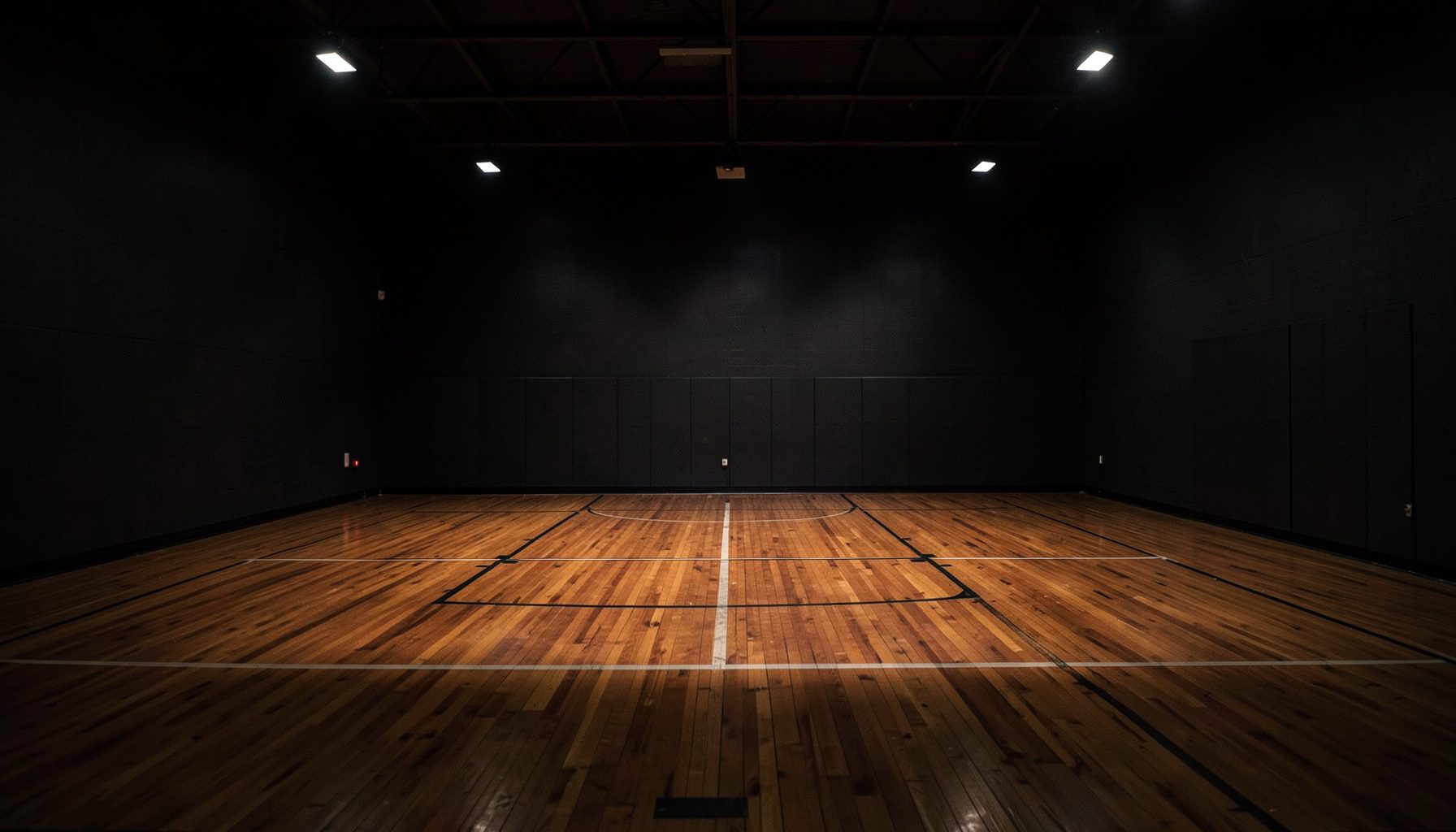
The Factory D1 Indy brings together three entities under one roof: competitive basketball leagues for all age groups, individual and group training, and wellness & recovery services including Normatec boot recovery and cryotherapy. Located off I-465 and High School Road at 6331 Crawfordsville Road, Speedway, Indiana 46224.
Get In TouchDynamic Stretching for Stronger, Safer Basketball Performance
Basketball demands repeated bursts of acceleration, sudden stops, lateral shuffles, jumps, pivots, and reaches. Before practice or competition, athletes need more than a few casual movements to raise their body temperature. They need preparation that reflects the speed and range of motion required on the court.
Dynamic stretching uses controlled, active movements to take joints and muscles through useful ranges of motion. Unlike long, motionless stretches, it keeps the body moving while gradually preparing the nervous system, connective tissue, and major muscle groups for athletic work.
For players in youth divisions, school programs, recreational leagues, and adult competition, this type of warm-up can become a practical part of every training session. It supports movement quality without making preparation feel separate from basketball.
The Role of Movement Before Tipoff
A dynamic warm-up increases circulation and gently elevates heart rate before intense activity begins. As the body warms, muscles and joints become better prepared for actions such as sprinting into transition, opening the hips on defense, or landing after a rebound.
The value is also mental. A consistent sequence gives players time to shift attention away from school, work, or distractions and toward footwork, communication, and decision-making. The first minutes of practice can then feel purposeful rather than rushed.
Players should begin with low-intensity movements and gradually increase speed. Walking knee hugs, ankle rolls, arm circles, and easy skips can lead into more demanding exercises. The goal is readiness, not fatigue.
How Active Mobility Differs From Static Stretching
Static stretching involves holding a muscle in a lengthened position for a period of time. It can be useful after training or during a separate flexibility session, especially when an athlete is working on a specific mobility limitation. It is less suitable as the only preparation immediately before explosive basketball activity.
Dynamic mobility keeps the athlete active. Leg swings, walking lunges with a rotation, lateral shuffles, and controlled high-knee movements require coordination while gradually increasing range of motion. They also rehearse patterns that resemble basketball actions.
This does not make one method universally better than the other. Timing matters. Active movement generally fits before practice, lifting, or games, while relaxed static holds may fit after activity or during dedicated recovery work. Both can have a place in a well-rounded program.
Basketball Benefits From Head To Toe
Lower-body mobility is central because basketball players repeatedly load the ankles, knees, hips, and hamstrings. Walking lunges, reverse lunges, bodyweight squats, and controlled leg swings can prepare these areas for acceleration, deceleration, and jumping.
The upper body needs preparation too. Arm circles, cross-body swings, scapular movements, and trunk rotations help players get ready for passing, rebounding, shooting, and contact. Coordinating the arms and torso with the legs also supports smoother change-of-direction mechanics.
Dynamic stretching may help athletes feel less restricted during the opening drills of a session. It does not guarantee injury prevention, and it cannot replace strength training, sound technique, proper footwear, or adequate recovery. Its benefit comes from being one part of a complete preparation routine.
A Court-Ready Warm-Up Sequence
A useful sequence can take about eight to twelve minutes. Start with two or three minutes of easy jogging, skipping, or cycling. Follow with mobility work that moves from simple joint actions into basketball-specific patterns.
The next phase can include walking knee hugs, quad pulls, straight-leg marches, lateral lunges, inchworms, and hip rotations. Finish with short accelerations, defensive slides, closeout steps, or controlled jumps. Each movement should be deliberate, with posture and balance taking priority over speed.
| Warm-up phase | Example movements | Primary purpose |
|---|---|---|
| Raise body temperature | Easy jog, skip, or cycle | Increase circulation and readiness |
| Mobilize joints | Ankle rocks, leg swings, arm circles | Explore comfortable movement range |
| Activate major muscles | Glute bridges, walking lunges, squats | Prepare hips, legs, and trunk |
| Rehearse basketball patterns | Defensive slides, closeouts, skips | Connect mobility with court skills |
| Increase intensity | Short accelerations, controlled jumps | Prepare for explosive actions |
Coaches can adjust the sequence for age, experience, temperature, and training goals. Younger athletes may benefit from playful movement and simple instructions, while advanced players may use more sport-specific drills. A warm-up should leave athletes feeling sharper, not drained.
Timing, Technique, And Individual Needs
Dynamic stretching works best when movements are controlled and pain-free. A player should feel muscles working and joints moving, but sharp pain, pinching, or unusual instability is a reason to stop and seek guidance from a qualified professional.
The intensity should rise in stages. Performing maximal sprints or aggressive jumps while cold defeats the purpose of a gradual warm-up. Begin with a comfortable range, then add speed, distance, or complexity as the body responds.
Athletes also have individual differences. A recovering player, a growing young athlete, and an experienced adult guard may need different movements or time allocations. Coaches should watch for compensation, such as a knee collapsing inward, a heel lifting unexpectedly, or the torso losing control.
Making Preparation Part Of The Season
Consistency matters more than performing an elaborate routine once in a while. Teams can assign a shared sequence before every practice, while individual athletes can keep a shorter version for open gym sessions, workouts, or games. Repeating familiar movements makes it easier to begin training on time.
A long season also requires attention to motivation and recovery. Players who understand the purpose behind their warm-up are more likely to maintain it when practices become repetitive or schedules grow demanding. Strategies for staying motivated can help athletes keep preparation, hydration, sleep, and effort consistent across the calendar.
The Factory D1 Indy supports that broader approach by combining basketball training and leagues with conditioning and wellness services. Athletes and families can learn more about the facility, its programs, and its community-centered offerings through the Factory D1 Indy team.
Practical Habits For Every Player
- Arrive early enough to complete a gradual warm-up rather than rushing into drills.
- Match movements to basketball demands, including jumping, landing, shuffling, rotating, and sprinting.
- Use controlled range of motion and stop when a movement causes sharp or unfamiliar pain.
- Increase intensity progressively, saving full-speed efforts for the final portion of preparation.
- Pair dynamic mobility with strength training, recovery, hydration, and quality sleep.
A well-designed warm-up helps players enter practice ready to learn and compete. It prepares the body for the demands ahead while giving the mind a clear transition into basketball mode. Build the routine into every session at The Factory D1 Indy, and make active mobility a dependable part of your path toward confident, durable performance.
Inside The Factory

Three Entities, One Roof
Leagues
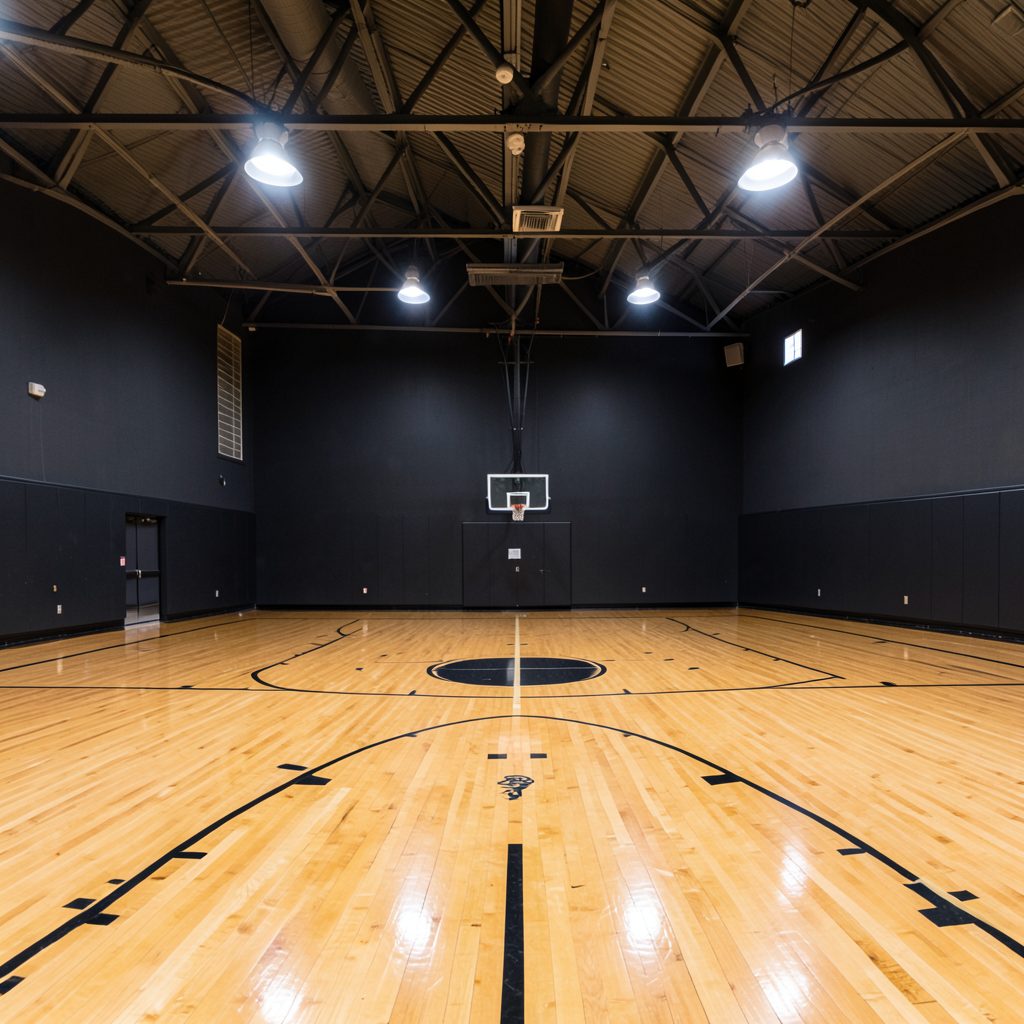
Eight league divisions span every age group: Indy Pro AM, 18+ Open Men's, 30+ Men's, Bite Size (ages 3–6), Impact League, 5th/6th Grade, Middle School, and High School. Gather your team and compete.
Training
Individual and group basketball training for all skill levels. Major M.O.V.E.S. Basketball Training serves ages 4–7 on Wednesday and Thursday evenings at 6:30 PM — $30 per session or $100 unlimited monthly.
Wellness & Recovery
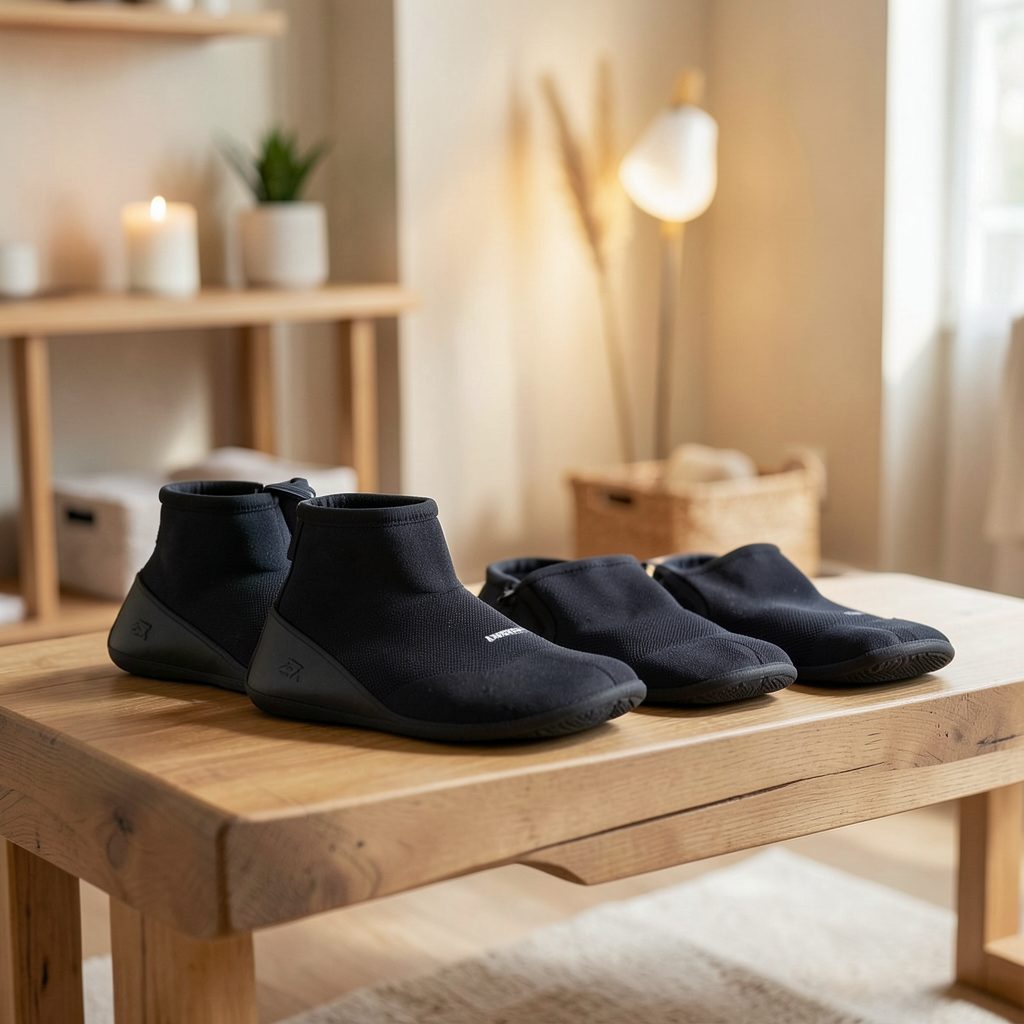
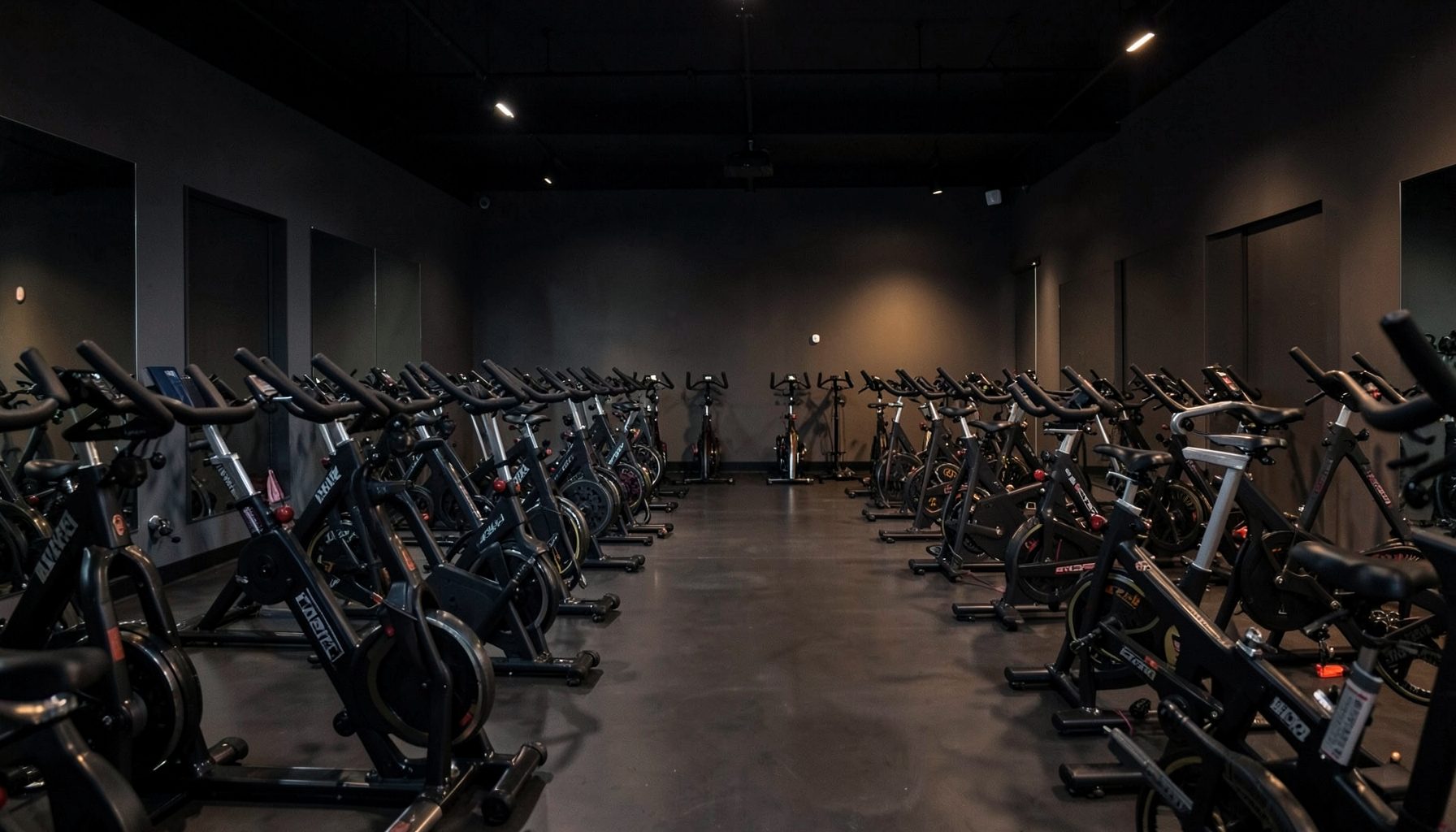
Normatec boot recovery and cryotherapy treatments help athletes bounce back faster. Cycle and spin classes add a cardio dimension to the holistic performance approach.
Have a Question?