Train. Compete. Recover.
A multi-purpose athletic facility in Speedway, Indiana — basketball leagues, skill training, and wellness services all under one roof.
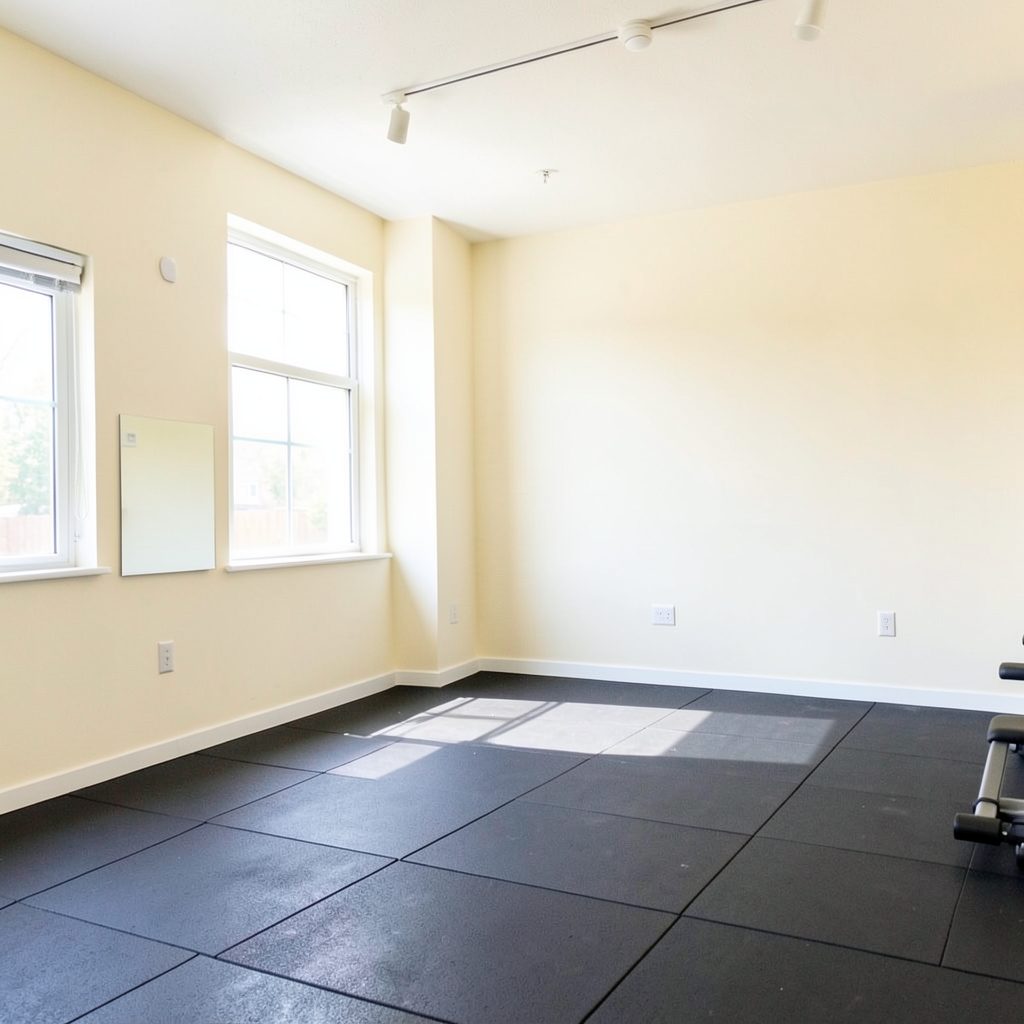
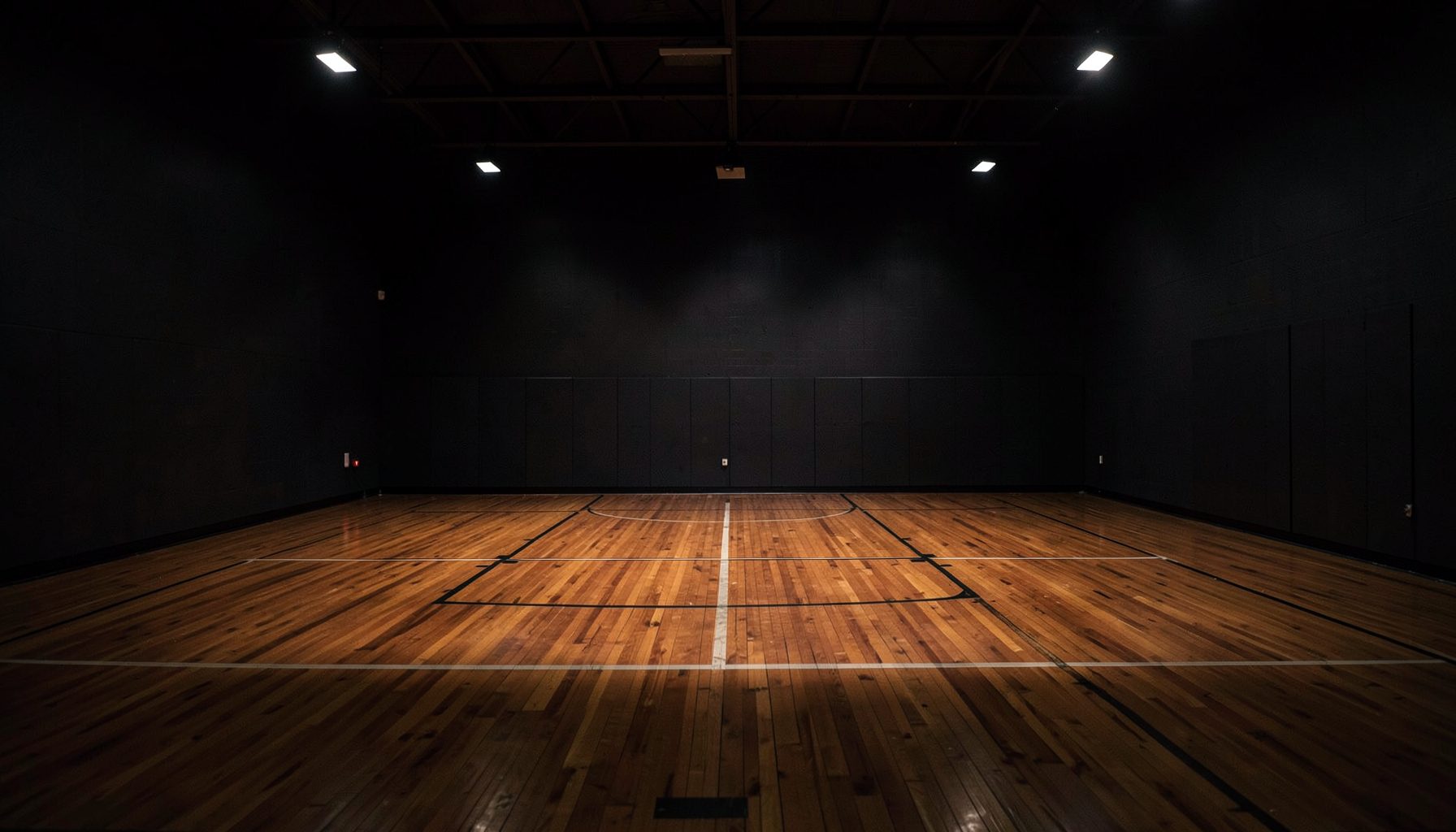
The Factory D1 Indy brings together three entities under one roof: competitive basketball leagues for all age groups, individual and group training, and wellness & recovery services including Normatec boot recovery and cryotherapy. Located off I-465 and High School Road at 6331 Crawfordsville Road, Speedway, Indiana 46224.
Get In TouchWhat new members should know about our facility’s wellness services
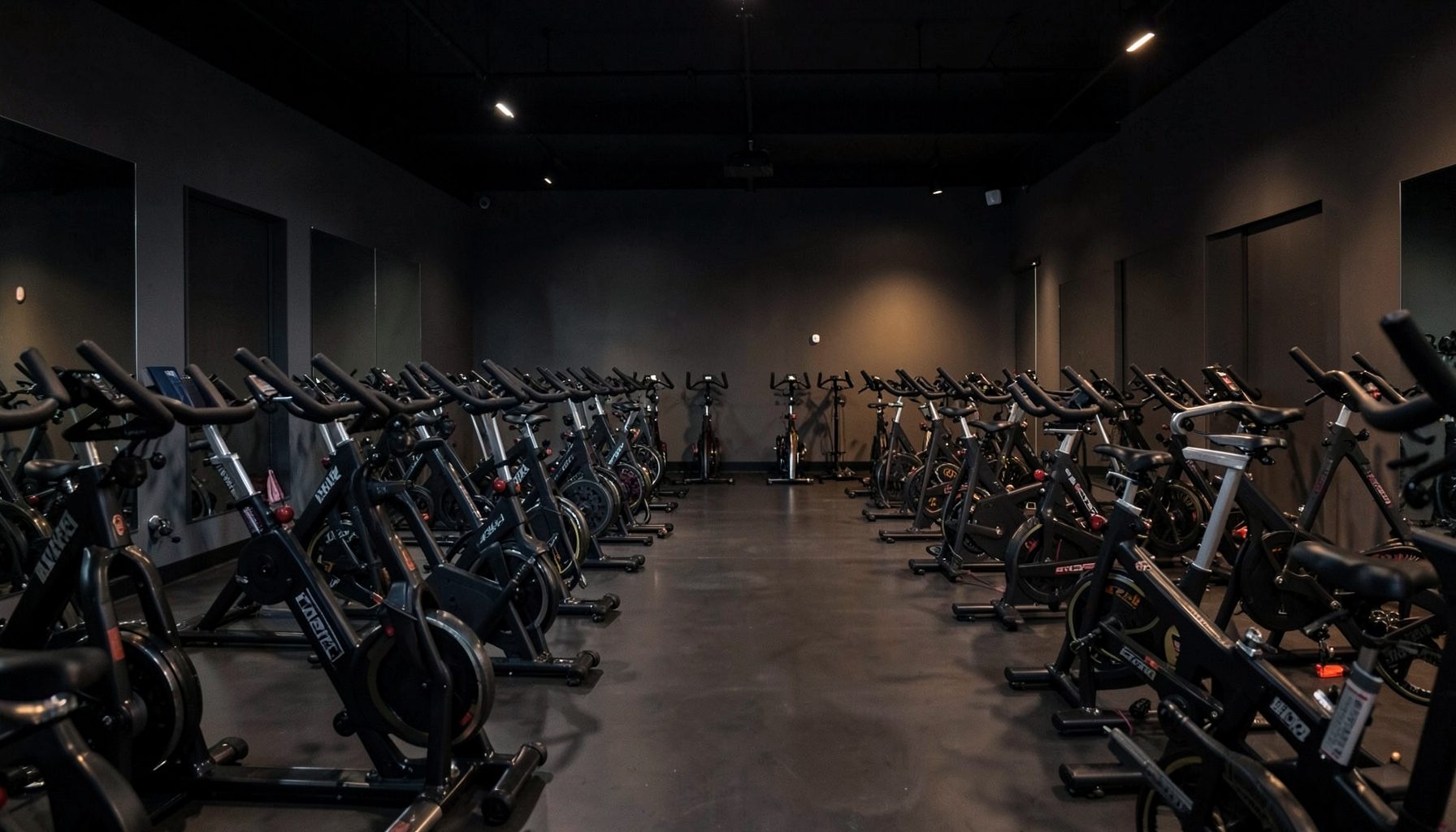
Factory D1 Indy in Speedway, Indiana, is built around basketball training and competitive leagues, while also supporting members with cycling, compression therapy and cryotherapy. These wellness services can help with conditioning, movement preparation and recovery, whether you play in a youth division, an adult league or an individual skills program.
New members should consider how each service fits their weekly training rather than treating recovery as a separate fitness trend. Australians may already be familiar with indoor cycle studios and compression garments, particularly in cities such as Sydney and Melbourne. The main difference here is combining those services with access to basketball courts, coaches and competition under one facility membership.
Choose services around your training goal
Start with the part of your training you want to support. A basketball player preparing for repeated sprints may focus on cycle work, while someone managing muscle soreness after practice may investigate Normatec compression therapy. Cryotherapy may appeal to members seeking a supervised cold exposure, although it is not a substitute for sleep, suitable nutrition or medical care.
Before booking, ask how long a session lasts, what clothing or equipment is required, and whether age or health restrictions apply. Prices and membership credits can change, so confirm current terms directly with the facility rather than relying on general descriptions.
| Service | Main purpose | What to expect | Plan around |
|---|---|---|---|
| Cycle and spin classes | Cardiovascular and muscular conditioning | An instructor-led ride with adjustable resistance | Your weekly workload and hydration |
| Normatec compression | Post-training recovery support | Intermittent pressure applied through padded sleeves | Recent training, comfort and health screening |
| Cryotherapy | Guided cold exposure | A brief session using the facility’s approved cold-therapy format | Staff supervision, clothing rules and suitability |
Use the first visit to establish a simple routine rather than booking every option at once. One well-timed session can be easier to evaluate than several new experiences in the same week.
Fit recovery into your basketball week
Recovery should complement basketball training without making an already demanding schedule harder to manage. Youth players may have school, club games and skills sessions close together, while adult league members often combine training with work and family commitments. Leave enough space for the body to recover between hard efforts.
Resistance bands can support jump preparation and shot strength when they are used with appropriate control. Australian coaches often employ bands for prehabilitation and accessible home training; this resistance-band jump-shot routine provides a practical example of how that support can fit into basketball development.
Ask a coach before copying the exercise with heavier resistance or faster movements. Jump and shooting drills should challenge technique without encouraging avoidable twisting, excessive valgus movement or an unstable landing. The same general principle applies to cycle classes: intensity should support your basketball goals rather than create fatigue that carries into practice.
Get the most from Normatec compression
Normatec therapy uses controlled cycles of pressure and release through padded sleeves or other attachments. The sensation is often described as rhythmic pumping, but the experience should remain comfortable. Trained staff should explain how the equipment is fitted, how long the session lasts and how to adjust the pressure.
Compression garments are familiar in many Australian gyms and sporting clubs, which can make the process feel straightforward. Familiarity should not replace screening. Members with circulation problems, nerve loss, recent surgery, unexplained swelling or other relevant health concerns should seek medical advice before using pneumatic compression therapy.
Recovery marketing can sometimes imply that compression “flushes out” toxins, lactic acid or injury-related swelling. Comfort after a session does not prove any such outcome, and the treatment should not be presented as a cure. If booking from Australia, also review what personal and health information the booking process requests. Australian Privacy Principles do not automatically govern an Indiana business, so ask for the facility’s privacy and health-information practices.
Treat cryotherapy as a guided exposure
Cold therapy may attract members living in hot parts of Australia, including Brisbane, especially during summer. That preference is understandable, but a short cold session is not automatically suitable for everyone. Ask what cryotherapy format is offered, how exposure is supervised and what rules apply to clothing, jewellery and skin conditions.
The facility should conduct an appropriate health screening before treatment. People who are pregnant or have relevant cardiovascular, respiratory, neurological or cold-sensitivity conditions may need medical advice or may be unsuitable for the service. Temporary numbness can also make it harder to recognise discomfort, which reinforces the value of trained supervision and clear emergency procedures.
Members should avoid assuming that colder or longer exposure produces a better result. Follow the facility’s instructions, stop if something feels wrong and disclose changes in health before each session. The Therapeutic Goods Administration regulates advertising claims for covered therapeutic goods in Australia, but cryotherapy at an Indiana gym is not TGA approval or a medical diagnosis. Claims about recovery should therefore remain modest and evidence-based.
Make recovery part of your membership
A sustainable routine is easier to maintain when it follows realistic training and travel arrangements. Speedway uses US Eastern Time, while Sydney, Melbourne, Brisbane and Perth sit in different Australian time zones. US and Australian daylight-saving dates also do not always align, so check the facility calendar carefully before travelling or arranging classes.
Review current costs, payment methods, age requirements, cancellation terms and session availability. Australian visitors should check whether their travel insurance covers planned sporting activities and how to obtain assistance if a treatment is medically restricted after arrival. These details are especially important when booking around a league schedule.
Before your first workout, give the Factory D1 Indy team your basketball timetable, training goals and any relevant recovery history. Arrange the class or league session that matters most, then speak with staff about which wellness service supports it and how often that service should be used. Start with one purposeful plan and build from there.
Inside The Factory

Three Entities, One Roof
Leagues
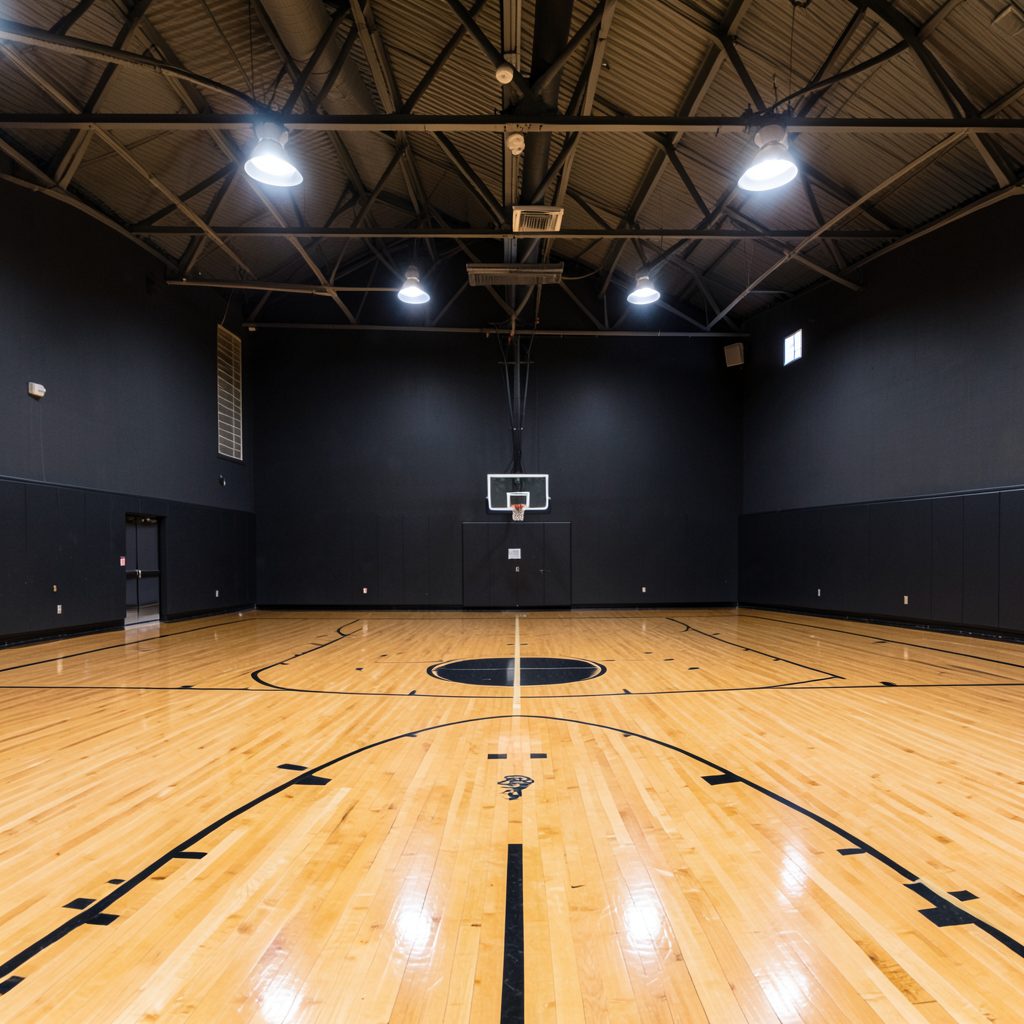
Eight league divisions span every age group: Indy Pro AM, 18+ Open Men's, 30+ Men's, Bite Size (ages 3–6), Impact League, 5th/6th Grade, Middle School, and High School. Gather your team and compete.
Training
Individual and group basketball training for all skill levels. Major M.O.V.E.S. Basketball Training serves ages 4–7 on Wednesday and Thursday evenings at 6:30 PM — $30 per session or $100 unlimited monthly.
Wellness & Recovery
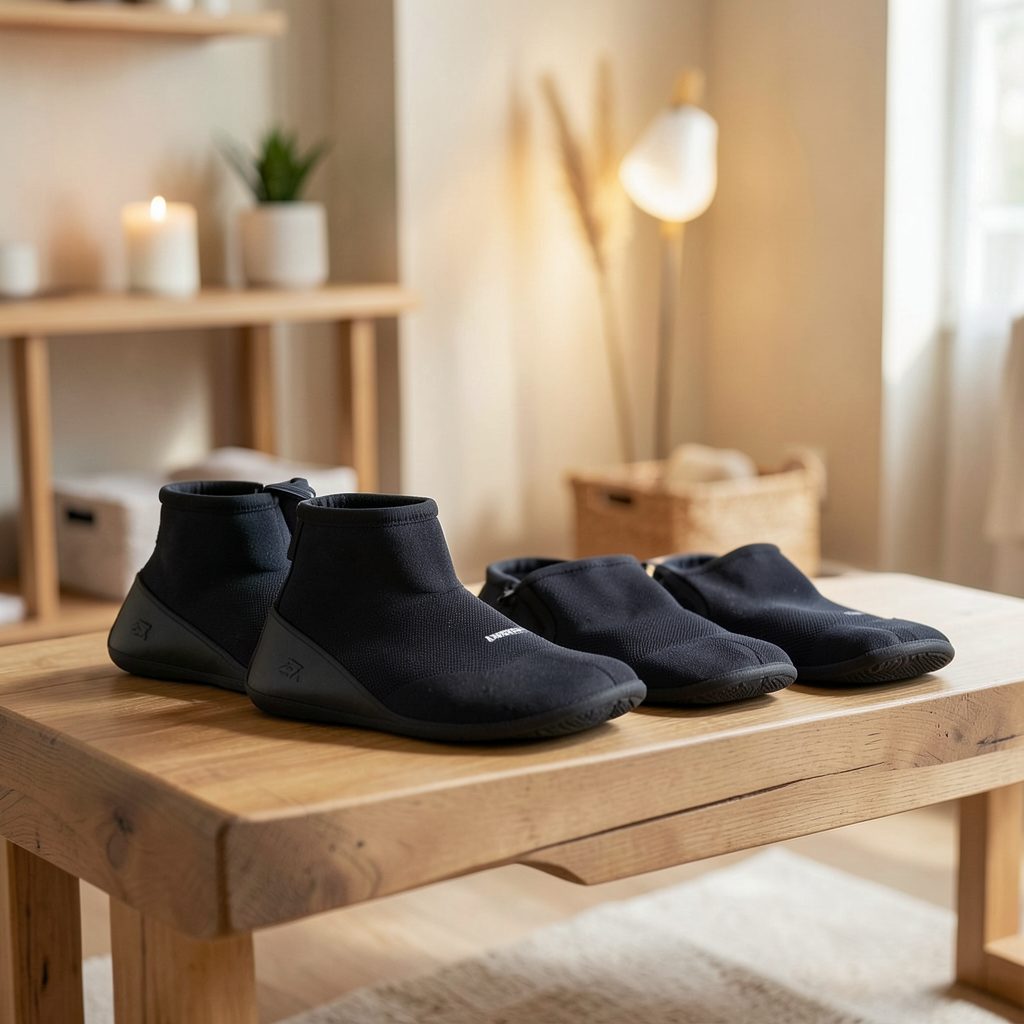
Normatec boot recovery and cryotherapy treatments help athletes bounce back faster. Cycle and spin classes add a cardio dimension to the holistic performance approach.
Have a Question?