Train. Compete. Recover.
A multi-purpose athletic facility in Speedway, Indiana — basketball leagues, skill training, and wellness services all under one roof.
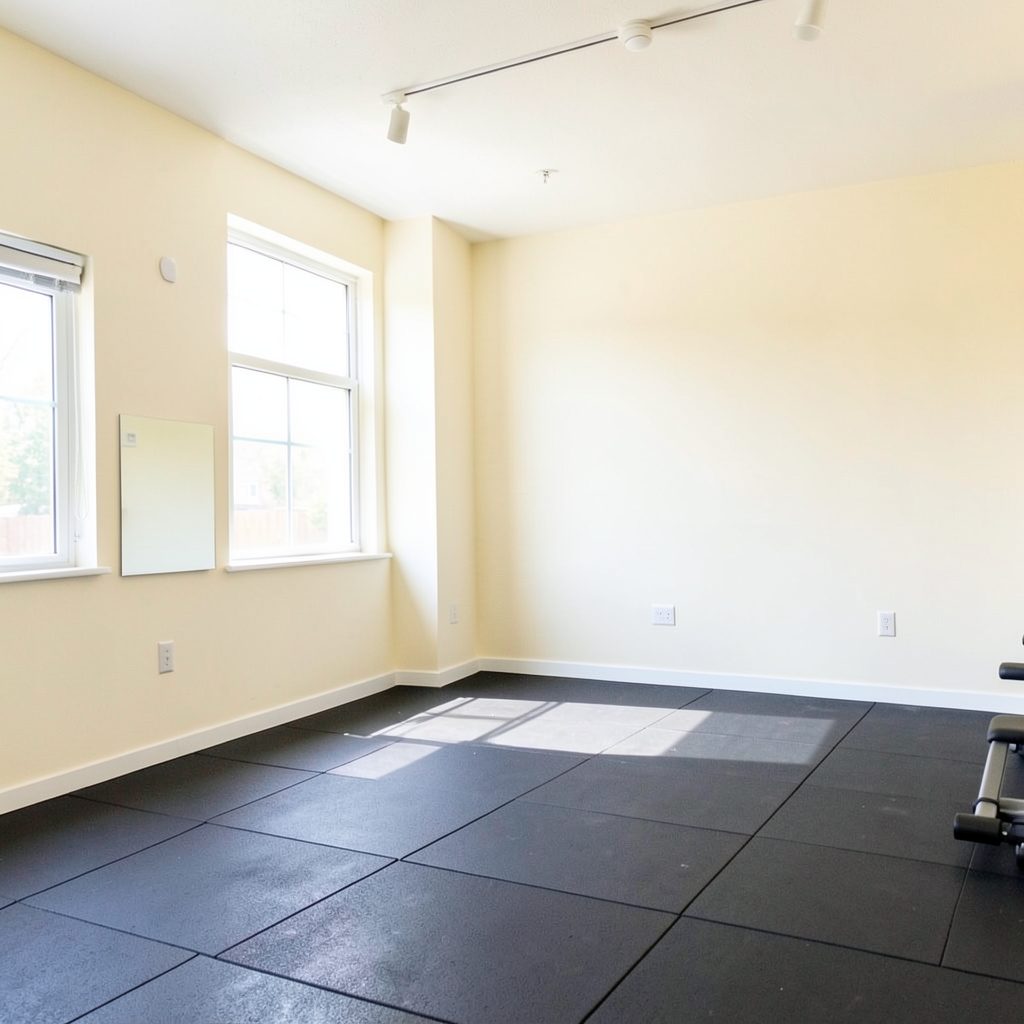
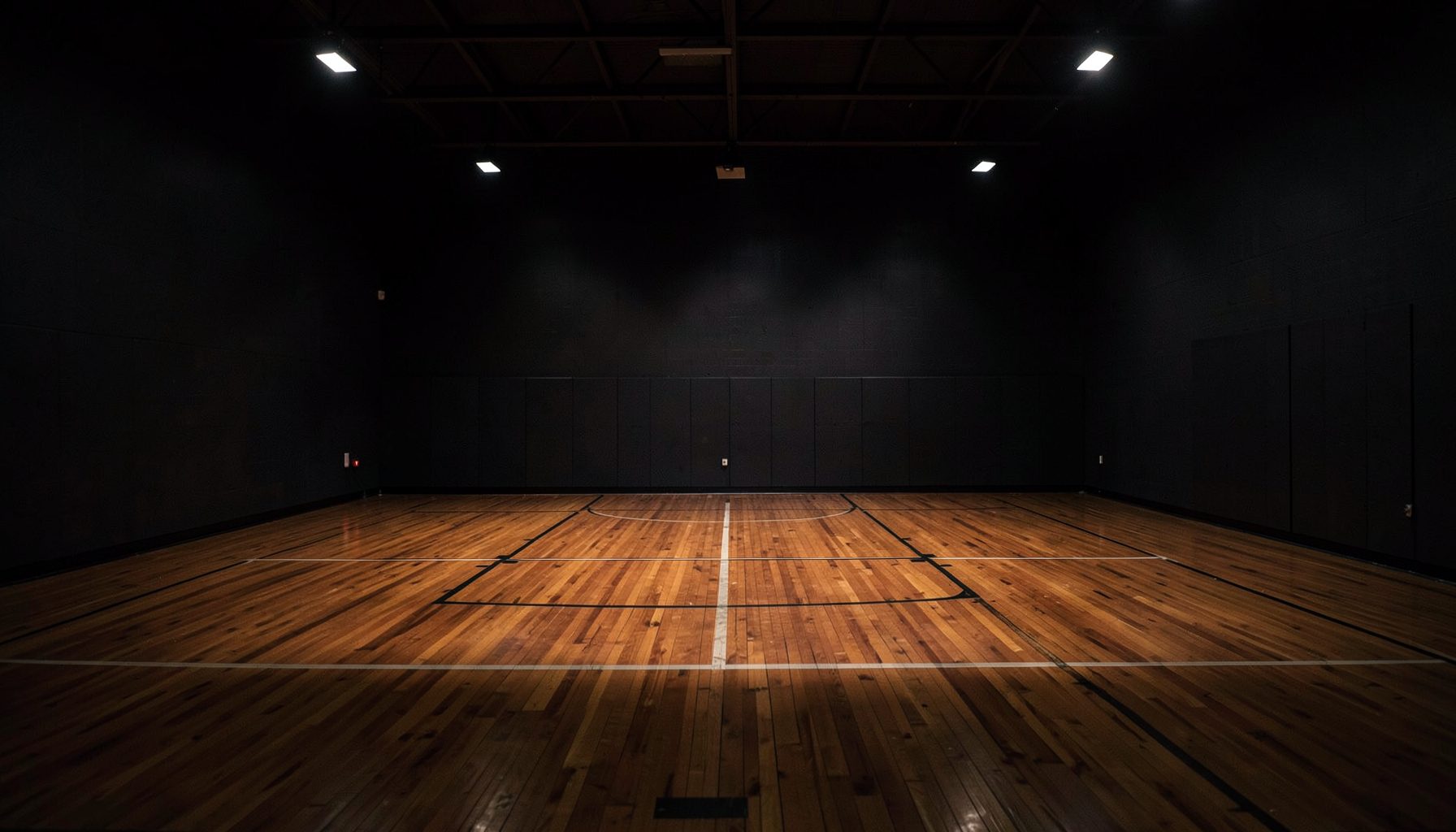
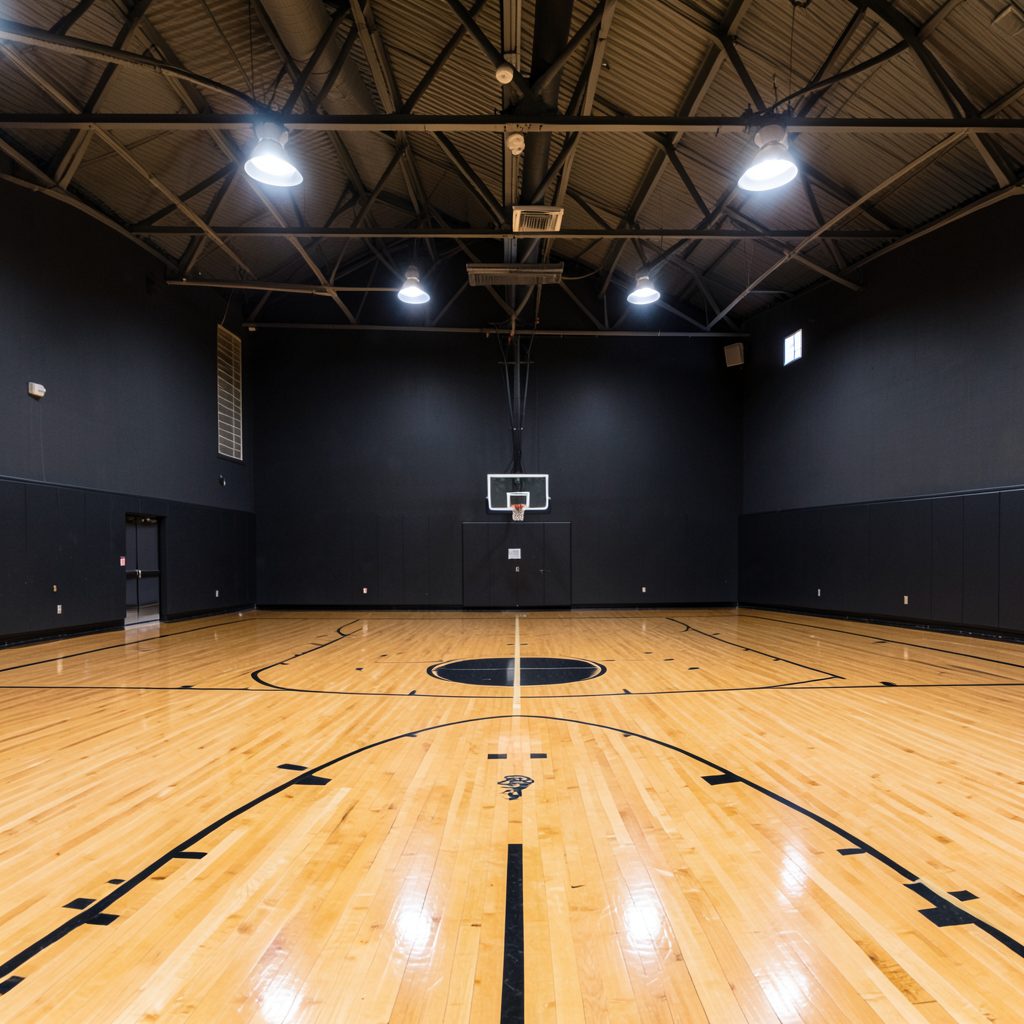
The Factory D1 Indy brings together three entities under one roof: competitive basketball leagues for all age groups, individual and group training, and wellness & recovery services including Normatec boot recovery and cryotherapy. Located off I-465 and High School Road at 6331 Crawfordsville Road, Speedway, Indiana 46224.
Get In TouchKeeping adult basketball competitive across every skill level
Adult basketball in Australia often shares calendar space with weekend social leagues, local associations and pick-up games arranged around work, family and shift rosters. Players in Sydney, Melbourne, Brisbane and Adelaide bring different levels of experience and different reasons for playing. At the Factory D1 Indy facility in Speedway, Indiana, adult league design addresses the same challenge: creating a fair contest without pretending everyone arrived from the same starting line.
What our adult leagues do to keep games competitive across skill levels is treat placement and game design as a single, shared system. Clear competitive bands give players a fair challenge, while rotations, consistent officiating and meaningful feedback stop talent from becoming the only measure of a good night. The result is energetic basketball for beginners and experienced athletes alike.
Finding the right competitive fit
Adult players rarely fit neatly into one competitive identity. A player returning after five years may have strong fundamentals but limited current fitness, while a former college athlete can need court time to regain confidence. Experience, role preference and practical availability provide a more useful basis for placement than a self-rating alone. Newcomers are matched with the level they can genuinely compete at, creating a better first game and reducing early drop-off.
Placement should be reviewed when rosters change, giving capable players a route into a stronger group when they are ready. This will feel familiar to Australian club administrators, where community basketball operates alongside cricket, AFL and netball and many athletes rotate between competitive and social formats. Player information also requires careful handling: the federal Privacy Act 1988 may apply to some organisations, while state and territory sporting associations may add safeguarding, insurance and concussion requirements.
Designing formats that reward the whole team
A bracket label alone cannot keep an adult game competitive. Rosters, fitness and familiarity with team roles all shift over a season. Our league design uses evenly matched teams, regular rotations and game lengths that reward execution without turning every matchup into a marathon. Less experienced divisions receive extra possessions and balanced minutes, while advanced play places greater emphasis on pace, spacing and accountability under pressure.
Rules remain consistent within each competitive band, but expectations can be scaled to the player. Experienced teams face sharper tactical competition, while newer players receive clearer guidance on defensive positioning and shot selection. This does not make competition easy. It makes the pressure legible: players know which habits win possessions, which mistakes cost the group and where a well-worked substitution can change the result. That clarity produces closer games without lowering standards.
Using feedback to protect competitive balance
Competitive balance improves when performance is reviewed in context rather than judged from the final score alone. A results sheet may show that one side won, but it will not reveal whether the other side defended well, made sharper passes or simply received less court time. League review combines game observations, statistical snapshots and feedback from captains and players to identify mismatches, unclear role assignments and athletes ready for more responsibility.
A practical comparison of the broad competitive bands shows how each protects balance:
| Competitive band | How balance is protected | What players experience |
|---|---|---|
| Open skill | Wide roster tolerance, balanced rotations and extra scoring opportunities | More touches, clearer roles and room to build confidence |
| Intermediate | Peer-aligned placement, stronger tactical expectations and regular lineups | Accountability and progress against similarly matched opponents |
| Advanced | Deeper rotations and higher performance expectations | A serious test that still depends on teamwork and composure |
The bands are not permanent labels. A player may move up after demonstrating readiness or seek a steadier environment when work, travel or recovery demands change. This matters for Australian players whose schedules often include early shifts, interstate travel and long suburban commutes. Publishing clear placement standards and explaining any movement protects trust as much as it protects the scoreboard.
Preparing adult bodies for higher-quality play
Competition becomes frustrating when athletes arrive underprepared. Adult players balance court time with desk work, family duties and other sports, so conditioning must fit real life rather than imitate a college programme. Our pre-season conditioning guide focuses on movement quality, progressive strength, repeated sprinting and joint tolerance, giving players practical targets they can use before league night.
Training should be demanding enough to support the level of play without treating every body identically. Within a division, warm-ups and game-minute expectations can reflect the agreed standard while individual workloads remain personal. Indoor competition is especially valuable in Australian cities: Brisbane’s humid summers can make outdoor sessions uncomfortable, and Melbourne’s rapidly changing weather can turn a short forecast into a logistical headache. A reliable court, clear clock and controlled environment let players concentrate on skill rather than conditions.
Recovery that supports consistency and longevity
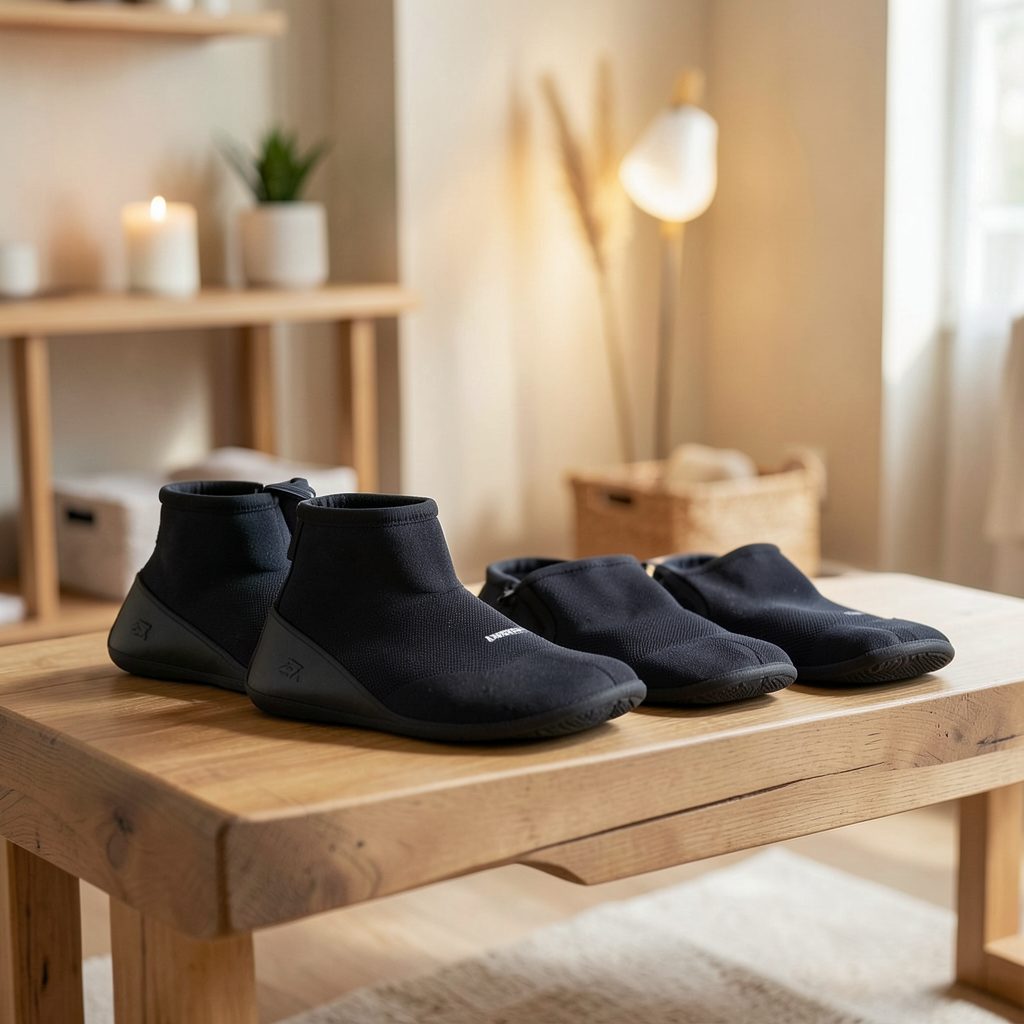
Recovery is where many amateur seasons are won or lost. A player who sleeps badly, commutes for hours or plays another sport at the weekend may still have talent, but fatigue can blunt decision-making and increase physical strain. Factory D1 Indy treats recovery as part of the performance plan, with Normatec compression therapy and cryotherapy available alongside training. These services do not replace medical care, yet they give active adults useful options for unwinding after demanding sessions.
Complementary guided mobility options can support range of motion and body awareness without turning every court session into a treatment session. Resources such as guided mobility options offer a wider view of movement practice for players interested in developing that side of their game. This fits the Australian wellness market, where many people combine a gym membership with specialist recovery tools and expect flexible, pay-as-you-go options rather than one undifferentiated package.
Build a season worth returning to
Adult leagues thrive when competition has a social foundation. Players should know their referees, recognise the value of a good screen, applaud a teammate’s hustle and expect standards to be enforced regardless of the score. Clear codes of conduct, published standings and captain-led communication create a culture in which strong players can be competitive without making newcomers feel singled out. That culture is especially important in Australia, where community sport often depends on volunteers, local council facilities and repeat players who bring friends back next season.
Factory D1 Indy combines skill-appropriate competition, purposeful training and recovery within one multi-purpose setting, giving adult athletes more ways to prepare for the standard they want to meet. Whether joining an established league for the first time, returning after a break or testing a higher competitive band, players can find structure without losing the enjoyment that made them play in the first place. Register for an adult league at Factory D1 Indy and take your game into a season built for meaningful competition.
Inside The Factory

Three Entities, One Roof
Leagues
Eight league divisions span every age group: Indy Pro AM, 18+ Open Men's, 30+ Men's, Bite Size (ages 3–6), Impact League, 5th/6th Grade, Middle School, and High School. Gather your team and compete.
Training
Individual and group basketball training for all skill levels. Major M.O.V.E.S. Basketball Training serves ages 4–7 on Wednesday and Thursday evenings at 6:30 PM — $30 per session or $100 unlimited monthly.
Wellness & Recovery
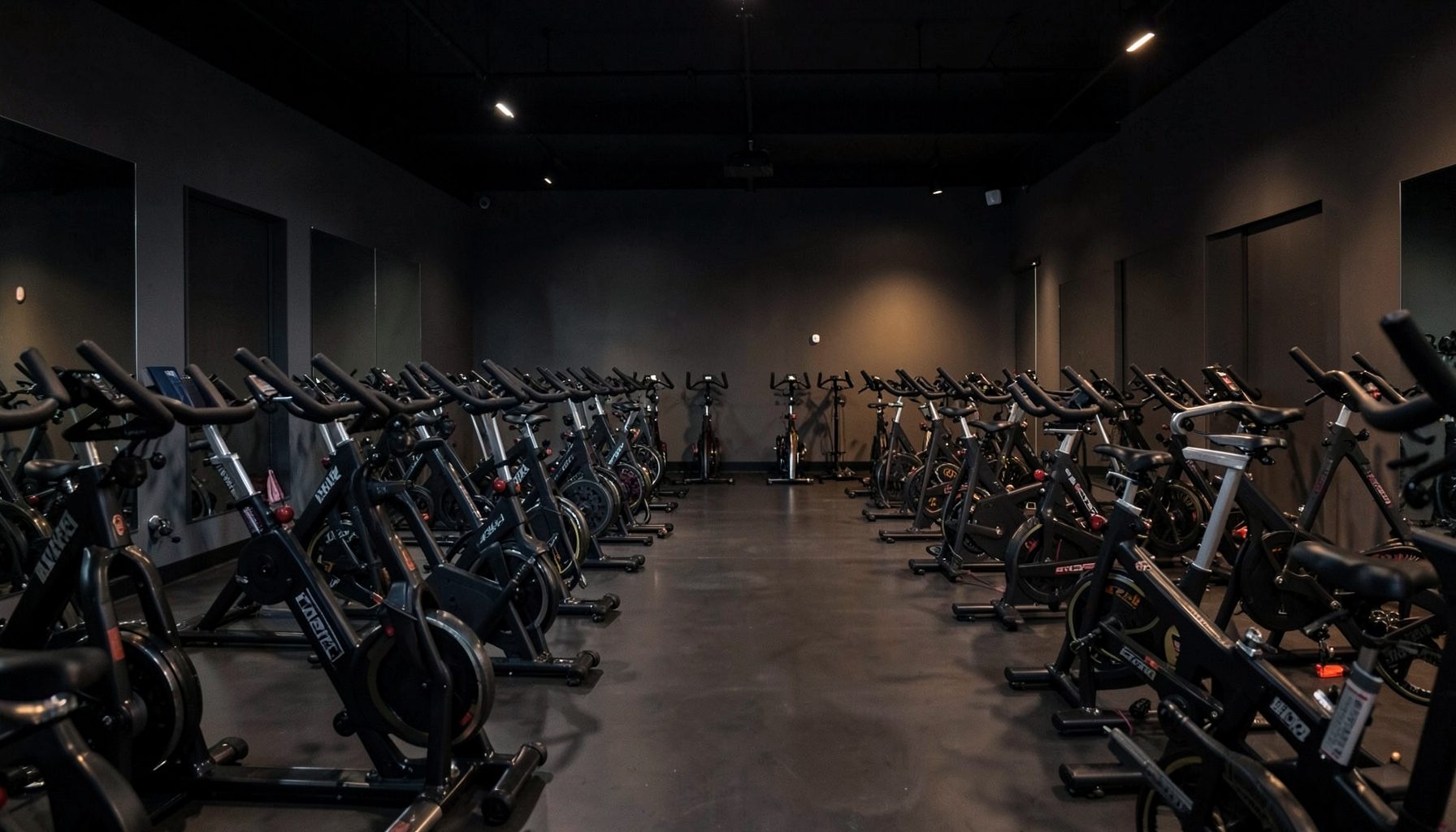
Normatec boot recovery and cryotherapy treatments help athletes bounce back faster. Cycle and spin classes add a cardio dimension to the holistic performance approach.
Have a Question?