Train. Compete. Recover.
A multi-purpose athletic facility in Speedway, Indiana — basketball leagues, skill training, and wellness services all under one roof.
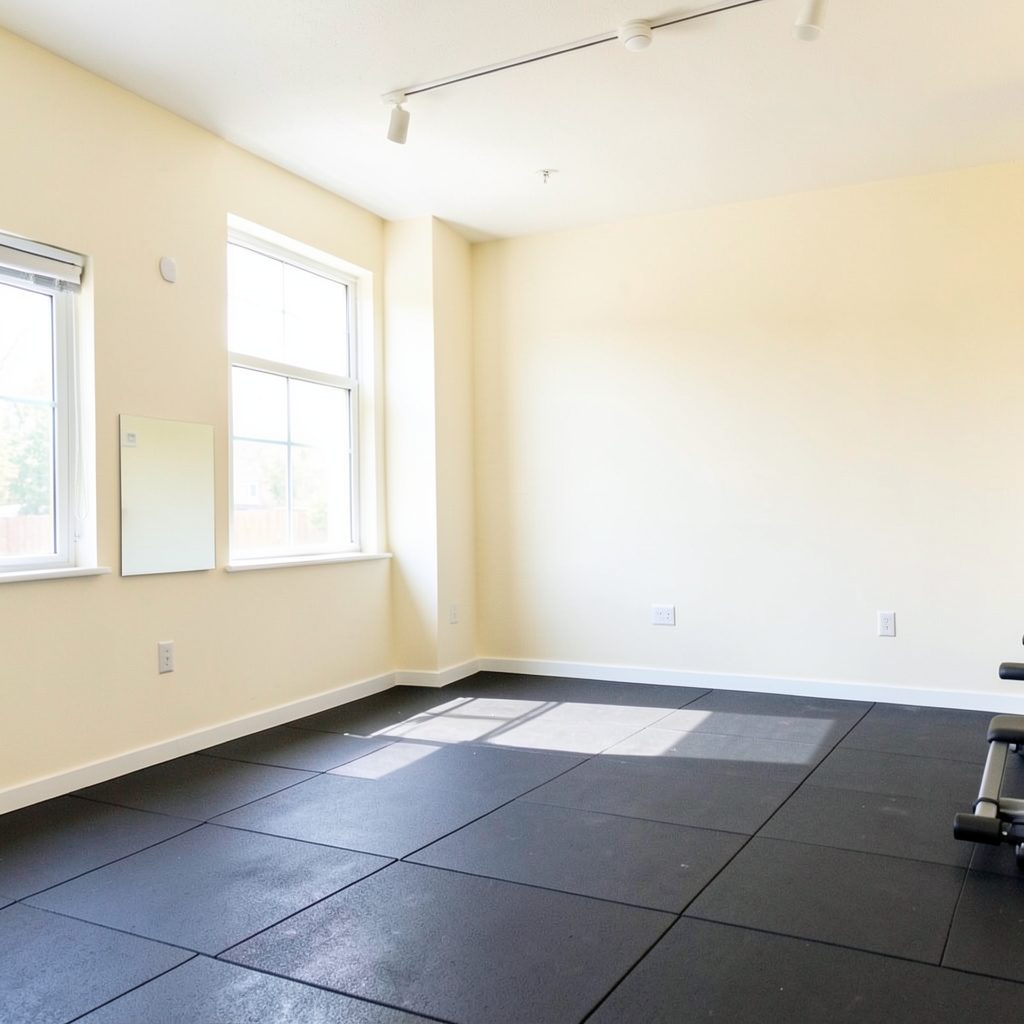
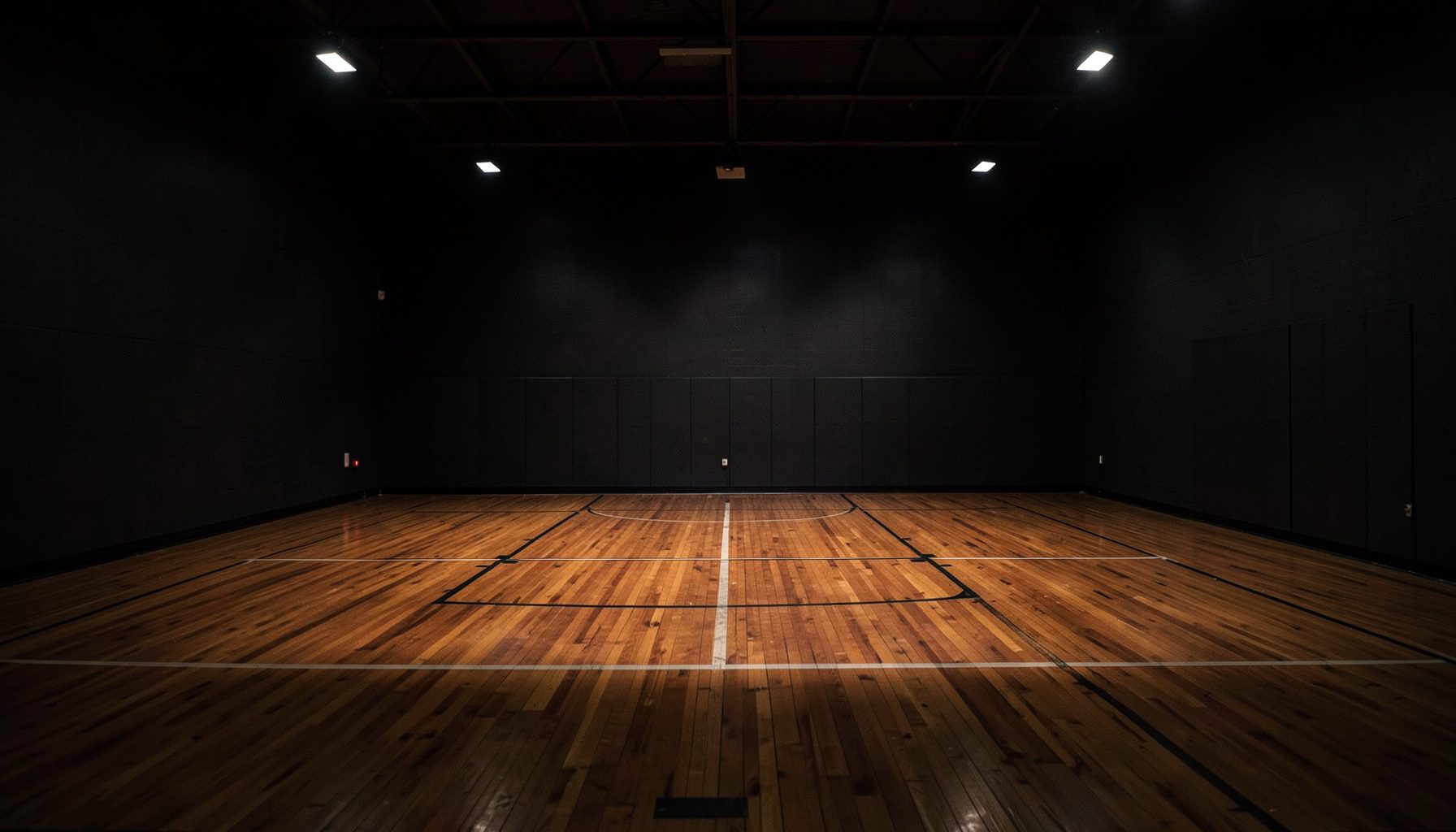
The Factory D1 Indy brings together three entities under one roof: competitive basketball leagues for all age groups, individual and group training, and wellness & recovery services including Normatec boot recovery and cryotherapy. Located off I-465 and High School Road at 6331 Crawfordsville Road, Speedway, Indiana 46224.
Get In TouchInside the Scouting Process Coaches Use to Build Elite Basketball Squads
Building an advanced training group is rarely about picking the most talented player in a tryout line-up. Coaches at facilities like The Factory D1 Indy spend hours watching film, taking notes during live drills, and comparing results across age groups before deciding who earns a spot in an elite cohort. Their decisions shape the culture of a program, the trajectory of young athletes, and the long-term success of competitive teams competing well beyond the borders of Indiana. For families who have invested thousands of dollars and countless hours in travel circuits, understanding what evaluators actually look at can change how they prepare and what they prioritise in the off-season.
Australia's basketball landscape has grown rapidly over the past decade, with the NBL's Sydney Kings and Melbourne United drawing strong crowds and the Opals consistently ranking among the world's top five nations. That rising profile has filtered down to grassroots levels, with more families in Brisbane, Perth and Adelaide enrolling children in development pipelines that mirror the rigorous standards used in American academies. Players who once would have drifted towards rugby league, AFL or cricket are now choosing year-round basketball, and the expectations of local coaches have shifted accordingly. Understanding how American-style evaluation systems work helps Australian players and parents benchmark their progress against international norms.
Players often assume advanced groups are reserved for the tallest, fastest, or most highlight-reel-ready athletes on the floor. In practice, selection is more nuanced, blending measurable skill outcomes with subjective judgements about work ethic, attitude, and how a prospect responds when things go wrong. Coaches want athletes who can absorb feedback, repeat it under fatigue, and translate drills into live-game situations. They also want players who make teammates better, not just those who fill up a stat sheet.
The evaluation process is continuous rather than a single moment in time. Coaches track performance across multiple sessions, review video, and consult with assistant trainers before forming a final list. That ongoing approach means a player who struggles on day one can still earn a place by demonstrating growth, resilience, and a willingness to be coached. Knowing this gives families a clearer picture of what to focus on when preparing for tryouts at a high-performance facility.
Technical Skill Benchmarks and Basketball Fundamentals
The first filter is almost always technical execution. Coaches look for clean footwork on pivots, consistent shooting mechanics from multiple spots on the floor, and ball-handling that holds up under defensive pressure. A prospect who can knock down pull-up jumpers with proper balance and follow-through signals hours of solo work, which is a strong predictor of long-term development. Conversely, players who rely on raw athleticism without repeatable technique often plateau once they reach advanced competition where every defender is faster and longer.
Footwork is especially important because it forms the foundation for everything else. A player who can execute a jump stop into a triple-threat position, rip through cleanly, and transition into a shot or drive shows they understand spatial awareness. Coaches in Australian programs, particularly those working with NBL Next Stars hopefuls in Melbourne and Canberra, often describe footwork as the single most undervalued skill at the youth level. Without it, even elite athletes struggle to translate their physical gifts into consistent production.
Shooting form is scrutinised from the ground up. Coaches evaluate balance, hand placement, release height, and arc, then check whether those elements stay consistent when the player shoots off the catch, off the dribble, or coming off a screen. A smooth, repeatable stroke from 16 feet tells a coach the player has put in the kind of structured work that tends to translate across age groups. Players whose form breaks down under fatigue or pressure are usually kept in foundational groups until those flaws are corrected.
Physical Conditioning, Athleticism, and Movement Quality
Athleticism is impossible to ignore when sorting players into advanced cohorts, but the way it is measured has evolved considerably. Vertical leap and sprint times still matter, yet modern coaches place equal weight on lateral quickness, deceleration ability, and how efficiently a player changes direction. An athlete who can stop on a dime, sink their hips, and explode laterally is often more valuable than one who simply jumps higher in a straight line. Body control during contact, balance through traffic, and the capacity to absorb bumps without losing stride are also closely tracked. Core strength underpins much of this work, and dedicated programmes such as the core strength resource explain how trunk stability shapes everything from shooting touch to defensive stance.
Conditioning is tested indirectly through repeated high-intensity drills. Coaches watch how a player's technique holds up in the fourth minute of a full-court press break, not just the first. Athletes who keep their shooting mechanics tight, stay low on defence, and communicate clearly when tired demonstrate the kind of fitness base that survives a long tournament weekend. In Australian climate conditions, where summer temperatures in Sydney and Darwin regularly push above 35 degrees, this kind of conditioning becomes even more critical for outdoor and indoor competitions alike.
Recovery habits form another part of the evaluation lens. Players who arrive at sessions properly fuelled, hydrated, and warmed up signal that they take the sport seriously. Coaches also note who uses mobility work, ice baths, or compression therapy as part of their routine. Those habits matter because advanced training groups typically train more often, with higher intensity, leaving less room for unmanaged fatigue. Recovery practices that include complementary disciplines such as yoga can also support joint mobility and breath control, and resources like Camille Dodson Yoga reflect the broader wellness ecosystem many serious players now access.
Decision-Making, Game Sense, and Basketball IQ
Skill and fitness only carry a player so far. The next layer coaches evaluate is basketball IQ, which shows up in how quickly a prospect reads the floor, anticipates rotations, and makes decisions under pressure. A player who throws a precise skip pass before the defence shifts, or who correctly identifies a mismatch in transition, demonstrates a level of pattern recognition that cannot be faked. Coaches often test this through small-sided games where structure is loose and creativity is required.
Pick-and-roll reading is a common evaluation tool. Coaches want to see whether a ball-handler can identify when to attack, when to pass, and when to reset, all within a couple of seconds. Similarly, off-ball players are watched to see if they cut with purpose, fill the correct lane in transition, and relocate away from help defence. These split-second choices reveal how much film study and conceptual learning a player has done away from the gym.
Game sense also includes defensive awareness. Players who communicate screens, hedge hard, and recover to their assignment show they understand team defence rather than just chasing the ball. Coaches value prospects who can hold a defensive concept together even when a teammate makes a mistake. That defensive intelligence often separates average athletes from those invited into advanced groups, especially in leagues where every possession matters.
Mental Makeup, Coachability, and Competitive Character
Personality and mental approach weigh heavily in selection conversations. Coaches ask whether a player accepts correction gracefully, recovers from a bad possession, and stays engaged during drills that may feel repetitive. A prospect who nods, adjusts, and immediately applies feedback signals a growth mindset that coaches know will pay off over a full season. Those who argue calls, sulk after a mistake, or visibly switch off during instruction usually find themselves held back regardless of their physical tools.
Resilience shows up in how players respond to adversity. A missed free throw, a bad call, or a rough stretch of minutes can derail an entire performance for athletes who lack mental toughness. Coaches want players who flush mistakes quickly, support teammates through their own errors, and maintain effort when the game is out of reach. In Australian club basketball, where regular-season ladders often come down to percentage points and head-to-head results, that steadiness becomes a competitive edge.
Coachability also includes how a player interacts with officials, opponents, and support personnel. Respectful communication, a willingness to learn from older training partners, and humility after strong performances all indicate a player who will lift the standard of an advanced group. Coaches also consider how prospects handle success, since arrogance in the locker room can erode team chemistry faster than poor shooting ever could.
Consistency, Effort, and Performance Under Pressure
Coaches rarely make decisions based on a single great session. They track whether a prospect brings the same intensity, focus, and execution across weeks of evaluation. A player who lights up the gym one day and disappears the next raises questions about reliability, which is a major concern in advanced groups that train four or more times per week. Consistency signals that good habits are baked in rather than situational.
Effort is the easiest trait to measure and one of the hardest to fake. Coaches watch the loose balls, the box-outs, the sprints back on defence, and the willingness to dive for a contested rebound. Players who give maximum effort on every possession, even when the score is lopsided, communicate that they take the craft seriously. That reputation often spreads quickly among coaches and influences future selection calls long after a single tryout is over.
Pressure performance is the final litmus test. Coaches create game-like situations, such as a tie score with the clock winding down, to see who steps forward and who shrinks. Players who want the ball, communicate clearly, and execute under duress are flagged for advanced cohorts because they tend to thrive in tournament environments. Those who hesitate, defer, or panic are usually given another development cycle before being reconsidered.
Character, Team Fit, and Long-Term Development Pathways
The most overlooked evaluation criterion is character. Coaches want athletes who lift the room when they enter it, who bring energy to warm-ups, and who treat support staff with the same respect they show head coaches. That culture-building role is essential in advanced groups where players train together for years and represent the program in showcases, school competitions, and invitational tournaments across the broader region.
Team fit is equally important. A coach might pass on an exceptionally talented player if that prospect's style clashes with the program's offensive system or defensive identity. Building a cohesive unit often means prioritising players whose strengths complement one another, rather than simply stacking the most skilled individuals together. Coaches think about how a new recruit will interact with existing leaders, how their role will evolve over a season, and whether the program can support their long-term goals.
Long-term development is the through-line of every evaluation decision. Coaches ask whether a player has room to grow within their system, whether their weaknesses can be addressed through targeted work, and whether the program can support their academic and personal life. That holistic lens shapes final lists and gives families confidence that selection is about more than a single moment. Prospective athletes and parents who want to understand the full pathway, from foundational skills through advanced placement, can connect directly with the coaching staff to learn more about upcoming evaluation windows and training schedules.
Inside The Factory

Three Entities, One Roof
Leagues
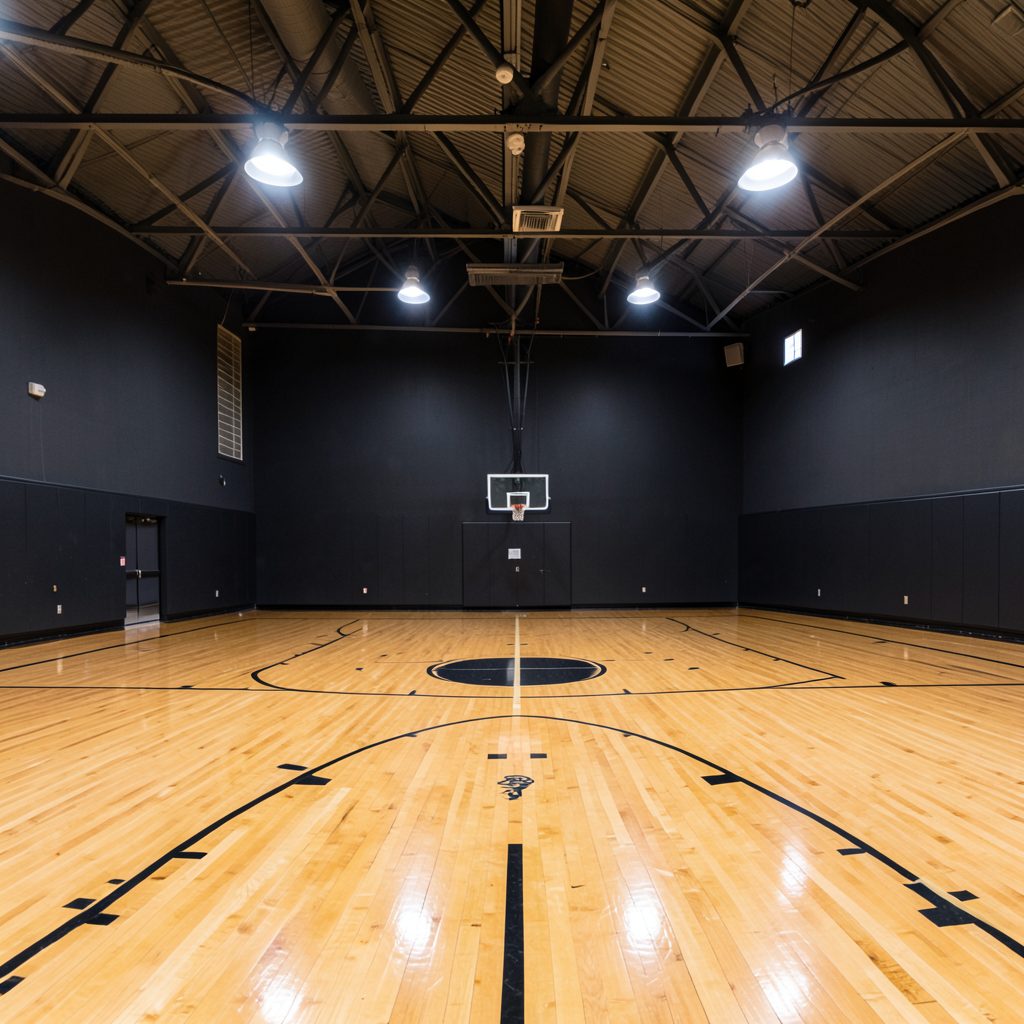
Eight league divisions span every age group: Indy Pro AM, 18+ Open Men's, 30+ Men's, Bite Size (ages 3–6), Impact League, 5th/6th Grade, Middle School, and High School. Gather your team and compete.
Training
Individual and group basketball training for all skill levels. Major M.O.V.E.S. Basketball Training serves ages 4–7 on Wednesday and Thursday evenings at 6:30 PM — $30 per session or $100 unlimited monthly.
Wellness & Recovery
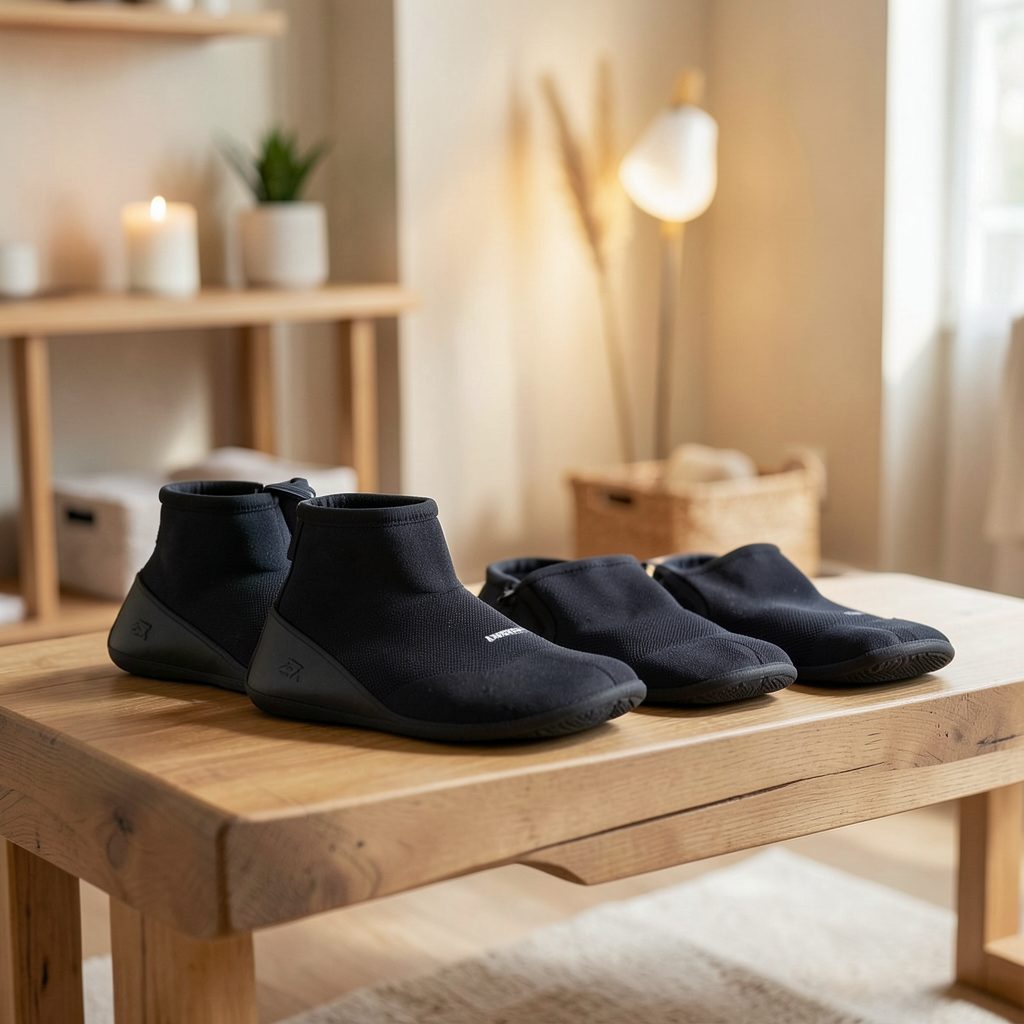
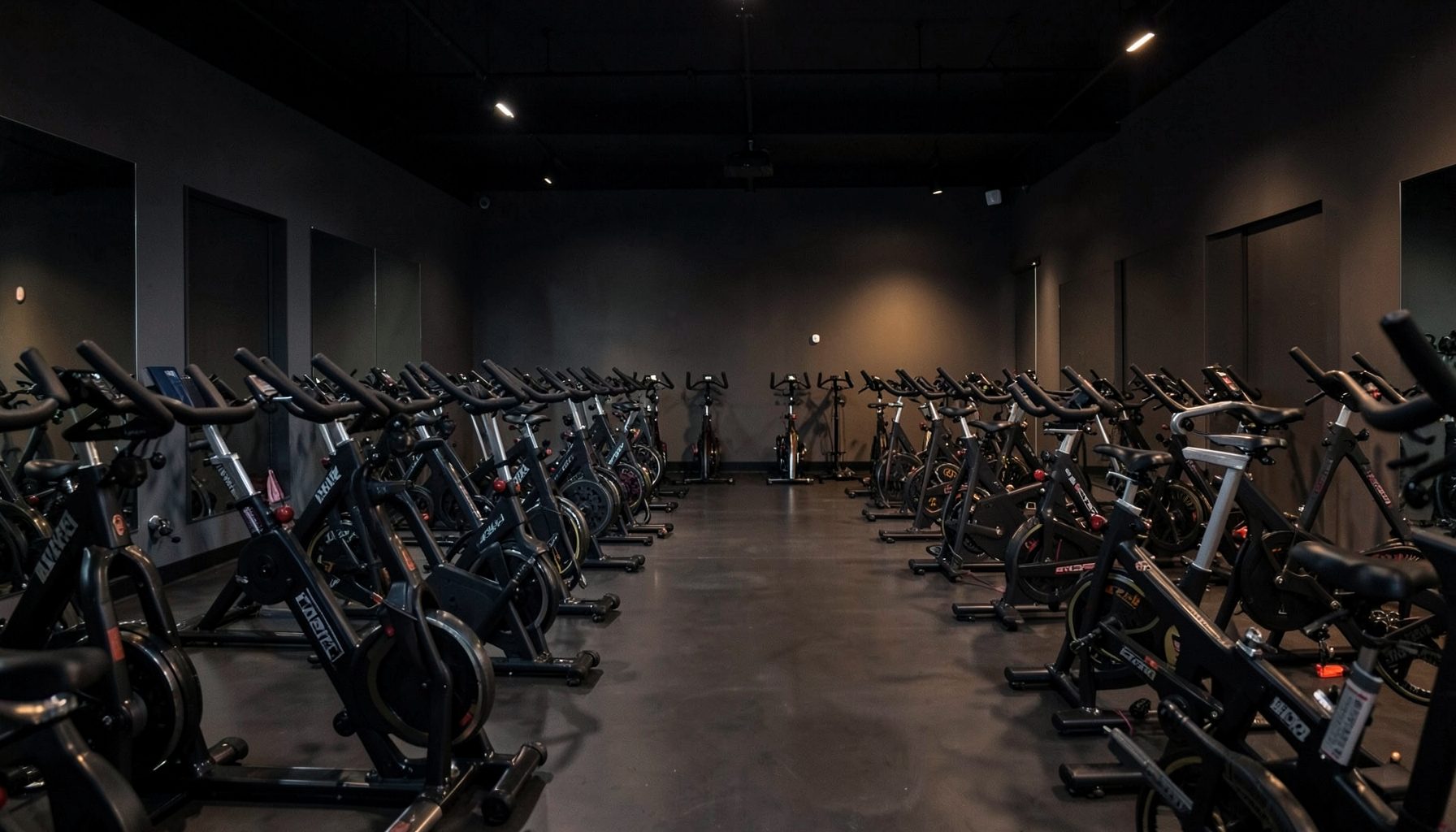
Normatec boot recovery and cryotherapy treatments help athletes bounce back faster. Cycle and spin classes add a cardio dimension to the holistic performance approach.
Have a Question?