Train. Compete. Recover.
A multi-purpose athletic facility in Speedway, Indiana — basketball leagues, skill training, and wellness services all under one roof.
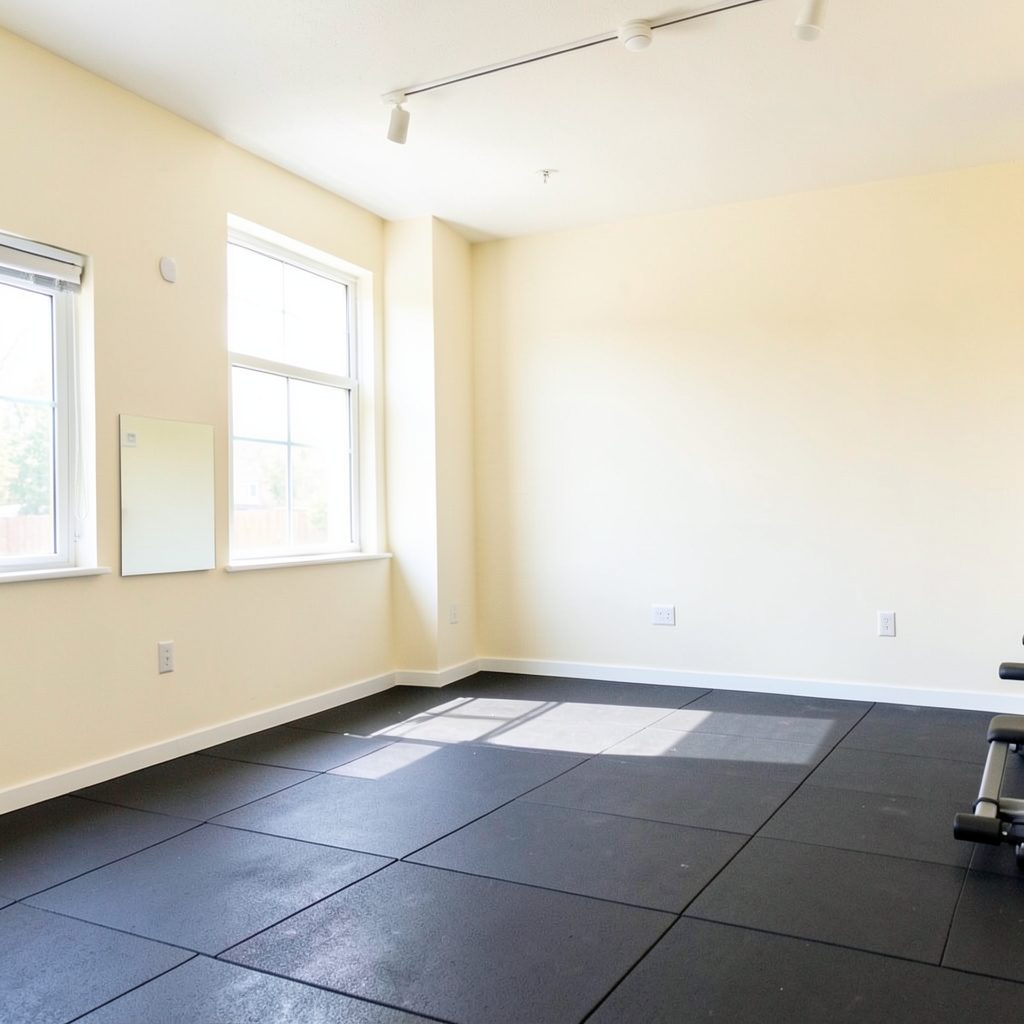
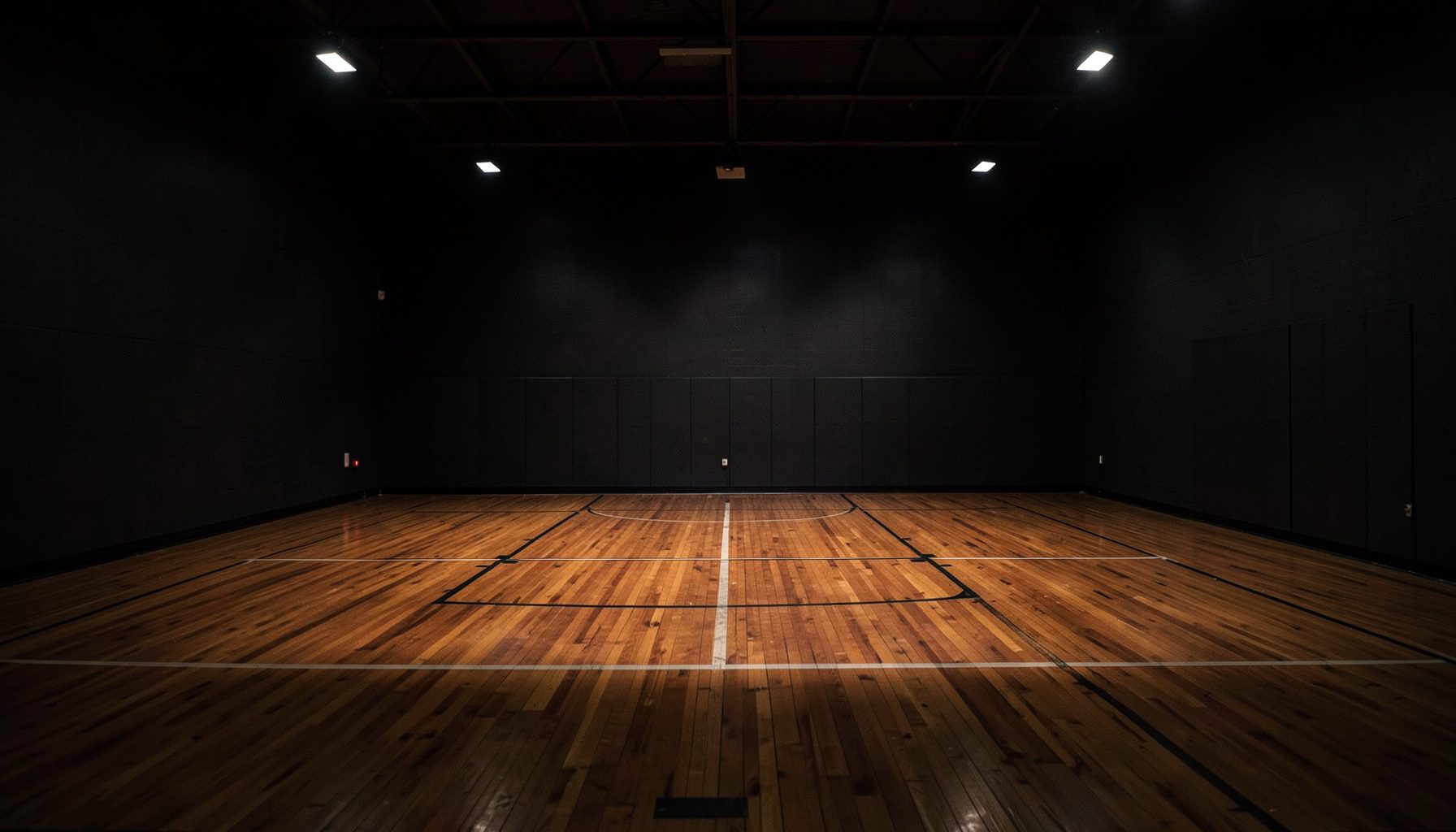
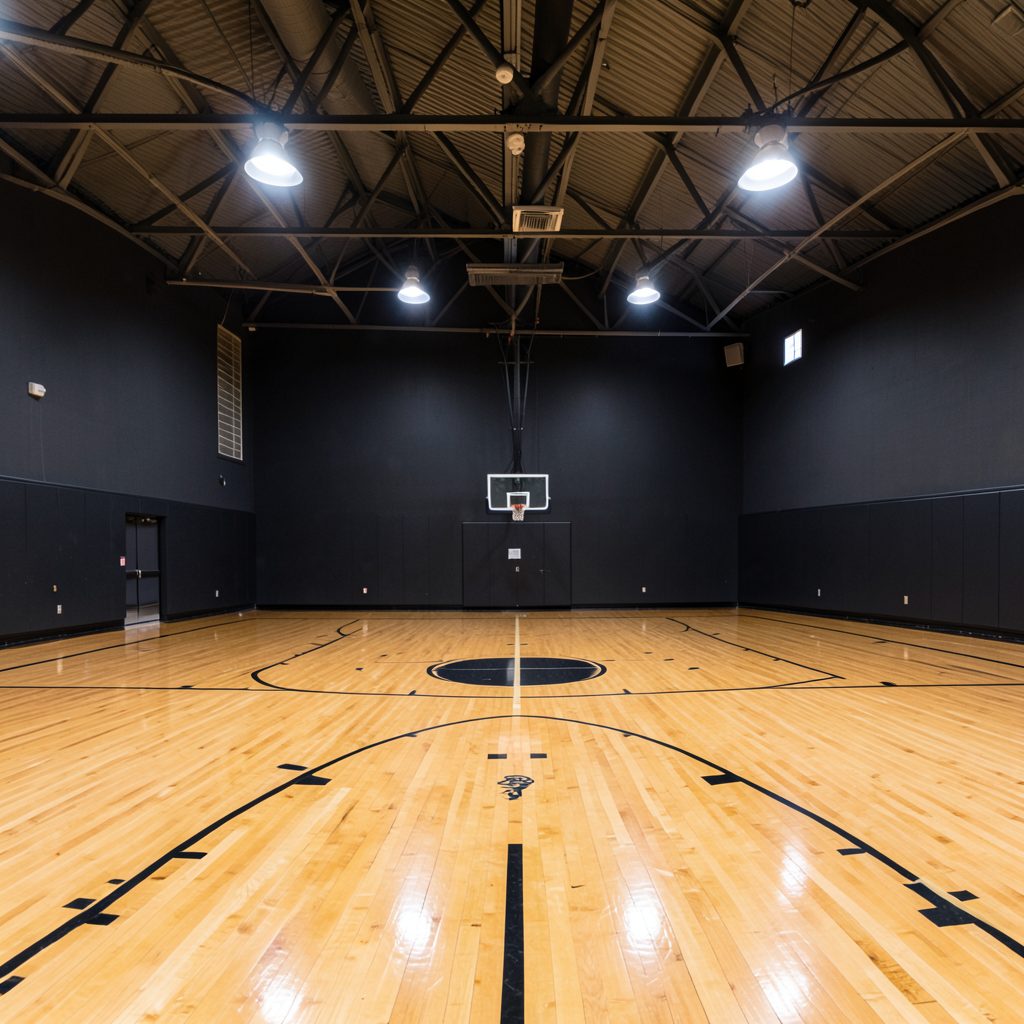
The Factory D1 Indy brings together three entities under one roof: competitive basketball leagues for all age groups, individual and group training, and wellness & recovery services including Normatec boot recovery and cryotherapy. Located off I-465 and High School Road at 6331 Crawfordsville Road, Speedway, Indiana 46224.
Get In TouchWhy Core Strength Matters for Basketball Performance
Basketball rewards players who can accelerate, stop, change direction, absorb contact, and maintain control while reacting to a fast-moving game. Although these actions often look like work for the legs or arms, the midsection connects both areas and helps transfer force efficiently. A strong, responsive core gives athletes a stable platform for nearly every movement on the court.
Core strength for basketball performance involves more than visible abdominal muscles. It includes the deep muscles around the spine, hips, pelvis, and trunk that help a player stay balanced under pressure. When these muscles work together, athletes can move with greater control, protect their posture, and apply strength without wasting energy.
Young players, high school athletes, recreational competitors, and adult league participants can all benefit from targeted trunk training. The right exercises support skill development while complementing shooting practice, defensive drills, conditioning, and recovery at a multi-purpose facility such as The Factory D1 Indy.
How The Core Supports Court Movement
Every basketball action begins with a transfer of force through the body. During a jump shot, power travels from the floor through the legs, across the hips, and into the shoulders and hands. The core helps keep that chain connected, allowing the player to maintain alignment and repeat the same motion consistently.
A stable trunk also improves balance during movement. When a defender slides laterally, the abdominal, back, and hip muscles help control the torso while the feet reposition. When an offensive player stops suddenly or spins around a defender, core stability can reduce unnecessary leaning and make the next movement quicker.
This control matters during contact as well. A player with good trunk strength is better able to hold position in the lane, absorb a bump while finishing, or maintain a strong stance while boxing out. Core endurance is especially valuable late in games, when fatigue can cause posture to collapse and footwork to become less precise.
Benefits For Shooting, Defense, And Ball Handling
A reliable midsection gives shooters a consistent base. Players who can keep their hips and torso controlled are less likely to drift, twist, or lose balance when shooting off movement. Core activation also helps stabilize the body during pull-up jumpers, step-backs, contested attempts, and passes made from awkward positions.
Defensive performance depends on similar qualities. Strong trunk and hip control support a lower defensive stance, helping athletes remain ready to slide without standing upright. This can improve closeouts, help-side reactions, and the ability to recover after a quick change of direction.
Ball handlers use the core to keep the upper body composed while the legs and hands perform separate tasks. A stable trunk makes it easier to protect the ball, absorb contact, and change pace. It also helps players stay coordinated when driving, stopping, pivoting, or passing out of a crowded area.
Building A Basketball-Specific Strength Base
Effective core training should include stability, anti-rotation, controlled movement, and endurance. Planks, dead bugs, bird dogs, side planks, and carries teach athletes to resist unwanted motion. These exercises are useful because basketball often requires the body to remain controlled while the limbs move quickly.
Rotational work also has a place in a complete program. Medicine-ball throws, cable lifts, controlled Russian twists, and rotational passes can develop the ability to create and manage force through the trunk. Athletes should learn these patterns with good posture before adding speed or resistance.
The goal is not to exhaust the abdominal muscles before practice. A short, consistent routine performed two or three times each week can be more useful than occasional high-volume workouts. Coaches and trainers can adjust exercise selection based on age, training experience, injury history, and the demands of an athlete’s position.
| Basketball Demand | Core Quality Involved | Useful Training Examples |
|---|---|---|
| Staying balanced after contact | Bracing and anti-flexion strength | Front plank, farmer carry |
| Defending and changing direction | Lateral stability | Side plank, lateral bear crawl |
| Passing and shooting while moving | Trunk control and coordination | Dead bug, single-leg hold |
| Driving through traffic | Anti-rotation strength | Pallof press, split-stance cable hold |
| Finishing late in games | Muscular endurance | Bird dog, controlled mountain climber |
A basketball-focused plan should connect these exercises to court skills rather than treat them as isolated fitness tasks. For example, a trainer might pair a carry with defensive slides or use a medicine-ball movement before passing drills. This approach reinforces the link between physical preparation and game performance.
Training Core Strength Across Age Groups
Younger athletes should focus first on body control, coordination, and safe movement patterns. Simple exercises using body weight, light medicine balls, or stability positions can teach children how to brace without holding their breath or overloading the spine. Sessions should remain engaging and age-appropriate so athletes associate strength training with better movement rather than punishment.
Teenage players may gradually add resistance, unilateral exercises, and more demanding anti-rotation drills. As practice, school sports, and competition schedules become busier, workload management becomes essential. A useful resource on weekly basketball scheduling can help athletes organize skill work, strength sessions, conditioning, and rest without placing intense demands on the same muscle groups every day.
Adult players can benefit from the same principles while paying close attention to mobility and recovery. A strong core should support movement, not compensate for limited hip or shoulder mobility. Controlled warmups, gradual progressions, and regular recovery days can help adult athletes train consistently while reducing avoidable strain.
Connecting Core Work With Recovery
Strength development happens when training stress is balanced with recovery. Hard practices, games, sprint sessions, and resistance workouts all place demands on the trunk and surrounding muscles. If athletes continue adding intensity without sufficient rest, fatigue can reduce movement quality and increase the risk of poor mechanics.
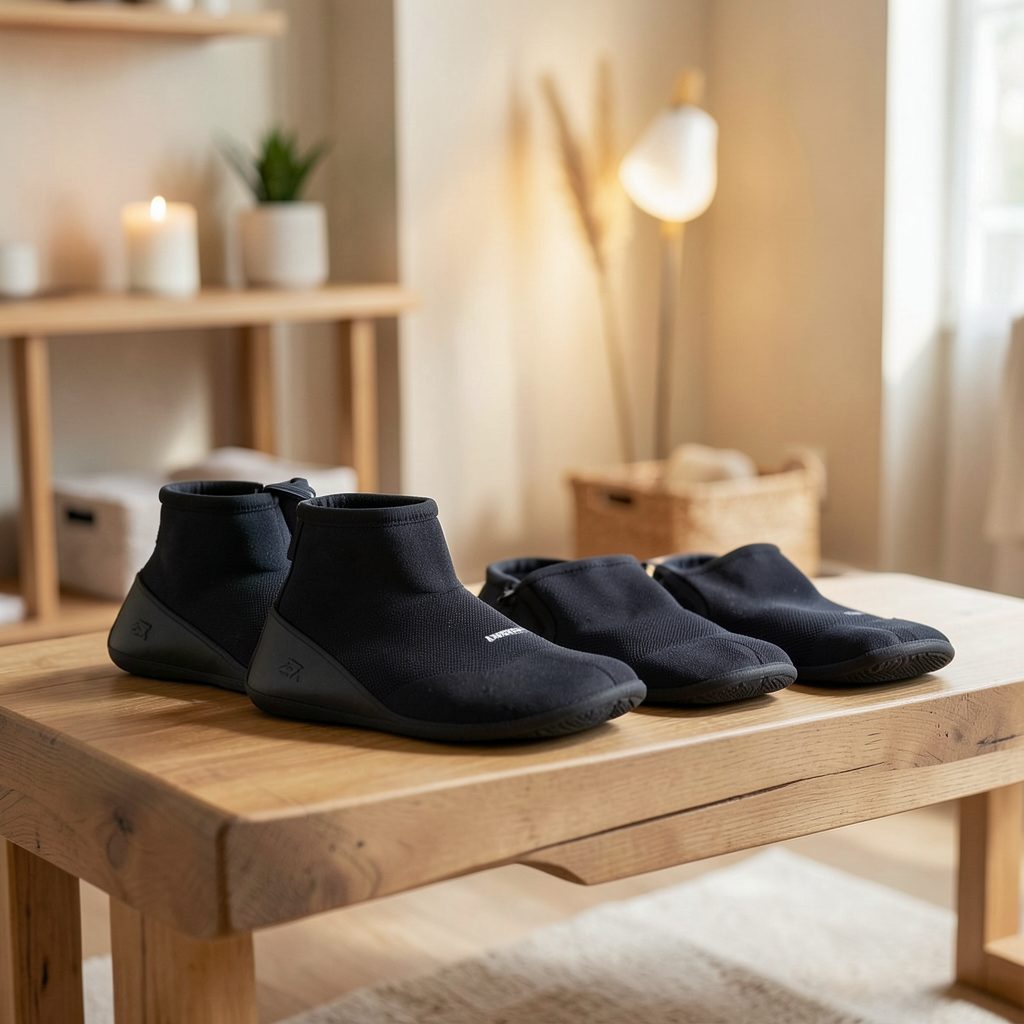
Recovery strategies may include hydration, sleep, light movement, stretching, and nutrition. For athletes managing soreness after competition, Normatec compression therapy can be part of a broader post-game recovery routine. Compression sessions do not replace medical care or a sound training plan, but they may support an athlete’s effort to feel ready for the next scheduled activity.
A well-rounded facility can make this process easier by bringing training, conditioning, competition, and wellness services into one environment. Athletes can work on trunk stability during a strength session, apply those skills in basketball drills, and use appropriate recovery methods afterward. That continuity helps turn isolated workouts into a sustainable performance routine.
Signs That Core Training Is Working
Progress is not measured only by how long an athlete can hold a plank. On the court, useful improvements may appear as better balance on jump stops, stronger finishes through contact, more controlled defensive slides, and fewer breakdowns late in practice. A player may also notice that movement feels smoother because less effort is spent correcting unstable positions.
Coaches can observe whether an athlete maintains posture during acceleration, deceleration, and change-of-direction drills. They can also look for improved control during single-leg landings and stronger alignment when the athlete is tired. These details provide practical feedback about core endurance and movement quality.
Athletes should progress gradually by changing one variable at a time: duration, resistance, complexity, or speed. If an exercise causes pain, excessive back arching, breath-holding, or loss of control, it should be modified. Quality repetitions build a more dependable foundation than simply completing a larger number of difficult movements.
Make Trunk Training Part Of The Routine
Core work is most effective when it becomes a regular part of basketball preparation rather than an occasional add-on. A brief activation sequence before practice, focused strength exercises on selected training days, and mobility or recovery work afterward can fit into a demanding weekly schedule without overwhelming the athlete.
The Factory D1 Indy provides a setting where players of different ages and experience levels can develop these habits through basketball training, competitive leagues, conditioning opportunities, and wellness services. Consistent coaching can help athletes choose exercises that match their needs and connect physical preparation to the movements they use in games.
A practical weekly approach may include:
- Two short core-stability sessions built around planks, carries, dead bugs, or bird dogs.
- One session featuring controlled rotational or anti-rotation exercises.
- Basketball drills that challenge balance, deceleration, and contact control.
- Recovery work, hydration, and sleep after demanding practices or games.
- Regular technique reviews with a qualified coach or trainer.
Build a stronger foundation by combining purposeful trunk training with skill development and smart recovery. Visit The Factory D1 Indy to explore basketball programs, leagues, conditioning options, and wellness services that can help you move with greater control and compete with confidence.
Inside The Factory

Three Entities, One Roof
Leagues
Eight league divisions span every age group: Indy Pro AM, 18+ Open Men's, 30+ Men's, Bite Size (ages 3–6), Impact League, 5th/6th Grade, Middle School, and High School. Gather your team and compete.
Training
Individual and group basketball training for all skill levels. Major M.O.V.E.S. Basketball Training serves ages 4–7 on Wednesday and Thursday evenings at 6:30 PM — $30 per session or $100 unlimited monthly.
Wellness & Recovery
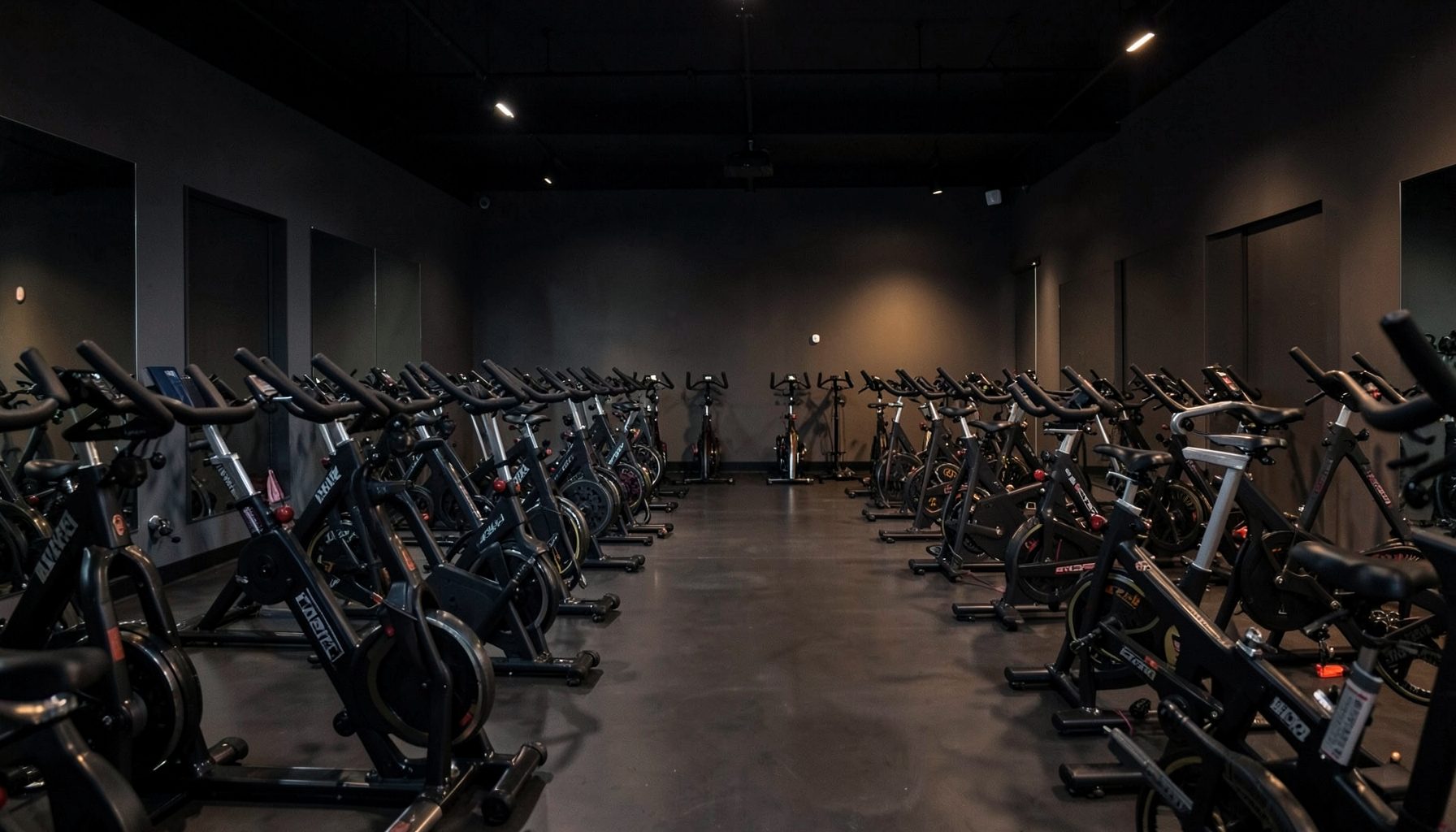
Normatec boot recovery and cryotherapy treatments help athletes bounce back faster. Cycle and spin classes add a cardio dimension to the holistic performance approach.
Have a Question?