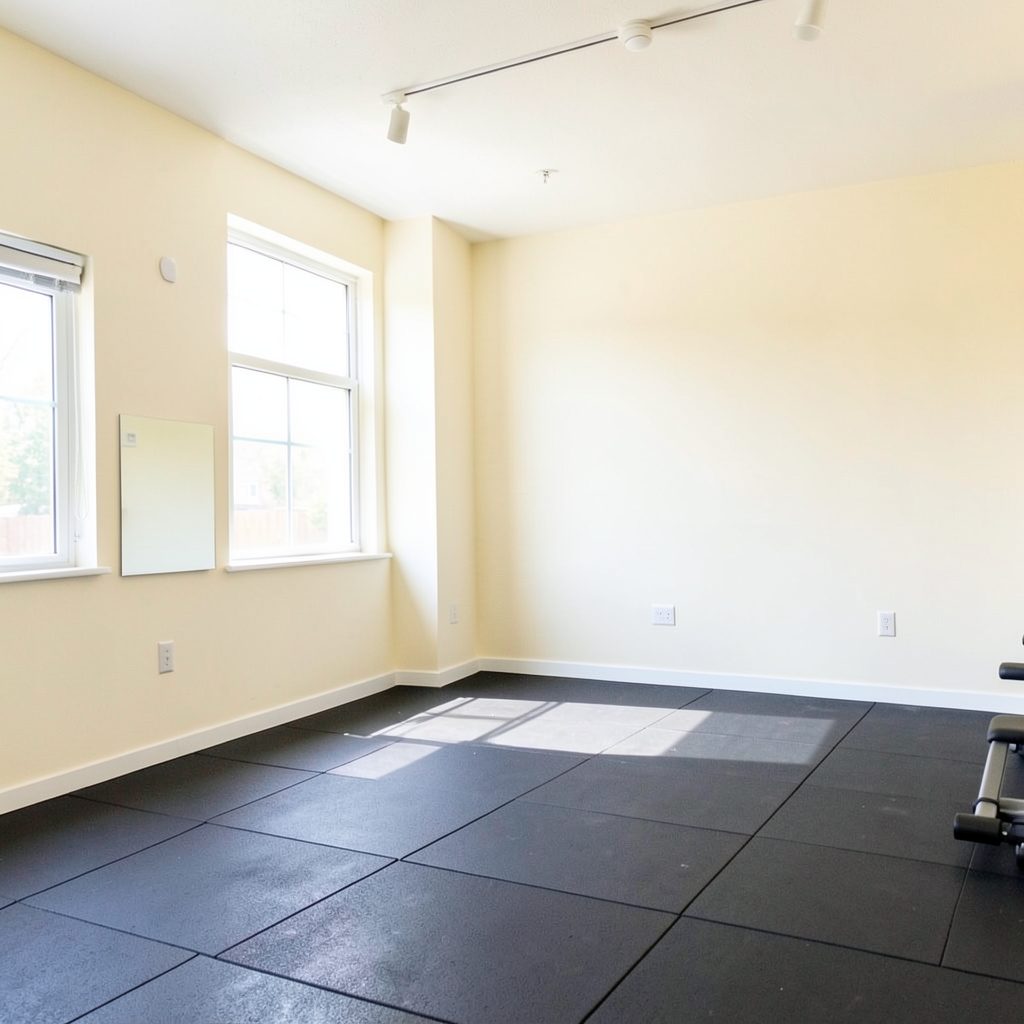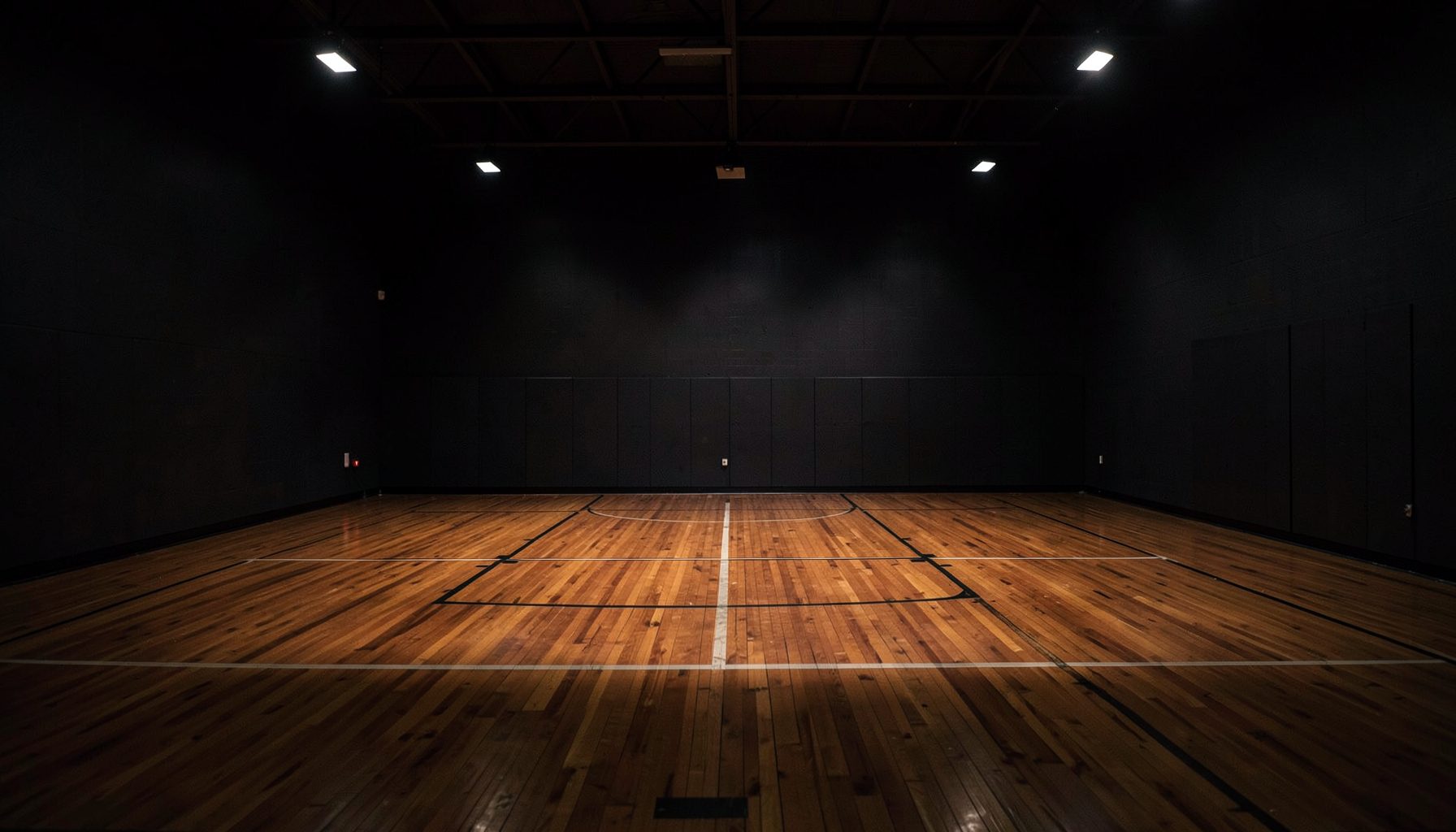
Train. Compete. Recover.
A multi-purpose athletic facility in Speedway, Indiana — basketball leagues, skill training, and wellness services all under one roof.
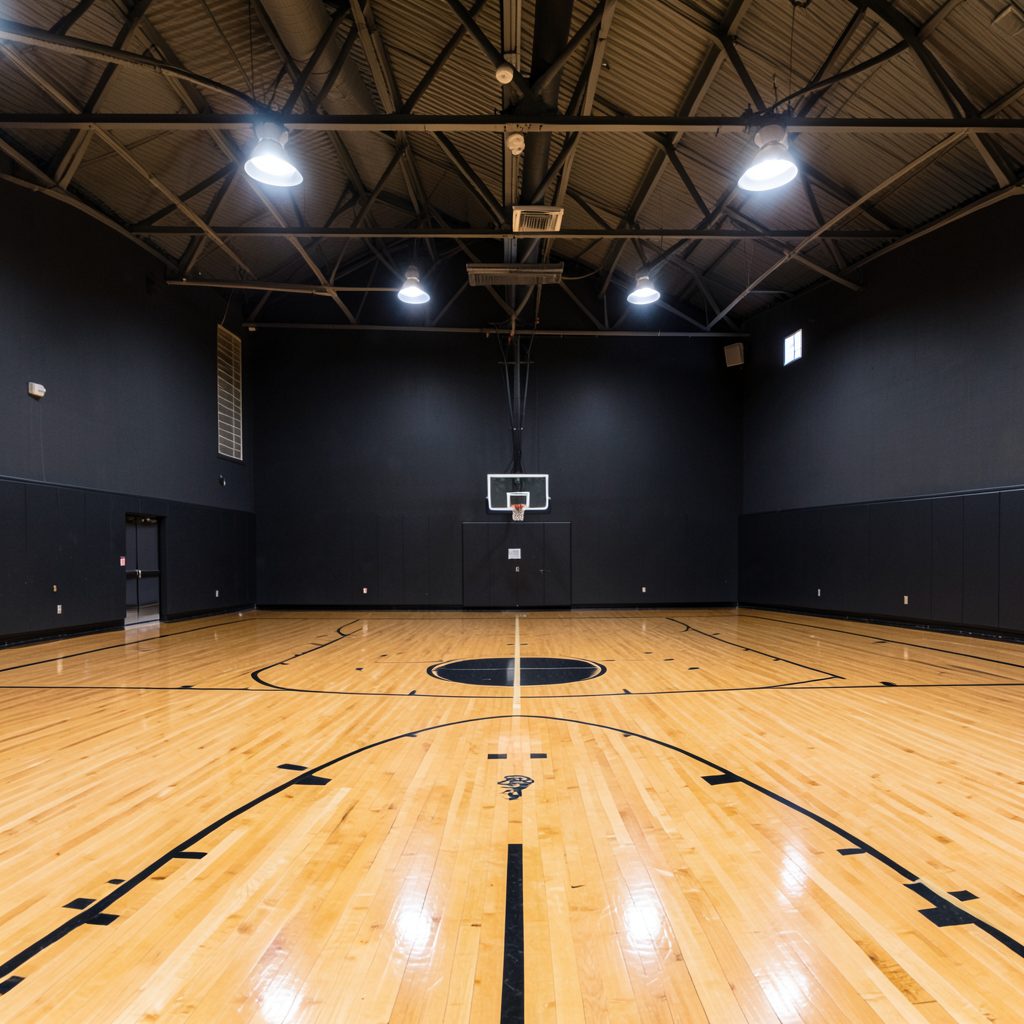
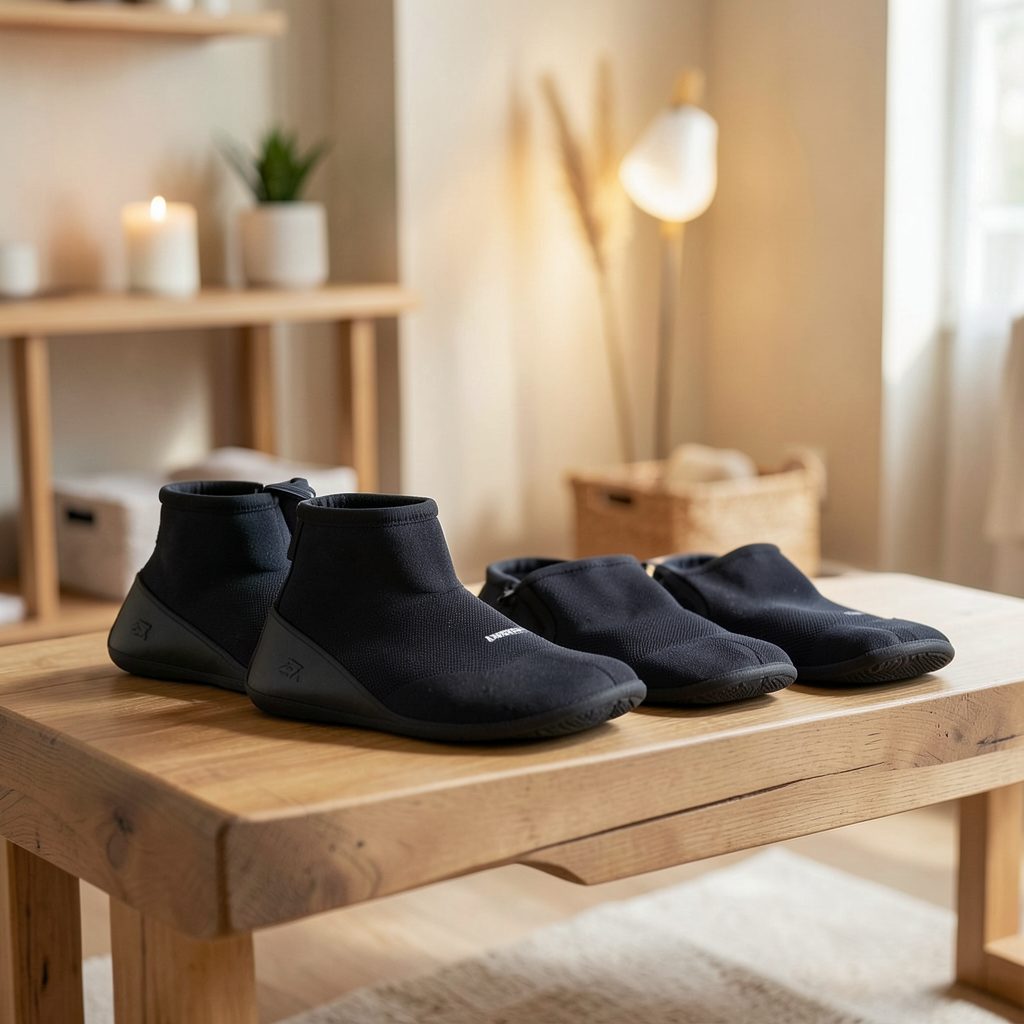
The Factory D1 Indy brings together three entities under one roof: competitive basketball leagues for all age groups, individual and group training, and wellness & recovery services including Normatec boot recovery and cryotherapy. Located off I-465 and High School Road at 6331 Crawfordsville Road, Speedway, Indiana 46224.
Get In TouchWhat parents should ask before enrolling your child in basketball
A basketball league can build skills, confidence and friendships as well as competition. For parents, it also means regular commitments, fees and travel, so the right programme should suit the child’s age, temperament and family routine. A polished prospectus is less useful than clear answers from the people who will actually coach and supervise them.
Australian families often plan around school terms, after-school pickups and holiday programmes. In southern cities, March and April bring autumn trials and pre-season registrations, while winter competitions move indoors. Timing matters: a promising league is harder to sustain when sessions clash with school, work or another sport.
This guide explains what parents should ask before enrolling their child in a basketball league. It covers coaching, cost, safety, playing conditions and the small details that determine whether the experience remains enjoyable across a full season.
The aim is a good fit, not a perfect scorecard. Parents should look for qualified adults, transparent policies and realistic promises about development. A child who feels supported and included is more likely to keep playing, progress and develop a lasting relationship with sport.
Coaching, age groups and development
Ask who will coach the team, what qualifications they hold and whether they have completed recognised training such as a current Coaches Australia course. Find out the coach-to-player ratio, how often coaches attend and how they adapt drills for different ages and abilities. A caring approach matters as much as technical knowledge.
Children mature at different rates, so ask how age groups are set and whether players can move according to development rather than a friend’s team. Coaching plans should include fundamentals, decision-making and teamwork alongside game tactics. Parents should also understand whether specialisation is expected, particularly for children who still enjoy several sports.
Coaching plans should also set sensible boundaries around physical conditioning. General strength training guidance can explain the role of resistance work, but an adult weight-loss programme is not a suitable template for a child’s training. Ask about age-appropriate loads, movement quality and whether the club works with qualified exercise professionals when extra conditioning is offered.
Costs, fees and payment terms
Request a full annual cost breakdown rather than a headline registration price. In Australia, families may need to budget for club membership, competition fees, uniforms, training shirts, basketballs and shoes, plus tournament or representative costs. Some clubs also charge for coaching clinics, court hire or administrative services.
Ask about sibling discounts, concession rates, fundraising expectations and instalment plans. Clarify what happens when a child is injured, changes teams or leaves mid-season, and whether fees are refundable or transferable. Basketball Australia and its state associations may provide the competition structure, but local clubs can set their own membership fees and insurance arrangements.
Scheduling, venues and family logistics
Check practice and game times against school, work and other activities before committing. Ask how missed sessions are handled, whether games are regional or interstate, and what travel is required. Weekend fixtures, late finishes and make-up dates can place a significant burden on families who do not have a second car or flexible working hours.
Climate affects the calendar as well as the journey. Brisbane’s hotter summers raise questions about shade, water, hydration breaks and lightning procedures, whereas Melbourne’s colder winters raise questions about heating and indoor facilities. In Sydney, traffic and parking around large suburban clubs can add time to pickup. Confirm lighting, changing rooms, safe paths and reliable public transport links.
Safety, supervision and inclusion
Ask whether coaches and relevant volunteers hold current working with children checks. In Victoria, the Working with Children (Background Checking) Act 2000 sets the legal framework for many people working with children; other states and territories have separate requirements. The league should explain which checks apply, who is exempt and how renewals are tracked.
Review emergency arrangements: who holds first-aid qualifications, whether an emergency action plan and anaphylaxis plans are current, and how injuries or missing children would be managed. Families should also know the coach’s duty of care, child-protection reporting procedures, photography and social-media consent rules, and how concerns can be raised without fear of retaliation.
Inclusion should be practical rather than decorative. Ask about accommodations for disability, sensory needs and medical conditions, and whether the club supports girls and boys, culturally diverse families and children of varied body types. A clear anti-harassment policy and an accessible complaints process indicate how the club behaves when something goes wrong.
Competition structure and progression
Understand how teams are formed, whether games are mixed or single-sex, and how much contact is expected. Ask about court size, game length, scoring rules, playing time, substitutions and the treatment of forfeits. For a beginner, a structured team with attentive coaching may be more valuable than an ambitious adult competition.
Ask how much game time players actually receive and how coaches balance skill levels. Some leagues separate social and elite divisions or provide development and representative pathways, but selection processes should be explained honestly. Parents should know how feedback is shared, what criteria guide advancement and where a child can move if the current team no longer suits them.
Conditioning, recovery and other services
Conditioning should support basketball performance rather than dominate the programme. Ask about age-appropriate loads, movement quality, hydration, nutrition support and whether any fitness testing is used responsibly. Children benefit from building coordination, confidence and capacity for sport, not from being treated as adults in miniature.
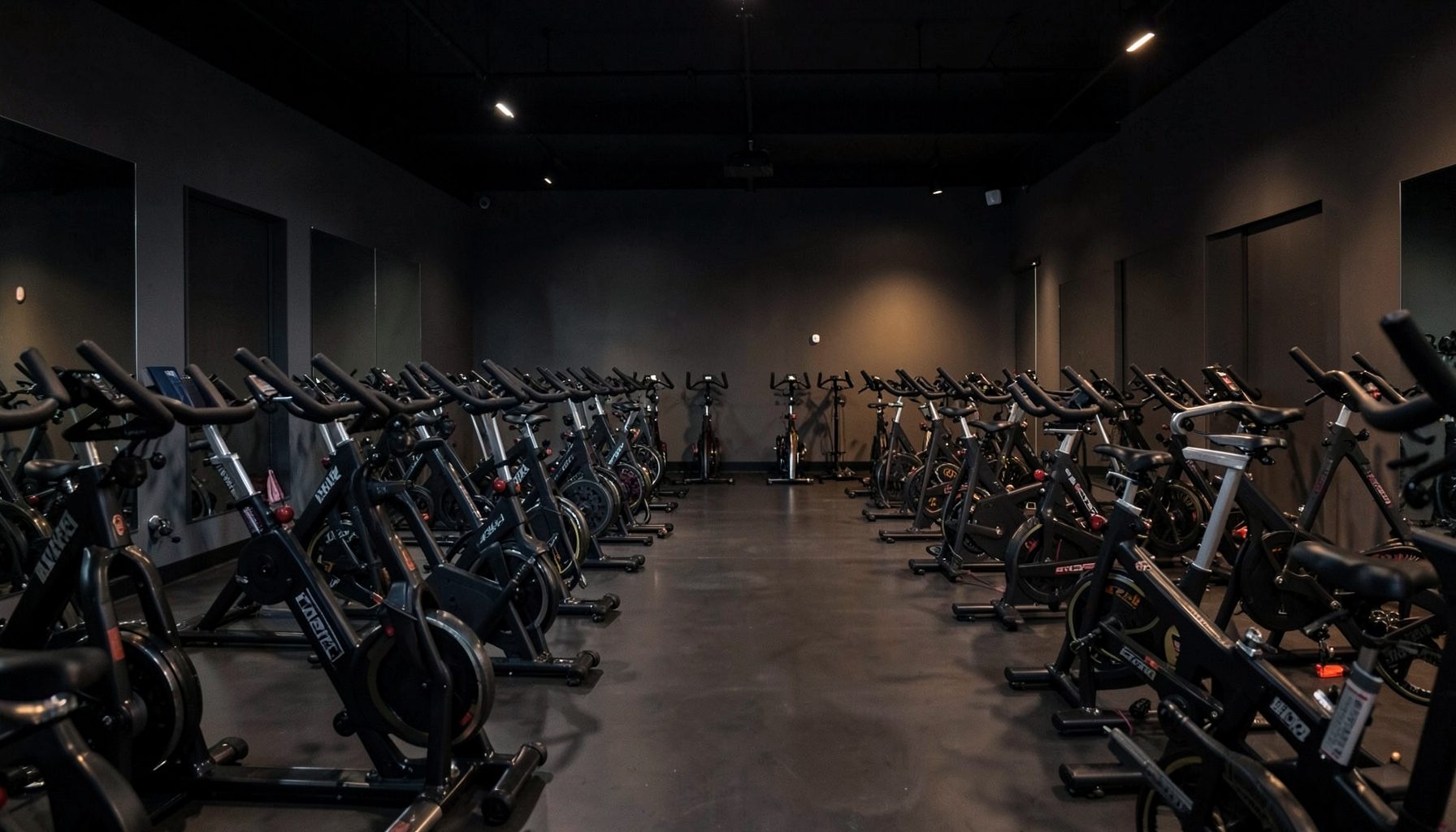
Some centres bundle training with recovery services. Factory D1 Indy in Speedway, Indiana, combines basketball programmes, including early-childhood and adult divisions, with spin classes, Normatec compression therapy and cryotherapy. A centre’s own explanation of cryotherapy and recovery is a useful starting point for questions about supervision, age restrictions, hygiene, medical conditions and intended benefits.
Recovery should be optional, age-appropriate and never presented as a replacement for medical care or rest. Clarify who administers each service, what it costs, and how the staff distinguish a general wellness offering from a treatment for a diagnosed injury. Parents should not feel pressured to buy recovery packages to secure a team place.
Trials, communication and your decision
A trial session gives families useful evidence that a brochure cannot. Observe how coaches instruct, correct and include quieter children, and speak with parents whose children have played for a season. Ask the child what felt enjoyable, stressful or confusing, without treating one difficult practice as a reason to quit immediately.
Request the answers in writing, especially for fees, refunds, safeguarding, medical procedures and playing-time policies. Confirm which communication channel the club uses, how urgently staff respond to messages and who steps in when a coach is absent. An established complaints and feedback process shows that the club values long-term participation.
Contact the league, request a trial and ask for the policies you need before deciding. Read the cost schedule, talk with the proposed coach and check that the timetable works for several months, not just the first week. If the answers are clear, the environment is welcoming and the child is eager to return, enrolment can follow with confidence.
Inside The Factory

Three Entities, One Roof
Leagues
Eight league divisions span every age group: Indy Pro AM, 18+ Open Men's, 30+ Men's, Bite Size (ages 3–6), Impact League, 5th/6th Grade, Middle School, and High School. Gather your team and compete.
Training
Individual and group basketball training for all skill levels. Major M.O.V.E.S. Basketball Training serves ages 4–7 on Wednesday and Thursday evenings at 6:30 PM — $30 per session or $100 unlimited monthly.
Wellness & Recovery
Normatec boot recovery and cryotherapy treatments help athletes bounce back faster. Cycle and spin classes add a cardio dimension to the holistic performance approach.
Have a Question?