Train. Compete. Recover.
A multi-purpose athletic facility in Speedway, Indiana — basketball leagues, skill training, and wellness services all under one roof.
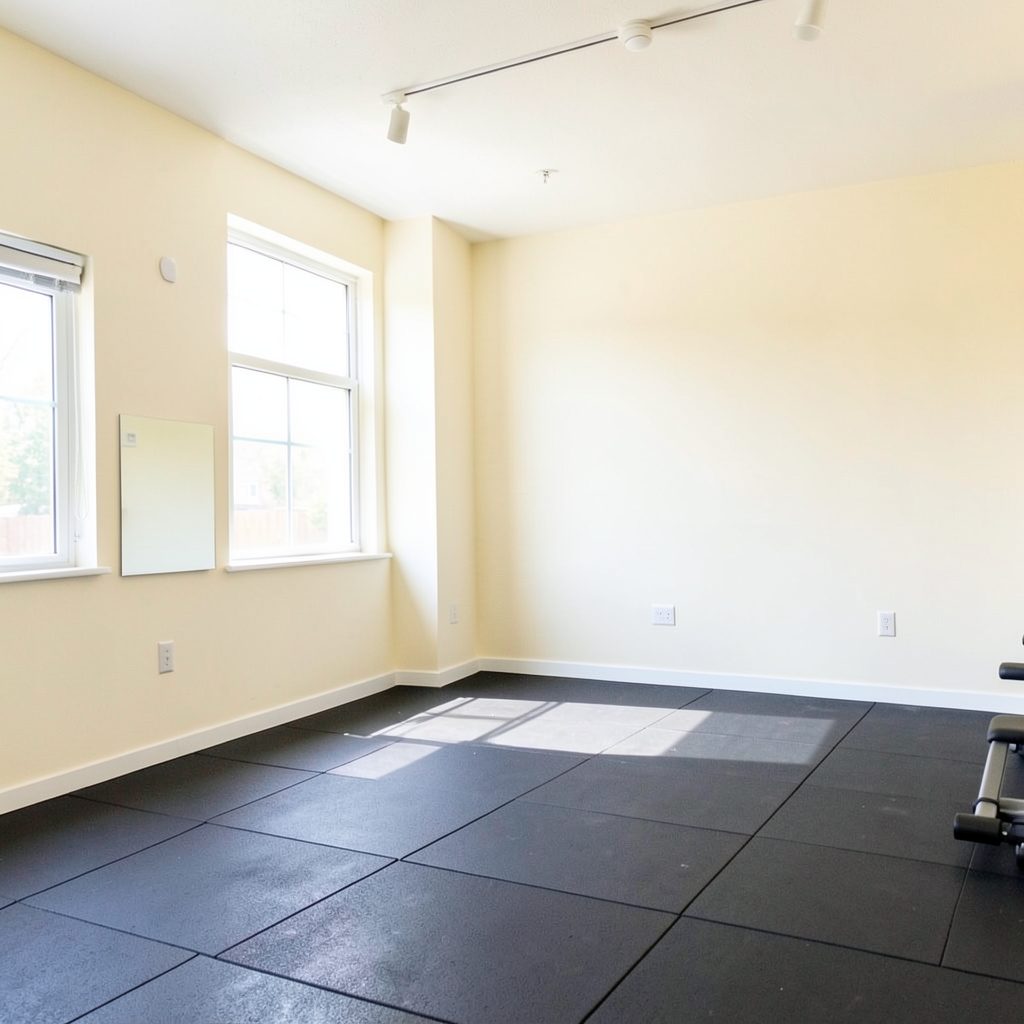
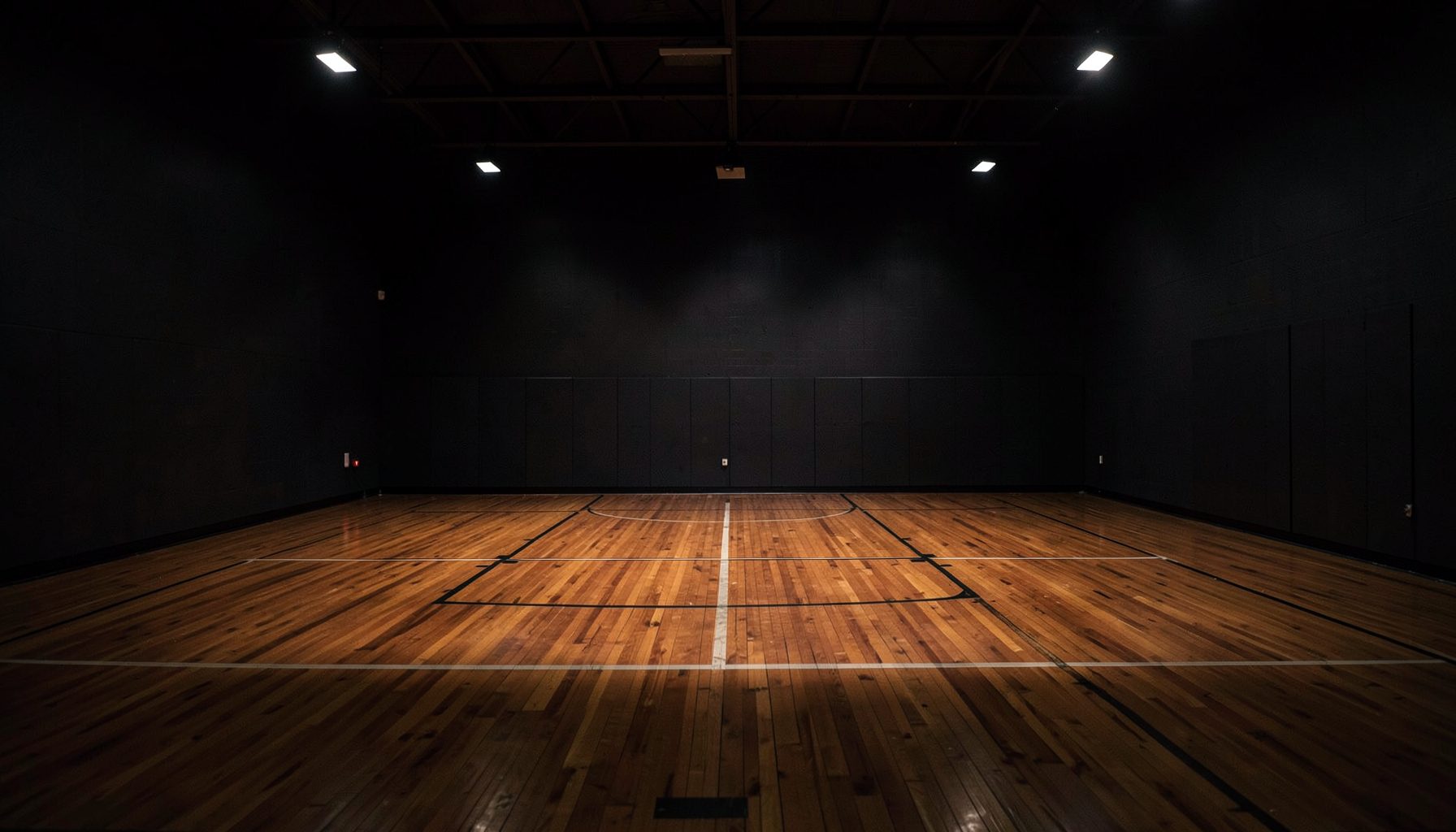
The Factory D1 Indy brings together three entities under one roof: competitive basketball leagues for all age groups, individual and group training, and wellness & recovery services including Normatec boot recovery and cryotherapy. Located off I-465 and High School Road at 6331 Crawfordsville Road, Speedway, Indiana 46224.
Get In TouchMake Every Timeout Count for Your Team
During a game, a timeout can feel like a much-needed breather, but it can also become a chaotic collection of advice. Knowing what to do during a timeout to keep your basketball team focused means giving every player a clear job, a short message and a practical way to reset before play resumes.
A useful huddle answers three questions: What are we doing on the next possession? Who has the specific job? How will we look and communicate when the ball returns? Anything that does not support those answers should wait until the team is back on court.
Australian club basketball often runs through community organisations, state associations and domestic competitions rather than one national league structure. Coaches therefore need a timeout routine that works with volunteer parent helpers, tight budgets and players who may have very different levels of experience. It should be simple enough to use at a local training session, a Saturday club game or a packed-out carnival.
The environment matters as well. During the Australian summer, outdoor courts can become extremely hot, so games may move to air-conditioned venues such as Brisbane’s Queensland State Basketball Centre or Sydney Olympic Park Sports Centre. Players still need hydration, movement and a clear mental routine even when the temperature indoors feels more comfortable.
| Timeout approach | Best used when | Player action | Coach priority |
|---|---|---|---|
| Tactical reset | The matchup or next play needs adjustment | Listen, repeat the assignment and confirm the target | Give one specific role to each player |
| Mental reset | Players appear rushed, angry or distracted | Use a breathing cue and focus on one target | Lower the voice and slow the delivery |
| Individual check-in | Fatigue, nerves or discomfort are affecting focus | Check hydration, breathing and readiness | Give each player space while maintaining team unity |
| Recovery-led stoppage | The schedule includes consecutive games | Rehydrate and gently move the legs and hips | Keep the routine brief and reinforce hydration |
Prepare the timeout before the clock stops
The best timeout plan starts before the whistle. Coaches can decide which matchup they want to attack, which defensive adjustment they want to test and what each player should remember during the break. This preparation prevents the huddle from becoming an improvised list of everything that went wrong.
The Factory D1 Indy digital basketball ideas offers useful material for developing drills and team habits that can feed into game-day routines. A simple drill is most valuable when it produces one observable behaviour, such as calling a defender’s name before passing or pointing to the next action after a stoppage.
A timeout card can keep the huddle on track. It might contain one attacking cue, one defensive trigger and one reminder about team standards. Players should see the same messages from the coach, assistants and teammates, which reduces the likelihood that five voices give five different instructions.
Communicate with short, clear calls
When the timeout begins, get the team into a tight semicircle where everyone can see the speaker. Start with the objective rather than a replay of the last possession: “Win the next exchange,” “Stop the drive” or “Move the ball before the trap.” The message should describe what the team can control.
Only one person should speak for the first ten to fifteen seconds. Other coaches can collect information quietly and then add one supporting point. Players should repeat their assignments aloud because saying “I have the weak-side rotation” confirms more than merely hearing it.
This matters in Australian community clubs, where volunteer parent coaches and local-business sponsors often support the same team. Different voices may be welcomed off the court, but the on-court message needs unity. If a player hears, “Same team, same call,” Australian club slang such as “have a crack” or “game time” can reinforce the standard without turning the huddle into a joke.
Give each player a personal reset routine
A team can execute the right plan while individual players remain mentally elsewhere. Anxiety, fatigue, a previous mistake or concern about an assignment can pull attention away from the next possession. Give each player one reset routine that works in a short window and can be repeated without instruction.
A practical sequence is to exhale slowly, unclench the hands and look directly at the next target. One player might need to name the first defender they will face. Another might use a word such as “space” to remind themselves where to stand. The routine should be individual, while the team’s tactical message remains shared.
Loud indoor venues can make it harder for players to hear, so visual cues become essential. Point to the player’s matchup, hold up fingers to show the strength of a screen or use the team’s hand signal for a defensive switch. A clear cue is often more effective than repeating a complicated instruction that gets lost beneath announcements and crowd noise.
Combine movement with practical recovery
Physical discomfort can reduce concentration quickly. During the first part of the timeout, invite players to stand, loosen the hands and shoulders and take a few controlled breaths. Water should be available, but players should drink according to their needs rather than forcing large amounts at once. Brief movement is helpful; an extended static stretch is not practical in a team timeout.
Specialised recovery services such as Normatec compression therapy have a place between training sessions or games. They may help players relax after activity, but they cannot replace a game-day timeout routine. Players who regularly compete in crowded schedules can use longer recovery periods as part of a broader plan that also includes sleep, food and appropriate training load.
The Factory D1 Indy’s back-to-back game recovery explains how cryotherapy has been used for soreness following consecutive basketball games. Players should approach it as one option rather than a guaranteed cure, since individual responses and the research behind recovery methods can vary. The priority remains a process that players understand and can follow consistently.
Turn the timeout into a team habit
After the game, review which parts of the timeout produced the clearest response. Did players identify their assignments correctly? Did the team regain its defensive shape? Which instruction was still visible when the whistle sounded? Two or three honest observations are more useful than a long list of vague improvements.
Away from the court, athletes can also examine how sleep, nutrition, stress and recovery affect their energy. A general recovery and wellness guide can provide a starting point for those wider habits, while basketball-specific coaching remains responsible for game tactics and workload decisions. The timeout should reinforce those habits, not compensate for poor preparation every week.
At the next game, write three words on the board: attack, reset, together. Give every player one job, use the same short routine and finish each timeout with the same call: “Next possession, our standards.”
Inside The Factory

Three Entities, One Roof
Leagues
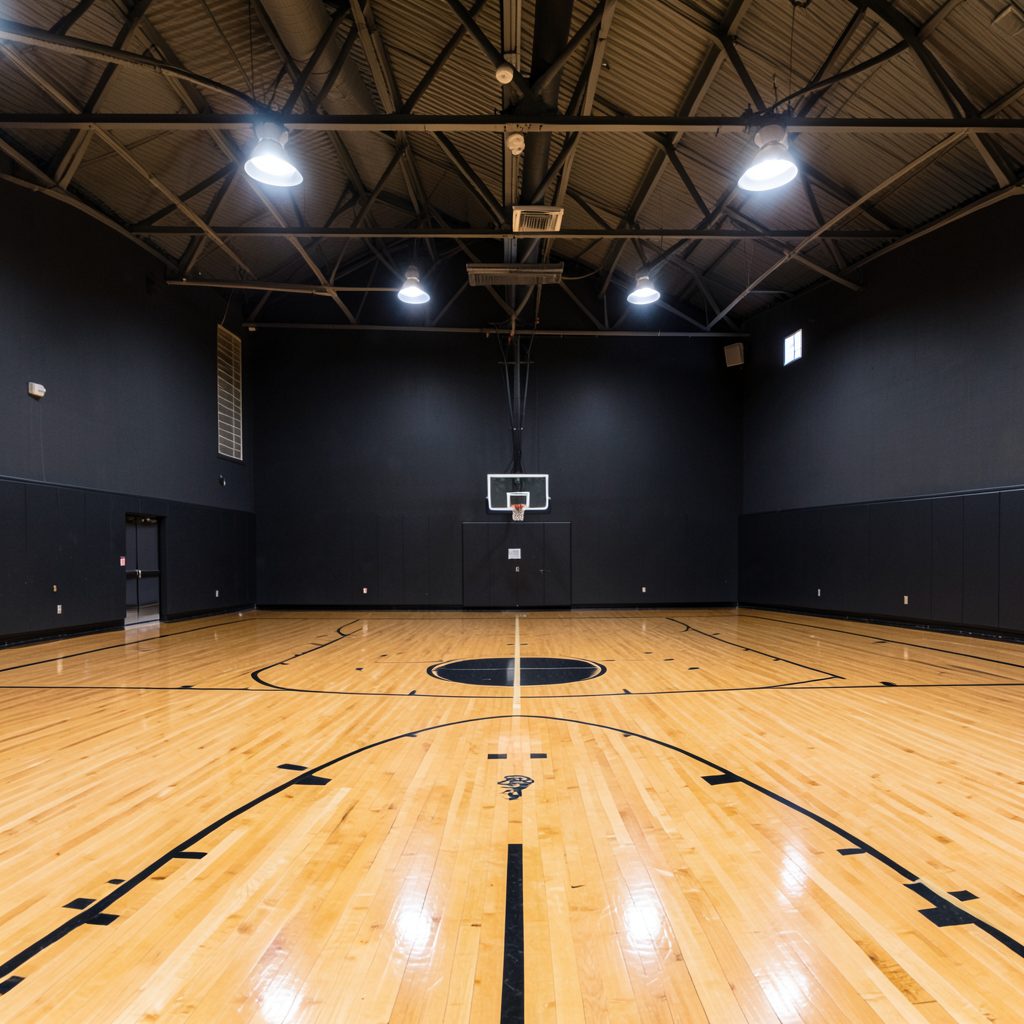
Eight league divisions span every age group: Indy Pro AM, 18+ Open Men's, 30+ Men's, Bite Size (ages 3–6), Impact League, 5th/6th Grade, Middle School, and High School. Gather your team and compete.
Training
Individual and group basketball training for all skill levels. Major M.O.V.E.S. Basketball Training serves ages 4–7 on Wednesday and Thursday evenings at 6:30 PM — $30 per session or $100 unlimited monthly.
Wellness & Recovery
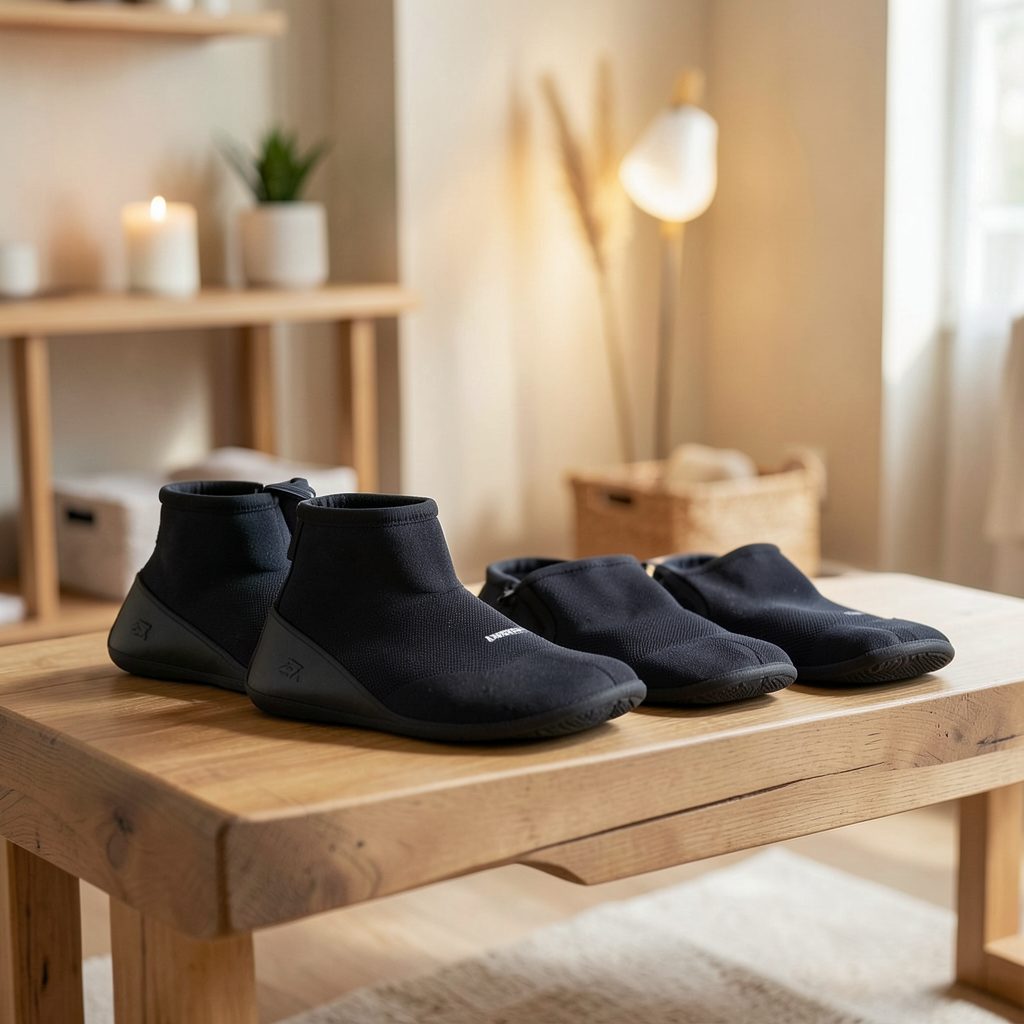
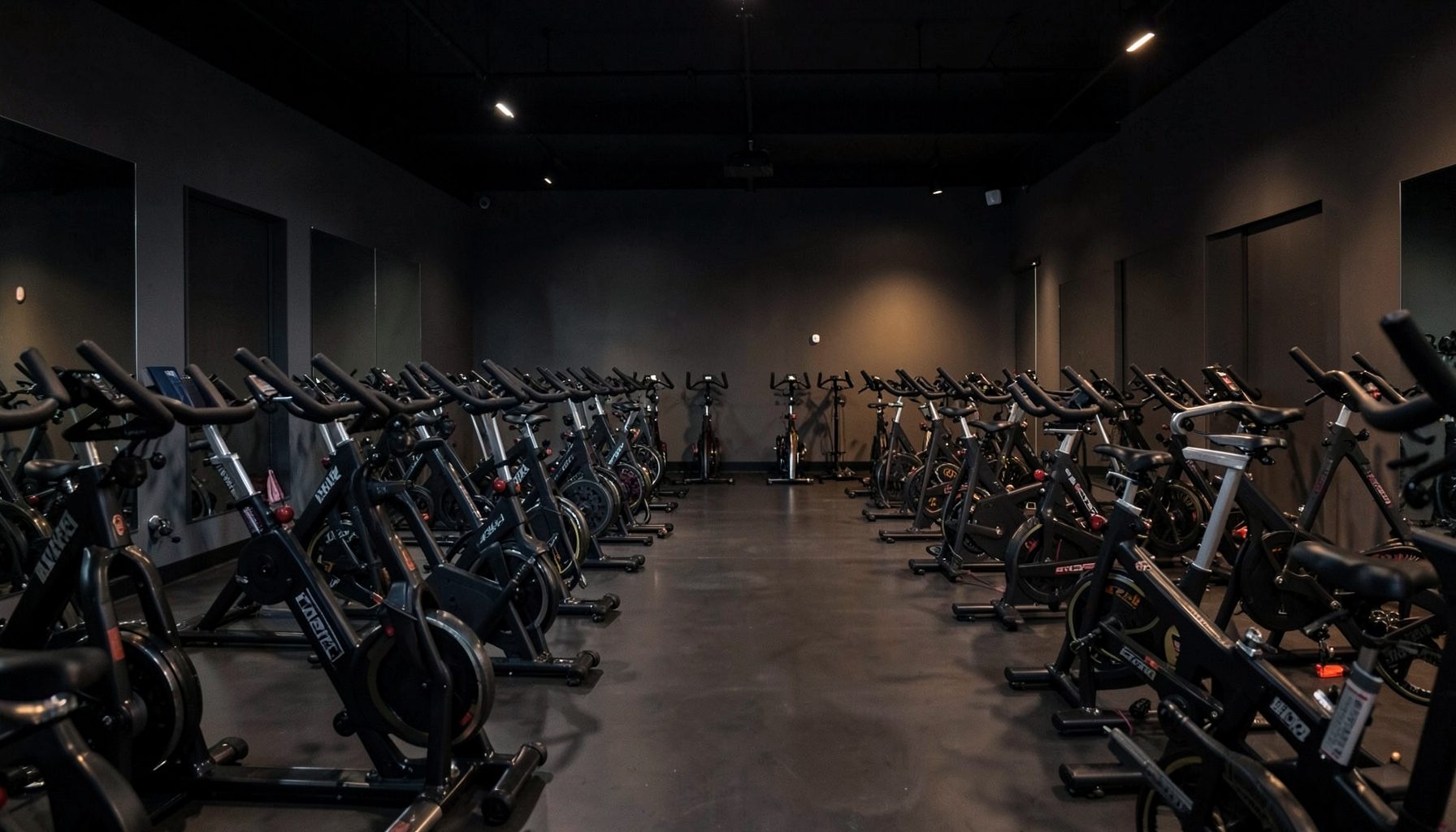
Normatec boot recovery and cryotherapy treatments help athletes bounce back faster. Cycle and spin classes add a cardio dimension to the holistic performance approach.
Have a Question?