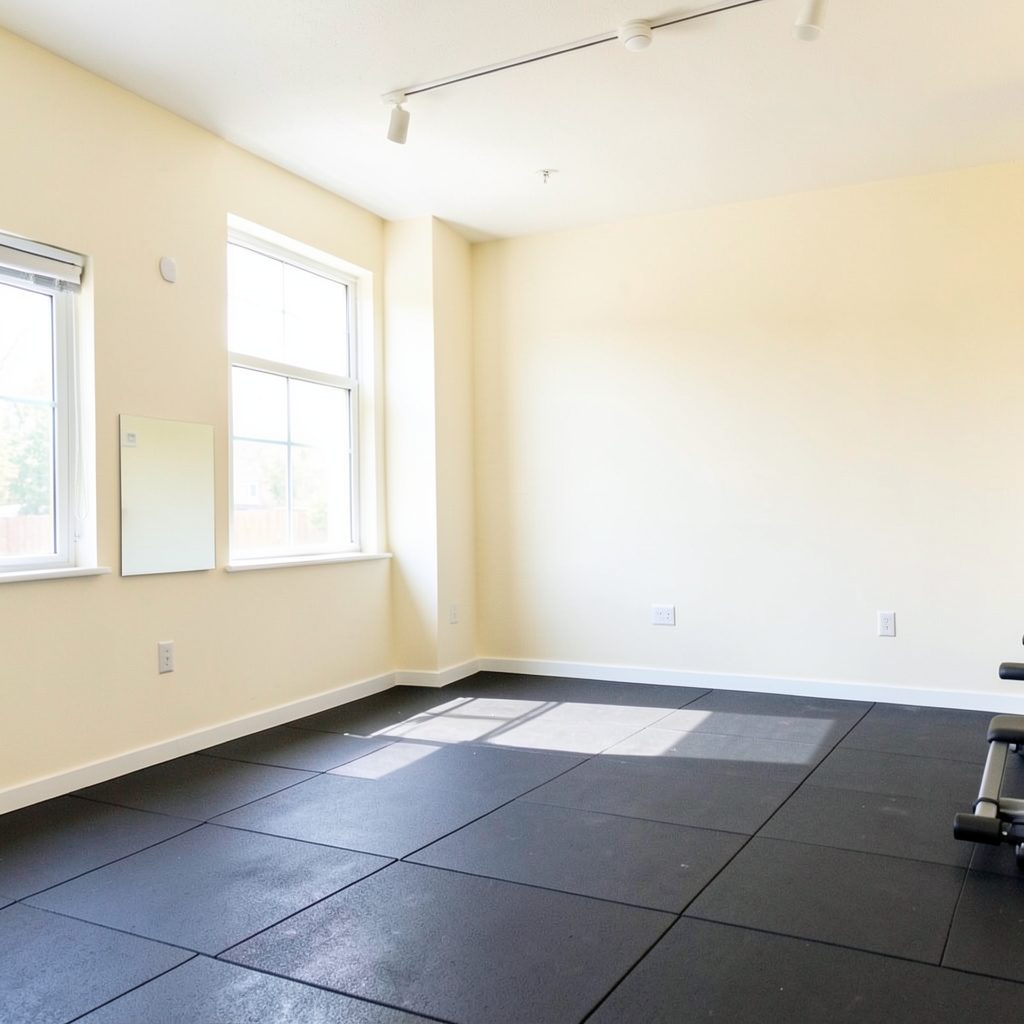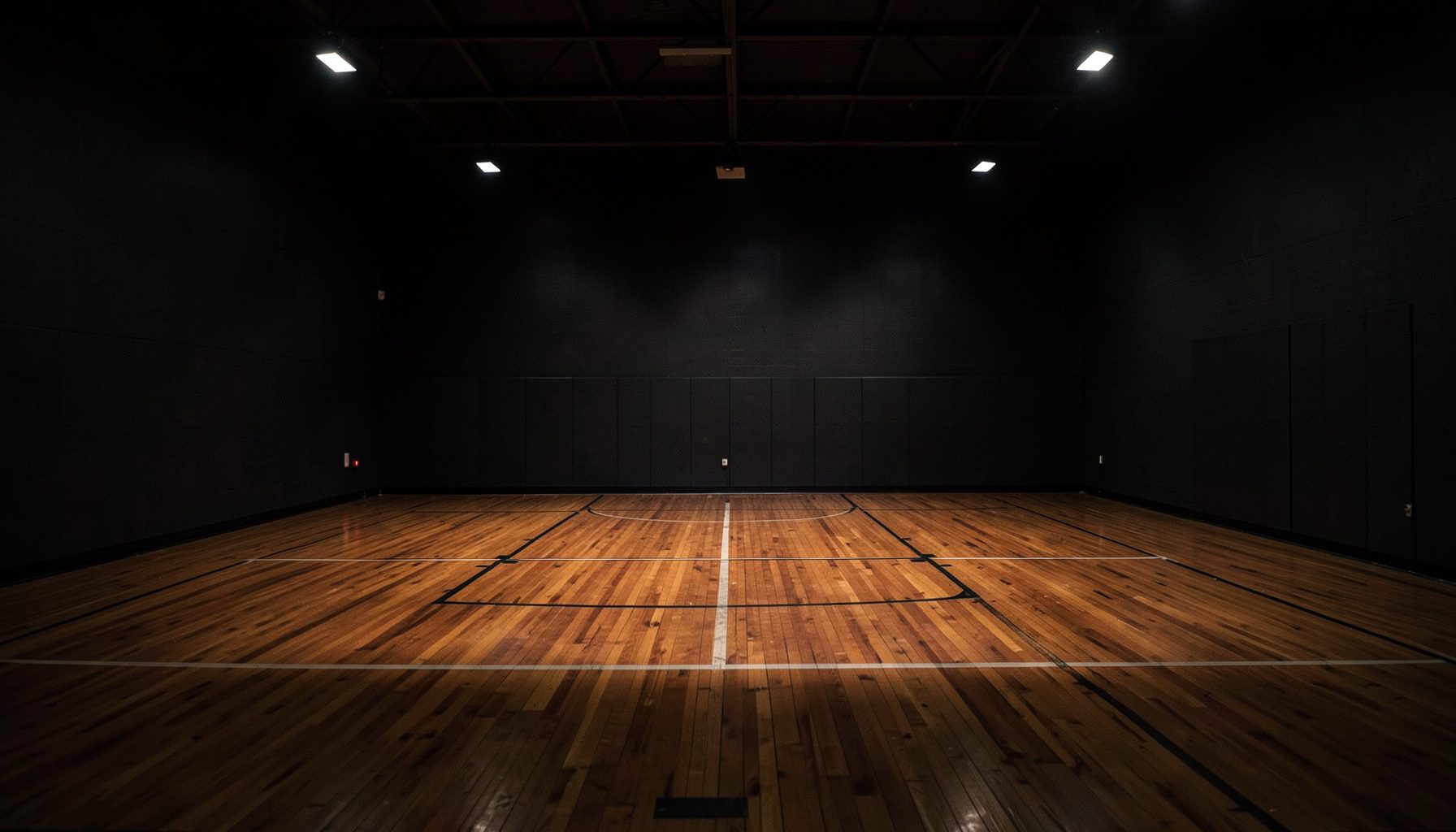
Train. Compete. Recover.
A multi-purpose athletic facility in Speedway, Indiana — basketball leagues, skill training, and wellness services all under one roof.
The Factory D1 Indy brings together three entities under one roof: competitive basketball leagues for all age groups, individual and group training, and wellness & recovery services including Normatec boot recovery and cryotherapy. Located off I-465 and High School Road at 6331 Crawfordsville Road, Speedway, Indiana 46224.
Get In TouchCryotherapy and soreness after back-to-back basketball games
Back-to-back basketball games place unusual demands on the body. Repeated sprinting, jumping, sudden stops, contact, and limited recovery time can leave players with heavy legs, tight hips, sore calves, and general muscle fatigue before the next tipoff. For athletes competing in tournaments or weekend leagues, recovery between games can influence movement quality and readiness.
Cryotherapy is often used as part of a post-game recovery routine because cold exposure may temporarily reduce pain, limit the sensation of swelling, and help an athlete feel more comfortable. It is not a replacement for sleep, hydration, nutrition, or medical care, but it can be one useful tool when soreness follows a demanding schedule.
At The Factory D1 Indy in Speedway, Indiana, basketball players can combine training, competition, conditioning, and wellness services in one athletic environment. Understanding what cryotherapy can and cannot do makes it easier to use the service responsibly between games.
Why consecutive games create more soreness
Basketball soreness comes from several sources. Muscles experience repeated eccentric loading when players land from rebounds, decelerate into defensive positions, or change direction. These actions can contribute to delayed-onset muscle soreness, commonly called DOMS, which may become more noticeable several hours after activity rather than immediately after the final whistle.
Fatigue also changes movement patterns. A tired athlete may compensate through the lower back, knees, ankles, or hips, placing extra stress on areas that were already working hard. Contact, falls, and minor knocks can add localized tenderness. When there are only a few hours between games, the body has less time to restore fluid balance, replenish carbohydrate stores, and reduce the perception of fatigue.
Soreness is different from an acute injury. Sharp pain, significant swelling, instability, numbness, weakness, or pain that changes normal walking should not be treated as routine post-game discomfort. Those symptoms deserve evaluation by a qualified healthcare professional.
How cold exposure may help
Whole-body or localized cryotherapy exposes the body to very cold temperatures for a brief, controlled period. The cold can narrow blood vessels near the skin and temporarily reduce nerve signaling, which may lessen the sensation of pain. After the session, normal circulation returns as the body warms, although the exact recovery effects can vary from person to person.
For a basketball player between games, the most noticeable benefit may be short-term comfort. Legs can feel less achy, and an athlete may perceive reduced heaviness before the next warm-up. Some research supports cold-water immersion for reducing soreness and improving perceived recovery after strenuous exercise, while evidence for every form of commercial cryotherapy is more mixed. The setting, exposure time, athlete, and recovery needs all matter.
Cold treatment does not erase muscle damage or instantly restore performance. It cannot replace calories, fluids, mobility work, or sleep. Athletes should view it as a supportive recovery strategy rather than a way to push through pain that signals a problem.
Timing matters between games
The best time for cryotherapy depends on the athlete’s schedule and response. A short session after a game may help reduce discomfort before the next contest, especially when the player feels generally sore rather than injured. It is wise to allow enough time afterward for the skin and body to return to a comfortable temperature before warming up.
Recovery should begin with basics. Replace fluids and electrolytes, eat a meal or snack containing carbohydrates and protein, change out of damp clothing, and use gentle movement to avoid becoming stiff. The Factory D1 Indy’s guide to post-game recovery drinks can help athletes think through hydration and refueling choices after practice or competition.
A light walk, easy cycling, controlled range-of-motion exercises, and relaxed stretching may complement cold exposure. Avoid aggressive stretching or intense massage over a painful area immediately after a physical collision. If soreness is concentrated in one joint or worsens during warm-up, the priority should be assessment rather than another recovery modality.
Comparing useful recovery options
Cryotherapy works best when it is selected for a specific purpose. Cold exposure may be useful for perceived soreness and comfort, while other methods address hydration, circulation, mobility, or tissue relaxation. Combining several low-risk habits is often more practical than relying on a single treatment.
The following comparison can help basketball players choose an appropriate approach during a tournament day:
| Recovery option | Potential benefit | Best timing | Important limitation |
|---|---|---|---|
| Cryotherapy | May temporarily reduce soreness and pain perception | After a game or later that day | Does not replace fueling, sleep, or injury evaluation |
| Hydration and electrolytes | Supports fluid balance and normal muscle function | Immediately and consistently between games | Needs to be paired with adequate food when activity is prolonged |
| Carbohydrate and protein snack | Helps replenish energy and supports muscle repair | Within the recovery window after competition | Individual needs vary by body size, workload, and schedule |
| Gentle cycling or walking | Encourages light movement and may reduce stiffness | Between games or during cool-down | Should remain easy, never painful or exhausting |
| Compression therapy | May improve comfort and reduce the feeling of heavy legs | After competition or during travel | Effects differ, and fit and medical history matter |
| Sleep and quiet rest | Supports broad physical and mental recovery | Overnight and during breaks | Hard to maximize during packed tournament schedules |
Compression can be especially convenient for teams traveling between venues. Players interested in that option can review these Normatec travel tips when planning recovery around long drives, flights, or multiple games.
Using cryotherapy with good judgment
Athletes should follow the facility’s instructions and disclose relevant health information before a session. Cold exposure may not be appropriate for people with certain circulation disorders, cold sensitivity, uncontrolled high blood pressure, significant cardiovascular conditions, or other medical concerns. A healthcare provider can help determine whether the treatment is suitable.
Do not enter a cryotherapy session while intoxicated, severely dehydrated, or unable to communicate discomfort. Skin should be dry when required by the equipment and staff instructions, and jewelry or clothing that conflicts with the protocol should be removed. The athlete should report burning, severe numbness, dizziness, breathing difficulty, or unusual pain immediately.
Young athletes need additional supervision and individualized guidance. A parent, coach, athletic trainer, or medical professional should help determine whether cryotherapy belongs in a youth player’s recovery plan. The goal is a safe return to movement, not simply a temporary reduction in soreness.
Build a repeatable tournament recovery routine
A reliable routine helps players make better decisions when fatigue makes planning difficult. Coaches and athletes can prepare hydration, snacks, dry clothing, and recovery appointments before the event begins. Tracking how the body responds after each session can also reveal whether cryotherapy improves comfort or leaves the athlete feeling overly numb and stiff.
Useful habits include:
- Drink fluids steadily instead of waiting until intense thirst appears.
- Eat carbohydrates with a source of protein after each demanding game.
- Use easy movement during long breaks rather than remaining seated for hours.
- Schedule cryotherapy when there is enough time to warm up comfortably afterward.
- Report sharp, worsening, or unusual pain instead of masking it with cold treatment.
Players should also consider the demands of the next game. If the break is short, nutrition, hydration, bathroom access, and a progressive warm-up may matter more than a separate recovery session. If there is a longer window, cryotherapy, compression, light cycling, and quiet rest can be organized without rushing.
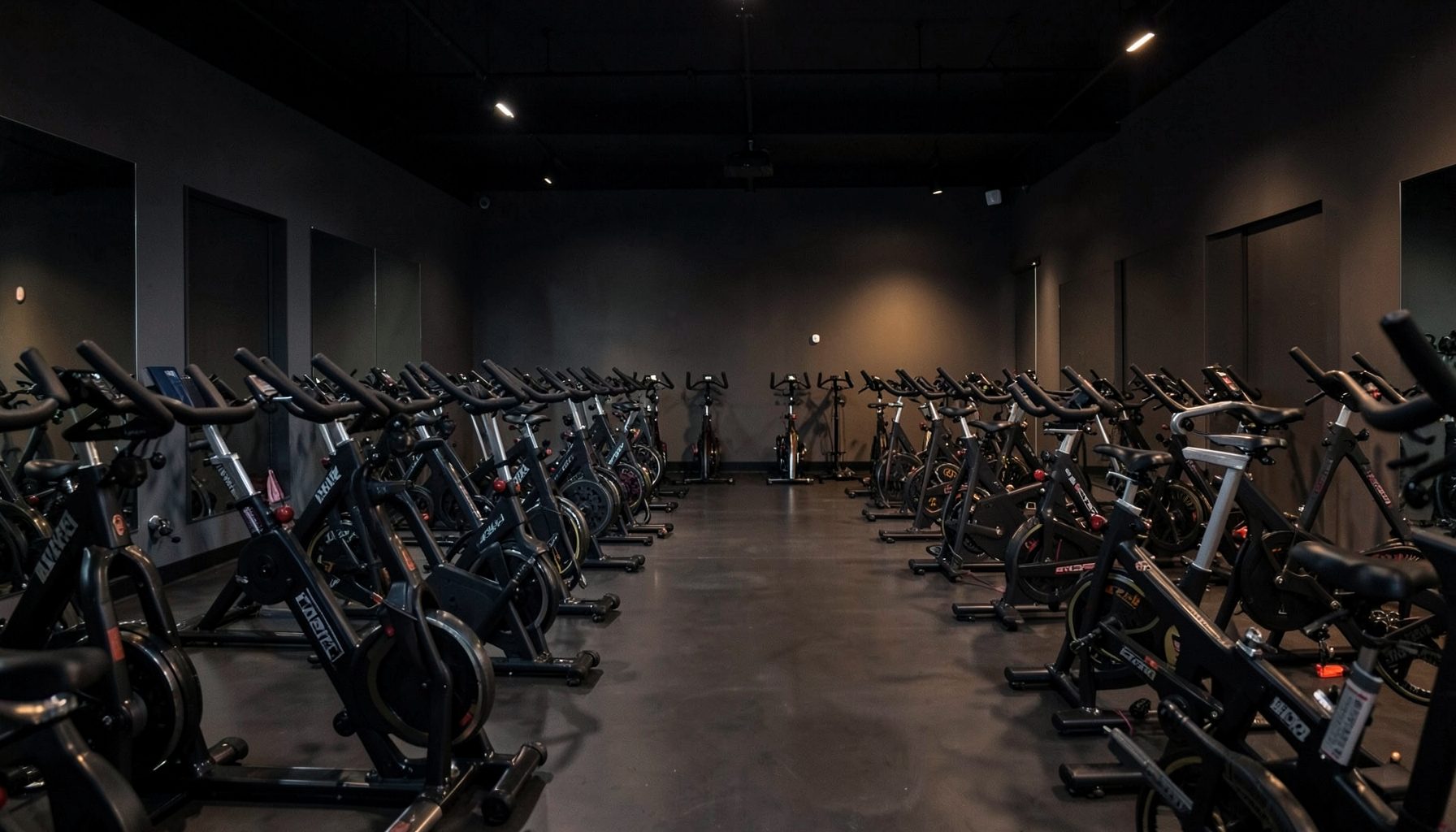
The Factory D1 Indy gives athletes and teams access to a setting built around performance and recovery, from basketball training and leagues to cycle classes and wellness services. Players can speak with facility staff about available options and create a plan that fits their age, workload, competition schedule, and health history.
A cold session may help a basketball player feel less sore after the first game of a demanding day, but the strongest recovery plan remains comprehensive. Start with fluids, fuel, movement, and rest, then use cryotherapy as a measured addition when it is appropriate. Visit The Factory D1 Indy to explore recovery services and build a smarter routine for your next practice, league night, or tournament weekend.
Inside The Factory
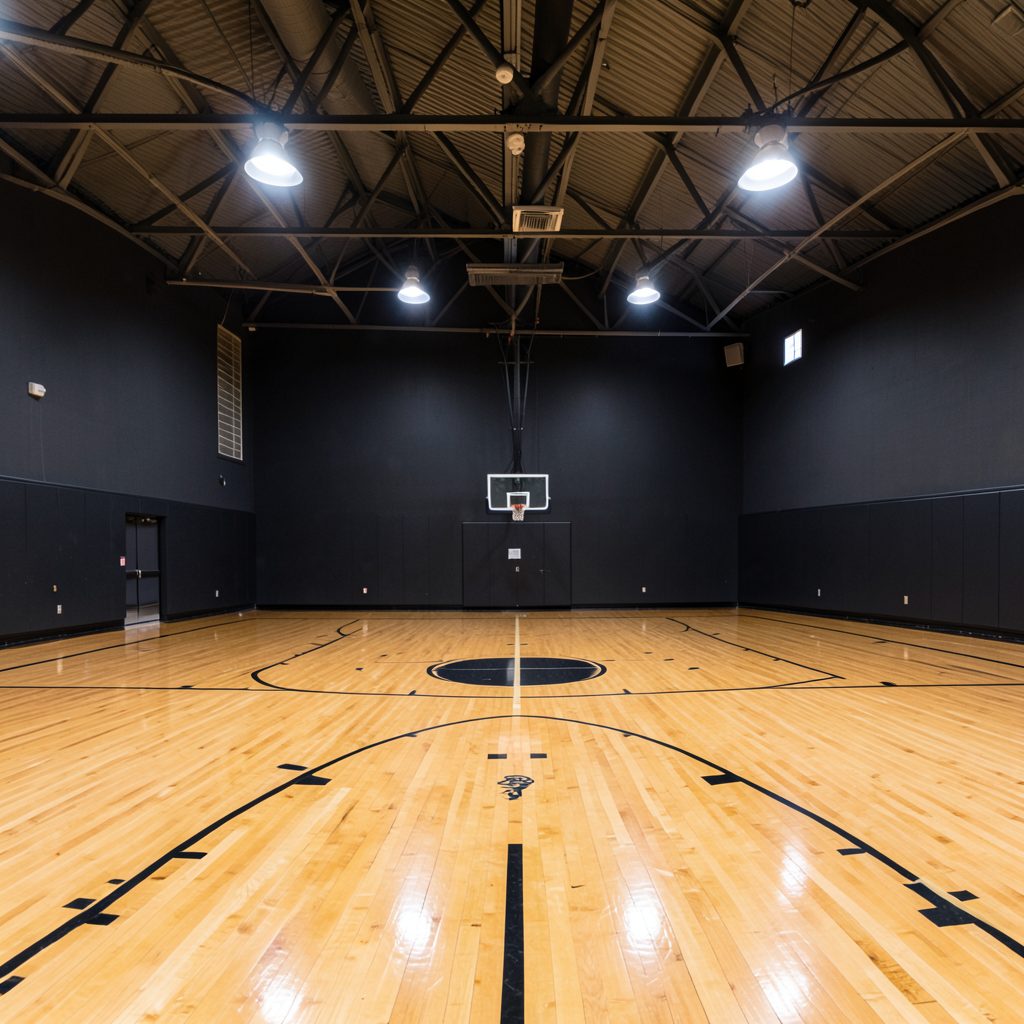

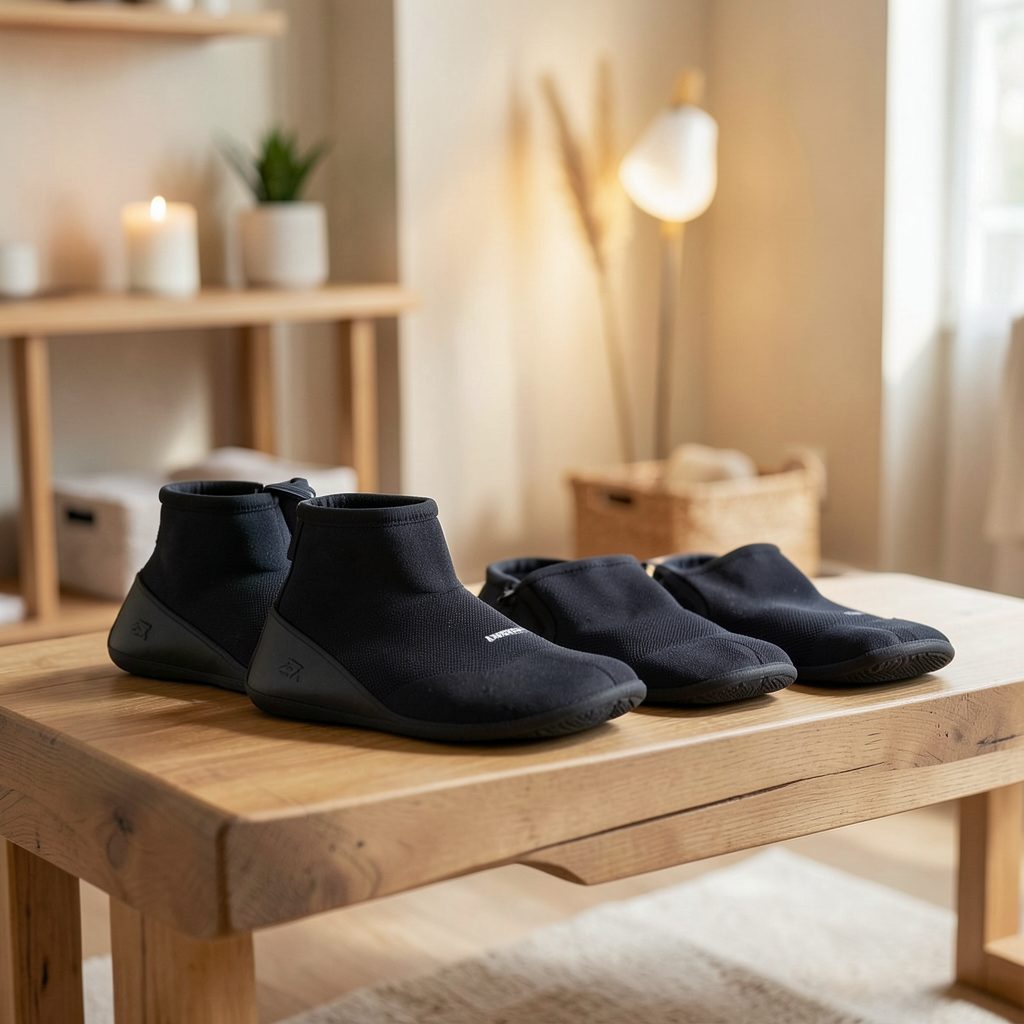
Three Entities, One Roof
Leagues
Eight league divisions span every age group: Indy Pro AM, 18+ Open Men's, 30+ Men's, Bite Size (ages 3–6), Impact League, 5th/6th Grade, Middle School, and High School. Gather your team and compete.
Training
Individual and group basketball training for all skill levels. Major M.O.V.E.S. Basketball Training serves ages 4–7 on Wednesday and Thursday evenings at 6:30 PM — $30 per session or $100 unlimited monthly.
Wellness & Recovery
Normatec boot recovery and cryotherapy treatments help athletes bounce back faster. Cycle and spin classes add a cardio dimension to the holistic performance approach.
Have a Question?