Train. Compete. Recover.
A multi-purpose athletic facility in Speedway, Indiana — basketball leagues, skill training, and wellness services all under one roof.
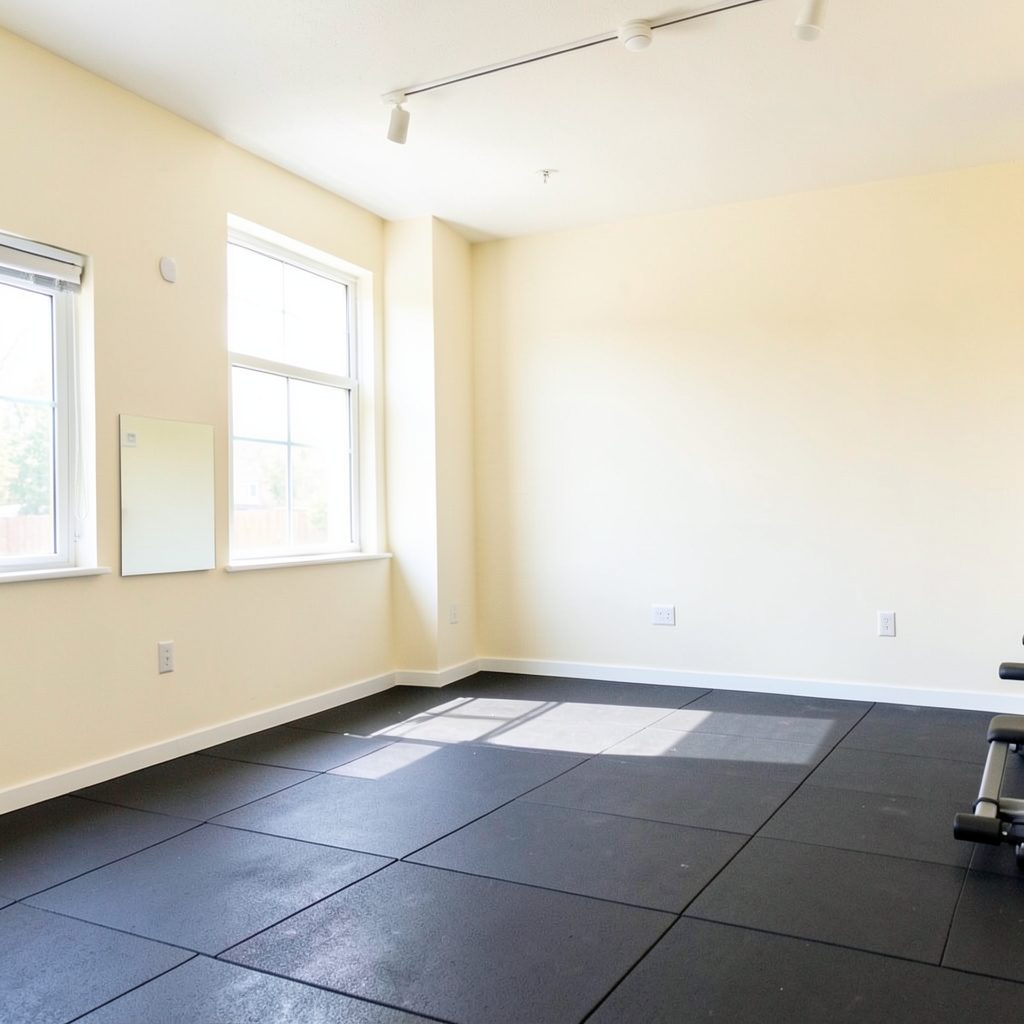
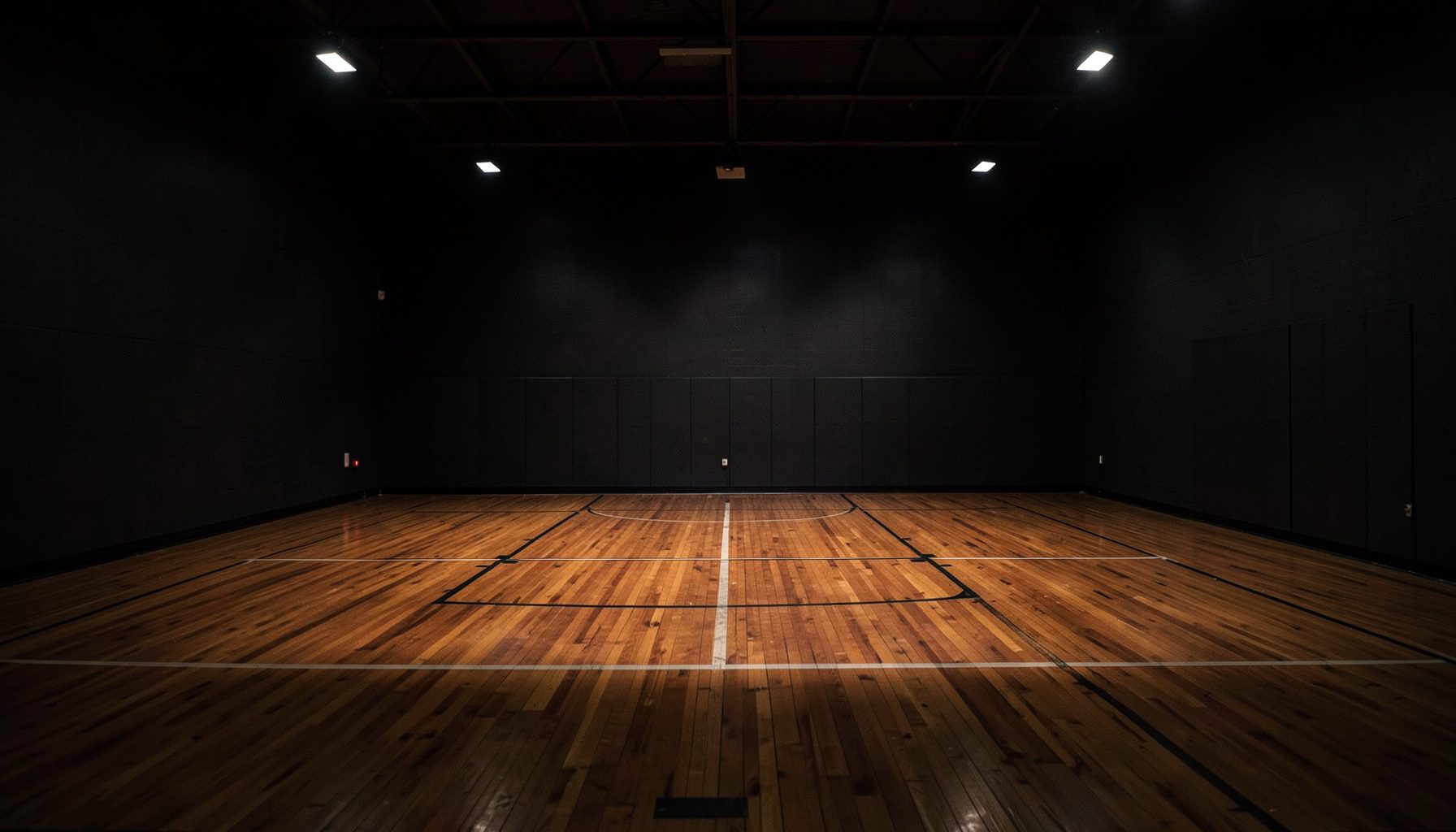
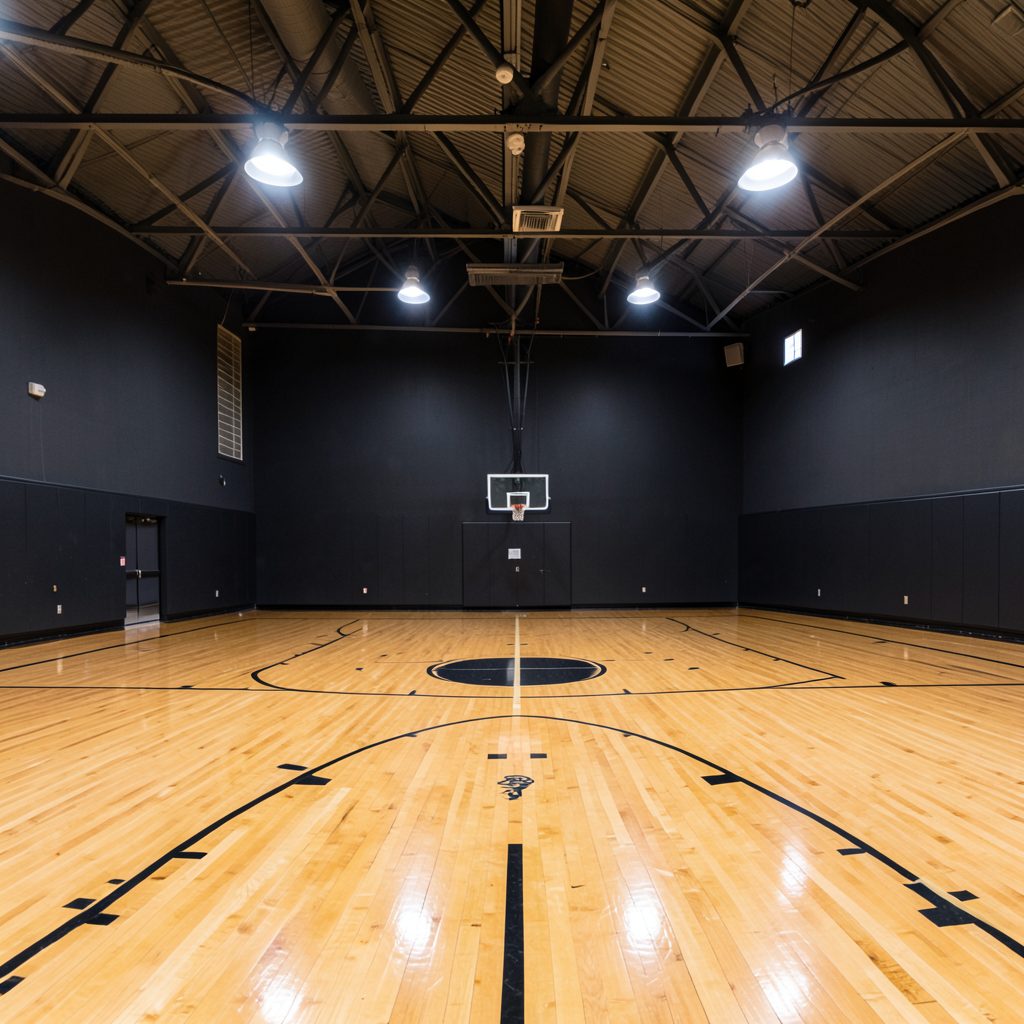
The Factory D1 Indy brings together three entities under one roof: competitive basketball leagues for all age groups, individual and group training, and wellness & recovery services including Normatec boot recovery and cryotherapy. Located off I-465 and High School Road at 6331 Crawfordsville Road, Speedway, Indiana 46224.
Get In TouchWhat to Eat After a Normatec Compression Therapy Session
Normatec compression therapy uses rhythmic pressure to support circulation and help reduce the heavy, tired feeling that can follow training. The session itself does not replace a meal, cause major calorie loss or demand a special “detox” food. Your next meal should match the workout that came before it, your appetite and the time until your next training session.
For Australian athletes, this might mean a quick snack after a basketball session in Brisbane, a recovery meal following a spin class in Melbourne, or something portable after travelling home from a league game in Sydney. A useful approach combines quality carbohydrates, enough protein, fluids and a modest amount of healthy fat.
Start With The Training Load
If Normatec follows a gentle recovery session, mobility work or a low-intensity cycle class, you may not need a large meal. A snack such as Greek yoghurt with fruit, a glass of milk and a banana, or wholegrain toast with cottage cheese can be enough until your normal dinner. Eating far beyond your hunger will not accelerate circulation or muscle repair.
A demanding basketball game, repeated sprint session or long spin class creates a greater need for carbohydrate and protein. Carbohydrates replenish muscle glycogen, while protein supplies amino acids used in muscle maintenance and repair. Aim to eat within roughly one to two hours after training, particularly when another session is scheduled the same day.
Your recovery priorities may differ between a junior athlete, an adult playing social competition and a high-level player completing several sessions each week. Normatec can be part of the routine, but nutrition should respond to training volume rather than the compression boots alone.
Build A Balanced Recovery Plate
A practical post-session plate contains a palm-sized serve of protein, a generous serve of carbohydrate and colourful produce. Protein options include eggs, chicken, tuna, salmon, lean beef, tofu, tempeh, beans and dairy foods. Carbohydrates can come from rice, potatoes, oats, pasta, quinoa, bread, fruit or cereal.
For a simple Australian supermarket meal, combine a microwave rice cup with canned tuna, edamame, salad and avocado. Another option is grilled chicken with roasted sweet potato and vegetables. A vegetarian athlete could choose lentil pasta with tomato sauce, parmesan and spinach. These combinations are easy to find at Coles, Woolworths or local grocers and can be prepared without an elaborate kitchen.
Protein distribution matters more than chasing a large shake immediately after every session. Many active adults benefit from approximately 20–40 grams of protein in a recovery meal, with the amount influenced by body size and total daily intake. A sports dietitian can provide a more precise target for teenagers, athletes with medical conditions or people following a specialised diet.
Match Food To Your Next Session
When another training session is coming within a few hours, choose foods that digest comfortably and provide reliable carbohydrate. A banana smoothie with milk, cereal with yoghurt, or a turkey and salad sandwich on white or grain bread can work well. Keep fibre, fat and very spicy ingredients moderate if you are prone to stomach discomfort during activity.
If you have the rest of the day to recover, a more substantial meal is appropriate. Try salmon with potatoes and greens, a beef and vegetable rice bowl, or tofu stir-fry with noodles. Include enough food to restore energy without treating recovery as an excuse for constant grazing. Appetite, body size and the day’s workload should guide portion size.
Basketball players can also benefit from pairing nutrition with skill development. After eating, allow digestion time before a second demanding session, and use focused practice to build movement quality. For athletes working on court positioning, these rebounding drills can complement a well-planned recovery routine.
Rehydrate With Purpose
Compression therapy does not remove the need to replace fluid lost through sweat. Check thirst, urine colour and the training environment rather than drinking excessive amounts automatically. In hot conditions such as a summer session in Perth or Brisbane, fluid and sodium losses can be considerably higher than during a cool indoor workout in Hobart or Melbourne.
Water is generally suitable for a short, moderate session. After heavy sweating, a meal containing salt plus water may meet your needs. Milk, soup, a cheese sandwich or a normal dinner can contribute fluid and electrolytes. An electrolyte drink may be useful after prolonged exercise, double sessions or training in heat, but many commercial products contain added sugar and are unnecessary for casual activity.
Weighing before and after training can help experienced athletes estimate sweat loss, although it is not essential for everyone. Never force large volumes of plain water quickly. Severe headache, confusion, vomiting, faintness or persistent cramps require medical attention rather than a nutrition experiment.
Make Recovery Easy To Repeat
The best post-Normatec food is one you can prepare consistently. Keep bananas, milk, yoghurt, oats, wholegrain wraps, tuna, eggs and frozen vegetables available. A prepared container of rice, chicken and vegetables can be more useful than an expensive recovery product when you arrive home tired after an evening league.
For commuters, pack a shelf-stable option such as a tuna pouch with crackers, a peanut butter sandwich, roasted chickpeas or a long-life milk drink. Australian athletes often train after work, so a planned snack can prevent arriving at dinner excessively hungry. On a hot day, use an insulated lunch bag and ice brick to keep dairy, meat and prepared meals safe.
Caffeine, alcohol and very rich takeaway meals deserve some thought after training. Coffee may suit an earlier session, but late caffeine can interfere with sleep, which is central to recovery. Alcohol can affect hydration, sleep and muscle recovery. A burger or fried meal is not automatically harmful, though a lighter option with protein, carbohydrate and vegetables may leave you feeling better after compression therapy.
A post-session routine could be as simple as water during the drive home, yoghurt and fruit within an hour, then a balanced dinner later. Athletes attending a facility that combines basketball, cycling, conditioning and recovery can use the same framework across different sessions: replace fuel, provide protein, restore fluids and respect comfort.
Plan your next recovery meal before training begins. Bring a snack, keep suitable ingredients at home and adjust the portion to the session you completed. If you need individual guidance for performance goals, allergies, vegetarian eating or repeated fatigue, book an appointment with an accredited practising dietitian in Australia and make nutrition part of your wider training plan.
Inside The Factory

Three Entities, One Roof
Leagues
Eight league divisions span every age group: Indy Pro AM, 18+ Open Men's, 30+ Men's, Bite Size (ages 3–6), Impact League, 5th/6th Grade, Middle School, and High School. Gather your team and compete.
Training
Individual and group basketball training for all skill levels. Major M.O.V.E.S. Basketball Training serves ages 4–7 on Wednesday and Thursday evenings at 6:30 PM — $30 per session or $100 unlimited monthly.
Wellness & Recovery
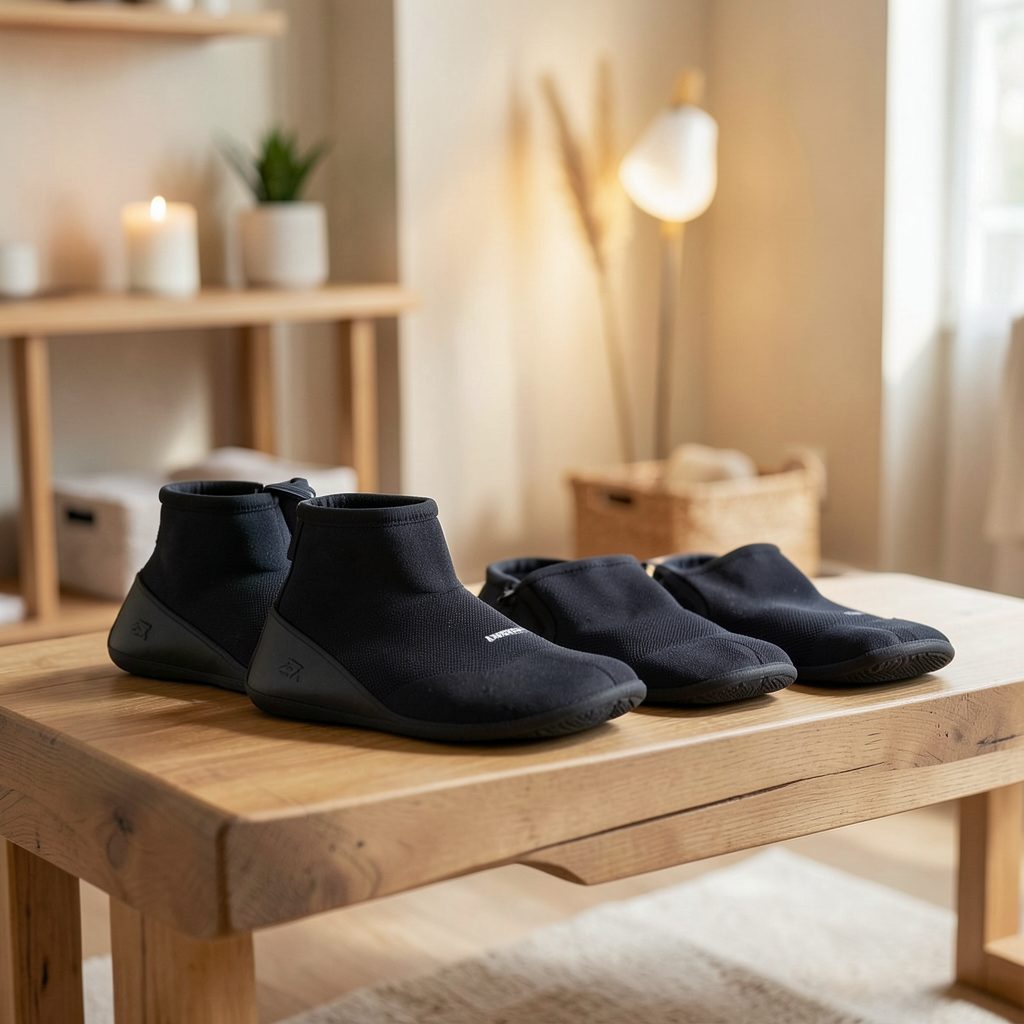
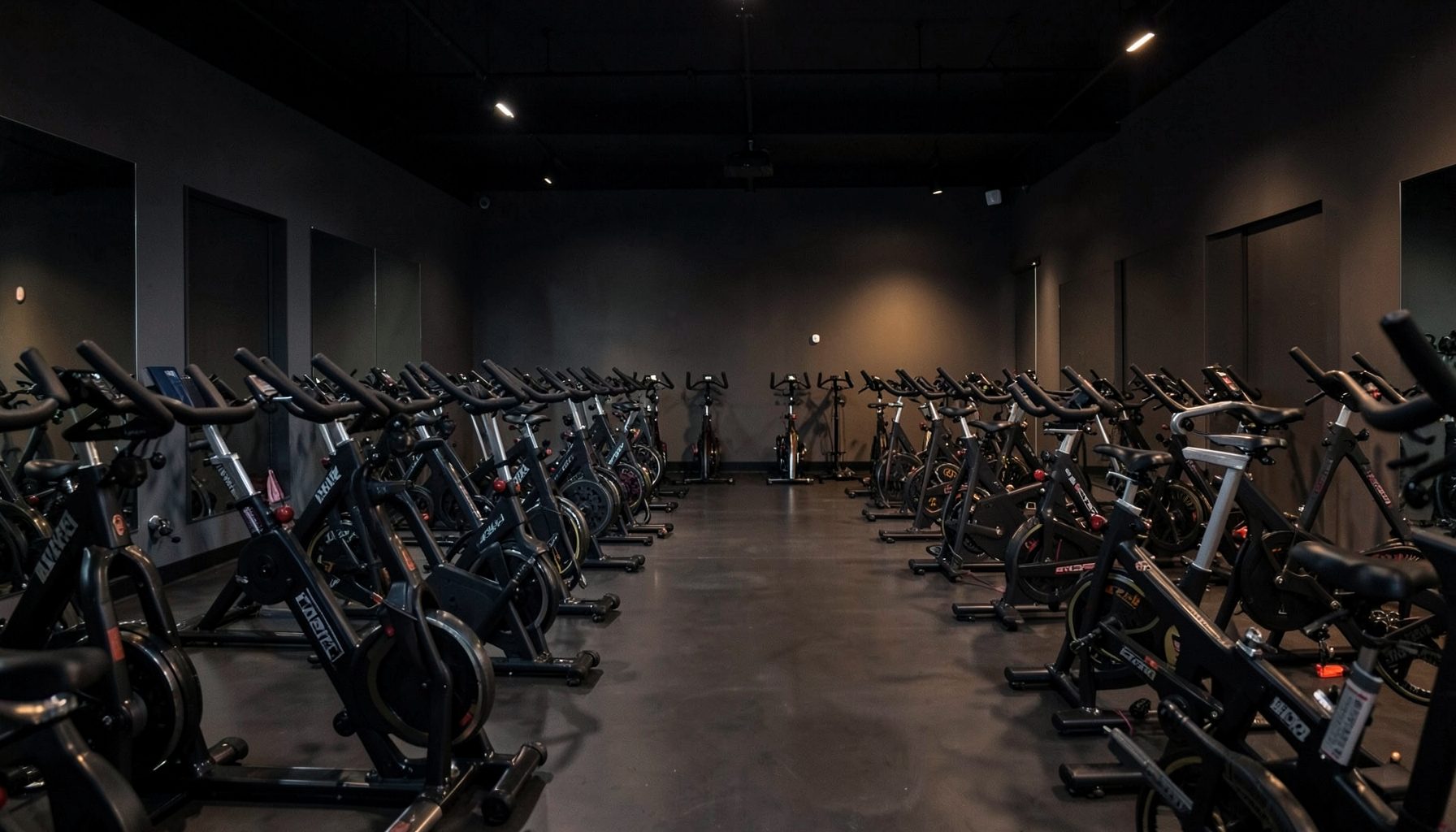
Normatec boot recovery and cryotherapy treatments help athletes bounce back faster. Cycle and spin classes add a cardio dimension to the holistic performance approach.
Have a Question?