Train. Compete. Recover.
A multi-purpose athletic facility in Speedway, Indiana — basketball leagues, skill training, and wellness services all under one roof.
The Factory D1 Indy brings together three entities under one roof: competitive basketball leagues for all age groups, individual and group training, and wellness & recovery services including Normatec boot recovery and cryotherapy. Located off I-465 and High School Road at 6331 Crawfordsville Road, Speedway, Indiana 46224.
Get In TouchWhat To Expect During A Basketball Skills Assessment At Our Facility
A basketball skills assessment at The Factory D1 Indy is designed to give athletes, families, and coaches a clear picture of current ability. It is more than a series of shots or a quick conversation. The process looks at fundamental technique, movement, decision-making, and the habits that can shape future progress.
Athletes of different ages and experience levels may arrive with different goals. A young player might need help learning the basics, while a high school athlete may want sharper ball handling, stronger finishing, or preparation for competitive play. The assessment helps place each athlete in a training environment that fits those needs.
Expect an encouraging, active setting centered on development. Players are evaluated as individuals rather than compared against a single standard. The goal is to identify strengths, uncover opportunities for growth, and establish practical next steps for basketball training at our Indianapolis-area facility.
What The Assessment Covers
The session typically begins with a short conversation about the athlete’s background, goals, position, playing experience, and any concerns. Coaches may ask whether the player competes on a school or travel team, how often they practice, and which parts of the game feel most comfortable or difficult.
The physical portion may include movement preparation, ball-handling patterns, passing, shooting, finishing, footwork, and defensive actions. Depending on age and experience, athletes may also work through rebounding technique, closeouts, change-of-direction movements, or simple game-based scenarios.
The assessment is adjusted to the player. A beginner will not be expected to perform advanced combinations intended for an experienced guard. Likewise, a competitive athlete may be challenged with pace, pressure, and decision-making rather than only stationary drills.
Before You Arrive
Athletes should wear comfortable athletic clothing and basketball shoes that provide reliable traction. Bring water and arrive with enough time to get settled. A calm start helps players focus on instructions instead of rushing into the first drill.
A light meal or snack can support energy, especially if the assessment follows school, work, or another workout. Avoid arriving overly full, but do not skip food entirely. Athletes who also participate in cycle or spin classes may benefit from reviewing these spin class nutrition tips when planning meals around high-intensity training.
Parents and athletes should also share relevant information before the session begins. Previous injuries, current limitations, and specific performance goals can help coaches select appropriate activities and make the evaluation more useful.
How Coaches Evaluate Basketball Ability
Coaches look at how an athlete performs a skill, but they also observe how the player learns. Listening, responding to feedback, maintaining focus, and attempting a correction are all meaningful parts of a development assessment. A player does not need to be perfect to make a strong impression.
Ball handling may be evaluated through control with both hands, posture, change of speed, protection from pressure, and the ability to move while scanning the court. Shooting evaluation can include balance, foot alignment, release consistency, shot preparation, and performance from different areas.
Passing and finishing reveal additional details. Coaches may watch whether the athlete passes on time, uses the correct type of pass, reads a moving target, and finishes through contact or around an obstacle. Footwork, body control, defensive stance, and lateral movement can show how efficiently the player moves without the ball.
For advanced players, the assessment may include small-sided or game-like situations. These activities show whether an athlete can make decisions at speed, create space, recognize help defense, and choose a high-percentage option. Basketball IQ is developed through repetition, but it can also be observed through these practical situations.
How Results Guide Training
Assessment results are used to create a more focused development path. Coaches may identify a few immediate priorities instead of assigning a long list of corrections. Concentrating on the most important skills makes practice more manageable and gives athletes clear benchmarks to pursue.
| Area Reviewed | What Coaches May Observe | Possible Training Focus |
|---|---|---|
| Ball Handling | Control, pace, weak-hand confidence, protection | Dribbling patterns, pressure work, change of direction |
| Shooting | Balance, footwork, release, consistency | Form shooting, catch-and-shoot work, movement shooting |
| Finishing | Touch, body control, angles, use of both hands | Layups, floaters, contact finishes, footwork |
| Passing | Accuracy, timing, vision, decision-making | Partner passing, reads, drive-and-kick situations |
| Defense | Stance, slides, closeouts, effort, positioning | Lateral movement, containment, help defense |
| Game Decisions | Spacing, awareness, shot selection, reactions | Small-sided games and guided decision drills |
The information may also help determine whether individual instruction, group basketball training, a youth program, or competitive league participation is the best fit. Some athletes need concentrated technical work, while others will progress through structured play and repeated game decisions.
Placement is not a permanent label. Players develop at different rates, and a training recommendation can change as confidence, strength, coordination, and basketball understanding improve. The assessment is a starting point for purposeful work rather than a final judgment.
Ways To Get More From The Session
Athletes tend to benefit most when they treat the assessment as a learning opportunity. Effort and attitude matter because coaches need to see how a player responds when a task becomes unfamiliar or challenging.
Use these preparation habits to arrive ready to participate:
- Get a full night of sleep before the session.
- Eat a familiar meal or snack that supports steady energy.
- Bring water and wear properly fitted basketball shoes.
- Be ready to demonstrate both strengths and less comfortable skills.
- Listen closely, ask for clarification when needed, and apply feedback.
Families can help by discussing goals ahead of time without creating unnecessary pressure. An athlete may want to make a team, gain confidence, improve a weak hand, or simply learn the game. Every goal provides useful context for the coach.
It is also helpful to avoid judging the entire experience by one missed shot or difficult drill. Assessments are intentionally varied, and a challenging activity may reveal precisely what should be trained next. Honest effort gives coaches better information than trying to hide weaknesses.
What Happens After The Assessment
After the on-court portion, coaches can discuss observations and potential next steps. This conversation may cover technical strengths, areas that need attention, recommended training frequency, and options for continued participation at The Factory D1 Indy.
The most effective plan often combines skill repetition with competitive application. Individual sessions can target specific mechanics, while group workouts encourage pace, communication, and adaptability. Youth programs and leagues give developing athletes opportunities to apply new skills in an active team environment.
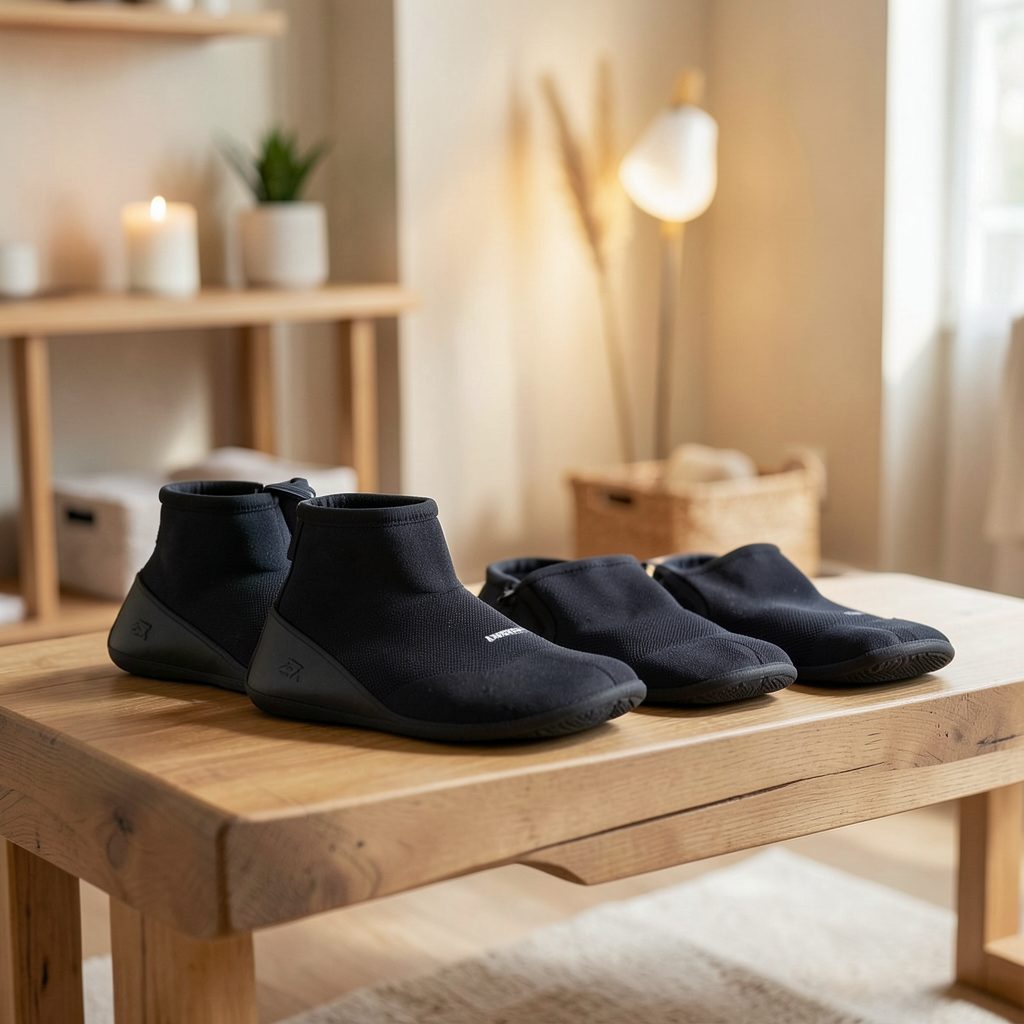
Recovery and conditioning can also support basketball progress. Athletes who train frequently may benefit from services such as Normatec compression therapy or cryotherapy as part of a broader wellness routine. These offerings complement training by helping athletes pay attention to how their bodies feel before and after demanding activity.
An assessment does not require an athlete to arrive fully prepared. It exists to establish a useful baseline and connect the player with appropriate coaching. Bring your goals, effort, and willingness to learn to The Factory D1 Indy, and take the first step toward a more focused basketball development plan.
Inside The Factory
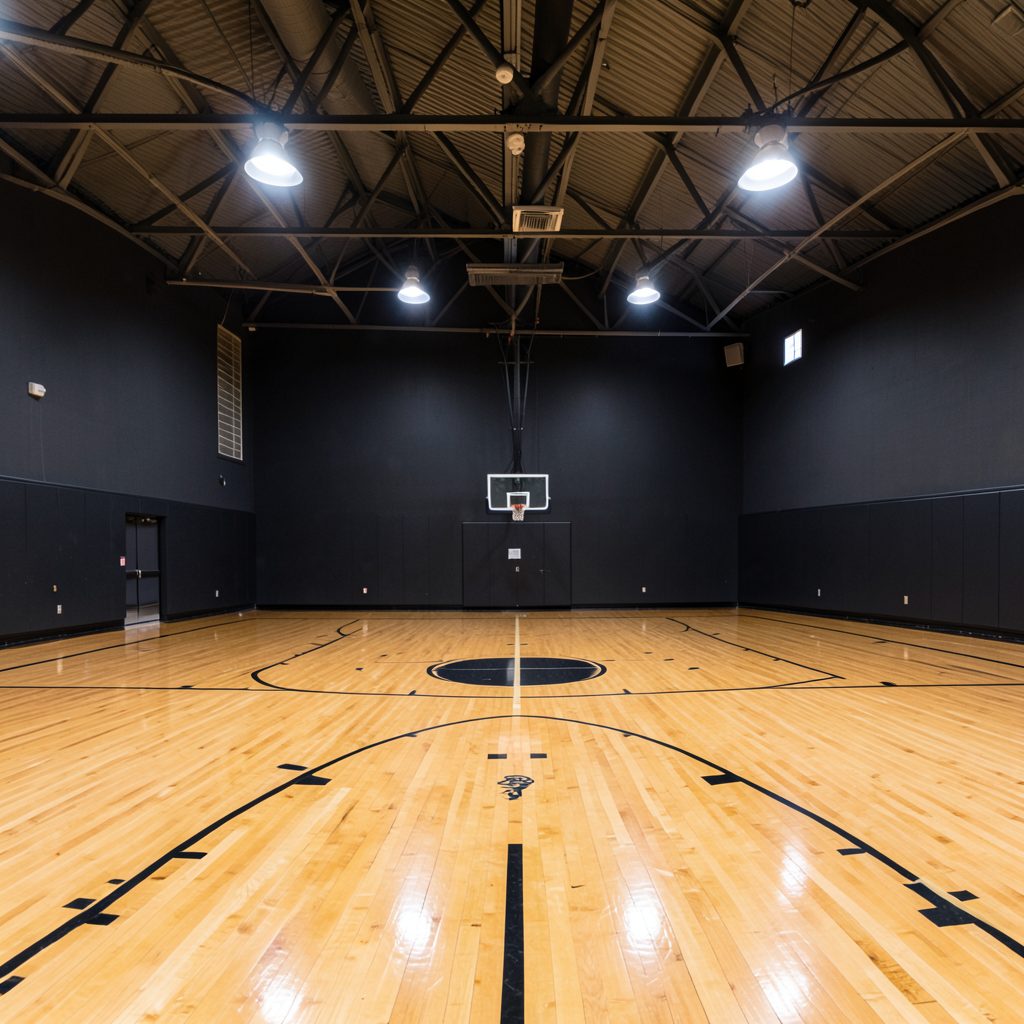

Three Entities, One Roof
Leagues
Eight league divisions span every age group: Indy Pro AM, 18+ Open Men's, 30+ Men's, Bite Size (ages 3–6), Impact League, 5th/6th Grade, Middle School, and High School. Gather your team and compete.
Training
Individual and group basketball training for all skill levels. Major M.O.V.E.S. Basketball Training serves ages 4–7 on Wednesday and Thursday evenings at 6:30 PM — $30 per session or $100 unlimited monthly.
Wellness & Recovery
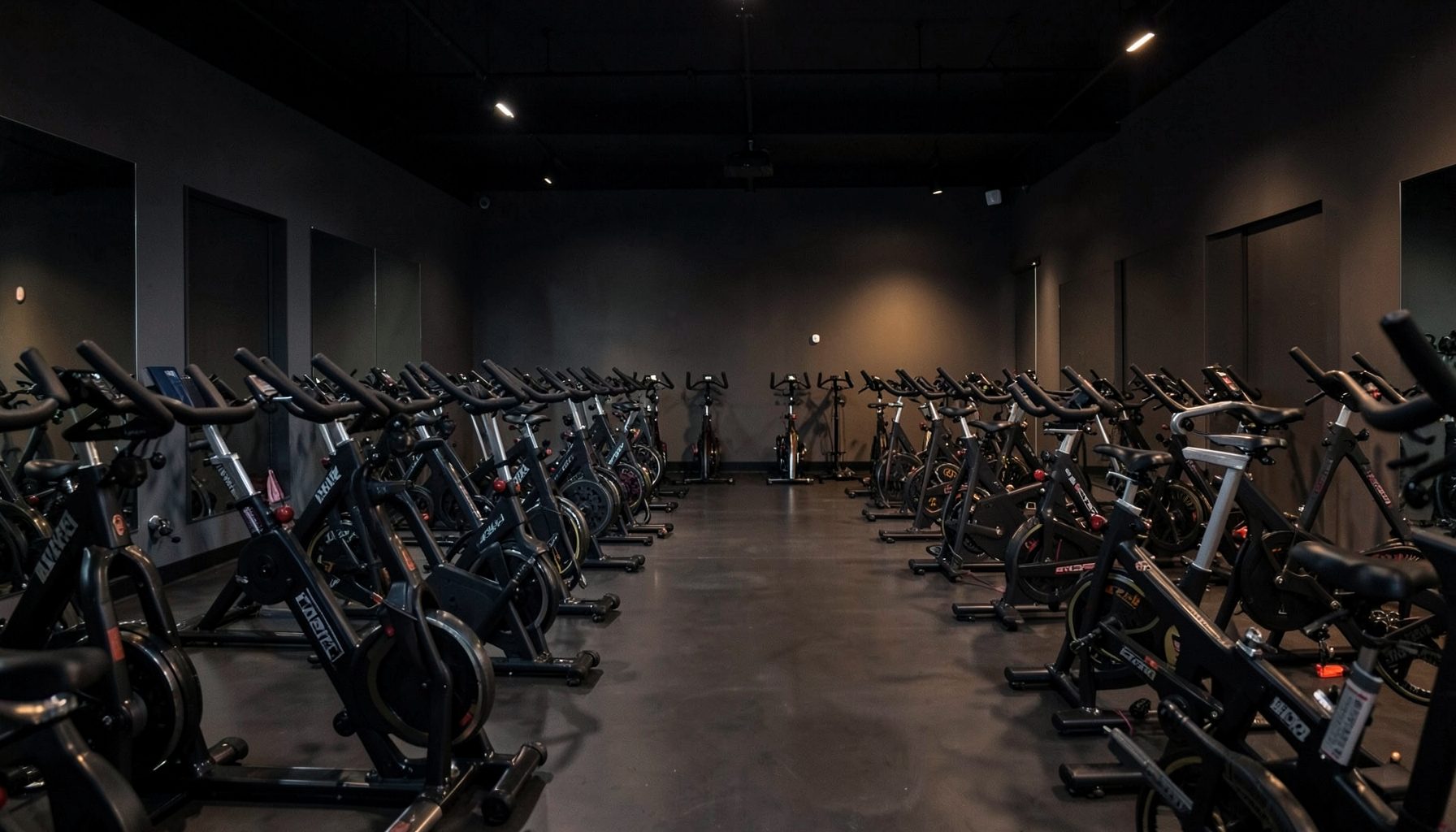
Normatec boot recovery and cryotherapy treatments help athletes bounce back faster. Cycle and spin classes add a cardio dimension to the holistic performance approach.
Have a Question?