Train. Compete. Recover.
A multi-purpose athletic facility in Speedway, Indiana — basketball leagues, skill training, and wellness services all under one roof.
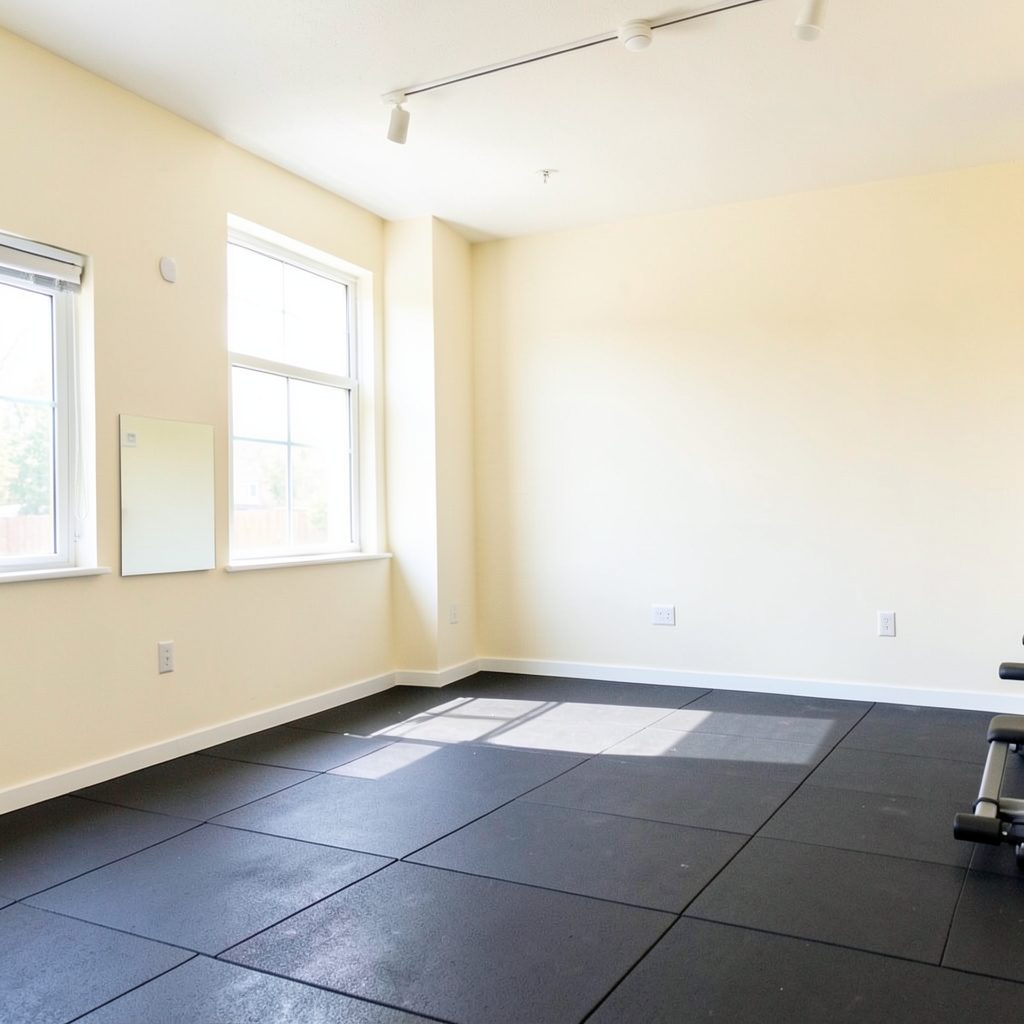
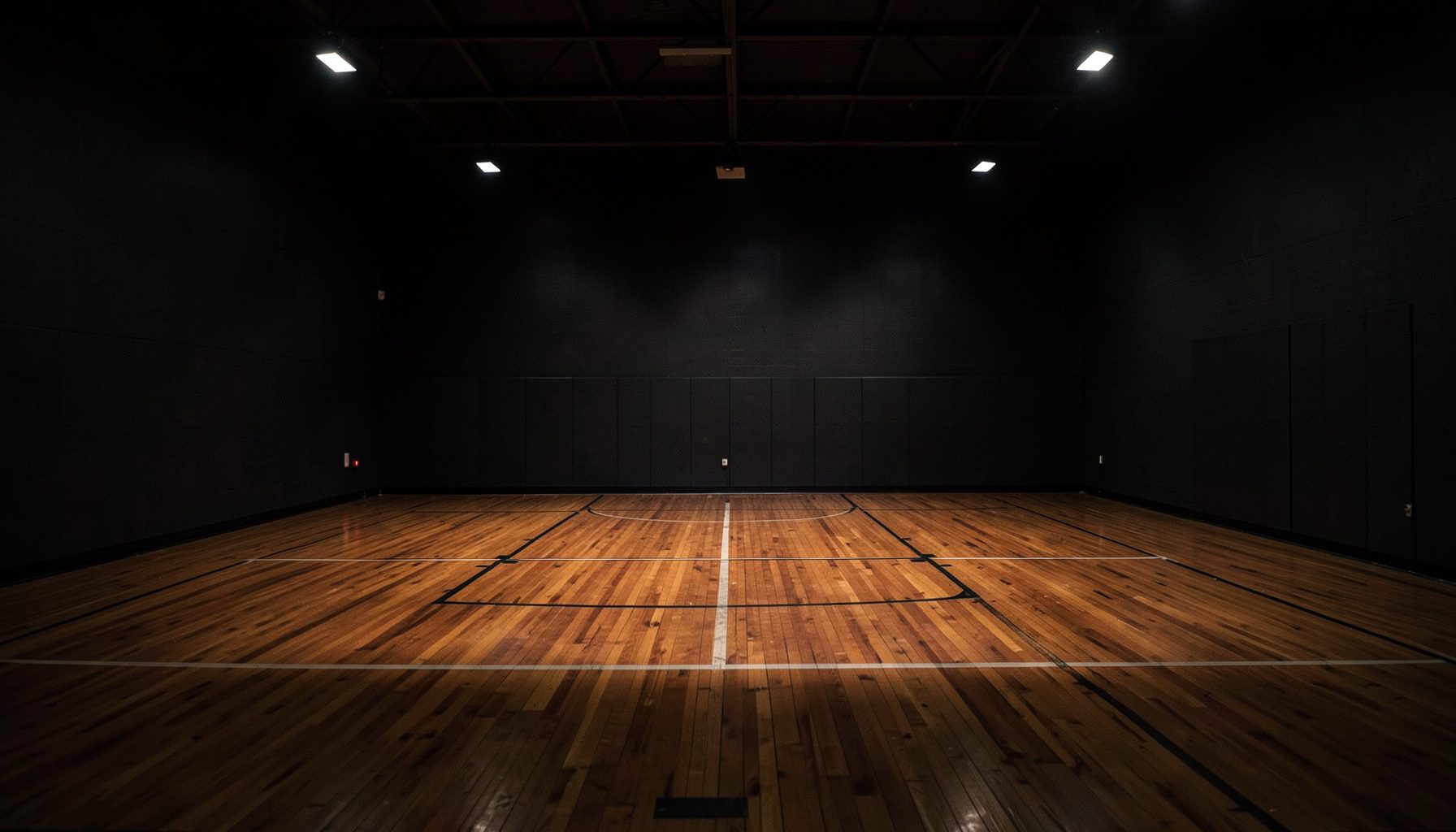
The Factory D1 Indy brings together three entities under one roof: competitive basketball leagues for all age groups, individual and group training, and wellness & recovery services including Normatec boot recovery and cryotherapy. Located off I-465 and High School Road at 6331 Crawfordsville Road, Speedway, Indiana 46224.
Get In TouchWhy Rebounding Drills Should Be Performed at Game Speed
Rebounding is often treated like housekeeping, the grunt work that happens between the highlight-reel moments of a basketball game. Yet the teams that consistently control the glass usually control the result. In Australia, where the NBL keeps raising the physical standard and junior pathways through programs like Aussie Hoops push kids into contested situations early, the value of a relentless rebounder has never been higher. Coaches who run their players through rebounding drills at half speed are quietly robbing their athletes of the very skills that decide close contests.
The problem is familiar to anyone who has watched a slow walkthrough and then watched the same players freeze when contact arrives. Technique that looks tidy in an empty lane often falls apart once a 95-kilogram opponent plants a forearm in your chest. Practising at game speed forces every part of the rebounding sequence, from the first step into a box-out to the second jump off the rim, to hold up under pressure. It is the difference between drilling a shape on paper and rehearsing it inside a real storm.
Athletes across Australia's sprawling suburban association scene, from Keilor to Keilor East and out to the regional associations dotted through places like Ballarat and Cairns, are increasingly aware that training quality matters as much as training quantity. The next step is understanding exactly what changes when the tempo is turned up, and why those changes translate directly to wins on the scoreboard.
Box-Out Mechanics Break Down Under Pressure
A textbook box-out looks simple on a whiteboard: wide stance, reverse pivot, arms back, locate the ball. The trouble starts the moment an opponent leans into you with full intent. At walking pace, players can hold their posture almost indefinitely. At game speed, even a few seconds of leverage against a stronger body will drag a centre forward, shift the feet, and unravel the entire positioning. Drills performed at full pace expose these flaws instantly, because the same physics that govern a contested rebound in a junior blowout at Keilor also govern a clutch play between Melbourne United and the Tasmania JackJumpers.
Contact is the great equaliser in rebounding, and it cannot be faked. When drills are run at game speed, players must learn to absorb a hit, maintain their base, and still track the ball off the rim. That training builds a kind of muscle memory that slow drills simply cannot replicate. Coaches who want honest feedback from their athletes should resist the urge to pause the drill for corrections and instead let the breakdown happen, then replay the moment. A missed rotation under full speed tells you far more than a perfect rotation at half speed.
Conditioning Must Match Live-Play Demands
Rebounding is a sprint, a collision, and a vertical leap, all crammed into a two-second window. Performing drills at half speed disguises the brutal aerobic demand of repeating that sequence forty times a night. Game-speed work closes that gap and turns the rebounding drill into a conditioning tool that pays double dividends. For athletes training through an Australian summer, where courts in places like Darwin and Townsville can feel like a frying pan by mid-arvo, that conditioning edge is the difference between crashing the boards in the fourth quarter and standing flat-footed at the three-point line.
There is also a neurological cost to chasing boards that a slow drill never taxes. Reading a missed shot, tracking the carom, fighting through traffic, and finishing the play requires decision-making under fatigue. When the legs are heavy and the lungs are burning, the brain defaults to habits. Practising at game speed installs the right habits in that exact state, so the instincts a player develops are the ones they will rely on when the scoreline is tight and the bench is screaming. Athletes who want to recover quickly between games on a heavy tournament weekend need to plan their conditioning load as carefully as their skill work.
Reading Trajectories Becomes Instinct at Full Pace
A ball that leaves a player's hand carries information. Spin rate, arc, contact point on the backboard, and the shooter's body position all hint at where the rebound will travel. None of that information is obvious when the drill is moving at half speed, because the eyes and brain have too much time to over-process. Run the drill at game speed and the same data has to be absorbed in a heartbeat, which is how it will arrive in a real contest.
Australian shooters at every level, from juniors in Brisbane Bullets development squads to weekend warriors running summer comps in the Hills District, produce a wide variety of miss profiles. Drills that simulate those misses at full pace teach players to anticipate rather than react. Anticipation is what separates a rebounder who grabs eight boards a match from one who grabs twelve, and it only emerges when the drill tempo matches the tempo the body will face on game day.
| Attribute | Slow-speed drills | Game-speed drills |
|---|---|---|
| Contact simulation | Minimal, rarely physical | Realistic, full collisions |
| Conditioning load | Low, almost a rest block | High, mimics fourth-quarter fatigue |
| Trajectory reading | Time to over-process, eyes get lazy | Forces anticipation and pattern recognition |
| Decision-making | No urgency to choose | Pressure forces instinct to take over |
| Transfer to games | Skills often break down under intensity | Skills transfer directly to live play |
| Time investment | Many reps for marginal carryover | Fewer reps with greater carryover |
How Australian Athletes Build Game-Speed Habits
The pathway from drill to game starts with a simple rule: every rebounding rep should include a real shot, a real box-out, and a real finish. Many Australian clubs now structure sessions around a live segment where shooters fire from game spots and the defence rotates through real defensive schemes. Coaches at suburban associations from Penrith to Joondalup have found that even a fifteen-minute block of live rebounding at the end of practice produces more transferable improvement than thirty minutes of walkthroughs.
Players also need permission to fail. A drill performed at game speed will see some boxers lose contact, some chasers mistime their leap, and some outlets throw the ball into the third row. That chaos is the point. Each mistake reveals a specific weakness that can be drilled in isolation the next session, then returned to the live environment. Athletes coming through the AIS, suburban association squads, or programs based around Belconnen and other major centres will tell you that the fastest improvers are usually the ones willing to be uncomfortable during reps, not the ones chasing tidy technique in comfort.
Practising at game speed also means respecting the calendar. Australia's junior seasons stretch through terms one to four of the school year, with summer tournaments in between and a brief off-season around Christmas and New Year. Scheduling heavy rebounding work in the early-season window, when athletes are fresh, and tapering volume during the back-to-back tournament stretch, preserves intensity without breaking players down.
Recovery and Frequency Go Hand in Hand
Higher-intensity work demands higher-quality recovery. A rebounding session run at full pace leaves more residual fatigue than the same session run at half pace, and that fatigue compounds quickly when sessions stack up. Players training through a heavy week of fixtures need structured recovery habits to keep the next session sharp, and the topic of bouncing back between matches deserves a closer look for anyone running a tournament-heavy schedule.
Recovery options for basketballers in Australia are increasingly sophisticated. Cold-water immersion at facilities around Bondi and Glenelg, contrast bathing at high-performance centres in Canberra, and pneumatic compression boots at suburban gyms all play a role. Local recovery culture is strong, and clubs that prioritise it tend to see their athletes stay sharper across a long season. For athletes looking to join structured competition that already bakes recovery thinking into its programming, the Factory D1 Indy leagues are designed with exactly this rhythm in mind, balancing high-tempo training blocks with adequate rest windows so the work actually transfers.
The argument for rebounding drills at game speed is not about doing more, but about doing what you already do with greater honesty. When the drill tempo matches the game tempo, the body learns the right lesson the first time. When it does not, athletes spend valuable weeks unlearning bad habits under the brightest lights of the season. Step onto the floor this week with a coach, time the drill to the pace of a live fourth quarter, and let the chaos of game speed rewrite what the body believes is possible on the glass.
Inside The Factory


Three Entities, One Roof
Leagues
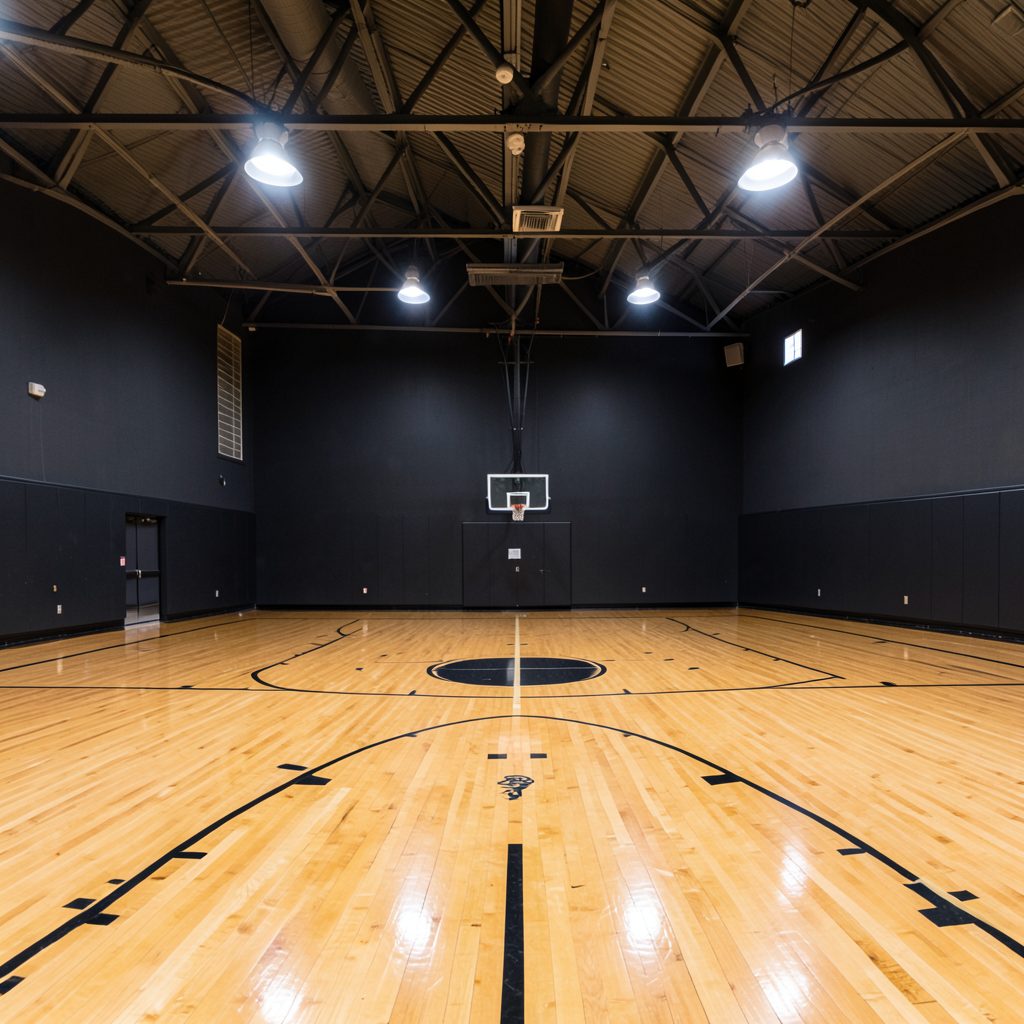
Eight league divisions span every age group: Indy Pro AM, 18+ Open Men's, 30+ Men's, Bite Size (ages 3–6), Impact League, 5th/6th Grade, Middle School, and High School. Gather your team and compete.
Training
Individual and group basketball training for all skill levels. Major M.O.V.E.S. Basketball Training serves ages 4–7 on Wednesday and Thursday evenings at 6:30 PM — $30 per session or $100 unlimited monthly.
Wellness & Recovery
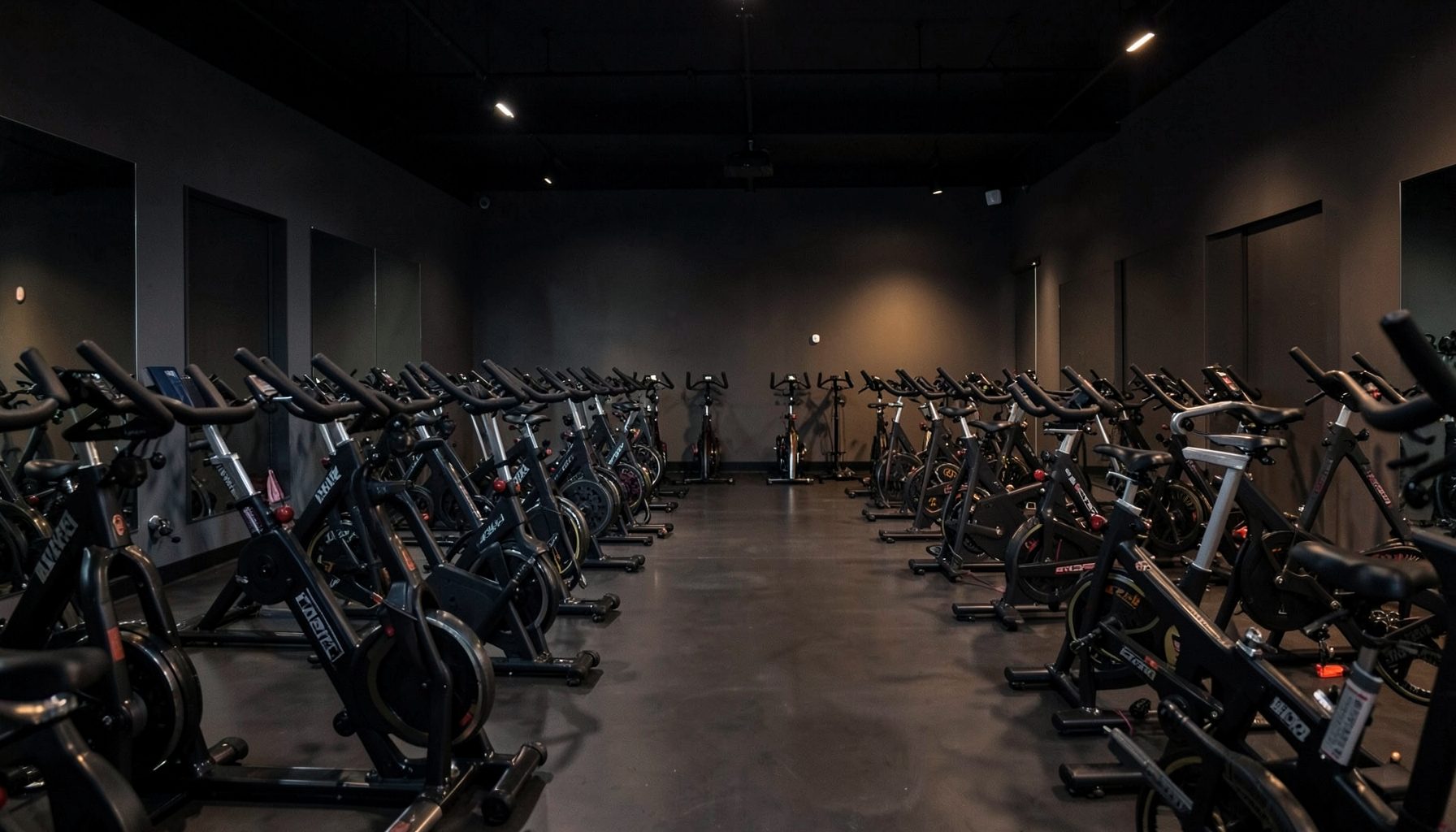
Normatec boot recovery and cryotherapy treatments help athletes bounce back faster. Cycle and spin classes add a cardio dimension to the holistic performance approach.
Have a Question?