Train. Compete. Recover.
A multi-purpose athletic facility in Speedway, Indiana — basketball leagues, skill training, and wellness services all under one roof.
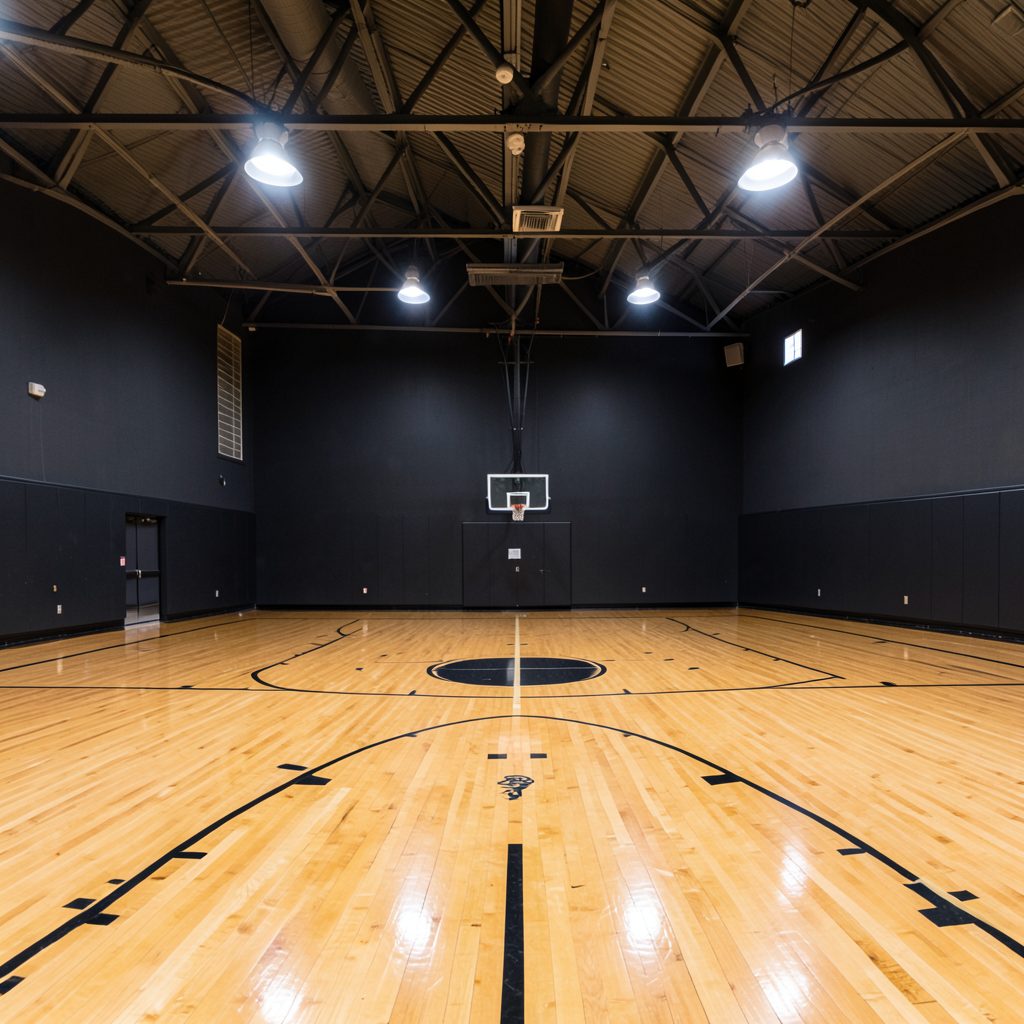
The Factory D1 Indy brings together three entities under one roof: competitive basketball leagues for all age groups, individual and group training, and wellness & recovery services including Normatec boot recovery and cryotherapy. Located off I-465 and High School Road at 6331 Crawfordsville Road, Speedway, Indiana 46224.
Get In TouchWhy combining spin and weight training boosts vertical leap for hoopers
A higher vertical leap is useful in far more basketball moments than a highlight dunk. It helps a guard finish over a contest, a forward secure a rebound, and any player close space quickly on defence. Jump height comes from a blend of force, speed, coordination, stiffness through the ankle and foot, and the ability to repeat explosive efforts when tired.
That is why combining spin and weight training can be so effective for hoopers. Strength work gives the legs and hips greater force capacity, while cycling develops conditioning that helps athletes recover between hard efforts. Used together, they create a better platform for plyometrics, sprinting, rebounding and repeated jumps.
For Australian players, this combination fits neatly around busy basketball schedules. A teenager may have school training, a weekend domestic game and an AFL or footy commitment, while an adult player might squeeze in a session after work. Spin offers a time-efficient conditioning option, and a well-planned weights session can target the muscles that produce take-off power without wasting time.
The Factory D1 Indy brings those training ideas together in a sports setting built around basketball, fitness and recovery. Whether an athlete is preparing for a local competition in Melbourne, Brisbane or Perth, or looking to improve performance during the Australian summer season, the key is matching the training load to the demands of the court.
Why strength matters at take-off
Vertical jumping starts with force applied rapidly into the floor. The glutes, quadriceps, hamstrings and calves work together to extend the hips, knees and ankles. When those muscles become stronger, a player has more potential to push the ground away with authority.
Weight training can improve this force production through movements such as squats, trap-bar deadlifts, split squats, hip thrusts and calf raises. These exercises should be performed with sound technique and a load that allows controlled repetitions. The goal is not simply to lift the heaviest possible weight; it is to build usable strength that transfers to a quick basketball take-off.
Single-leg exercises deserve special attention. Basketball players rarely jump from a perfectly balanced two-foot stance. They plant off one leg for a lay-up, gather unevenly after contact or leap from a staggered position for a loose ball. Split squats, step-ups and single-leg Romanian deadlifts help address side-to-side differences while improving stability around the knee, hip and ankle.
How spin supports explosive work
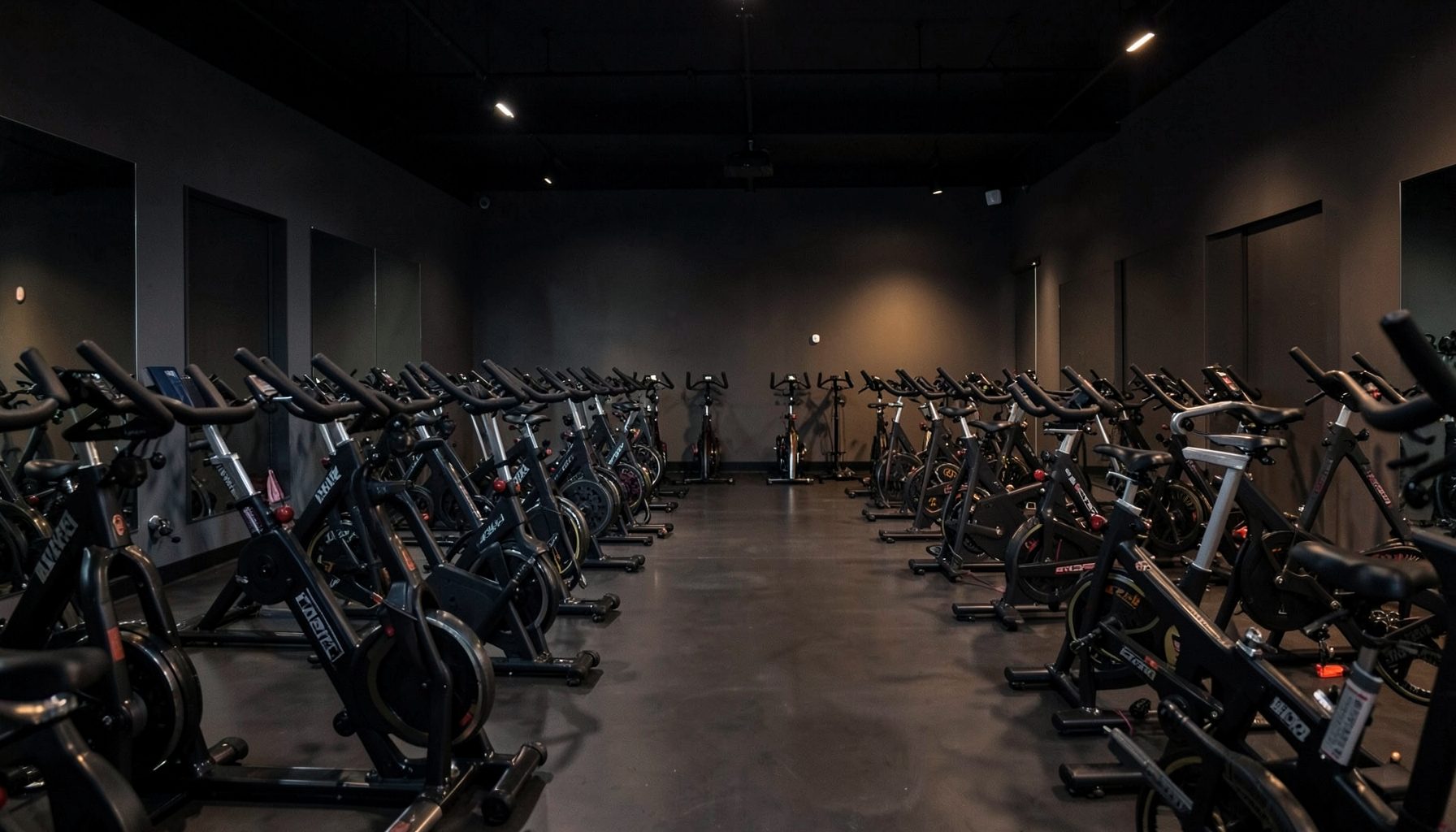
Spin classes do not directly replace jump training or heavy resistance work. Their main contribution is improved cardiovascular fitness and the ability to sustain repeated high-intensity efforts. A well-coached interval ride teaches the body to work hard, settle briefly and surge again, much like the rhythm of a fast basketball possession.
This matters late in a game. A player with better conditioning can preserve posture, footwork and decision-making when the legs are carrying fatigue. Maintaining those qualities makes it easier to bend into a defensive stance, sprint in transition and jump with reasonable speed during the fourth quarter.
Cycling is also a relatively low-impact conditioning method. For Australian athletes managing hardcourt sessions, travel and weekend tournaments, a spin bike can provide a strong aerobic stimulus without adding the same landing stress as extra running or jumping. That can be particularly useful during a busy school-holiday tournament period or a packed domestic league fixture.
The best approach is to vary the intensity. Longer steady rides can develop an aerobic base, while short resistance-heavy intervals build tolerance for hard efforts. Riders should still keep enough recovery in the week for quality strength training and basketball practice.
Combining the sessions without flattening your legs
Training order makes a real difference. If vertical leap is the priority, complete explosive jumping and heavy strength work when fresh. A player might perform a lower-body weights session early in the week, follow it with a basketball skills day, then use spin as conditioning on a separate day.
A practical weekly structure could include two strength sessions, one or two spin sessions, regular basketball practice and at least one genuine recovery day. The exact plan depends on age, playing level and total court time. A junior athlete should use lighter loads, careful supervision and plenty of movement coaching rather than copying an adult programme.
Avoid placing a punishing spin class immediately before maximal jumps, depth jumps or a game. Fatigued legs change landing mechanics and can reduce the quality of every explosive repetition. If a player has a Saturday fixture, a hard ride on Friday arvo is usually a poor trade for extra fitness.
Australian conditions also matter. During a hot summer in Adelaide or Sydney, hydration and sleep become part of performance planning. Training indoors can help control the environment, but athletes still need fluids, electrolytes when appropriate and sensible breaks, especially after school or work.
Turning gym gains into basketball lift
Strength and conditioning create the physical ingredients, but jumping skill converts them into court performance. Players should practise countermovement jumps, approach jumps, snap-downs, pogo hops and low-volume bounds with an emphasis on quiet landings and fast, controlled take-offs.
The athlete should learn to use the arms, keep the trunk organised and coordinate the dip before extension. A rushed or excessively deep squat can slow the movement, while a stiff landing can send unnecessary force into the knees. A coach can film a few repetitions to assess take-off position, knee tracking and whether the athlete is producing similar height on both sides.
Rebounding is a useful place to apply this work. Timing, early positioning and strong two-foot take-offs often matter as much as raw leap height. Players can reinforce those details through live drills and by studying a reliable rebounding technique, especially when opponents make contact or the ball comes off at an awkward angle.
Plyometric volume should remain modest and purposeful. Ten excellent jumps with full recovery are more valuable than dozens of tired efforts that become noisy and poorly aligned. Progress can come from better height, quicker ground contact, improved approach timing or more consistent execution under defensive pressure.
Measuring progress and protecting recovery
A vertical leap programme needs simple measures. Athletes can track standing jump height, approach jump height, broad jump distance, selected strength numbers and how well they repeat efforts across a session. Testing every few weeks is enough; daily testing can turn training into a competition and make fatigue harder to spot.
Recovery services may support the wider plan, but they do not replace sleep, food and sensible programming. Normatec compression therapy and cryotherapy can be included as part of an athlete’s recovery routine at a suitable facility, while mobility work, easy cycling and a proper cooldown can help players feel ready for the next session.
Nutrition should support the workload. A basketball player training in kilograms and metres needs enough carbohydrate for court work, protein across the day and regular fluids. A meal or snack containing carbohydrate and protein after weights or spin can be especially useful when another session is scheduled within 24 hours.
Pain that changes running, landing or jumping technique should be addressed rather than pushed through. Coaches, physiotherapists and qualified strength professionals can help distinguish normal training fatigue from an issue requiring a modified plan. Consistency over several months is what raises a player’s ceiling, not one heroic week.
The same approach works across different Australian basketball settings, from a suburban association in Geelong to a university competition in Canberra or a representative pathway in Queensland. Athletes can build the physical base, practise the movement and then test it in competition. Players ready to add regular game pressure can explore the facility’s league registration options and use live competition to sharpen their timing, conditioning and confidence.
A stronger jump comes from coordinated training rather than a single magic exercise. Combine progressive weights, intelligent spin intervals, quality plyometrics, basketball repetition and proper recovery to make each take-off more powerful and repeatable. Visit The Factory D1 Indy to train with a basketball-focused community, build your conditioning and strength, and put that improved lift to work on the court.
Inside The Factory

Three Entities, One Roof
Leagues
Eight league divisions span every age group: Indy Pro AM, 18+ Open Men's, 30+ Men's, Bite Size (ages 3–6), Impact League, 5th/6th Grade, Middle School, and High School. Gather your team and compete.
Training
Individual and group basketball training for all skill levels. Major M.O.V.E.S. Basketball Training serves ages 4–7 on Wednesday and Thursday evenings at 6:30 PM — $30 per session or $100 unlimited monthly.
Wellness & Recovery
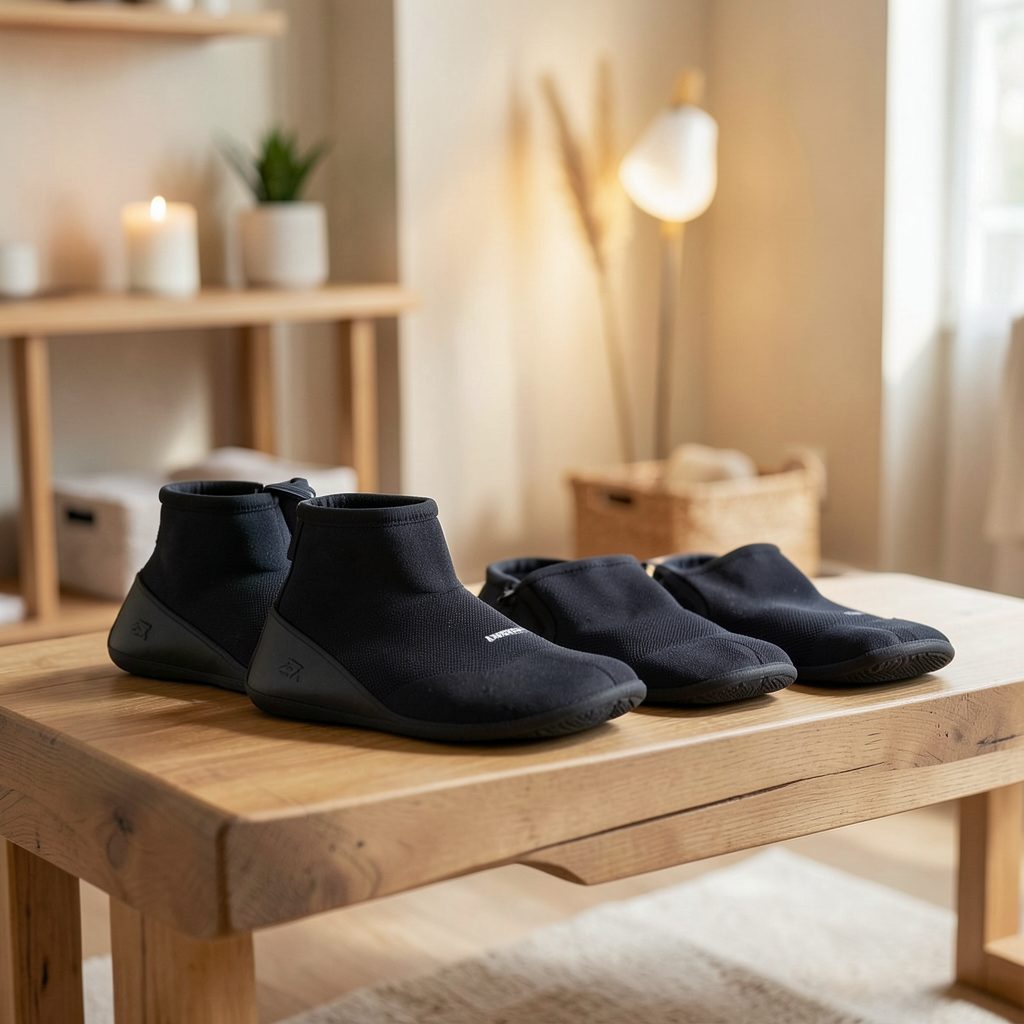
Normatec boot recovery and cryotherapy treatments help athletes bounce back faster. Cycle and spin classes add a cardio dimension to the holistic performance approach.
Have a Question?