Train. Compete. Recover.
A multi-purpose athletic facility in Speedway, Indiana — basketball leagues, skill training, and wellness services all under one roof.
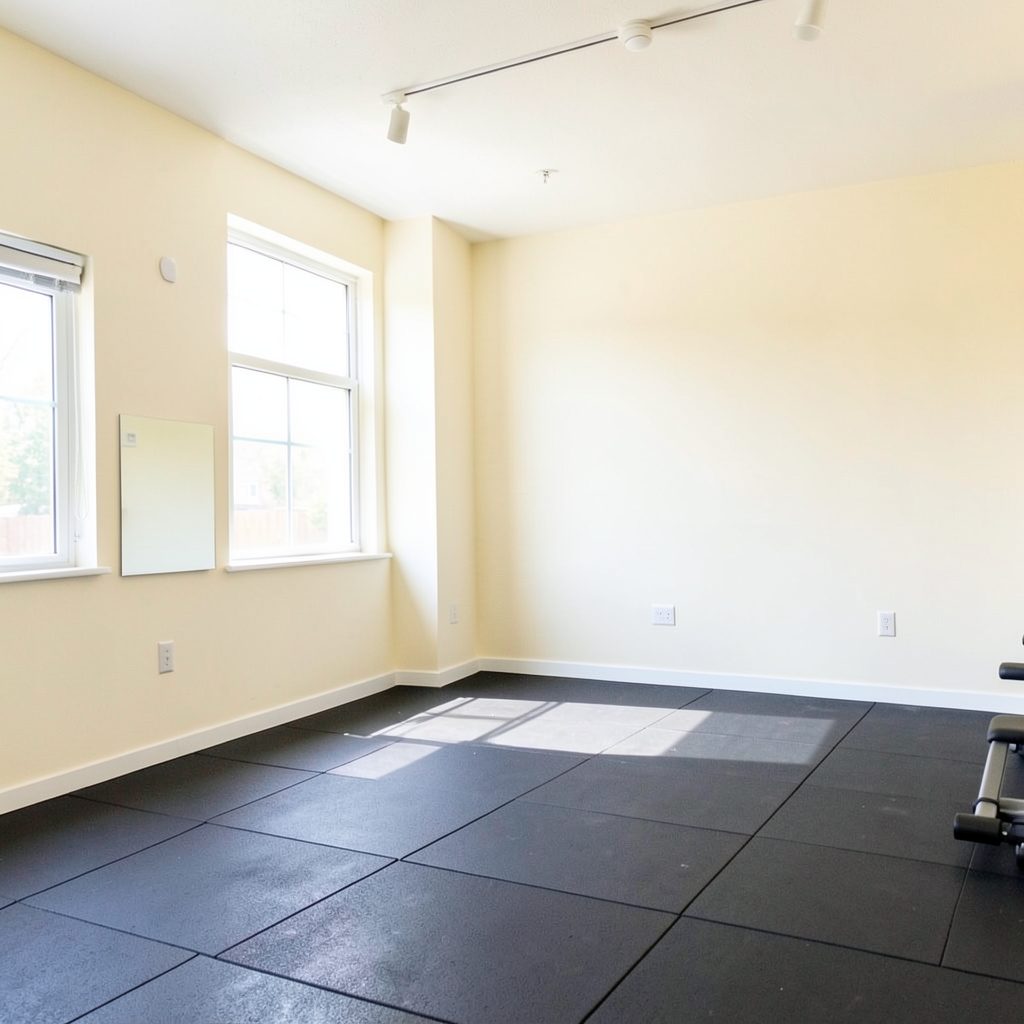
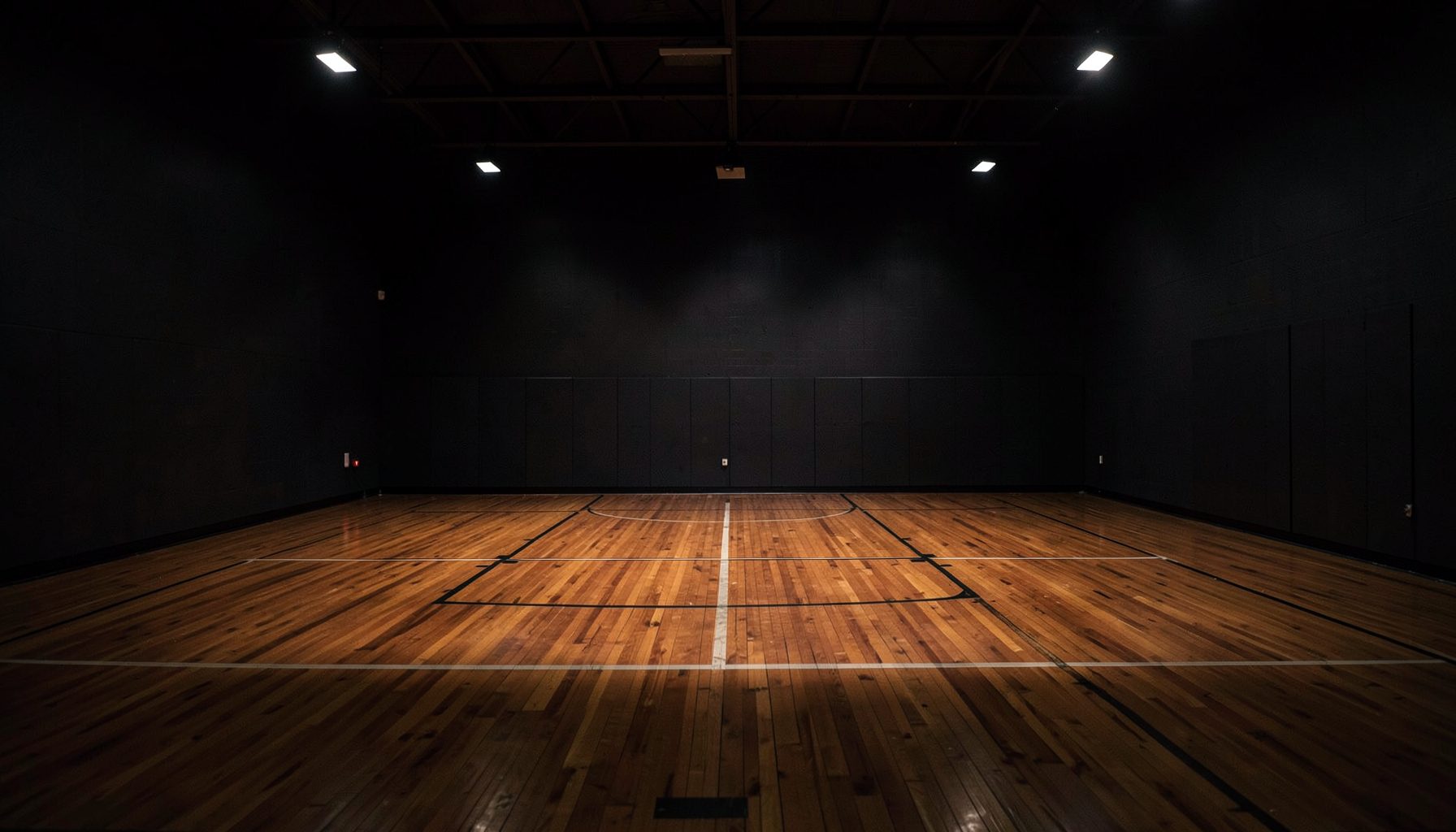
The Factory D1 Indy brings together three entities under one roof: competitive basketball leagues for all age groups, individual and group training, and wellness & recovery services including Normatec boot recovery and cryotherapy. Located off I-465 and High School Road at 6331 Crawfordsville Road, Speedway, Indiana 46224.
Get In TouchWhy dynamic warm-ups beat static stretches before basketball games
At a weekend Australian club game in Melbourne, Sydney or a regional town, the pre-game routine often includes a quick team run-through, some passing and a few shots. Dynamic warm-ups are better than static ones before basketball games because they rehearse the acceleration, braking, cutting and jumping players need on court. Athletes move through increasingly sport-specific actions while their bodies are still warming up, rather than holding one position and waiting.
That shift matters in a fast, repeated-effort sport. Basketball can ask a player to sprint, stop, change direction and rise for a shot within seconds. A movement-based routine raises working-muscle temperature, sharpens coordination and helps the nervous system produce the pattern on demand. Static stretching still has value, but long holds immediately before competition can temporarily reduce force and power when they replace active preparation.
| Approach | Basketball effect | Best timing | Common mistake |
|---|---|---|---|
| Dynamic warm-up | Raises tissue temperature, rehearses direction changes and prepares coordinated movement | Before tip-off or training | Jumping at full intensity too soon |
| Static warm-up | Builds available range but can temporarily reduce force and power | After play or in a separate mobility session | Long holds before competition |
| Combined approach | Uses mobility work without losing sport-specific readiness | Brief mobility, then dynamic drills | Treating stretching as the whole warm-up |
What dynamic warm-ups actually prepare
Dynamic movement means taking joints through a useful range while loading them in a task-relevant direction. Walking lunges with arm reaches, controlled leg swings, ankle rocks, skips and torso rotations all count. A static stretch asks a player to remain still while a muscle is lengthened. Neither category is inherently bad; the timing and the athlete’s goal determine which belongs in the pre-game window.
The useful distinction is specificity. A hamstring stretch may increase available range, but it does not practise the hips and knees accepting weight during a cut. Lateral shuffles, mini lunges and short accelerations do. This rehearsal improves movement confidence and readiness, helping an athlete react to a defender, absorb a stop or elevate for a rebound with less wasted adjustment.
Research on pre-exercise warm-ups generally favours dynamic movement when the goal is strength, speed or repeated sprinting. The advantage comes from combining warmth, coordination and rehearsal. Static holds can remain useful for targeted mobility away from competition, but players should not mistake a quiet stretch for a complete basketball warm-up. No warm-up eliminates injury risk.
A practical basketball warm-up sequence
Build from general to specific over roughly 15 to 25 minutes. Start with three to five minutes of easy jogging, skipping or arm circles to lift the pulse. Follow with ankle rocks, leg swings, walking lunges, calf raises and lateral shuffles, keeping the range controlled. This prepares the ankles, knees, hips and trunk without demanding maximum effort.
Next, add short accelerations, deceleration drills and low, controlled bounds. Work forward and sideways, then progress to faster changes of direction. Close with basketball actions: pass while moving, close out on a receiver, finish a lay-up and rise for a rebound. Ball handling becomes a warm-up when the player watches a teammate, reacts to a cue and keeps balance.
Coaches can call this part of the team “run-through”, familiar hoops language in Australia, but intensity still needs to rise gradually. A first sprint at half speed gives the nervous system a clear signal; full-speed efforts should arrive later. By tip-off, the routine should feel specific enough that the first competitive action resembles faster warm-up work.
Where static stretching still helps
Static stretching is most useful when a player has a specific mobility aim, such as restoring comfortable hip or hamstring range. It can also provide a calm start to rehabilitation. Performed after play, or on separate recovery days, long holds are less likely to compromise sprinting or jumping. The common error is carrying a mobility routine straight into tip-off without reloading the body.
Before competition, keep static work brief and follow it with dynamic movement. A player who spends several minutes in a seated hamstring stretch then enters full-court drills may feel mobile yet produce less power. The better sequence is a short mobility target, then active movements that rebuild force, balance and coordination. Mobility becomes a foundation for preparation rather than the preparation itself.
Individual history matters. A returning player with an old ankle injury, or anyone experiencing pain, needs guidance from a qualified physio or sports clinician rather than a generic routine. Australians often treat physio as part of ordinary club life, not an emergency measure. Early reporting lets a clinician distinguish useful stiffness from a problem needing assessment and a modified loading plan.
Adjusting for age and game demands
Younger players need shorter, simpler and more playful sessions. Short hops, animal-style skips and games that finish at a hoop can prepare them without lengthy instructions. Older juniors and adults can handle longer progressions and more demanding reaction drills, although experience does not remove the need for individual modification.
Parents weighing organised competition can use the Factory D1 Indy guide to youth basketball league registration as an example of the information families should check, including age divisions and scheduling. The resource comes from Indiana, so Australian families should treat it as a model for questions to ask their local club.
Game context also changes the priorities. One high-intensity session a week may need a short activation and greater recovery emphasis between games, while a training day can carry more technical and conditioning work. In hot cities such as Brisbane, outdoor fixtures may move into an air-conditioned indoor centre or a later evening slot. Basketball schedules must coexist with Australia’s other sporting commitments, so realistic recovery time belongs in the plan.
Recovery and nutrition matter too
Preparation starts before the game, but recovery extends across the week. Carbohydrate before demanding sessions supports available energy, while protein, fluids and sleep help recovery. A general explainer on amino acids for recovery discusses the contribution of essential and branched-chain amino acids to muscle repair. Supplements are optional for many players; ordinary meals and adequate total protein remain the baseline.
At facilities such as Factory D1 Indy in Speedway, Indiana, that wider approach sits alongside court-based skills and league play. Normatec compression therapy and cryotherapy are offered as recovery services, giving athletes options to manage the load of demanding schedules. Australian players can ask their club or physio what is available locally, and should follow provider guidance, especially when cold exposure is part of the plan.
Recovery should restore confidence, not merely ease soreness. Light movement, easy play and a return to normal training often matter more than chasing a number on a recovery device. A sensible routine combines dynamic preparation with load management, food, hydration and rest. On the next game day, the legs should feel ready to drive and cut rather than still waiting for a static stretch to end.
Make your next warm-up count
Choose your next practice or game and block 15 to 25 minutes before it. Bring a ball, a flat court and a simple plan: raise the pulse, move every major joint, rehearse cuts in both directions, then progress to reactive ball work. Avoid long seated holds immediately before competition. If you are coaching, demonstrate the sequence, keep the talk brief and let the quality of movement guide the load.
Explore the skills programmes and leagues at Factory D1 Indy to find the level that matches your goals, then bring this approach to the floor. Whether you are entering youth competition, returning to a weekly pickup game or training for a higher-level squad, arrive early and make the warm-up part of the performance plan. Dynamic preparation gives the game a sharper start, and consistent execution makes it a competitive edge.
Inside The Factory


Three Entities, One Roof
Leagues
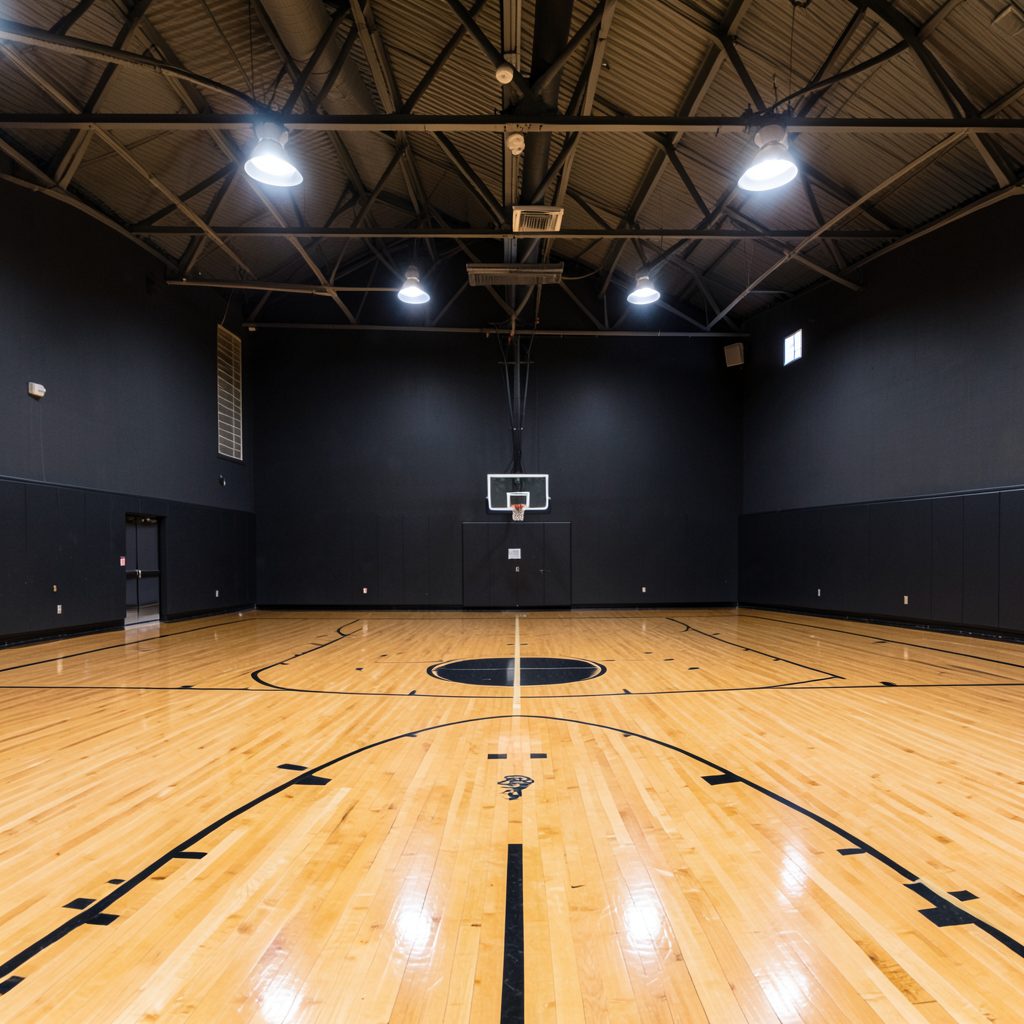
Eight league divisions span every age group: Indy Pro AM, 18+ Open Men's, 30+ Men's, Bite Size (ages 3–6), Impact League, 5th/6th Grade, Middle School, and High School. Gather your team and compete.
Training
Individual and group basketball training for all skill levels. Major M.O.V.E.S. Basketball Training serves ages 4–7 on Wednesday and Thursday evenings at 6:30 PM — $30 per session or $100 unlimited monthly.
Wellness & Recovery
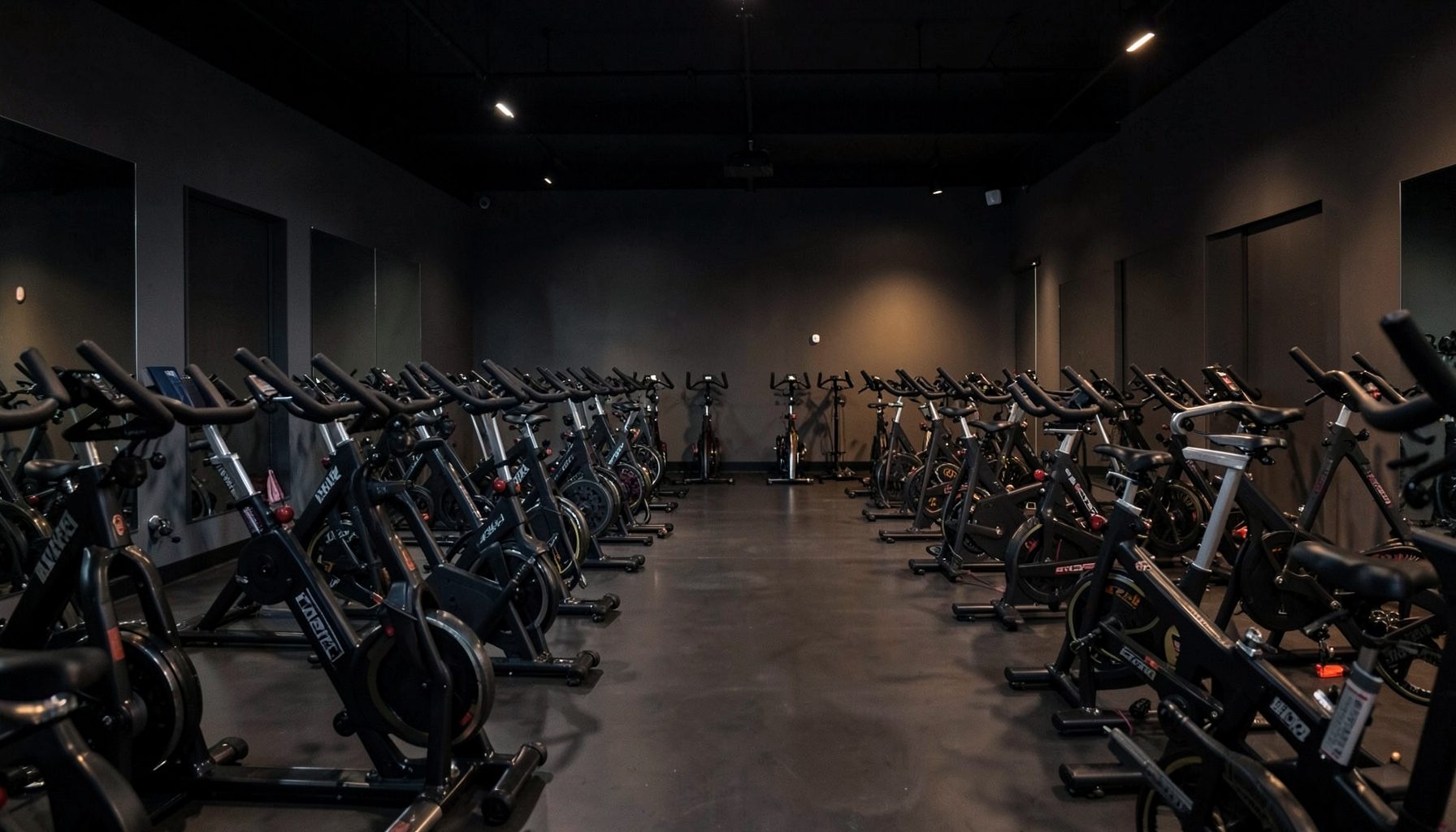
Normatec boot recovery and cryotherapy treatments help athletes bounce back faster. Cycle and spin classes add a cardio dimension to the holistic performance approach.
Have a Question?