Train. Compete. Recover.
A multi-purpose athletic facility in Speedway, Indiana — basketball leagues, skill training, and wellness services all under one roof.
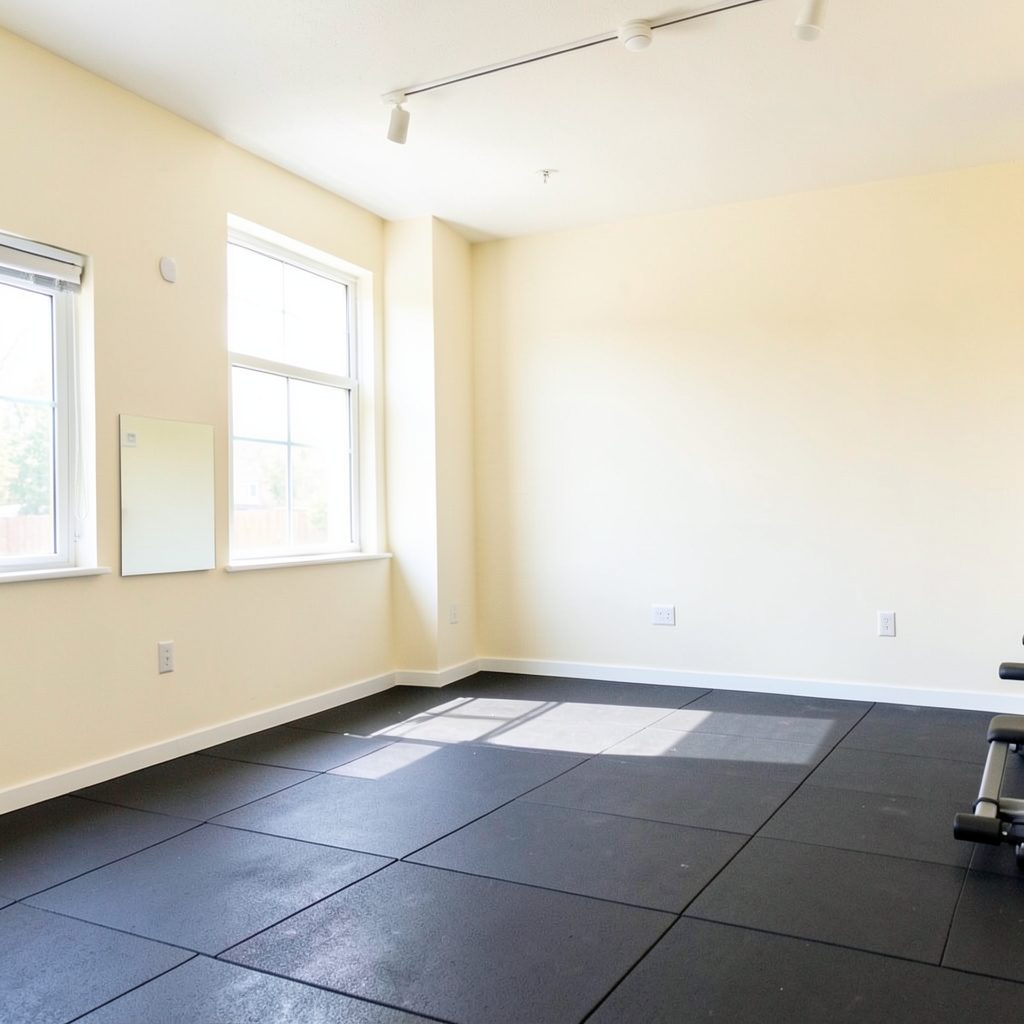
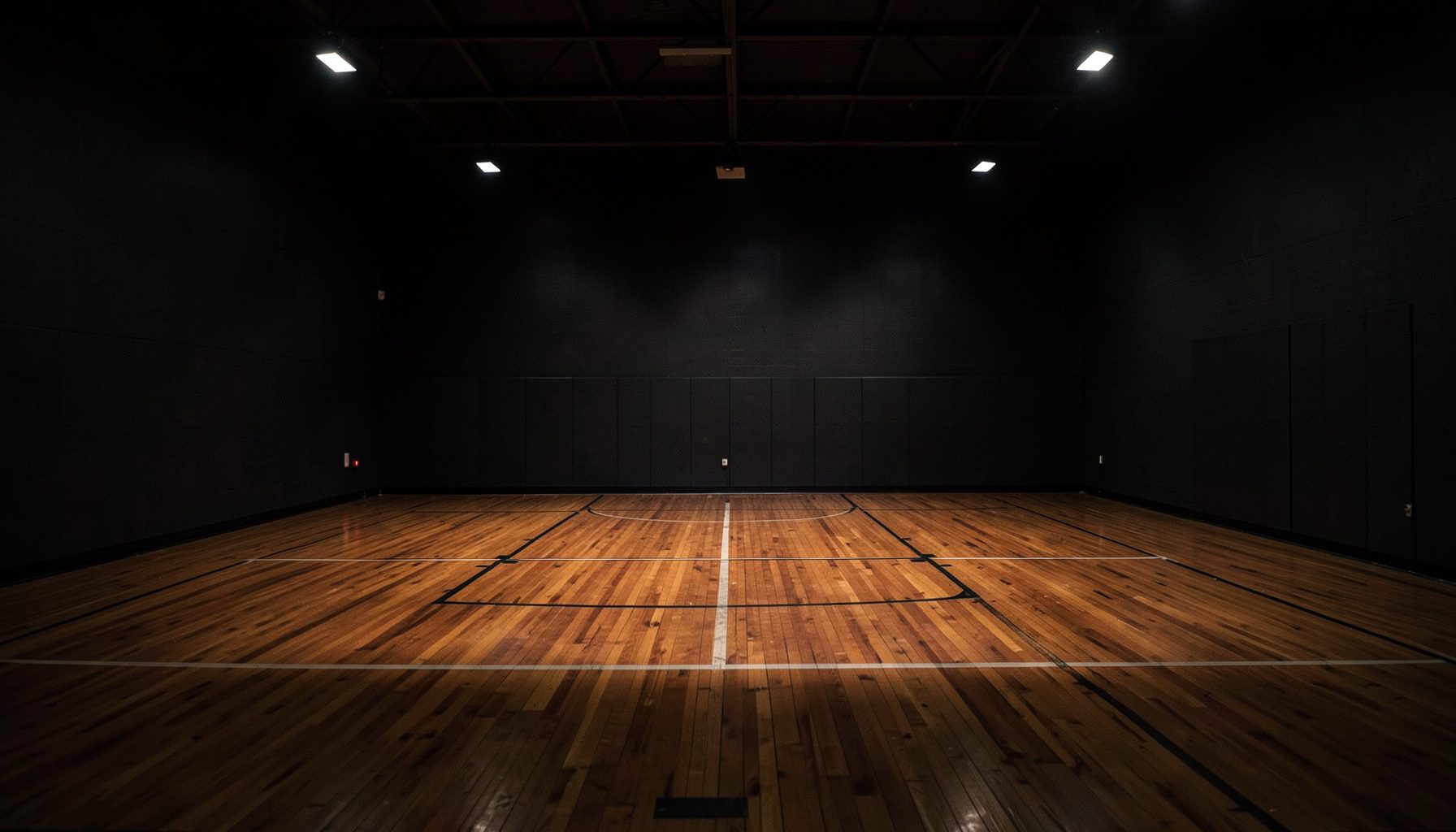
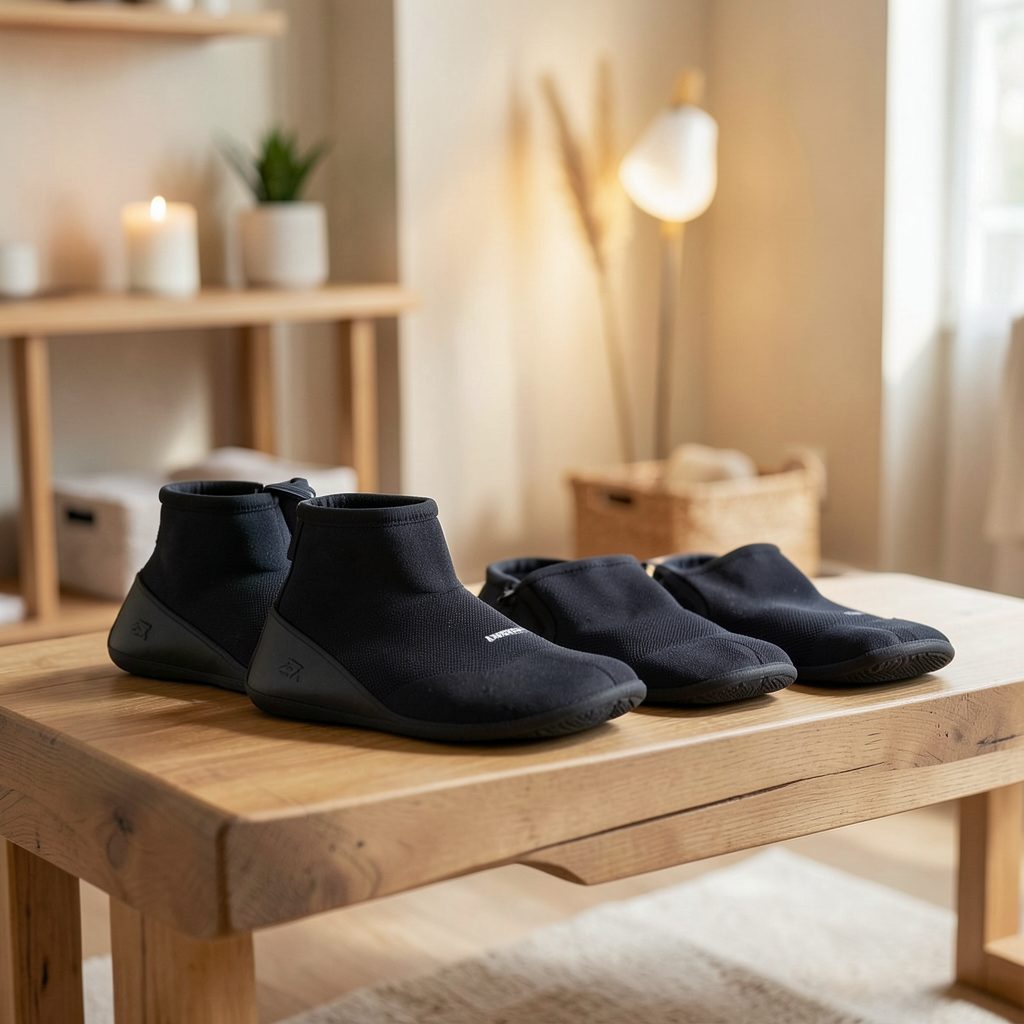
The Factory D1 Indy brings together three entities under one roof: competitive basketball leagues for all age groups, individual and group training, and wellness & recovery services including Normatec boot recovery and cryotherapy. Located off I-465 and High School Road at 6331 Crawfordsville Road, Speedway, Indiana 46224.
Get In TouchHydration Strategies for Basketball and Spin Training
Hydration supports far more than thirst control. Fluid balance affects reaction time, coordination, concentration, cardiovascular strain, and the ability to repeat high-quality efforts. For athletes training at The Factory D1 Indy in Speedway, Indiana, the right hydration routine can make a noticeable difference during basketball practices, competitive leagues, cycle classes, and recovery sessions.
Basketball and spin workouts both create sweat loss, yet they challenge the body in different ways. Basketball is built around short bursts, rapid changes of direction, jumps, defensive pressure, and frequent pauses. Spin usually produces a more continuous workload, with sustained pedaling and a steady rise in heart rate. Those differences change when and how athletes should drink.
A good plan also accounts for workout length, gym temperature, personal sweat rate, clothing, and workout intensity. The goal is to replace enough fluid and electrolytes to support performance without drinking so much that the stomach feels heavy or sodium levels become diluted.
Why Basketball Hydration Is Intermittent
A basketball player may sprint down the court, stop suddenly, defend several possessions, and then spend a short period on the bench. This stop-and-go pattern can make thirst an unreliable guide. An athlete may feel fine during a timeout, then struggle with focus or leg power several possessions later.
Indoor courts can also become warm and humid during busy practices or league games. Although the work comes in bursts, repeated accelerations create substantial heat and sweat loss. Guards and high-movement players may need more fluid than athletes who spend more time stationary, while larger athletes often lose fluid quickly because of their body size and workload.
Basketball hydration should therefore be divided into small, regular opportunities. Drinking a moderate amount before practice, taking several swallows during breaks, and replacing fluids after the session is generally more effective than waiting until halftime and consuming a large volume all at once.
Sleep also influences how an athlete experiences exertion and recovers between sessions. A consistent nighttime routine can support readiness, and this resource on sleep and athletic performance offers useful context for treating hydration as part of a wider performance routine.
How Spin Classes Increase Fluid Demand
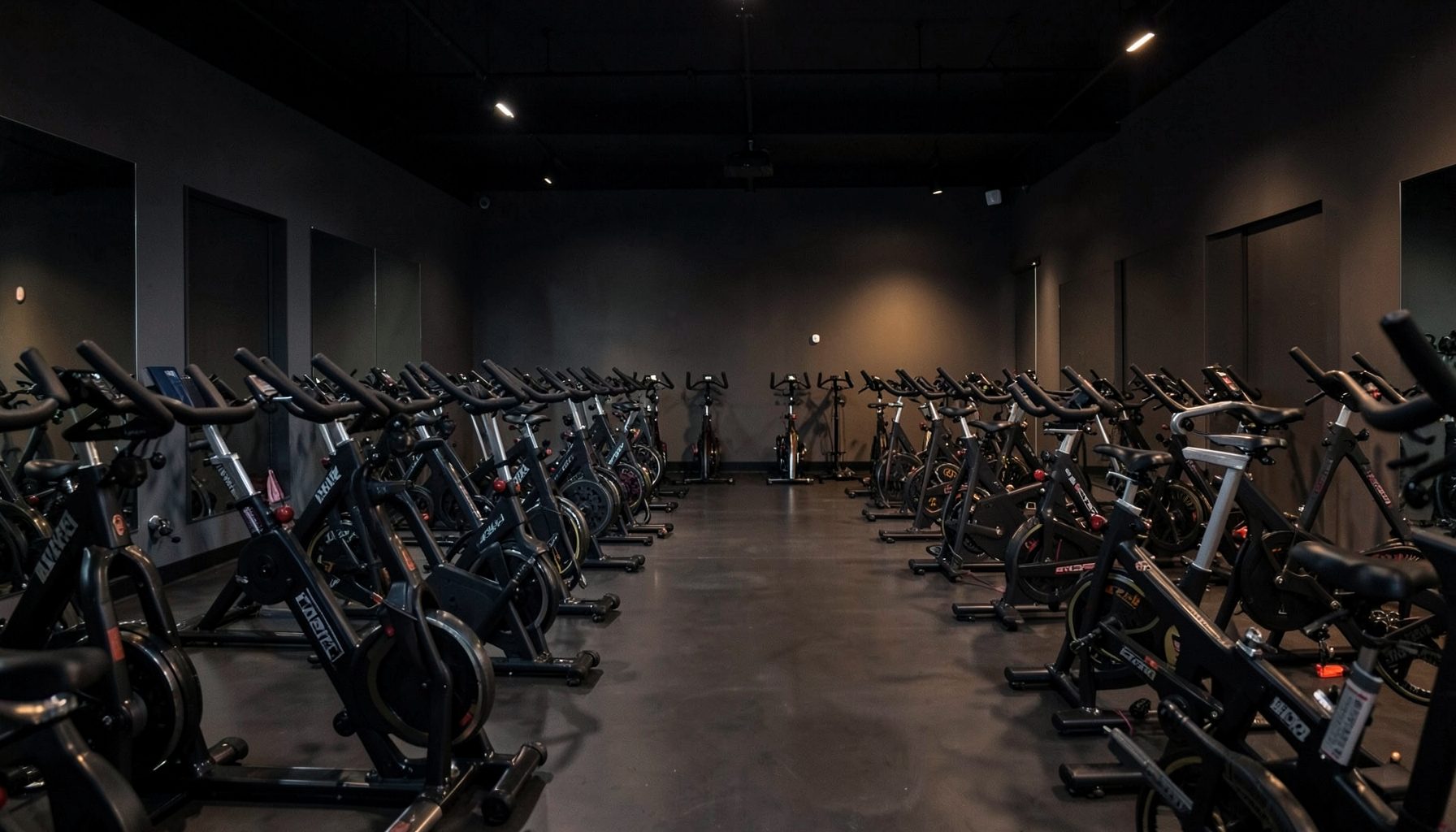
Spin workouts often create a different hydration challenge because the effort is continuous. Riders may pedal hard for 30 to 60 minutes with limited rest, and the fixed position on an indoor bike can make the room feel warmer as the session progresses. Sweat can accumulate on the body and clothing without the athlete fully recognizing how much fluid has been lost.
A high-intensity cycling class may produce a steady cardiovascular load that elevates core temperature over time. Riders who begin slightly dehydrated can experience a faster increase in perceived exertion, reduced power, headache, or early fatigue. Since there are fewer natural pauses than in basketball, it helps to begin the session already hydrated rather than trying to catch up while riding.
For spin, place a bottle within easy reach and drink small amounts at planned intervals. Large gulps can cause sloshing, nausea, or discomfort during intense pedaling. A bottle with a measured volume also makes it easier to estimate how much was consumed instead of relying on vague impressions.
Comparing Fluid Needs Across Workouts
The best hydration strategy depends on more than the sport. A short, moderate basketball workout may require only water, while a long, highly competitive practice in a hot gym may justify an electrolyte drink. The same principle applies to cycling: a relaxed 30-minute ride has different needs from a demanding class that produces heavy sweat.
| Training Situation | Main Hydration Challenge | Practical Approach |
|---|---|---|
| Basketball drills under 60 minutes | Intermittent sweat loss and limited drinking breaks | Drink before training and take small sips during natural pauses |
| Competitive basketball game | Repeated high-intensity bursts and heat buildup | Use timeouts and substitutions to drink; consider electrolytes for heavy sweaters |
| Moderate spin session | Continuous effort with gradual fluid loss | Start hydrated and drink consistently from a nearby bottle |
| Hard spin class lasting 45–60 minutes | Sustained sweating and rising core temperature | Use water or an electrolyte beverage based on sweat rate and session intensity |
| Long or repeated sessions | Cumulative fluid and sodium depletion | Replace fluids after training and include sodium with food or a suitable drink |
Water is often adequate for shorter sessions when meals provide normal sodium intake. Electrolytes become more useful when exercise lasts longer, sweat is visibly heavy, clothing is soaked, or an athlete trains multiple times in one day. Sodium helps retain consumed fluid and replaces one of the primary minerals lost through sweat.
Timing Fluids Before, During, And After
Pre-workout hydration begins well before warm-ups. Drinking regularly with meals and throughout the day is more reliable than consuming a large amount immediately before activity. About two to three hours before training, athletes can drink enough to feel normally hydrated, then take a smaller amount closer to the start if needed.
During basketball, a few swallows at every practical break can maintain comfort without making movement feel restricted. Players should keep a labeled bottle nearby and avoid sharing containers. In spin classes, scheduled sips every several minutes may work better because the workout has fewer interruptions. The amount should be adjusted for body size, sweat rate, and room temperature.
Post-workout hydration replaces what was lost and supports recovery. A balanced meal or snack containing carbohydrates, protein, and sodium can help restore energy while fluid intake continues. Athletes who finish with a dry mouth, dark urine, a headache, unusual fatigue, or a sharp drop in body weight may need a more deliberate recovery plan.
Recognizing Sweat And Electrolyte Loss
Sweat rate varies widely. Two athletes can complete the same basketball practice or spin class and lose very different amounts of fluid. Body size, conditioning, genetics, clothing, temperature, and effort all contribute. Tracking body weight before and after occasional workouts can provide a useful estimate: a noticeable drop usually indicates that fluid replacement should be increased.
Salt stains on clothing, stinging sweat in the eyes, muscle cramps, and persistent thirst can signal substantial electrolyte loss, though these signs are not perfect diagnostic tools. An athlete who sweats heavily may benefit from an electrolyte beverage or salty foods after training. Supplements should be used thoughtfully, especially when drinks contain high amounts of sugar or stimulants.
Overhydration is also a concern. Consuming excessive water during a long workout can dilute blood sodium and cause nausea, bloating, confusion, or worsening fatigue. Drinking to a reasonable plan and responding to thirst is safer than forcing large amounts simply to finish a bottle.
Building A Practical Routine
Hydration becomes easier when it is attached to ordinary training habits. Athletes can fill a bottle before leaving home, check the color of urine during the day, and note how they feel during the final portion of a session. Coaches and parents can make regular water breaks part of youth practices rather than waiting for visible fatigue.
For basketball players and cyclists training at The Factory D1 Indy, the following habits provide a useful starting point:
- Drink consistently throughout the day instead of relying on a last-minute pre-workout bottle.
- Take small, frequent sips during basketball timeouts, substitutions, drills, or spin intervals.
- Use water for shorter, moderate sessions and consider electrolytes during longer or sweat-heavy workouts.
- Pair post-training fluids with a meal or snack containing carbohydrates, protein, and sodium.
- Adjust the plan when the facility feels warmer, the workout becomes longer, or two sessions occur on the same day.
Individual testing matters more than a rigid formula. An athlete who finishes every session with a soaked shirt and headache will need a different plan from someone who barely sweats. The most useful routine is one that maintains energy, keeps the stomach comfortable, and supports consistent performance from the opening drill to the final interval.
Basketball and spin demand different pacing, muscle actions, and recovery patterns, so hydration should follow the workout rather than use a single rule for every session. Prepare before arriving, drink strategically while training, and replace fluids and electrolytes afterward. Athletes can put these principles into practice during their next basketball workout or cycle class at The Factory D1 Indy and make hydration part of a stronger performance routine.
Inside The Factory
Three Entities, One Roof
Leagues
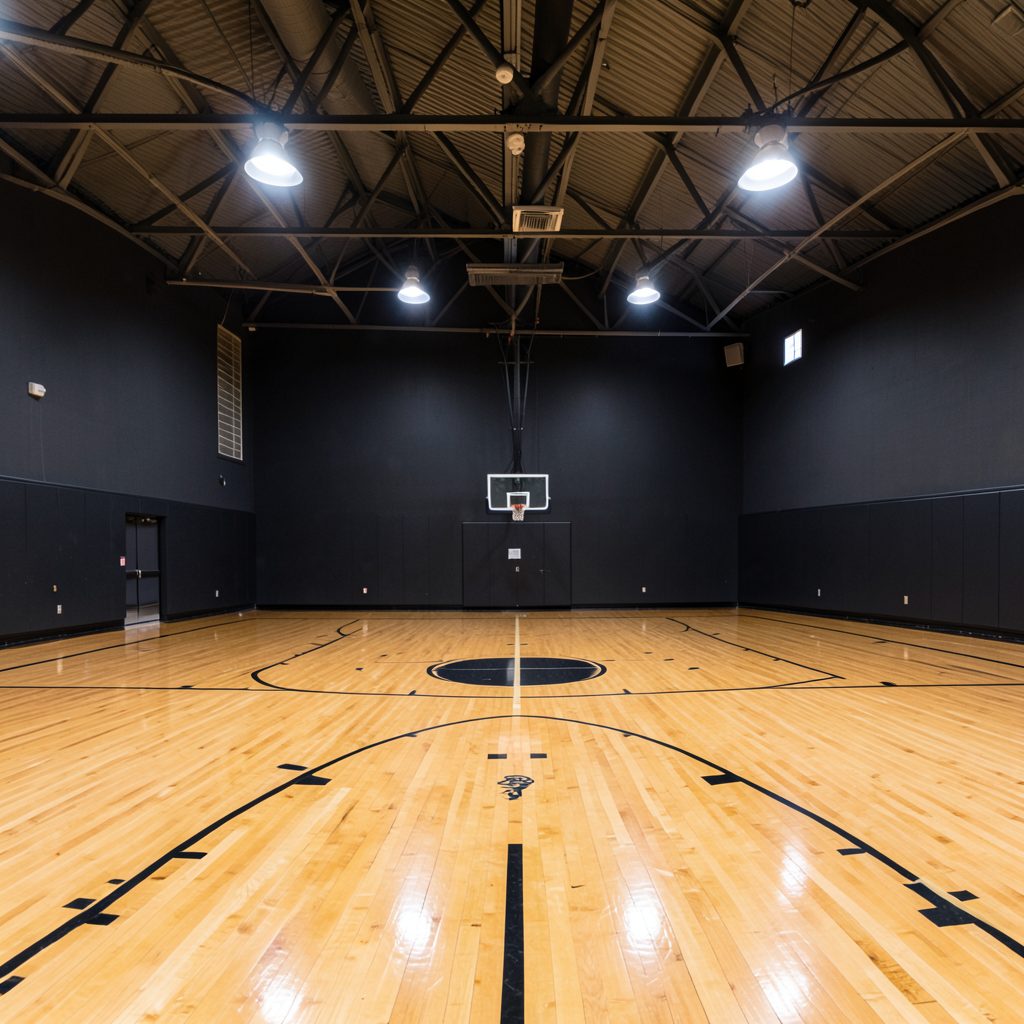
Eight league divisions span every age group: Indy Pro AM, 18+ Open Men's, 30+ Men's, Bite Size (ages 3–6), Impact League, 5th/6th Grade, Middle School, and High School. Gather your team and compete.
Training
Individual and group basketball training for all skill levels. Major M.O.V.E.S. Basketball Training serves ages 4–7 on Wednesday and Thursday evenings at 6:30 PM — $30 per session or $100 unlimited monthly.
Wellness & Recovery
Normatec boot recovery and cryotherapy treatments help athletes bounce back faster. Cycle and spin classes add a cardio dimension to the holistic performance approach.
Have a Question?