Train. Compete. Recover.
A multi-purpose athletic facility in Speedway, Indiana — basketball leagues, skill training, and wellness services all under one roof.
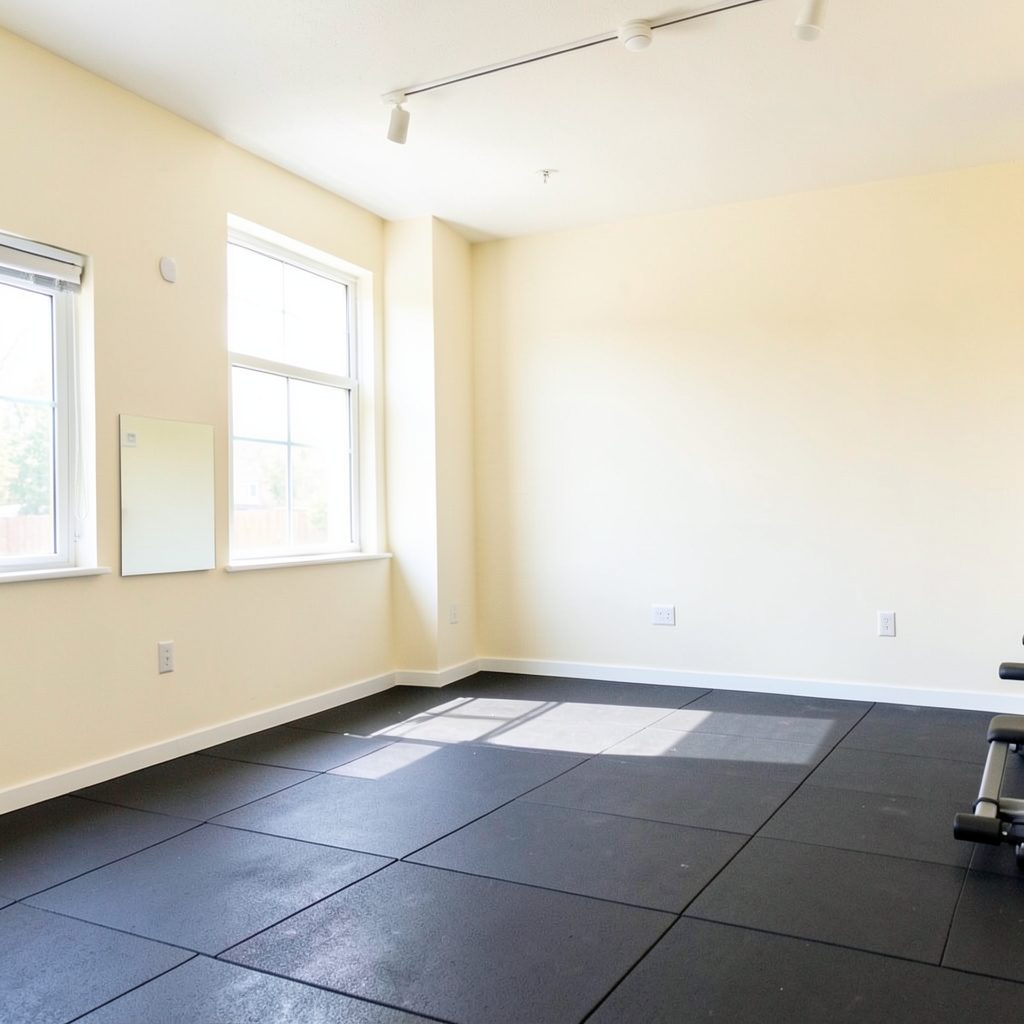
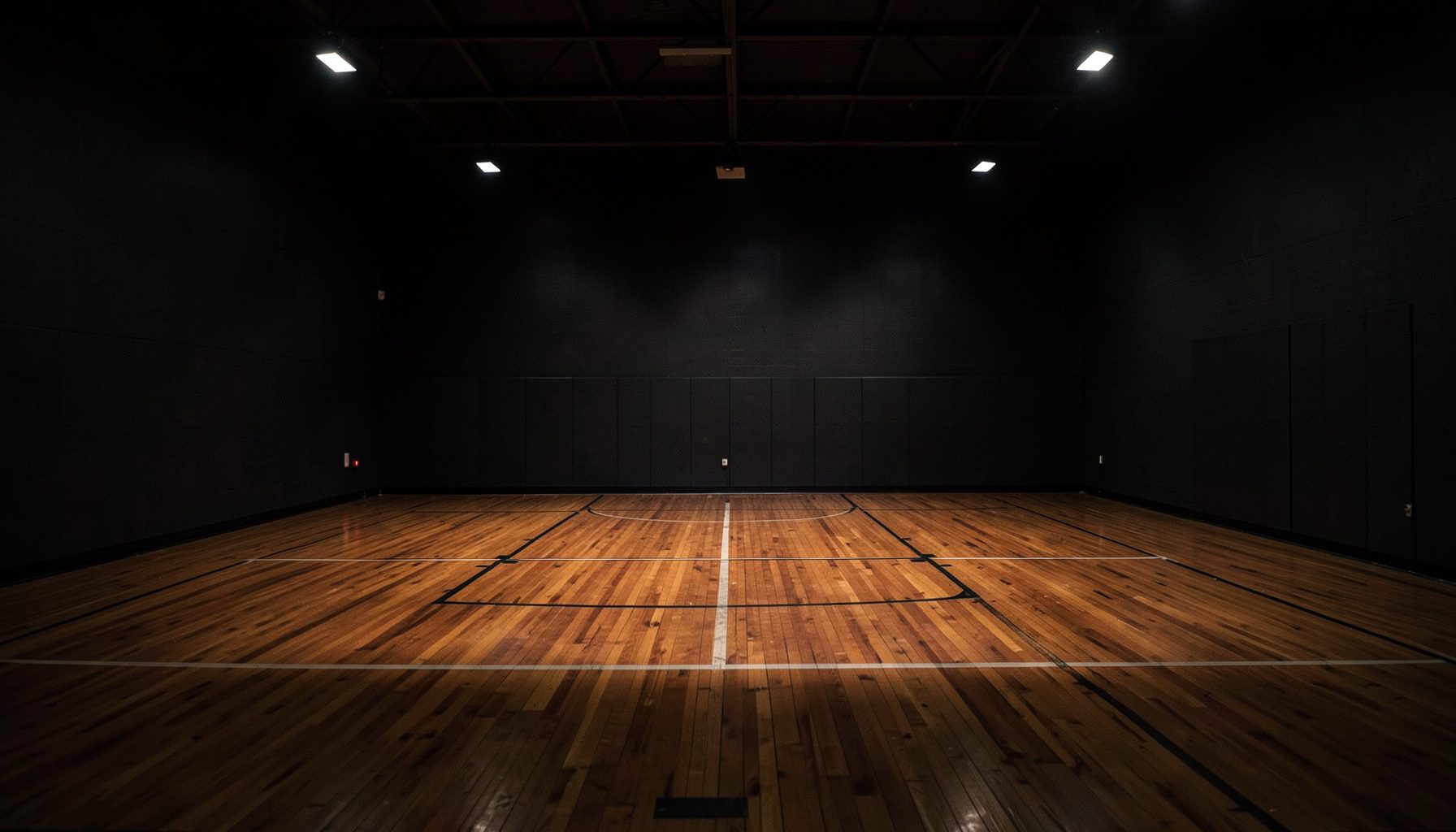
The Factory D1 Indy brings together three entities under one roof: competitive basketball leagues for all age groups, individual and group training, and wellness & recovery services including Normatec boot recovery and cryotherapy. Located off I-465 and High School Road at 6331 Crawfordsville Road, Speedway, Indiana 46224.
Get In TouchWhy breathing technique in spin class sharpens basketball endurance
Basketball rarely looks like a cardio sport. The constant stops, explosive jumps, and short sprints hide how much aerobic capacity quietly underwrites every possession. A point guard defending a screen, a centre boxing out for a rebound, a wing cutting baseline — each of those movements is powered by oxygen delivered efficiently to working muscles. The Factory D1 Indy in Speedway, Indiana has built its programming around this hidden engine, weaving indoor cycling sessions into basketball conditioning because the breathing patterns practised on the bike transfer directly to the court.
In Australia, where basketball competes for attention with Australian rules football, rugby league, and cricket, athletes are always hunting for marginal gains. NBL games in Brisbane or Sydney stretch into overtime, social comps in Melbourne run year-round, and weekend tournaments in Perth draw hundreds of juniors. Players who arrive at the fourth quarter with steady breath and clear lungs often decide those tight finishes. Spin work, when paired with deliberate breathing drills, becomes a laboratory for that kind of late-game composure.
The rhythm of a cycle class also allows athletes to focus on technique in a way that running rarely permits. There is no foot strike to worry about, no impact stress on knees and ankles, and no need to navigate traffic or uneven footpath surfaces. Riders can direct attention inward to the rise and fall of the chest, the expansion of the belly, and the cadence of inhale and exhale. That focused repetition builds neuromuscular patterns which, over weeks, become automatic on the basketball court.
Before examining the specific mechanics, it helps to understand why the connection between stationary cycling and basketball performance is so strong. Both activities demand sustained output, repeated bursts of effort, and the ability to recover quickly between high-intensity efforts. The breath is the common thread.
The respiratory-cardiovascular bridge that fuels court performance
Oxygen moves from the lungs into the bloodstream, latches onto haemoglobin, and travels to muscles where it helps convert fuel into movement. When breathing is shallow or irregular, less oxygen reaches working tissue, lactate accumulates faster, and fatigue arrives sooner. Spin class provides a controlled environment to train this system, because the workload on a stationary bike can be precisely measured and gradually increased.
Australian players training through hot summers in Adelaide or humid stretches along the Queensland coast understand that cardiovascular efficiency matters even more in the heat. The Heart Foundation recommends regular aerobic activity for heart health, and cycling is one of the most accessible ways to build that base. Athletes who learn to breathe deeply and steadily in a climate-controlled studio develop habits that serve them when they step outside for pre-game warm-ups or beachside conditioning sessions along the Mornington Peninsula or the Gold Coast.
Building the aerobic foundation basketball demands
Basketball coaches often describe the sport as four ten-minute anaerobic efforts separated by short recovery windows. Underneath those sprints, however, sits an aerobic engine that determines how quickly the player recovers and how consistently they can perform from quarter to quarter. Spin classes develop that engine through sustained efforts in defined heart rate training zones, which mirror the energy systems basketball calls upon during a typical game.
In community centres from Footscray to Fremantle, indoor cycling has surged in popularity, partly because it offers a low-impact way to accumulate aerobic volume. A forty-five-minute spin session can deliver the cardiovascular stimulus of an hour of moderate jogging without the joint stress, which is particularly valuable for athletes carrying minor injuries or managing heavy training loads during a long representative season. The format also suits Australia's early-morning training culture, with cyclists and basketballers alike fitting sessions in before work commutes across cities such as Sydney, Melbourne, and Canberra.
Nasal versus mouth breathing under high effort
One of the most heated debates among Australian exercise physiologists centres on whether athletes should breathe through the nose or mouth during hard efforts. Nasal breathing filters and warms incoming air, encourages diaphragmatic engagement, and slows the breath rate to a more controlled rhythm. Mouth breathing, by contrast, allows larger volumes of air but tends to recruit accessory muscles in the neck and shoulders, often creating tension that travels down the kinetic chain.
Spin class offers a safe setting to experiment with both patterns. Riders can spend an entire warm-up breathing through the nose, transition to mouth breathing during a sprint interval, then return to nasal breathing in the recovery phase. That deliberate switching teaches the body to adjust quickly, which translates to better oxygen management during a fast break or a defensive rotation on the basketball court. It also helps players recognise the warning signs of hyperventilation, an issue occasionally flagged in sports first-aid training delivered through organisations such as Sports Medicine Australia.
Synchronising breath with movement patterns
Pedalling cadence creates a natural metronome. A rider spinning at eighty revolutions per minute takes roughly eighty breaths if breathing once per revolution, or forty breaths if breathing once every two revolutions. Matching inhale and exhale to the pedal stroke encourages a smooth, rhythmic pattern that becomes second nature. Basketball movements rarely repeat with such regularity, but the underlying principle carries over to the hardwood.
A defender sliding laterally can exhale on each directional change, while a post player rising for a shot can time the inhale on the gather and the exhale on the release. Spin training ingrains these micro-patterns, allowing athletes to focus on skill execution rather than on whether they are breathing at all. Coaches running sessions in suburban gyms around Parramatta or Ringwood increasingly borrow these rhythmic drills from cycling, recognising that movement and breath are inseparable when the game speeds up.
Recovery breathing and heart rate management
How quickly an athlete's heart rate returns to baseline between efforts often separates good players from great ones. Spin class naturally trains this recovery response, particularly when instructors programme intervals followed by active recovery segments. Breathing technique accelerates the process: a controlled exhale during the recovery phase stimulates the vagus nerve, which signals the heart to slow and supports a shift back into the parasympathetic state.
The Factory D1 Indy integrates this concept into its cycle programming, using heart rate monitors and guided breathing cues to help riders recognise their personal recovery zones. Athletes who master this skill on the bike soon notice they recover faster between possessions, can play tighter defence late in games, and feel fresher during back-to-back training sessions. The same approach has found a home in Australian recovery culture more broadly, where compression boots, ice baths, and breathing protocols are now standard in elite programmes from Hobart to Darwin.
Carrying breathing skills from studio to court
The final step is bridging studio work and on-court performance. Simple drills help: players can practise box breathing during free throw routines, exhale sharply when releasing a jump shot, or use a four-count inhale and six-count exhale during water breaks in practice. These tiny adjustments accumulate over a season, producing noticeable gains in stamina and composure under pressure.
Local basketball associations across Sydney, Melbourne, and regional centres such as Geelong and Townsville have begun incorporating breathing education into their development programmes, recognising that endurance is built as much in the lungs as in the legs. Players who treat breathing as a skill rather than an automatic function quickly discover an edge over equally fit opponents, particularly when games tighten in the final minutes and oxygen debt threatens to dictate outcomes.
Putting this into practice starts with a single session. The Factory D1 Indy in Speedway welcomes basketball players of every age and skill level, offering cycle classes designed around heart rate zones, individual and group basketball training, youth programmes, and adult leagues that run year-round. Visitors can drop in for a class, meet with the coaching staff to discuss endurance goals, and experience how focused breathing on the bike reshapes performance when the game is on the line.
Inside The Factory


Three Entities, One Roof
Leagues
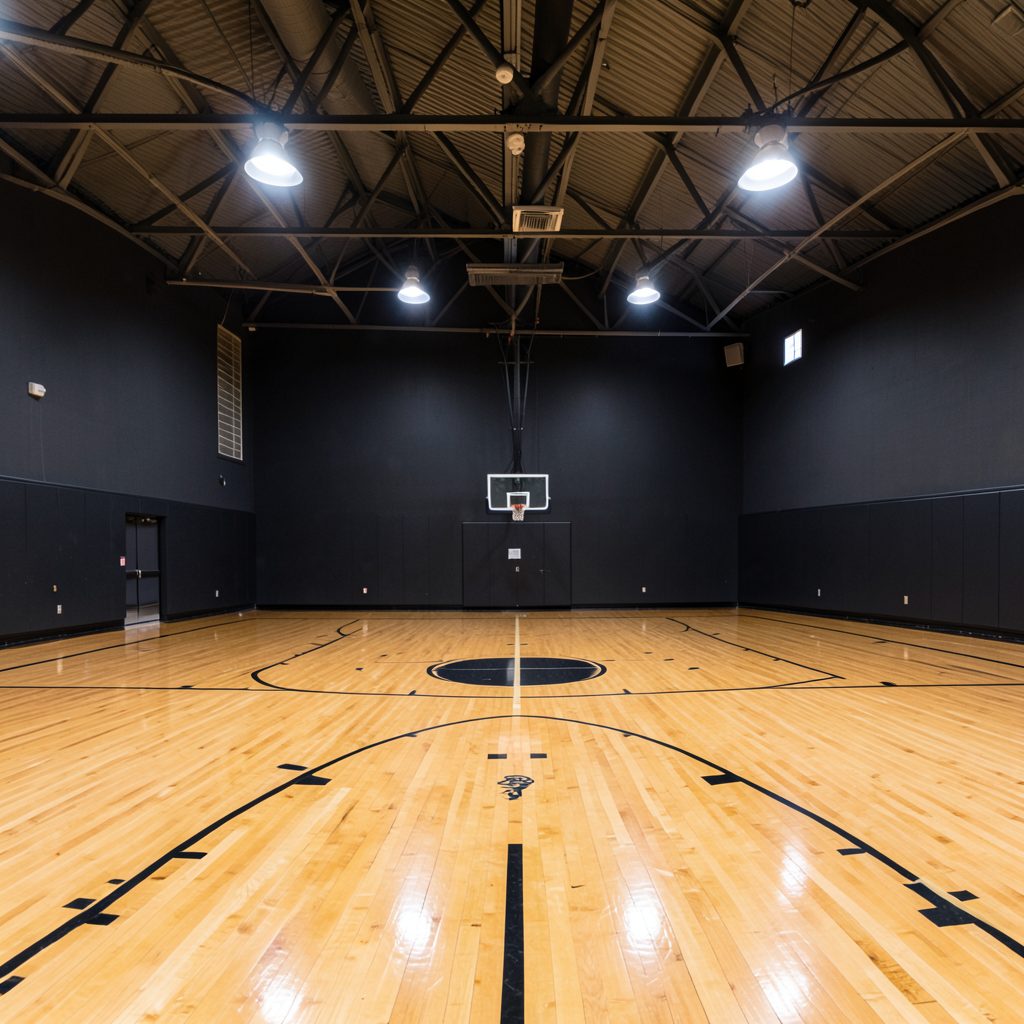
Eight league divisions span every age group: Indy Pro AM, 18+ Open Men's, 30+ Men's, Bite Size (ages 3–6), Impact League, 5th/6th Grade, Middle School, and High School. Gather your team and compete.
Training
Individual and group basketball training for all skill levels. Major M.O.V.E.S. Basketball Training serves ages 4–7 on Wednesday and Thursday evenings at 6:30 PM — $30 per session or $100 unlimited monthly.
Wellness & Recovery
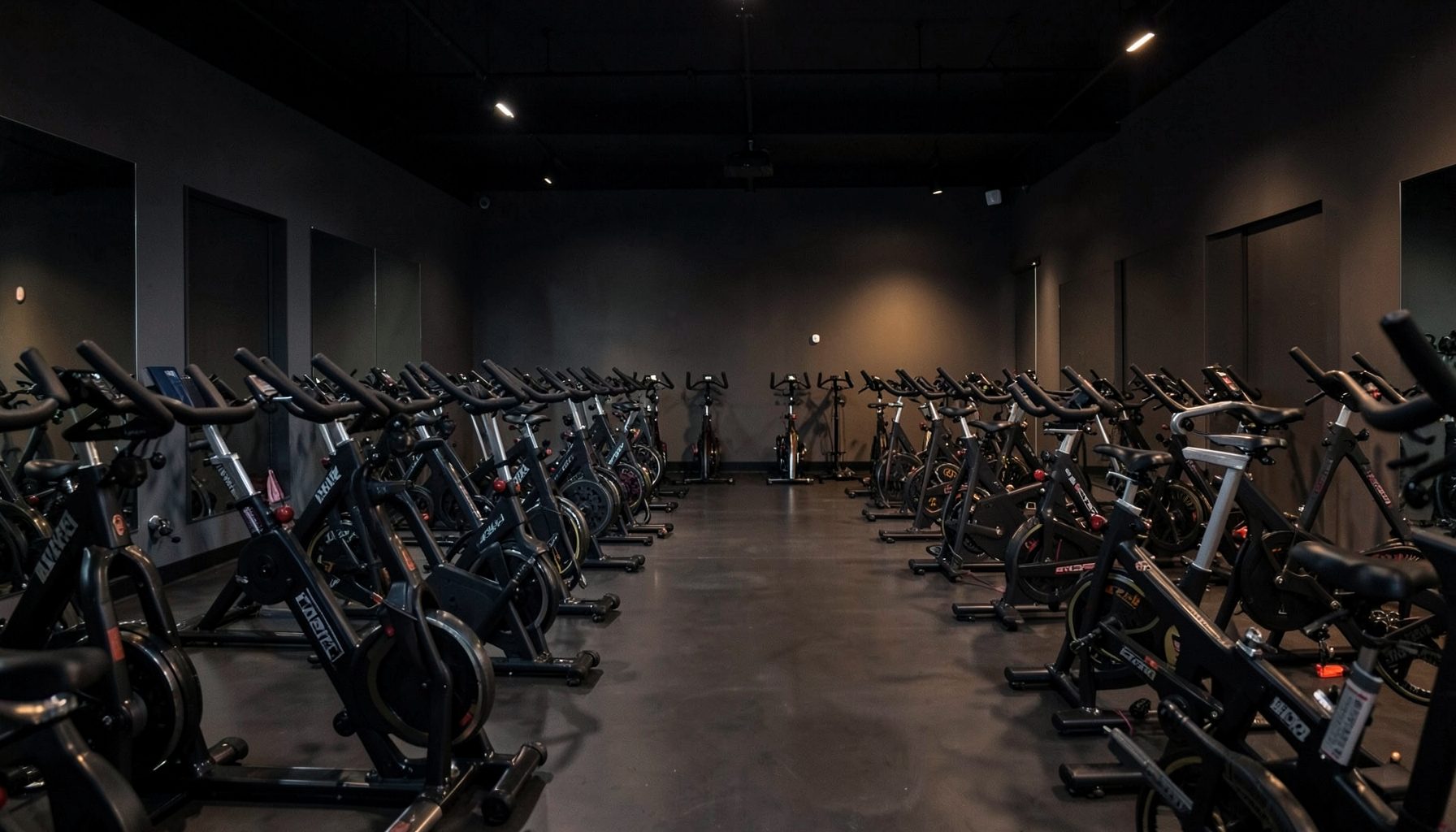
Normatec boot recovery and cryotherapy treatments help athletes bounce back faster. Cycle and spin classes add a cardio dimension to the holistic performance approach.
Have a Question?