Train. Compete. Recover.
A multi-purpose athletic facility in Speedway, Indiana — basketball leagues, skill training, and wellness services all under one roof.
The Factory D1 Indy brings together three entities under one roof: competitive basketball leagues for all age groups, individual and group training, and wellness & recovery services including Normatec boot recovery and cryotherapy. Located off I-465 and High School Road at 6331 Crawfordsville Road, Speedway, Indiana 46224.
Get In TouchWhy Breathing Technique Matters in Basketball and Spin Classes
Breathing is easy to overlook when the focus is on speed, strength, ball control, or keeping pace with a demanding cycling class. Yet every movement depends on an effective supply of oxygen and the body’s ability to remove carbon dioxide. The way an athlete breathes can influence energy, concentration, posture, and recovery from the first warm-up through the final sprint.
Basketball and spin place different demands on the body. Basketball alternates between explosive bursts and brief pauses, while indoor cycling often creates a sustained cardiovascular effort with changing resistance and cadence. In both settings, purposeful breathing helps athletes regulate intensity instead of allowing fatigue to control every decision.
Better breathing does not mean forcing every inhale or trying to maintain one rigid pattern. It means learning when to breathe deeply, when to exhale sharply, and how to keep the rib cage, diaphragm, and core working together. That skill can support athletes of all ages, from young players learning movement fundamentals to adults building fitness in a cycle class.
How Breathing Supports Athletic Performance
During exercise, the respiratory system delivers oxygen to working muscles and clears carbon dioxide produced during energy production. When intensity rises, breathing naturally becomes faster. Problems occur when an athlete begins taking shallow, hurried breaths through the upper chest, which can increase tension in the neck and shoulders without creating efficient airflow.
A controlled breath encourages the diaphragm to move downward during inhalation, allowing the lungs to expand more fully. A complete exhalation then helps release stale air and creates room for the next breath. This rhythm can make hard efforts feel more manageable, particularly when an athlete is moving continuously or recovering between high-intensity actions.
Breathing also affects posture and bracing. A strong inhale can help prepare the trunk before contact, a jump, or a change of direction, while a forceful exhale can support acceleration and rotational movement. The goal is a stable torso that can transfer power through the hips, legs, and upper body without unnecessary stiffness.
Breathing During Basketball Movement
Basketball requires frequent transitions between sprinting, shuffling, jumping, landing, and standing ready on defense. Holding the breath during a layup, defensive slide, or rebound can create premature tension and make the next action feel heavier. Athletes should aim for steady breathing during lower-intensity movement and use deliberate exhales during explosive efforts.
A useful rhythm is to inhale while setting up for a movement and exhale as the effort occurs. For example, a player may inhale while lowering into a defensive stance, then exhale during a hard lateral push. On a jump shot, a calm breath can help settle the body before the release, while a soft exhale may reduce excess tension in the shoulders and hands.
Between plays, recovery breathing matters just as much as effort breathing. Instead of bending over and taking frantic breaths, an athlete can stand tall, relax the jaw, inhale through the nose when possible, and extend the exhale. This encourages a quicker return toward a manageable heart rate and helps preserve decision-making late in practice or competition.
A structured training week should include skill work, conditioning, and recovery rather than repeated maximum efforts. The sample training week for intermediate basketball players illustrates how breathing habits can be practiced across varied sessions, including drills that require athletes to maintain control while fatigued.
Breathing Strategies For Spin And Cycle Classes
Spin classes often involve sustained work with frequent changes in resistance, cadence, and body position. Riders may unconsciously hold their breath during a steep climb or take quick, shallow breaths during a sprint. Both patterns can increase discomfort and make it harder to respond to the instructor’s cues.
During moderate cycling, try matching a smooth inhale and exhale to several pedal strokes rather than breathing with every individual rotation. As resistance increases, allow the breath to become deeper and more frequent without losing control. During a sprint, the rhythm may become faster, but the rider should still avoid clenching the jaw or lifting the shoulders toward the ears.
Exhaling through the hardest portion of a climb can help release unnecessary tension. A rider might inhale while preparing for a resistance increase and exhale steadily while pressing through the pedals. This approach does not eliminate effort; it helps direct effort toward the legs instead of wasting energy on a rigid upper body.
Nasal breathing can be useful during warm-ups, cooldowns, and easier portions of a ride because it encourages a slower, more controlled rhythm. At higher intensities, breathing through both the nose and mouth is normal. The priority is sufficient airflow, relaxed mechanics, and an intensity level that matches the session’s purpose.
Matching Breath To Training Intensity
Different moments call for different breathing patterns. The following guide provides a practical starting point for basketball workouts and spin sessions:
| Training moment | Helpful breathing approach | Primary purpose |
|---|---|---|
| Warm-up and mobility | Slow nasal inhale with a relaxed, longer exhale | Raise temperature while reducing tension |
| Basketball skill drills | Breathe steadily between actions; exhale during explosive movements | Preserve coordination and power |
| Defensive slides | Inhale during setup, exhale during the push or change of direction | Support trunk control and quick movement |
| Basketball recovery breaks | Stand tall and lengthen the exhale | Lower unnecessary tension and regain composure |
| Moderate cycling | Smooth breaths coordinated with several pedal strokes | Maintain sustainable aerobic effort |
| Climbs and resistance work | Deep inhale before the effort, controlled exhale through it | Keep the torso relaxed while producing force |
| Sprint intervals | Faster but continuous breathing without breath-holding | Supply oxygen during high output |
| Cooldown | Gradually slow the breath and extend the exhale | Shift the body toward recovery |
These patterns are flexible rather than mandatory counts. Heat, fitness level, anxiety, altitude, and workout intensity can all change breathing needs. Athletes should treat the guide as a way to notice habits, then adjust based on effort and comfort.
If someone feels dizzy, unusually breathless, experiences chest pain, or cannot recover between repeated efforts, the session should stop. Persistent or concerning symptoms deserve medical attention. Good technique supports performance, but it cannot replace professional evaluation when breathing problems may have a health-related cause.
Common Breathing Mistakes To Correct
The most common error is breath-holding. Athletes may do it when lifting, bracing for contact, concentrating on a shot, or attacking a difficult cycling interval. A brief brace can be appropriate for certain strength movements, but repeatedly holding the breath during dynamic sport can increase tension and limit fluid movement.
Another mistake is breathing only into the upper chest. This often causes the shoulders to rise and the neck to tighten, especially when fatigue sets in. Practicing relaxed three-dimensional breathing—allowing the ribs to expand around the sides and back—can help athletes feel fuller breaths without forcing the abdomen outward.
Poor posture can also restrict airflow. A collapsed cycling position or a basketball stance that becomes excessively folded may make each breath more difficult. Keeping the head balanced, shoulders relaxed, and rib cage aligned over the pelvis gives the diaphragm more room to work.
Athletes should also avoid chasing a perfect breathing count when the body is signaling a need for more air. Technique should support the activity, not become another source of stress. Consistency develops through repetition in warm-ups, drills, intervals, and cooldowns.
Build Breathing Skills Into Every Session
Breathing improves when it is trained in realistic situations rather than practiced only while lying still. Coaches and instructors can cue athletes to notice the breath before a drill, maintain it during movement, and use a longer exhale during recovery. Over time, this creates an automatic response that remains available under pressure.
Try these practical habits:
- Begin each workout with two or three minutes of relaxed breathing and mobility.
- Pair an exhale with jumps, changes of direction, pushes, or the hardest part of a pedal stroke.
- Use recovery intervals to lower the shoulders, soften the jaw, and lengthen the exhale.
- Practice breathing while fatigued so the pattern holds during late-game possessions or final cycling sprints.
- Record perceived effort and breath control after sessions to identify when technique breaks down.
Breathing practice should complement sound conditioning, hydration, sleep, and appropriate recovery. After demanding training, services such as wellness and recovery can form part of a broader routine that helps athletes manage accumulated fatigue and return ready for the next session.
Create A More Controlled Training Experience
Proper breathing can make basketball movement more efficient, help spin participants regulate intensity, and improve the transition from hard work to recovery. It supports focus without distracting from the skill being practiced, and it gives athletes a practical tool for responding to fatigue instead of panicking when the heart rate rises.
At The Factory D1 Indy, athletes can apply these principles through basketball training, competitive leagues, cycle classes, and recovery services in a community-focused athletic setting. Add intentional breathing to the next workout, observe how it changes movement and recovery, and make it a regular part of training at every level.
Inside The Factory


Three Entities, One Roof
Leagues
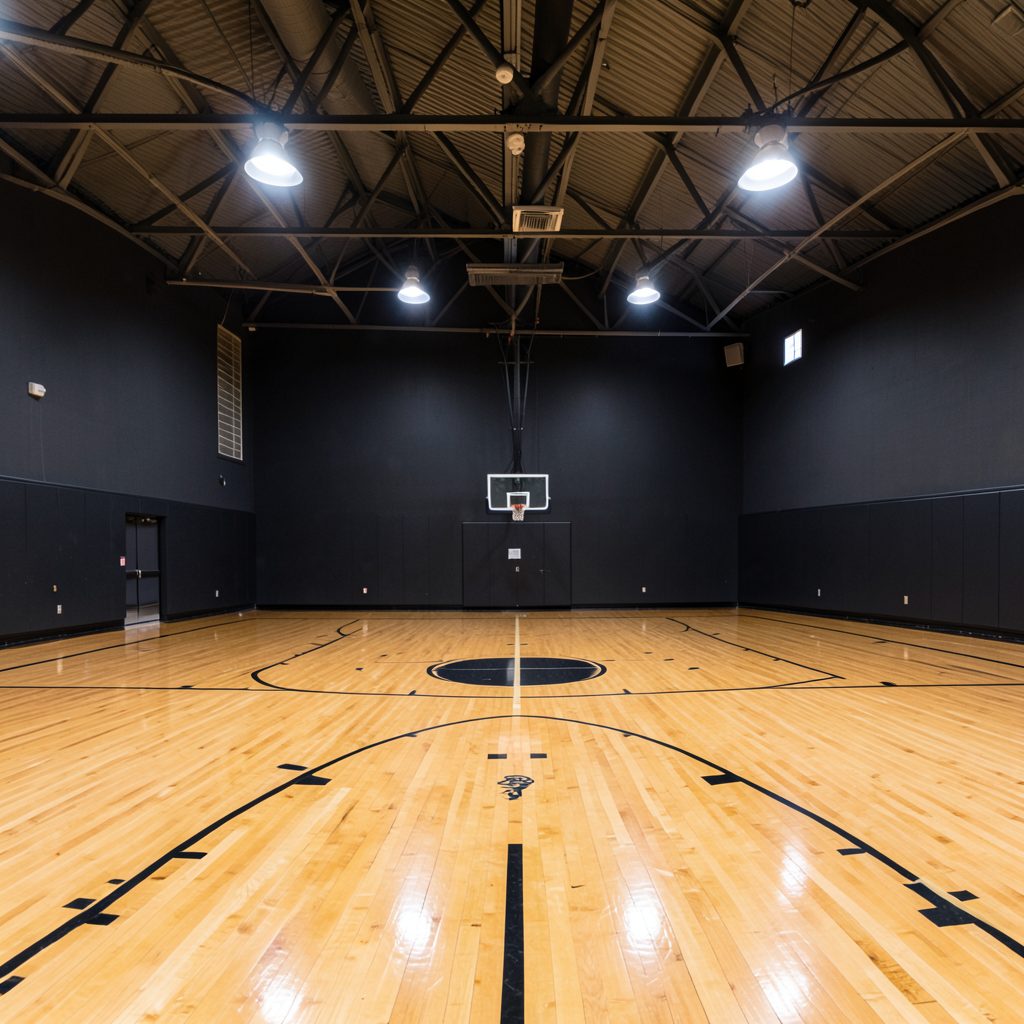
Eight league divisions span every age group: Indy Pro AM, 18+ Open Men's, 30+ Men's, Bite Size (ages 3–6), Impact League, 5th/6th Grade, Middle School, and High School. Gather your team and compete.
Training
Individual and group basketball training for all skill levels. Major M.O.V.E.S. Basketball Training serves ages 4–7 on Wednesday and Thursday evenings at 6:30 PM — $30 per session or $100 unlimited monthly.
Wellness & Recovery
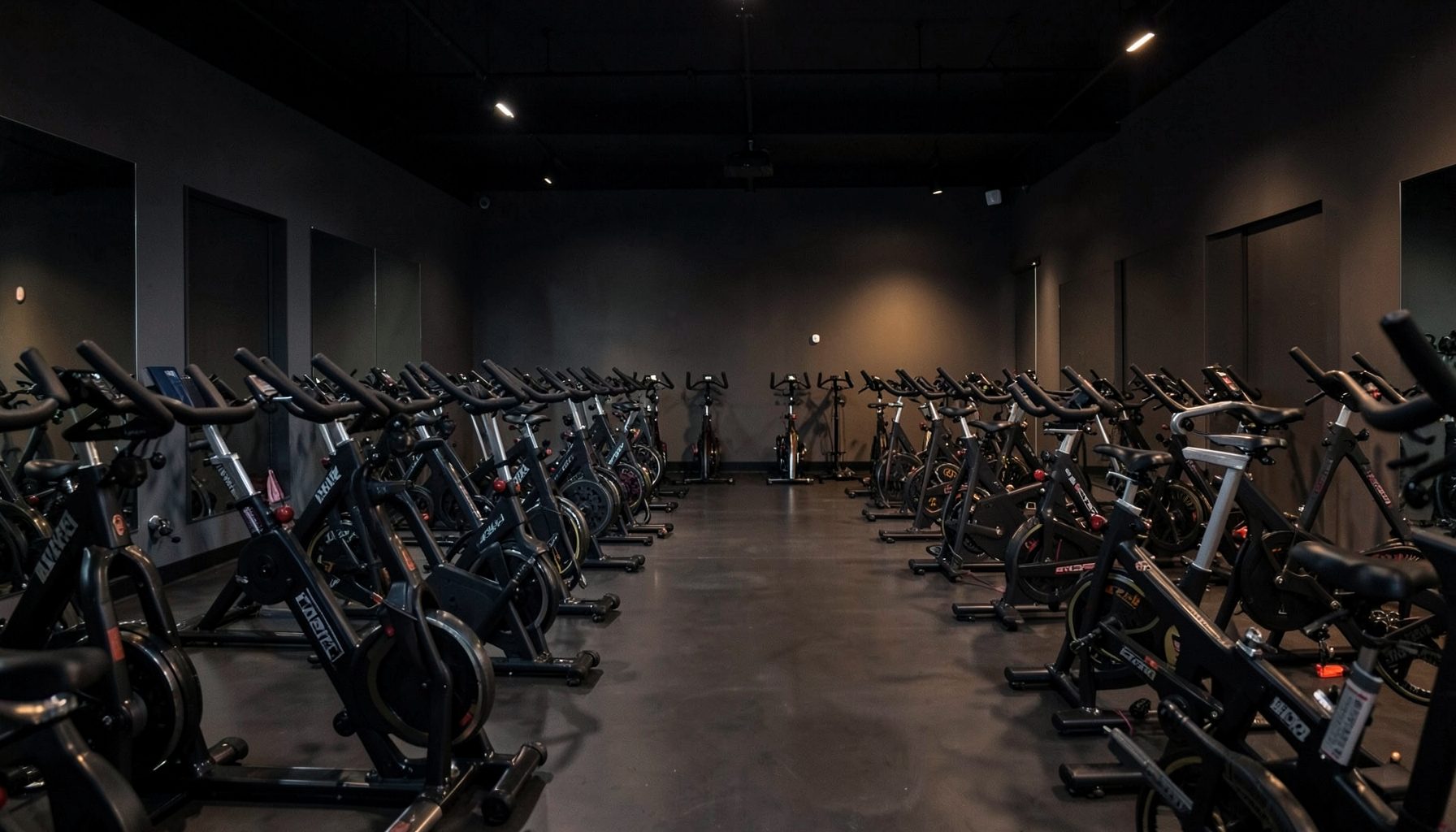
Normatec boot recovery and cryotherapy treatments help athletes bounce back faster. Cycle and spin classes add a cardio dimension to the holistic performance approach.
Have a Question?