Train. Compete. Recover.
A multi-purpose athletic facility in Speedway, Indiana — basketball leagues, skill training, and wellness services all under one roof.
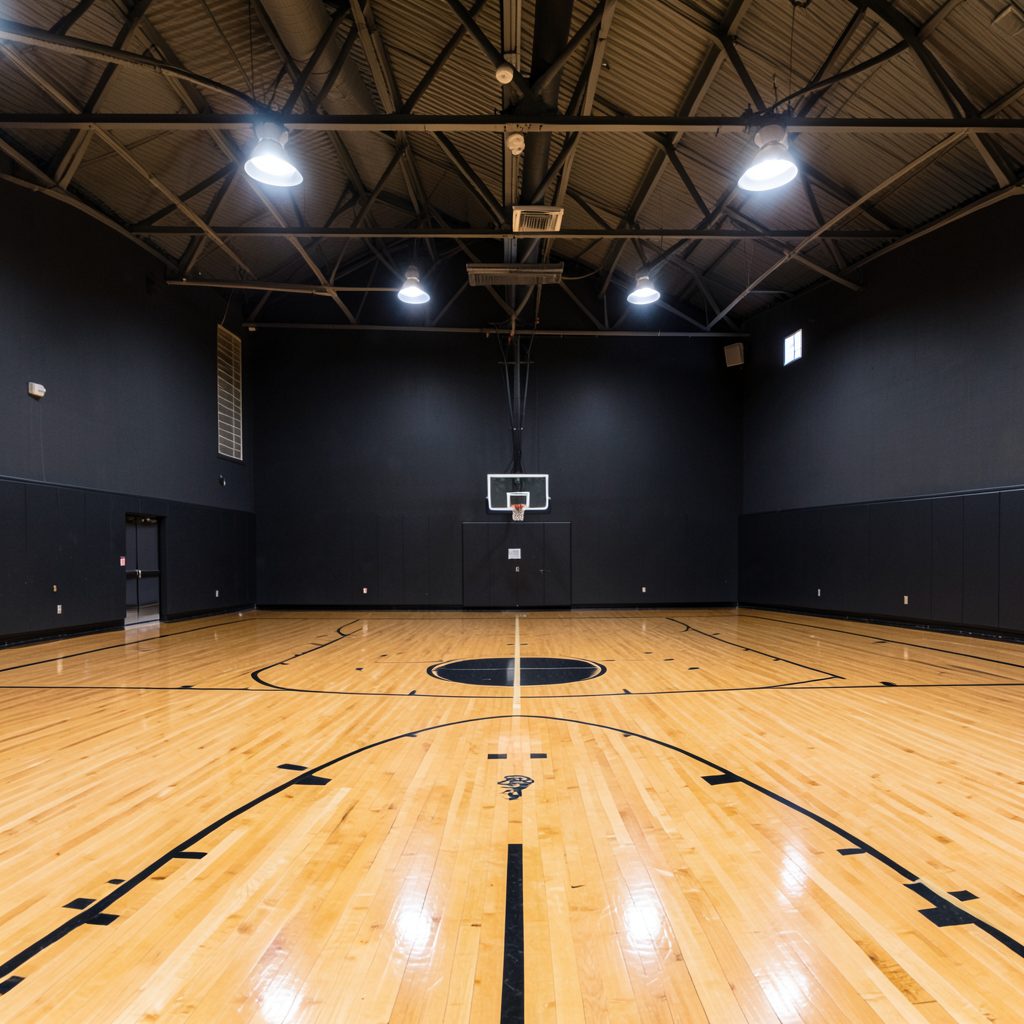
The Factory D1 Indy brings together three entities under one roof: competitive basketball leagues for all age groups, individual and group training, and wellness & recovery services including Normatec boot recovery and cryotherapy. Located off I-465 and High School Road at 6331 Crawfordsville Road, Speedway, Indiana 46224.
Get In TouchWhy siblings benefit from different basketball skill tracks
Siblings often share a surname, a household and many of the same interests, yet they are rarely identical as athletes. One may be ready for more complex ball-handling drills while the other needs more time building coordination and confidence. Placing both children in the same group simply because they are siblings can leave one underchallenged and the other overwhelmed.
This is the reasoning behind placing siblings into different skill tracks within our youth programs. Coaches consider each child’s age, development, temperament and goals rather than using an older sibling as a benchmark. The result is training that supports individual progress while giving families a practical path for competition, conditioning and recovery.
Every child develops on a different timeline
Growth spurts, previous experience and confidence have a major influence on how children respond to training. A younger sibling may have excellent court awareness but still need work on balance and strength, while an older sibling may be physically stronger but less comfortable making decisions under pressure.
Coaches therefore look for readiness, not merely a birth date. They observe how a young athlete follows instructions, handles mistakes and interacts with teammates. That information helps determine whether a child is better served by foundational skills work, a small-group session or an age-appropriate league.
Sibling comparisons can unintentionally make children feel they are chasing one another. Individual development goals replace that pressure with something more constructive: each athlete has a clear starting point and a reason to progress.
Separate pathways build confidence and independence
When siblings train in different groups, each child receives feedback based on their own performance. A coach can spend more time correcting one player’s foot position without expecting the other to master the same adjustment immediately. Progress becomes visible because it is measured against the individual.
Separate pathways also give children greater ownership. They learn to make choices, interact with different teammates and experience wins and setbacks without a sibling’s performance colouring the result. These are useful habits both on the basketball court and away from it.
The separation is not automatic, and it does not mean siblings can never train together. Some families choose shared sessions before a game or enrol both children in the same skills clinic. The important distinction is that each child’s primary program remains suited to their needs.
Friendly competition can sharpen learning
Basketball is more engaging when athletes have a meaningful goal. An age- and ability-appropriate league can test decision-making, speed and teamwork in ways a drill alone cannot. The same is true of individual skill challenges, where players work against their own previous performance.
Different tracks can also ease sibling rivalry. Each child has a separate role, focus and standard, so there is less reason to interpret every result as a direct comparison. That does not remove all family competition; it gives the competition a healthier context and keeps learning at the centre.
Training still requires balance between activity and recovery. Our guidance on structured rest days explains why recovery time belongs in the basketball calendar rather than being treated as lost training.
Clear pathways give families useful information
Families often need to know what a child will practise, how long the program runs and what progression may look like. Clear skill tracks provide a shared language between coaches, parents and young athletes. Instead of asking whether a session was “good,” families can discuss specific skills, playing time and personal targets.
Age-appropriate feedback also reduces the temptation to compare siblings’ progress. A coach might work with one child on passing angles while another develops defensive positioning, even if they later join the same team. Each report then reflects meaningful growth for that athlete.
Regular reviews help keep placement responsive. A child who gains confidence quickly may be ready for greater competition, while another may benefit from extra repetition. Pathways should change as abilities develop, not trap children in the group they first entered.
Recovery is part of skill development
Improvement happens when the body can adapt to training. Adequate sleep, nutrition, hydration and time away from repetitive drills help young athletes retain skills and avoid fatigue. A busy weekly schedule can look productive while leaving too little room for restoration.
Factory D1 Indy offers recovery services such as Normatec compression therapy and cryotherapy as part of its broader wellness offering. These services may support appropriate training and recovery plans when recommended by qualified staff and accepted by parents for eligible participants.
Consistency also depends on realistic expectations and manageable routines. The psychology of training consistency shows why sustainable habits matter more than sudden bursts of effort. A well-paced skill track is easier for families to maintain and easier for children to enjoy.
Australian family routines shape participation
In cities such as Melbourne and Sydney, a common weekday rhythm includes school pickup around three o’clock, an after-school meal and organised sport before dinner. Weekend games, training and family errands often occupy most of Saturday. Programs that fit these routines are more likely to become part of a child’s normal week.
Basketball sits within a broader Australian sporting culture that includes netball, Australian rules football, cricket, swimming and community club programs. Families often compare seasonal registrations, uniform costs, coaching quality and school-holiday options. A flexible mix of skills training and league play can meet different budgets and interests within the same household.
Australia’s physical activity guidelines recommend an average of at least 60 minutes of moderate-to-vigorous daily activity for children and young people aged five to 17. The widely used limit of no more than two hours of recreational screen time adds another consideration for families balancing training, schoolwork and device time. Summer heat also influences when indoor sport, hydration and recovery are most practical.
Parents are also attentive to how children’s information and wellbeing are protected. Australian providers must account for the Privacy Act 1988, along with relevant state or territory privacy, safeguarding and mandatory-reporting requirements. Families using an overseas program should expect equally clear explanations about attendance records, coach qualifications, consent and who receives progress information.
Long-term participation matters more than early wins
Winning games can create excitement, but lasting enthusiasm comes from improvement, belonging and appropriate challenge. A child who feels successful in a foundational session may develop a stronger sporting identity than one pushed immediately into a higher competitive level.
Different skill tracks make that long-term view possible. Children can move between individual work, small-group instruction and team competition as their readiness changes. Siblings may eventually share a court again, but they will arrive with different experiences and complementary strengths.
That variety can become an asset for families and teams. Older players may develop leadership and patience, while younger athletes gain confidence and resilience. Their relationship becomes less about measuring progress and more about supporting separate journeys.
Factory D1 Indy’s youth programs are designed to give every athlete an appropriate place to begin and a clear direction to grow. Book a skills assessment for each sibling, discuss their individual goals with our coaches and choose the pathway that best supports their development, competition and recovery.
Inside The Factory

Three Entities, One Roof
Leagues
Eight league divisions span every age group: Indy Pro AM, 18+ Open Men's, 30+ Men's, Bite Size (ages 3–6), Impact League, 5th/6th Grade, Middle School, and High School. Gather your team and compete.
Training
Individual and group basketball training for all skill levels. Major M.O.V.E.S. Basketball Training serves ages 4–7 on Wednesday and Thursday evenings at 6:30 PM — $30 per session or $100 unlimited monthly.
Wellness & Recovery
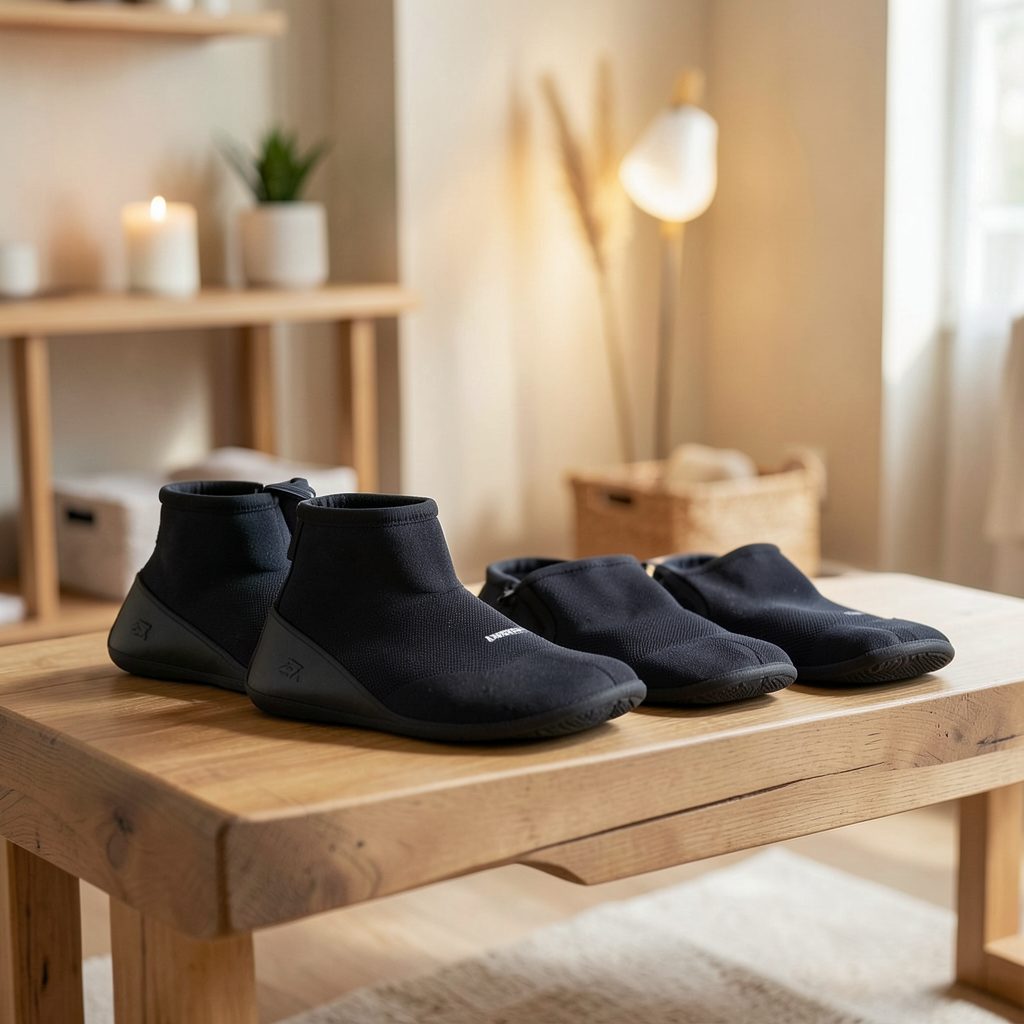
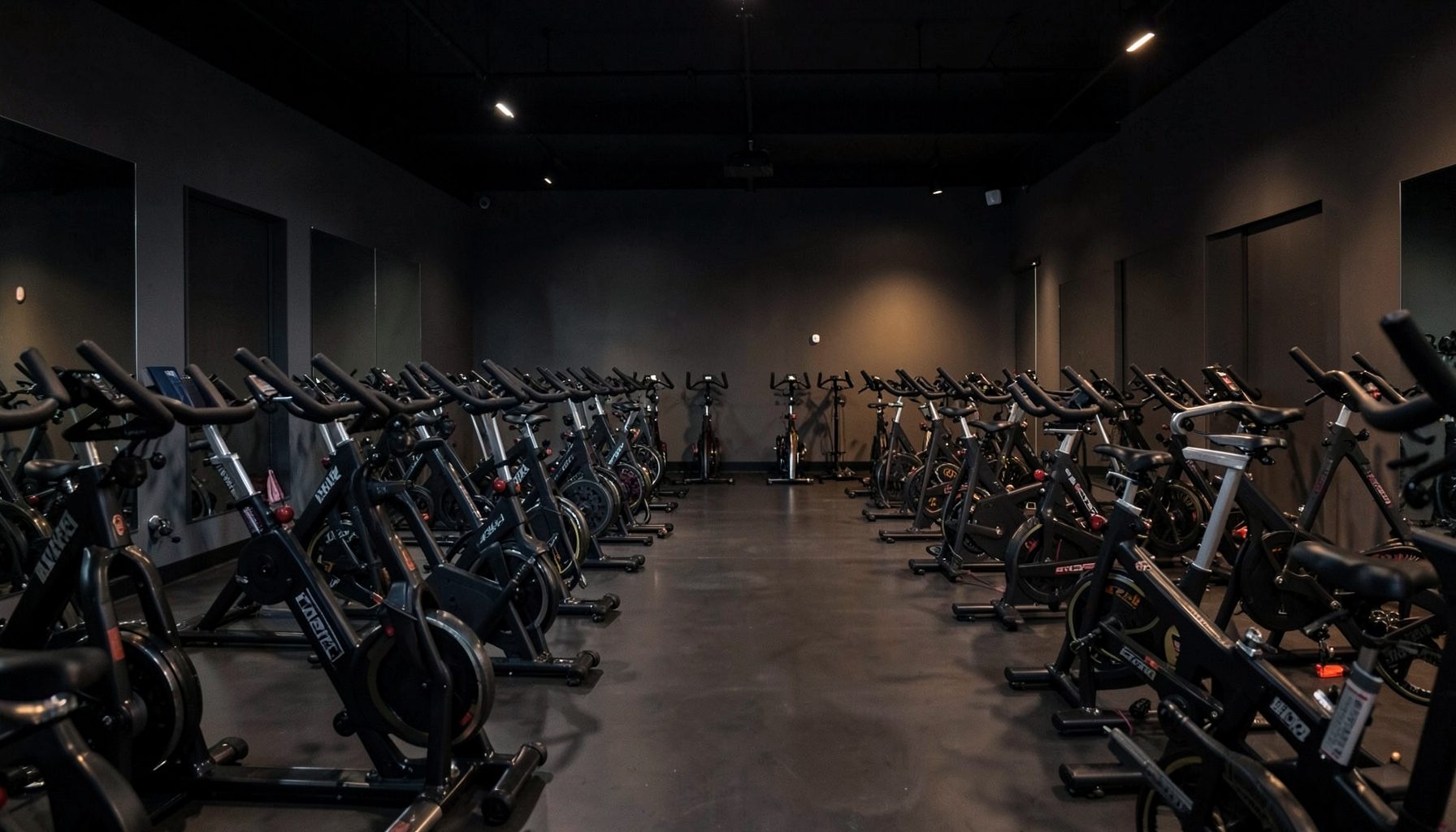
Normatec boot recovery and cryotherapy treatments help athletes bounce back faster. Cycle and spin classes add a cardio dimension to the holistic performance approach.
Have a Question?