Train. Compete. Recover.
A multi-purpose athletic facility in Speedway, Indiana — basketball leagues, skill training, and wellness services all under one roof.
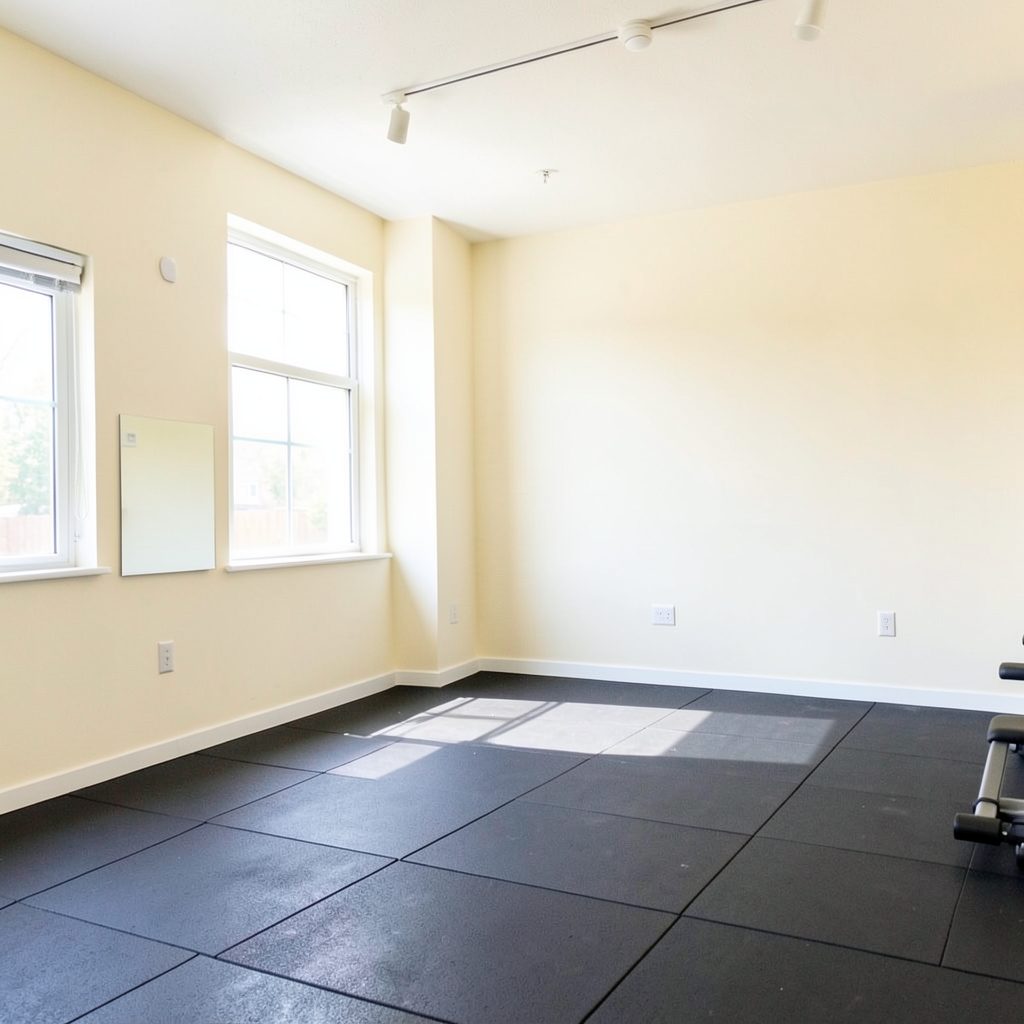
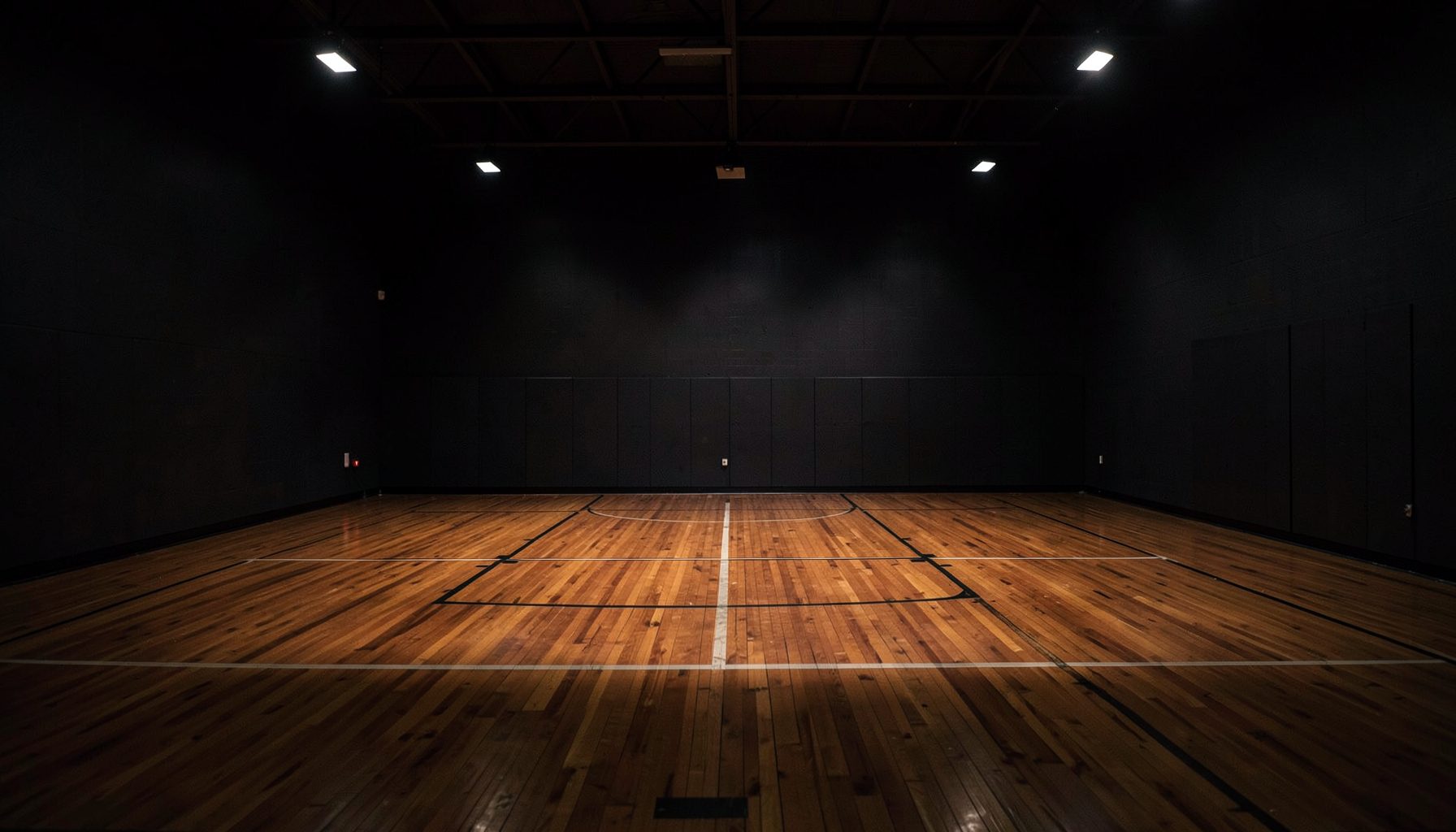
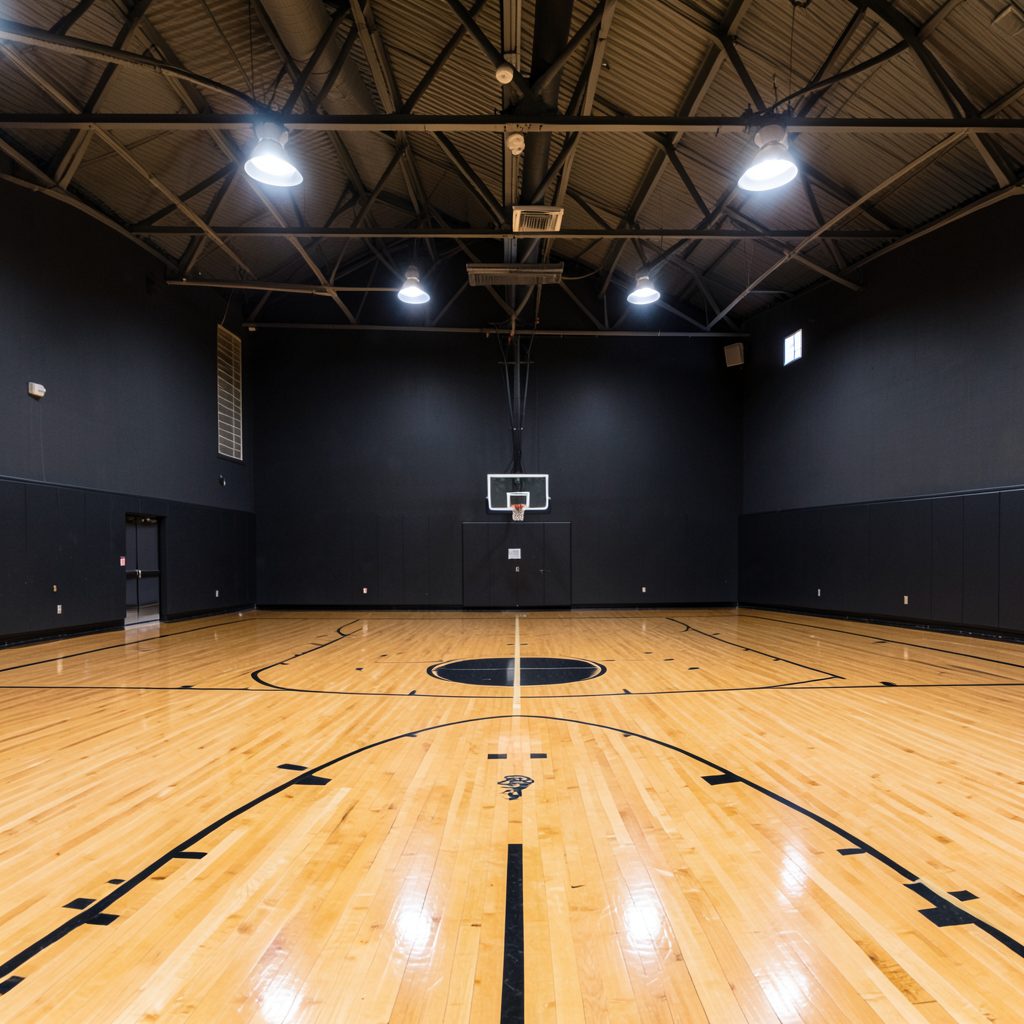
The Factory D1 Indy brings together three entities under one roof: competitive basketball leagues for all age groups, individual and group training, and wellness & recovery services including Normatec boot recovery and cryotherapy. Located off I-465 and High School Road at 6331 Crawfordsville Road, Speedway, Indiana 46224.
Get In TouchWhy Spin Class Sizes Stay Small at The Factory D1 Indy
A spin class can look simple from the outside: bikes in rows, music playing, and an instructor guiding the group through a workout. In practice, effective indoor cycling requires constant observation. Resistance, posture, cadence, breathing and fatigue can change within minutes, especially when riders have different fitness levels or training goals.
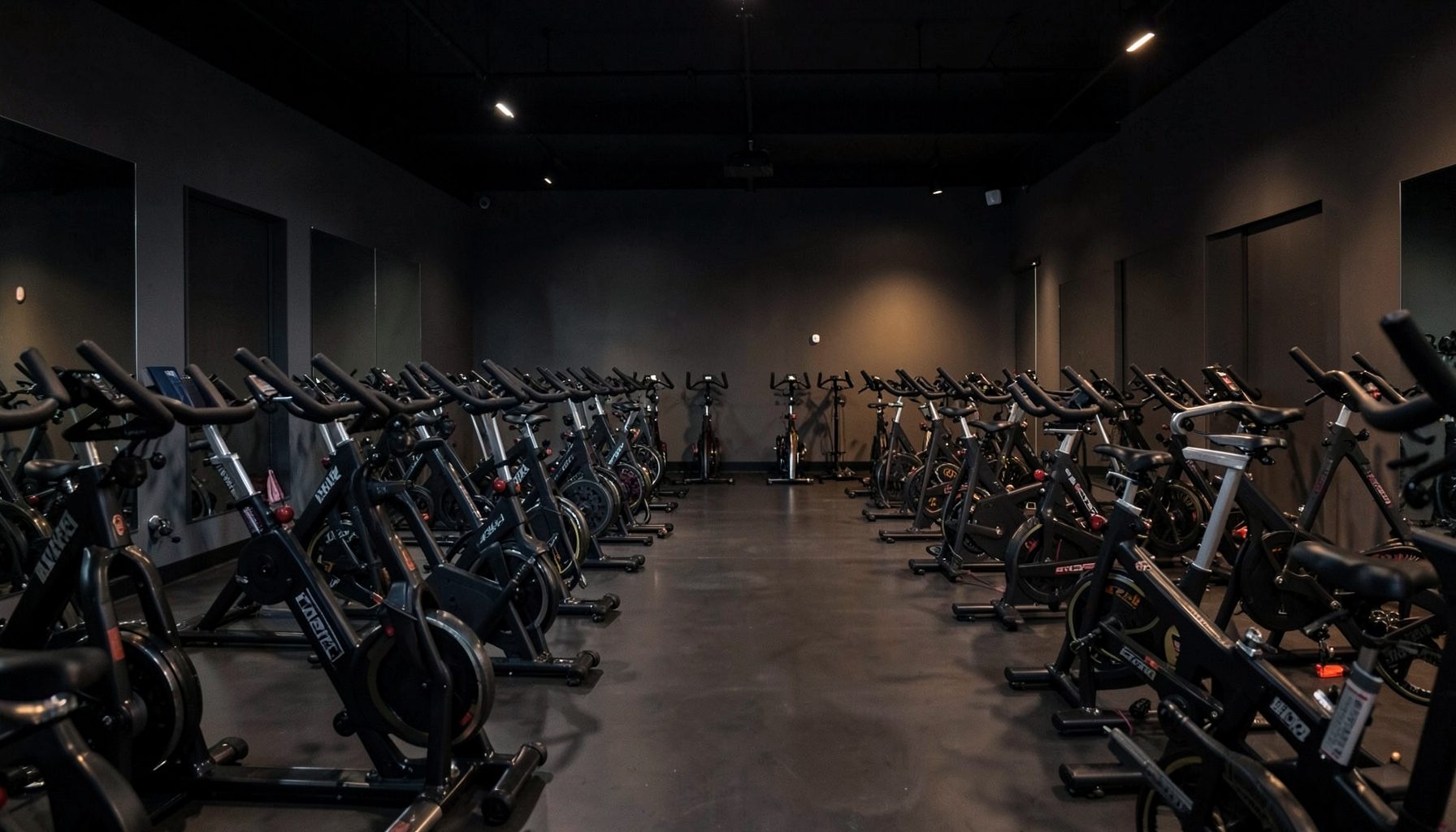
That is why The Factory D1 Indy keeps spin class numbers deliberately limited. A smaller group gives the coach enough visibility to offer useful corrections, adjust the session safely and create an environment where beginners and experienced riders can train together without anyone disappearing into the crowd.
For Australian athletes, this approach has familiar value. Whether someone is fitting a session around a commute in Melbourne, preparing for a weekend competition in Brisbane or building fitness during Sydney’s busy school-term schedule, personal attention can make a class more productive and easier to sustain.
| Class format | Large group experience | Smaller spin class experience |
|---|---|---|
| Coaching | General instructions for the room | Frequent individual cues and corrections |
| Technique | Problems may go unnoticed | Position, cadence and resistance can be monitored |
| Training load | One pace may suit few riders | Options can be adapted to different abilities |
| Safety | Riders may hesitate to ask for help | Questions and adjustments are easier |
| Motivation | Energy comes mainly from the crowd | Community and personal accountability work together |
Better Technique From The First Ride
Indoor cycling is low impact compared with running, yet poor setup or inefficient movement can still cause discomfort. Saddle height, handlebar position, foot placement and hip alignment all affect how a rider produces power. A coach who is responsible for a manageable group can notice when a rider is reaching too far, rocking through the hips or placing excessive pressure on the hands.
Those details matter for first-time participants. A new rider may assume that a high resistance setting is automatically better, or may copy the person beside them without understanding the difference between cadence and load. Individual guidance replaces guesswork with practical cues that can be applied immediately.
Technique coaching also helps regular participants refine their habits. Small changes in posture and pedal stroke can make a session feel smoother, helping riders work hard without wasting energy. That attention is difficult to provide when an instructor is trying to watch too many bikes at once.
Training That Matches Different Abilities
A class may include a recreational rider, a basketball athlete, a returning exerciser and someone preparing for a cycling event. Their ideal workload will not be identical. Limiting attendance allows the instructor to provide alternatives without turning the workout into a confusing list of instructions.
One participant might need a lower-impact option, while another is ready for short, demanding intervals. Clear coaching can explain how to adjust resistance and cadence while keeping the group moving through the same structure. Riders gain autonomy because they learn how to interpret effort rather than chase a single number.
This principle aligns with structured athletic development. Basketball players, for example, need their conditioning to fit around games, skills sessions and recovery. The Factory D1 Indy explains this wider approach in its guide to basketball periodization, where training intensity changes across a season instead of staying at maximum effort every day.
Safer Effort And Smarter Recovery
A motivating class should challenge participants without treating exhaustion as the only measure of success. In a smaller room, a coach can see signs of excessive strain, such as a rider losing control of cadence, lifting the shoulders, struggling to maintain posture or failing to recover between intervals.
Prompt intervention does not mean removing all challenge. It means helping each person choose an appropriate version of the challenge. That may involve reducing resistance, taking a seated recovery period or changing the length of an effort. Riders can work with purpose while avoiding the pressure to match someone else’s pace.
Recovery also influences what happens after class. Participants may use mobility work, hydration and lower-intensity movement to prepare for the next session. At The Factory D1 Indy, spin can sit alongside broader conditioning and wellness services, giving athletes a more complete pathway from training stress to recovery.
More Useful Feedback During The Session
Generic encouragement has its place, but specific feedback is far more useful. “Keep going” can lift morale; “relax your grip and keep your knees tracking forward” can improve performance. Smaller classes create more opportunities for this kind of precise instruction.
Feedback also helps riders understand effort in practical terms. A coach might use perceived exertion, breathing rate, cadence or the ability to speak in short phrases rather than relying only on a screen. This is especially helpful for people who are new to structured exercise or returning after time away.
Australian fitness participants often balance several forms of activity across the week, from social sport and gym sessions to walking and outdoor cycling. An instructor who knows a rider’s aims can help prevent an indoor cycling workout from clashing with those other commitments. That makes the session more sustainable than simply adding another exhausting appointment to the calendar.
A Welcoming Group Without Losing Personal Support
A small class can feel social without becoming anonymous. Riders recognise one another, celebrate progress and develop a shared rhythm, while the instructor still has time to learn names and understand individual needs. This can be valuable for beginners who feel uncertain about joining a competitive-looking fitness environment.
The format also supports a broad age range. A younger athlete may use spin to build conditioning for court sport, while an older adult may prioritise controlled cardiovascular exercise and joint-friendly movement. Both can take part in the same session when guidance is based on effort and ability rather than comparison.
For Australian communities, that balance reflects the appeal of local sport and group exercise. People often value the social connection of a club or class, yet still expect professional coaching and clear boundaries. A well-managed group provides both.
Consistent Standards And Responsible Operations
Class limits are also part of facility management. Coaches need clear sightlines, enough space to move safely around equipment and a realistic workload that allows them to supervise rather than simply deliver instructions. When attendance is capped, the experience is more consistent from one session to the next.
Responsible operators also need to communicate pricing, schedules, cancellation terms and inclusions clearly. Australian customers are protected by the Australian Consumer Law, which supports accurate service descriptions and fair dealings. While The Factory D1 Indy operates in Indiana, that standard is a useful benchmark for anyone comparing fitness providers in Australia.
Child and youth programming requires extra care. Australian requirements vary by state and territory, but Working with Children Checks, child-safe practices and appropriate supervision are important considerations when young athletes use a facility. Clear capacity limits can make supervision easier, particularly when programs run alongside adult fitness activities.
Progress That Can Be Measured Over Time
Individual attention becomes most valuable when it continues across multiple sessions. A coach can recognise whether a rider is improving cadence control, handling resistance more efficiently or recovering faster after intervals. These observations turn a class from a one-off workout into part of a progression.
Progress does not always mean increasing intensity. It may mean maintaining better posture, finishing a session with more control or knowing when to reduce the load. For an athlete managing basketball, cycling or other training, improved decision-making can be as valuable as a higher output number.
A structured fitness business can also benefit from consistent systems for coaching, scheduling and member experience. Providers exploring broader training models may find useful ideas through Hybrid Gym Group, particularly around building a clear and sustainable fitness offering rather than relying on crowded sessions.
Small spin classes are designed to give every rider a better chance to train with focus, receive timely coaching and leave with a clear sense of achievement. To experience that balance of group energy and personal attention, view the current spin schedule at The Factory D1 Indy and reserve a place in an upcoming session.
Inside The Factory

Three Entities, One Roof
Leagues
Eight league divisions span every age group: Indy Pro AM, 18+ Open Men's, 30+ Men's, Bite Size (ages 3–6), Impact League, 5th/6th Grade, Middle School, and High School. Gather your team and compete.
Training
Individual and group basketball training for all skill levels. Major M.O.V.E.S. Basketball Training serves ages 4–7 on Wednesday and Thursday evenings at 6:30 PM — $30 per session or $100 unlimited monthly.
Wellness & Recovery
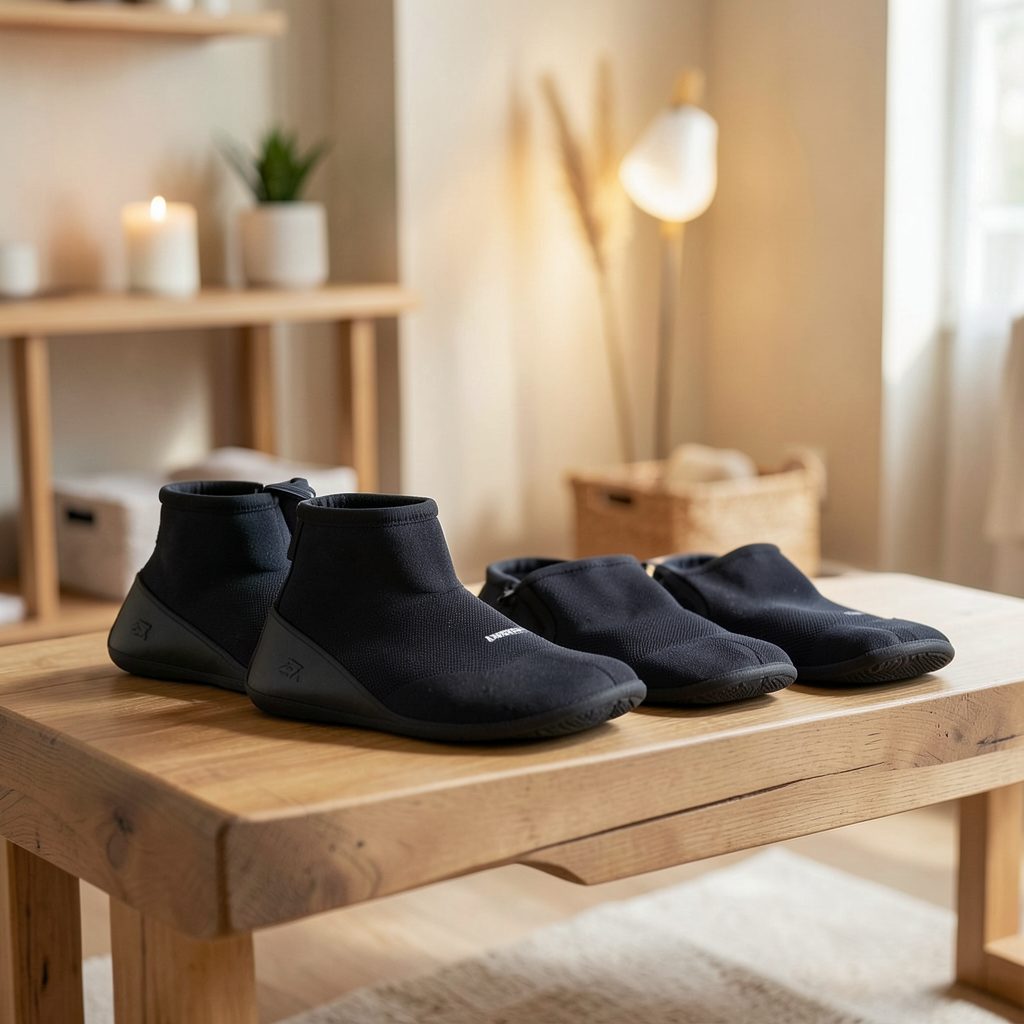
Normatec boot recovery and cryotherapy treatments help athletes bounce back faster. Cycle and spin classes add a cardio dimension to the holistic performance approach.
Have a Question?