Train. Compete. Recover.
A multi-purpose athletic facility in Speedway, Indiana — basketball leagues, skill training, and wellness services all under one roof.
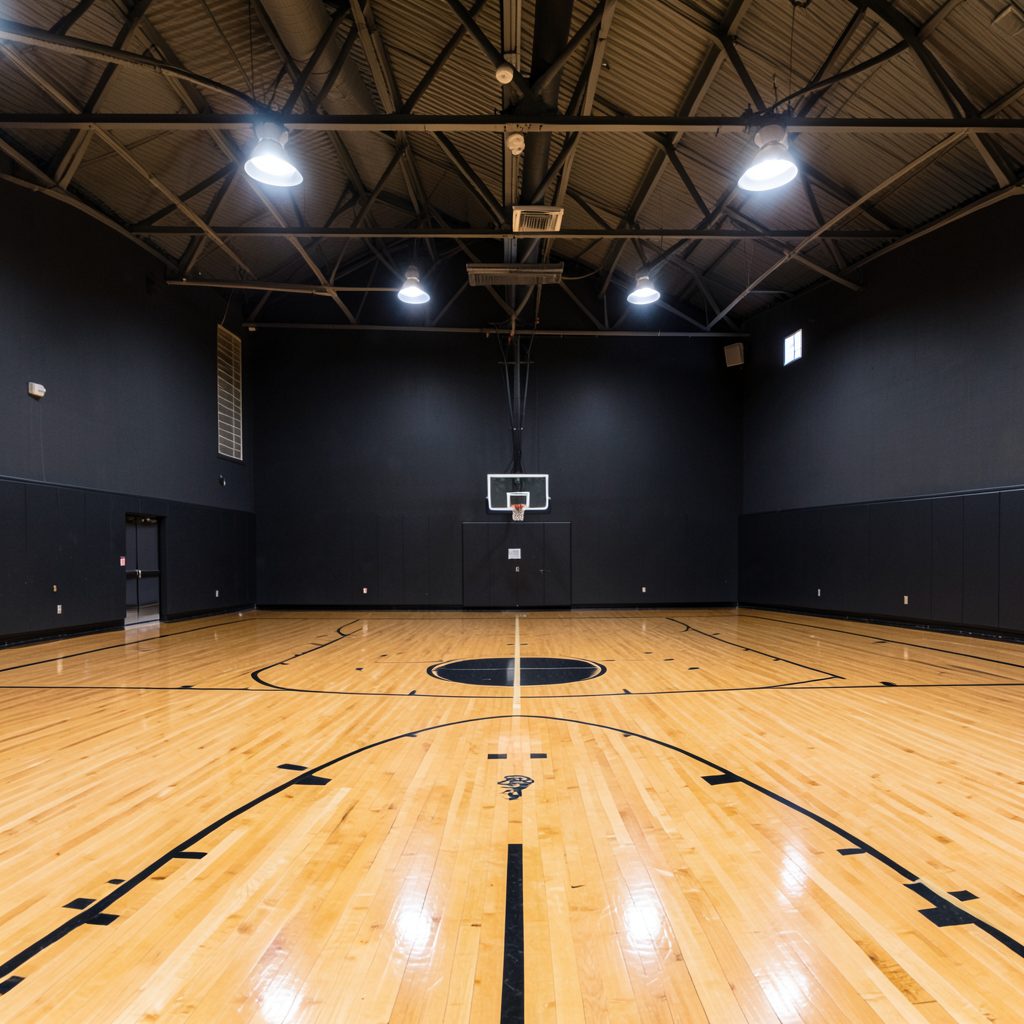
The Factory D1 Indy brings together three entities under one roof: competitive basketball leagues for all age groups, individual and group training, and wellness & recovery services including Normatec boot recovery and cryotherapy. Located off I-465 and High School Road at 6331 Crawfordsville Road, Speedway, Indiana 46224.
Get In TouchWhy Parent Volunteers Make Youth Basketball League Games Work
The stands fill quickly on a Saturday morning inside any suburban basketball venue. Coaches call out drills, young players bounce balls across the hardwood, and parents shuffle in with thermoses and folding chairs. What many spectators do not see is the quiet army of mum-and-dad helpers running the bench, the scoreboard, and the schedule. Youth basketball depends on these volunteers in ways that go far beyond handing out water bottles. The Factory D1 Indy leans on this kind of support because organised competition simply cannot function without families stepping in to share the workload.
Australia has long held a reputation for grassroots sport being family-run. From junior Auskick centres in Melbourne's western suburbs to weekend netball carnivals in regional Queensland, parents have always been expected to lend a hand. The model treats sport as a community project rather than a consumer service. When a club announces that each family must pitch in, it carries real weight. Volunteering is woven into the local custom of raising young athletes together.
Youth leagues are not professional operations. Referees are often former players earning pocket money, not full-time officials with union protections. Score tables are operated by parents who have learned the scorebook the week before their first shift. Shot clocks, substitution boxes, and timeout signals all depend on someone other than the coach paying attention. Treating these roles as optional quickly reveals how fragile a game-day really is, and how essential the parent contribution becomes once the season rolls forward.
The choice to require parent volunteers is not a cost-saving gimmick. It reflects a belief that sport belongs to the community that surrounds it. When a mum runs the scoreboard for her daughter's U10 team, she is shaping the environment her child trains in. When a dad covers the shot clock during a tight U14 contest, he is teaching his own son what service looks like. The requirement exists because the alternative, a paid staff for every youth fixture, removes the very thing that makes grassroots basketball meaningful.
The Role of Parent Volunteers in Game Day Operations
Every whistle depends on a chain of helpers that begins long before tipoff. A parent volunteer typically arrives thirty minutes early to set up the score table, test the shot clock, and confirm the team sheets match the league roster. They verify birthdates for age divisions, manage substitutions during stoppages, and relay bench communications to the officials. None of this happens by accident, and none of it can be left to a teenager juggling warm-up drills.
The role extends past the scorebook. Parent volunteers often direct spectators to the correct viewing zones, escort injured players to the first-aid area, and coordinate post-game handshakes. In facilities that host multiple courts at once, they help manage court transitions so the next age group can warm up on time. Sports centres across Australia rely on this rhythm to keep schedules from collapsing. Without it, the entire Saturday program drifts.
Building a Stronger Basketball Community Through Service
A league that asks families to participate tends to attract families who want to belong to something larger than a paid season pass. Volunteering creates ties between households whose children might otherwise only meet on the court. Parents exchange phone numbers during timeouts, share carpools to away games, and back each other up when work schedules interfere. The Factory D1 Indy has watched these networks grow across multiple seasons, with volunteers returning year after year because the friendships they formed are worth the early mornings.
The community-building side also benefits younger players. Children who watch their parents running the scoreboard learn that sport is run by people, not by magic. They start to see the adult effort behind clean courts, fair calls, and accessible training hours. This mirrors the spirit of Australian basketball itself, where neighbourhood clubs have built national pathways on the backs of unpaid committee members and bench supervisors. Volunteering is the through-line that links backyard hoops to the WNBL, and new mums on the roster often book a postnatal pilates session between shifts to keep their own recovery on track.
Supporting Coaches and Officials Behind the Scenes
Coaches at the youth level already carry a heavy mental load. They plan practices, manage rotations, communicate with parents, and try to teach fundamentals to a dozen eight-year-olds who would rather race each other up the floor. Adding scorebook duties and clock management to that list is a recipe for burnout. Parent volunteers absorb these administrative tasks so that coaches can stay focused on athlete development and game strategy.
Officials benefit as well. Referees appreciate a score table that knows the rules, tracks personal fouls accurately, and keeps the game moving. Volunteers who take the role seriously reduce stoppages, limit disputes, and free referees to concentrate on positioning and judgment. The result is a smoother experience for everyone inside the building, including the athletes who deserve a contest shaped by attention rather than chaos.
Teaching Young Athletes the Value of Contribution
The lessons a child absorbs from watching their parent volunteer reach far beyond the gym. They learn that participation in a community carries responsibilities alongside privileges. They see that the scoreboard does not set itself, that the floor needs sweeping, that somebody has to welcome the visiting team. These are quiet revelations, but they shape how a young athlete treats teammates, opponents, and officials as they move into higher competition.
Basketball culture rewards effort, and the culture of the league rewards it as well. When parents model committed service, children pick up the same instinct. Many of our older teen players began as ball boys and bench helpers at age eight. Now they referee junior scrimmages and assist with clinics, passing along the same ethic their own families showed them. The volunteering cycle renews itself naturally, and the league grows stronger with every cohort that joins in.
The Practical Logistics That Keep a League Running
Beyond values and community spirit, there is a hard logistical case for required volunteering. The Factory D1 Indy runs multiple age divisions every weekend across its indoor courts. Sorting rosters, keeping two games from overlapping, sanitising benches between fixtures, and stocking first-aid kits all require hands on deck. A single paid staffer cannot manage every detail, and the budget of any youth league would buckle under the attempt.
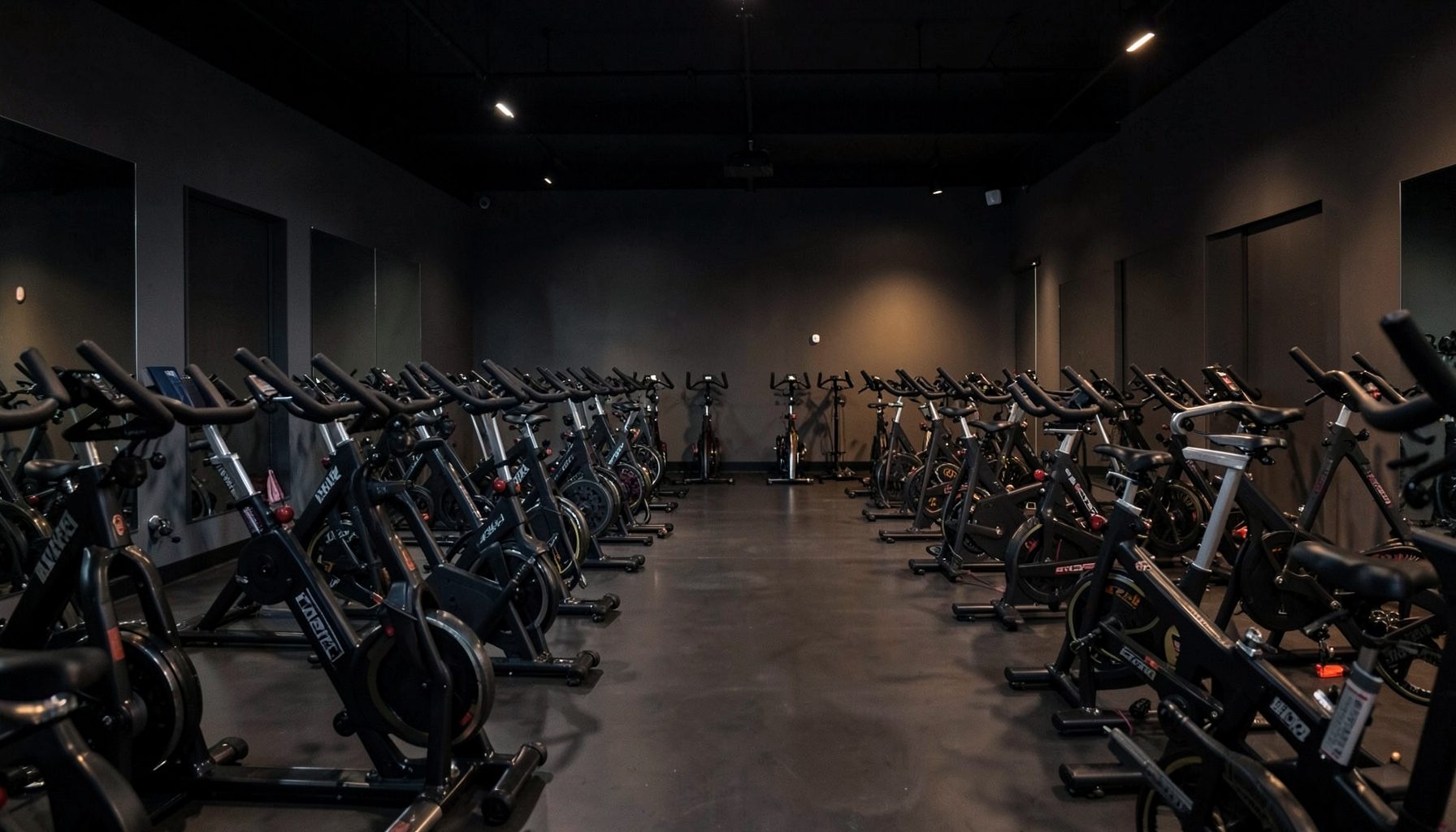
The facility also offers broader programming beyond basketball, including spin and cycle classes, Normatec recovery sessions, and cryotherapy. Parents who already volunteer for game day sometimes discover these other services, which strengthens the wider business while improving their own fitness and recovery. A guide on spin class resistance settings explains how indoor cycling can complement an athlete's off-court conditioning, and that cross-promotion benefits families who give their time.
Volunteering is also how leagues surface future coaches, committee members, and program directors. The parent who runs the score table one season often steps in to coordinate a clinic the next, and talent rises through service.
Lock in your volunteer slot for the upcoming season at The Factory D1 Indy by heading to our registration desk or messaging the front office. Your family will be set up before the first tipoff of the new year, and we will see you on the sideline.
Inside The Factory

Three Entities, One Roof
Leagues
Eight league divisions span every age group: Indy Pro AM, 18+ Open Men's, 30+ Men's, Bite Size (ages 3–6), Impact League, 5th/6th Grade, Middle School, and High School. Gather your team and compete.
Training
Individual and group basketball training for all skill levels. Major M.O.V.E.S. Basketball Training serves ages 4–7 on Wednesday and Thursday evenings at 6:30 PM — $30 per session or $100 unlimited monthly.
Wellness & Recovery
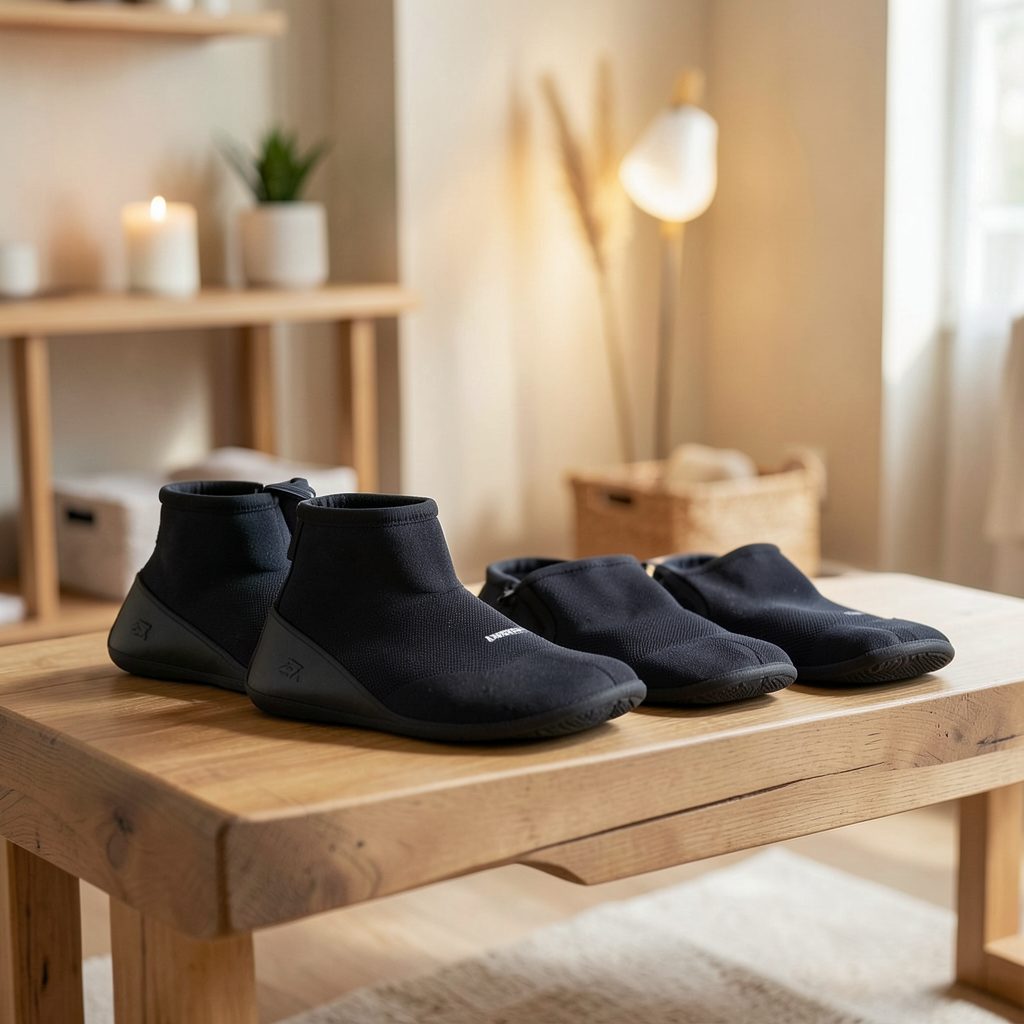
Normatec boot recovery and cryotherapy treatments help athletes bounce back faster. Cycle and spin classes add a cardio dimension to the holistic performance approach.
Have a Question?