Train. Compete. Recover.
A multi-purpose athletic facility in Speedway, Indiana — basketball leagues, skill training, and wellness services all under one roof.
The Factory D1 Indy brings together three entities under one roof: competitive basketball leagues for all age groups, individual and group training, and wellness & recovery services including Normatec boot recovery and cryotherapy. Located off I-465 and High School Road at 6331 Crawfordsville Road, Speedway, Indiana 46224.
Get In TouchWhy Some Youth Practices Skip the Basketball
A basketball is essential for learning to dribble, pass, shoot and make decisions under pressure. It is not required for every part of athletic development, though. Some youth practices at The Factory D1 Indy are deliberately designed without a ball so athletes can improve balance, footwork, reaction speed and body control.
This approach helps young players build the movement skills that support every basketball action. Before an athlete can change direction with the ball, they need to control their centre of gravity, plant safely and accelerate with confidence. A ball-free session gives those details their full attention.
The idea also suits the way children develop in Australia. A young athlete may move between basketball, AFL, football, netball, cricket and school sport during the year. Agility training, coordination games and movement challenges can strengthen performance across all those activities while keeping sessions varied and enjoyable.
| Session Focus | With A Basketball | Without A Basketball |
|---|---|---|
| Main skill | Ball handling and decision-making | Footwork, balance and reaction |
| Attention | Hands, vision and opponents | Posture, landing and movement quality |
| Typical activities | Passing, shooting and dribbling | Hurdles, mirror drills and change-of-direction games |
| Best use | Applying skills in game situations | Building the physical foundation for those skills |
| Success measure | Better choices with the ball | Smoother, quicker and safer movement |
Agility Starts With Quality Movement
Agility is more than running quickly between cones. It involves braking, changing direction, responding to a visual signal and producing force from different positions. A player who can sprint but cannot slow down under control may struggle to defend, get open or avoid unnecessary contact.
During a no-ball practice, coaches can watch how an athlete places their feet, bends their knees and keeps their chest stable. Players may work through lateral shuffles, short accelerations, single-leg balances, deceleration drills and low-level plyometrics. These exercises expose movement habits that can be hidden when a child is concentrating on a dribble.
The aim is age-appropriate control rather than exhausting young athletes. Children might react to a coach’s call, follow a partner through a mirror drill or move through a simple ladder pattern. Older players can handle more complex cues, but the standard remains the same: move efficiently, land softly and maintain awareness of space.
Removing The Ball Sharpens Attention
Young athletes often focus intensely on the basketball. That focus is useful during skill development, yet it can make it difficult for them to notice what their feet, hips and shoulders are doing. Taking the ball away temporarily reduces the number of decisions competing for their attention.
A coach can then give clear feedback about a single movement. An athlete may learn to push the ground away during a lateral step, keep their knees aligned during a landing or turn their hips before accelerating. Repeating that action without a ball helps create a dependable movement pattern before the player has to perform it in a crowded game.
The same principle applies during Australian school terms, when children may arrive after a full day of classes and several hours of sitting. A short, active warm-up can restore alertness without immediately demanding complicated ball skills. It also works well for after-school programmes in busy cities such as Sydney, Melbourne and Brisbane, where training time may be limited by school pickup and traffic.
Games Keep Conditioning Age Appropriate
A ball-free session should still feel like sport, not a punishment or a fitness test. Coaches can use relay races, tag variations, reaction games and partner challenges to develop speed and coordination. When activities include a clear objective, young athletes tend to work hard without becoming overly concerned about the conditioning element.
Games can be adjusted for different ages and abilities. Younger children might chase colours, copy an instructor or stop on a signal. Older athletes may respond to a coach’s movement, identify a numbered cone or compete in short bouts with full recovery. These formats improve reaction time while giving coaches opportunities to teach safe spacing and controlled effort.
Variety matters in the Australian youth-sport market, where many families balance basketball with swimming, athletics, football or netball. A session that feels playful can support long-term participation and reduce the sense that every practice must resemble a formal competition. Families looking for more ideas about preserving enjoyment can explore the value of unstructured playtime for young basketball athletes.
Safer Change Of Direction
Stopping and turning are common parts of basketball, but they also place stress on ankles, knees and hips. Teaching these actions when an athlete is not distracted by a ball allows the coach to introduce them gradually. Players learn to lower their centre of mass, use short adjustment steps and keep control when changing direction.
This is especially relevant for children training in warmer Australian conditions. Outdoor courts in Perth, Adelaide or regional areas can become hot under strong sun, while indoor facilities may have different flooring and traction from a school gym. Coaches need to adapt work periods, provide water breaks and consider heat, footwear and surface conditions when planning agility work.
A no-ball practice cannot prevent every injury, and it should never replace qualified medical advice or an individual return-to-play plan. It can, however, provide a controlled setting for general movement education. Coaches can scale the height of a hurdle, reduce the distance of a sprint or remove competitive pressure when a child is learning a new pattern.
Transfer From Footwork To Game Play
The purpose of agility training is to make basketball actions more effective. Once athletes understand how to stop, pivot and accelerate, those skills can be connected to close-outs, defensive slides, cuts and drives. The coach can reintroduce a basketball in later sessions and ask players to use the same movement principles in realistic situations.
A useful progression might begin with a lateral shuffle, continue with a reaction cue and finish with a defensive close-out. Another sequence could move from a sprint-and-stop drill to a sharp cut, then into receiving a pass and finishing at the rim. The ball returns when it adds value, rather than being present simply because the sport is basketball.
Progress should be measured through movement quality as well as speed. A young player who changes direction more smoothly, recovers balance faster or makes safer landings is developing meaningful athletic skill. Coaches can also observe whether the athlete transfers that improvement into games, where fatigue, opponents and decisions make movement more demanding.
Australian families should also consider the administrative side of organised sport. Requirements for Working With Children Checks differ between states and territories, and clubs may have separate child-safety policies, supervision standards and registration processes. A well-run programme combines engaging training with appropriate safeguarding, qualified staff and communication that helps parents understand why each session is structured a particular way.
A practice without a basketball is purposeful training, not time taken away from basketball development. It gives young athletes space to improve agility, coordination, balance and confidence before those qualities are tested in a fast-moving game. At The Factory D1 Indy, families can combine skills training, leagues, conditioning and recovery services within a community-focused athletic setting.
Explore the youth training options at The Factory D1 Indy and choose a programme that gives your athlete room to build strong movement habits, enjoy competition and grow into a more capable player.
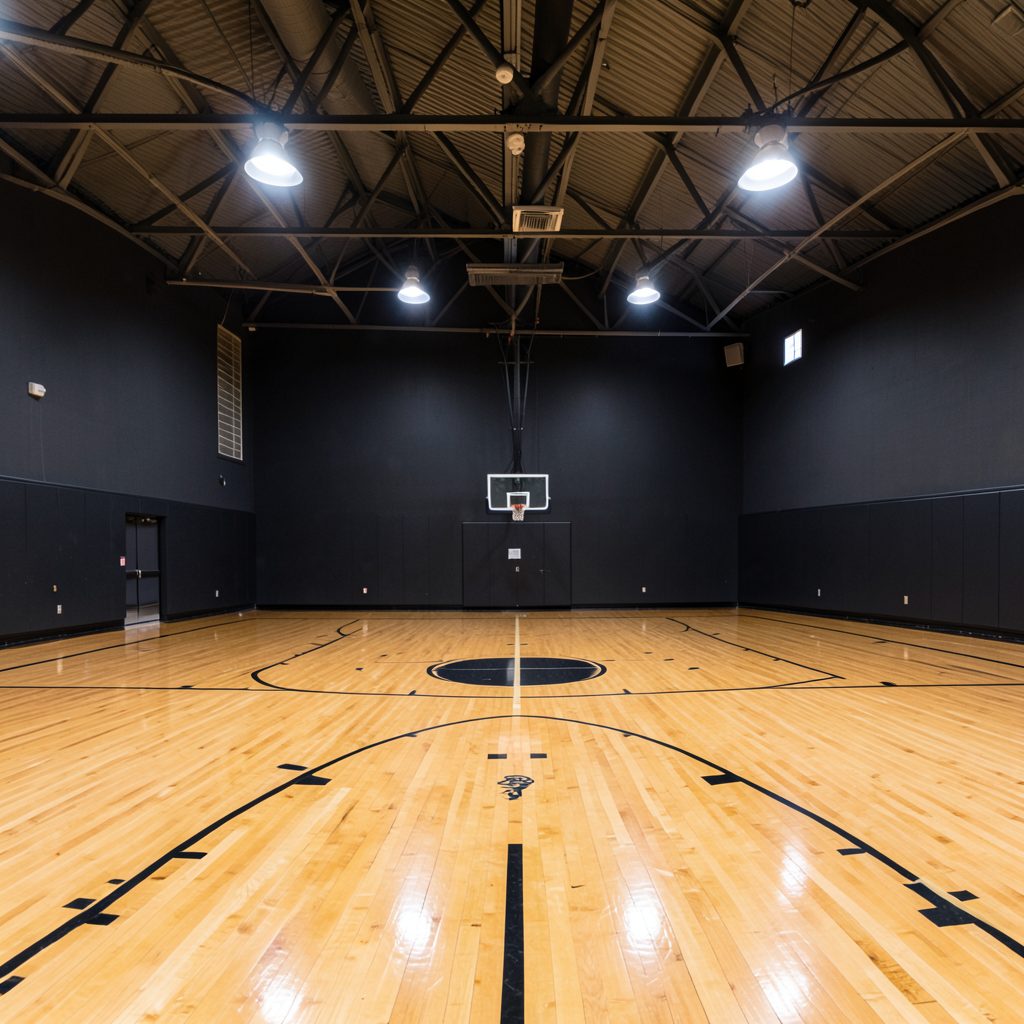
Inside The Factory
Three Entities, One Roof
Leagues
Eight league divisions span every age group: Indy Pro AM, 18+ Open Men's, 30+ Men's, Bite Size (ages 3–6), Impact League, 5th/6th Grade, Middle School, and High School. Gather your team and compete.
Training
Individual and group basketball training for all skill levels. Major M.O.V.E.S. Basketball Training serves ages 4–7 on Wednesday and Thursday evenings at 6:30 PM — $30 per session or $100 unlimited monthly.
Wellness & Recovery
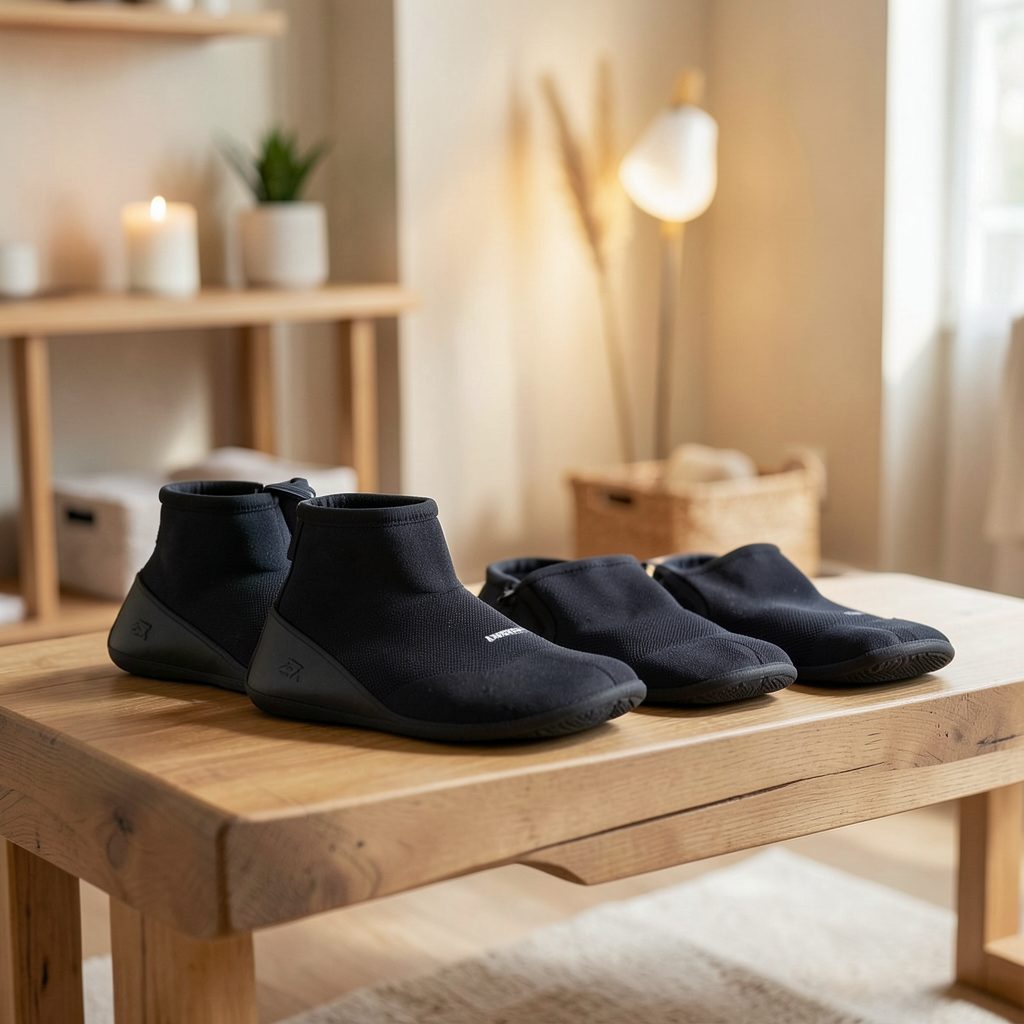
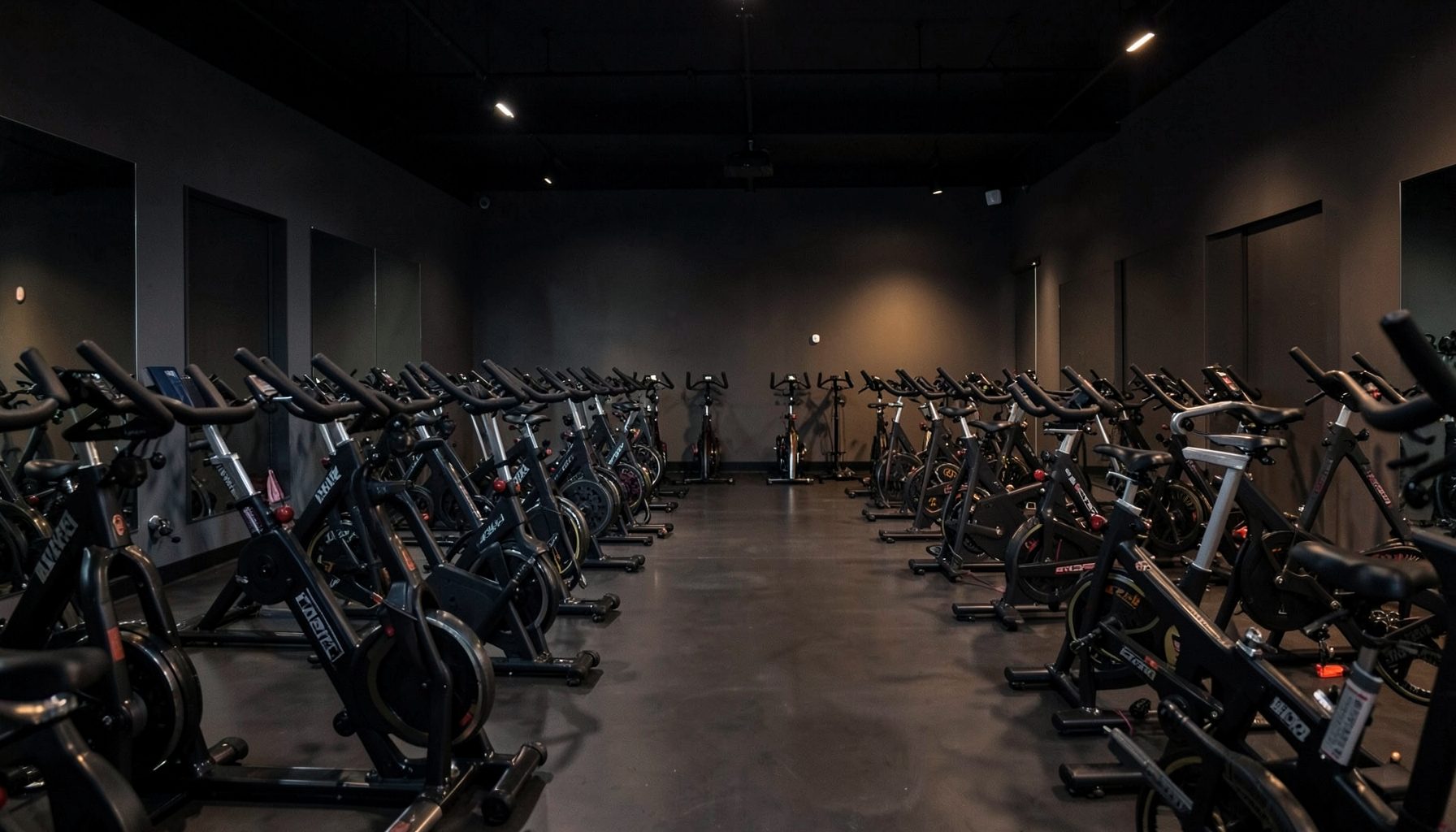
Normatec boot recovery and cryotherapy treatments help athletes bounce back faster. Cycle and spin classes add a cardio dimension to the holistic performance approach.
Have a Question?