Train. Compete. Recover.
A multi-purpose athletic facility in Speedway, Indiana — basketball leagues, skill training, and wellness services all under one roof.
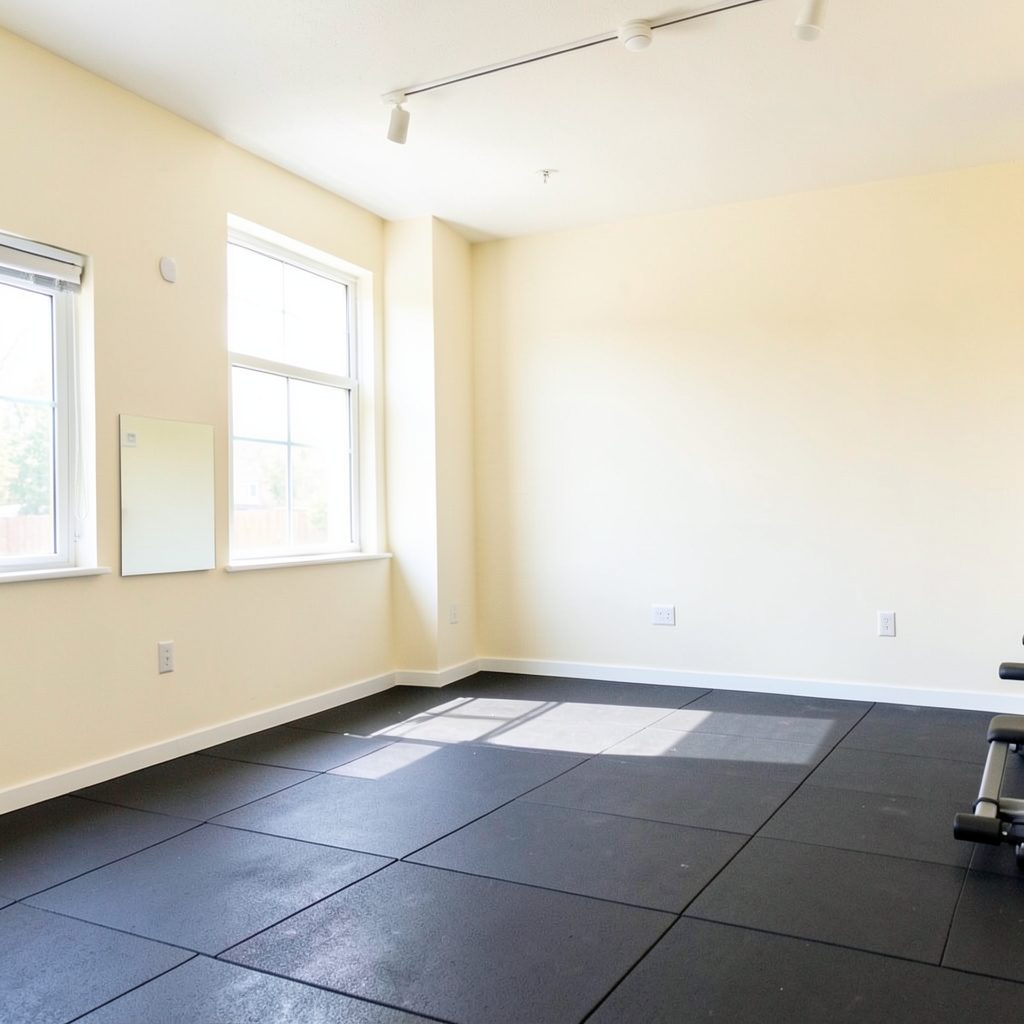
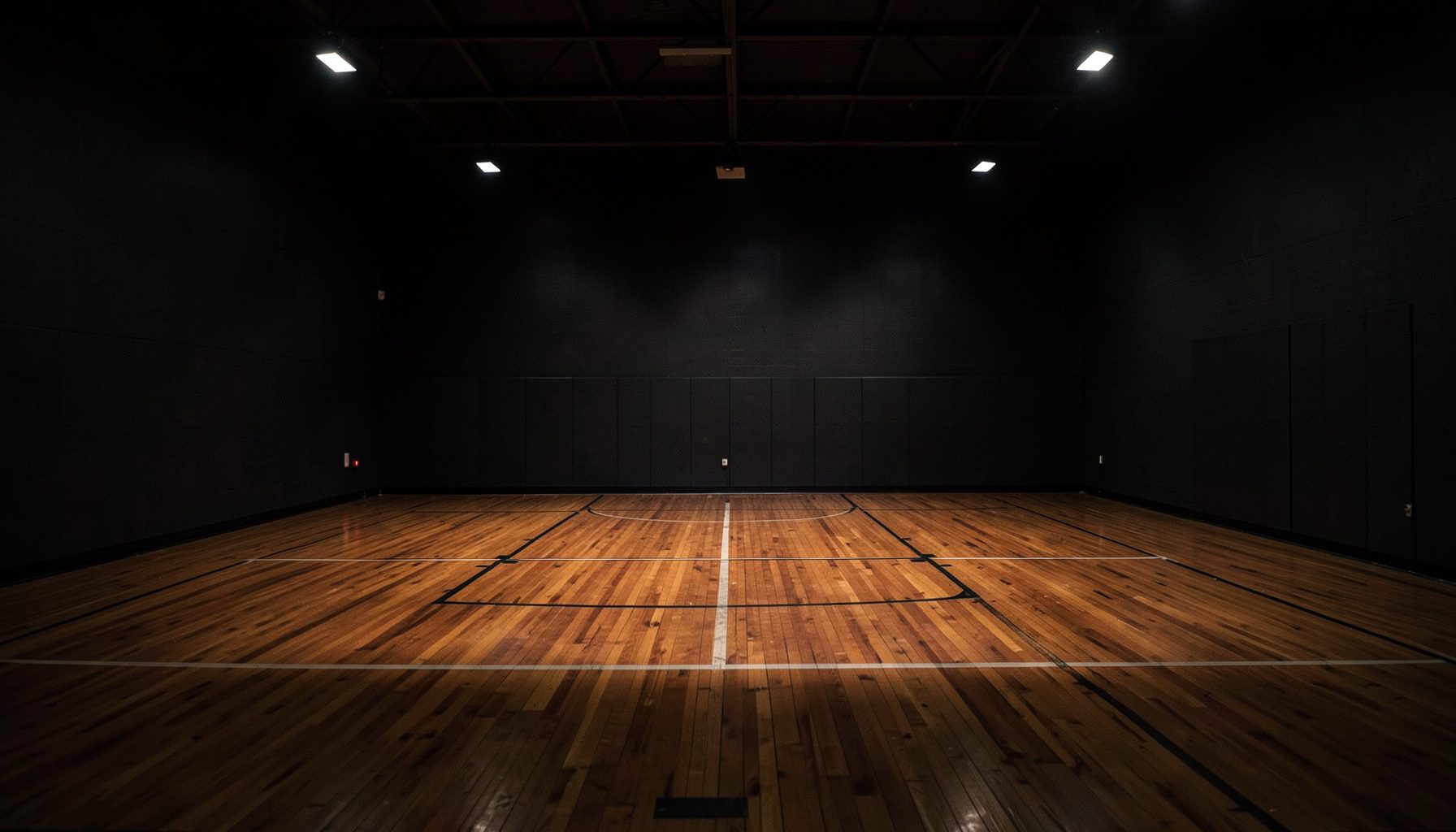
The Factory D1 Indy brings together three entities under one roof: competitive basketball leagues for all age groups, individual and group training, and wellness & recovery services including Normatec boot recovery and cryotherapy. Located off I-465 and High School Road at 6331 Crawfordsville Road, Speedway, Indiana 46224.
Get In TouchWhy Unstructured Play Helps Young Basketball Athletes Grow
Basketball training gives young players useful foundations: footwork, ball control, passing, shooting mechanics and defensive positioning. Yet structured instruction is only one part of becoming a confident athlete. Children also need time to play without a coach directing every movement, correcting every decision or assigning every role.
Unstructured playtime allows young basketball athletes to experiment, compete, negotiate and solve problems through movement. A driveway game in Brisbane, a schoolyard contest in Melbourne or an afternoon at a local court in Perth can develop instincts that formal drills rarely reproduce. When organised training and free play work together, children build skills that are physical, social and emotional.
What Free Play Develops Beyond Technique
A coached drill usually has a clear purpose. Players might repeat a crossover, practise a closeout or work through a passing pattern. This repetition is valuable, but it can make basketball feel predictable. Free play introduces changing conditions: an opponent reaches for the ball, a teammate cuts unexpectedly, the court is crowded or the score is close.
These moments help children read the game rather than simply follow instructions. They learn when to slow down, when to attack space, how to protect the ball and where a teammate may move next. Decision-making becomes quicker because the player is responding to real situations instead of waiting for a coach’s cue.
Unstructured games also give children permission to try unusual solutions. A young athlete might attempt a new pass, create a move from a soccer habit or discover that a change of pace works better than speed alone. Some experiments fail, but that feedback is part of developing creativity and court awareness.
Confidence Comes From Ownership
Children become more confident when they feel that their choices belong to them. In a free-play setting, there is no perfect answer supplied from the sideline. A player must decide whether to shoot, pass, drive or defend, then experience the result. Over time, this builds self-belief that transfers into matches and formal training.
Ownership can be especially important for children who are quiet, new to basketball or still developing coordination. A highly competitive organised session may make them reluctant to handle the ball. A relaxed half-court game with friends gives them repeated chances to participate at their own pace and find a role that feels comfortable.
Parents can support this process by praising effort, creativity and persistence instead of focusing on points scored. Comments such as “You saw the open space” or “You kept trying after losing the ball” reinforce useful habits. Young athletes should understand that improvement is measured through decisions and engagement, not only the final score.
Social Skills Grow In Small-Sided Games
Free play teaches lessons that extend beyond basketball. Children have to decide who starts, explain a rule, settle disagreements and include players with different abilities. They practise communication without a formal lesson on teamwork. These interactions can be messy, but they teach athletes how to function in a group.
Small-sided games are particularly effective because every player has more involvement. Two-on-two or three-on-three contests create frequent touches, defensive responsibilities and scoring opportunities. A child who rarely receives the ball in a full-court game can become a central contributor in a smaller format.
This approach suits Australian communities where basketball may share space with football, cricket, netball and athletics. Young people often arrive with different movement backgrounds and levels of experience. Free play lets them blend those influences, while a welcoming group helps them form friendships around sport rather than treating every session as a test.
Balancing Organised Training With Everyday Life
Australian families often manage school, homework, commuting, weekend sport and changing work schedules. A child may attend basketball training in Sydney on Tuesday, play netball or cricket on Saturday and spend other afternoons travelling across a large suburban area. Adding more formal sessions is not always the best route to development.
Short, regular opportunities for spontaneous play can be easier to maintain. A 20-minute shootaround before dinner, a game at a local recreation centre or a weekend session at an outdoor court can provide valuable movement without creating another major commitment. In hotter regions such as Brisbane, Darwin and parts of Western Australia, families may choose early morning or evening play and carry water, sunscreen and hats.
Access also depends on the local market. Court hire, transport and equipment can be expensive, particularly when several children play different sports. Families can use school courts, council facilities, shared driveways and community basketball rings when available. A soft ball, portable hoop or marked target can turn a small space into a setting for playful skill development.
Safety And Freedom Can Coexist
Unstructured does not mean unsupervised or careless. Adults should choose an appropriate environment, check the surface, set boundaries and make sure children understand basic safety rules. Players need enough space, suitable footwear and access to water. Younger children may require closer supervision, while older players can take more responsibility for organising games.
Safeguarding also matters in organised facilities. Australian states and territories have different child protection requirements, and many clubs expect coaches and volunteers to hold a Working with Children Check. Families should look for providers that follow clear supervision, inclusion and reporting procedures. The Australian Sports Commission’s child safety principles are useful reference points when assessing a programme.
Recovery is part of a safe training culture as well. Children do not need an adult athlete’s workload, but they do need sleep, rest days, hydration and attention to pain. Families can learn more about sensible post-session support through athlete recovery services, while remembering that recovery tools should complement basic habits rather than replace them.
A Better Path From Play To Performance
Free play and coaching should support each other. A coach can observe how a child moves during an informal game, then use those observations to shape a targeted session. If several players struggle to create space, the next practice might include cutting and spacing games. If they rely on one dominant ball-handler, the coach can design activities that encourage shared decision-making.
The transition into formal sessions should also preserve curiosity. A warm-up can include tag games, reaction challenges and partner passing rather than beginning with a rigid sequence every time. The recommended pre-game warm-up can help athletes prepare physically while still leaving room for movement variety and individual rhythm.
Competitive leagues can offer another valuable setting when the emphasis remains age-appropriate. Early-childhood divisions should prioritise participation and basic enjoyment, while older groups can gradually handle tactics, performance goals and stronger competition. The Factory D1 Indy model, with skills training, youth programmes and leagues for different ages, reflects how development can include instruction, community and competition in the same athletic environment.
A useful weekly rhythm might include one or two coached sessions, a game or league fixture, and several brief periods of self-directed play. The exact mix should reflect the child’s age, interest, school workload and recovery needs. A player who finishes every session exhausted may need less volume and more relaxed movement, while a highly motivated athlete may benefit from carefully planned challenges.
When adults protect time for free play, they give children room to become adaptable basketball players. They learn to make choices, cope with mistakes, communicate with teammates and enjoy the feeling of improvement. Families can build that balance by combining quality coaching with accessible local courts, playful games at home and enough recovery between demanding activities.
Create space this week for a simple game with no set plays and no pressure to perform. Add purposeful training when it helps, keep safety and wellbeing central, and let young athletes discover what they can do when the next move is theirs to choose.
Inside The Factory

Three Entities, One Roof
Leagues
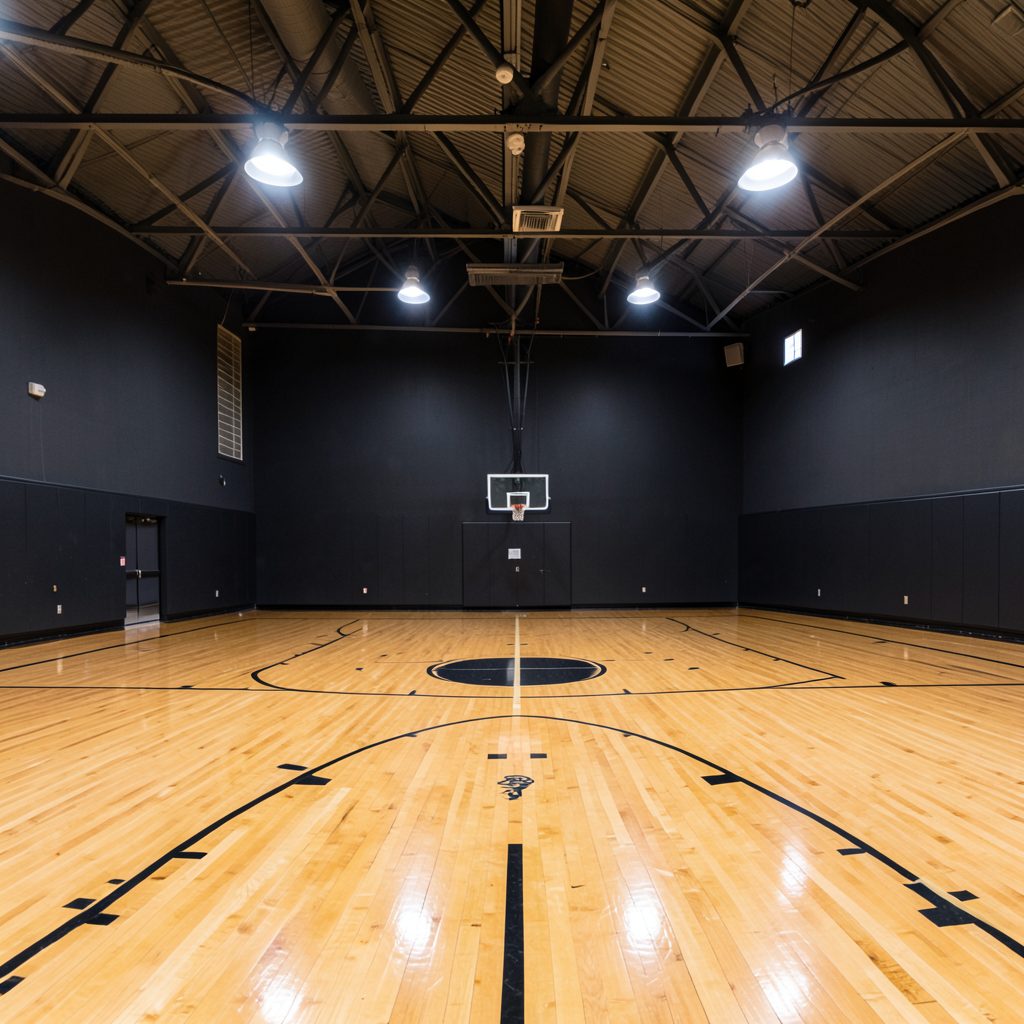
Eight league divisions span every age group: Indy Pro AM, 18+ Open Men's, 30+ Men's, Bite Size (ages 3–6), Impact League, 5th/6th Grade, Middle School, and High School. Gather your team and compete.
Training
Individual and group basketball training for all skill levels. Major M.O.V.E.S. Basketball Training serves ages 4–7 on Wednesday and Thursday evenings at 6:30 PM — $30 per session or $100 unlimited monthly.
Wellness & Recovery
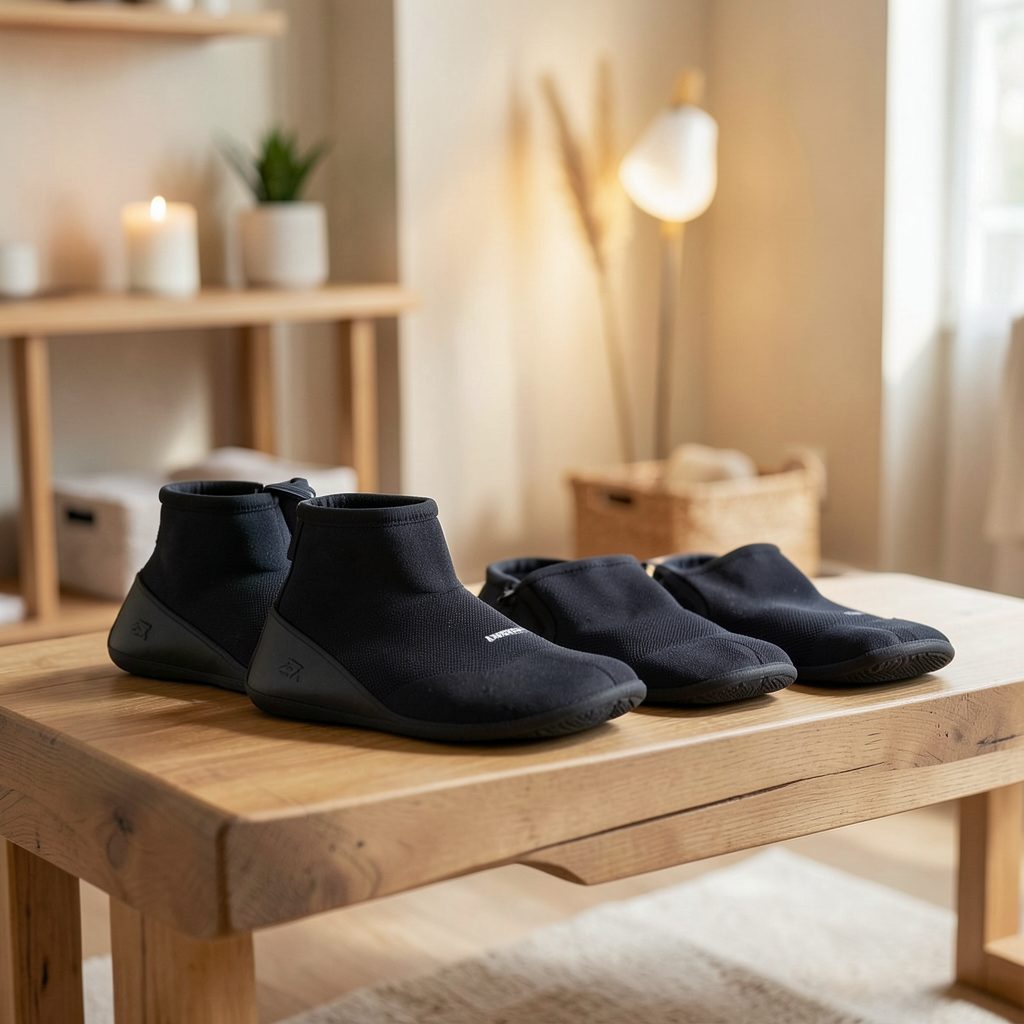
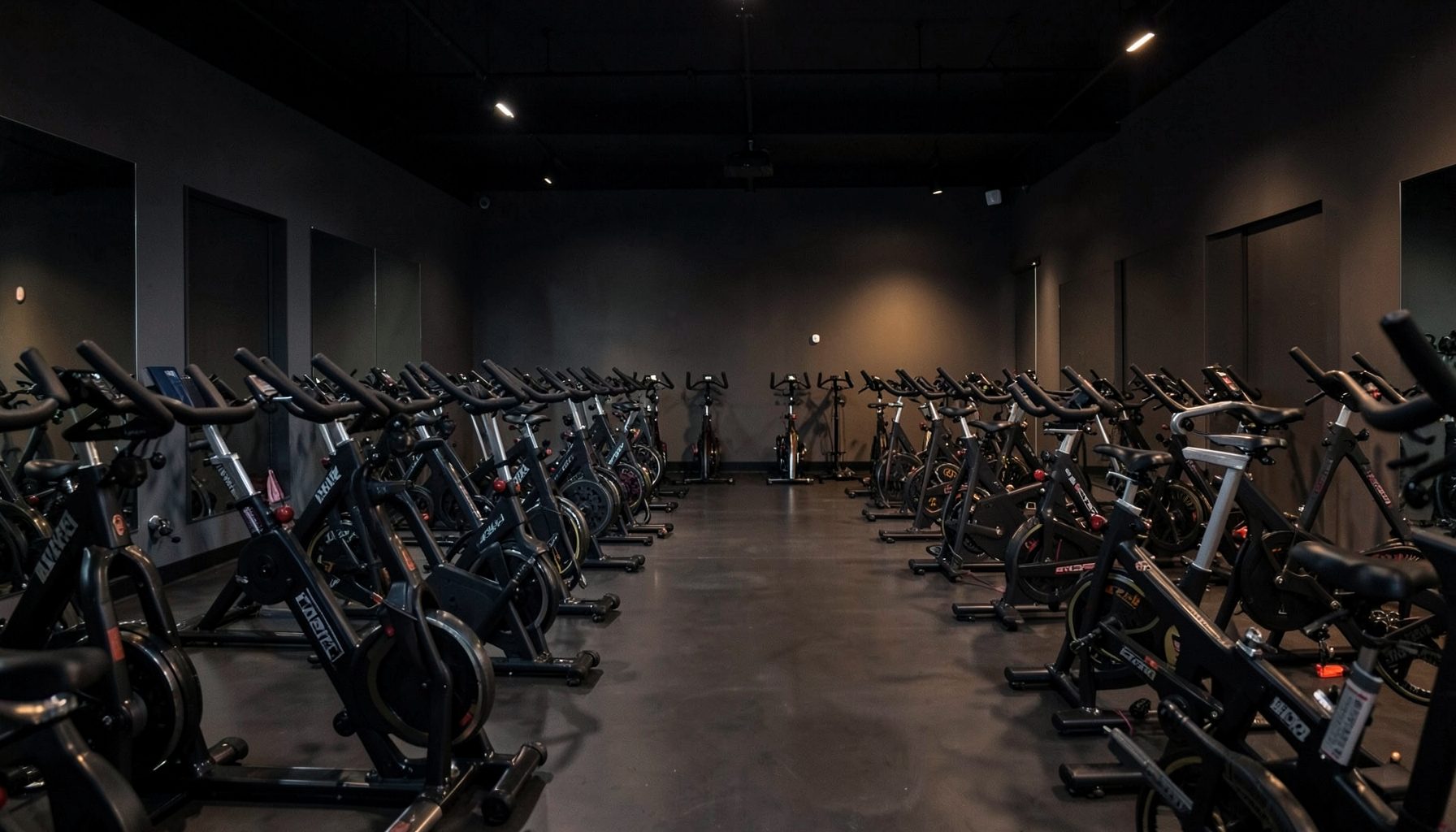
Normatec boot recovery and cryotherapy treatments help athletes bounce back faster. Cycle and spin classes add a cardio dimension to the holistic performance approach.
Have a Question?