Train. Compete. Recover.
A multi-purpose athletic facility in Speedway, Indiana — basketball leagues, skill training, and wellness services all under one roof.
The Factory D1 Indy brings together three entities under one roof: competitive basketball leagues for all age groups, individual and group training, and wellness & recovery services including Normatec boot recovery and cryotherapy. Located off I-465 and High School Road at 6331 Crawfordsville Road, Speedway, Indiana 46224.
Get In TouchWhy We Schedule Spin Classes on Rest Days for Basketball Players
A rest day is not the same as a day off from movement. For basketball players, the aim is to unload tired joints and protect fresh tissue without losing their conditioning rhythm. A controlled spin class can fill that gap because it raises the heart rate without the repeated jumping, cutting and landing that make basketball practice so demanding.
Spin is not automatically recovery, however. Hard efforts, competitive rides and poor pacing can create more fatigue than a player needs. Our recovery-focused classes are deliberately low in intensity, with an emphasis on smooth movement, breathing and steady output rather than sprints or resistance.
At The Factory D1 Indy in Speedway, Indiana, recovery sits alongside basketball training, youth development and competitive leagues for every age group. Athletes can take individual or group skills sessions, play in structured leagues or use the facility’s cycle classes, Normatec compression therapy and cryotherapy as parts of a broader training plan.
The right recovery session still depends on age, workload, injury history and how a player feels. Scheduling spin classes on rest days for basketball players is useful when the session is adjusted to those factors, not when every athlete follows the same rigid routine.
Rest day training without extra pounding
Basketball places a particular combination of demands on the body. Sprinting, defensive slides and repeated vertical jumps create impact and muscular stress, while practices and games can limit the time available for a separate conditioning session. A low-impact ride gives an athlete another way to move without adding substantial joint compression.
The purpose of active recovery is to keep blood moving and maintain a sense of routine while the body adapts to previous training. It can also leave an athlete feeling less stiff after a demanding week. The session should remain comfortable enough that the player can control their breathing and finish with energy rather than feeling depleted.
There are clear exceptions. An athlete with a new injury, unusual pain, dizziness or major fatigue should stop and seek appropriate guidance. Rest means rest when the body needs it, and a recovery class should never be used to push through warning signs.
Why low-intensity spin can work
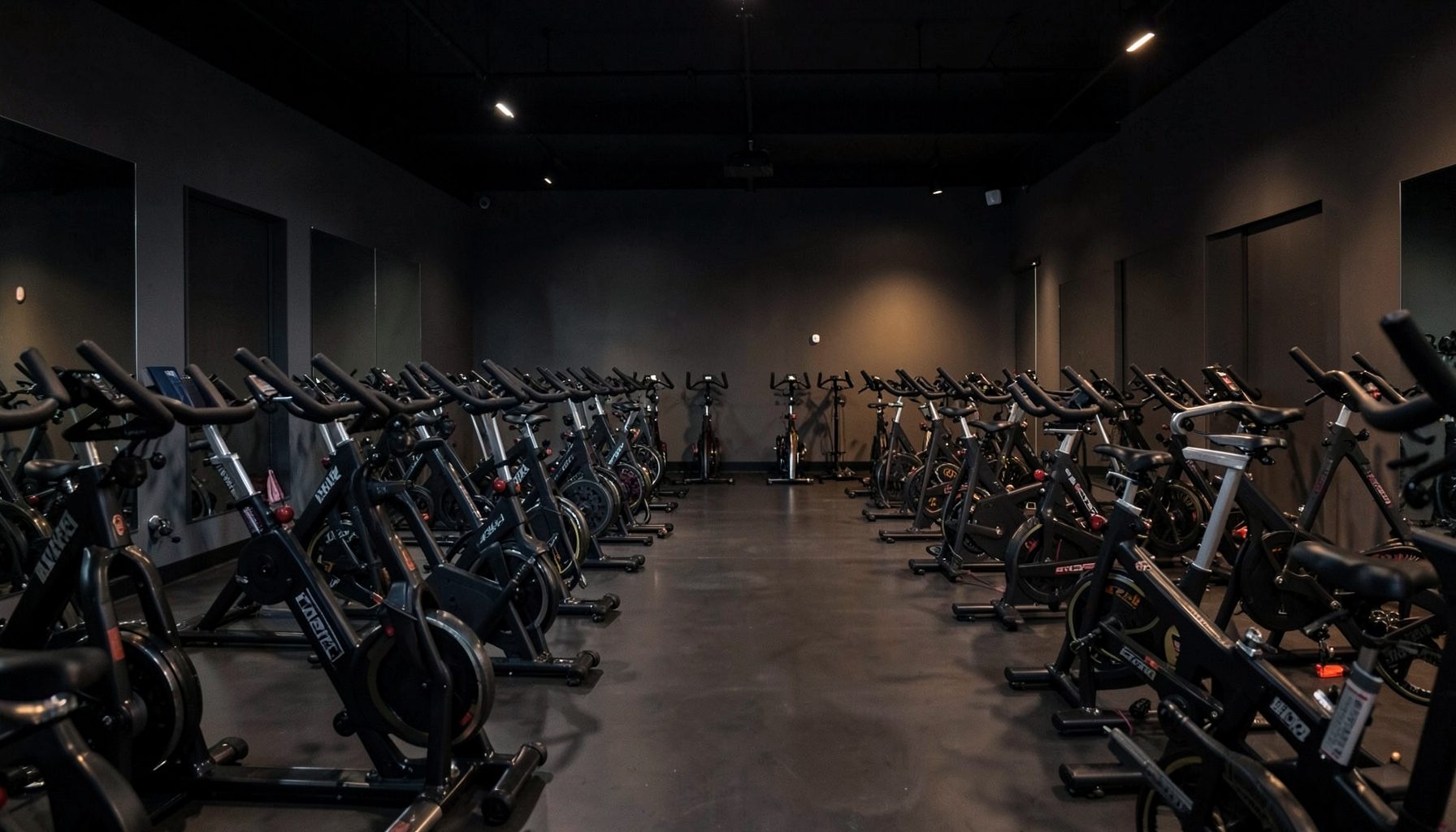
Indoor cycling gives the legs and cardiovascular system a controlled workout without requiring the player to jump, land or change direction quickly. That makes it especially useful when the feet, knees or lower back need a break from court-specific movement. The bike also provides a stable surface for rebuilding aerobic work gradually.
Recovery sessions can also offer a mental break. Practices often revolve around instructions, teammates and performance, while a spin class lets an athlete focus on rhythm, posture and breathing. That change of pace can be valuable during a busy season, particularly for players balancing basketball with school, work or travel.
The indoor setting also makes the class practical in different climates. Australian players are familiar with hot, humid summer conditions, so training in an air-conditioned space can be more comfortable than an outdoor ride. Basketball venues in Melbourne, Brisbane, Adelaide and other cities similarly rely on climate-controlled facilities during the warmer months.
Building a session players can repeat
A useful recovery class begins with a clear intensity target. Players should be able to speak in short sentences without gasping, often described as an easy conversational pace. We avoid using heart-rate zones as the only guide because younger players and those returning from injury may interpret numbers differently.
Most sessions combine a comfortable warm-up, steady cycling and a gradual cool-down. Duration can vary according to the athlete’s training load and experience. Some players need only a short flush after a hard practice, while others benefit from a longer, controlled session at the end of the week.
Individual and group formats allow the same class to remain flexible. A younger athlete working through a growth spurt may need different guidance from an adult competitor carrying several games each week. The Factory D1 Indy’s basketball programs, from early-childhood divisions through adult leagues, make it easier to match recovery work with a player’s actual competitive demands.
Recovery works better as a package
No recovery session can replace sleep, suitable food and hydration. Muscles need adequate fuel and time to repair, while basketball training requires energy that must be replenished between demanding sessions. Recovery planning works best when the spin class is treated as one part of the week rather than as a stand-alone solution.
Compression and temperature-based therapies can support comfort and recovery routines. For persistent soreness, our explanation of cryotherapy and muscle pain discusses why consistent use, appropriate screening and individual responses matter. Cryotherapy is not suitable for everyone and should complement, not conceal, an injury that needs professional assessment.
The available recovery options at The Factory D1 Indy also give athletes different ways to respond to their workload. Some players combine cycling with Normatec compression after a game, while others choose cryotherapy to settle post-session soreness. The useful question is not which tool sounds most advanced, but which method supports the athlete’s goals without interfering with the next training session.
Making the approach practical in Australia
Basketball has a strong community base across Australia, supported by school competitions, local clubs and leagues such as NBL1. Weekend fixtures can turn a short stretch of the week into several intense games, especially for players travelling between regional centres. Recovery classes then need to fit neatly around competition schedules.
Aussie sporting culture often values giving every participant a fair go, and that applies to recovery programming as much as selection. A newer player should not be pushed into a group session designed for a highly conditioned competitor. Equally, an experienced athlete should be challenged enough to gain value from the time spent on the bike.
Players also understand the “knock-on effects” of poor preparation. A tired game on Saturday can reduce shooting quality on Sunday and leave little energy for school or work on Monday. For a broader view of community conversations around local sport, The Trib Daily offers additional context alongside club, league and training updates.
Come to a recovery-focused spin class at The Factory D1 Indy and experience a low-impact way to keep moving between basketball sessions. Speak with the coaching team about your training load and goals so the session can match your game schedule, fitness level and recovery needs.
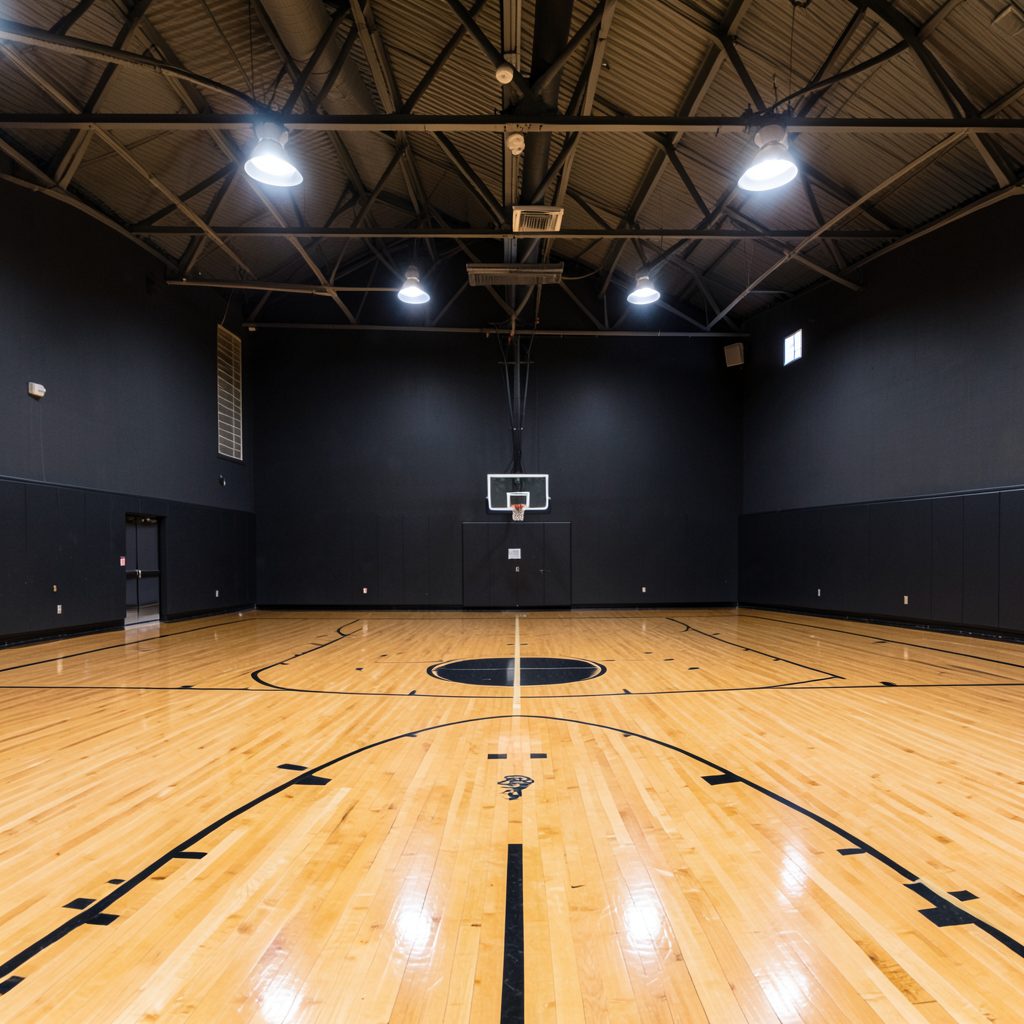
Inside The Factory

Three Entities, One Roof
Leagues
Eight league divisions span every age group: Indy Pro AM, 18+ Open Men's, 30+ Men's, Bite Size (ages 3–6), Impact League, 5th/6th Grade, Middle School, and High School. Gather your team and compete.
Training
Individual and group basketball training for all skill levels. Major M.O.V.E.S. Basketball Training serves ages 4–7 on Wednesday and Thursday evenings at 6:30 PM — $30 per session or $100 unlimited monthly.
Wellness & Recovery
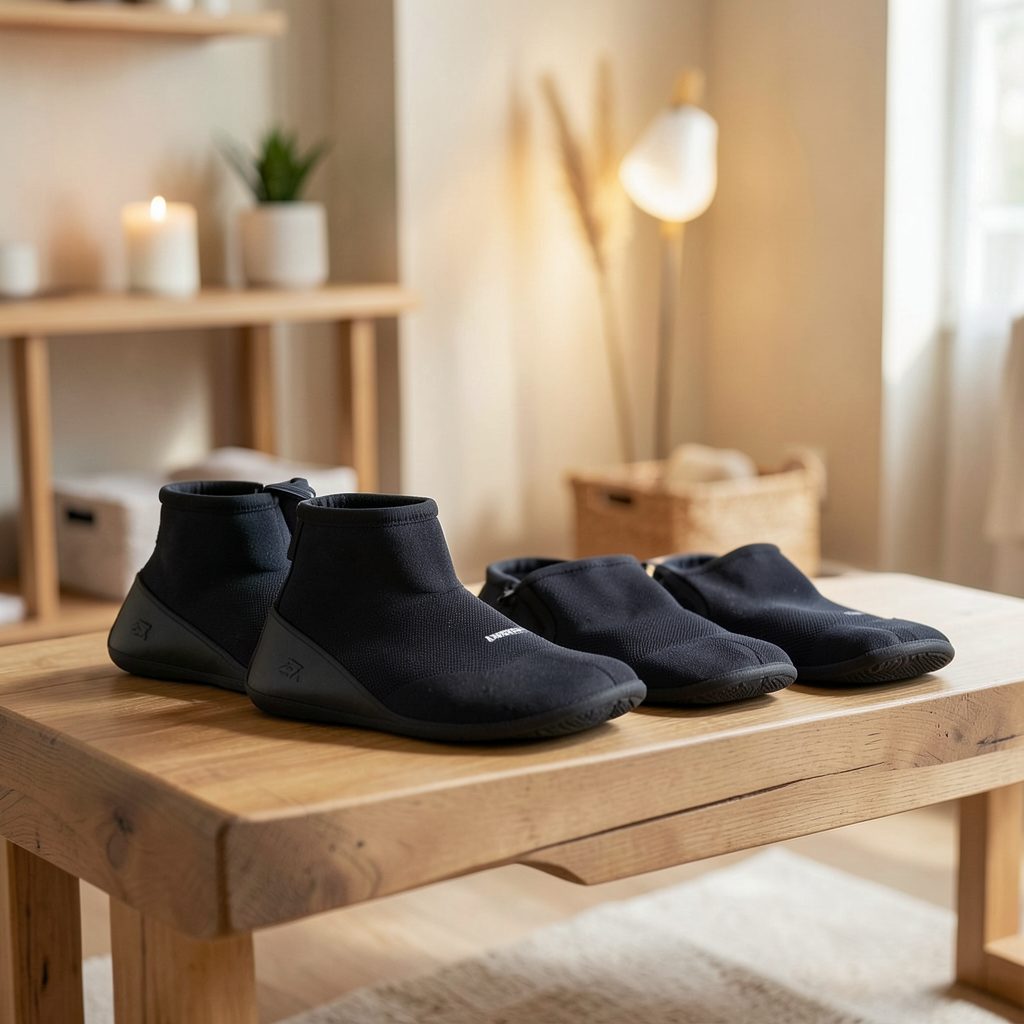
Normatec boot recovery and cryotherapy treatments help athletes bounce back faster. Cycle and spin classes add a cardio dimension to the holistic performance approach.
Have a Question?