Train. Compete. Recover.
A multi-purpose athletic facility in Speedway, Indiana — basketball leagues, skill training, and wellness services all under one roof.
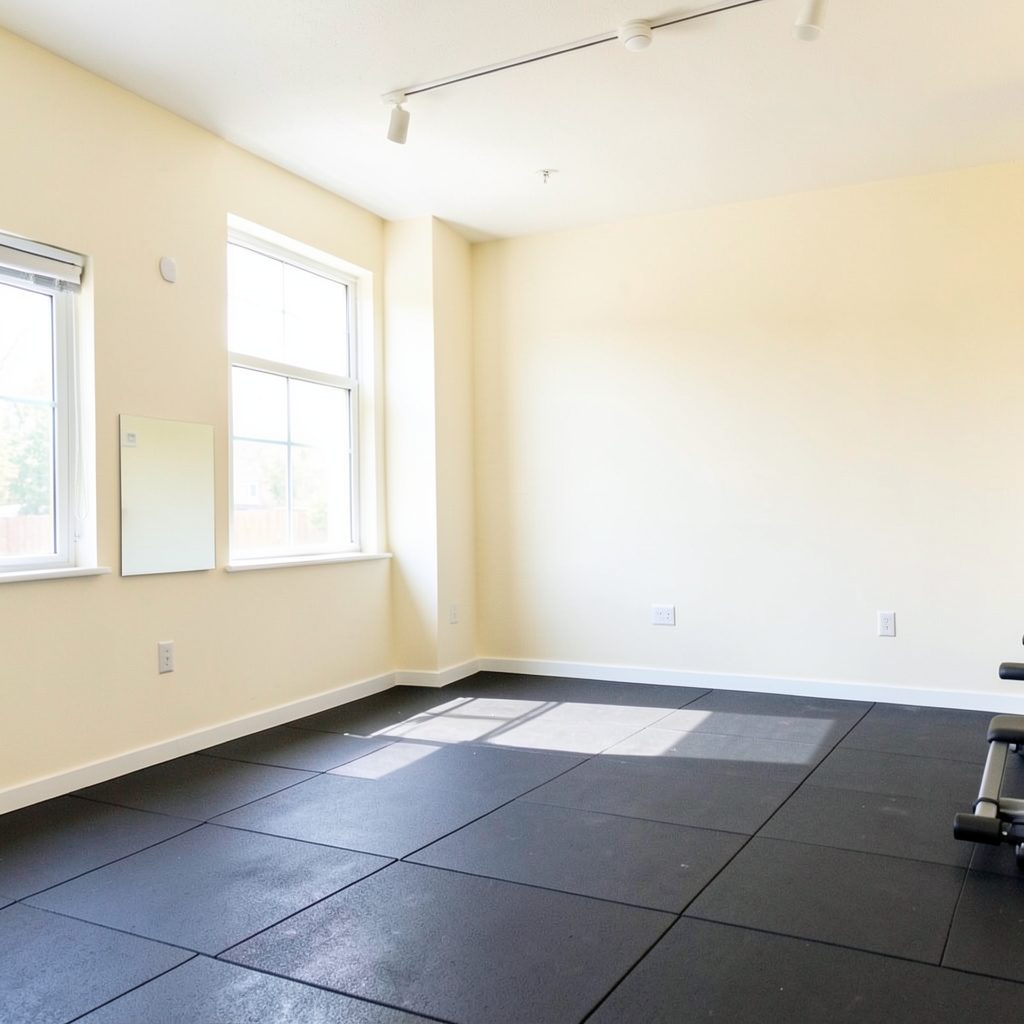
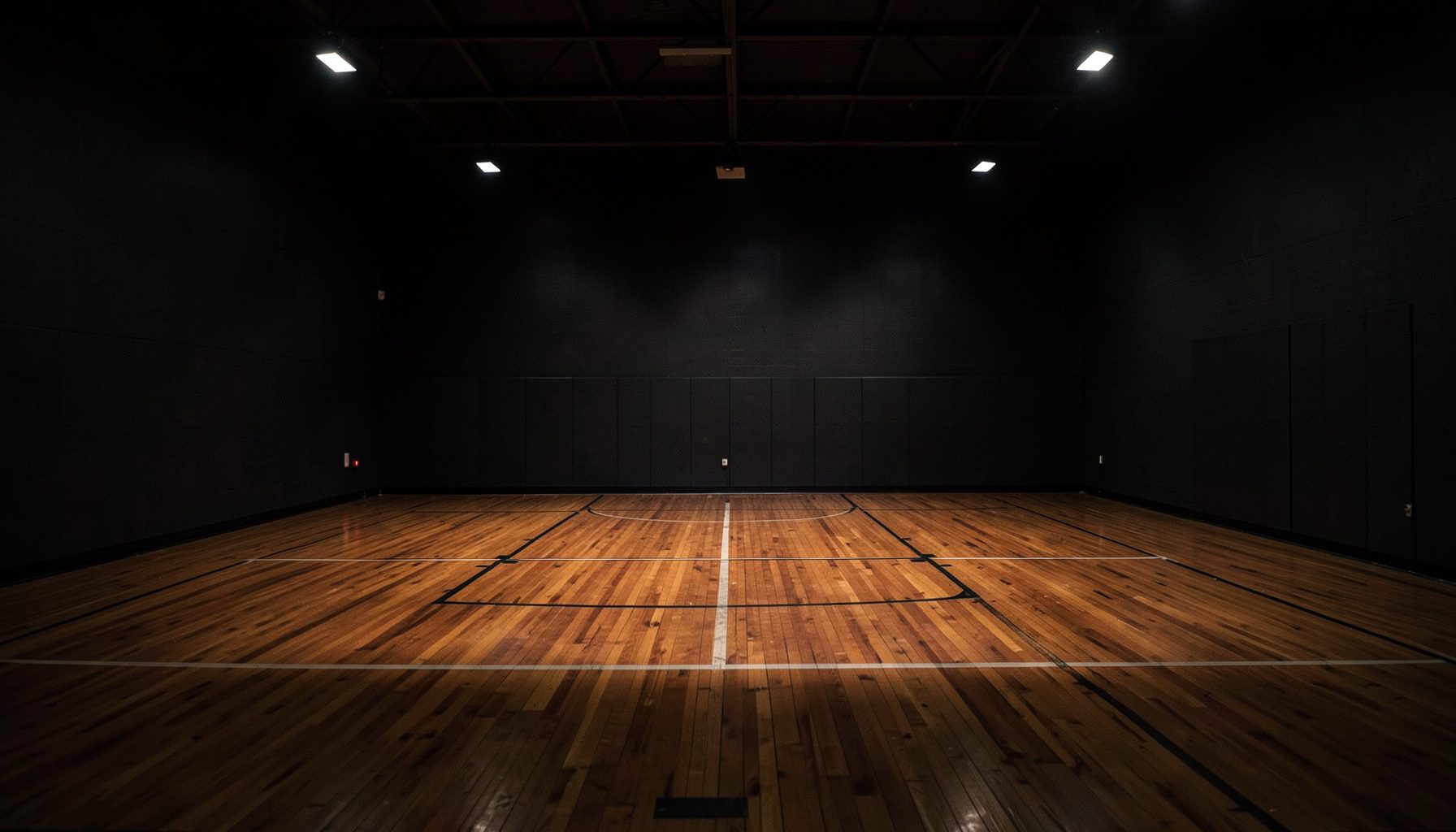
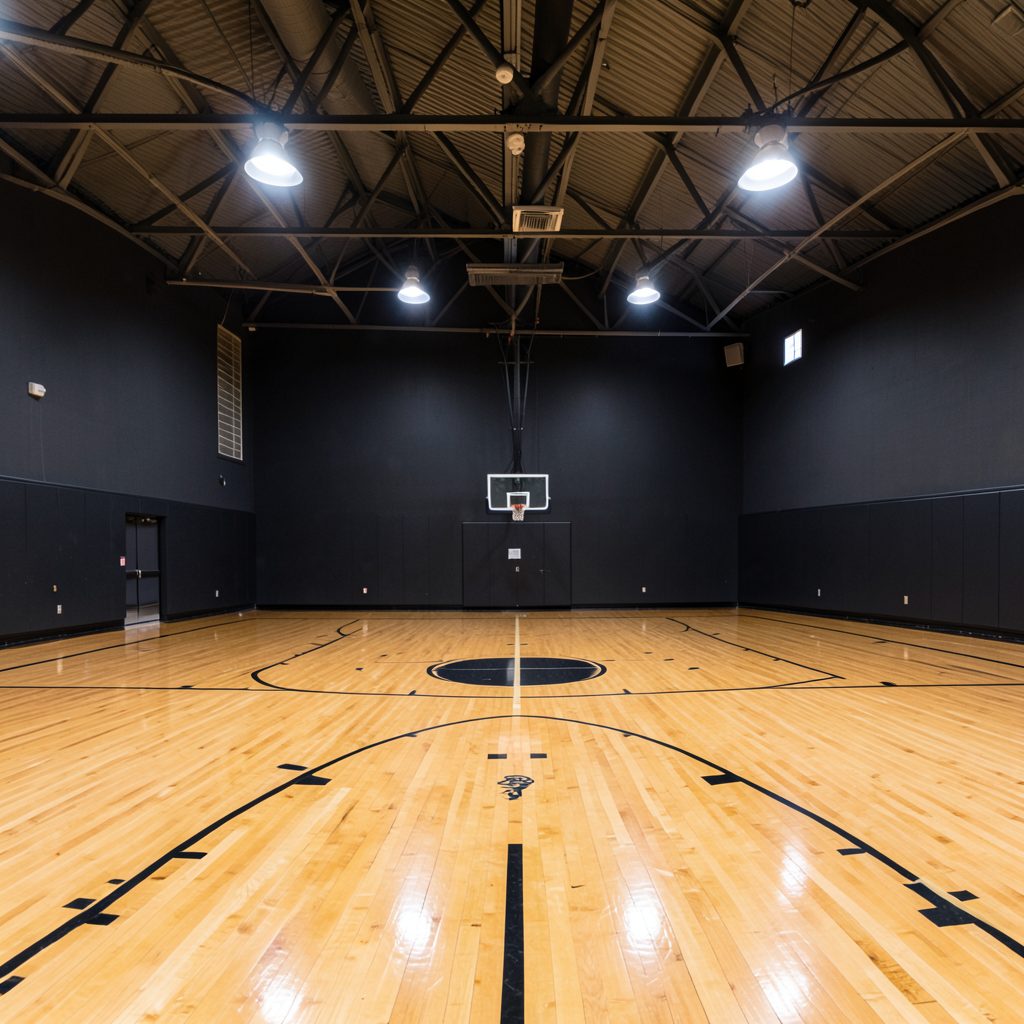
The Factory D1 Indy brings together three entities under one roof: competitive basketball leagues for all age groups, individual and group training, and wellness & recovery services including Normatec boot recovery and cryotherapy. Located off I-465 and High School Road at 6331 Crawfordsville Road, Speedway, Indiana 46224.
Get In TouchWhy Youth Practices Blend Skill Drills And Scrimmages
Youth basketball development works best when learning is active, purposeful and enjoyable. A practice built entirely around repetitive exercises can sharpen technique, yet players may struggle to recognise when and how to use those skills in a real game. A session made up only of scrimmages can be exciting, but it may leave important weaknesses unaddressed. Learn more about Yoga Nidra Scripts To Use In Your Own Practice.
That is why we structure youth practices with a mix of drills and scrimmage time. The balance gives athletes clear instruction, repeated opportunities to practise, and enough live play to turn new habits into decisions under pressure. Players learn the fundamentals while developing awareness, confidence and a stronger feel for the rhythm of competition.
This approach suits a wide range of ages and experience levels, from children discovering basketball for the first time to teenagers preparing for school, club or representative pathways. It also reflects the needs of families in Australia, where weekend competitions, school sport and holiday clinics often bring together players with very different training backgrounds.
| Practice Element | Main Purpose | What Players Develop |
|---|---|---|
| Skill drills | Teach and refine a specific movement | Technique, coordination and consistency |
| Small-sided games | Connect skills with simple decisions | Spacing, passing and defensive awareness |
| Full-court scrimmage | Replicate game demands | Communication, transition play and confidence |
| Coach feedback | Correct habits and reinforce progress | Understanding, focus and self-awareness |
Drills Build Reliable Basketball Habits
Drills allow coaches to isolate a skill and give players enough repetitions to understand it. A young athlete can work on a controlled crossover, a balanced jump shot, a chest pass or a defensive slide without having to solve every other problem at the same time. This reduces confusion and helps the movement become more natural.
Repetition matters because reliable technique gives players options during a game. A player who has practised stopping under control is more prepared to make a pass instead of travelling. Someone who has repeated close-out footwork is more likely to defend without reaching. These small details shape decision-making when the pace increases.
Drills are adjusted according to age, confidence and physical development. Younger players may use shorter distances, lighter demands and playful challenges, while older athletes can handle tighter time limits, defensive pressure and more advanced combinations. The aim is quality practice rather than simply counting repetitions.
Scrimmages Turn Skills Into Decisions
Basketball is a decision-making sport, so players need opportunities to read defenders, find space and react to teammates. Scrimmage time creates those conditions. It shows whether a player can use a dribble move when a defender cuts off the first option, or whether a passer can recognise a teammate making a backdoor run.
Live play also develops skills that are difficult to teach through isolated repetition. Players learn when to slow down, when to attack, how to communicate in transition and where to stand when they do not have the ball. Small-sided games are especially useful because each athlete gets more touches, more defensive responsibilities and more chances to make a meaningful choice.
For Australian players accustomed to school competitions, weekend fixtures and club basketball, this game connection is essential. Whether a young athlete is playing in Melbourne, Sydney, Brisbane or a regional association, the ability to transfer training into a changing game environment makes practice more valuable.
The Balance Keeps Players Engaged
Enjoyment is a major part of long-term participation. Children are more likely to stay involved when training includes variety, achievable challenges and time to play with friends. A practice that moves between focused instruction and energetic competition can maintain attention better than a single activity repeated for an entire session.
Scrimmages give players a chance to experience progress immediately. After working on defensive stance, they can test it against an opponent. After practising passing angles, they can look for those opportunities in a live possession. That connection helps athletes understand why a drill matters instead of viewing it as an unrelated exercise.
This structure also respects the rhythm of Australian youth sport. Families often fit basketball around school terms, swimming, athletics, Australian Rules football and other commitments. Efficient, varied sessions help players make the most of the time they have on court, whether they are attending a weekly programme or a school-holiday camp.
Coaches Can Teach Without Overloading Players
A mixed practice gives coaches several ways to deliver feedback. During a drill, an instruction can be brief and specific: lower the stance, protect the ball, land under control or see the next pass. During a scrimmage, the coach can observe whether the player applies that point naturally when facing pressure.
The timing of feedback matters. Stopping play too often can interrupt the flow and make athletes hesitant. Offering no feedback can allow poor habits to continue. A balanced session gives the coach moments to pause, teach and reset, followed by enough uninterrupted play for athletes to experiment and solve problems.
Coaches can also use constraints to guide learning without controlling every action. For example, a team might need to complete three passes before shooting, score from a paint touch or recover behind the ball after a turnover. These rules encourage particular behaviours while preserving the unpredictability that makes basketball engaging.
Physical Development Supports Better Play
Basketball practice is also a chance to develop balance, coordination, strength and movement quality. Players need to accelerate, decelerate, jump, land and change direction repeatedly. Drills can focus on these foundations, while scrimmages reveal how well athletes maintain them when tired or distracted. More guidance on movement foundations appears in this core strength guide.
Physical preparation should be appropriate for the athlete’s age and training experience. Youth sessions focus on body control, safe landing positions and efficient movement rather than heavy loading or exhausting conditioning. As players mature, coaches can add more demanding footwork, reaction work and game-specific fitness.
Recovery belongs in the wider training picture too. Australian conditions can make indoor activity particularly valuable during very hot summer days, while busy school and competition schedules can leave young athletes carrying fatigue from several activities. Good coaching includes hydration reminders, sensible workloads, rest periods and an emphasis on quality movement.
The Structure Builds Confidence And Teamwork
Confidence grows when players experience small successes and then test them in realistic situations. A drill may help an athlete master a new finish, while a scrimmage allows them to attempt it against a defender. Even if the first effort fails, the player learns that trying, adjusting and trying again are normal parts of development.
Teamwork develops through repeated communication and shared responsibility. Players must call screens, identify help defence, make outlet passes and encourage teammates after mistakes. Scrimmages reveal these habits clearly, while drills can give the group a common language for the actions they are expected to perform.
For clubs and facilities serving the Australian market, this approach also supports different goals within the same programme. Some athletes may be working towards Basketball Australia pathways or representative selection, while others simply want to improve, stay active and enjoy competition. A flexible practice model can challenge advanced players without making beginners feel out of place.
A Practice Model That Prepares Athletes For Games
A typical session may begin with movement preparation and ball-handling, move into a focused skill block, then progress to a small-sided game. The final scrimmage can feature a particular theme, such as transition defence, spacing or attacking close-outs. This sequence gradually increases complexity while keeping the purpose of each activity clear.
The balance does not need to be identical in every session. A beginner group may spend longer learning footwork and basic passing, while an experienced team may need more live play and tactical problem-solving. Coaches can change the ratio according to the competition calendar, player needs and the skill being developed.
A multi-purpose facility such as basketball training services can support this broader approach by combining court development with conditioning and recovery options. The central idea remains simple: teach the skill, create a reason to use it, then give players enough freedom to make decisions.
Families can support the process by valuing effort, communication and improvement rather than focusing only on points scored. Encourage young athletes to notice good defensive possessions, smart passes and brave decisions. With consistent practice, the combination of drills and scrimmages helps players become more capable, adaptable and ready for the demands of real competition.
Explore youth basketball opportunities at The Factory D1 Indy and give your athlete a training environment where fundamentals, game experience and enjoyment work together. Explore the available programmes, choose the right fit for your player and make the next practice a meaningful step forward.
Inside The Factory

Three Entities, One Roof
Leagues
Eight league divisions span every age group: Indy Pro AM, 18+ Open Men's, 30+ Men's, Bite Size (ages 3–6), Impact League, 5th/6th Grade, Middle School, and High School. Gather your team and compete.
Training
Individual and group basketball training for all skill levels. Major M.O.V.E.S. Basketball Training serves ages 4–7 on Wednesday and Thursday evenings at 6:30 PM — $30 per session or $100 unlimited monthly.
Wellness & Recovery
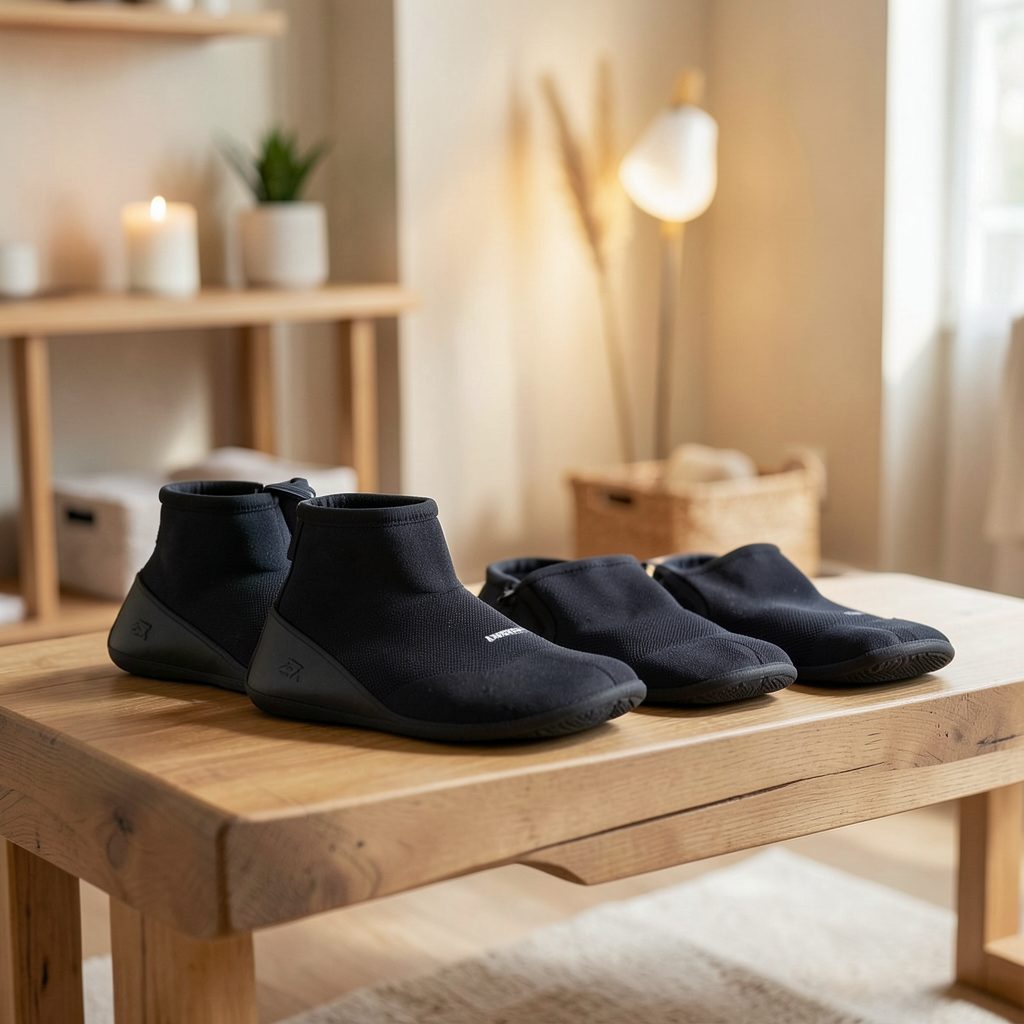
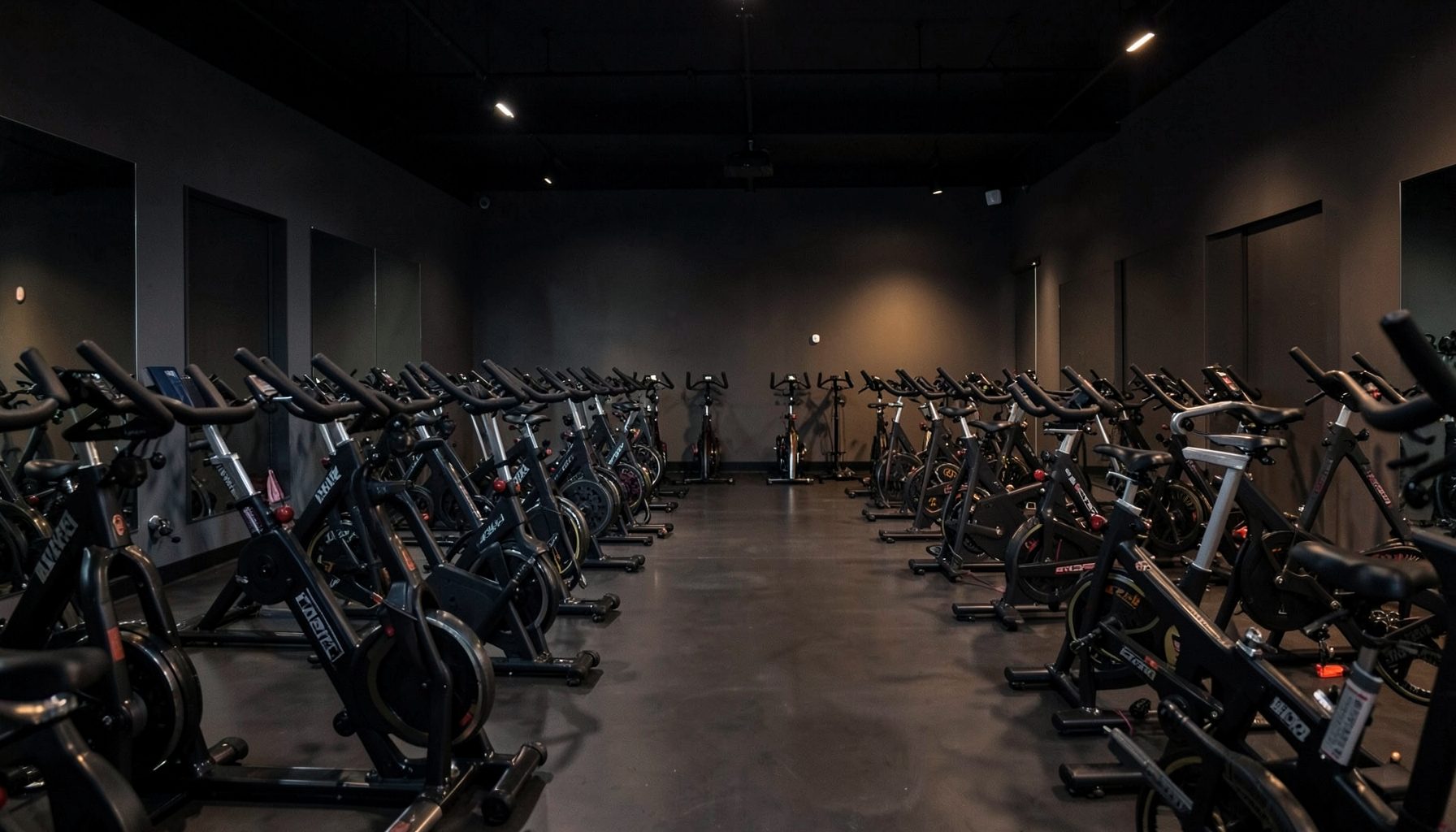
Normatec boot recovery and cryotherapy treatments help athletes bounce back faster. Cycle and spin classes add a cardio dimension to the holistic performance approach.
Have a Question?