Train. Compete. Recover.
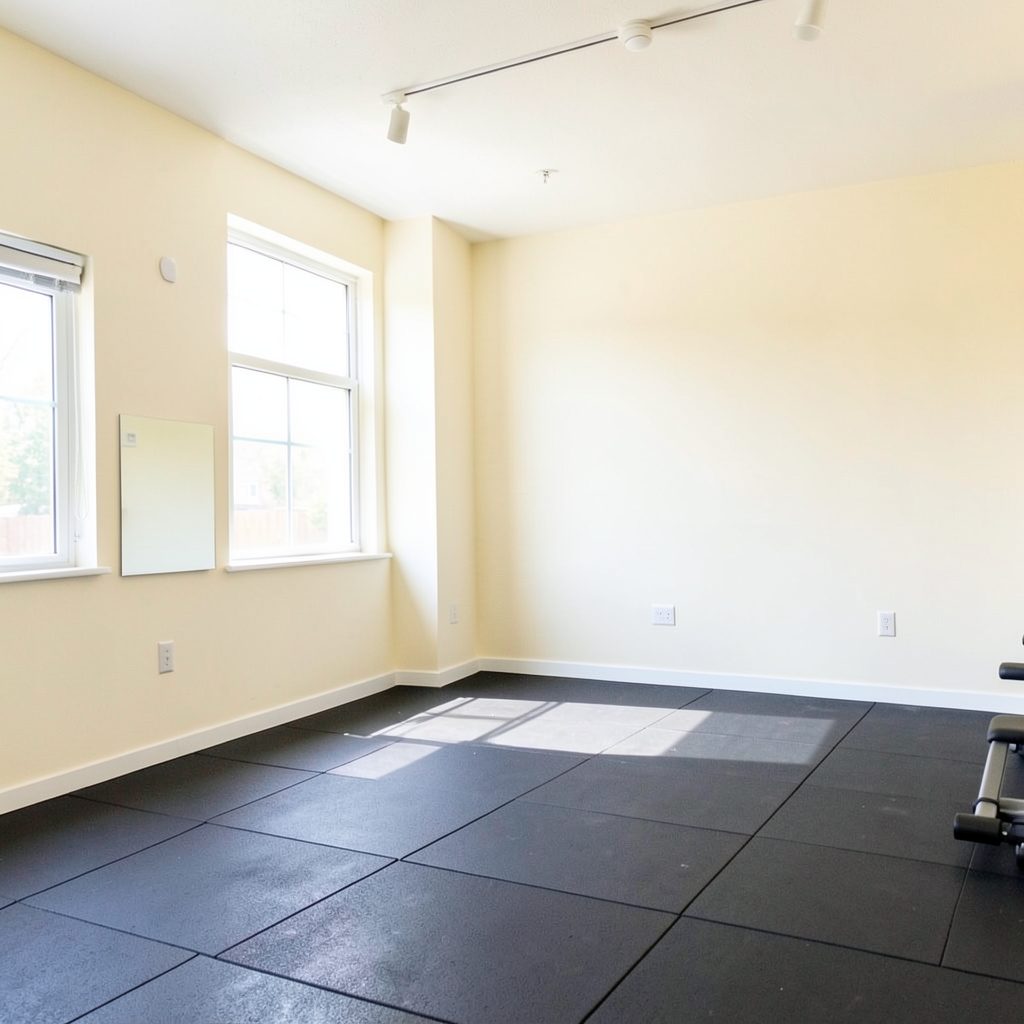
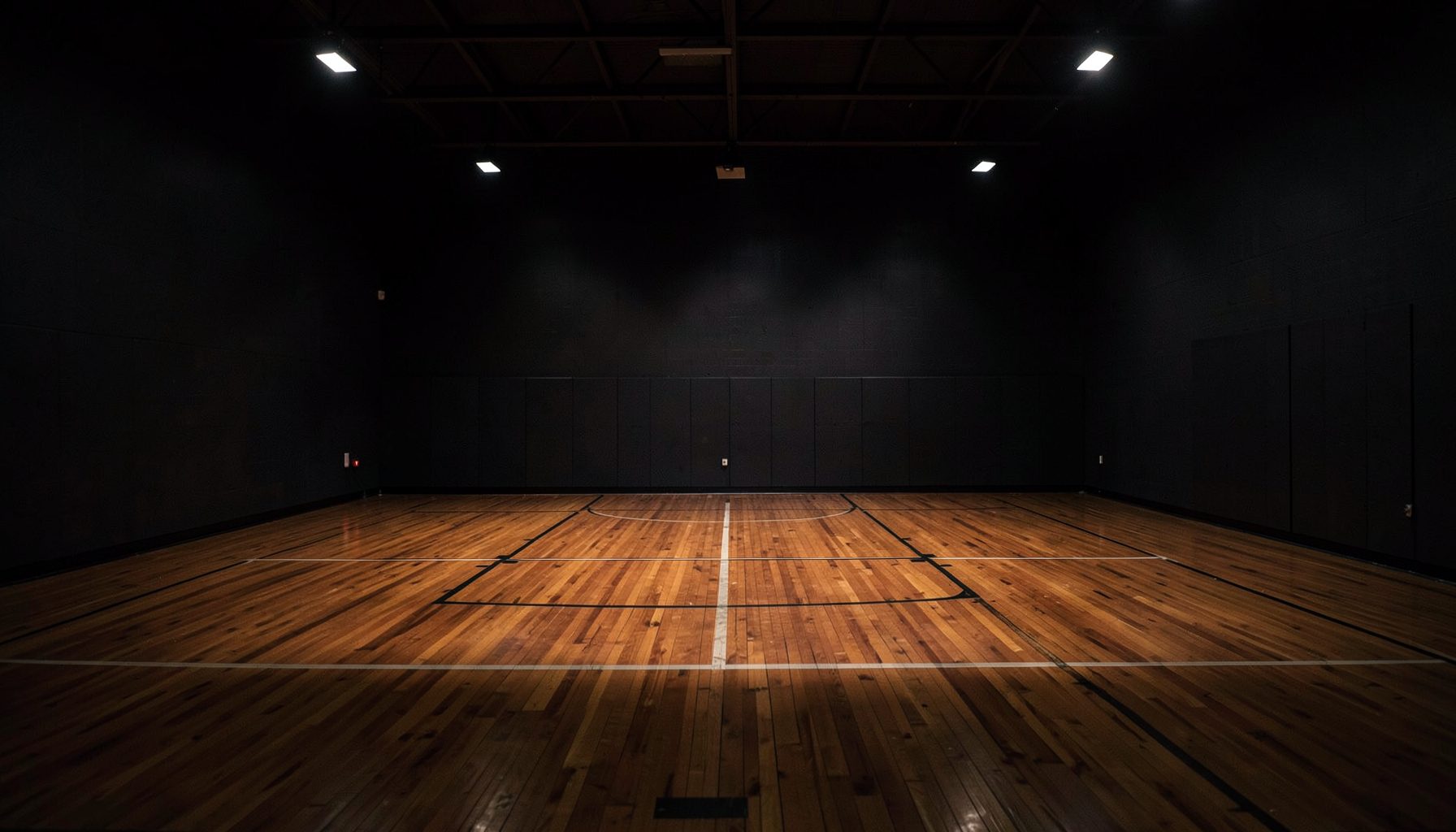
A multi-purpose athletic facility in Speedway, Indiana — basketball leagues, skill training, and wellness services all under one roof.
The Factory D1 Indy brings together three entities under one roof: competitive basketball leagues for all age groups, individual and group training, and wellness & recovery services including Normatec boot recovery and cryotherapy. Located off I-465 and High School Road at 6331 Crawfordsville Road, Speedway, Indiana 46224.
Get In TouchWhy music-based spin classes boost motivation and output
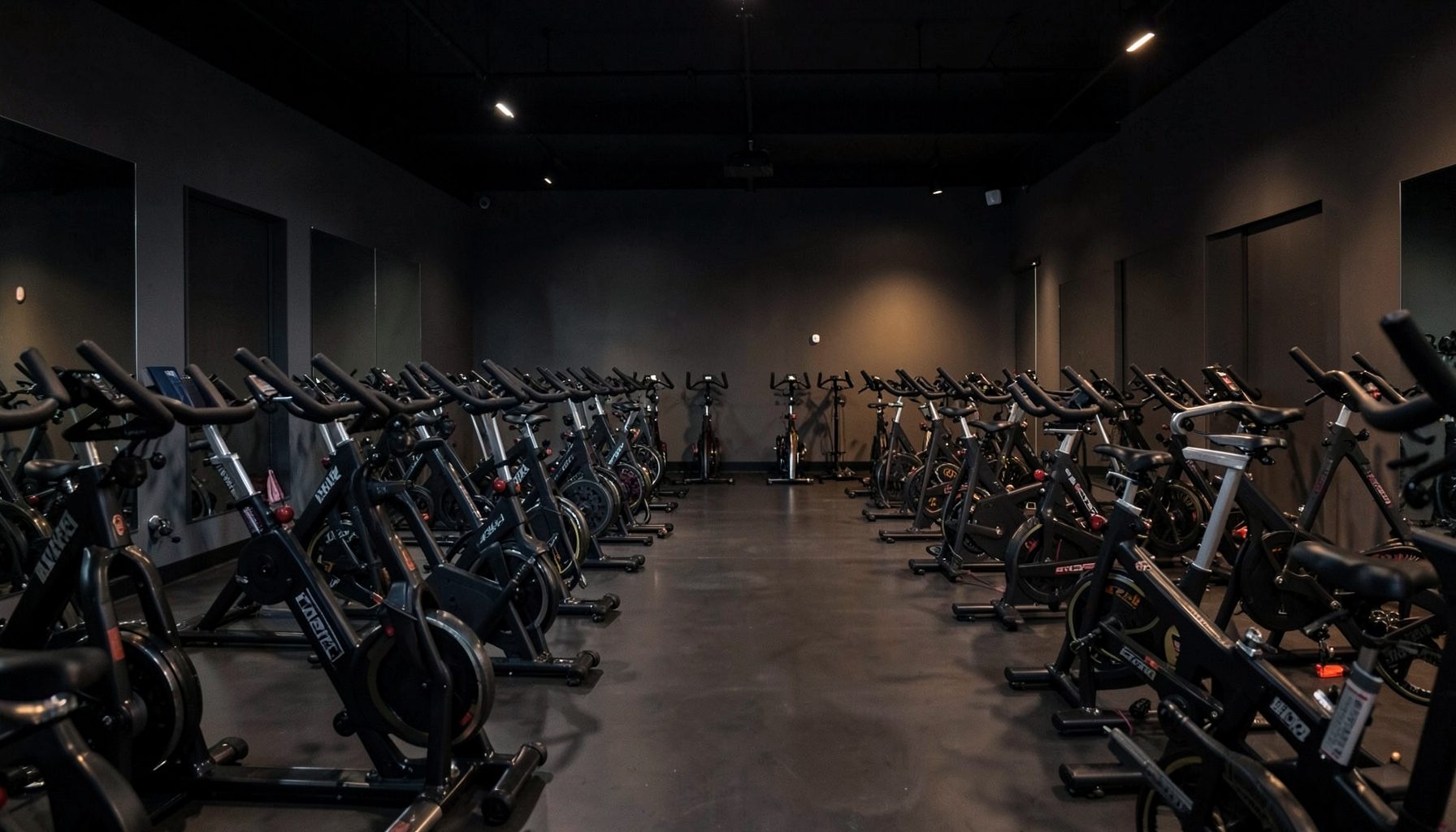
A beat can turn a warm-up into a race and make a difficult interval feel shared rather than solitary. Music-based spin classes give riders and coaches a common timing language: the rhythm signals when to build, when to recover and when a sprint is over. At Factory D1 Indy, that coordination supports the atmosphere of a group ride and the conditioning demands of basketball and other sports.
The benefit is not automatic. A playlist cannot determine safe resistance, replace coaching or make every rider faster. Its value comes from matching sound to deliberate intervals, offering feedback riders can feel, and preserving choice. Used well, music makes effort social and measurable through cadence, resistance, heart rate and perceived exertion.
Music gives every interval a clear cue
The coach sets the session structure, while the soundtrack makes transitions easier to anticipate. A gradual track may accompany an easy start, a driving rhythm can frame a sustained push, and a sharp change in tempo can mark the end of recovery. Riders spend less energy interpreting instructions and more energy responding to them.
That shared cue helps a room become one team. A rider hearing the same chorus as the group can time a surge, settle into cadence and recognise when the hardest work has passed. Synchrony creates momentum without requiring every person to have identical fitness.
The signal still needs coaching. Clear cueing, sensible resistance choices and options for different abilities matter more than volume. Music supports the class structure; it should never eclipse technique, hydration, ventilation or an honest assessment of effort.
Beat matching helps riders find their rhythm
Beat matching links pedal strokes or efforts to the music without forcing every rider to copy one pace. A cadence target may rise with the beat, while resistance and power vary by instruction. That combination helps riders coordinate legs and breathing and gives intervals a memorable rhythm.
The effect on output is usually indirect. Familiar timing can reduce mental fatigue, help riders sustain a repeatable cadence and make short recoveries feel purposeful. Some riders perform more consistently when their movement has a clear pulse, particularly during repeated sprints or long tempo efforts.
Preference still matters. Fast electronic tracks may energise one person while another finds them stressful, and lyrical music may hold attention for a different rider. A good playlist offers contrast and variety while preserving tracks and effort patterns that suit the goals of the class.
The soundtrack becomes a pacing coach
A well-sequenced playlist moves through warm-up, build, peak and recovery just as a class should. Tempo changes can signal intensity, longer tracks can support steady endurance, and silence or softer passages can create contrast before a hard effort. The arrangement gives the session a shape that participants can recognise.
This does not mean every song should dictate the workout. The coach remains responsible for load and progression. Music works best when it reinforces the interval plan rather than pulling the class into an arbitrary challenge.
| Class style | Main benefit | Typical output pattern | Best suited to |
|---|---|---|---|
| Beat-led intervals | Clear cues and shared momentum | Short efforts separated by controlled recovery | Competitive riders and energised groups |
| Tempo ride | Sustainable cadence with fewer distractions | Even output over longer blocks | Endurance-focused sessions |
| Mixed-ability ride | Adjustable targets and clear options | Moderate-to-high power in coordinated bursts | Beginners, returners and varied groups |
| Cool-down | Gradual transition out of hard work | Falling intensity and heart rate | Recovery after a demanding class |
The practical value is consistency. Riders learn how the class builds, what a recovery effort should feel like and where the peaks belong. Over time, that familiarity can reduce guesswork and support more purposeful training.
The right challenge depends on the rider
Group classes mix first-timers, regular riders, basketball players and adults returning to exercise. A strong coach adjusts the invitation rather than expecting the same resistance or output from everyone. Options such as light resistance, a smaller sprint group or an extra recovery interval let riders work hard without hiding when they need to modify effort.
Motivation can also come from atmosphere, achievement and belonging. A playlist people recognise can create familiarity, while visible milestones such as a longer sprint or a sustained climb give the group a shared target. Feedback based on effort, not comparison alone, helps every rider understand what they achieved.
Some riders prefer less noise or clearer coaching cues. The best environment balances energy with inclusion: sound should lift the session without making instructions hard to hear, and no rider should be shamed for modifying the workout. For riders who pair cycling with yoga as a complementary mobility practice, this overview of Ayurvedic herbs for yoga provides context on supporting consistency; anyone with a medical condition, pregnancy or medication use should seek individual advice before changing supplements or herbs.
Australian schedules shape how classes fit
In Sydney and Melbourne, commuters can plan a class around rail or tram timetables, while Brisbane’s humid summers make an air-conditioned indoor studio an appealing alternative. Early sessions fit workdays, lunch classes accommodate short breaks, and after-work rides compete with school drop-offs, household errands and shift changes. A dependable timetable helps make the session part of the week rather than another task to negotiate.
The local fitness market offers choices: social studios, traditional gyms, boutique formats and monthly memberships, class packs or casual drop-ins. Clear terms support trust, and under the Australian Consumer Law businesses must not mislead customers about price, availability or material conditions such as expiry, booking and cancellation rules. Riders should see those terms before paying.
Member intake may also collect health screening and emergency-contact information. For organisations covered by the Privacy Act 1988, personal information must be handled in accordance with privacy obligations, including transparency about its use. Responsible collection and secure handling can make members feel respected rather than profiled.
Recovery turns effort into progress
A hard ride is only useful when the body can recover from it. Easy movement during the final minutes, regular hydration, suitable food and consistent sleep help prepare riders for the next effort. These basics matter across the week, especially for athletes combining spin with basketball training or competitive leagues.
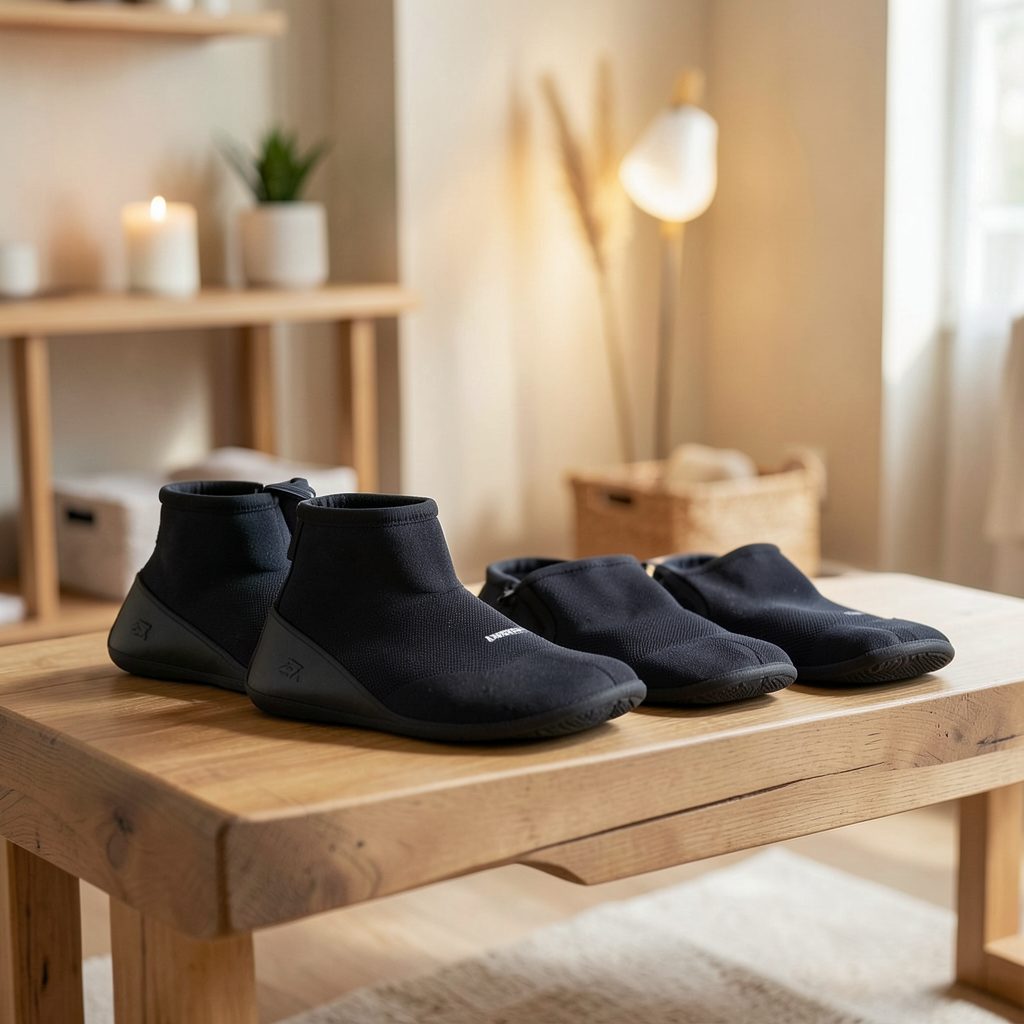
Factory D1 Indy also provides wellness and recovery services. Its guide to Normatec compression recovery explains how compression therapy can be considered for post-basketball swelling within a broader recovery and injury-management approach. Compression is not a substitute for medical advice, particularly when pain, persistent swelling or altered function is present.
Cool-down mobility and breathing work can complement cycling by helping riders wind down and maintain range of motion. A consistent yoga practice may also support relaxation and mobility between demanding sessions, especially for athletes balancing spin with court work. It should complement, not replace, individual advice from a clinician when a medical condition, pregnancy or medication use is involved.
Put a stronger ride on your calendar
Choose a class that matches your current fitness, available time and preferred coaching style. At Factory D1 Indy, riders can use music-led spin sessions alongside basketball training, team leagues, conditioning and recovery services, creating one convenient place for both effort and restoration.
Book your next rhythm-led spin class, arrive a few minutes early, bring water and tell the coach about any injuries or modifications you need. Then ride to the beat, work at a level you can control and leave with momentum for the rest of your day.
Inside The Factory
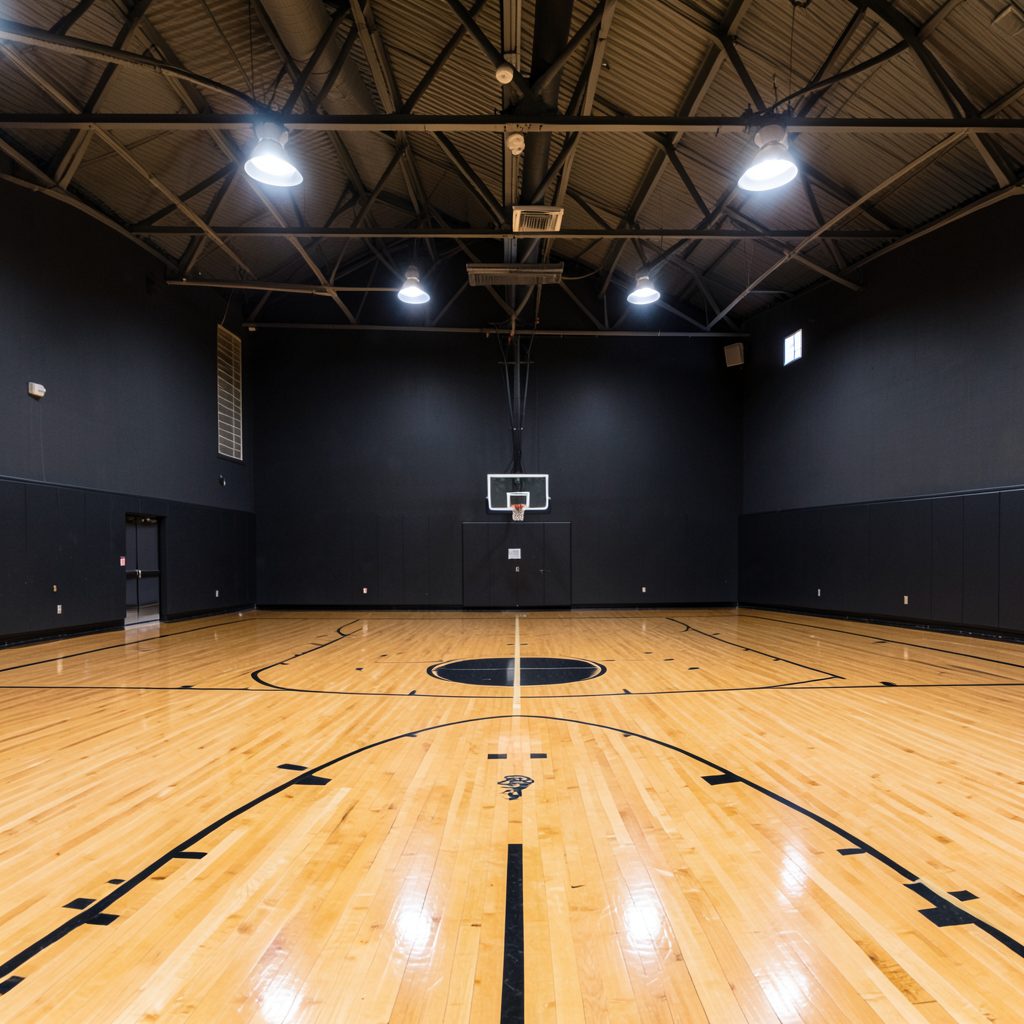

Three Entities, One Roof
Leagues
Eight league divisions span every age group: Indy Pro AM, 18+ Open Men's, 30+ Men's, Bite Size (ages 3–6), Impact League, 5th/6th Grade, Middle School, and High School. Gather your team and compete.
Training
Individual and group basketball training for all skill levels. Major M.O.V.E.S. Basketball Training serves ages 4–7 on Wednesday and Thursday evenings at 6:30 PM — $30 per session or $100 unlimited monthly.
Wellness & Recovery
Normatec boot recovery and cryotherapy treatments help athletes bounce back faster. Cycle and spin classes add a cardio dimension to the holistic performance approach.
Have a Question?