Train. Compete. Recover.
A multi-purpose athletic facility in Speedway, Indiana — basketball leagues, skill training, and wellness services all under one roof.
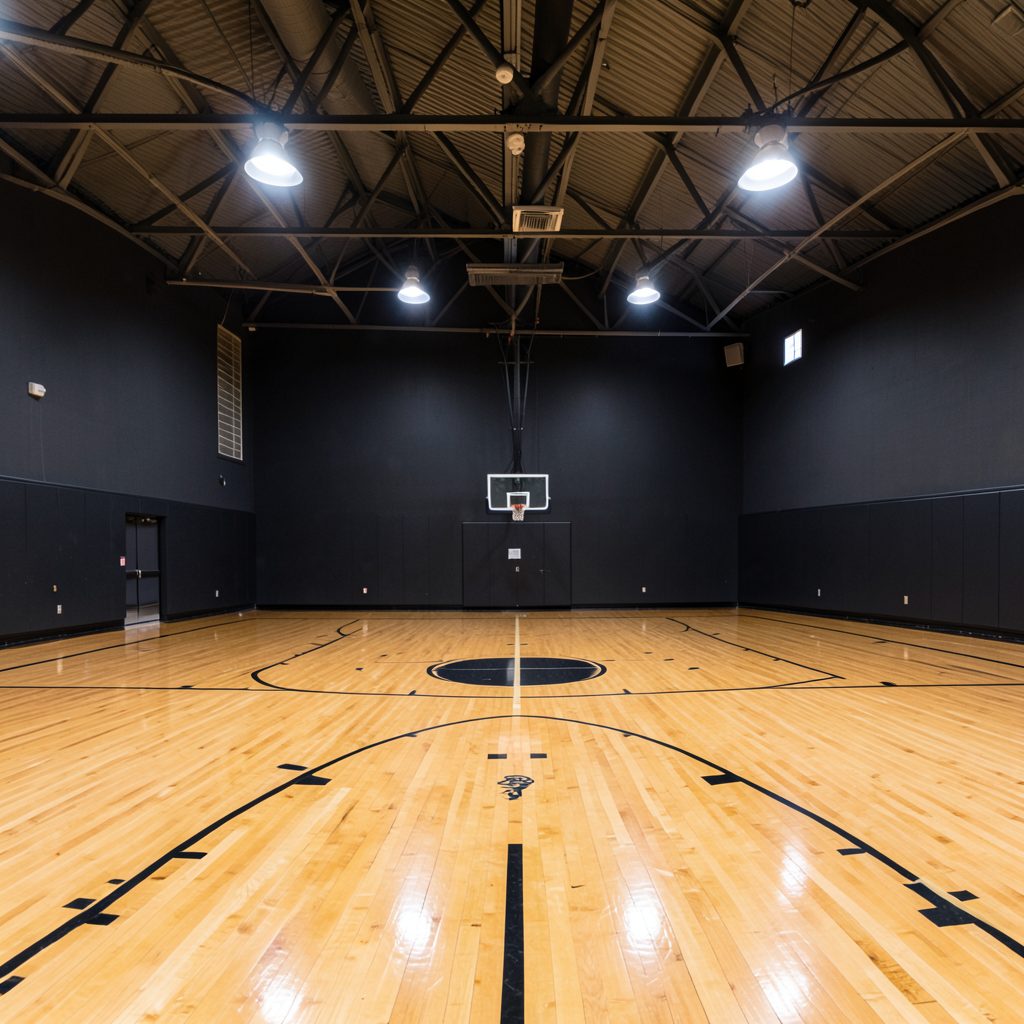
The Factory D1 Indy brings together three entities under one roof: competitive basketball leagues for all age groups, individual and group training, and wellness & recovery services including Normatec boot recovery and cryotherapy. Located off I-465 and High School Road at 6331 Crawfordsville Road, Speedway, Indiana 46224.
Get In TouchYouth Basketball Drills That Build Passing Under Pressure
Passing looks simple when players have space, time, and no defender reaching for the ball. Games create a different environment. Athletes must see passing lanes, protect the ball, communicate, and deliver accurate passes while moving at speed. These skills develop through purposeful youth basketball drills that recreate pressure without making practice chaotic.
For young players, the goal is not to eliminate mistakes. It is to teach them how to make a quick decision after a mistake, defensive trap, or unexpected rotation. A well-designed practice can improve court vision, ball security, footwork, spacing, and confidence at the same time.
At The Factory D1 Indy, basketball training is part of a broader athletic setting built around development and competition. The facility’s athletic community gives players opportunities to build skills in practice and apply them in organized game situations.
Why passing under pressure matters
Pressure passing involves more than throwing the ball to an open teammate. A player must create a passing angle, keep the dribble alive when necessary, use the correct type of pass, and recognize whether a teammate is ready to receive it. These decisions happen in seconds, often with a defender closing quickly.
Young athletes who only practice stationary chest passes may struggle when a defender denies the wing or a teammate cuts behind them. Add a full-court press, crowded lane, or late-game fatigue, and basic habits become visible. Training should therefore include movement, defensive resistance, changing speeds, and communication.
Coaches can keep the environment productive by increasing pressure gradually. Begin with guided defense and clear spacing rules, then allow defenders more freedom as players improve. This progression helps athletes learn composure rather than simply reacting to panic.
Build reliable passing habits first
Before adding live defenders, teach players to prepare their bodies for the pass. They should see the floor before catching, show their hands, step toward the target, and pass from a balanced stance. A strong pass begins with the feet and hips, not just the arms.
Use partner passing while players move through lanes. Include chest passes, bounce passes, overhead passes, and one-handed push passes. Ask the receiver to call the passer’s name and identify the target hand. This builds awareness and reduces passive catches where players wait for the ball to arrive.
Add a pivot-and-pass action next. The player catches, jump-stops, pivots away from an imaginary trap, and passes to a moving teammate. Coaches should watch for traveling, dropping the ball below the waist, and turning the back completely to the court. Small technical corrections make later pressure drills more effective.
Practice pressure with clear constraints
The three-player keep-away drill is an easy starting point. Two offensive players pass while one defender attempts to deflect the ball. The offense earns a point for five completed passes, but the pass must be made within three seconds. Rotate the defender frequently so every player experiences both decision-making roles.
To make the drill more game-like, allow the offensive players to move within a marked square. They may use a pivot but cannot dribble at first. Later, permit one escape dribble after a catch. This teaches players to avoid forcing a pass while still encouraging them to maintain an advantage.
Another useful activity is the passing gate drill. Place cones in several narrow gates around half court. Players must pass through a gate to a teammate before moving to a new space. Defenders try to close gates and deny direct passes. The offense learns to change the angle, use a backdoor cut, or reverse the ball instead of throwing through traffic.
Progress drills from simple to live
A good practice sequence moves from predictable pressure to variable pressure. The following progression gives coaches a framework for adjusting space, time, and defensive freedom.
| Drill | Main skill | Pressure adjustment | Coaching emphasis |
|---|---|---|---|
| Moving partner passing | Catching and passing on balance | Add jogging and direction changes | Step toward the target |
| Three-player keep-away | Passing angles and quick decisions | Limit time and add a second defender | Move after every pass |
| Passing gate drill | Spacing and lane recognition | Close selected gates | Avoid telegraphing passes |
| Advantage 3-on-2 | Finding the open player | Start with a numbers advantage | Make the defense commit |
| Press-breaker game | Ball security and communication | Add a full-court press | Use sideline and middle outlets |
In an advantage 3-on-2 drill, the offense should attack with purpose instead of passing simply to complete a sequence. The ball handler drives until a defender commits, then passes to the teammate who becomes open. Players learn that the best pass often comes after movement forces the defense to react.
Finish with a small-sided game such as 3-on-3 or 4-on-4. Award extra points for a paint touch followed by a pass, a successful reversal against denial defense, or a pass that leads to an assisted basket. Scoring incentives make unselfish play visible while preserving competitive energy.
Add movement, communication, and fatigue
Passing quality often declines when players are tired. That makes conditioning a useful part of basketball skill development, provided it supports decision-making rather than replacing it. Short passing games after defensive slides, closeouts, or sprint intervals teach athletes to communicate and execute while breathing hard.
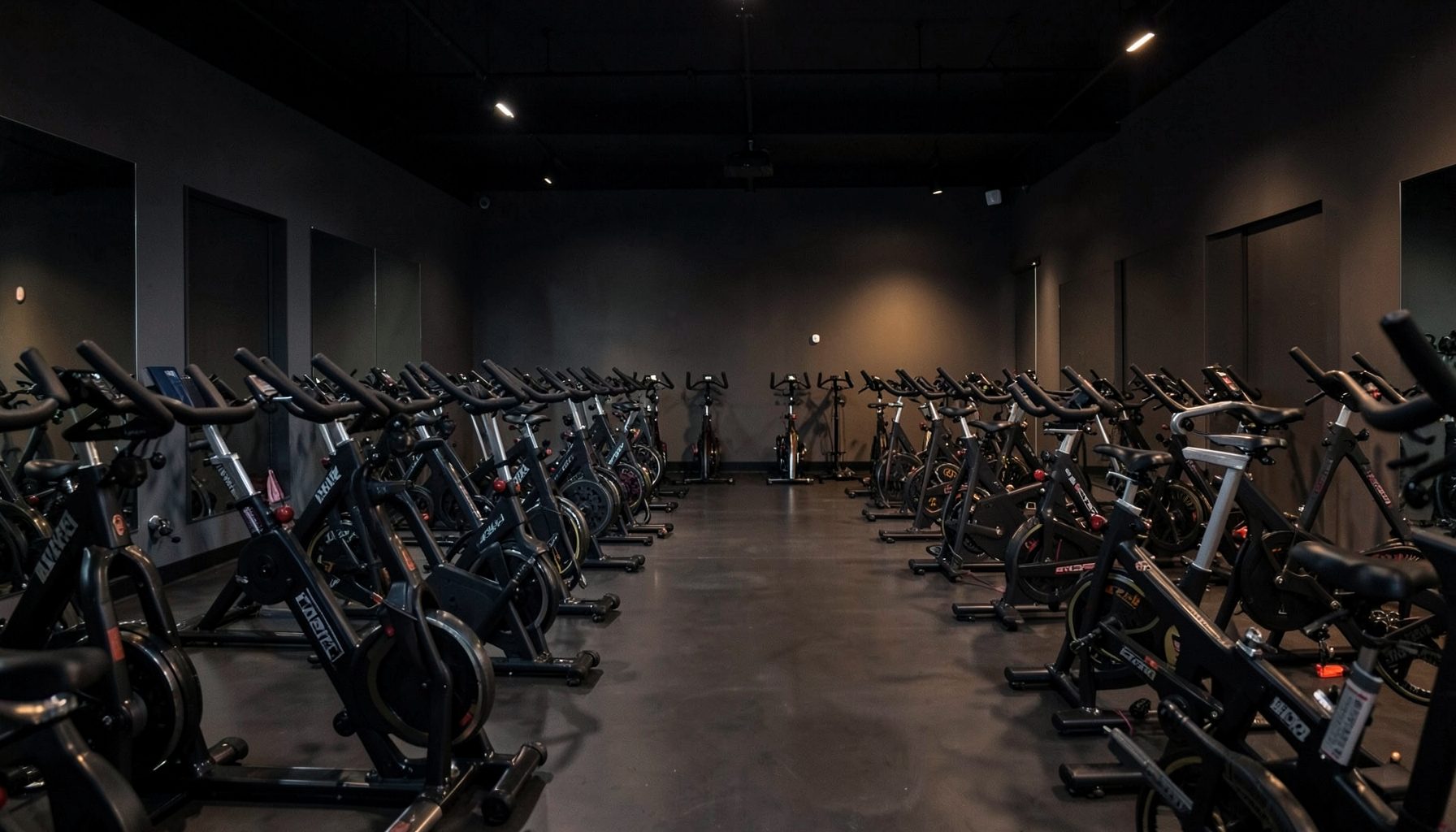
Cycle and spin sessions can also support the speed and conditioning needed for repeated transitions. The Factory D1 Indy explains how cycle training builds speed, which can complement basketball practices that demand quick cuts, recovery runs, and full-court pressure.
Keep fatigue intervals brief for younger athletes and give them enough recovery to maintain sound technique. A player who is too exhausted to pass accurately may practice poor mechanics. The goal is controlled stress: enough challenge to resemble competition, but enough quality repetition to reinforce good habits.
Communication deserves equal attention. Require players to use words such as “middle,” “one more,” “backdoor,” and “help.” The passer should identify the receiver, while the receiver should show a target hand and call for the ball. Vocal players usually make faster decisions because they gather information before the pass arrives.
Correct common mistakes without stopping every play
One frequent error is passing where a teammate was rather than where the teammate is going. Teach players to lead cutters into open space and to pass away from the defender’s reach. A pass should help the receiver continue the play, not force a difficult catch near the sideline.
Another problem is staring at the intended target. Defenders read the passer’s eyes and shoulders, so players should learn to look off a defender before delivering the ball. In a controlled drill, have a coach or defender point to the correct passing lane only after the player uses a convincing fake.
Coaches should also distinguish between an aggressive mistake and a careless mistake. A pass thrown after a good drive and defensive commitment may be the right decision even if the defense deflects it. A soft, one-handed pass across the court without checking the defender needs a different correction.
Use short feedback phrases during live play: “See both sides,” “Pass on time,” “Meet the ball,” or “Move after passing.” Then pause occasionally to demonstrate the adjustment. Too many interruptions can make players hesitant, while too little feedback allows weak habits to become automatic.
Turn practice skills into game confidence
The final step is transferring passing decisions into league and game settings. Small-sided games create more touches than full-court scrimmages, so each player gets repeated chances to handle pressure. Change the starting position, defensive matchup, and score so athletes cannot rely on memorized patterns.
Coaches can track simple measures such as completed passes against pressure, turnovers caused by poor spacing, successful outlet passes, and assisted baskets. These statistics give players specific goals beyond scoring. A guard might aim for three safe press-break passes, while a forward focuses on strong pivots and accurate high-post entries.
- Reward the pass that creates an advantage, not only the pass that produces an assist.
- Give every player opportunities to initiate offense and receive pressure.
- Use short rounds so intensity stays high and corrections remain clear.
- Teach players to pivot, pass, cut, and relocate instead of standing after a pass.
- End with a competitive game that requires the practiced passing habit.
When athletes learn to stay balanced, communicate early, and move before and after the pass, pressure becomes manageable. They begin to recognize traps before they arrive, choose safer outlets, and trust teammates in crowded spaces. Those habits support better offense at every age level, from introductory youth divisions to competitive league play.
Bring these drills into the next basketball practice at The Factory D1 Indy, adjust the pressure to match each athlete’s experience, and give young players the repetitions they need to pass with poise when the game speeds up.
Inside The Factory
Three Entities, One Roof
Leagues
Eight league divisions span every age group: Indy Pro AM, 18+ Open Men's, 30+ Men's, Bite Size (ages 3–6), Impact League, 5th/6th Grade, Middle School, and High School. Gather your team and compete.
Training
Individual and group basketball training for all skill levels. Major M.O.V.E.S. Basketball Training serves ages 4–7 on Wednesday and Thursday evenings at 6:30 PM — $30 per session or $100 unlimited monthly.
Wellness & Recovery
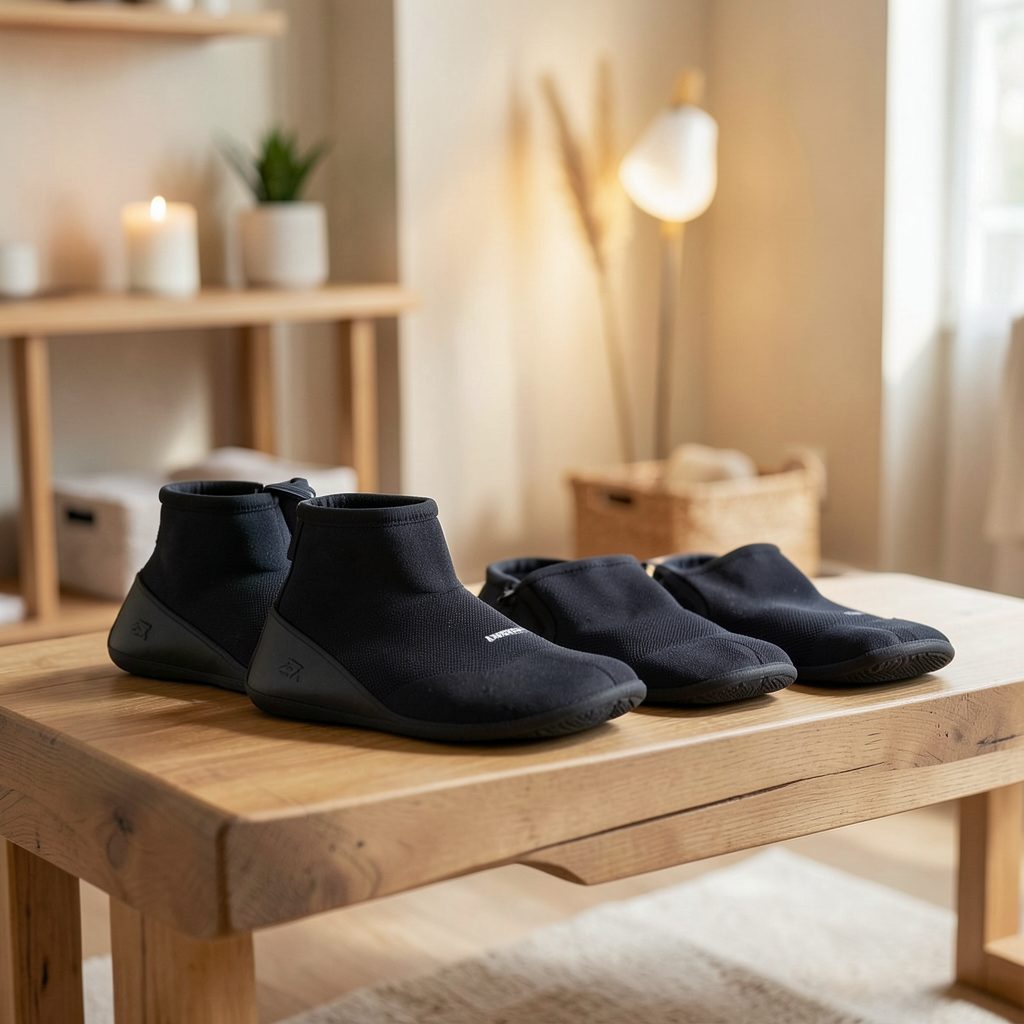
Normatec boot recovery and cryotherapy treatments help athletes bounce back faster. Cycle and spin classes add a cardio dimension to the holistic performance approach.
Have a Question?