Train. Compete. Recover.
A multi-purpose athletic facility in Speedway, Indiana — basketball leagues, skill training, and wellness services all under one roof.
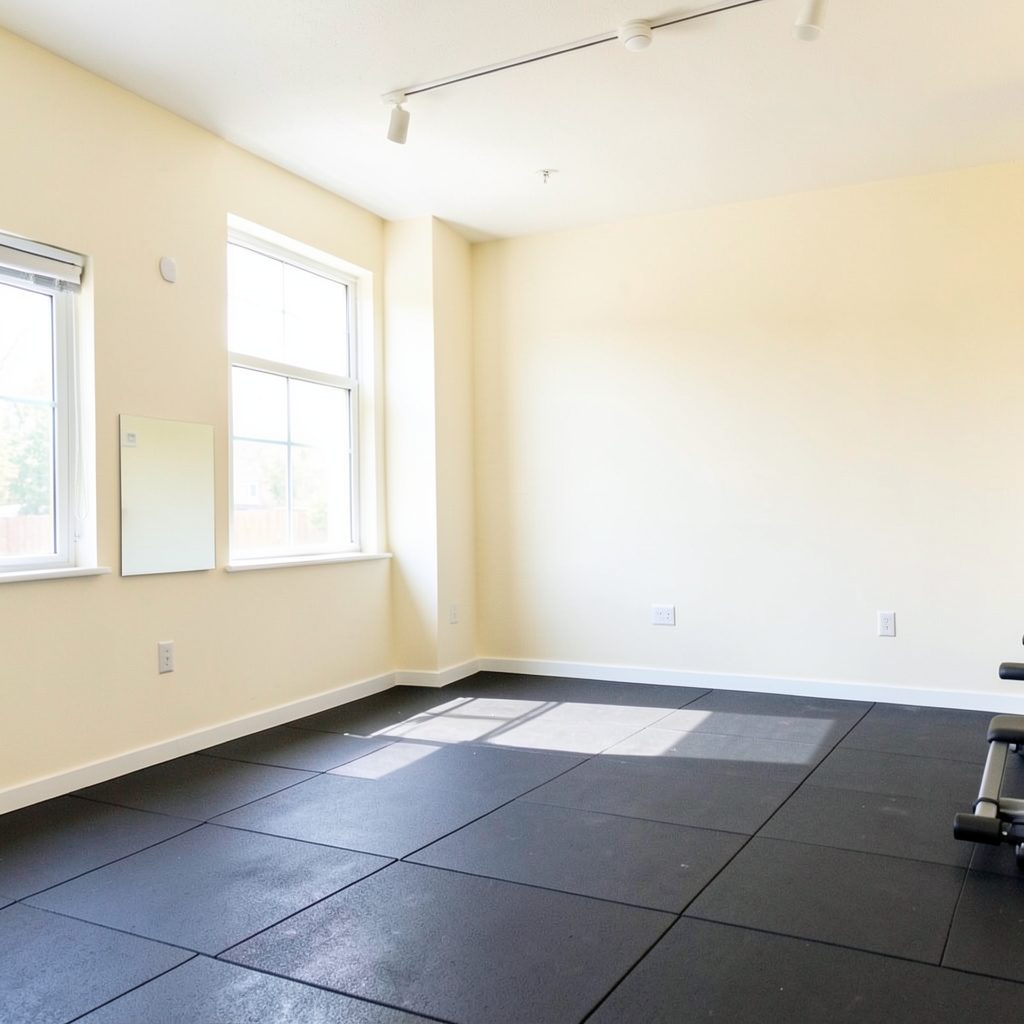
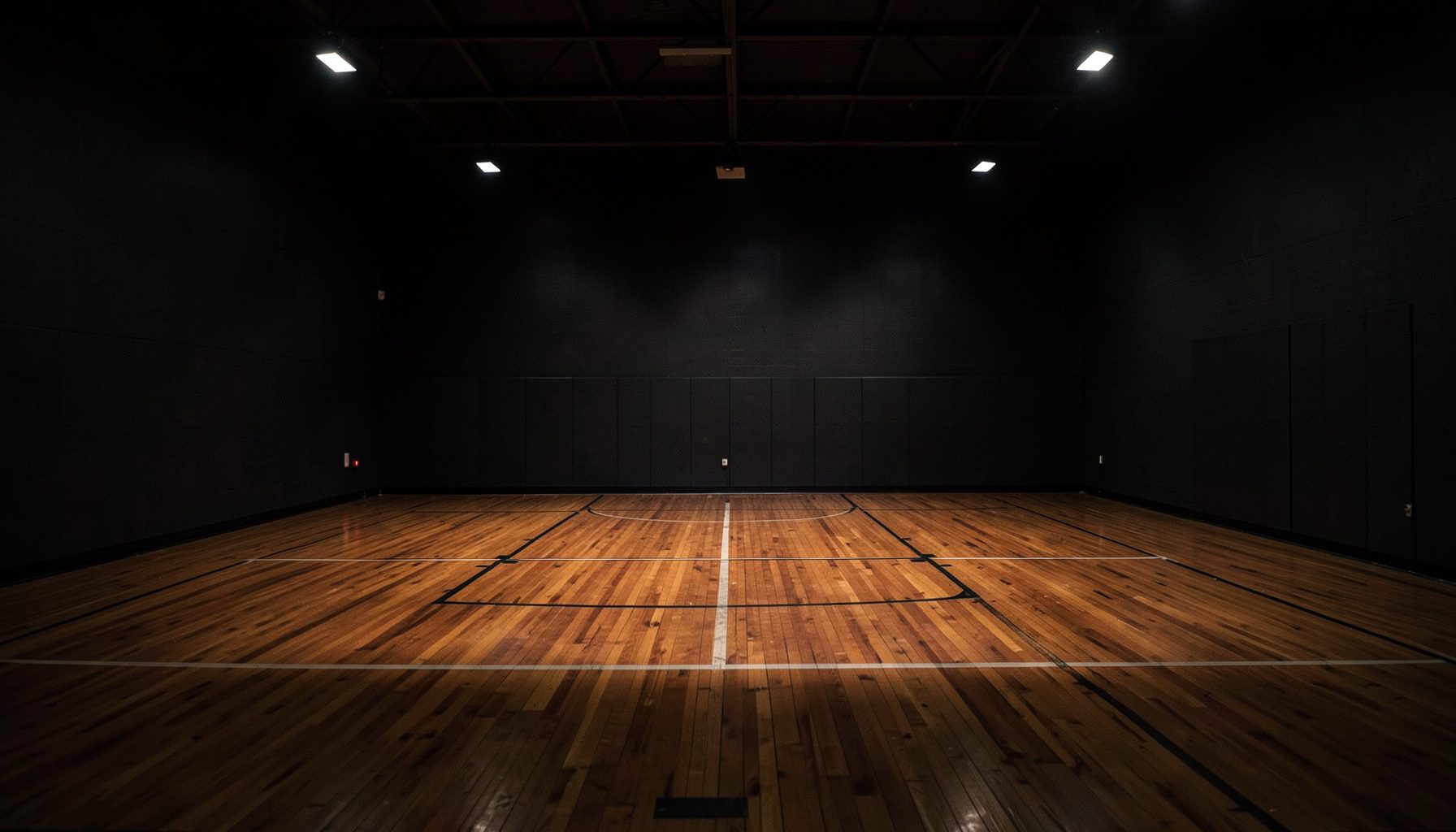
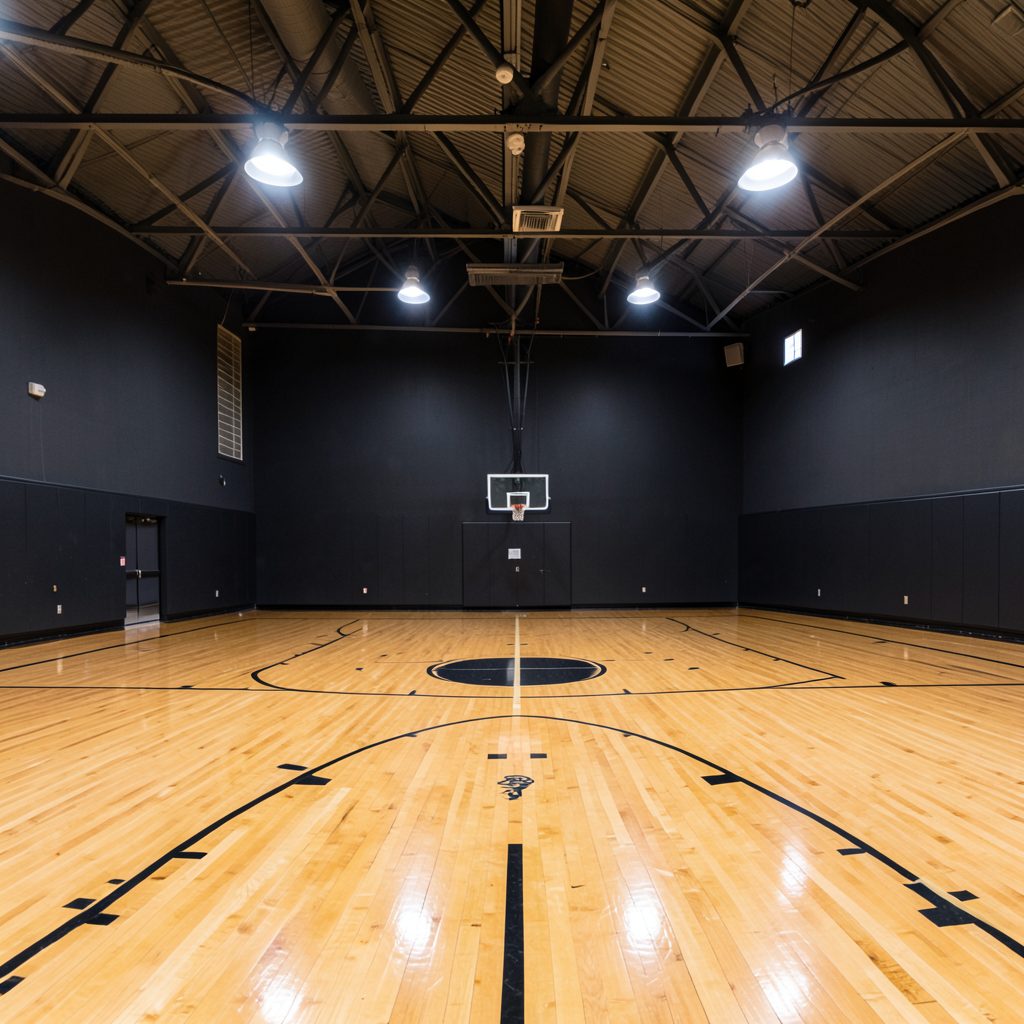
The Factory D1 Indy brings together three entities under one roof: competitive basketball leagues for all age groups, individual and group training, and wellness & recovery services including Normatec boot recovery and cryotherapy. Located off I-465 and High School Road at 6331 Crawfordsville Road, Speedway, Indiana 46224.
Get In TouchChoosing The Right Youth Basketball League Division
Selecting a youth basketball league is about more than finding the division that matches a birth year. The right placement should reflect your child’s physical development, confidence, skill level, attention span, and comfort with competition. A well-matched league gives young athletes room to improve while keeping practices and games enjoyable.
The Factory D1 Indy offers a community-centered setting for basketball training and competition in Speedway, Indiana. With youth programs, individual instruction, group skills training, and leagues for different age groups, the facility can support athletes who are discovering the game as well as those preparing for more competitive play.
Families often compare age divisions by looking only at the number on the registration form. That number matters, but it is just one part of the decision. Understanding how youth basketball leagues are organized can help you choose an experience that suits your child now and supports their next step.
Start With Readiness, Not Just Birth Year
Most youth leagues use age cutoffs or grade levels to create balanced divisions. These systems make registration easier and help organizers build fair schedules, but children who share an age may have very different athletic and emotional development. A young player’s readiness should be considered alongside the official eligibility rules.
Look at basic basketball skills first. Can your child dribble while moving, pass to a teammate, stop safely, and understand simple spacing? Beginners do not need polished technique, but they should be ready to follow directions and participate in a group setting. A developmental division may be a better fit than a highly competitive league if these skills are still emerging.
Confidence also matters. Some children enjoy fast-paced games immediately, while others need time to become comfortable with coaches, referees, and unfamiliar teammates. A league that is too advanced can make a willing player hesitant. A division that offers appropriate instruction and manageable competition can build confidence more effectively than constant pressure to perform.
How Youth Divisions Usually Work
Youth basketball programs commonly separate players by age, grade, or a combination of both. Early-childhood divisions often emphasize movement, ball familiarity, short games, and basic teamwork. Older divisions usually introduce more structured offenses, defensive concepts, game strategy, and formal competition.
Exact labels and cutoff dates vary by organization, so families should check the current league rules before registering. A child may also be eligible for more than one division in some programs, especially when grade level and age do not align. Coaches or program staff can explain whether moving up or down is permitted and what that choice would mean for playing time and development.
| Division Style | Common Focus | Best Fit For | What Families Should Expect |
|---|---|---|---|
| Early Childhood | Movement, coordination, sharing, basic ball skills | New players building comfort with organized activity | Shorter activities, simple rules, frequent instruction |
| Lower Elementary | Dribbling, passing, shooting form, spacing | Children beginning to understand team play | Equal emphasis on learning and participation |
| Upper Elementary | Decision-making, defense, transition play, fundamentals under pressure | Players with basic experience who want more structure | Faster pace and clearer competitive expectations |
| Middle School | Position concepts, advanced skills, team systems | Athletes developing a stronger basketball identity | More demanding practices and greater game intensity |
| Teen Competitive | Tactical play, conditioning, consistency, preparation | Experienced players seeking challenging competition | Higher expectations for attendance, effort, and execution |
| Recreational Adult-Style Youth Play | Fun, fitness, and competition with flexible expectations | Players who enjoy games without a heavy development track | Varied skill levels and an emphasis on participation |
These categories are general, not universal. A strong league explains its age requirements, game format, practice expectations, and approach to playing time before the season begins. Those details may tell you more about the experience than the division name itself.
Match Competition With Your Child’s Goals
A recreational league can be a strong choice for a child who wants to make friends, stay active, and learn the game without a demanding travel schedule. It can also benefit an experienced player who needs a lower-pressure environment to rebuild confidence or enjoy basketball between more intense seasons.
A developmental league may be appropriate when a child has some experience but still needs consistent instruction. These programs often balance fundamental skills with games, allowing players to learn through repetition while gradually becoming more comfortable with decision-making.
Competitive divisions are better suited to athletes who actively want a faster pace and are prepared for greater demands. They may involve more structured practices, stronger opponents, and increased accountability. Competitive placement should be based on motivation and readiness, not simply on a desire to play with older children.
At The Factory D1 Indy, basketball skills training can complement league participation. Individual workouts may address shooting, ball handling, footwork, or finishing, while group sessions can help athletes apply those skills in a team environment. Training should support the league experience rather than create unnecessary pressure around results.
Consider Physical And Social Development
Children grow at different rates, and physical size should not be mistaken for complete basketball readiness. A taller player may have an advantage near the basket but still need help with coordination or confidence. A smaller athlete may excel through speed, ball control, awareness, and persistence. Coaches should evaluate the whole player rather than relying on appearance.
Social development is equally important. Ask whether your child can respond to coaching, handle a missed shot, share the ball, and recover after a disagreement. These skills improve over time, but a division should provide a realistic level of challenge. The best placement encourages resilience without making every game feel overwhelming.
Parents can also observe how their child reacts after practices or games. Excitement, tiredness, and occasional frustration are normal. Ongoing dread, withdrawal, or frequent complaints about feeling outmatched may indicate that the current league is not a good fit. A conversation with the coach can help determine whether the issue involves skill level, team dynamics, schedule, or playing expectations.
Questions To Ask Before Registering
Before choosing a youth basketball league, gather practical information from the facility or program director. Ask about the age cutoff, grade requirements, evaluation process, practice schedule, game length, roster size, and coaching approach. Find out how the league handles players with different experience levels and whether teams are formed by evaluation, school, or registration order.
The schedule should work for the entire family. A division may be ideal in theory but difficult to sustain if practices conflict with school, rest, or other activities. Consistent attendance helps children improve and helps teams function well, so an appropriate commitment is better than an overly ambitious one.
Use these considerations when comparing options:
- Choose the division that matches current skills and emotional readiness, not just future ambitions.
- Confirm age cutoffs, grade rules, practice times, game format, and playing-time policies.
- Ask whether the program emphasizes recreation, development, or high-level competition.
- Consider your child’s response to challenge, coaching, mistakes, and team interaction.
- Reassess placement after the season as skills, confidence, and goals change.
A short conversation with a coach can prevent many registration mistakes. Share relevant information about your child’s experience, attention span, confidence, and goals. The more complete the picture, the easier it is to identify a suitable league environment.
Build A Healthy Season Around Basketball
The right division is only one part of a positive athletic experience. Young players also need recovery, hydration, sleep, balanced nutrition, and time away from organized sport. A manageable schedule can support steady improvement while reducing the risk of burnout and overuse.
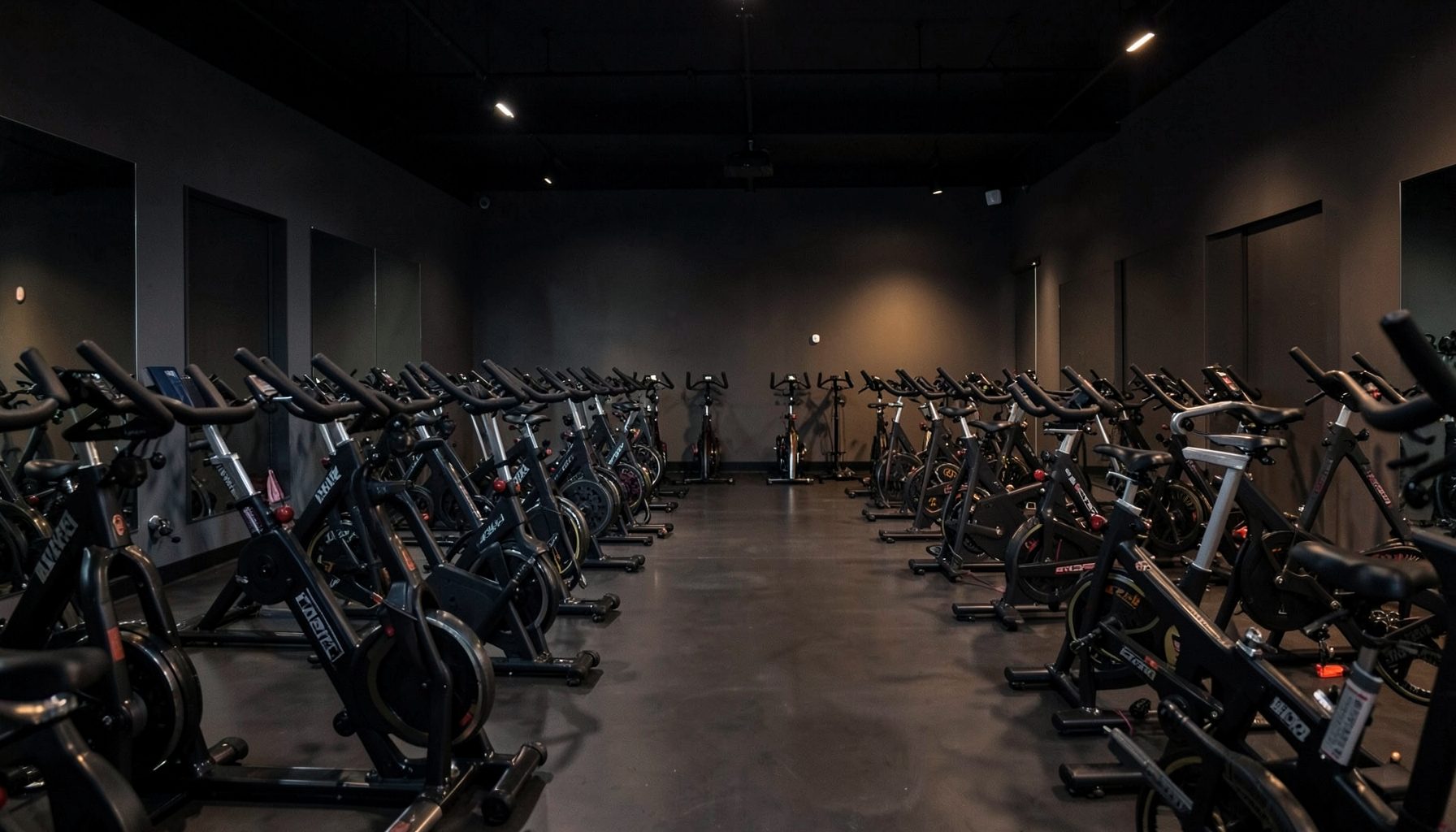
Conditioning should be age-appropriate and connected to basketball movement. Speed, balance, coordination, and general strength can be developed through supervised activities without turning every session into a test of performance. Cycle and spin classes at The Factory D1 Indy may also provide conditioning options for appropriate participants, with intensity adjusted to the athlete’s age and experience.
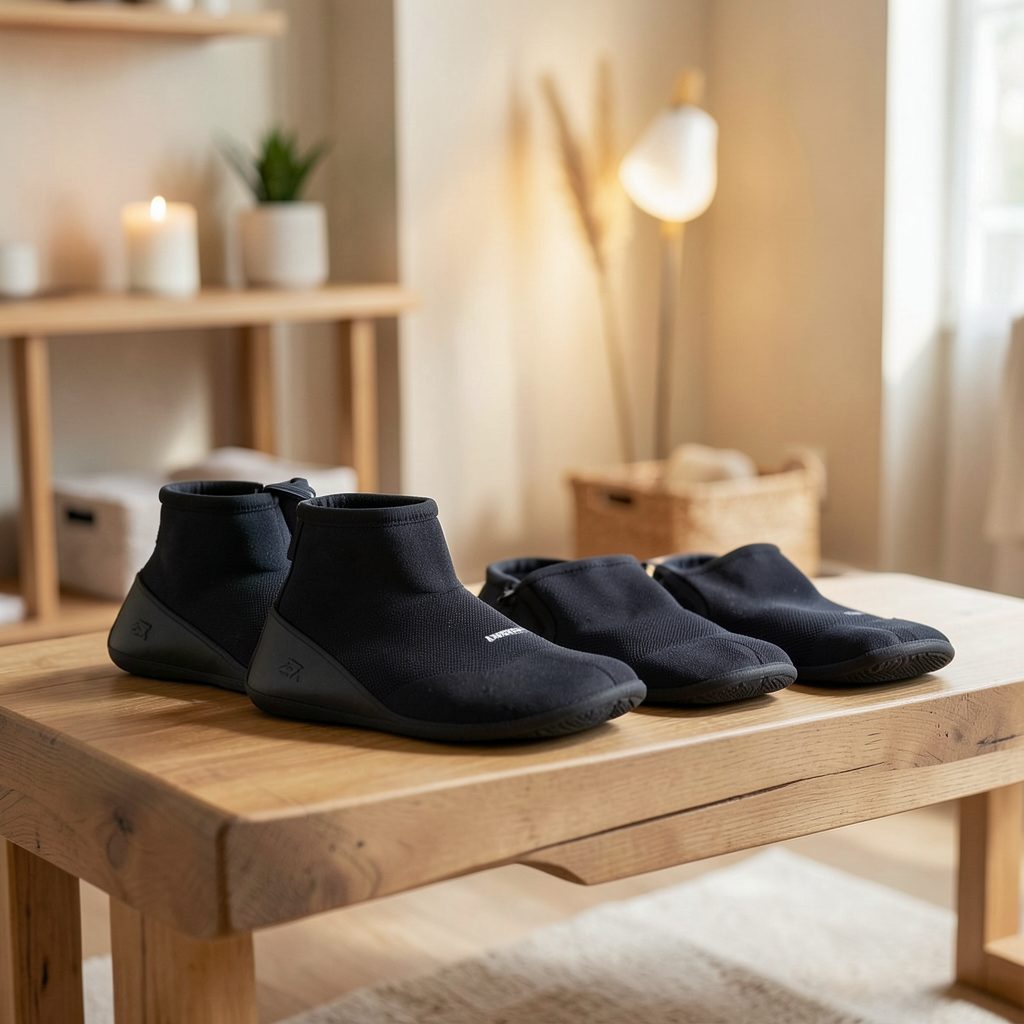
Recovery services require thoughtful use with children and teenagers. Parents should review facility guidance and consult a qualified medical professional when necessary before using specialized treatments. The facility’s cryotherapy guide can help families understand what to expect, though it should not replace individualized medical advice.
A balanced season leaves room for school, family, free play, and rest. Basketball should be an important part of your child’s routine without becoming the entire routine. When young athletes feel supported rather than managed, they are more likely to keep developing and enjoying the sport.
The right youth basketball league age division gives your child a clear place to learn, compete, and belong. Review the program details, speak with the coaching staff, and consider how the schedule and level of play fit your child’s current needs. Explore youth basketball opportunities at The Factory D1 Indy and choose a setting where your athlete can take the next step with confidence.
Inside The Factory
Three Entities, One Roof
Leagues
Eight league divisions span every age group: Indy Pro AM, 18+ Open Men's, 30+ Men's, Bite Size (ages 3–6), Impact League, 5th/6th Grade, Middle School, and High School. Gather your team and compete.
Training
Individual and group basketball training for all skill levels. Major M.O.V.E.S. Basketball Training serves ages 4–7 on Wednesday and Thursday evenings at 6:30 PM — $30 per session or $100 unlimited monthly.
Wellness & Recovery
Normatec boot recovery and cryotherapy treatments help athletes bounce back faster. Cycle and spin classes add a cardio dimension to the holistic performance approach.
Have a Question?