Train. Compete. Recover.
A multi-purpose athletic facility in Speedway, Indiana — basketball leagues, skill training, and wellness services all under one roof.
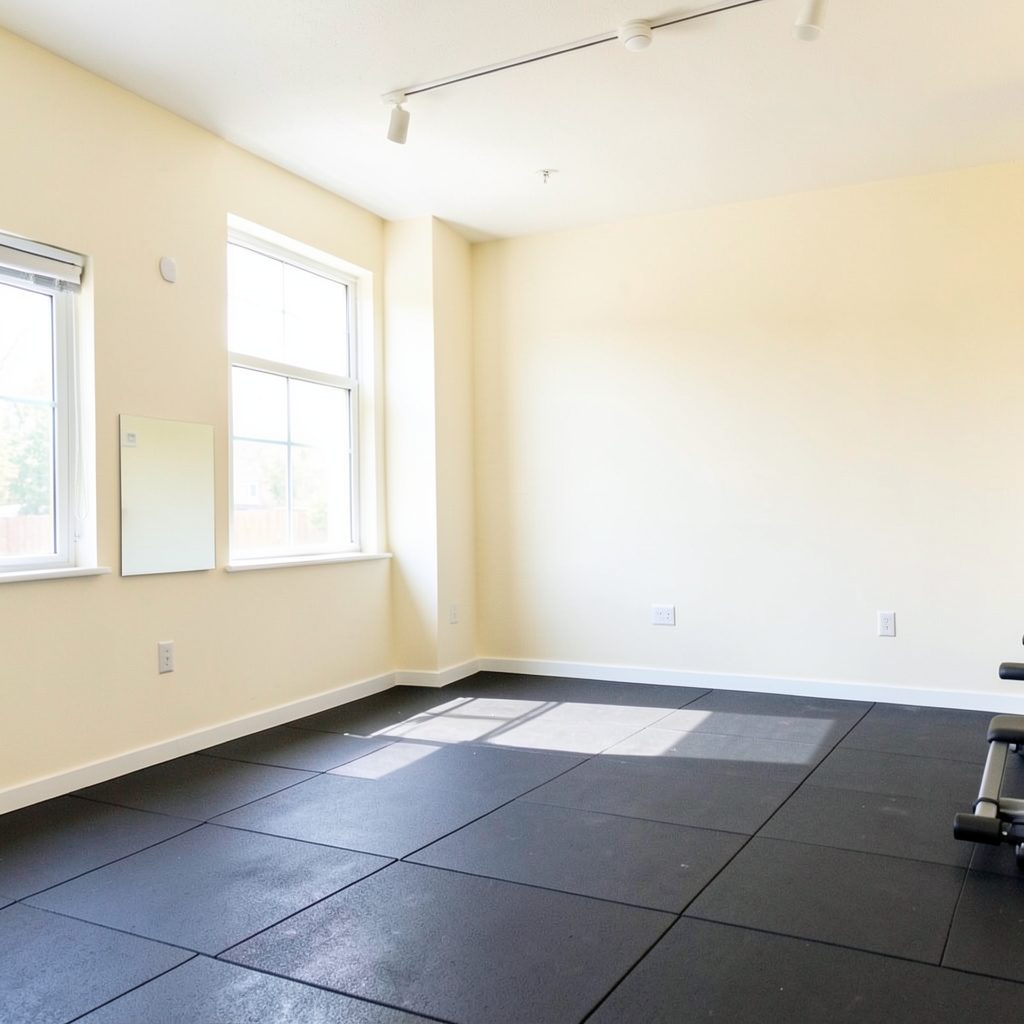
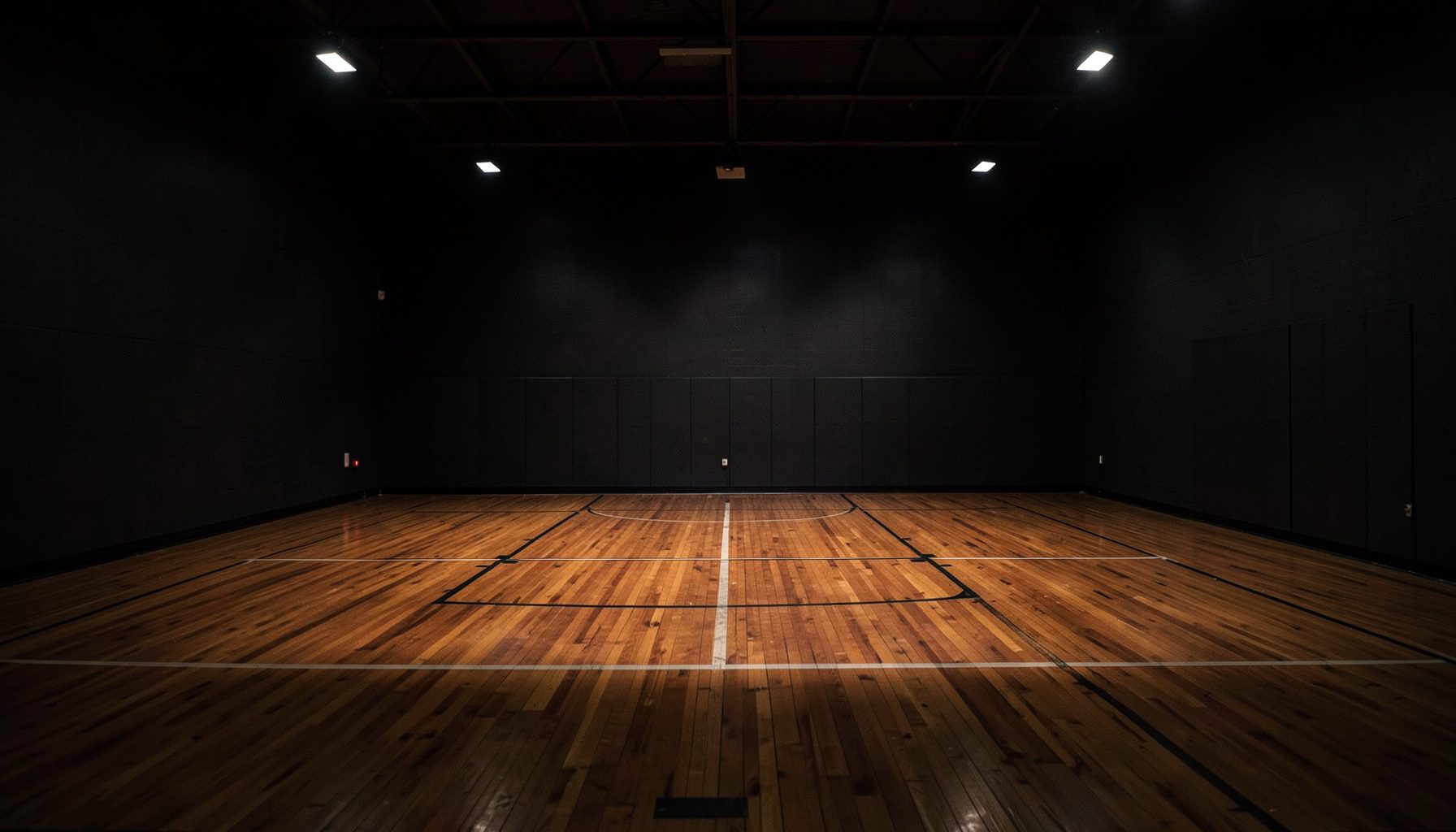
The Factory D1 Indy brings together three entities under one roof: competitive basketball leagues for all age groups, individual and group training, and wellness & recovery services including Normatec boot recovery and cryotherapy. Located off I-465 and High School Road at 6331 Crawfordsville Road, Speedway, Indiana 46224.
Get In TouchBest Ways to Fuel Your Body Before a Morning Spin Class
A morning spin class can raise your heart rate quickly, challenge your legs, and demand steady concentration from the first interval to the final climb. The right pre-workout meal gives your body usable energy without leaving you feeling heavy or uncomfortable on the bike.
Because every rider has a different schedule, appetite, and tolerance for food before exercise, there is no single perfect breakfast. The best approach is to match your portion, timing, and ingredients to the length and intensity of the session.
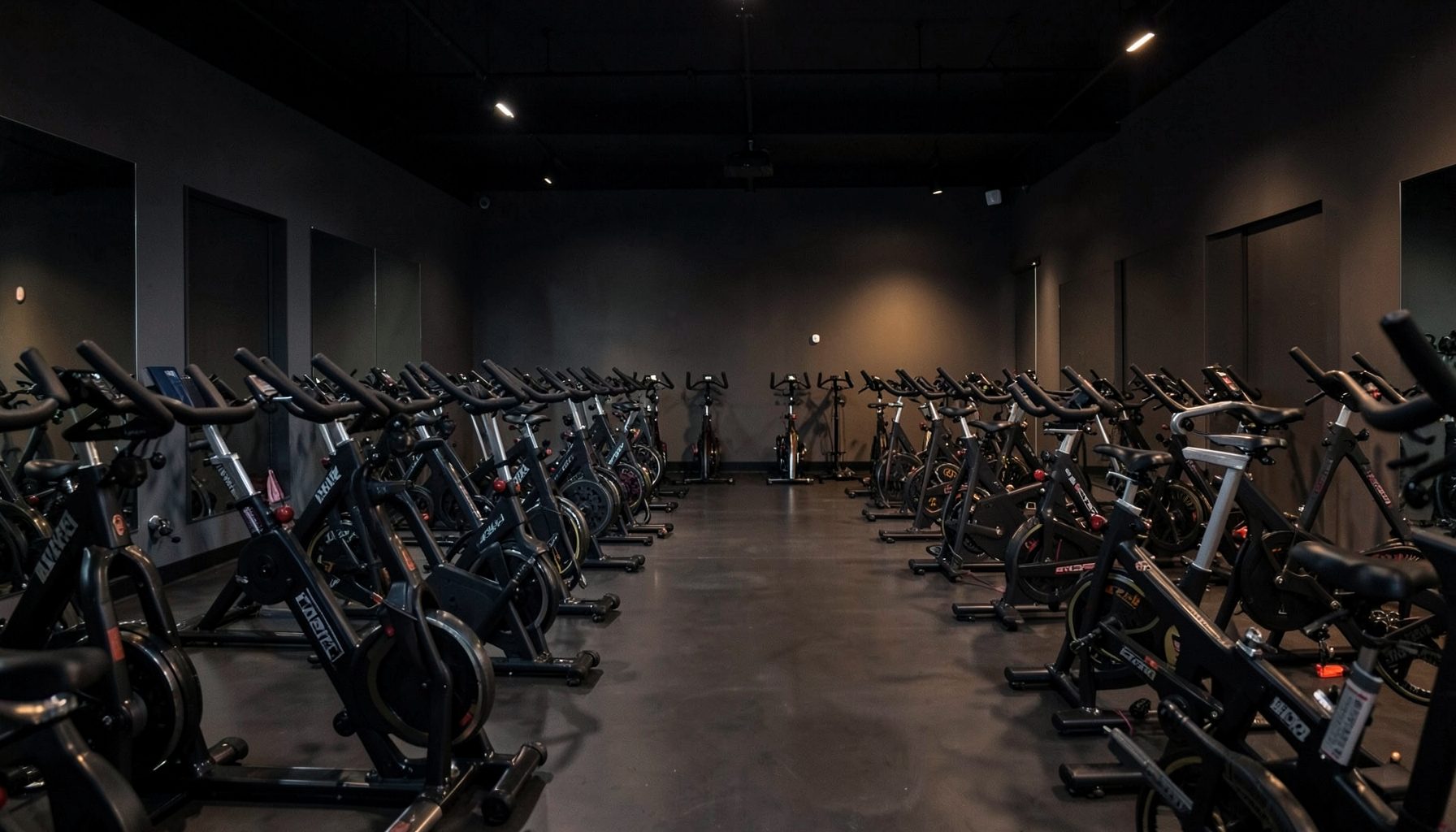
At The Factory D1 Indy, spin and cycle classes are part of a broader athletic environment built around training, conditioning, and recovery. A consistent nutrition routine can help you arrive ready to work, maintain better form, and recover more effectively after class.
Give Your Body Enough Time To Digest
The ideal time to eat depends on the size of your meal. A balanced breakfast with carbohydrates, protein, and a small amount of fat usually works best two to three hours before cycling. This gives your digestive system time to process the meal while allowing carbohydrates to become available for exercise.
If your class begins early, a full meal may be unrealistic. A smaller snack consumed 30 to 60 minutes beforehand can provide a useful energy boost without causing stomach discomfort. Keep it simple and focus on foods that you already know your body handles well.
Avoid trying a new supplement, unusually large meal, or high-fiber recipe immediately before class. Familiar foods make it easier to identify what supports your performance and what causes bloating, cramping, or sluggishness.
Prioritize Carbohydrates For Quick Energy
Carbohydrates are the primary fuel source during demanding cardio exercise. They are stored as glycogen in your muscles and liver, then used when you pedal through sprints, hills, and high-resistance intervals. A pre-class meal should therefore include an accessible carbohydrate source.
Good options include oatmeal with fruit, toast with a thin layer of nut butter, a banana with Greek yogurt, cereal with milk, or a small smoothie. These choices provide energy without requiring a large portion. If you have several hours before class, brown rice, potatoes, or a whole-grain breakfast wrap can also work well.
Protein is valuable, too, especially when your class is part of a larger training schedule. Eggs, yogurt, cottage cheese, milk, or a modest amount of protein powder can help support muscle maintenance. Keep protein moderate before riding, since a very large serving may digest slowly.
Keep Fat And Fiber Moderate Before Riding
Healthy fats and fiber are important for everyday nutrition, but large amounts immediately before a spin workout may slow digestion. Fried foods, oversized portions of avocado, heavy cream sauces, and rich pastries can leave you feeling weighed down as the class intensifies.
High-fiber foods can create similar problems for some riders. Beans, large salads, bran cereals, and substantial servings of raw vegetables are nutritious, yet they may cause gas or urgency during exercise. Save these foods for meals farther away from your workout if your stomach is sensitive.
This does not mean you need to eliminate fat or fiber. A small amount of nut butter on toast or fruit blended with yogurt can be perfectly comfortable. The goal is balance: enough carbohydrate for energy, modest protein, and ingredients that digest predictably.
Hydrate Before The First Interval
Fluid intake begins before class, not when you already feel thirsty. Drink water with your evening meal and again after waking. A glass or two before the session is often enough for a typical indoor ride, though individual needs vary with sweat rate, room temperature, and workout duration.
Electrolytes may be useful for long, intense sessions or for athletes who sweat heavily. Sodium helps support fluid balance, while a drink containing carbohydrates can provide additional fuel during extended training. For a standard class, however, an electrolyte beverage is not automatically necessary if you are adequately hydrated and have eaten beforehand.
Pay attention to signs of under-hydration, including dark urine, dry mouth, headache, unusual fatigue, or a rapid drop in performance. Avoid drinking a very large amount immediately before getting on the bike, since a full stomach of liquid can feel uncomfortable during hard efforts.
Match Your Snack To The Workout
A short, moderate class may require only a light snack, while a high-intensity session with repeated sprints calls for more available energy. Your planned effort, recent meals, body size, and personal metabolism all influence how much you need.
| Time Before Class | Practical Fuel Choices | Best For |
|---|---|---|
| 2–3 hours | Oatmeal with fruit and yogurt; eggs with toast; breakfast wrap | A demanding or extended class |
| 60–90 minutes | Banana with yogurt; toast with nut butter; small smoothie | Moderate training |
| 30–45 minutes | Applesauce pouch; half a banana; a few crackers | Early classes or sensitive stomachs |
| During class | Water; electrolyte drink for heavy sweating or longer sessions | Sustaining hydration |
Your cycling posture and technique also affect how comfortable you feel after eating. Learning spin class form tips can help you reduce unnecessary tension and pedal efficiently, which may make your pre-workout fuel feel more effective.
Build A Repeatable Morning Routine
Consistency matters more than chasing a theoretically perfect meal. Try the same breakfast or snack for several sessions, then assess your energy, comfort, focus, and hunger. If you feel drained halfway through class, increase your carbohydrate portion or eat slightly earlier. If you feel heavy, reduce the serving size or choose lower-fat ingredients.
Early-morning athletes can prepare food the night before. Overnight oats, a peeled banana, a ready-to-drink yogurt, or a pre-portioned smoothie can remove decision-making from a busy morning. Set out your water bottle and cycling clothes as well so nutrition becomes part of a reliable routine.
Your overall training program matters as well. Spin classes may complement basketball practices, strength sessions, or other conditioning work, and adequate daily nutrition supports each demand. Core training, for example, can improve stability and control during athletic movement; these core strength benefits are relevant to athletes who cross-train beyond the bike.
Simple Choices That Support Better Sessions
Use these practical guidelines when planning your next early ride:
- Eat a familiar carbohydrate-rich snack or meal rather than exercising completely unfueled if you tend to feel weak or lightheaded.
- Choose a smaller portion when class starts within an hour, and allow more food and digestion time when you wake earlier.
- Add moderate protein through yogurt, milk, eggs, or a smoothie, while keeping heavy fats and large amounts of fiber away from the pre-class window.
- Drink water after waking and consider electrolytes when you sweat heavily or train for a longer duration.
- Record how your energy and stomach feel so you can adjust portions and timing with evidence instead of guesswork.
Turn Fueling Into Part Of Your Training
The best pre-class nutrition plan is one that helps you feel energized, comfortable, and ready to follow the instructor’s cues. Start with a simple meal or snack, hydrate steadily, and adjust based on the demands of the workout and your own response.
Before your next morning ride at The Factory D1 Indy, prepare your fuel the night before and arrive ready to put your energy toward stronger, more confident movement. Consistent choices before class can support better training today and a more sustainable fitness routine over time.
Inside The Factory

Three Entities, One Roof
Leagues
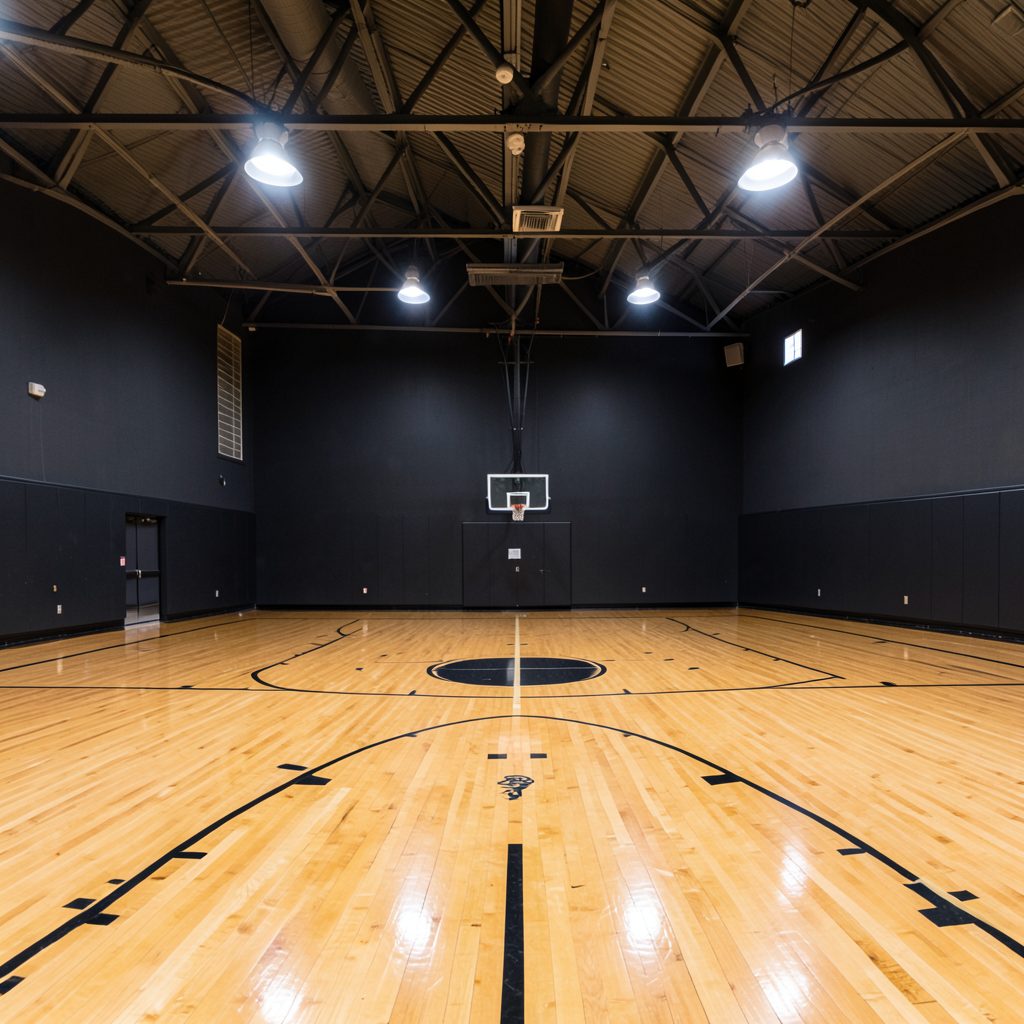
Eight league divisions span every age group: Indy Pro AM, 18+ Open Men's, 30+ Men's, Bite Size (ages 3–6), Impact League, 5th/6th Grade, Middle School, and High School. Gather your team and compete.
Training
Individual and group basketball training for all skill levels. Major M.O.V.E.S. Basketball Training serves ages 4–7 on Wednesday and Thursday evenings at 6:30 PM — $30 per session or $100 unlimited monthly.
Wellness & Recovery
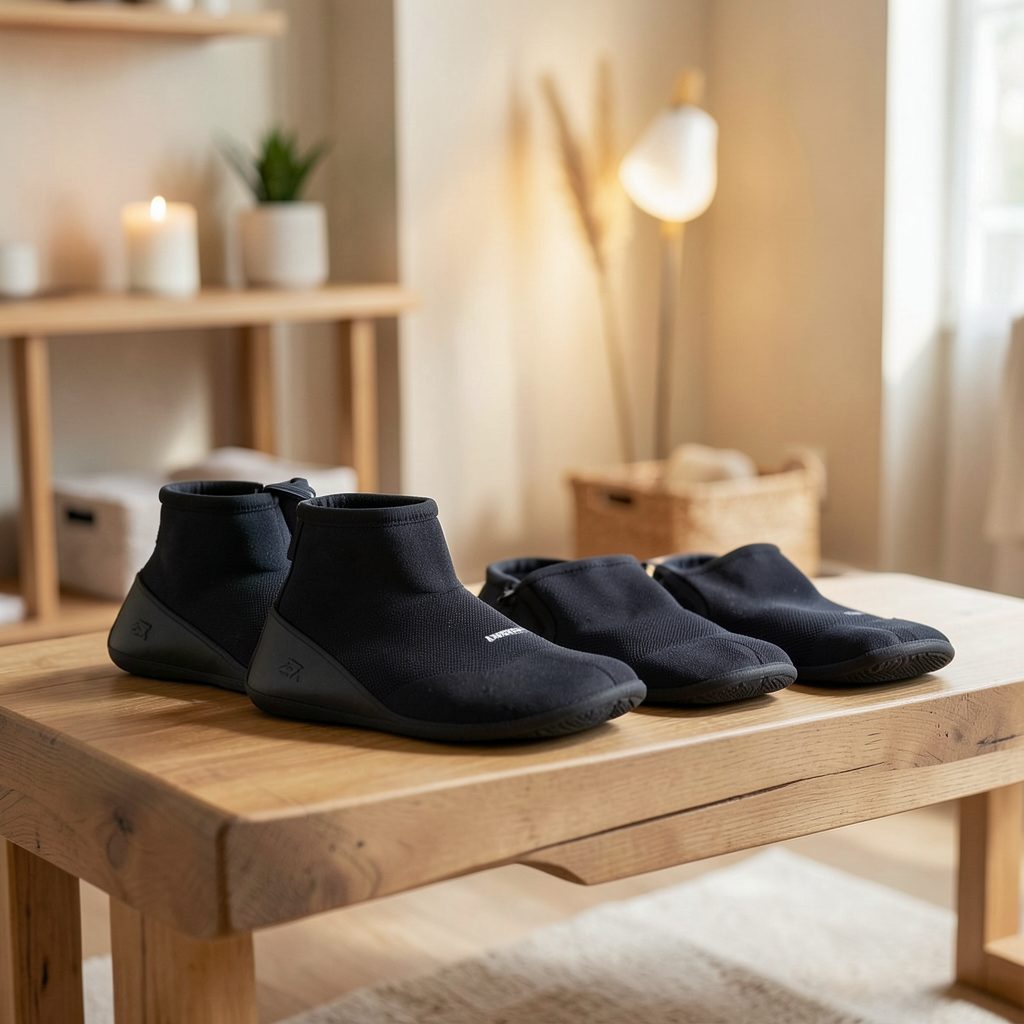
Normatec boot recovery and cryotherapy treatments help athletes bounce back faster. Cycle and spin classes add a cardio dimension to the holistic performance approach.
Have a Question?