Train. Compete. Recover.
A multi-purpose athletic facility in Speedway, Indiana — basketball leagues, skill training, and wellness services all under one roof.
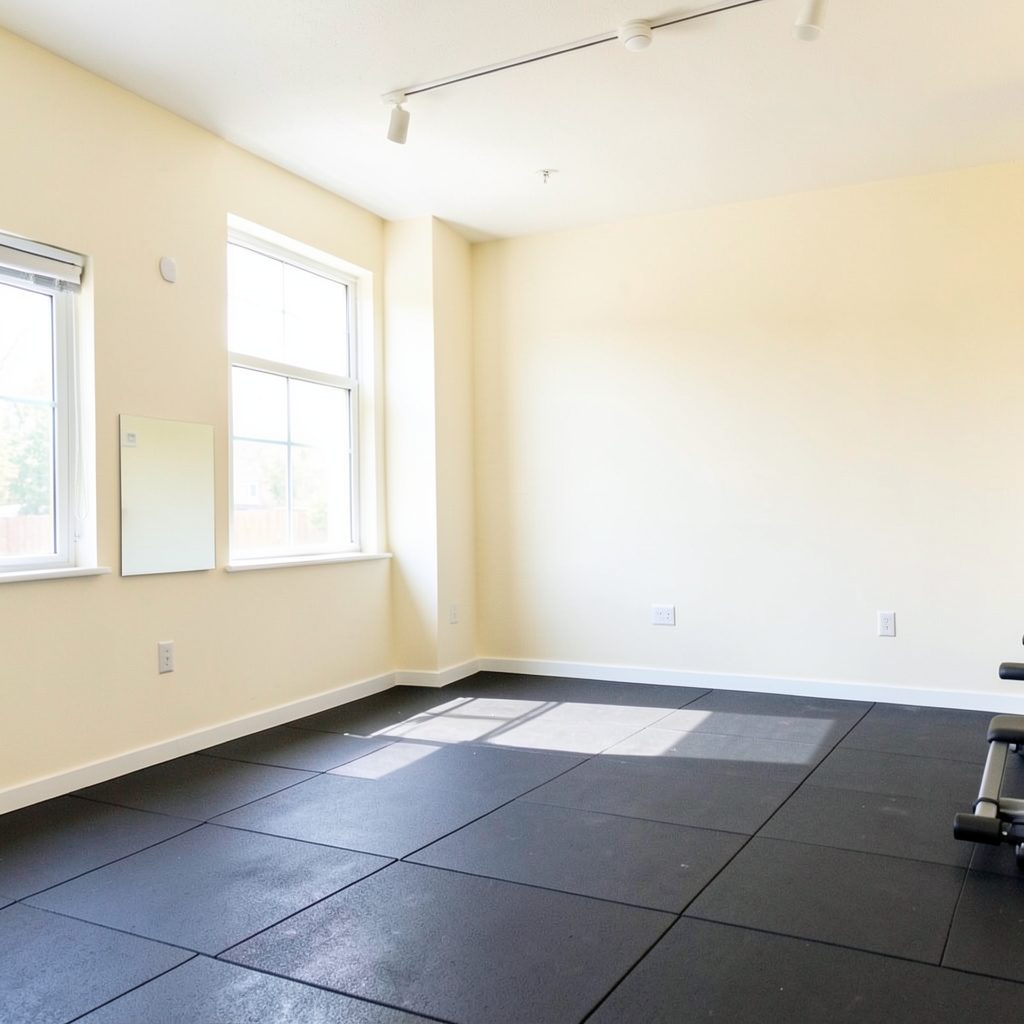
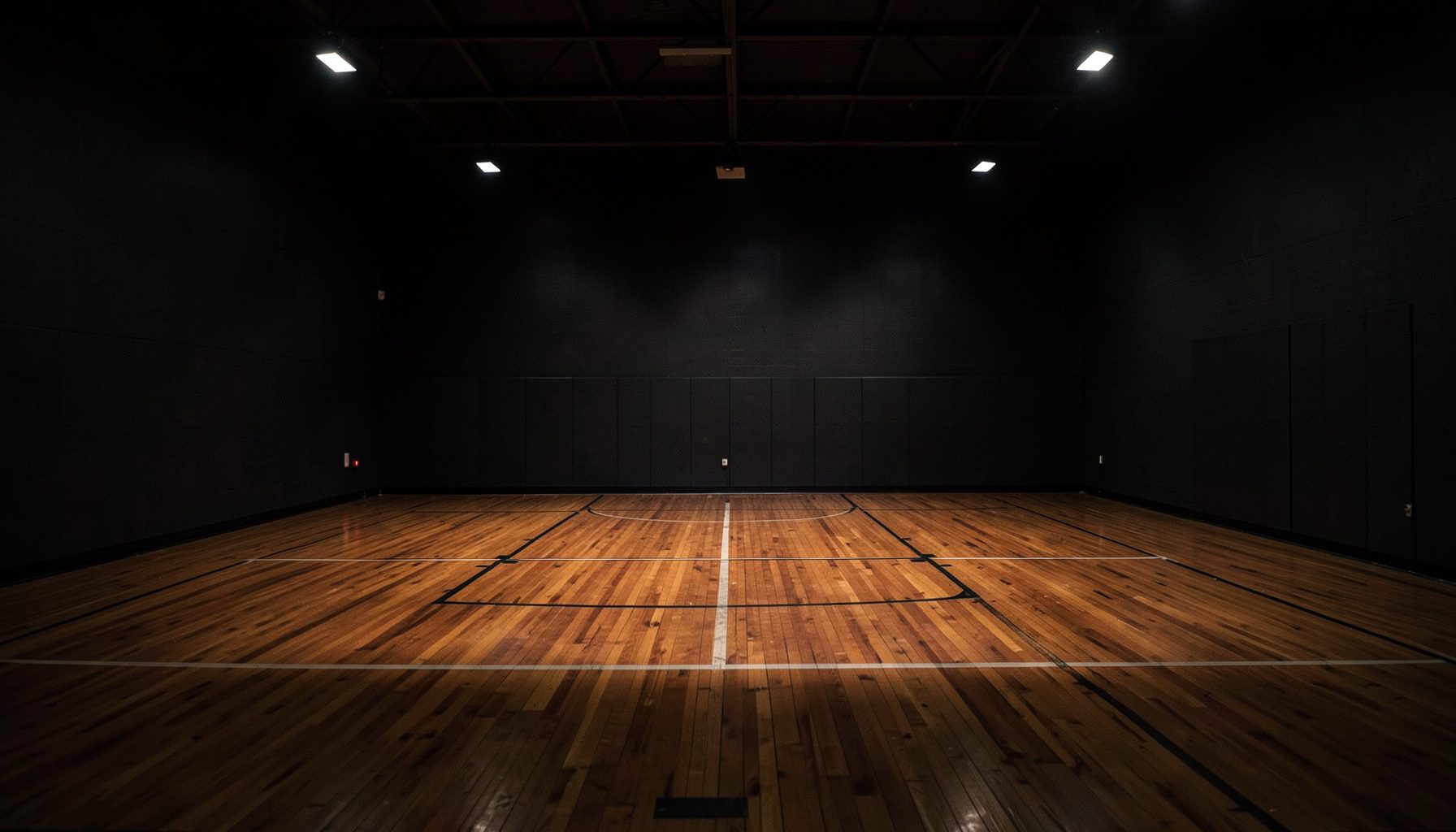
The Factory D1 Indy brings together three entities under one roof: competitive basketball leagues for all age groups, individual and group training, and wellness & recovery services including Normatec boot recovery and cryotherapy. Located off I-465 and High School Road at 6331 Crawfordsville Road, Speedway, Indiana 46224.
Get In TouchSpin class form tips to prevent injury and maximize results
A spin class can deliver a powerful cardiovascular workout in a short period of time. The combination of resistance, cadence changes, hills, and intervals challenges the legs while keeping the session engaging. However, the benefits depend on how well the bike fits your body and how consistently you maintain sound technique.
Good cycling form is more than sitting upright and turning the pedals. Your posture, foot placement, resistance level, hand position, and effort control all affect comfort and performance. Small adjustments can reduce unnecessary stress on the knees, hips, lower back, shoulders, and wrists.
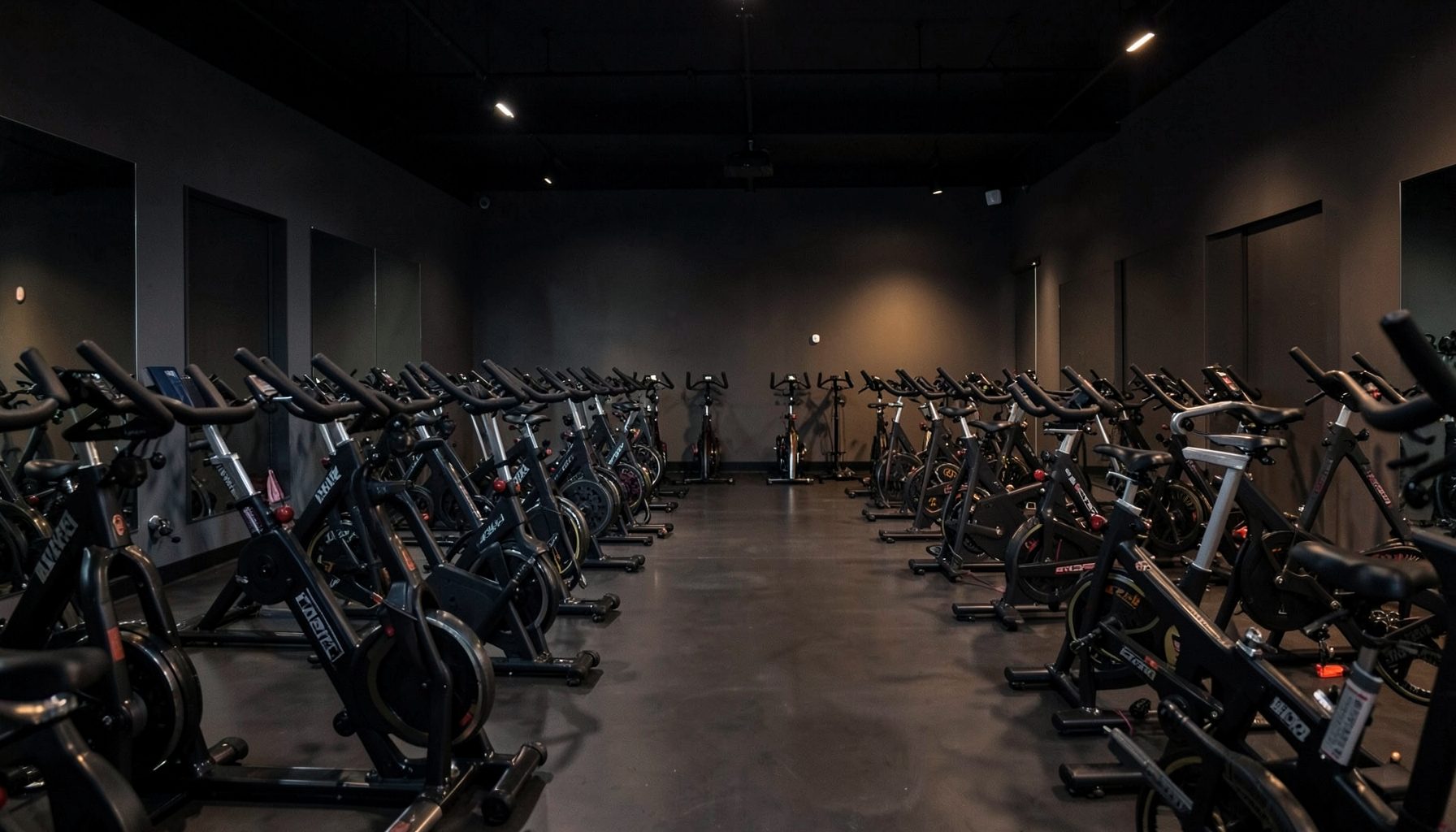
At The Factory D1 Indy, cycle and spin classes fit into a broader athletic environment built around conditioning, performance, and recovery. Whether you are new to indoor cycling or training regularly, these practical habits can help you ride with greater control and get more from every class.
Set up the bike before the warm-up
Bike adjustment is the first injury-prevention step. Begin by standing beside the saddle and setting its height approximately level with your hip. When seated with the pedal at the lowest point, your knee should retain a slight bend rather than locking out or folding too deeply.
A saddle that is too low can increase pressure around the front of the knee, while a saddle that is too high may cause your hips to rock from side to side. Both issues can disrupt your pedal stroke. Adjust the seat forward or backward so that your knee is generally aligned over the ball of your foot when the crank is positioned horizontally.
Handlebar height should support a neutral spine. Beginners or anyone with lower-back or wrist discomfort may benefit from positioning the handlebars higher. More experienced riders can lower them gradually, but a more aggressive position is not automatically better. You should be able to keep your shoulders relaxed and your elbows softly bent.
Protect your joints with controlled technique
Keep your knees tracking in the same direction as your toes throughout each pedal revolution. Avoid allowing the knees to collapse inward, particularly during standing climbs or high-effort intervals. This alignment helps distribute force through the hips and legs instead of concentrating stress around the knee joint.
Your feet should remain stable in the pedals, with the widest part of the foot positioned over the pedal axle. If the class uses cycling shoes, check that the cleats are secured and aligned comfortably before increasing intensity. Do not force your toes downward or point them excessively; aim for a smooth ankle position and an even push-and-pull rhythm.
Indoor cycling technique has useful crossover for court athletes. The same control required to keep the knees aligned during a bike sprint can support better movement mechanics during lateral work, including defensive slides. Stable hips, active feet, and disciplined alignment matter in both settings.
Match resistance and cadence to your ability
Cadence refers to how quickly the pedals turn, while resistance determines how much force each rotation requires. A fast pace with very light resistance can cause bouncing in the saddle and reduce control. Heavy resistance with an extremely slow cadence can place excessive strain on the knees and lower back.
Choose a gear that allows you to maintain a steady, circular pedal stroke. During seated work, your hips should remain relatively still. If you begin lifting off the saddle unintentionally, reduce the pace or add a small amount of resistance until the movement feels controlled.
Use the instructor’s intensity cues as guidance rather than commands to ignore your body. A challenging interval should raise your breathing rate, but it should not produce sharp pain, numbness, dizziness, or joint instability. Athletic progress comes from applying repeatable effort, not from turning every segment into an all-out test.
| Riding focus | Form cue | Common warning sign | Useful adjustment |
|---|---|---|---|
| Seated climb | Keep hips stable and knees aligned | Knee pressure or rocking hips | Lower resistance slightly and check saddle height |
| Fast cadence | Stay light and controlled in the saddle | Bouncing or loss of rhythm | Add modest resistance or slow down |
| Standing climb | Keep weight balanced through the pedals | Pulling heavily on the handlebars | Reduce resistance and engage the legs |
| Upper-body position | Relax shoulders and bend elbows | Wrist, neck, or shoulder tension | Move hands, raise handlebars, and soften your grip |
| Recovery interval | Breathe steadily and release tension | Breathlessness that does not settle | Reduce effort and return to an easy cadence |
Use your upper body without overworking it
The handlebars are designed to help with balance and positioning, not to carry your body weight. Keep your grip firm enough for control but light enough that your knuckles, wrists, and forearms stay relaxed. If your shoulders rise toward your ears, take a breath and consciously lower them.
During standing efforts, keep your chest open and your spine long. Avoid swinging the bike from side to side or pulling forcefully against the handlebars. Your legs should produce most of the power. A quiet upper body usually indicates that your resistance, cadence, and balance are working together.
Hand position can change during a class, especially during longer rides. Moving between the tops and sides of the handlebars can reduce pressure in one area and make it easier to maintain a neutral wrist angle. If you feel tingling or persistent discomfort in your hands, change position and tell the instructor.
Build intensity with a complete riding strategy
A productive session includes more than the hardest intervals. Start with several minutes of easy pedaling to increase circulation, warm the muscles, and rehearse your technique. Use the warm-up to check your seat position, breathing, foot placement, and range of motion before the workload increases.
During the main portion of class, allow effort to rise and fall. Hard segments can improve power and cardiovascular capacity, while moderate sections help you recover without stopping completely. Keep enough energy in reserve to maintain good mechanics near the end of the ride.
Cool down gradually instead of stopping immediately after a demanding interval. Easy pedaling helps your breathing return toward normal and provides a useful transition before stretching or leaving the bike. Hydrate before and after class, and consider a small meal or snack that combines carbohydrates and protein when the session is part of a larger training day.
Recover so your next ride stays productive
Recovery supports the results you are trying to create. Light mobility work for the hips, quadriceps, hamstrings, calves, and upper back can help you transition out of a repetitive seated position. Gentle stretching should feel comfortable rather than forced, especially after an intense class.
Sleep is another major part of training adaptation. If you are exploring recovery options alongside improved sleep habits, this overview of cryotherapy and sleep quality explains why athletes pay attention to both recovery methods and nighttime rest. Compression therapy, hydration, balanced nutrition, and rest days may also be useful depending on your training load.
Pay attention to the difference between normal exertion and a potential injury. Muscle fatigue and temporary breathlessness are expected; sharp knee pain, persistent back pain, swelling, altered sensation, or pain that changes your movement deserves attention. Reduce the workload and consult a qualified healthcare professional when symptoms continue.
Habits that make every class safer
- Arrive early enough to adjust the bike, ask for help, and complete a gradual warm-up.
- Keep your knees aligned with your toes and your hips stable through every cadence change.
- Select resistance that supports a smooth pedal stroke instead of chasing speed alone.
- Relax your hands, shoulders, and jaw while maintaining a stable, balanced position.
- Track how your body responds during and after class so you can adjust future training.
Spin training works best when intensity is paired with precision. A properly adjusted bike, neutral posture, controlled resistance, and consistent breathing can improve comfort while helping you develop endurance and leg strength. Over time, those habits make it easier to handle demanding intervals without sacrificing movement quality.
Join a cycle or spin class at The Factory D1 Indy to put these techniques into practice in a supportive athletic setting. With coaching, conditioning opportunities, and recovery services available under one roof, you can build a smarter routine that supports both your next workout and your long-term performance.
Inside The Factory

Three Entities, One Roof
Leagues
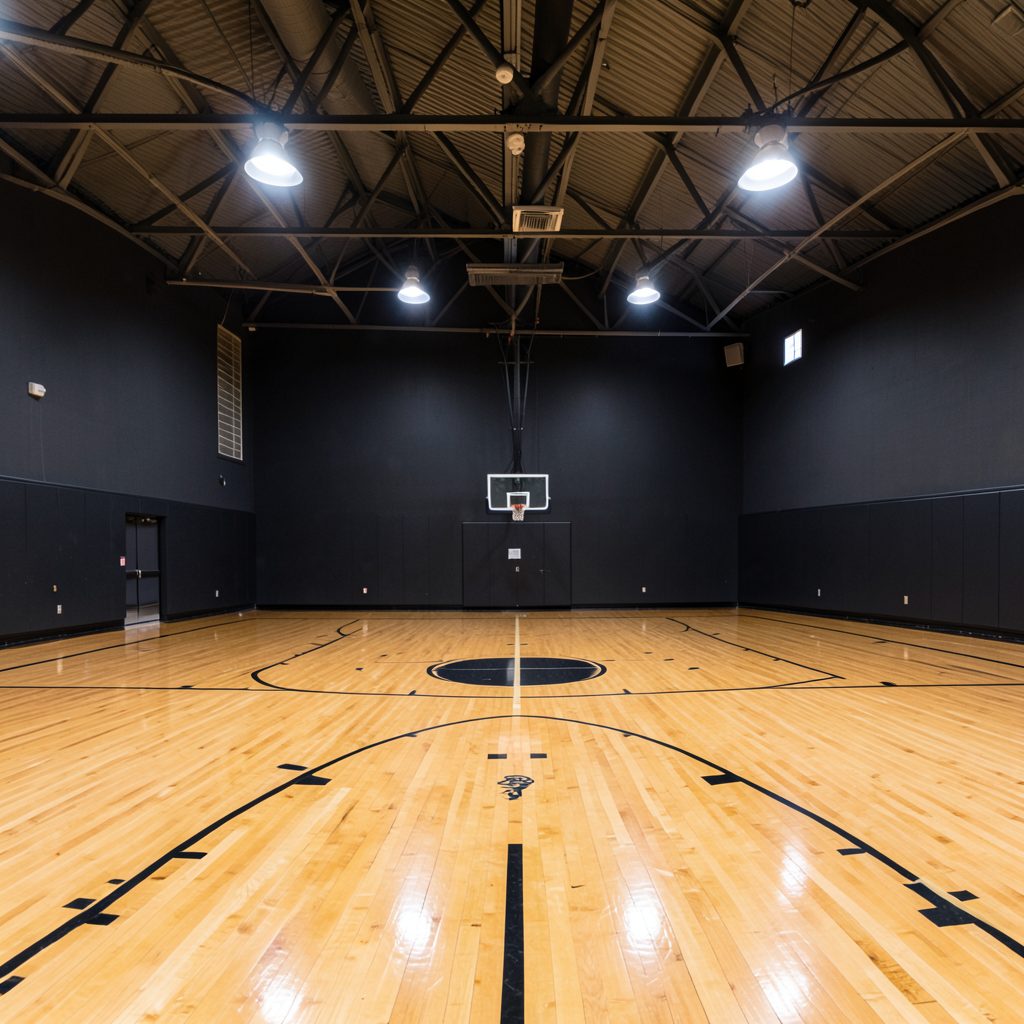
Eight league divisions span every age group: Indy Pro AM, 18+ Open Men's, 30+ Men's, Bite Size (ages 3–6), Impact League, 5th/6th Grade, Middle School, and High School. Gather your team and compete.
Training
Individual and group basketball training for all skill levels. Major M.O.V.E.S. Basketball Training serves ages 4–7 on Wednesday and Thursday evenings at 6:30 PM — $30 per session or $100 unlimited monthly.
Wellness & Recovery
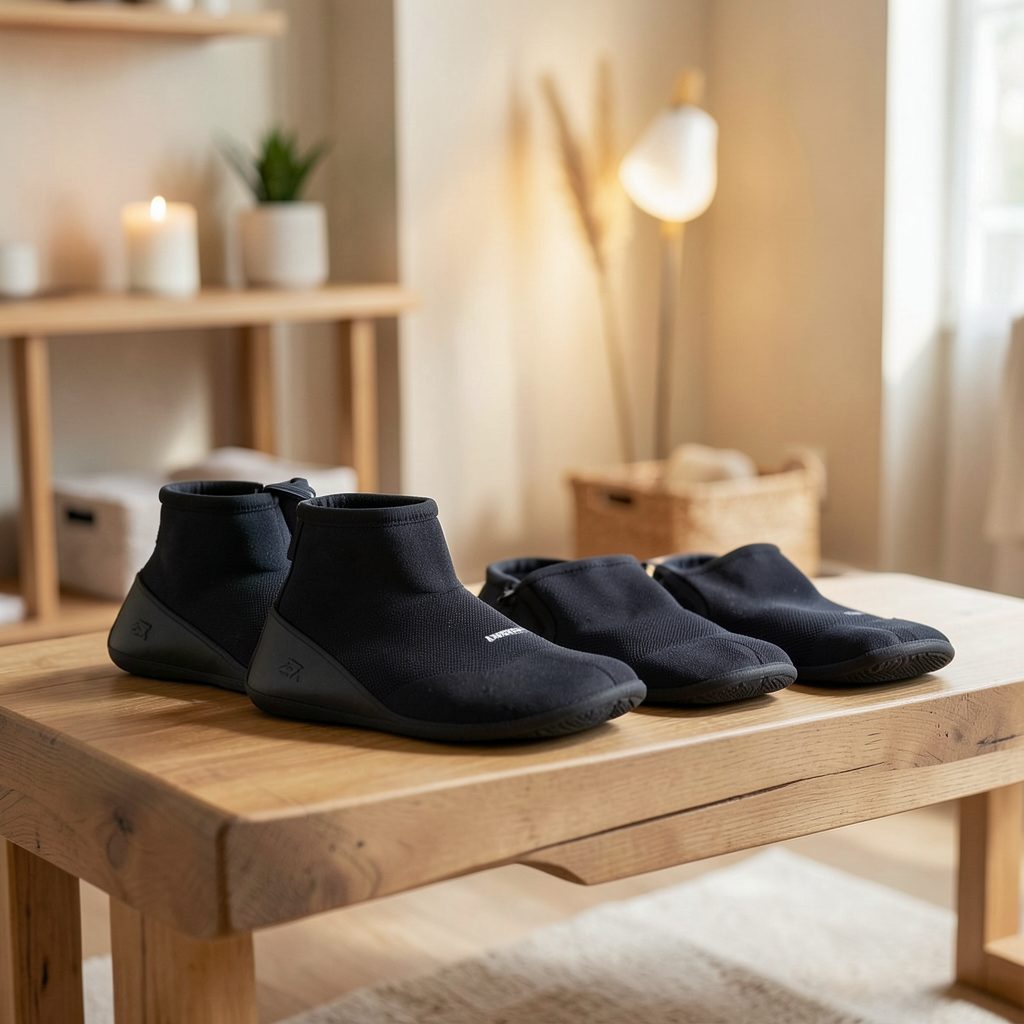
Normatec boot recovery and cryotherapy treatments help athletes bounce back faster. Cycle and spin classes add a cardio dimension to the holistic performance approach.
Have a Question?