Train. Compete. Recover.
A multi-purpose athletic facility in Speedway, Indiana — basketball leagues, skill training, and wellness services all under one roof.
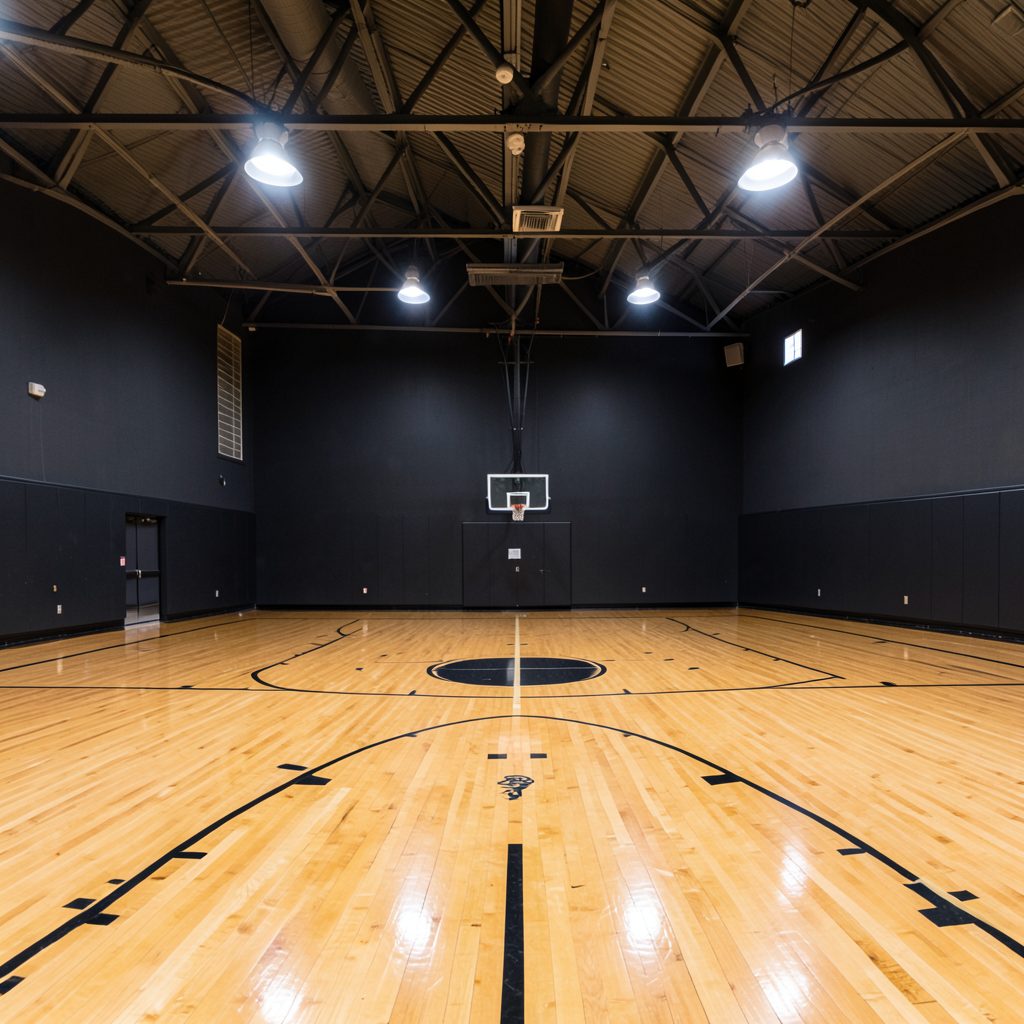
The Factory D1 Indy brings together three entities under one roof: competitive basketball leagues for all age groups, individual and group training, and wellness & recovery services including Normatec boot recovery and cryotherapy. Located off I-465 and High School Road at 6331 Crawfordsville Road, Speedway, Indiana 46224.
Get In TouchBuilding A Basketball Practice Plan For Individual Skill Work
Individual basketball development becomes more productive when every minute has a purpose. A player who arrives with a clear sequence can improve ball control, shooting consistency, footwork, decision-making, and conditioning without drifting from one drill to another. The goal is not to collect dozens of exercises, but to connect a manageable set of actions to specific game demands.
A strong session also matches the athlete’s age, position, experience, and current workload. A beginner may need more time learning balance and hand placement, while an experienced guard may focus on changing pace under pressure. Players should record a few simple details, such as made shots, weak-hand turnovers, or successful finishes, so progress is based on evidence rather than memory.
At a multi-purpose facility such as The Factory D1 Indy in Speedway, Indiana, individual workouts can fit alongside youth programs, competitive leagues, strength work, cycle classes, and recovery services. That broader environment helps athletes treat practice as part of a complete performance routine rather than an isolated hour on the court.
Start With A Specific Performance Goal
Before touching a basketball, choose one primary objective and two supporting skills. A useful goal might be improving left-hand drives, creating space for a pull-up jumper, finishing through contact, or reducing turnovers against defensive pressure. Limiting the main focus keeps the workout organized and gives the player a clear standard for success.
The target should be measurable. Instead of writing “work on shooting,” set a goal such as making 40 game-speed catch-and-shoot attempts from five spots or completing 20 controlled weak-hand finishes. Use quality thresholds as well: a drill can end after the target is reached, but poor balance, rushed footwork, or careless repetitions should not count as improvement.
Plan around the player’s role. A center may prioritize post footwork, rebounding angles, and short-range finishes, while a guard may need tight changes of direction, pick-and-roll reads, and pull-up shooting. Position-specific work makes individual practice more relevant to actual possessions.
Prepare The Body And Ball
Begin with five to eight minutes of movement preparation rather than immediately taking full-speed shots. Light jogging, lateral shuffles, skips, hip mobility, ankle mobility, and controlled defensive slides raise body temperature while rehearsing basketball patterns. Add low-intensity dribbling with both hands so the first ball touches already support coordination.
The warm-up should progress from simple to demanding. Start with stationary pounds, crossovers, between-the-legs movements, and retreat dribbles. Then move into walking combinations and finally into changes of pace. Keep the ball below the waist when practicing protection, but occasionally bring it higher to imitate situations in which a defender reaches or a player must gather quickly.
Foot and ankle preparation deserves consistent attention. Calf raises, single-leg balance, controlled landing mechanics, and short deceleration drills can reinforce stability before repeated jumping and cutting. Players who want a more detailed routine can review ankle injury prevention strategies involving taping and exercises.
Organize Skill Blocks By Difficulty
The technical portion should move from control to pressure. Start with isolated mechanics, then add movement, speed, a defender or obstacle, and a decision. For example, a player might begin with stationary weak-hand dribbles, progress to a left-hand drive around a cone, and finish by reacting to a coach’s signal or choosing between a pull-up and a pass.
A 60-minute session can use four primary blocks. Spend roughly 10 minutes on ball handling, 15 minutes on finishing and footwork, 20 minutes on shooting, and 10 minutes on competitive game actions, leaving five minutes for warm-up or review. A 90-minute workout can lengthen each block, but extra volume should never replace accurate repetitions.
| Practice Block | Main Objective | Example Work | Quality Measure |
|---|---|---|---|
| Ball Handling | Protect and control the dribble | Change-of-direction series, retreat dribbles, pressure escapes | Few uncontrolled contacts or high dribbles |
| Footwork And Finishing | Improve balance near the rim | Two-foot stops, stride stops, reverse finishes, floaters | Correct footwork and both-side makes |
| Shooting | Build repeatable mechanics | Form shots, catch-and-shoot, pull-ups, relocation shots | Makes at game speed with stable balance |
| Decision Practice | Transfer skills to possessions | Read cones, closeout attacks, one-dribble counters | Correct choice under a time limit |
| Conditioning | Maintain technique while tired | Court sprints, defensive slides, repeated drives | Form stays reliable through final reps |
Rest should be planned rather than accidental. Short breaks of 20 to 45 seconds work well for technical drills, while demanding shooting or repeated sprint efforts may require longer recovery. During each pause, identify one correction and apply it immediately instead of filling the time with random extra repetitions.
Make Shooting More Game Like
Shooting practice should include different distances, angles, footwork patterns, and speeds. Begin with close-range form shots to establish a quiet guide hand, balanced base, and consistent release. Then move to stationary perimeter shots before adding relocations, closeout attacks, pull-ups, and shots after a change of direction.
Track makes and attempts, but also track the situation. A player may shoot well from a standstill while struggling after a sprint or when moving to the left. Record results by category, such as corner catch-and-shoot, wing pull-up, free throw, and contested finish. This reveals which parts of the offensive skill set need more attention.
Use a clear reset routine after every miss. Place the feet, locate the target, breathe, and repeat the same preparation. This prevents frustration from changing mechanics. For younger athletes, shorter sets with frequent success can build confidence; advanced players can use timed rounds or make-two-in-a-row requirements to create pressure.
Shooting should finish with free throws or a controlled set of shots while fatigued. Since late-game accuracy depends on breathing and concentration, this final segment links technical execution with conditioning. It also provides a consistent way to compare workouts from week to week.
Transfer Drills Into Competitive Actions
A practice plan is incomplete if skills never appear in realistic sequences. Turn a dribbling move into a drive, a drive into a finish or pull-up, and a shot into a relocation. If a partner or coach is available, add closeouts, bump contact, passing decisions, and live one-on-one possessions. When training alone, cones, chairs, pads, and visual cues can create simple constraints.
Use advantage-based situations to improve decision-making. Start with a single move and one counter, then read the imaginary defender’s position. If the defender cuts off the right hand, cross back or stop for a jumper. If the defender retreats, attack the space or take the open shot. The purpose is to make the correct response quickly, not to perform a preset combination beautifully.
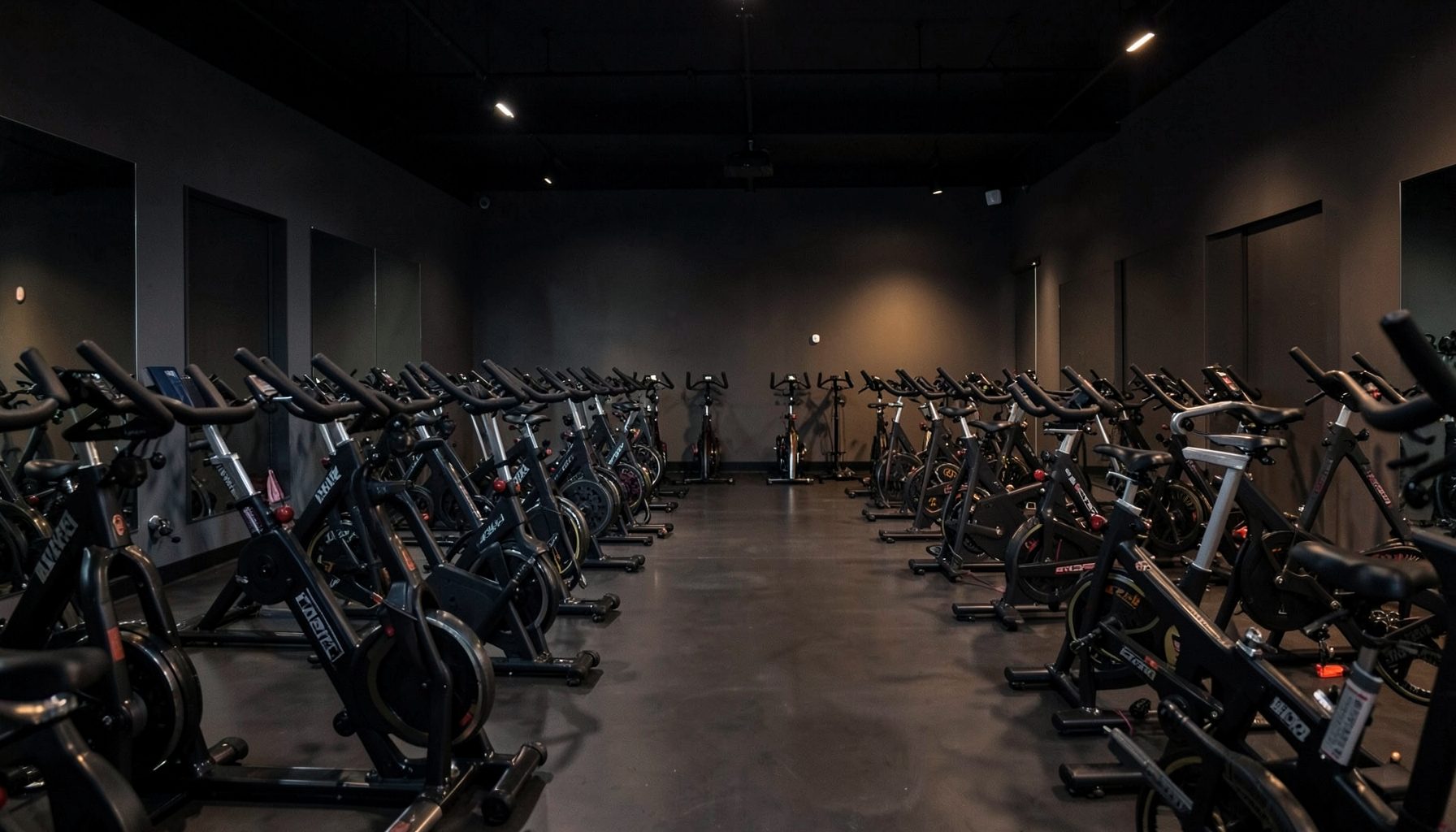
Conditioning should support this work. Basketball players need repeated bursts, quick recovery, and enough aerobic capacity to maintain skill quality across multiple possessions. Adding a weekly cycle session can complement court work, and spin classes for basketball can provide structured cardiovascular training without adding more jumping impact.
Finish With Recovery And Review
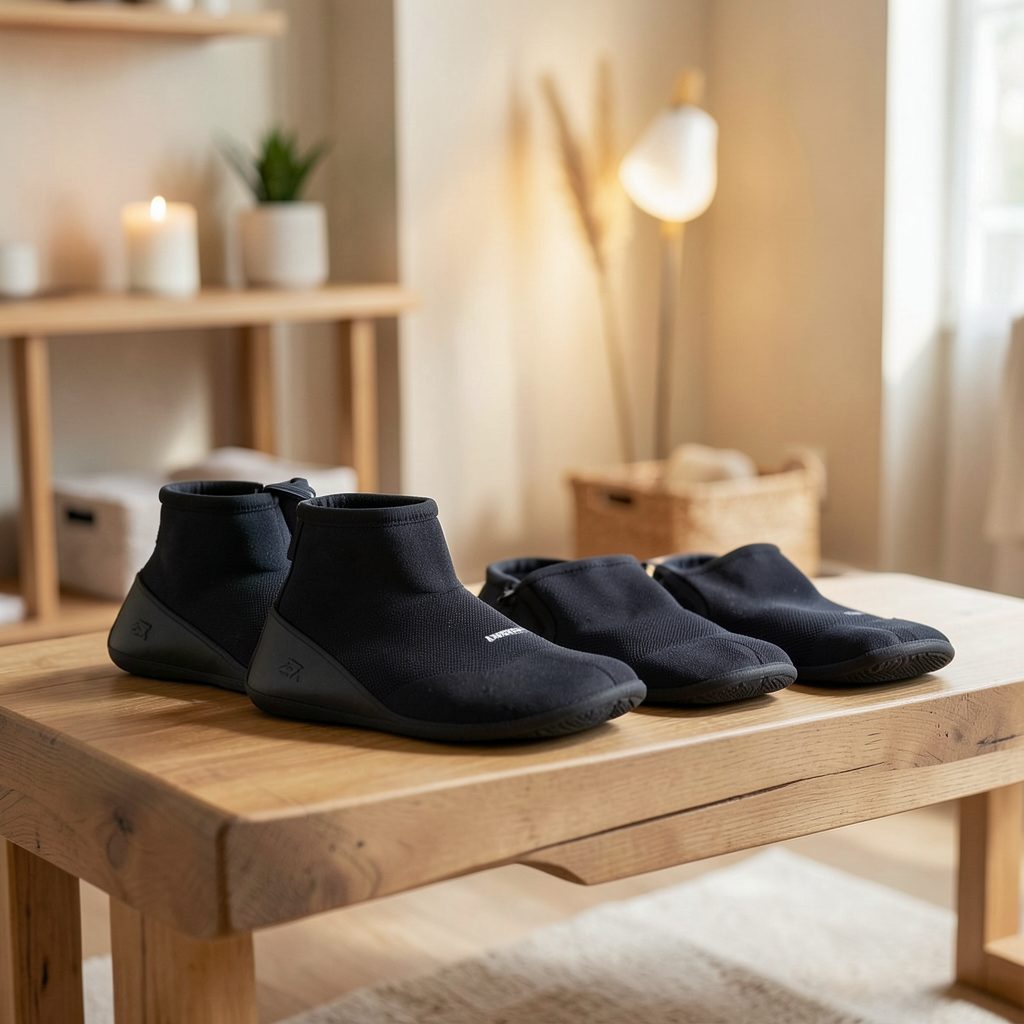
The final five minutes should reduce intensity gradually. Walk, breathe deeply, stretch lightly, and note any pain or unusual tightness. Recovery is especially important after high-volume jumping, sprinting, or shooting sessions. Services such as compression therapy and cryotherapy may fit into a broader recovery strategy when used appropriately and alongside sleep, hydration, and sound training loads.
Write down three observations immediately after practice: one skill that improved, one mistake that appeared repeatedly, and one priority for the next workout. Also record total makes, work duration, and perceived effort on a simple scale from one to ten. This information helps prevent every session from becoming equally hard and makes weekly planning more intentional.
Recommendations For Better Individual Workouts
- Choose one primary skill objective before entering the gym.
- Use both sides of the body, even when one side feels more comfortable.
- Count only technically sound repetitions toward a drill target.
- Add pressure, a decision, or a time limit before increasing volume.
- Schedule demanding court work with enough recovery between sessions.
A repeatable individual workout can be simple, demanding, and highly specific. Build from movement preparation to controlled technique, progress toward game-speed decisions, and finish by reviewing measurable results. Athletes who follow that sequence are more likely to carry improved footwork, shooting rhythm, and ball security into practices and competitive games.
The Factory D1 Indy gives players a place to develop those habits through basketball training, leagues, conditioning opportunities, and recovery support in one community-focused facility. Bring a written session goal, use the court time with intention, and make each workout another practical step toward stronger performance.
Inside The Factory
Three Entities, One Roof
Leagues
Eight league divisions span every age group: Indy Pro AM, 18+ Open Men's, 30+ Men's, Bite Size (ages 3–6), Impact League, 5th/6th Grade, Middle School, and High School. Gather your team and compete.
Training
Individual and group basketball training for all skill levels. Major M.O.V.E.S. Basketball Training serves ages 4–7 on Wednesday and Thursday evenings at 6:30 PM — $30 per session or $100 unlimited monthly.
Wellness & Recovery
Normatec boot recovery and cryotherapy treatments help athletes bounce back faster. Cycle and spin classes add a cardio dimension to the holistic performance approach.
Have a Question?