Train. Compete. Recover.
A multi-purpose athletic facility in Speedway, Indiana — basketball leagues, skill training, and wellness services all under one roof.
The Factory D1 Indy brings together three entities under one roof: competitive basketball leagues for all age groups, individual and group training, and wellness & recovery services including Normatec boot recovery and cryotherapy. Located off I-465 and High School Road at 6331 Crawfordsville Road, Speedway, Indiana 46224.
Get In TouchCryotherapy for Shin Splints in Basketball Athletes
Basketball places repeated stress on the lower legs. Sprinting, jumping, sudden stops, defensive slides, and hard court landings can overload the muscles and connective tissues around the shin. When training volume rises faster than the body can adapt, athletes may develop medial tibial stress syndrome, commonly called shin splints.
Cryotherapy can be a useful recovery tool for managing soreness and discomfort after activity. Cold exposure may temporarily reduce pain signals, limit the sensation of swelling, and help an athlete feel more comfortable between practices. It does not, however, correct the training error or tissue overload that caused the symptoms.
At The Factory D1 Indy, basketball players can combine recovery services with strength work, conditioning, skills training, and competitive play. A complete plan treats cold therapy as one part of a broader strategy that includes load management, footwear, mobility, lower-leg strength, and appropriate medical assessment.
Understanding Shin Pain In Basketball Players
Shin splints usually refer to pain along the inner border of the tibia. Basketball athletes may notice tenderness during warmups, discomfort after practice, or aching that continues into daily activities. Symptoms often develop after adding extra games, increasing running intensity, returning from an injury, or practicing on a harder surface.
The pain may come from repeated strain on the muscles and tendons attached near the shinbone, along with stress placed on the bone itself. Weak calf muscles, limited ankle mobility, poor landing mechanics, and sudden changes in workload can all contribute. Shoes with worn cushioning may add to the problem, although footwear is rarely the only cause.
Pain that becomes sharp, highly localized, or present at rest deserves more attention. A stress reaction or stress fracture can resemble ordinary shin splints, especially in athletes who continue playing through worsening symptoms. Significant swelling, numbness, weakness, or pain when hopping should prompt an evaluation by a sports medicine professional.
How Cold Therapy May Help
Cold therapy causes temporary narrowing of blood vessels and reduces the speed of some nerve signals. For a basketball player, this can make the lower leg feel less painful after a demanding session. Compression-based cold treatments may also provide a comfortable recovery experience when the legs feel heavy or fatigued.
The effect is primarily symptom relief. Cryotherapy does not rebuild overloaded bone, restore calf capacity, or replace rest. An athlete who feels better immediately after treatment may still need to reduce jumping, sprinting, or game minutes while the irritated tissues recover.
The best timing depends on the athlete’s symptoms and the treatment format. A sports recovery professional may recommend a brief, controlled session after training rather than prolonged direct icing. Skin sensation and circulation should be monitored throughout, and cold exposure should stop if the area becomes excessively numb, painful, pale, or blotchy.
Comparing Recovery Options
Different recovery methods serve different purposes. Cryotherapy is generally focused on short-term discomfort, while active recovery and strength training address the capacity needed for repeated basketball demands. Choosing the right combination is more useful than relying on a single treatment.
| Recovery approach | Primary role | Best use for basketball athletes | Important limitation |
|---|---|---|---|
| Cryotherapy | Temporary pain and soreness relief | After practice or competition when the shins feel irritated | Does not correct the underlying overload |
| Relative rest | Reduces repeated tissue stress | During a flare-up or after a sudden training increase | Complete inactivity may reduce conditioning |
| Mobility work | Improves ankle and lower-leg movement | Before training and during a gradual return | Mobility alone cannot build load tolerance |
| Strength training | Improves calf, foot, hip, and landing capacity | During rehabilitation and ongoing injury prevention | Must progress gradually |
| Low-impact conditioning | Maintains fitness with less impact | When running and jumping aggravate symptoms | May still cause symptoms if intensity is excessive |
| Medical assessment | Identifies serious or persistent injury | When pain is focal, worsening, or present at rest | Requires professional evaluation and follow-through |
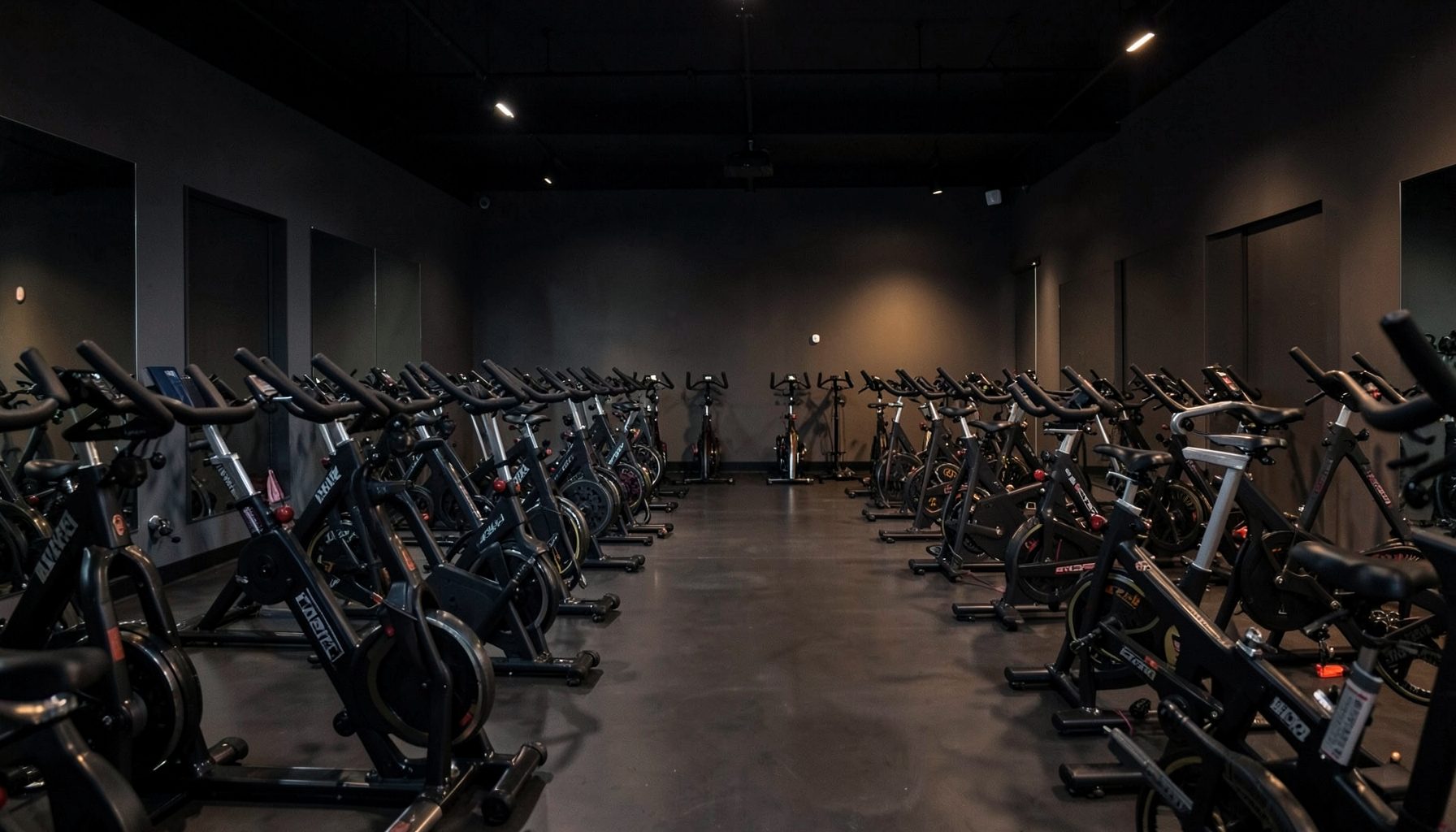
A cycling session can sometimes maintain cardiovascular fitness while reducing impact compared with repeated court sprints. Basketball athletes can explore cycle classes for leg strength as part of a balanced conditioning plan, provided pedaling does not increase shin pain.
Building A Safer Return To Play
Reducing pain is only the first step. Athletes should also identify what changed before symptoms appeared. The trigger may have been a second league, extra shooting sessions, a tournament weekend, a new pair of shoes, or a rapid return after time away from the court.
A gradual return often begins with low-impact conditioning and controlled strength work. If walking is painful, high-impact basketball activity is usually premature. Once normal walking is comfortable, an athlete may progress through light jogging, planned accelerations, individual drills, and eventually full practice.
The progression should be based on symptoms during the session and over the following day. Mild muscle fatigue can be acceptable, but increasing shin pain, altered running form, or next-day soreness that lasts longer than expected indicates that the workload should be adjusted. Coaches, parents, and athletes should communicate rather than allowing competition schedules to dictate every step.
Strength And Movement Strategies
Calf raises, bent-knee calf raises, tibialis raises, foot-control exercises, and single-leg balance drills can improve lower-leg capacity. Hip and trunk strength also matter because stable alignment helps athletes absorb force more effectively when landing, cutting, and stopping.
Resistance bands are convenient for developing control in the hips, ankles, and feet. Basketball players can use resistance band drills alongside shooting practice to reinforce controlled movement without adding another high-impact workout.
Training should begin with manageable resistance and a comfortable range of motion. Progress can come from additional repetitions, slower tempo, heavier resistance, or more demanding single-leg variations. Sharp pain along the shin is a reason to stop and reassess, not a signal to push through.
Warmups should prepare the entire body rather than simply stretching the painful area. Easy cycling, dynamic ankle movement, controlled calf raises, and gradual jumping drills can raise tissue temperature before intense work. After training, gentle mobility and a suitable recovery method may help reduce perceived stiffness.
Using Cryotherapy Responsibly
Cryotherapy is most appropriate when it supports a broader treatment plan. A session may be useful after a game when the lower legs feel sore, or during a recovery period when an athlete needs short-term comfort. It should not be used to mask pain so that the player can immediately return to the same workload.
Athletes with reduced sensation, circulation problems, cold sensitivity, certain cardiovascular conditions, or other medical concerns should consult a qualified healthcare provider before using cold-based treatments. Young athletes should receive guidance from a responsible adult and trained professional, especially when symptoms are persistent.
A recovery provider can help determine whether a local treatment, compression-based option, or another approach fits the athlete’s needs. The goal is a controlled experience that supports recovery without creating skin damage or encouraging unsafe participation.
Practical Habits That Protect The Lower Legs
Shin health depends on repeated daily choices, not a single appointment. Players should pay attention to practice density, court time, recovery sleep, hydration, nutrition, and shoe condition. Coaches can help by rotating high-impact drills and avoiding abrupt increases in sprinting or jumping volume.
Useful habits include:
- Increase running, jumping, and game exposure gradually after a break.
- Use comfortable, well-maintained basketball shoes suited to the athlete’s foot and playing surface.
- Add calf, foot, ankle, hip, and landing-control exercises to regular training.
- Replace some impact conditioning with cycling or another low-impact option during flare-ups.
- Seek assessment for pain at rest, focal tenderness, limping, swelling, or symptoms that keep worsening.
Keeping a simple training and symptom log can reveal patterns. Recording court minutes, conditioning intensity, footwear changes, and next-day pain gives athletes and coaches better information than relying on memory.
Make Recovery Part Of Basketball Training
Shin splints are a signal to examine how the body is handling basketball demands. Cryotherapy may help calm post-activity discomfort, but lasting improvement comes from correcting workload, rebuilding strength, improving movement quality, and returning to impact in stages.
Athletes at The Factory D1 Indy can connect skills training, leagues, conditioning, cycling, and wellness services within one athletic environment. Schedule a visit to discuss a recovery routine that supports healthier practices, stronger lower legs, and confident performance on the court.
Inside The Factory
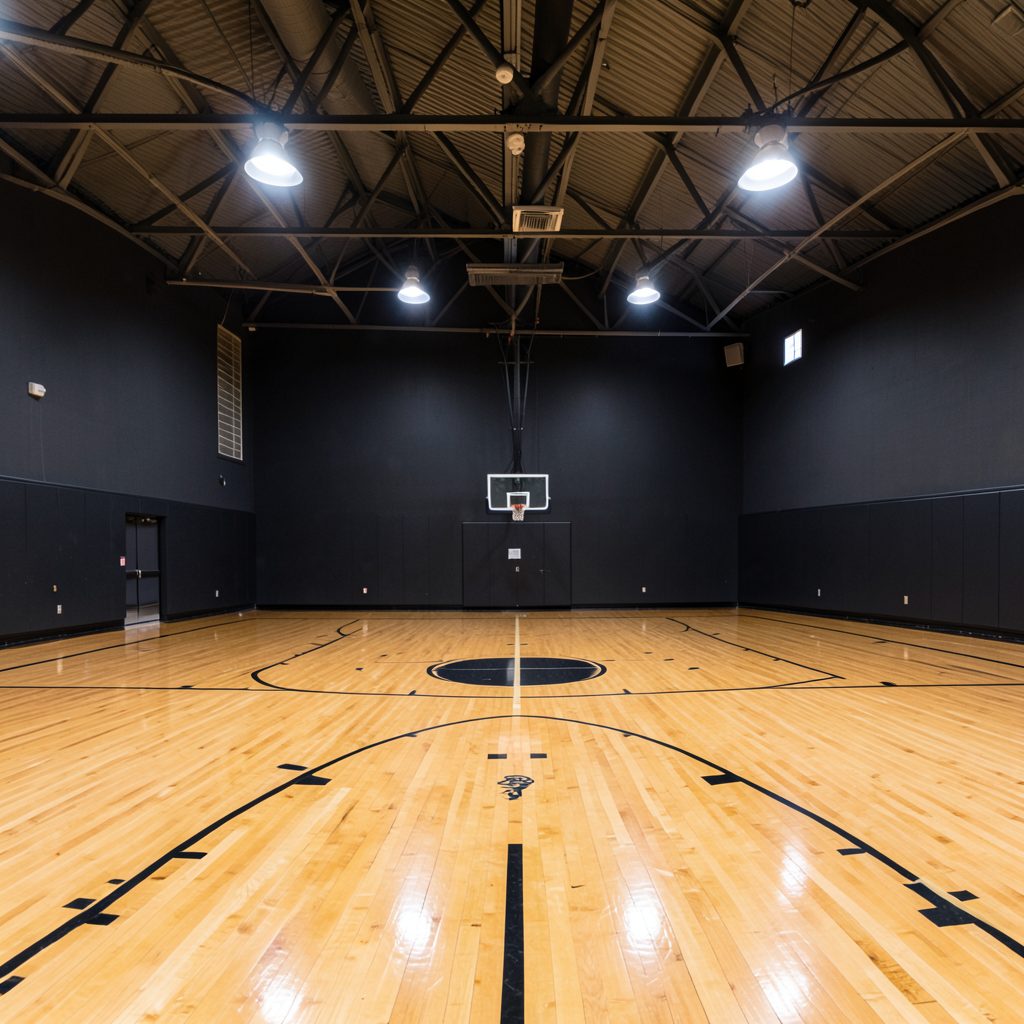
Three Entities, One Roof
Leagues
Eight league divisions span every age group: Indy Pro AM, 18+ Open Men's, 30+ Men's, Bite Size (ages 3–6), Impact League, 5th/6th Grade, Middle School, and High School. Gather your team and compete.
Training
Individual and group basketball training for all skill levels. Major M.O.V.E.S. Basketball Training serves ages 4–7 on Wednesday and Thursday evenings at 6:30 PM — $30 per session or $100 unlimited monthly.
Wellness & Recovery
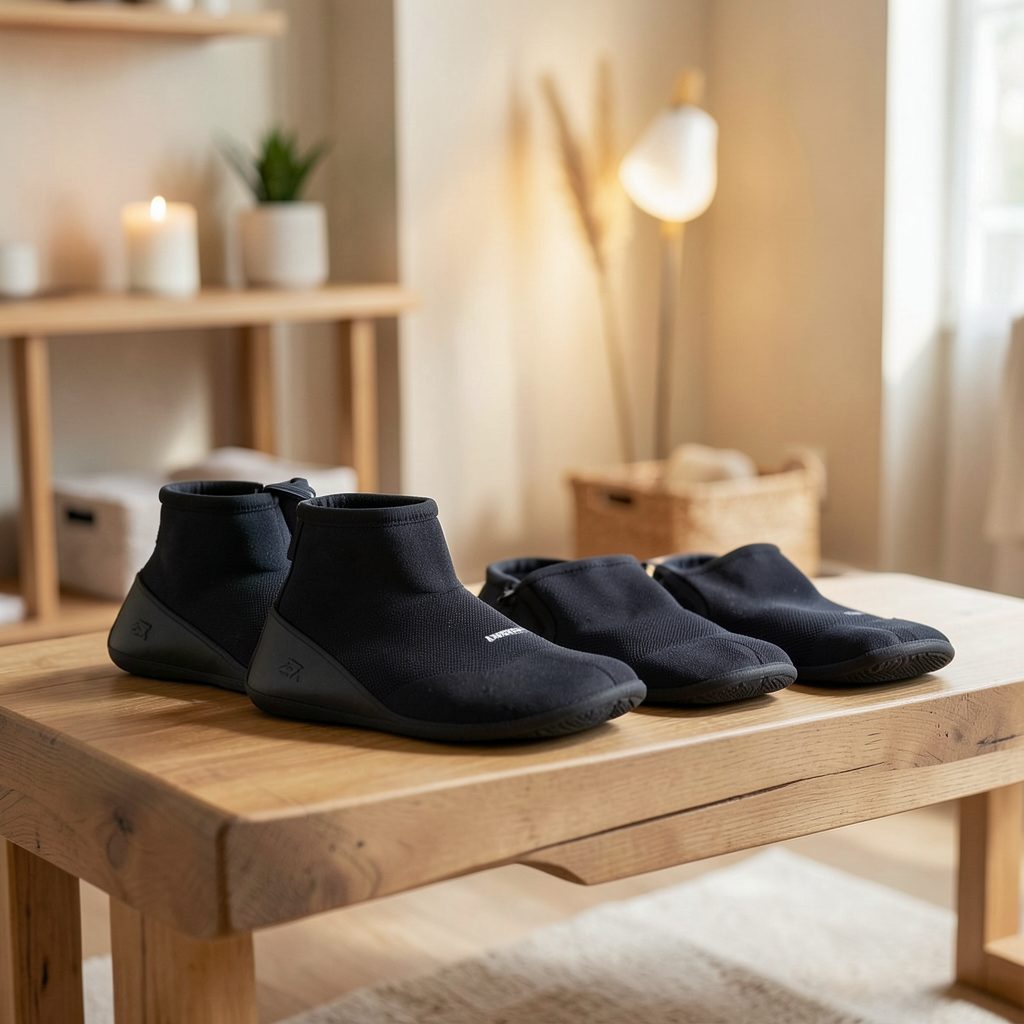
Normatec boot recovery and cryotherapy treatments help athletes bounce back faster. Cycle and spin classes add a cardio dimension to the holistic performance approach.
Have a Question?