Train. Compete. Recover.
A multi-purpose athletic facility in Speedway, Indiana — basketball leagues, skill training, and wellness services all under one roof.
The Factory D1 Indy brings together three entities under one roof: competitive basketball leagues for all age groups, individual and group training, and wellness & recovery services including Normatec boot recovery and cryotherapy. Located off I-465 and High School Road at 6331 Crawfordsville Road, Speedway, Indiana 46224.
Get In TouchFive Ways to Make Youth Basketball Practice Fun
Youth basketball practice should develop skills, confidence, teamwork, and a lasting love of the game. When young athletes look forward to training, they usually participate with greater focus and effort. A well-designed session can teach ball handling, shooting, passing, defense, and conditioning without feeling like a long list of repetitive drills.
The best practices mix structure with play. Coaches can set clear goals while giving players choices, challenges, and plenty of opportunities to celebrate progress. Short activities, friendly competition, and age-appropriate exercises help keep every athlete involved, from beginners learning basic movement to experienced players preparing for league competition.
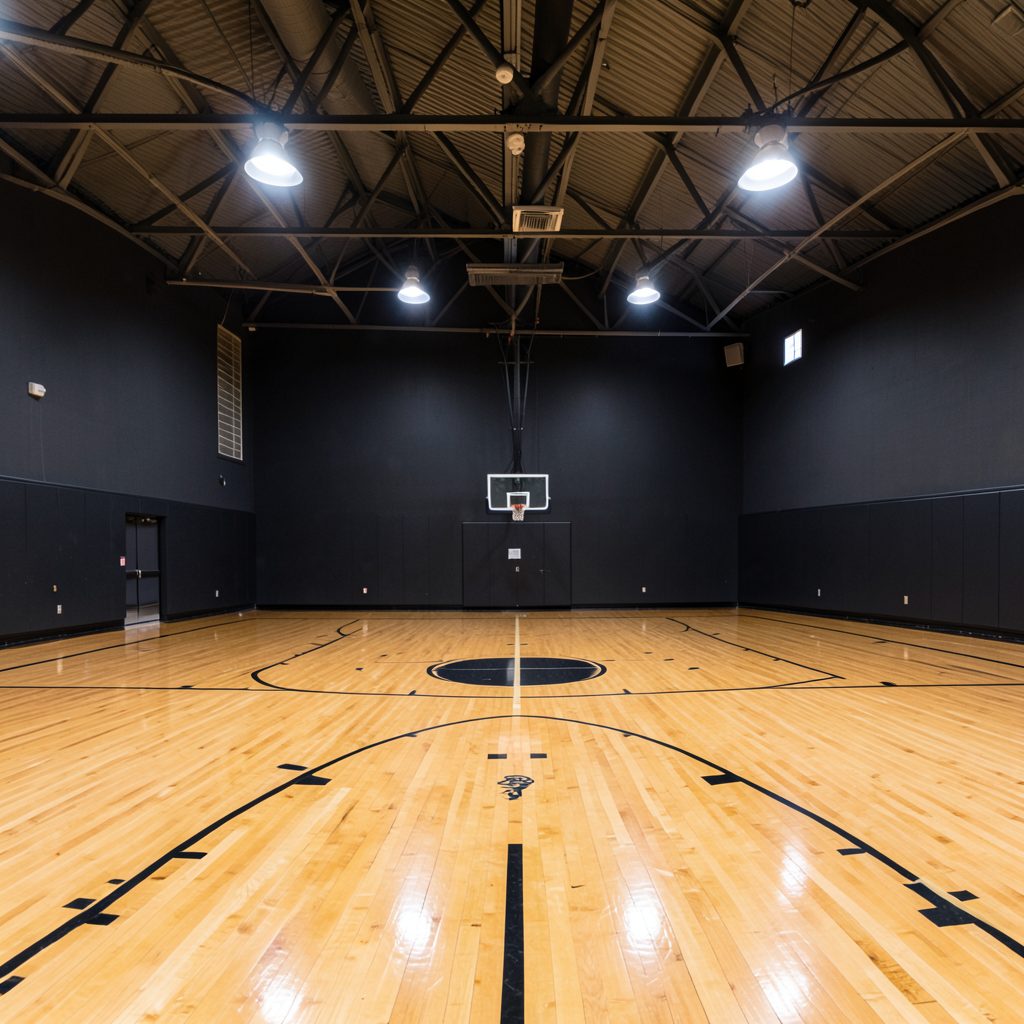
Fun does not mean a practice lacks purpose. Games can reinforce footwork, decision-making, communication, and physical fitness. At a multi-purpose facility such as The Factory D1 Indy, coaches can use a full-court environment, basketball training areas, and a community atmosphere to make development feel energetic and rewarding.
Turn Skill Drills Into Games
Traditional basketball drills become more engaging when players have a simple objective to chase. Instead of asking athletes to complete passing repetitions, create a team challenge where groups earn points for accurate chest passes, quick ball movement, or successful catches. Add a time limit only when it supports the age group and keeps the activity safe.
Small-sided games are especially effective for youth development. A two-on-two or three-on-three game gives players more touches, more decisions, and more chances to practice spacing. Coaches can add conditions such as requiring a paint touch before a shot or rewarding an extra point for a teammate assist. These rules turn ordinary play into focused skill development.
For athletes who need better movement before receiving the ball, incorporate footwork drills into a relay or “beat the defender” challenge. Players can work on jab steps, pivots, and first-step explosiveness while competing in a format that feels active rather than mechanical.
Give Players Choices And Roles
Young athletes are more invested when they have a voice in the session. A coach might offer two warm-up options, let players choose between shooting stations, or ask the group to select a team name for a scrimmage. Small choices create ownership without sacrificing practice structure.
Rotating roles can also make every player feel important. One athlete may lead a dynamic warm-up, another may track team points, and someone else may demonstrate a movement. During a game, players can serve as passers, rebounders, defenders, or scorekeepers before switching into the action. These responsibilities develop leadership and help quieter participants feel connected.
Choice should still have boundaries. Coaches can provide a clear menu of options that all support the day’s objective. For example, a shooting station may offer a close-range form challenge, a bank-shot challenge, or a partner passing game. Each option develops useful skills while allowing players to select an activity that matches their confidence and energy.
| Practice Element | Less Engaging Approach | More Enjoyable Approach | Skill Developed |
|---|---|---|---|
| Ball handling | Long individual repetitions | Dribble relay with changes of direction | Control and coordination |
| Passing | Standing partner passes | Moving passing game with scoring zones | Accuracy and timing |
| Shooting | Same shot for every player | Stations with personal targets | Form and confidence |
| Defense | Repeated slides without context | Mirror game or short defensive rounds | Footwork and reaction |
| Conditioning | Separate running laps | Basketball relay with decisions | Fitness and game speed |
Create Friendly Competition
Competition can bring energy to a youth basketball practice when the emphasis stays on effort and improvement. Teams can compete to complete a passing sequence, collect rebounds, make a series of free throws, or finish a defensive stop. The winning group might choose the next warm-up song, earn a brief celebration, or receive first access to a favorite station.
Keep challenges short enough that players get multiple chances to succeed. A team that falls behind early should have a way to recover through hustle, communication, or smart play. This keeps the activity exciting without making less experienced athletes feel defeated.
Individual goals can be just as valuable as team contests. Ask players to beat a previous score, make one more shot than last week, or complete a drill with better balance. Personal benchmarks help youth players recognize growth and prevent the strongest athletes from dominating every competition.
Use Stories, Themes, And Imagination
A theme can transform a familiar workout into an adventure. Players might become defenders protecting a castle, guards navigating traffic, or teammates completing a mission before the clock expires. Creative language gives younger children a reason to concentrate on movements that might otherwise seem difficult or repetitive.
Themes can also support teaching points. A “space mission” may involve keeping heads up while dribbling, while a “treasure hunt” can require athletes to find open passing lanes. Coaches should keep the story simple and connect each activity to a basketball behavior so imagination strengthens learning instead of distracting from it.
Older youth players may prefer realistic scenarios rather than fantasy themes. A practice could simulate the final two minutes of a close game, a press-break situation, or a defensive possession against a strong scorer. Presenting drills as game situations makes decision-making more meaningful and helps players understand when to use a skill.
Celebrate Effort And Progress
Praise has the greatest impact when it is specific. Instead of saying “good job” after every attempt, recognize a quick recovery after a mistake, a well-timed pass, strong defensive communication, or a teammate who encouraged someone else. This shows players which habits contribute to team success.
A visible progress system can help maintain motivation across several weeks. Teams might fill a progress chart, add points to a shared goal, or record personal achievements such as consecutive layups or successful defensive stops. The system should reward persistence and improvement rather than only natural ability.
Make room for celebration at the end of practice. A short team huddle, player shout-outs, or a favorite closing game gives athletes a positive final memory. If players leave feeling valued, they are more likely to return ready to work and participate fully in the next session.
Build A Practice Players Want To Repeat
Use these recommendations to keep youth basketball sessions organized, active, and enjoyable:
- Plan several short activities instead of relying on one extended drill.
- Pair every game with a clear basketball skill or decision-making goal.
- Rotate partners, teams, and responsibilities so every player stays involved.
- Adjust competition rules to match age, experience, and confidence levels.
- Finish with encouragement, progress recognition, and a predictable team ritual.
Fun practice also depends on how athletes feel after training. A demanding session should include a gradual cooldown and age-appropriate recovery habits. Older players involved in frequent basketball leagues may benefit from learning how mobility work, hydration, rest, and recovery services support continued participation. Families can explore foam rolling and Normatec as part of a broader recovery conversation with qualified staff.
The Factory D1 Indy gives young athletes a place to build skills, compete with purpose, and enjoy being part of a basketball community. Bring these practice ideas to your next session, then visit the facility to explore youth programs, training opportunities, leagues, and services that help players keep improving on and off the court.
Inside The Factory
Three Entities, One Roof
Leagues
Eight league divisions span every age group: Indy Pro AM, 18+ Open Men's, 30+ Men's, Bite Size (ages 3–6), Impact League, 5th/6th Grade, Middle School, and High School. Gather your team and compete.
Training
Individual and group basketball training for all skill levels. Major M.O.V.E.S. Basketball Training serves ages 4–7 on Wednesday and Thursday evenings at 6:30 PM — $30 per session or $100 unlimited monthly.
Wellness & Recovery
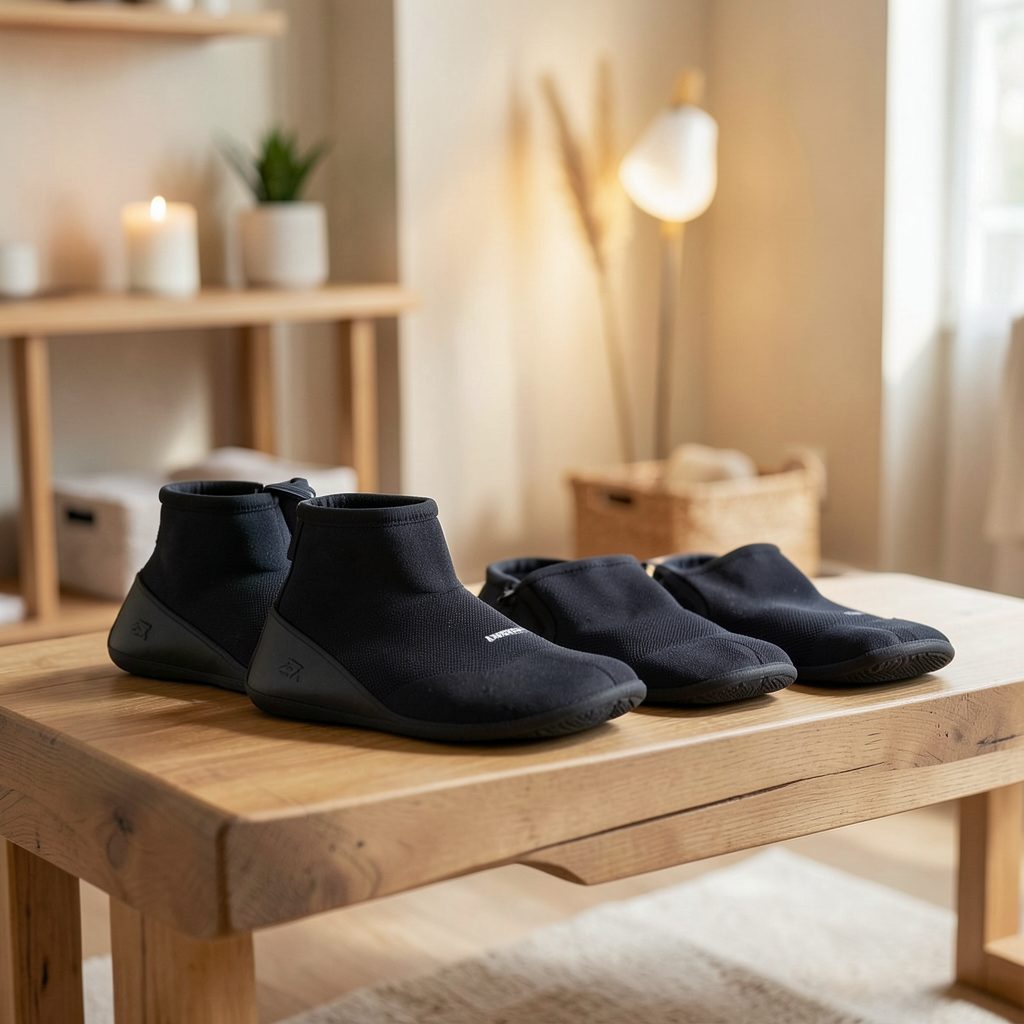
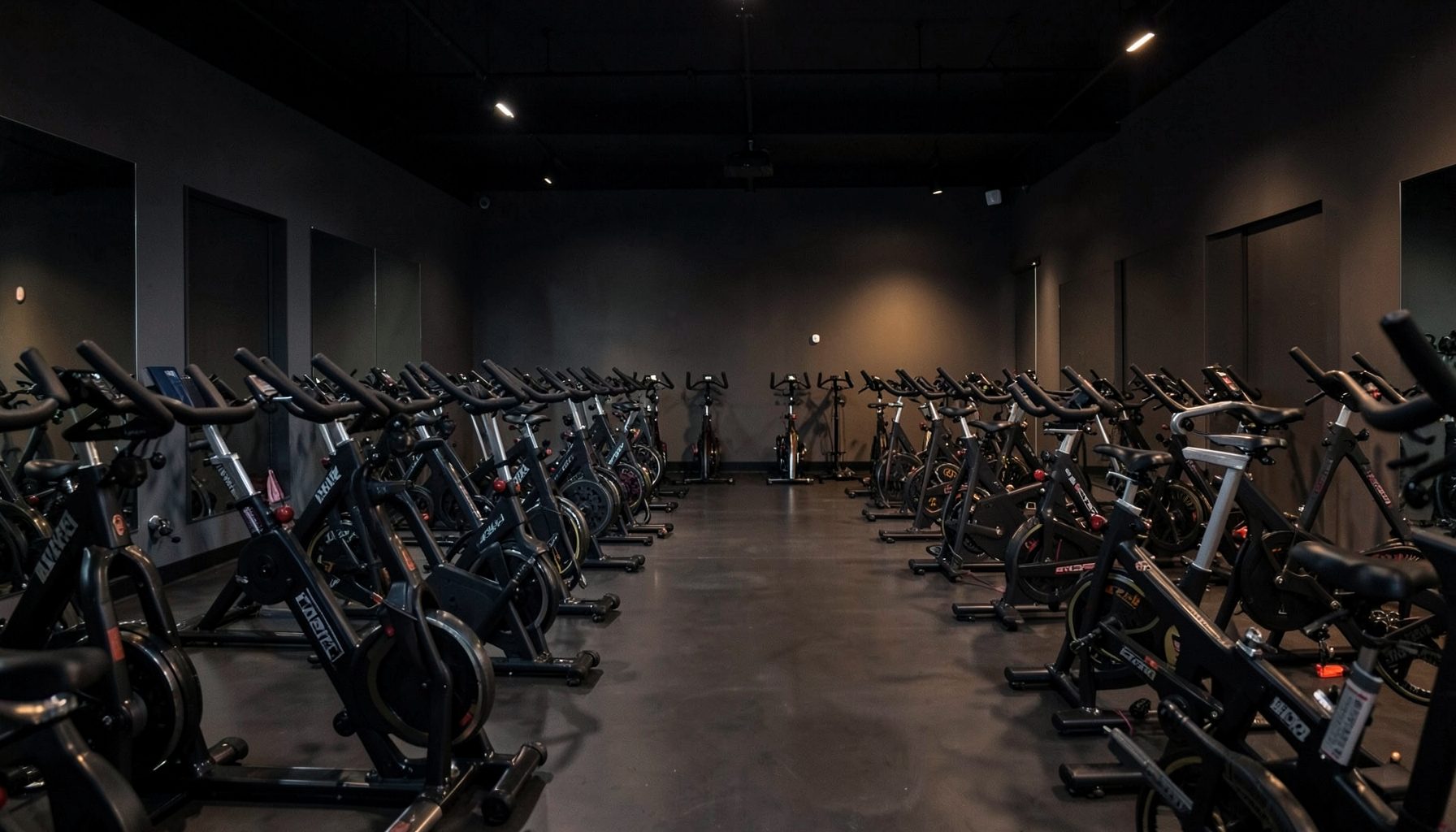
Normatec boot recovery and cryotherapy treatments help athletes bounce back faster. Cycle and spin classes add a cardio dimension to the holistic performance approach.
Have a Question?