Train. Compete. Recover.
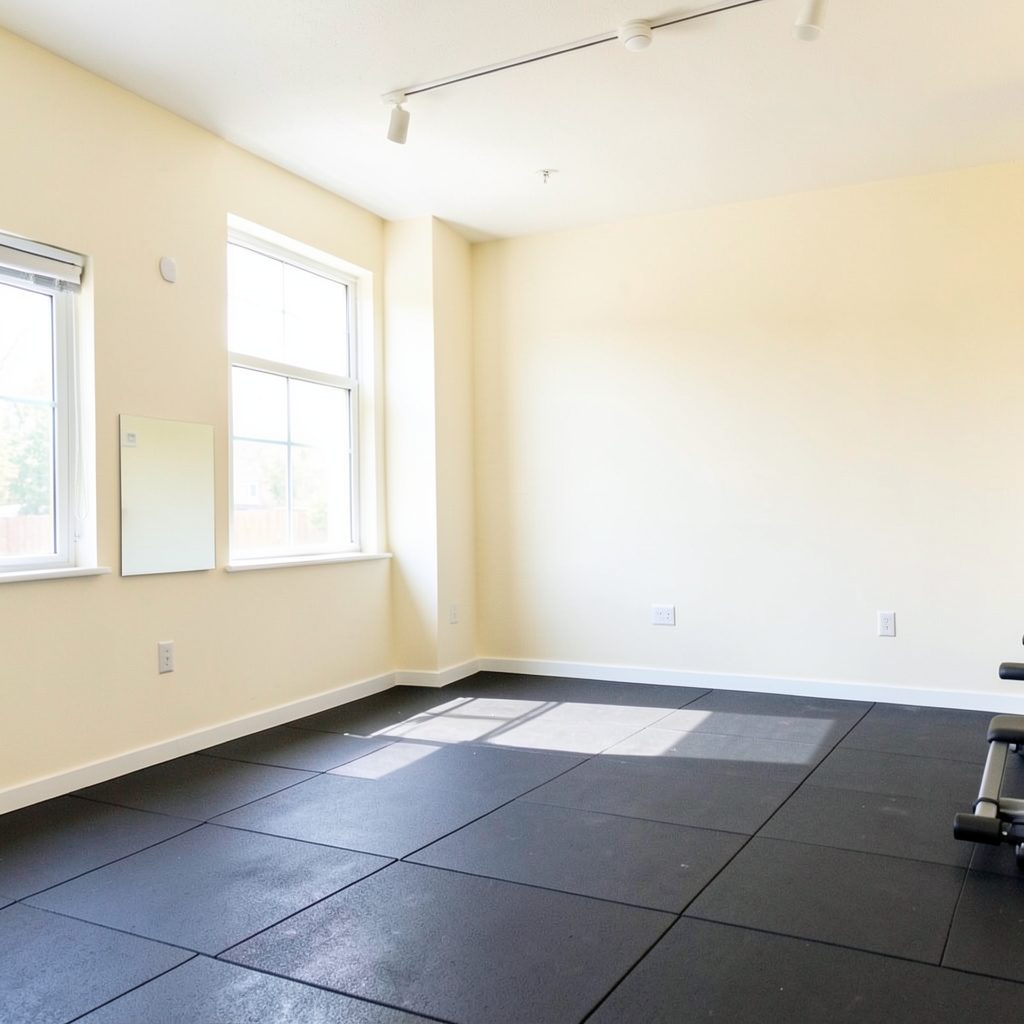
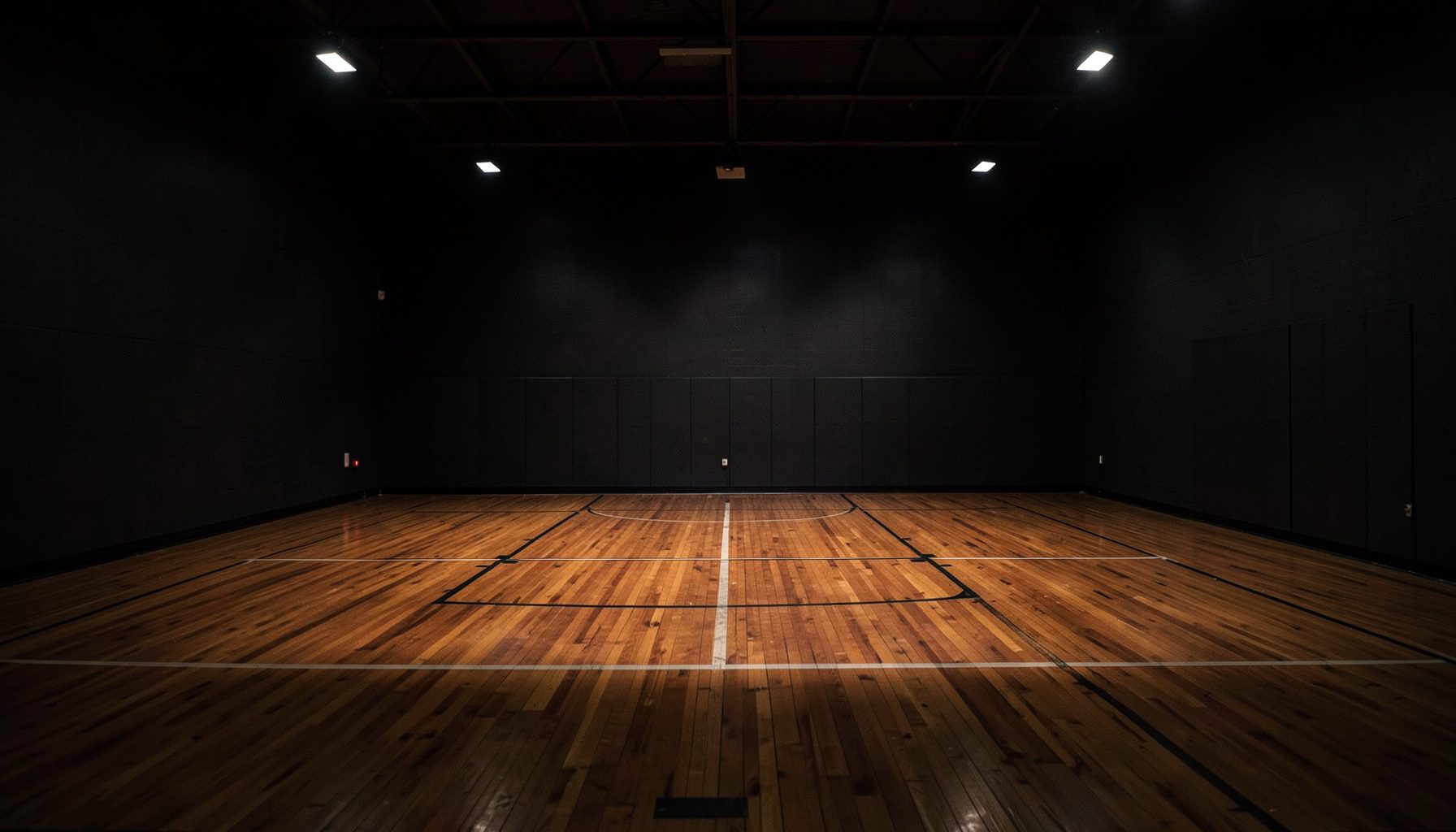
A multi-purpose athletic facility in Speedway, Indiana — basketball leagues, skill training, and wellness services all under one roof.
The Factory D1 Indy brings together three entities under one roof: competitive basketball leagues for all age groups, individual and group training, and wellness & recovery services including Normatec boot recovery and cryotherapy. Located off I-465 and High School Road at 6331 Crawfordsville Road, Speedway, Indiana 46224.
Get In TouchHow Cryotherapy Fits Into A Weekly Basketball Training Routine
Basketball asks a lot of the body in a short space of time. Repeated sprints, hard stops, vertical jumps and contact around the key can leave your legs feeling heavy, particularly when training, work and weekend competition all sit in the same week. Cryotherapy may help some athletes manage that workload by supporting a structured recovery routine.
A cold therapy session is not a replacement for sleep, sound nutrition, mobility work or professional injury care. Used sensibly, it can be one recovery option alongside basketball skills training, strength work, cycling and low-intensity movement. The right approach depends on your training load, health history and the demands of your competition schedule.
What Cryotherapy May Do After Basketball
Cryotherapy exposes the body to very cold temperatures for a brief, controlled period. Depending on the service, this may involve whole-body exposure or a targeted treatment. The cold can create a temporary numbing effect and may help reduce the sensation of soreness after a demanding session. Some athletes also report feeling more alert after treatment.
That perceived freshness can be useful during a busy week. A player travelling from an evening session in Melbourne or Brisbane may need to feel ready for school, work or another training commitment the next day. However, feeling less sore does not necessarily mean the muscles, tendons or joints have fully recovered. Treat the session as support for recovery rather than permission to add extra volume.
The strongest foundations remain consistent hydration, a carbohydrate-and-protein meal after training, adequate sleep and a sensible progression of workload. Cryotherapy can sit beside those habits, but it cannot compensate for repeatedly training through pain or ignoring a developing injury.
Matching Cold Therapy To Your Weekly Load
Timing matters more than simply booking a session whenever your body feels tired. Some athletes prefer cryotherapy after a high-intensity practice, a tournament day or a game with a large amount of running. Others use it on a recovery day when soreness makes gentle movement less comfortable. Your response should guide the routine, especially during the first few sessions.
A typical basketball week might include skills work on Monday, strength training on Tuesday, team practice on Wednesday and competition on Saturday. Cryotherapy may fit after the hardest lower-body day or after the weekend game, while an easy walk, mobility session or light cycle may suit the following day. Avoid treating every session as a reason for aggressive recovery intervention.
If you are building your rebounding, landing and contact skills, recovery should support the quality of that practice. A useful rebounding technique guide can help you focus on positioning, timing and safe movement rather than simply jumping more often. Better practice quality reduces wasted effort and makes it easier to manage fatigue across the week.
Combining Cryotherapy With Conditioning
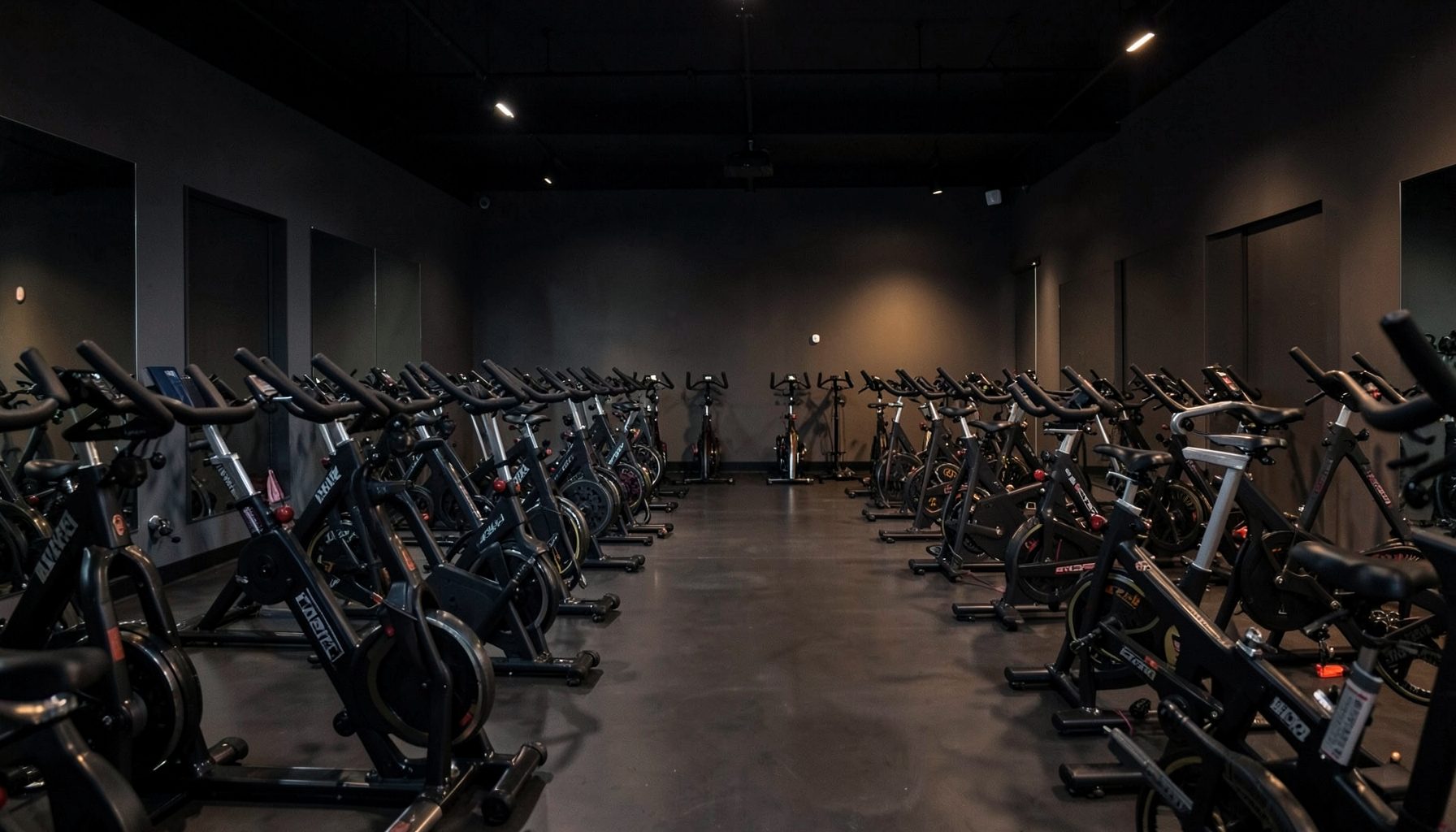
Basketball players need repeated-effort fitness, not just a strong first sprint. Cycling and spin classes can develop cardiovascular conditioning with less jumping and landing than a full basketball workout. That makes them a practical cross-training choice during a heavy playing block or when you want to maintain fitness while reducing impact.
A spin session can still load the quadriceps, calves and hips, particularly when resistance is high or the class includes frequent standing efforts. Good bike setup and technique matter. These spin class form tips can help athletes protect their knees and lower back while using cycling as part of a broader training plan.
Cryotherapy may be more appropriate after a demanding conditioning day than immediately before one. Cold exposure before explosive training can leave some athletes feeling stiff or less prepared to move powerfully. If you use it before practice, allow enough time to warm up thoroughly and pay attention to how your body responds. A short dynamic warm-up, movement preparation and progressive shooting or footwork are still essential.
What Australian Players Should Consider
Australian basketball operates across varied conditions and schedules. A player in Darwin may manage heat and humidity differently from someone training during a cold Melbourne winter, while athletes in Sydney, Perth or Adelaide may travel long distances between school, work, club training and weekend fixtures. In summer, replacing fluid and electrolytes can be more important than adding another recovery service.
Local competition also comes in many forms, from juniors and school basketball to Big V, NBL1, social leagues and adult domestic competitions. A Saturday night game, an early Sunday tournament and a Monday work shift can create a tight turnaround. In that situation, cryotherapy might be useful as one part of a recovery plan, but food, sleep and travel management deserve equal attention.
Many Australian athletes already work with a physiotherapist, exercise physiologist or strength and conditioning coach. Include cryotherapy in that conversation if you have a current injury, recurring swelling or a demanding return-to-play programme. People with conditions affected by extreme cold, circulation problems, uncontrolled high blood pressure, certain heart conditions or cold sensitivity should seek medical advice before booking a session.
Making Sessions Safe And Useful
Follow the provider’s instructions for clothing, jewellery, skin protection and session duration. Do not enter a cryotherapy chamber while dehydrated, unwell or affected by alcohol. Tell staff about medications, medical conditions, recent surgery and any unusual reaction to cold. Stop the session and report symptoms such as intense pain, dizziness, breathing difficulty or prolonged numbness.
Keep a simple training and recovery record for two or three weeks. Note your session intensity, sleep, soreness, energy, jump or sprint quality and how you feel several hours after treatment. This can show whether cryotherapy genuinely helps you recover or whether the benefit is mainly a short-lived sensation of freshness. It also helps prevent you from stacking too many hard sessions together.
For athletes using a facility such as The Factory D1 Indy, a weekly plan can combine basketball skills training, competitive play, cycle classes and wellness services in a more organised way. The goal is to arrive at the next practice ready to learn and compete, rather than chasing recovery treatments for their own sake. A coach or qualified clinician can help place each session around your highest-priority basketball work.
Start conservatively and schedule cryotherapy after a demanding session or game, rather than before every training day. Pair it with a proper meal, fluids, a gradual cool-down and a full night’s sleep. For Australian players balancing club basketball, school, university, shift work or long commutes, that simple structure is often more valuable than an overly complicated recovery calendar.
Book a recovery session at The Factory D1 Indy and use it as part of a balanced weekly basketball plan. Combine cold therapy with purposeful skills work, smart conditioning and consistent recovery habits so your training supports stronger, more confident performances across the season.
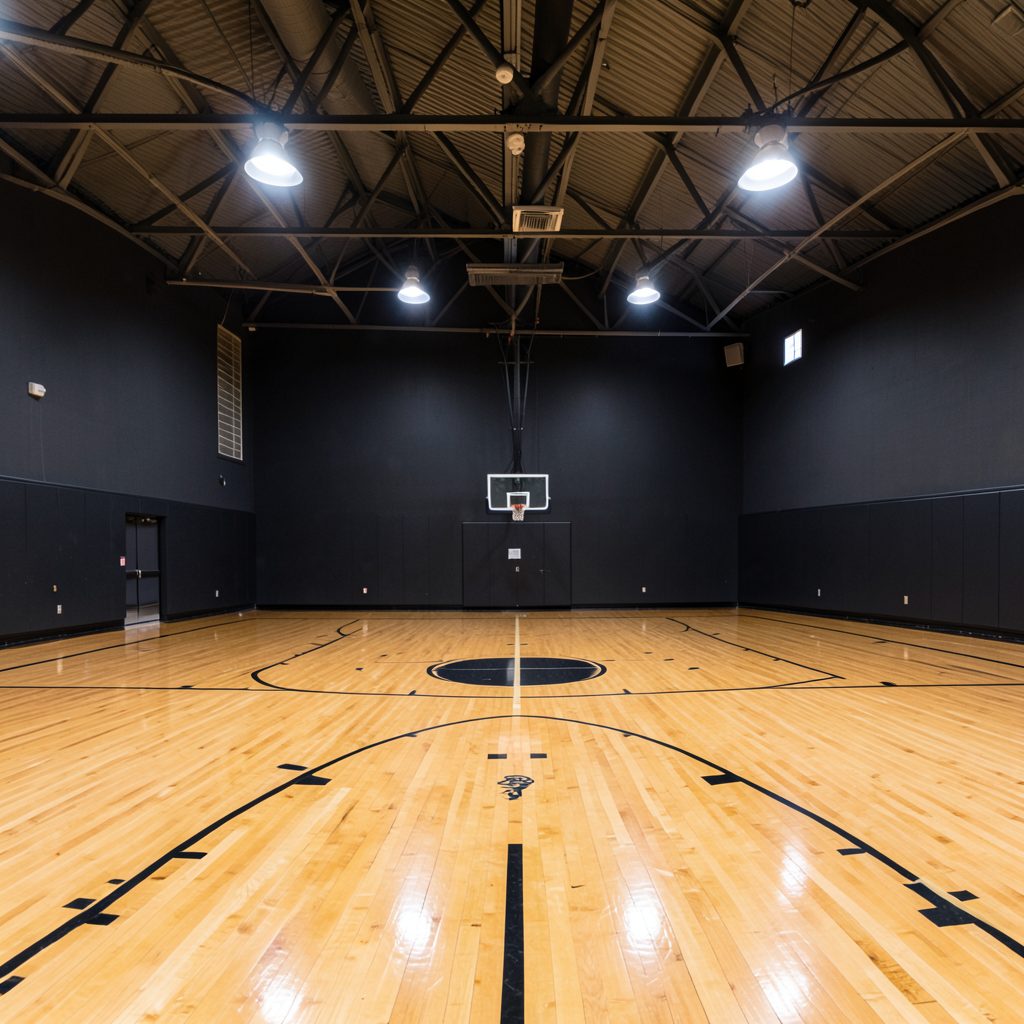
Inside The Factory

Three Entities, One Roof
Leagues
Eight league divisions span every age group: Indy Pro AM, 18+ Open Men's, 30+ Men's, Bite Size (ages 3–6), Impact League, 5th/6th Grade, Middle School, and High School. Gather your team and compete.
Training
Individual and group basketball training for all skill levels. Major M.O.V.E.S. Basketball Training serves ages 4–7 on Wednesday and Thursday evenings at 6:30 PM — $30 per session or $100 unlimited monthly.
Wellness & Recovery
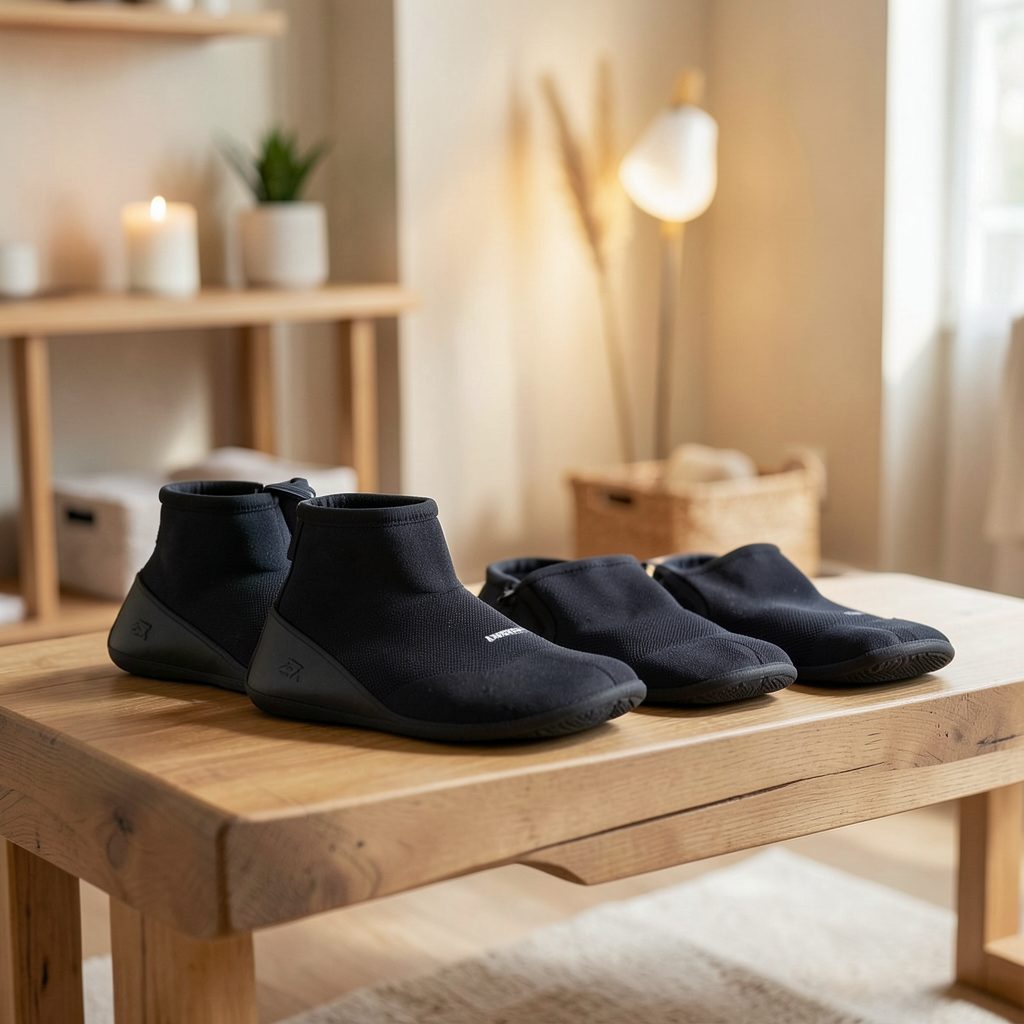
Normatec boot recovery and cryotherapy treatments help athletes bounce back faster. Cycle and spin classes add a cardio dimension to the holistic performance approach.
Have a Question?