Train. Compete. Recover.
A multi-purpose athletic facility in Speedway, Indiana — basketball leagues, skill training, and wellness services all under one roof.
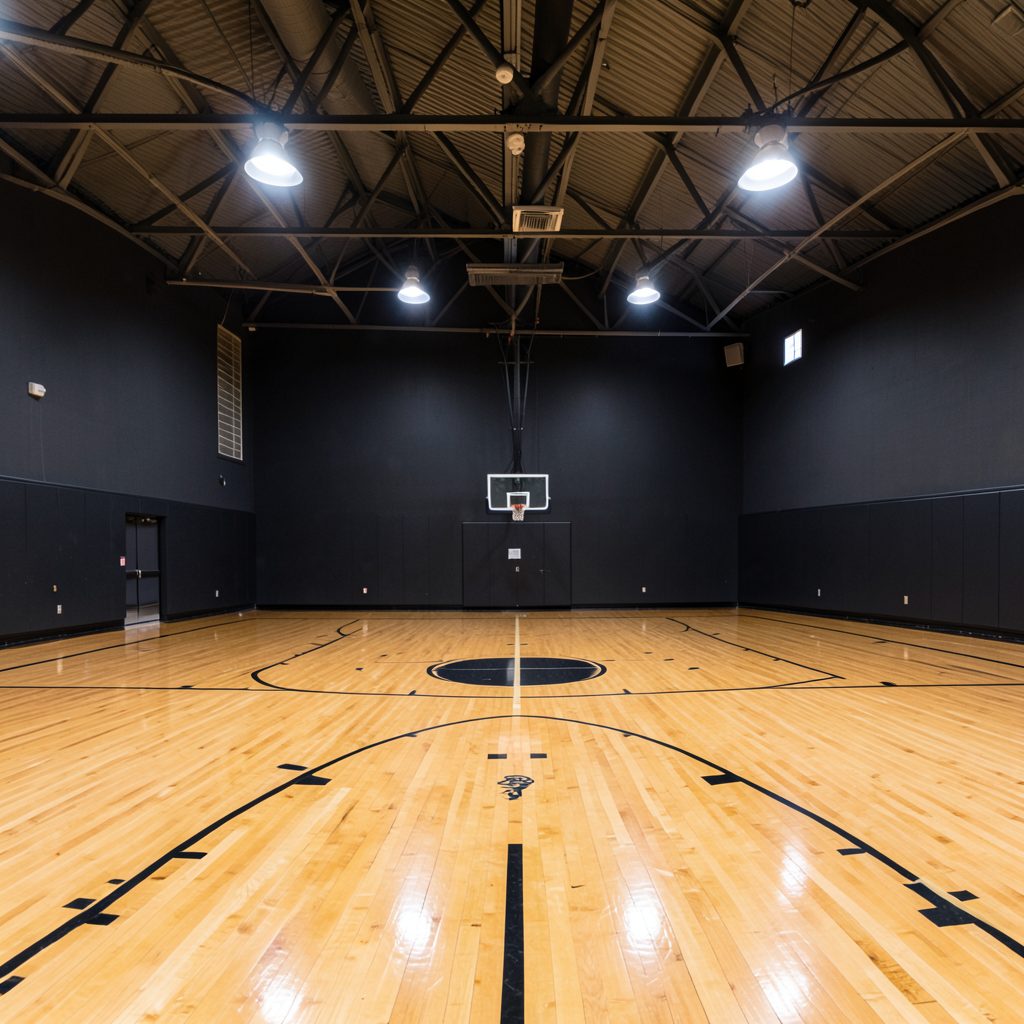
The Factory D1 Indy brings together three entities under one roof: competitive basketball leagues for all age groups, individual and group training, and wellness & recovery services including Normatec boot recovery and cryotherapy. Located off I-465 and High School Road at 6331 Crawfordsville Road, Speedway, Indiana 46224.
Get In TouchHow Our Adult Basketball League Handles Ties and Overtime
A tied basketball game can leave players buzzing with adrenaline, frustrated by missed chances, and eager to test their conditioning under pressure. Overtime sits at the heart of what makes competitive sport thrilling, especially in adult leagues where players balance jobs, family, and their love of the game. At our Indianapolis facility, we have built a rules framework that handles deadlocks fairly while still pushing players to keep competing when the clock runs out.
The approach is rooted in the belief that every team deserves a clear path to resolution, no matter how the standings shake out by season's end. We have watched other leagues fumble ties with vague tiebreakers or rushed overtime formats, and we deliberately took the opposite route. Our scoring managers, referees, and league directors meet each preseason to refine the protocol and make sure every player understands what happens when the scoreboard refuses to crown a winner.
That level of structure resonates strongly with the fair-go spirit that Aussie ballers bring to the court, whether they organise pickup games in the shadow of the Sydney Harbour Bridge or host Saturday arvo fixtures on the Mornington Peninsula. Australian adult competitions across the NBL feeder scene and state associations like Basketball Victoria have long debated how to standardise their own overtime and tiebreaker rules. The framework we use offers a useful blueprint, especially for the recreational and social leagues that thrive in Melbourne, Brisbane, and beyond.
Regular Season Tiebreaker Protocol
When two teams finish the regular season with identical win-loss records, head-to-head results provide the first line of separation. The team that swept the season series, or that split it with the stronger combined point differential, earns the higher seed. If head-to-head data still leaves the standings deadlocked, the next tiebreaker is point differential across all conference games.
We cap point differential at a maximum spread per game to discourage runaway scoring and keep teams focused on defence and smart shot selection rather than padding the stat sheet in garbage time. When every measurement remains level after those steps, the final tiebreaker goes to a random draw supervised by league staff, with both captains witnessing the outcome. The process keeps everything transparent and removes any whiff of favouritism from the office.
The protocol mirrors what experienced Australian administrators already apply in competitions like the NBL1 and various state-level divisions, where integrity matters as much as the final ladder position. Documenting every step on the league website, with timestamps and signed captain verifications, helps players trust the result and keeps the conversation focused on the next match.
Overtime Format During the Regular Season
Regular season games that end knotted at the buzzer move straight into a five-minute overtime period with a one-minute break beforehand. Coaches use that brief window to draw up a quick play, review defensive matchups, and reset mentally before the extra frame. Each team receives one additional timeout for overtime on top of any unused timeouts from regulation.
If the score stays tied after the first overtime, our rules call for a second five-minute period played under the same conditions. After that, we shift to sudden-death overtime, where the first team to score from the field or the free throw line claims the win. Sudden-death situations tend to dramatically change player behaviour, rewarding the squad that hustles hardest for a single defensive stop or offensive board.
This three-tier structure keeps games from dragging on indefinitely while still honouring the idea that both sides earned the extra minutes. It also lines up with how sports-loving crowds in Australia, where fans gather at venues from AIS Arena in Canberra to suburban comp gyms in Perth, appreciate a decisive, well-organised finish.
Playoff Overtime Rules
Postseason matches follow the same overtime structure as the regular season, with one important nuance: ties cannot be settled by luck. Every playoff game that reaches overtime must declare a winner on the court, which is why our sudden-death rules become especially important once the bracket narrows. Teams need to know that their season ends with a basketball play rather than a coin flip.
To prepare for that reality, our schedule builds in extra buffer nights between playoff rounds. Coaches gain practice time to walk through late-game scenarios, and players can focus on conditioning without worrying about back-to-back fatigue. The facility's recovery services, including compression recovery sessions offered through our training network, help veteran players stay loose through the most demanding postseason stretches.
We also enforce strict forfeit policies for playoff games where teams cannot field enough players, which protects the competitive integrity of the bracket. Most adult leagues across Australia apply similar standards, recognising that a walkover victory cheapens the experience for the side that showed up ready to play.
Why the System Values Sportsmanship
Behind every rule sits a belief that adult basketball should reward preparation, teamwork, and composure under pressure. Our tiebreaker and overtime framework tries to channel those qualities by removing ambiguity, so arguments about fairness never overshadow the actual basketball. Players know what to expect from week one, and that clarity lets them focus on the parts of the game they can control.
We publish the full rule book online and walk new captains through the highlights at the pre-season meeting, which prevents any nobody-told-us surprises later in the year. Referees have noted that this proactive communication reduces heated conversations at the scorer's table, particularly during tightly contested late-season games. A calm table tends to keep the floor calm too.
This commitment to clarity echoes the Australian sporting tradition of giving everyone a genuine shot, the same ethos that drives grassroots football codes and volunteer-run clubs from Geelong to the Gold Coast. Adult athletes appreciate structure when it is applied consistently, and our experience shows that a well-organised league retains its players year after year.
What Players Can Do to Prepare for Overtime
Conditioning sits at the top of every overtime preparation list, because the teams that win the extra period usually outlast the opposition. We encourage our players to book extra cycle sessions in the weeks leading into the playoffs, since steady-state cardio translates directly to late-game stamina. Cooling down properly afterwards matters just as much, which is why our coaches point athletes toward resources like post-class stretching that protect tight hamstrings and hip flexors.
Mental rehearsal matters too. We run drills that simulate tied-game scenarios, training players to read the clock, anticipate foul trouble, and decide when to attack the basket versus drain the shot clock. Those sessions borrow structure from elite development programs and adapt the work for adults who may not have picked up a basketball in years.
Practising free throws under fatigue closes the loop on conditioning and mental preparation, because most overtime games hinge on a handful of trips to the line. Coaches track free throw percentages in practice and gently nudge anyone who lets that part of their game slip, knowing that a single made or missed foul shot often decides the final margin.
Frequently Asked Questions About Our League Rules
Players often ask whether overtime counts as a separate game for statistical purposes, and the answer is yes for the box score but no for scheduling. Standings reflect overtime wins the same way regulation wins do, and the schedule shifts to preserve the originally planned rest between fixtures.
Another common question involves mercy rules, which we apply generously during lopsided regular season games. Once a team reaches a thirty-point lead in the second half, the clock runs continuously except for free throws and timeouts, which prevents the trailing side from absorbing embarrassing minutes while still giving them a chance to chip away.
Captains regularly request clarification on tiebreaker procedures, so we have added a printable flowchart to the team welcome packet. Several captains from the league have told us the flowchart saved them a phone call during the most hectic week of the season. Reviewing court vision drills on our resource page also helps players sharpen the spatial awareness that decides tight overtime possessions.
Lace up, gather your crew, and lock in your spot for the upcoming season by visiting The Factory D1 Indy online. Whether chasing a championship or simply craving organised competition with mates, our rules celebrate every minute you spend on the floor. Pull up the schedule, register your team, and bring your best effort to the opening tip.
Inside The Factory

Three Entities, One Roof
Leagues
Eight league divisions span every age group: Indy Pro AM, 18+ Open Men's, 30+ Men's, Bite Size (ages 3–6), Impact League, 5th/6th Grade, Middle School, and High School. Gather your team and compete.
Training
Individual and group basketball training for all skill levels. Major M.O.V.E.S. Basketball Training serves ages 4–7 on Wednesday and Thursday evenings at 6:30 PM — $30 per session or $100 unlimited monthly.
Wellness & Recovery
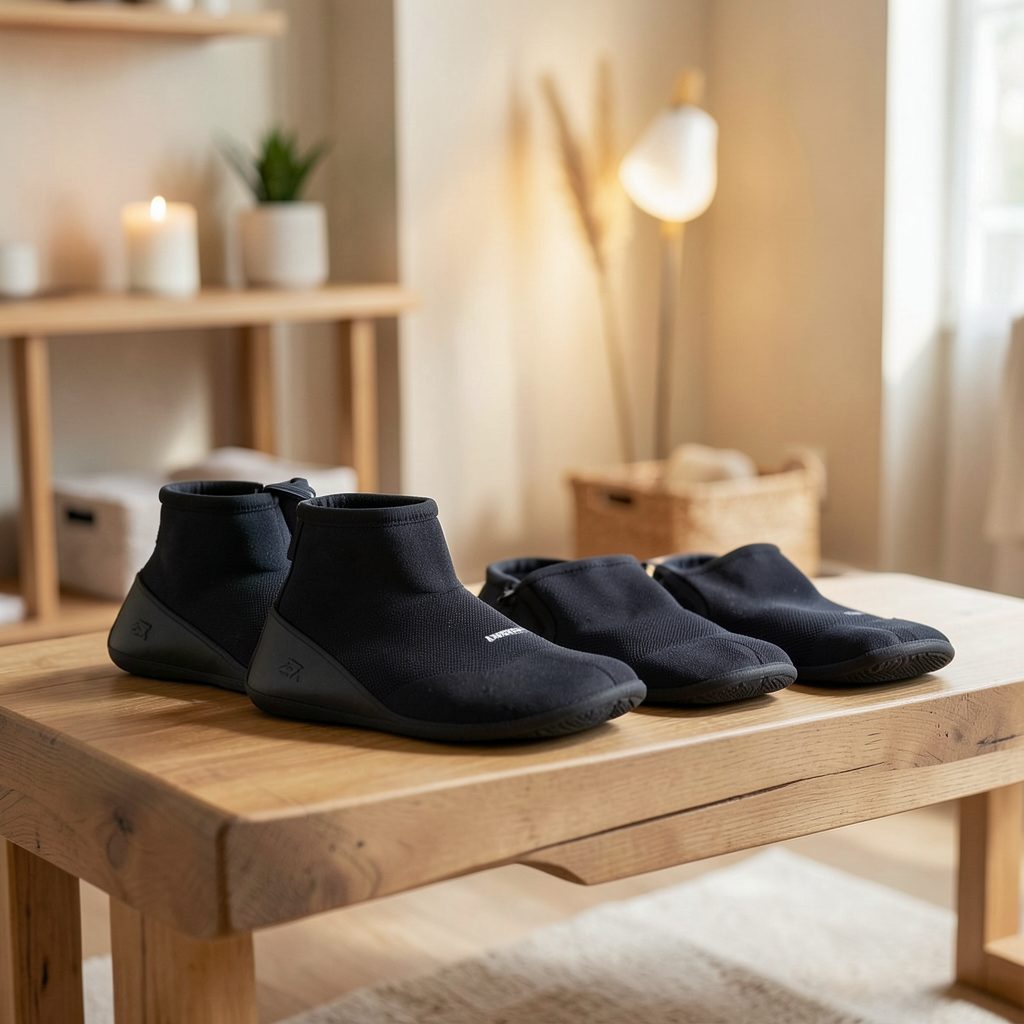
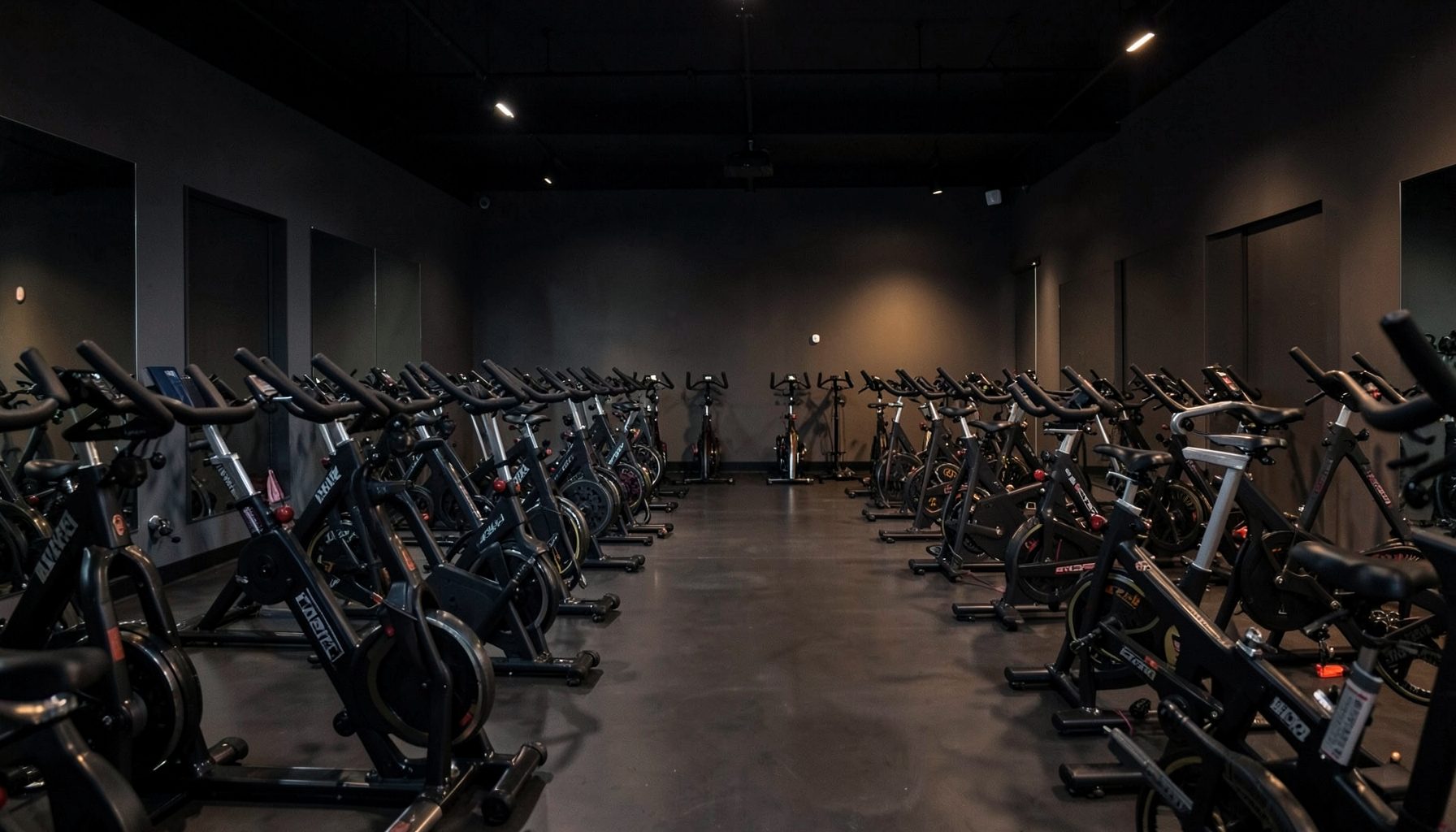
Normatec boot recovery and cryotherapy treatments help athletes bounce back faster. Cycle and spin classes add a cardio dimension to the holistic performance approach.
Have a Question?