Train. Compete. Recover.
A multi-purpose athletic facility in Speedway, Indiana — basketball leagues, skill training, and wellness services all under one roof.
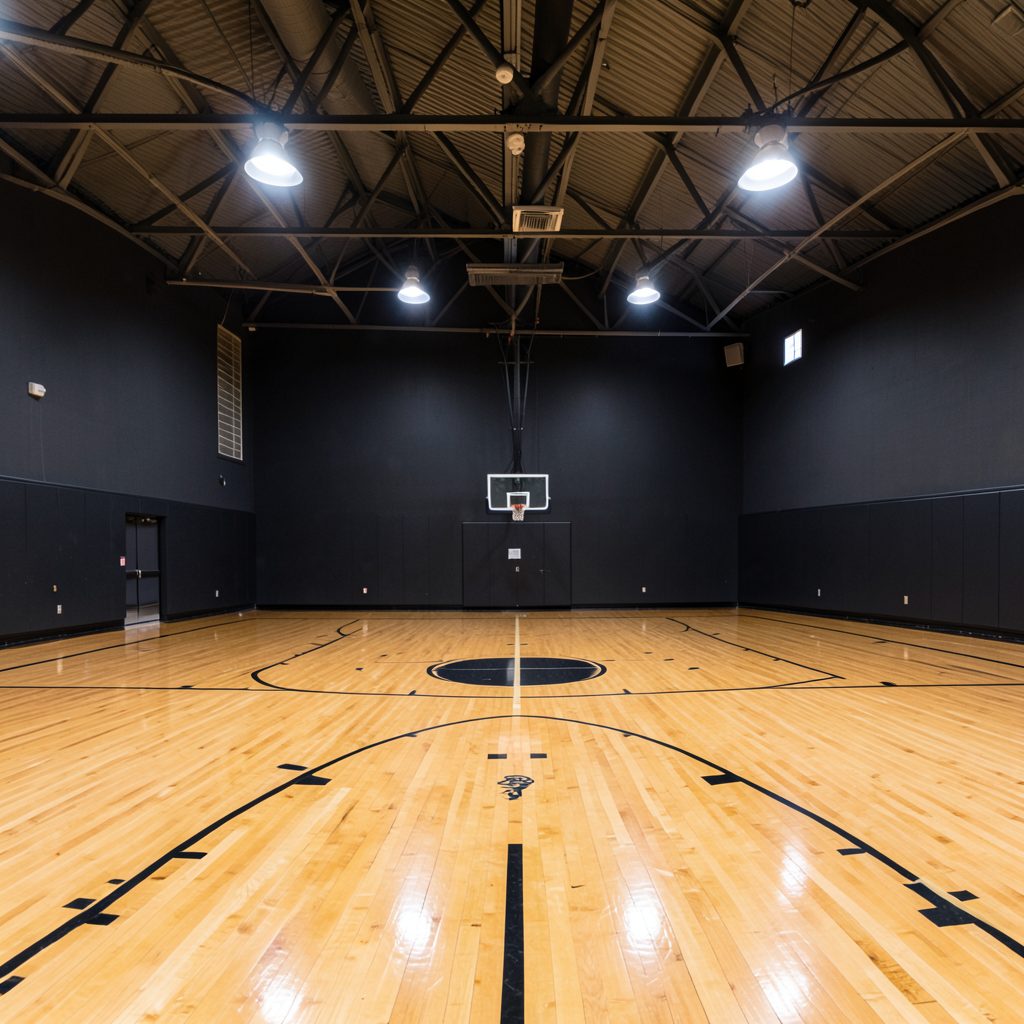
The Factory D1 Indy brings together three entities under one roof: competitive basketball leagues for all age groups, individual and group training, and wellness & recovery services including Normatec boot recovery and cryotherapy. Located off I-465 and High School Road at 6331 Crawfordsville Road, Speedway, Indiana 46224.
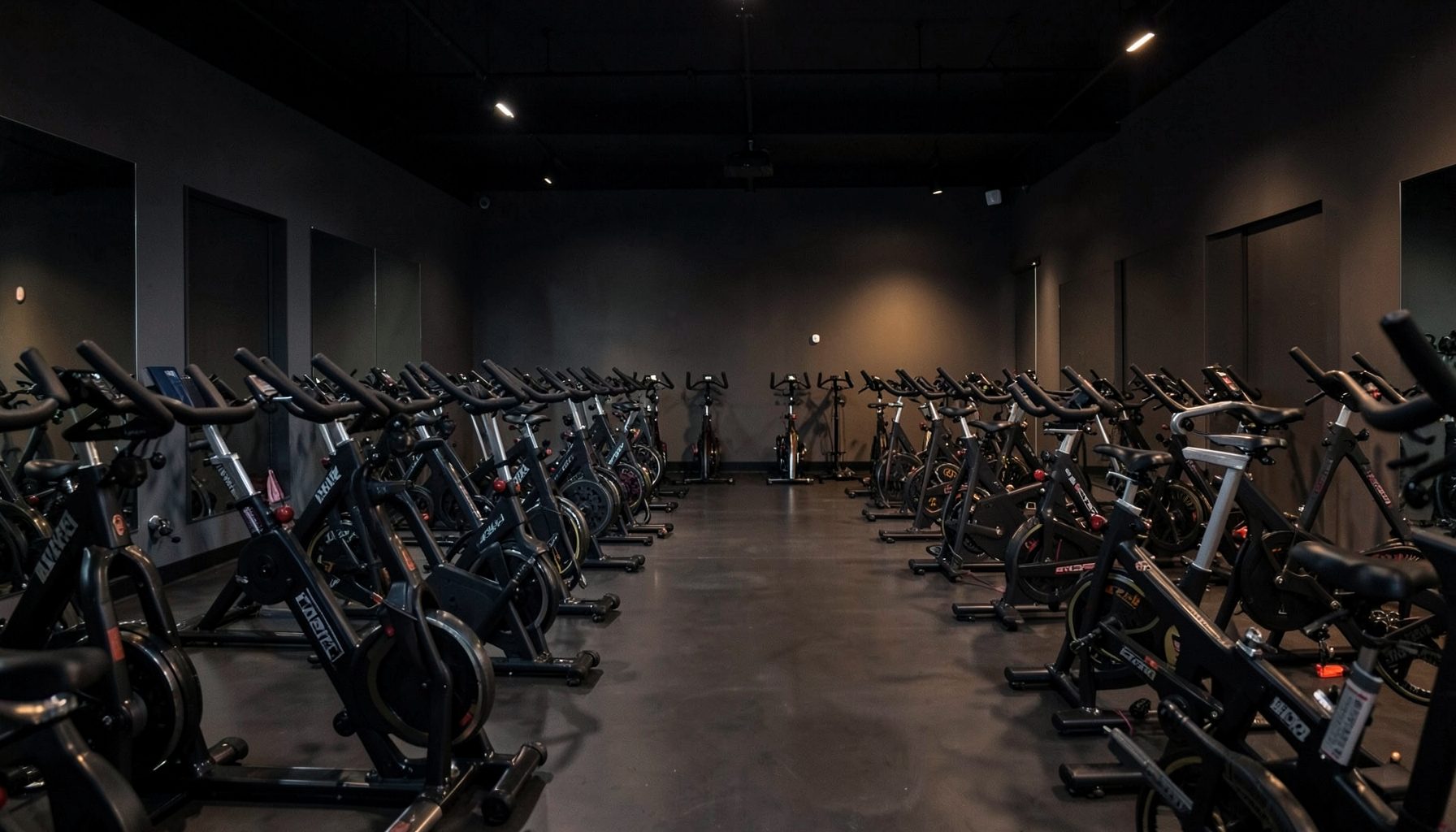
Get In TouchHow Our Facility Keeps Spin Bikes Dialed In for Reliable Resistance
Indoor cycling has become a staple of strength and conditioning for athletes who need repeatable effort between court sessions. Riders learn their bike's feel quickly, and any drift in resistance can throw off heart rate targets and cadence zones, undermining the steady wattage output that structured training depends on. Keeping every bike dialed in is less about hardware and more about disciplined service behind the scenes.
Our facility sits in Speedway, Indiana, but the riders who walk through our doors share expectations with the indoor cycling community in Melbourne, Sydney, and Brisbane, where group spin has grown steadily over the past decade. Australian studios operate under AS EN 957 for stationary training equipment, which sets clear expectations for mechanical integrity and resistance accuracy. Our technicians treat every bike as a precision instrument rather than gym furniture.
Many members move between spin sessions, basketball courts, and our recovery lounge, so the bikes sit inside a holistic athlete care environment. We pair cycling intervals with on-court conditioning, youth leagues, and recovery and cryotherapy sessions so riders can push hard and bounce back the next day. That philosophy places a premium on equipment that performs identically, ride after ride.
That level of consistency comes from a layered routine of daily wipe-downs, weekly inspections, scheduled calibration, and proactive part replacement, with each step delivering the same resistance curve every time a rider clips in.
Daily Wipe-Downs and Sweat Control
Salt in human sweat is the single biggest enemy of a spin bike's resistance system. Sodium chloride accelerates corrosion on steel fasteners, dulls contact surfaces, and over time changes the friction coefficient of a felt-pad or magnetic brake. After the last class we wipe down every bike with a microfibre cloth and a diluted, pH-neutral cleaner that won't attack rubber grips or anodised aluminium frames. Handlebars, saddle rails, and adjustment knobs get particular attention because they collect moisture from hands and riding kit.
Australia's climate varies enormously, and riders in humid coastal cities know that salty residue builds up within a single session if the studio isn't well ventilated. Coaches run fans during class and we leave the doors open for twenty minutes after the last rider leaves so the room dries out. A quick scan of pedals, toe cages, and the brake knob rounds out the daily check, catching small issues before they turn into rebuilds.
Weekly Drivetrain Inspection
Every pedal stroke loads the chain or belt, the bottom bracket, and the resistance mechanism simultaneously, and a typical session produces far more revolutions than a road cyclist might log on a long weekend loop around the Yarra or Brisbane River. Once a week we put every bike on a stand and spin it under load while a technician listens for chain slap, gritty bearings, or hesitation in the resistance knob's detents.
For belt-driven bikes, the technician checks belt tension with a deflection gauge and looks for glazing, a glazed belt slips under hard efforts and is the most common cause of the "mushy" feel riders notice at high cadence. Belts are replaced every twelve to eighteen months depending on studio volume, while chains get light lubrication and a stretch check. Brake pads or magnetic units get the same weekly look, with pad thickness measured against spec and magnets inspected for debris or signs of demagnetisation.
Resistance Calibration Against a Benchmark
A bike can feel right to a casual rider and still be off by several watts from its claimed resistance curve. That's why we run a calibration check every fortnight using a calibrated power meter pod on one crank per bike. The technician cycles through the full resistance range while logging output at 80 rpm against a baseline chart in a maintenance log. Any bike that drifts by more than five percent is taken out of service until reset.
This structured check matters for members who use the bikes for interval work and want their data in apps like Strava or Wahoo SYSTM to track accurately. It also matters for our basketball athletes, several of whom use the bikes for repeat sprint conditioning. When a young player is preparing to move up into competitive travel competition, they need trustworthy data from every session, and that starts with a trustworthy bike. New bikes get three break-in sessions under controlled load before sign-off, letting brake pads seat, the belt stretch to final length, and bearings settle.
Flywheel, Bearings and Frame Integrity
The flywheel is the heart of a spin bike's feel, and a wobbly flywheel ruins an otherwise good ride. Each quarter, the senior technician removes the flywheel cover and checks for lateral play in the axle, scoring on the magnetic surface, and rust blooming from condensation. That moisture is a concern in studios with a daily temperature swing between cool mornings and warm evenings, where a poorly placed air vent can cause long-term damage.
Bottom bracket bearings are inspected at the same time. A worn bearing feels like a subtle catch in the downstroke and adds load on the resistance mechanism because the rider is pushing through a dead spot. We replace bearings preventively, because failure often damages the spindle or the cranks at the same time. Frames then get a torque check on the main bolts holding the stabiliser feet, the front post, and the handlebar mast, since vibrations from sprint efforts gradually loosen even factory-tight joints.
Electronics, Sensors and Firmware
Modern spin bikes carry a power meter, cadence sensor, or console that needs its own care. We update firmware as soon as a manufacturer release is approved, because updates often fix resistance mapping bugs that can change how a bike feels mid-ride. Consoles are wiped with isopropyl alcohol to keep touchscreens responsive, and ANT+ or Bluetooth radios are tested weekly with a paired head unit to confirm a clean signal.
Battery compartments are checked monthly, because a corroded contact can look like a calibration error and many riders assume the bike itself has failed when the real problem is a leaking AA cell. We use quality batteries and log replacement dates so the fleet stays on a uniform schedule. When a console fails, we document the failure mode and feed it back into purchasing decisions, leaning toward bikes whose electronics hold up under heavy daily use.
Replacement Parts and the Long-Term Rotation Plan
Even well-maintained bikes reach a point where replacement is more efficient than repair. We plan for full fleet rotation on a five to seven year horizon, staggered so that one or two bikes are replaced each quarter rather than the entire room at once. This keeps fleet age even and avoids a situation where every bike suddenly feels different from the next.
Common wear parts, including brake pads, belts, chains, pedals, and saddle covers, are kept in stock on site so a technician can swap a part during a turnaround window instead of waiting for parts to arrive from across the country. For Australian operators the lesson is the same as ours: maintenance works best when it is local, routine, and predictable, and stocked parts are the difference between a quick fix and a week of downtime.
Why Consistent Resistance Supports Every Rider
A rider who trusts their bike trains harder and recovers better. Steady resistance means heart rate zones are honest, wattage targets are reachable, and interval work produces repeatable results week after week. Across our membership that consistency shows up in faster baseline fitness, fewer overuse complaints, and stronger performance when athletes step back onto the basketball court.
It also means coaches can write programmes that rely on consistent load across weeks and months, instead of guessing how a particular bike will feel on a given morning. That programme consistency is what turns indoor cycling from a calorie-burning add-on into a true training tool for athletes who care about measurable progress.
Book a session and our coaches will walk you through how we keep the fleet in shape. The feel of the bike under your feet tells the rest of the story.
Inside The Factory

Three Entities, One Roof
Leagues
Eight league divisions span every age group: Indy Pro AM, 18+ Open Men's, 30+ Men's, Bite Size (ages 3–6), Impact League, 5th/6th Grade, Middle School, and High School. Gather your team and compete.
Training
Individual and group basketball training for all skill levels. Major M.O.V.E.S. Basketball Training serves ages 4–7 on Wednesday and Thursday evenings at 6:30 PM — $30 per session or $100 unlimited monthly.
Wellness & Recovery
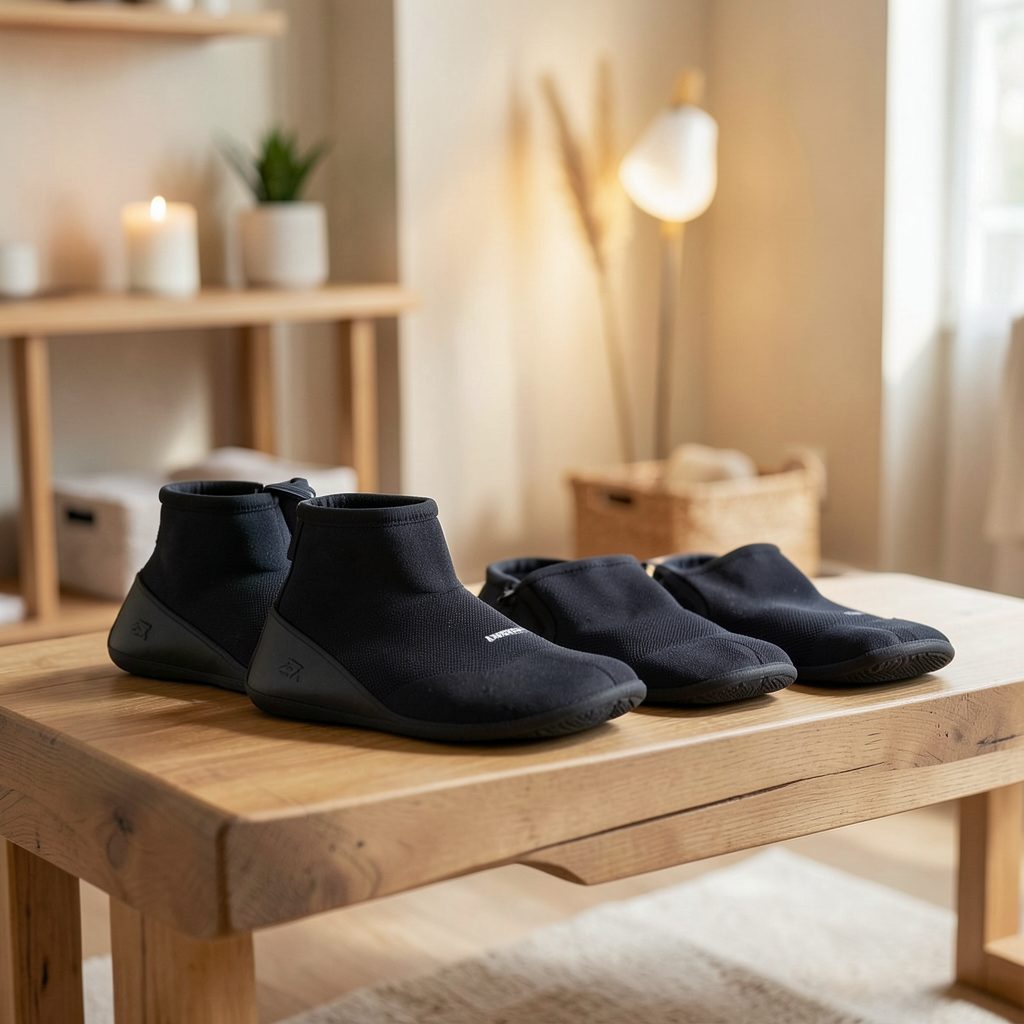
Normatec boot recovery and cryotherapy treatments help athletes bounce back faster. Cycle and spin classes add a cardio dimension to the holistic performance approach.
Have a Question?