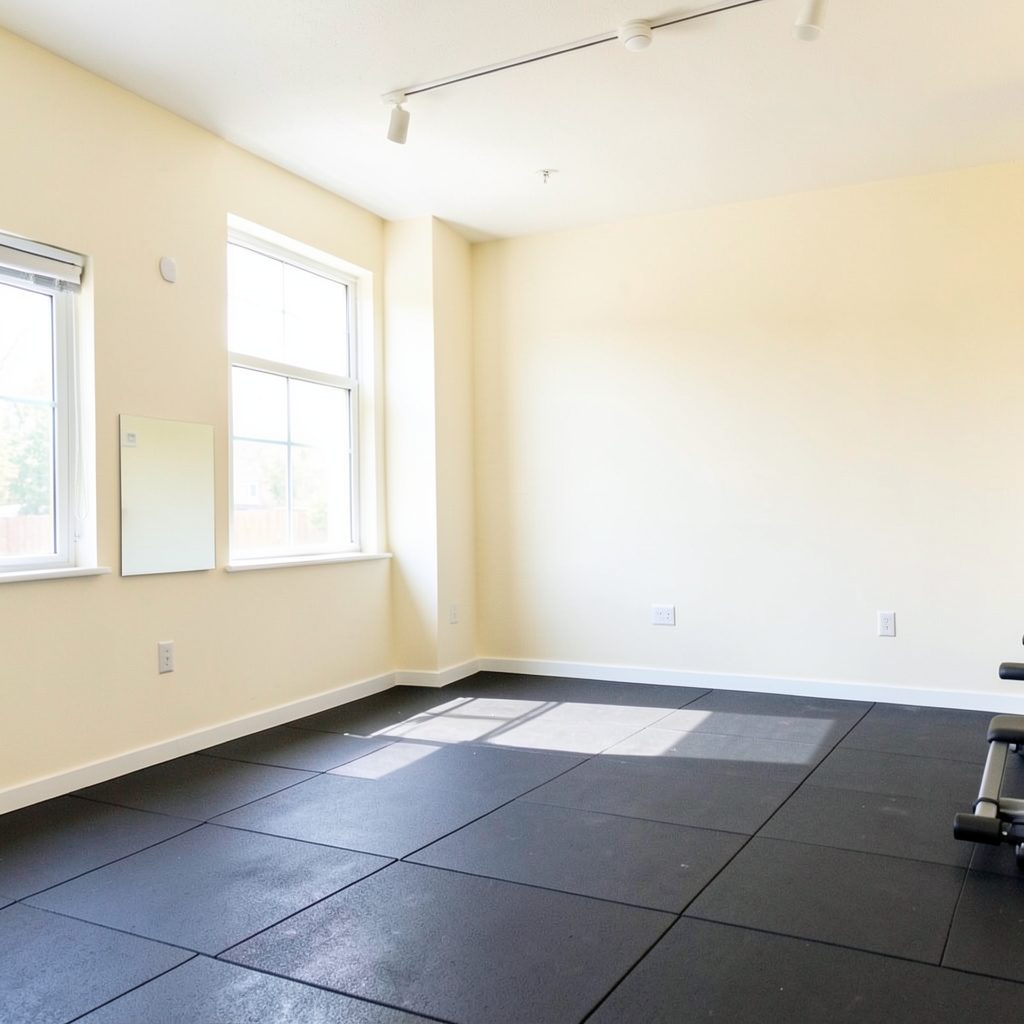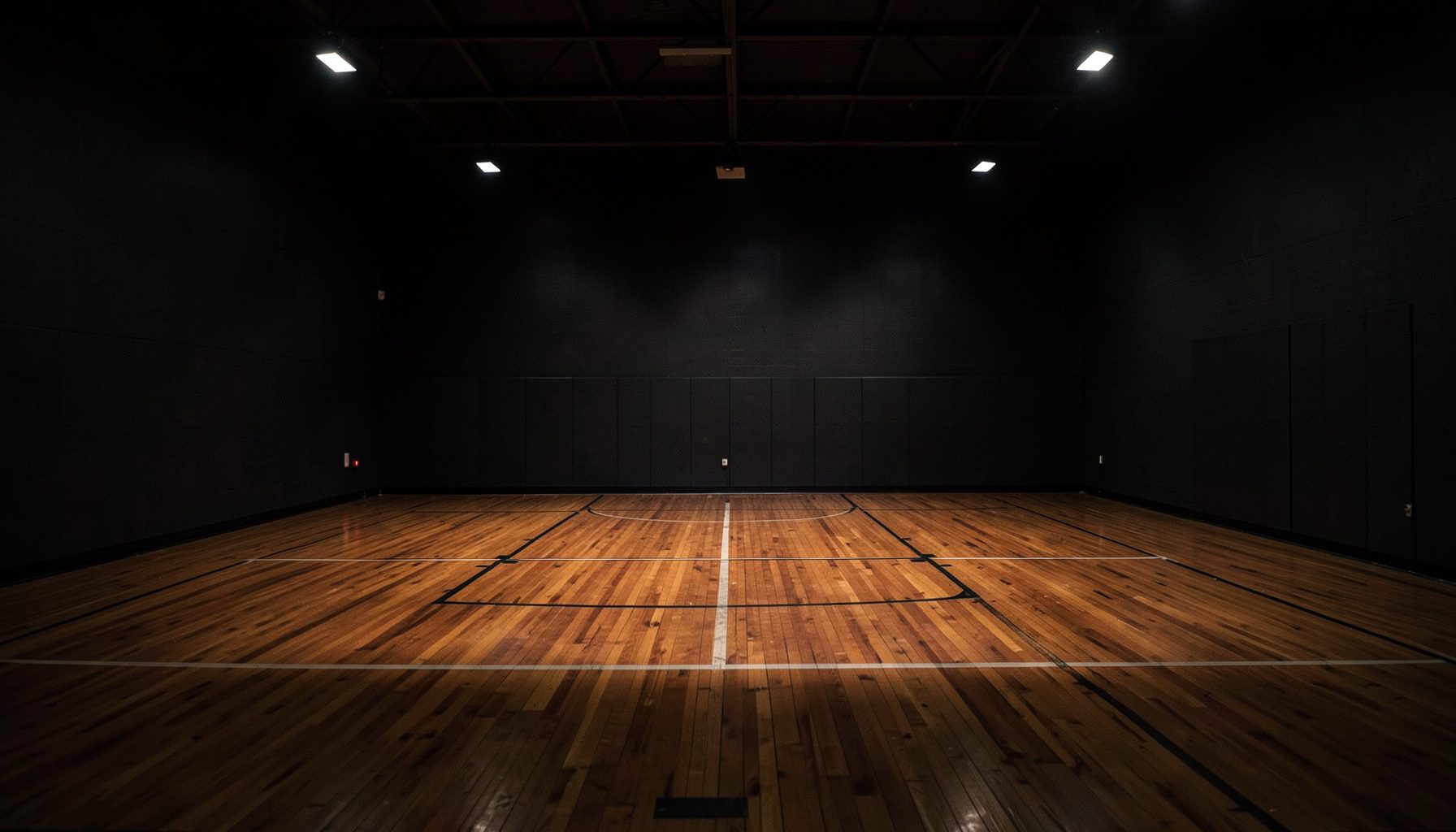
Train. Compete. Recover.
A multi-purpose athletic facility in Speedway, Indiana — basketball leagues, skill training, and wellness services all under one roof.
The Factory D1 Indy brings together three entities under one roof: competitive basketball leagues for all age groups, individual and group training, and wellness & recovery services including Normatec boot recovery and cryotherapy. Located off I-465 and High School Road at 6331 Crawfordsville Road, Speedway, Indiana 46224.
Get In TouchHow Spin Classes Build Calm Breathing Under Pressure
When the game tightens and the scoreboard presses in, the body often betrays the mind. Shoulders creep toward the ears, the jaw locks, and the breath turns shallow and rapid. Basketball, with its stop-start rhythm and relentless transitions, taxes the respiratory system in ways that casual training rarely addresses. Athletes looking for an edge frequently discover that the path to steadier play runs through an unlikely training ground: the indoor cycling studio.
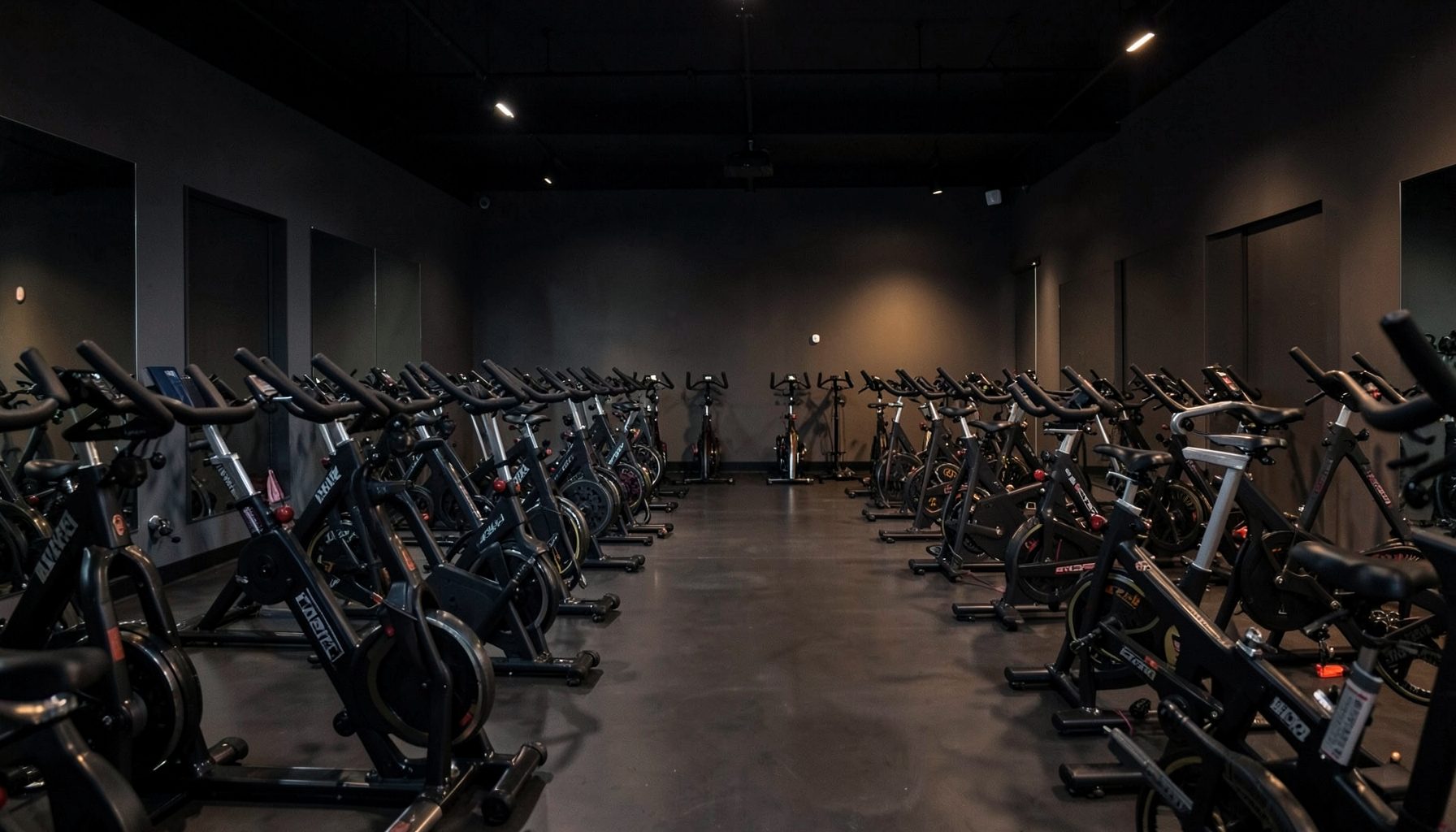
A spin class offers something most court sessions cannot: a controlled, measurable rhythm that an athlete can sync with breath over many minutes. At The Factory D1 Indy, athletes step off the court and into a darkened room, pedals turning, music driving, and a coach calling out surges and recoveries. The structure of the workout — repeatable intervals, varied intensities, and clear recovery windows — provides a laboratory for training the breath under something that resembles game stress, but without the chaos of defenders and shot clocks.
The Breath Rhythm You Build in the Saddle
Indoor cycling rewards pattern. A coach might call for a heavy climb at 70 rpm, then a seated acceleration at 90 rpm, then two minutes of recovery spin. The body learns to anticipate each change, and the lungs learn to match it. Athletes who commit to several sessions a week often notice that their breath becomes a metronome rather than a reaction.
That metronome matters on the court. Free throws, fast breaks, and full-court presses all require a player to regulate oxygen intake while the nervous system screams. The rhythm drilled during a thirty-second sprint on the bike — a measured inhale through the nose, a measured exhale through pursed lips — transfers to the moment a shooter squares up at the line with the game on the line. Practicing breath alongside effort is what separates breathing exercises from breathing training.
Australian studios have leaned into this idea. Boutique cycling rooms in Sydney's CBD and the inner suburbs of Melbourne fill early mornings with commuters chasing that same metronome effect. The Australian fitness market has long valued group energy, and spin classes provide a structured way to combine it with breath work.
From Cadence to Court: Translating Spin Patterns to Basketball
A basketball game rarely offers a steady tempo. Possessions last anywhere from four seconds to twenty-four, and a single quarter can shift from a half-court grind to a track meet. Spin classes, by contrast, deliver predictability. A rider knows the next surge is coming because the coach announces it. That foreknowledge lets the athlete practice pre-emptive breathing — a deep inhale before a heavy push, a controlled exhale as the legs burn.
That anticipatory breath becomes a tool during a game. A point guard driving into a lane can feel the contact coming and begin exhaling before the bump. A post player establishing position can breathe low and slow, keeping the core braced. The body, trained on the bike, knows how to oxygenate under load because it has rehearsed it dozens of times in the studio.
Group spin classes also build the social element of accountability that athletes often need. Riders push harder when the person next to them is pushing harder, and that collective intensity mirrors the locker-room culture of a competitive basketball team. The Factory D1 Indy builds on this dynamic with leagues and skills sessions that pair group effort with individual discipline.
Why Pressure Demands Trained Breath
Pressure changes everything. Heart rate spikes, muscles tighten, and the breathing muscles — the diaphragm and intercostals — get locked in a high, tight pattern that limits oxygen delivery. Trainers in both cycling and basketball understand that an athlete who cannot breathe through pressure will leak performance when it matters most.
The pairing below shows how breath patterns learned on the bike map onto the most common pressure moments in a basketball game.
| Spin Class Moment | Breathing Pattern | Basketball Pressure Moment |
|---|---|---|
| Heavy seated climb | 3-second inhale, 5-second exhale | Holding a defensive stance in a late-game possession |
| Standing sprint interval | Rhythmic nasal inhale, sharp mouth exhale | Driving to the rim through traffic |
| Recovery spin | Slow diaphragmatic breathing | Stepping to the free throw line with the game tied |
| Hill repeat finish | Box breathing (4-4-4-4) | Inbounding the ball under a full-court press |
Each cycling drill trains a specific breath response that the body can later recognise and execute when a game situation demands it. An athlete who has practised box breathing through burning legs does not panic when a coach calls for an inbounds play with two seconds left.
Australian Athletes Embracing Indoor Cycling
Australia's fitness culture has its own flavour. Gyms in Brisbane and Perth lean heavily into group training, and the rise of boutique spin studios along the eastern seaboard has created a generation of athletes who treat indoor cycling as cross-training rather than a standalone workout. Basketball players in particular appreciate the low-impact nature of the bike, especially during the Australian summer when outdoor court sessions become punishing in the heat.
It is common to see elite-level Australian athletes layering spin work into their weekly calendar alongside court time. The country has produced strong basketball talent through programs like the NBL and the Women's National Basketball League, and the athletes emerging from those pathways increasingly view breath training as a serious part of preparation. Studios in Adelaide's CBD and around Sydney's northern beaches run classes that fill with both recreational riders and serious competitors chasing that controlled breath work.
The broader Australian market has noticed. Local gym chains have expanded their cycle offerings, and recovery services — once a niche — have moved into the mainstream. Compression boots and cold plunges sit beside the spin studio in many a facility, signalling a shift toward treating breath, circulation, and recovery as one connected system.
Pairing Spin Work With Hydration and Recovery
Spin classes do their best work when paired with the right supporting habits. Hydration, in particular, plays a quiet but powerful role in how the body manages breath under load. A dehydrated athlete breathes faster and shallower because the blood carries less oxygen and the airways respond to the imbalance. Riders who learn to sip consistently through a class quickly carry that habit onto the court.
Recovery extends the lesson after the workout ends. Compression therapy and cryotherapy help the body reset so that the breath training of one session carries cleanly into the next. The Factory D1 Indy offers these services alongside its spin and basketball programs, giving athletes a full loop from effort to recovery. The relationship between hydration and on-court output is explored in the connection between hydration and basketball performance, which complements the breath-focused approach covered here.
Athletes who treat spin classes as breath training rather than mere cardio tend to find the work more satisfying, and the carryover to basketball more obvious. The shared accountability of a group ride, documented in the benefits of group spin classes for accountability, reinforces the consistency that breath work demands.
The Factory D1 Indy sits in Speedway, Indiana, but the principles of trained breath apply anywhere athletes gather to chase an edge. Step into a spin class with the intention of working your breathing rhythm, not just your legs. Pair the rides with intentional hydration and smart recovery, and let the metronome you build in the saddle carry you through the loudest moments of the next game. Book a class, join a league, and put your breath to work.
Inside The Factory
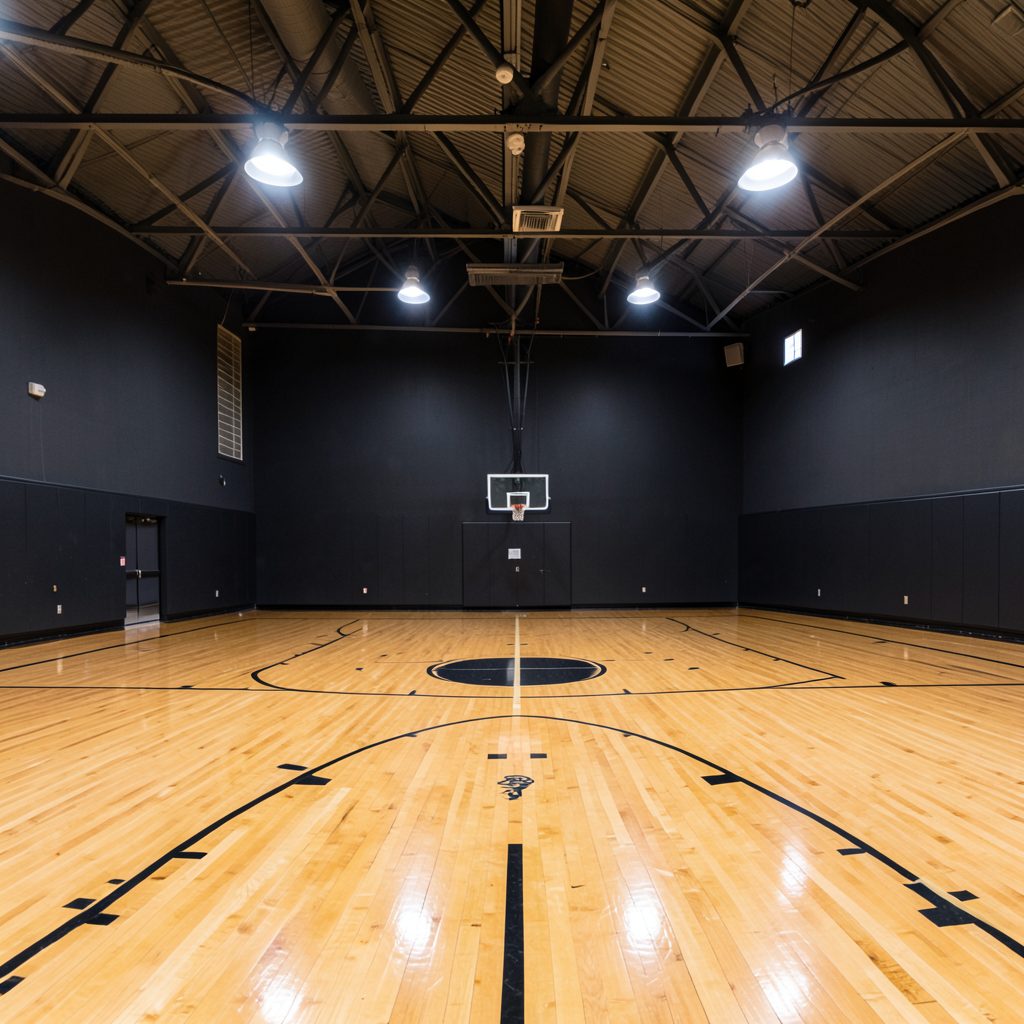

Three Entities, One Roof
Leagues
Eight league divisions span every age group: Indy Pro AM, 18+ Open Men's, 30+ Men's, Bite Size (ages 3–6), Impact League, 5th/6th Grade, Middle School, and High School. Gather your team and compete.
Training
Individual and group basketball training for all skill levels. Major M.O.V.E.S. Basketball Training serves ages 4–7 on Wednesday and Thursday evenings at 6:30 PM — $30 per session or $100 unlimited monthly.
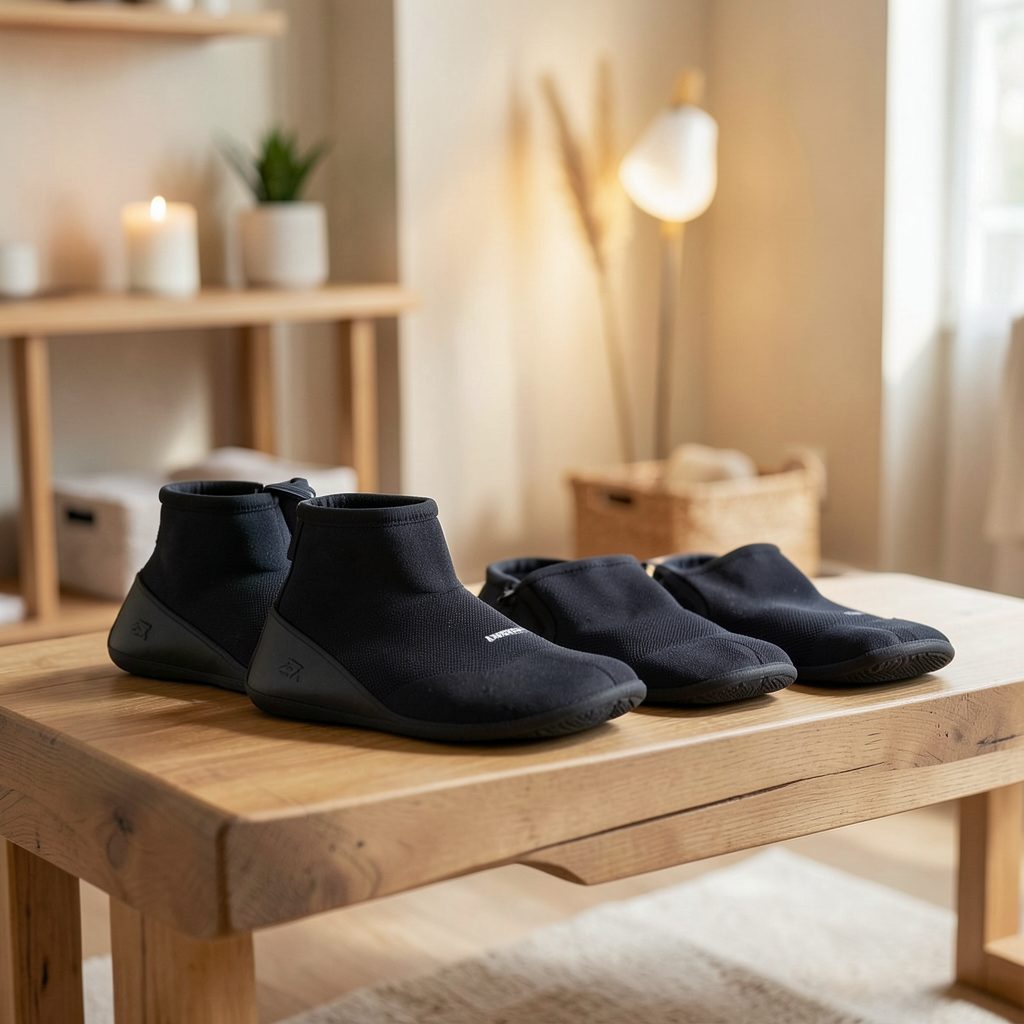
Wellness & Recovery
Normatec boot recovery and cryotherapy treatments help athletes bounce back faster. Cycle and spin classes add a cardio dimension to the holistic performance approach.
Have a Question?