Train. Compete. Recover.
A multi-purpose athletic facility in Speedway, Indiana — basketball leagues, skill training, and wellness services all under one roof.
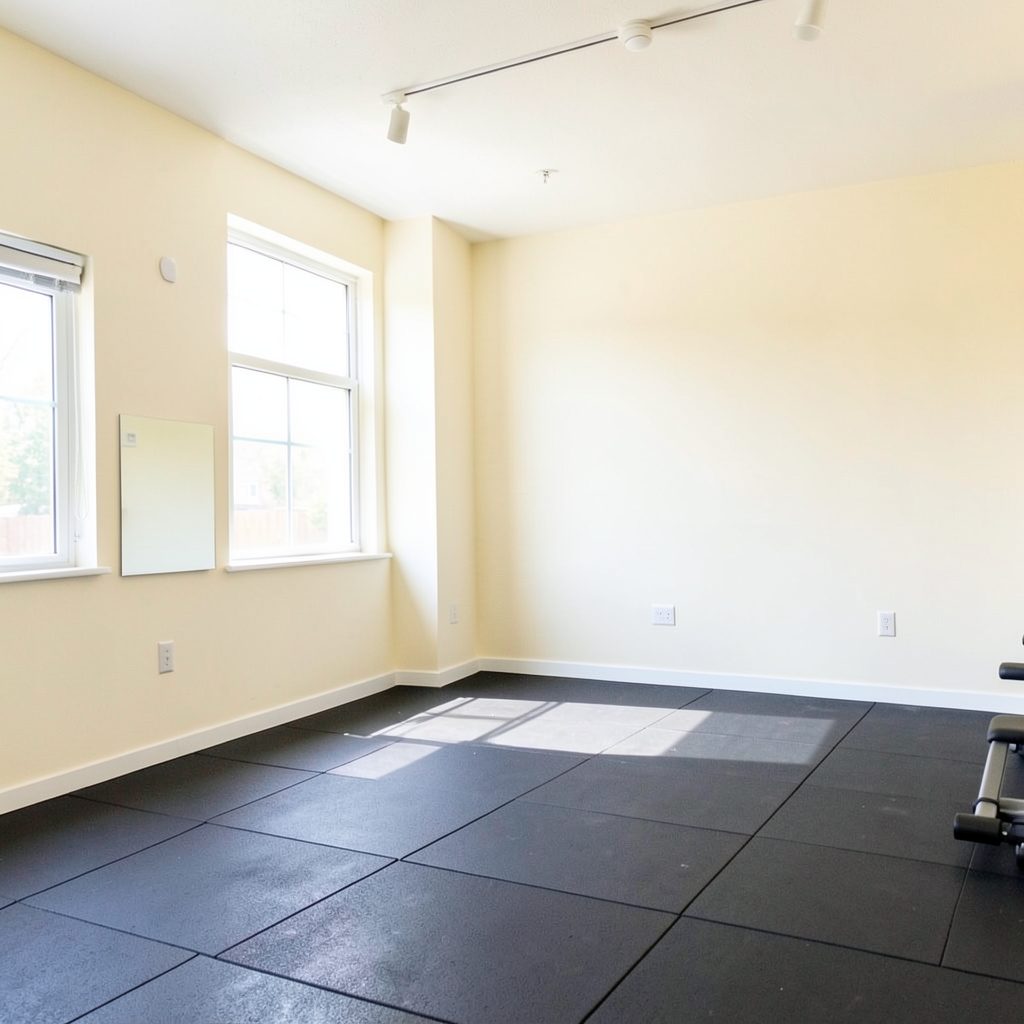
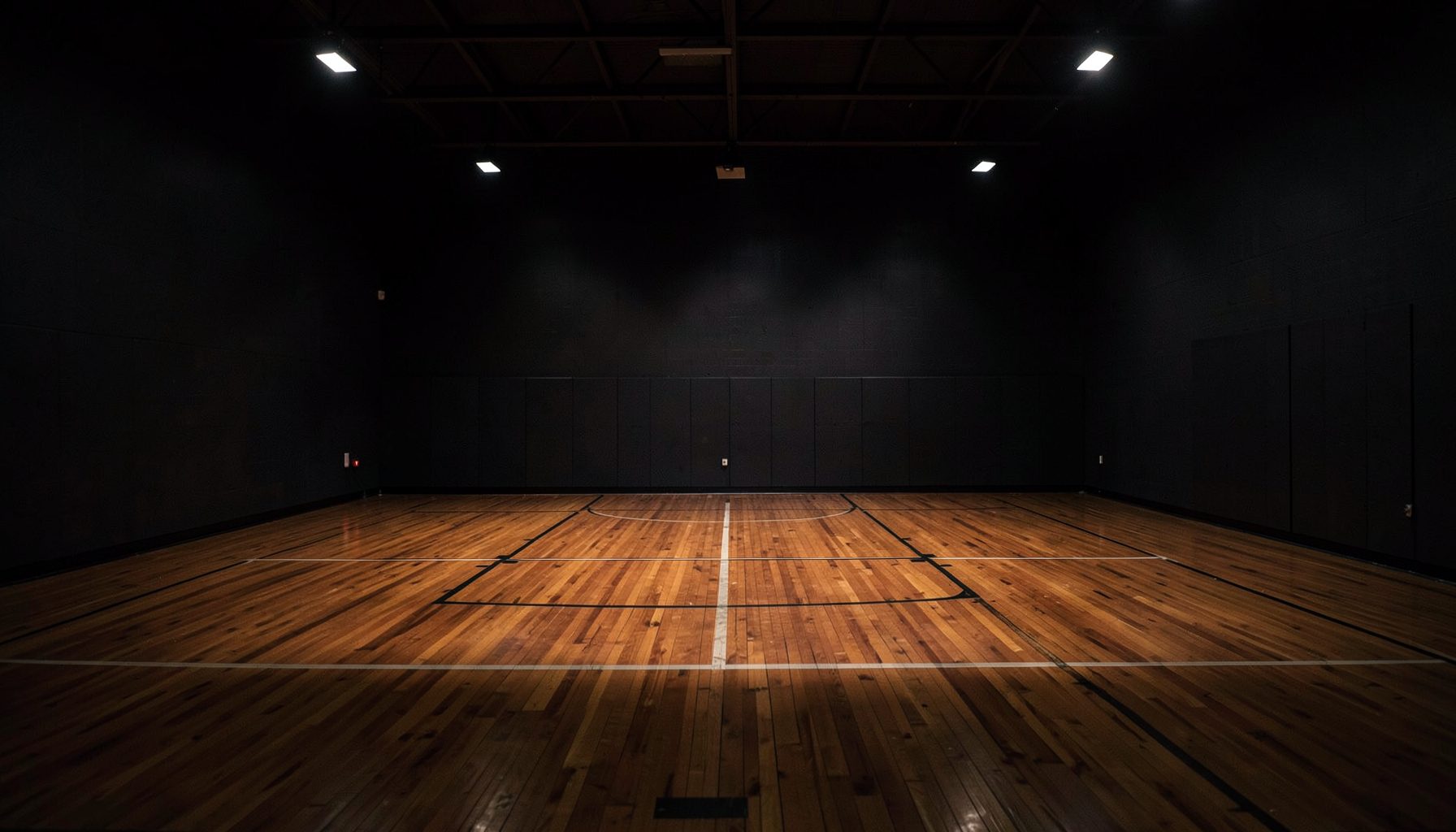
The Factory D1 Indy brings together three entities under one roof: competitive basketball leagues for all age groups, individual and group training, and wellness & recovery services including Normatec boot recovery and cryotherapy. Located off I-465 and High School Road at 6331 Crawfordsville Road, Speedway, Indiana 46224.
Get In TouchHandling a bad referee call as a youth league parent
A whistle goes against your child, the coach reacts, and the sideline suddenly fills with opinions. For an Australian youth league parent, the hardest part is often not identifying the disputed call but choosing what to do in the next few seconds. A calm response protects your child’s confidence and keeps the game meaningful for everyone.
Bad calls happen under time pressure. A referee may see an angle differently, miss a hand on a rebound or apply a rule while people are talking. That does not excuse a poor decision, but it explains why frustration can arrive before the facts are clear. Your role is to become steadier than the moment.
Handling a bad referee call as a youth league parent means separating three jobs: helping your child reset, protecting respectful competition and using the proper channel if a decision needs review. The same approach works at a council court, a club tournament in Brisbane or a busy multi-court venue in Melbourne.
Keep the sideline calm
Start with the person who matters most. Move your attention away from the official and check whether your child is physically safe and emotionally okay. A hug, some water and a simple statement such as, “I saw that too, and we will sort it out,” gives them something concrete to hold onto.
Resist the urge to explain everything immediately. At a fast pace, children focus on the last play rather than the next task. Give them one instruction: check in with the coach, warm up and stay ready. Review the incident after the final siren rather than turning every possession into a family debate.
Australian community clubs often depend on volunteers for scorers, coaches and officials. That system works when adults model the standards they expect from children. Saying “no worries, keep playing” is not pretending a mistake did not happen; it is protecting the fair-go spirit that keeps local competitions welcoming.
Describe the call without assuming intent
Describe what you saw without deciding why it happened. “The defender contacted the shooter before the shot” is an observation. “The referee is biased against our team” assigns motive without evidence and will derail the conversation. Stay with the action, the rule and where the players were standing.
Community leagues commonly use FIBA rules or a local variation, so check the rulebook before turning a misunderstanding into an accusation. Notice which way play was moving, whether a foul was on the floor or in the act, and whether a timeout had been called. Details that seem obvious in hindsight are often blurred in real time.
After the game, note the quarter, clock, score and sequence of events while they are fresh. Avoid a long argument on the sideline and repeated appeals that place a child in the middle. If the decision affected safety or sportsmanship, record that clearly. If it was an incorrect interpretation, the notes may help the coach or league improve communication.
Use the league’s formal process
Use the league’s formal process at the right time. A brief, private word after the game can clarify an unclear ruling. A personal conversation during play disrupts players, distracts the scorer’s table and models behaviour you do not want your child to copy. If the issue remains, move beyond informal chats.
Keep the first message short: identify the game, quote the relevant rule, describe what happened and request a review. Asking the referee coordinator to review whether the contact counted as a shooting foul is more productive than saying, “You robbed us.” Many local basketball associations use email forms, online registration portals or volunteer administrators, so the proper route may sit with the coordinator rather than the game referee.
Send one factual account rather than several heated messages from family groups. In a close-knit club, frustration can travel through Facebook and WhatsApp before an official has spoken. Ask the coach what support they want to offer and give the league time to respond. Safety concerns, abuse or repeated alleged bias should be documented and escalated under competition policy.
Give your child a reset plan
Your child does not need every argument won. They need permission to feel disappointed without learning to attack an adult. Try reflecting the experience: “That really hurt, and it was frustrating.” Follow it with direction: “You stayed with the team and kept going; now let’s take one breath and get ready for the next play.”
Choose a reset that matches your child. Some players need quiet, a walk to the end of the court and water. Others want a distraction, a chat with a teammate or a technical cue. Children who already worry before tip-off may benefit from rehearsing one plan; this guide to game-day anxiety offers practical ways to make that routine familiar.
Keep the reset brief and age-appropriate. Breathing out slightly longer than you breathe in can slow a racing heart, and a low-intensity walk releases tension. Avoid turning the reset into a confrontation or promising an overturned call. Your child’s recovery comes first, and they can take responsibility for their part without carrying the adult’s argument.
Prepare the game-day routine
Game-day preparation can prevent many sideline conflicts. Agree on who will approach an official if there is a genuine concern, and make sure that person is not also the person most likely to argue. Keep the league policy in your phone, know the venue entrance and arrive early enough to find the court, scorer’s table and toilets without rushing.
Australian venues have their own realities. One court can host several divisions, so loud music, simultaneous games and crowded change areas are normal. At clubs in Sydney, Brisbane, Melbourne and Adelaide, parents juggle transport, carpools, volunteer duties and weekend sport. Many families also manage basketball alongside Australian Rules football or other club seasons.
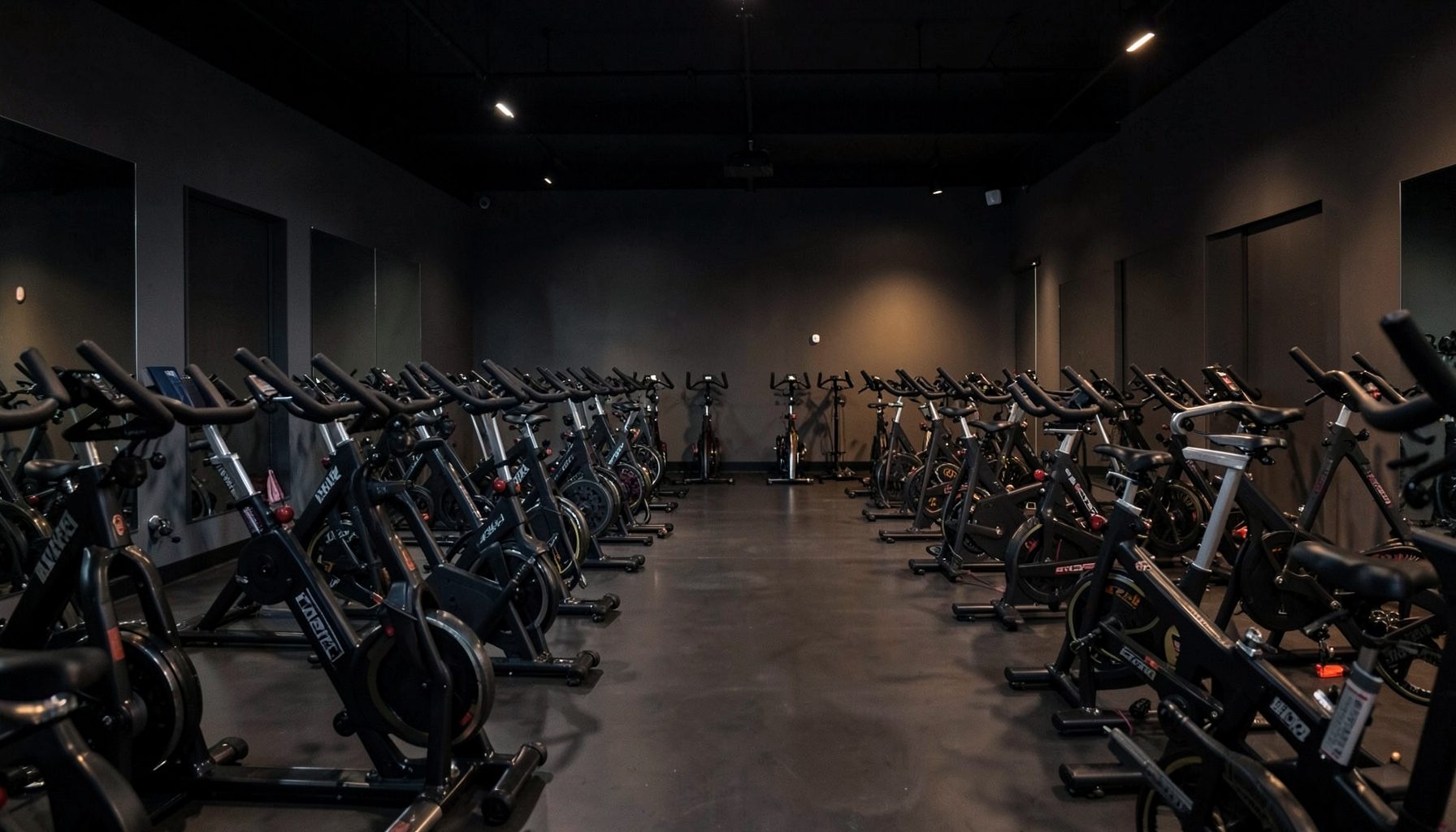
Conditioning should settle the body rather than add stress. At multi-sport facilities such as Factory D1 Indy in Speedway, Indiana, basketball skills training sits alongside competition and recovery, and the cycle program focuses on cadence and rhythm, not speed alone. The same idea works in a short warm-up: build movement gradually, use a comfortable rhythm and save energy for basketball.
Agree on a family code
Not every parent expresses concern in the same way. One may want a formal review, another may want to protect the team’s momentum, and a grandparent may prefer to say nothing. Discuss these differences before the season so nobody is surprised by a strong reaction. One voice can speak for the family while the others support the child.
Aussie sporting culture values a fair go and a willingness to have a go. Those phrases make a useful family code: officials receive a fair go to decide, players have a go without ridicule, and parents model good conduct when a decision hurts. It replaces post-match complaints with standards your child can use later.
Be equally careful online. Do not post a clip under the referee’s name, organise a group complaint or tag the scorer’s table in a social-media thread. A single message to the coach can clarify whether the family sees a rule issue, a safety issue or an emotional reaction. If your club uses Facebook, WhatsApp or an association app, keep complaints in the official channel rather than the quickest chat.
Turn frustration into an action plan
If a decision still feels wrong, separate review from rumination. Within a day, use your notes to prepare one short account for the coach or referee coordinator. Then stop revisiting the clip unless the league asks for more information. Your child should hear that the process has been used, not live inside an unresolved dispute.
After competition, a calm wind-down may help the family reset. When comparing options, families can look at online versus studio yoga and choose a comfortable format rather than adding another pressured activity. Ordinary sleep, water, a balanced meal and a kind conversation usually matter more than any recovery trend.
Before the next fixture, save the league’s contact details, agree on one reset phrase and decide who will speak with an official if needed. If your child trains or competes at Factory D1 Indy, ask a coach to help rehearse the routine and reinforce respectful treatment of officials. Contact the coach or league office, put the plan into action and show your child that fairness includes standing up calmly when something goes wrong.
Inside The Factory

Three Entities, One Roof
Leagues
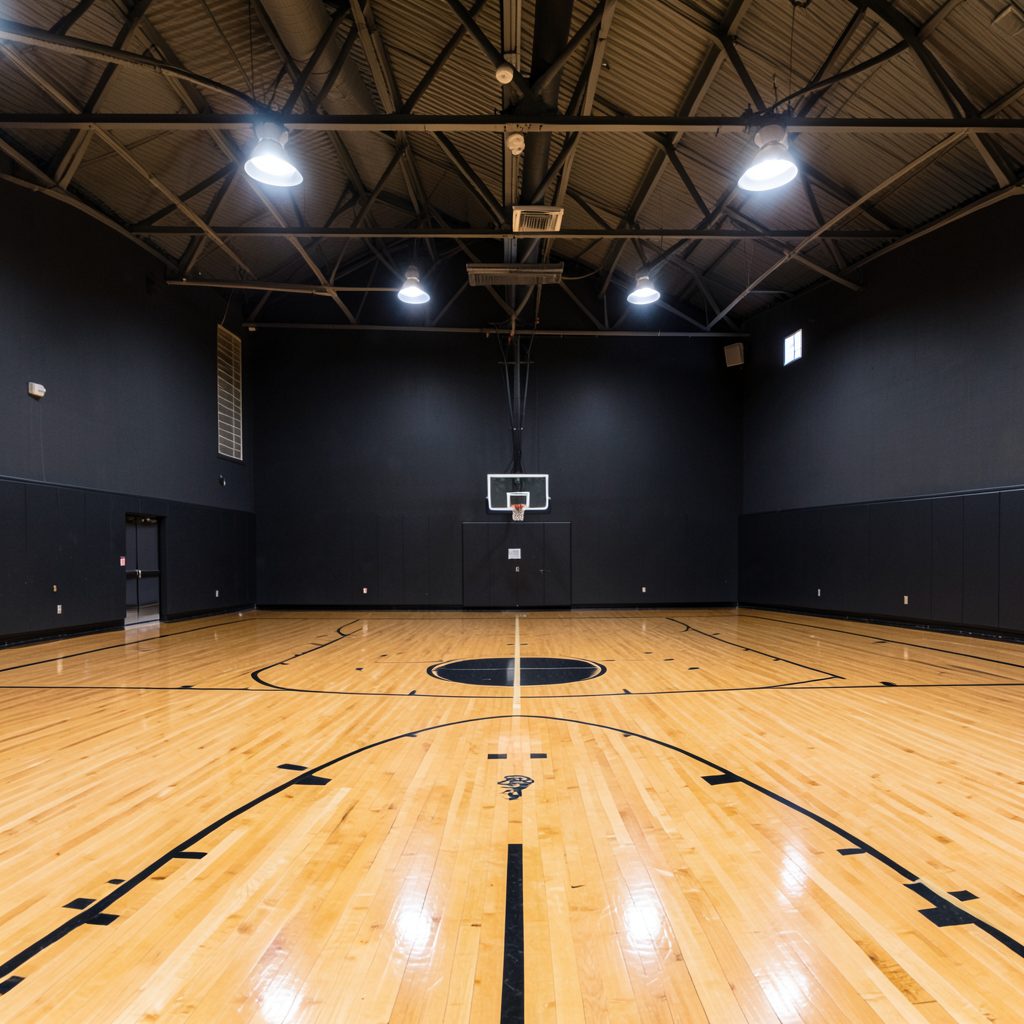
Eight league divisions span every age group: Indy Pro AM, 18+ Open Men's, 30+ Men's, Bite Size (ages 3–6), Impact League, 5th/6th Grade, Middle School, and High School. Gather your team and compete.
Training
Individual and group basketball training for all skill levels. Major M.O.V.E.S. Basketball Training serves ages 4–7 on Wednesday and Thursday evenings at 6:30 PM — $30 per session or $100 unlimited monthly.
Wellness & Recovery
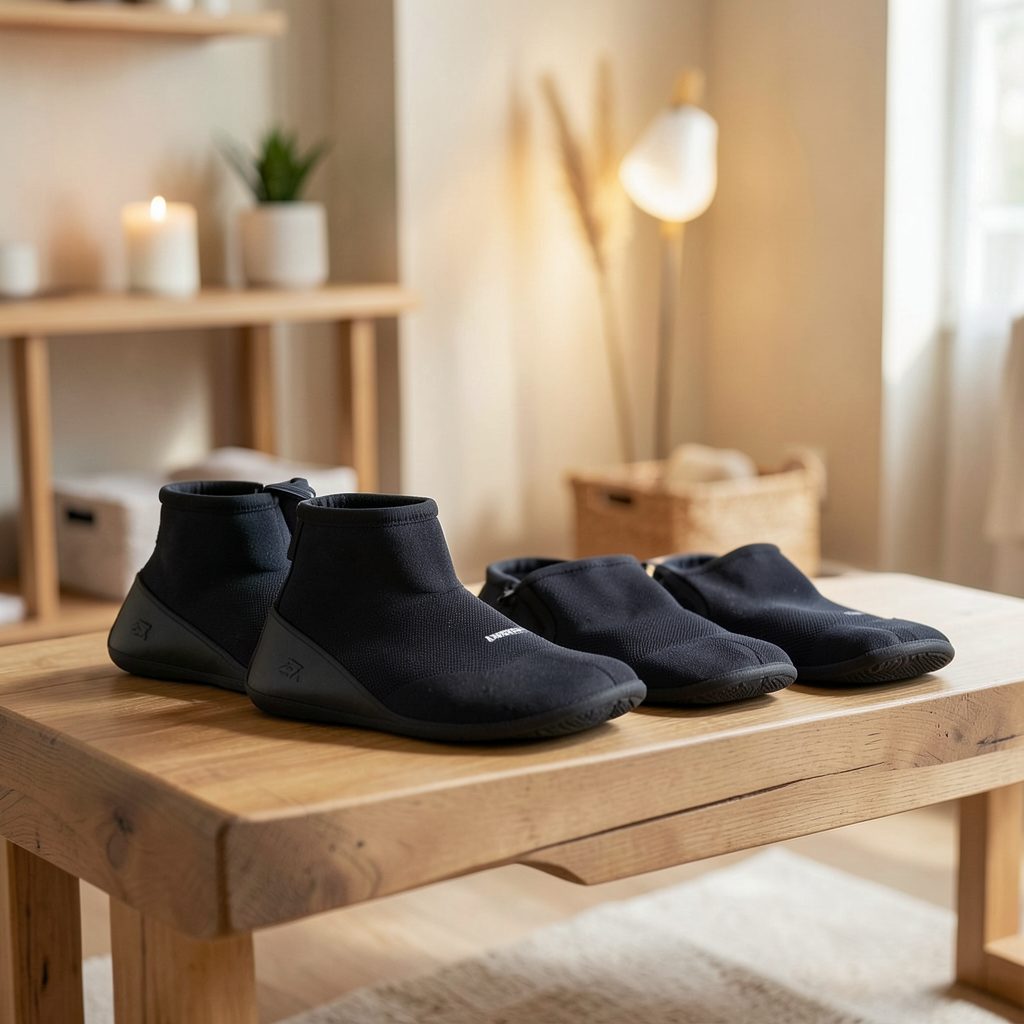
Normatec boot recovery and cryotherapy treatments help athletes bounce back faster. Cycle and spin classes add a cardio dimension to the holistic performance approach.
Have a Question?