Train. Compete. Recover.
A multi-purpose athletic facility in Speedway, Indiana — basketball leagues, skill training, and wellness services all under one roof.
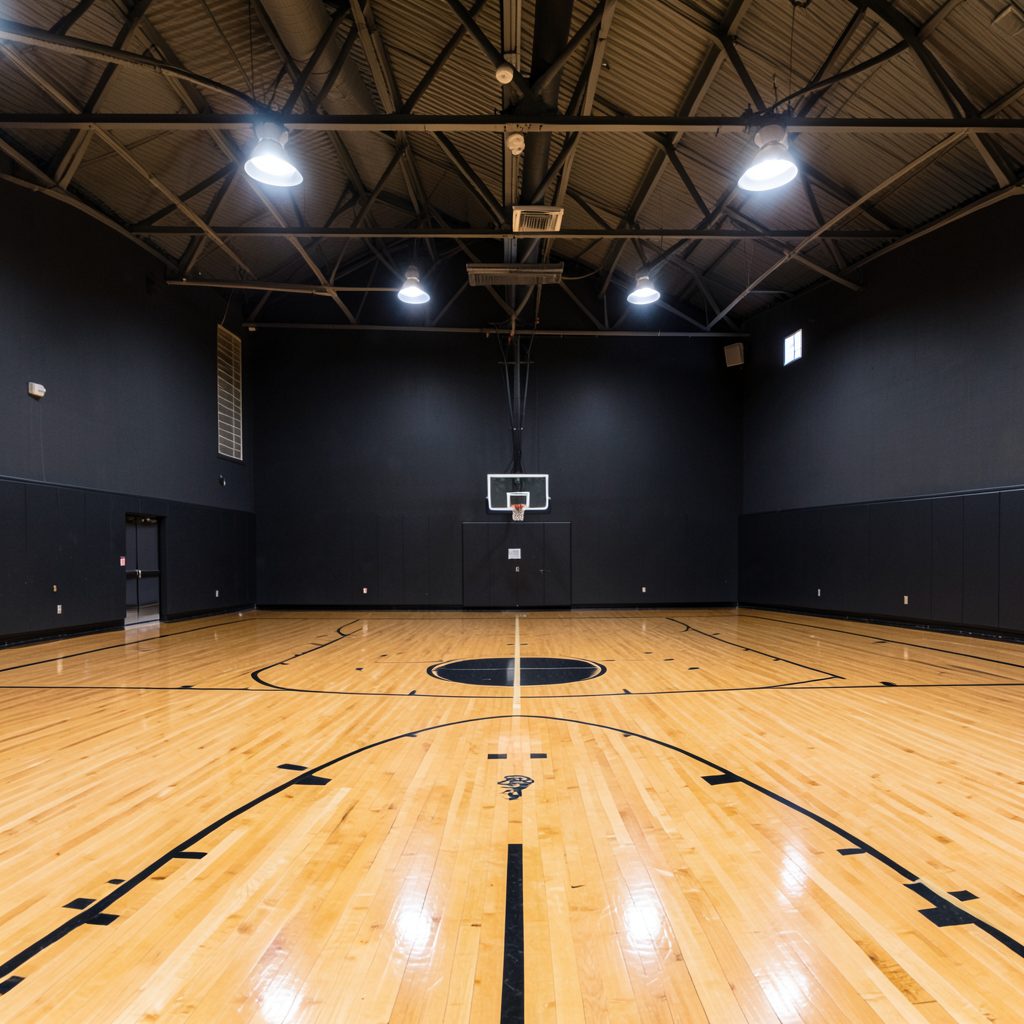
The Factory D1 Indy brings together three entities under one roof: competitive basketball leagues for all age groups, individual and group training, and wellness & recovery services including Normatec boot recovery and cryotherapy. Located off I-465 and High School Road at 6331 Crawfordsville Road, Speedway, Indiana 46224.
Get In TouchHow To Use Basketball Film Study With A Young Player
Film study can help a young basketball player understand the game faster, but a long video session can easily feel like homework. The aim is to make clips useful, brief and connected to what the player is already learning at training or in a weekend game.
For families in Australia, film can bridge the gap between school basketball, club competitions and individual development. A child playing in a local association in Melbourne, Sydney, Brisbane or Perth may see different styles and levels of competition, so a few well-chosen clips can provide clarity without turning every match into a performance review.
| Approach | Best Use | Recommended Limit |
|---|---|---|
| One positive clip | Build confidence and identify a repeatable strength | 2–3 minutes |
| One teaching clip | Explain a single decision or movement | 3–5 minutes |
| Side-by-side comparison | Show the difference between two choices | 5–8 minutes |
| Player-led review | Encourage ownership and basketball IQ | 10–15 minutes |
| Full-game viewing | Prepare for an opponent or reflect on a tournament | Selected passages only |
Start With A Simple Learning Target
Choose one theme before pressing play. It might be sprinting back in transition, creating space before receiving a pass, keeping eyes up while dribbling or showing hands on defence. A young athlete cannot absorb every detail in a game, and trying to cover shooting, footwork, spacing and decision-making at once can make the session confusing.
Use language that matches the player’s age. “What did you notice when the defender stepped up?” invites thought, while “Your weak-side rotation was late by two seconds” may be accurate but difficult to apply. For an under-12 player, focus on visible actions. Older juniors can gradually discuss timing, reads, angles and options.
Write the target in one sentence before the session: “Today we are looking at how you make space before a catch.” This keeps the conversation focused and gives the player a clear way to recognise progress.
Keep The First Viewing Positive
Begin with a moment the player handled well. It could be a strong close-out, a good pass that led to an assist, a well-timed cut or a rebound secured in traffic. Ask what they remember and why the action worked. This turns film review into a process of discovery rather than a list of mistakes.
Praise decisions and habits rather than results. A shot may miss while still being taken in balance and rhythm. A pass may not lead to a score because a teammate fumbled it, yet the passer may have made the correct read. Young athletes benefit from seeing that good process matters in a developing game.
A useful ratio is three positive observations for every correction. That does not mean avoiding difficult feedback. It means creating enough trust for the player to stay curious when a mistake appears on screen.
Use Short Clips Instead Of Full Games
Cut the footage into short sequences that show the action before, during and after a key moment. A six-second clip may reveal a complete decision, while a full quarter can bury the relevant detail under possessions that have nothing to do with the learning target.
Pause before the outcome and ask what the player thinks will happen next. This builds anticipation and decision-making, which are central parts of basketball IQ. After the player answers, continue the clip and discuss the available options without labelling the choice as simply right or wrong.
A simple routine works well: watch once without interruption, replay the clip, pause before the decision, then watch it again at normal speed. Finish by identifying one action to try at the next practice. Keeping the session to 10 or 15 minutes is often more effective than an exhausting hour.
Connect Video To Practice And Recovery
Film study should lead to a physical or tactical experiment. If the clip shows the player standing after a pass, use the next training session to practise pass-and-cut actions. If the issue is defensive footwork, add short close-out and slide repetitions rather than giving another long explanation.
The player’s body also affects how well they learn. Review a game after food, water and adequate rest, not immediately after a demanding tournament. A brief mobility routine can help create a calm transition from competition to reflection; families may find these basketball stretching routines useful before or after training.
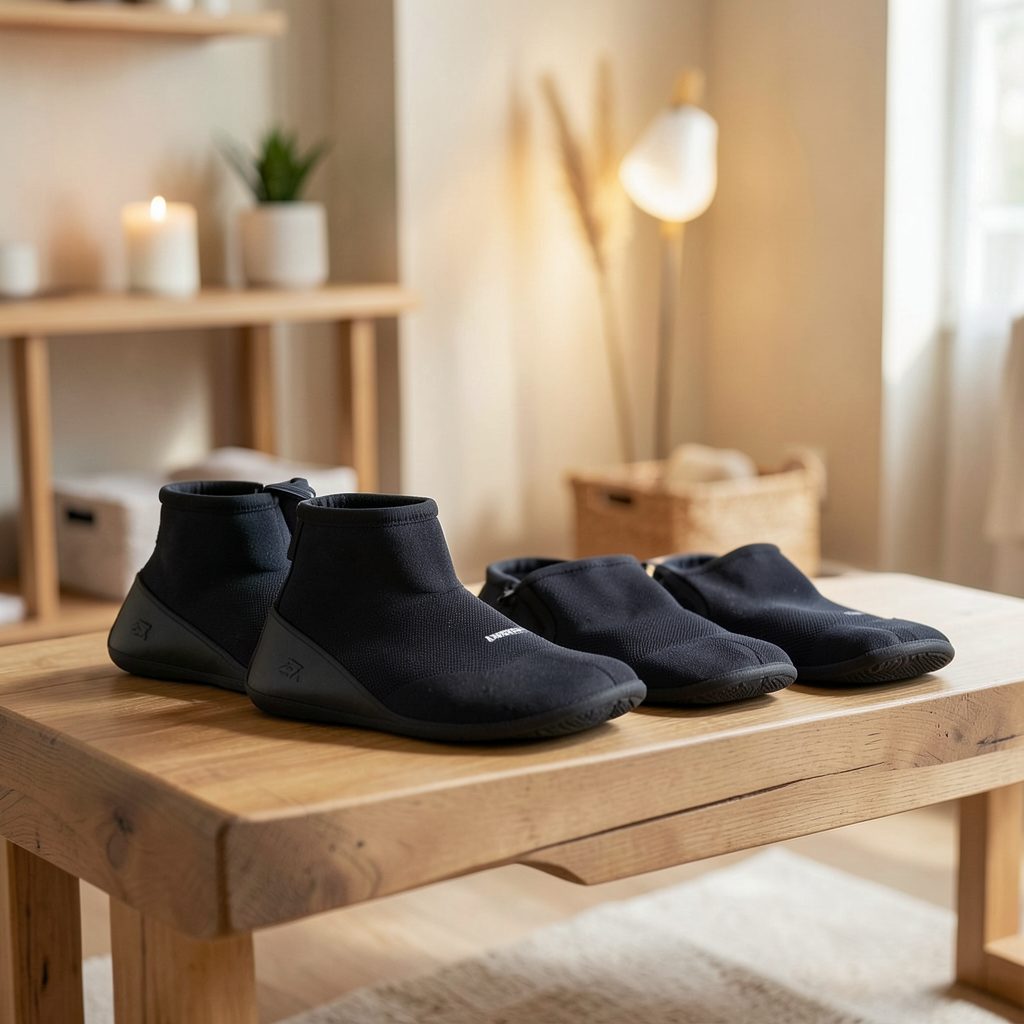
Recovery services can also be relevant during heavy weeks of school sport, club games and representative trials. Options such as compression therapy or cryotherapy should be considered with qualified guidance and used as part of a broader recovery plan, rather than treated as a substitute for sleep, nutrition and sensible scheduling.
Let The Young Player Speak First
Adults often spot the answer quickly, but giving the athlete the first response creates ownership. Ask, “What did you see?” “What were your choices?” or “What might you try next time?” Then allow a few seconds of silence. The pause may feel long to a parent or coach, yet it gives the player room to process.
Avoid using film as evidence in an argument. Statements such as “I told you to stop over-dribbling” can make the player defensive and less willing to review footage. Replace them with neutral observations: “There were two defenders near the ball here. Where else might the space have been?”
For young children, let them choose one clip they liked and one they want to understand. For teenagers, invite them to tag clips or keep a short notes file with headings such as “good read”, “late decision” and “next action”. This approach develops self-coaching skills that can transfer to school, club and representative basketball.
Choose The Right Support Around Film
Video is most useful when it sits within a consistent coaching environment. A private lesson may suit a player who needs detailed feedback on one technical issue, while group training offers live reads, communication and competitive pressure. Families weighing those options can explore group or private training before deciding how film should fit the weekly schedule.
At a facility such as The Factory D1 Indy, film can connect individual skills training with leagues and broader athletic development. The same clip about transition defence might become a drill in a group session, then appear again during a competitive game. That continuity helps the athlete understand why the review matters.
The setup does not need to be expensive. A smartphone, stable tripod and a wide enough angle are usually sufficient. If a club is building a regular recording and analysis station, practical energy management resources may help with planning lighting, charging and equipment use. The technology should stay in the background; the conversation and the player’s next action matter most.
Build A Calm Weekly Routine
Choose a regular time that does not compete with homework, family commitments or recovery. In Australia, a junior player may already have school sport midweek, a club training night and a Saturday association game, so a short Sunday review can be more realistic than adding another demanding session after training.
Use a repeatable format: one strength, one teaching point, one question and one action for the next game. Record the action in plain language, such as “Sprint to the corner after a drive” or “See the help defender before passing.” Review the same target briefly the following week and notice whether it appears more naturally.
Parents should also protect the player’s enjoyment. Film study is one tool, not a measure of worth or a replacement for free play. Celebrate curiosity, effort and improvement, then put the phone away and let the young athlete return to the court with a clear, manageable focus.
Start with one game, one target and one short conversation this week. Use positive clips to open the discussion, give the player time to think, and finish with a skill they can practise at the next session. With support from a coach, a suitable training environment and consistent encouragement, film can become a source of confidence and better decisions rather than pressure.
Inside The Factory
Three Entities, One Roof
Leagues
Eight league divisions span every age group: Indy Pro AM, 18+ Open Men's, 30+ Men's, Bite Size (ages 3–6), Impact League, 5th/6th Grade, Middle School, and High School. Gather your team and compete.
Training
Individual and group basketball training for all skill levels. Major M.O.V.E.S. Basketball Training serves ages 4–7 on Wednesday and Thursday evenings at 6:30 PM — $30 per session or $100 unlimited monthly.
Wellness & Recovery
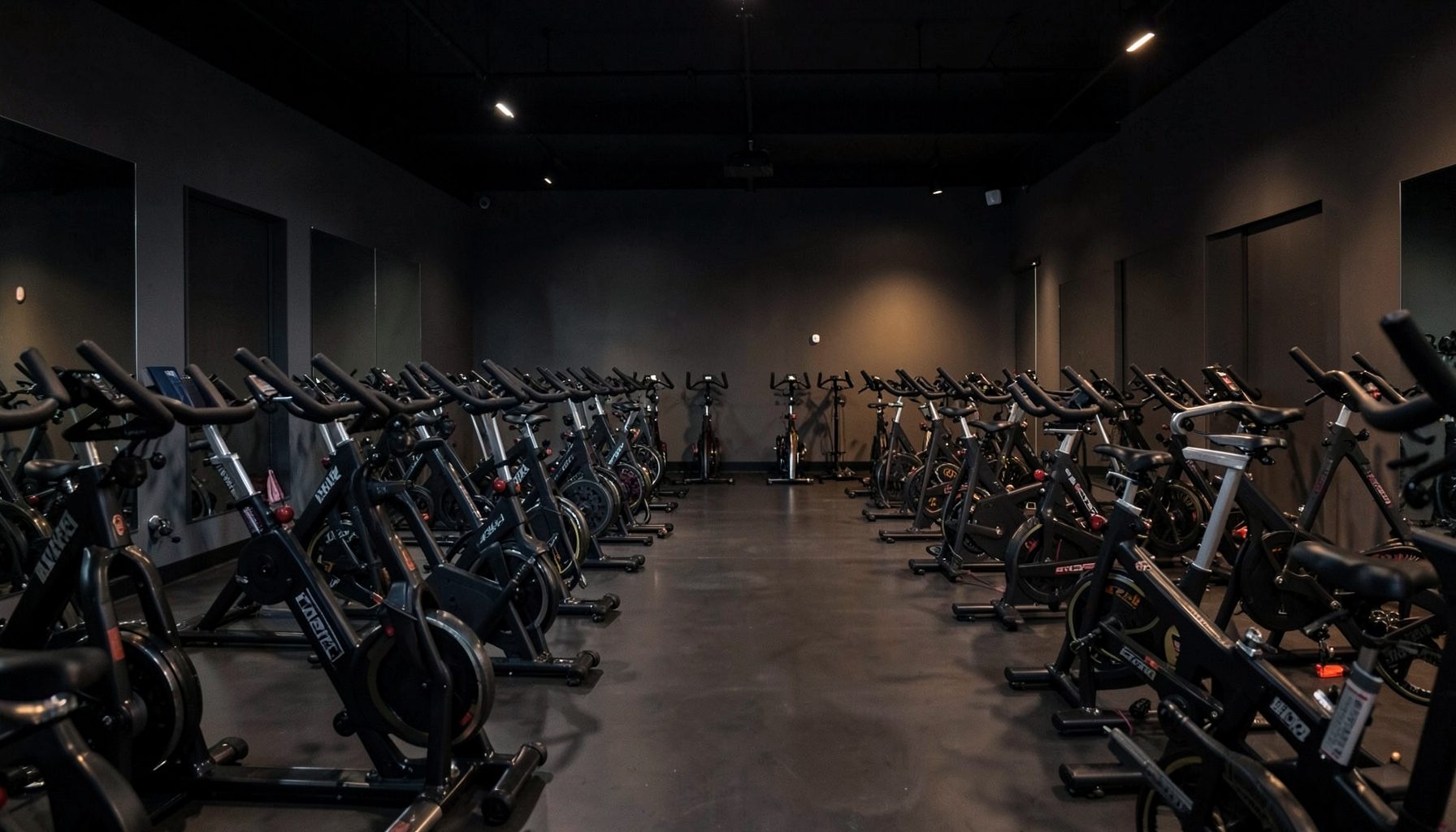
Normatec boot recovery and cryotherapy treatments help athletes bounce back faster. Cycle and spin classes add a cardio dimension to the holistic performance approach.
Have a Question?