Train. Compete. Recover.
A multi-purpose athletic facility in Speedway, Indiana — basketball leagues, skill training, and wellness services all under one roof.
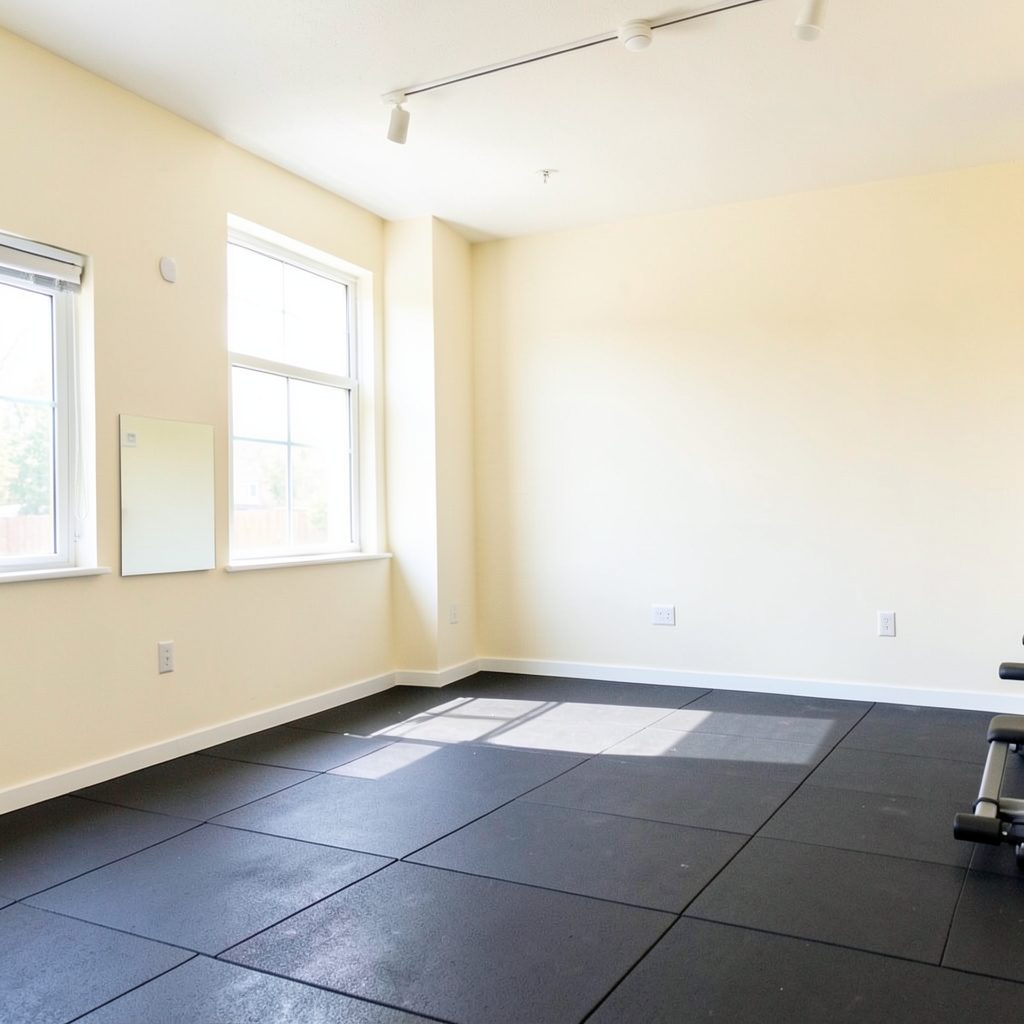
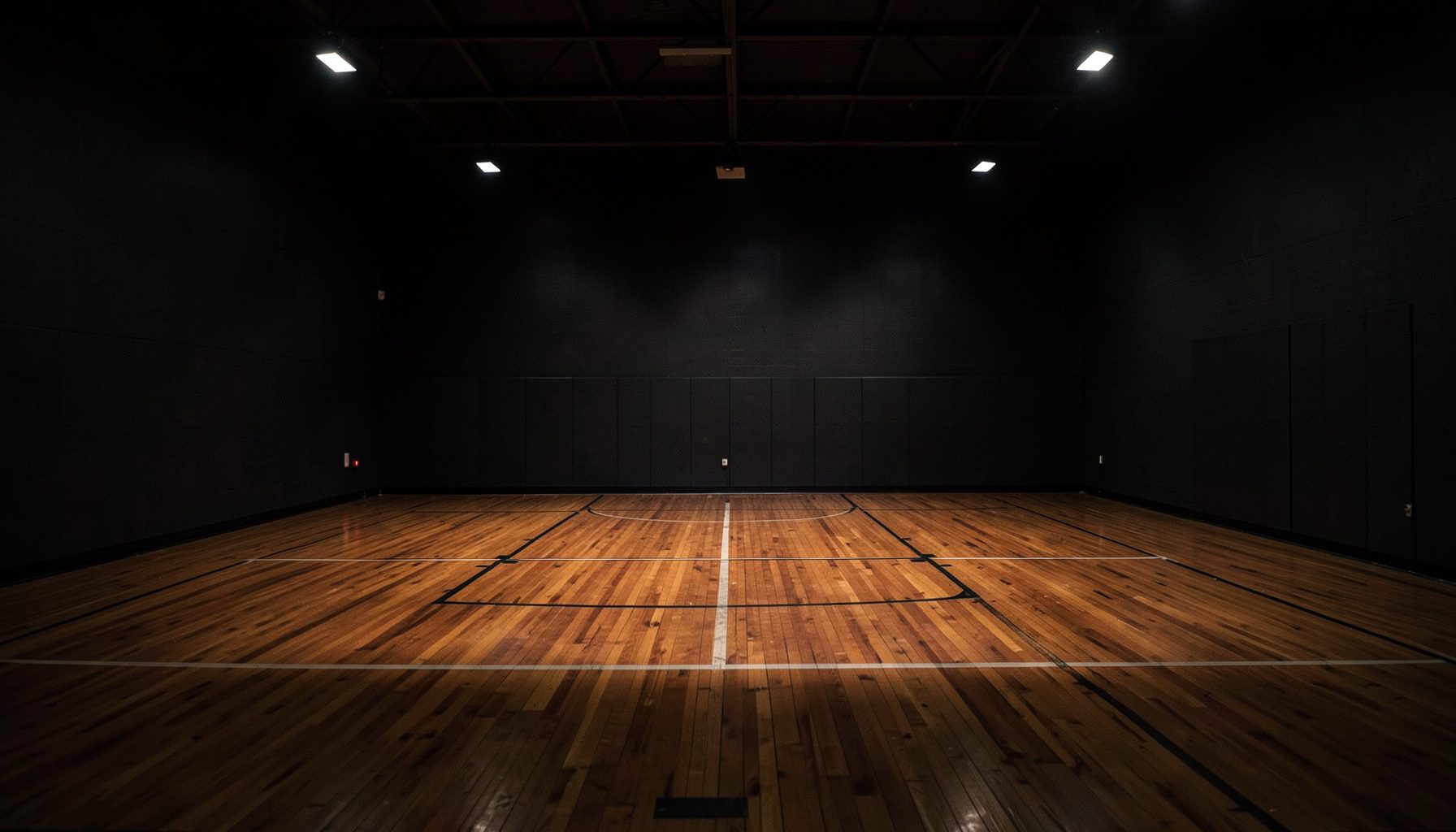
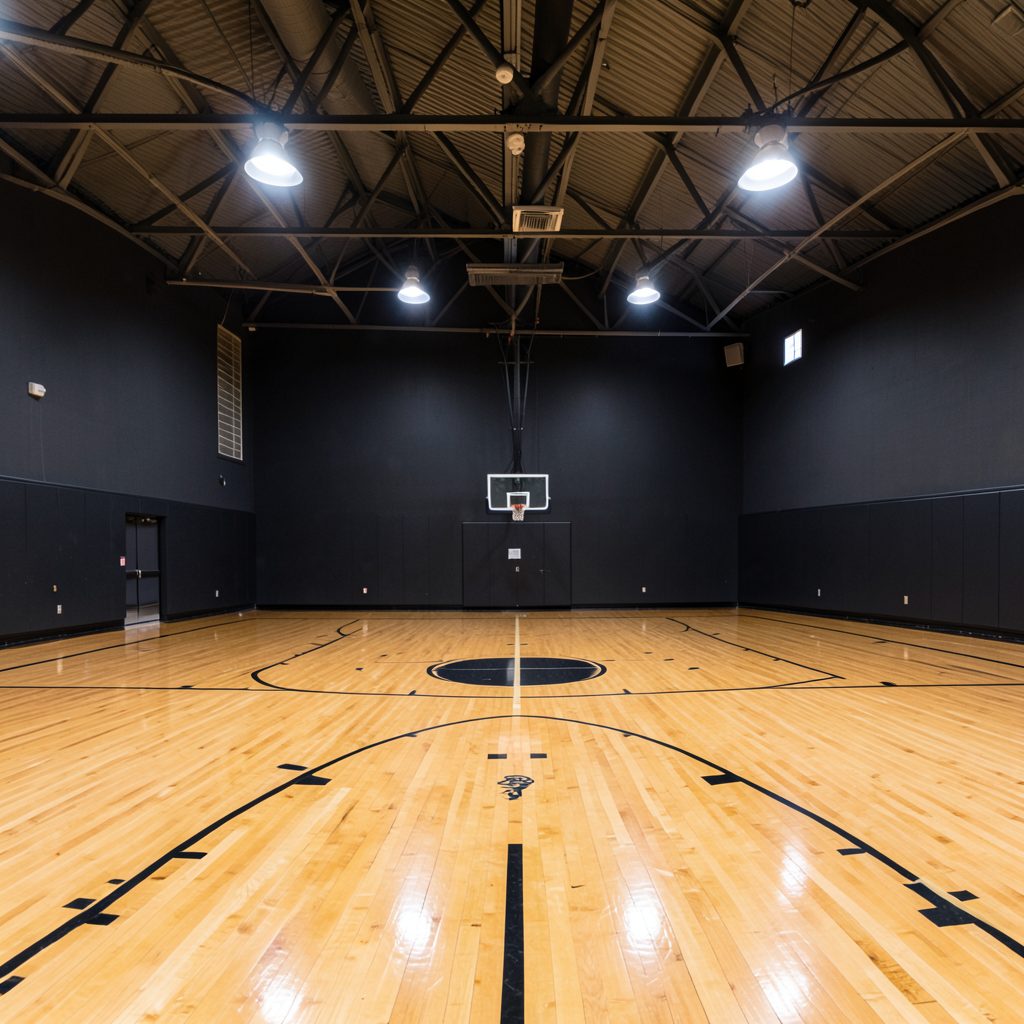
The Factory D1 Indy brings together three entities under one roof: competitive basketball leagues for all age groups, individual and group training, and wellness & recovery services including Normatec boot recovery and cryotherapy. Located off I-465 and High School Road at 6331 Crawfordsville Road, Speedway, Indiana 46224.
Get In TouchHow Vision Drills Sharpen Basketball Decision Making
Basketball decisions happen before the ball reaches a player’s hands. A guard must notice a defender’s position, identify an open teammate and choose whether to pass, drive or pull up within a fraction of a second. Vision drills develop this awareness so athletes can process more information without losing control of their movement.
For Australian players, these skills apply across school competitions, local association basketball, NBL pathways and weekend club fixtures. Whether training in Melbourne, Brisbane, Perth or a smaller regional centre, athletes can use simple visual challenges to make practice more realistic and improve choices under pressure.
Why Visual Awareness Matters
Good decision making begins with seeing the court early. A player who checks the weak side before receiving the ball already knows where help defence may come from. This pre-scan creates options before the first dribble, allowing the athlete to attack a closeout, make a skip pass or keep the ball moving.
Basketball vision includes central vision, peripheral awareness, depth perception and the ability to shift focus quickly. Central vision helps a player read the ball and defender directly ahead, while peripheral vision detects cutters, screens and passing lanes outside the main focus. The goal is not to stare at everything at once; it is to gather useful information efficiently.
Coaches can introduce this habit during warm-ups by calling out numbers, colours or hand signals while players dribble. The athlete must identify the cue without looking away from the court. This develops visual flexibility and encourages players to keep their head up during movement.
Build Peripheral Awareness
A basic peripheral vision drill uses two players and one ball. The ball-handler faces the basket while a coach or partner stands to either side holding up one or two fingers. The player dribbles with the outside hand and calls out the number without turning their head. Progress by adding a change of direction or requiring a pass after recognising the signal.
Another useful activity is the “window” drill. Two defenders form a narrow passing window, and the ball-handler must identify which side is open before delivering a pass. The defenders can close the window at different speeds, teaching the passer to recognise timing rather than simply throwing to a marked spot.
These drills should remain short and sharp. Five repetitions with excellent posture and accurate responses are more useful than a long sequence in which fatigue causes poor technique. Keep the eyes active, the shoulders balanced and the dribble low enough to protect the ball.
Scan Before the Catch
Decision making improves when scanning becomes automatic. Before a wing player catches the ball, they should glance at the rim, the on-ball defender, the help defender and the nearest teammate. This information determines whether the next action is a shot, drive, reversal or extra pass.
A coach can create this habit with a three-colour call. Place coloured cones around the half court and call one colour just before the player receives a pass. The athlete must point to or name the colour, catch in a ready stance and immediately perform the appropriate action. As confidence grows, add a live defender who contests the catch.
The timing of the scan matters. Looking too early may cause the player to forget the information before the catch, while looking too late leads to hesitation. Athletes should scan as the passer begins their movement, then use the catch to confirm the defender’s position. This sequence supports faster choices in both junior and adult competition.
Connect Vision With Body Control
Visual information is easier to use when the body is stable. A player who catches off balance may see an open lane but lack the control to attack it. Footwork, trunk control and hand position allow the eyes to influence movement without creating rushed or inaccurate actions. For a practical explanation of this connection, athletes can review this core stability guide.
Try a catch-and-read drill from different spots on the floor. The passer delivers the ball while a coach gives one of three visual cues: a hand pointing to the basket means shoot, a hand pointing sideways means drive, and a closed fist means pass back. The athlete must land balanced, identify the cue and complete the action with no extra dribbles.
| Drill | Main visual skill | Decision trained | Suitable progression |
|---|---|---|---|
| Number call dribble | Peripheral awareness | Keep control while scanning | Add a crossover |
| Colour catch | Pre-catch scanning | Shoot, drive or pass | Add a live closeout |
| Window passing | Passing-lane recognition | Pass before the gap closes | Use two rotating defenders |
| Advantage game | Multiple-cue processing | Select the best option | Limit time or dribbles |
Add Pressure Through Small-Sided Games
Isolated drills teach recognition, but small-sided games teach application. A two-on-two game from the wing can place the ball-handler in realistic situations involving a closeout, a screen, a help defender and a passing option. The coach can award extra points for making the correct read rather than simply scoring.
Constraints make visual decisions more deliberate. Allow only two dribbles, require a pass within three seconds or give the defence permission to rotate after every pass. These rules encourage players to scan early and identify the advantage before it disappears. They also resemble the pressure of Australian association games, where possessions can become crowded and transition opportunities are brief.
A three-on-three game with a “silent coach” is another effective option. The coach holds up a coloured card to indicate a scoring bonus, defensive switch or no-dribble possession. Players must read the signal while tracking teammates and opponents. Keep the rules consistent so the challenge tests perception rather than confusing players.
Training should include both familiar and unfamiliar visual cues. Athletes need to react to a teammate’s cut, a defender’s stance and the ball’s location, not only to a coach’s deliberate signal. The best progression moves from predictable cues to live, changing situations.
Measure Better Decisions Over Time
Track decision quality rather than relying only on points scored. Useful measures include the percentage of correct reads, turnovers caused by missed visual information, successful passes against rotation and the time taken to act after receiving the ball. Video review can show whether a player scanned early, watched the ball too long or missed a weak-side cut.
For rebounding, vision must shift from the rim to the player being boxed out. Athletes can practise locating the nearest opponent, making contact and then pursuing the ball; these rebounding positioning drills reinforce timing and spatial awareness. The same principle applies to loose balls and transition defence: find the threat, then track the ball.
Australian coaches should account for the setting in which athletes play. Outdoor courts in warmer parts of Queensland or Western Australia may produce glare, while winter evening sessions in Melbourne can involve lower light and wet conditions. Indoor training should vary angles, backgrounds and defensive pressure so visual skills transfer beyond one familiar court.
Player welfare also matters when recording video or collecting performance data from juniors. Clubs and facilities should obtain appropriate consent, store footage securely and follow Australian privacy obligations, including the Privacy Act 1988 where applicable. Coaches working with children commonly need a state or territory Working With Children Check, and local association policies may add further safeguarding requirements.
Vision training fits naturally into a broader athletic routine. The Factory D1 Indy combines basketball skills work, competitive leagues, conditioning and recovery services, giving athletes a setting in which perception can be linked to movement and repeated under realistic demands. A short visual challenge before shooting, live play and recovery can make each session more purposeful.
Begin with one peripheral-awareness drill, one pre-catch scan and one small-sided decision game. Repeat them consistently, record the quality of the reads and increase pressure only when technique remains controlled. Athletes who train their eyes alongside their feet and hands can recognise advantages earlier, play with greater confidence and make smarter basketball decisions when the game speeds up.
Book a basketball training session or join a competitive program at The Factory D1 Indy to put these skills into live practice. Pair focused vision work with strength, conditioning and recovery so every repetition supports better performance on court.
Inside The Factory
Three Entities, One Roof
Leagues
Eight league divisions span every age group: Indy Pro AM, 18+ Open Men's, 30+ Men's, Bite Size (ages 3–6), Impact League, 5th/6th Grade, Middle School, and High School. Gather your team and compete.
Training
Individual and group basketball training for all skill levels. Major M.O.V.E.S. Basketball Training serves ages 4–7 on Wednesday and Thursday evenings at 6:30 PM — $30 per session or $100 unlimited monthly.
Wellness & Recovery
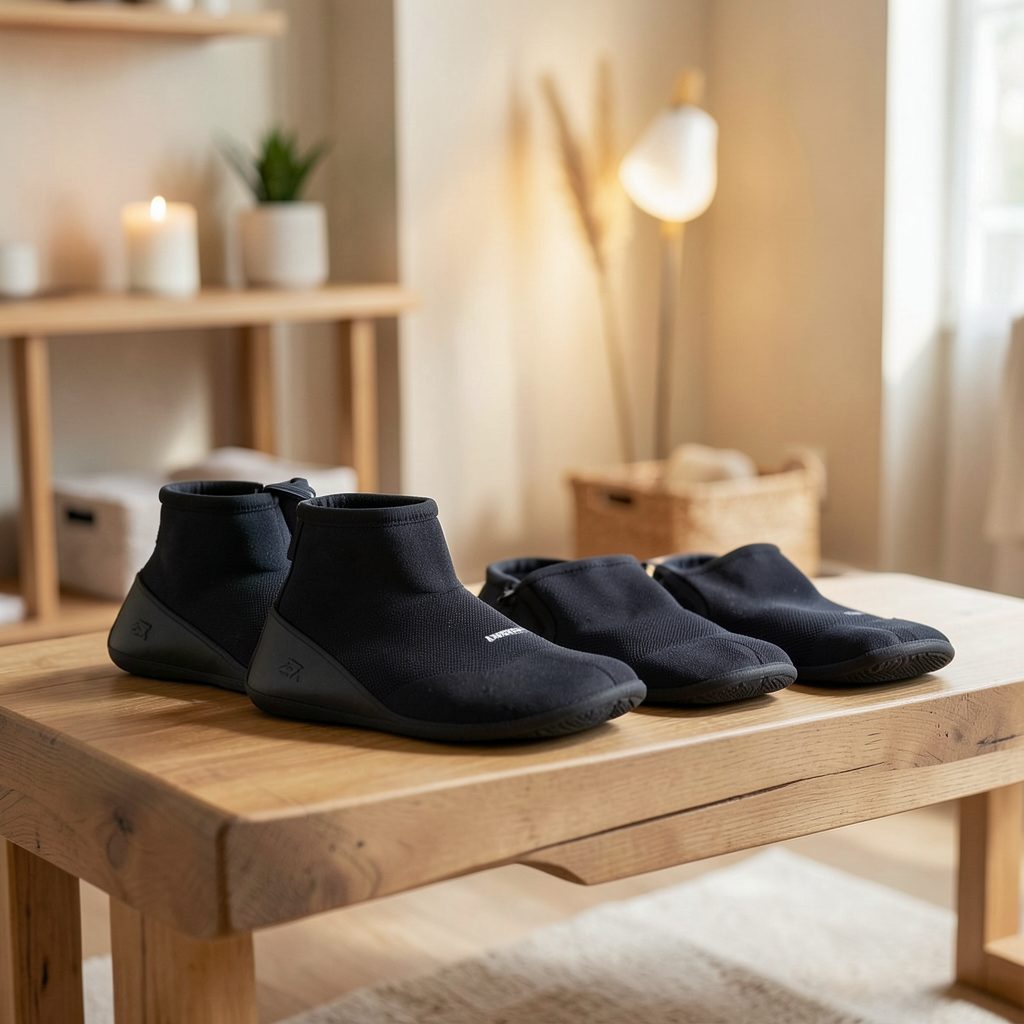
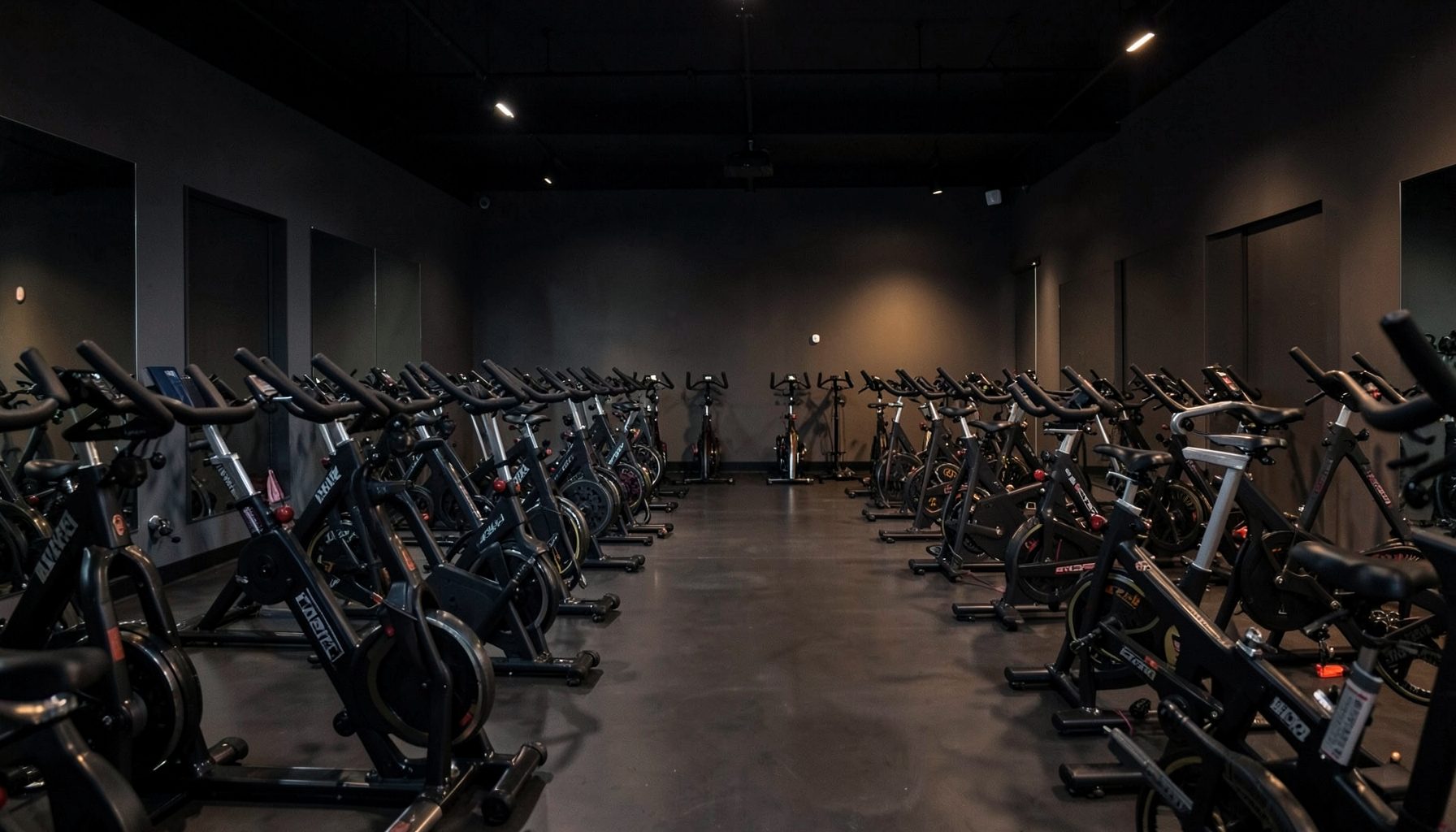
Normatec boot recovery and cryotherapy treatments help athletes bounce back faster. Cycle and spin classes add a cardio dimension to the holistic performance approach.
Have a Question?