Train. Compete. Recover.
A multi-purpose athletic facility in Speedway, Indiana — basketball leagues, skill training, and wellness services all under one roof.
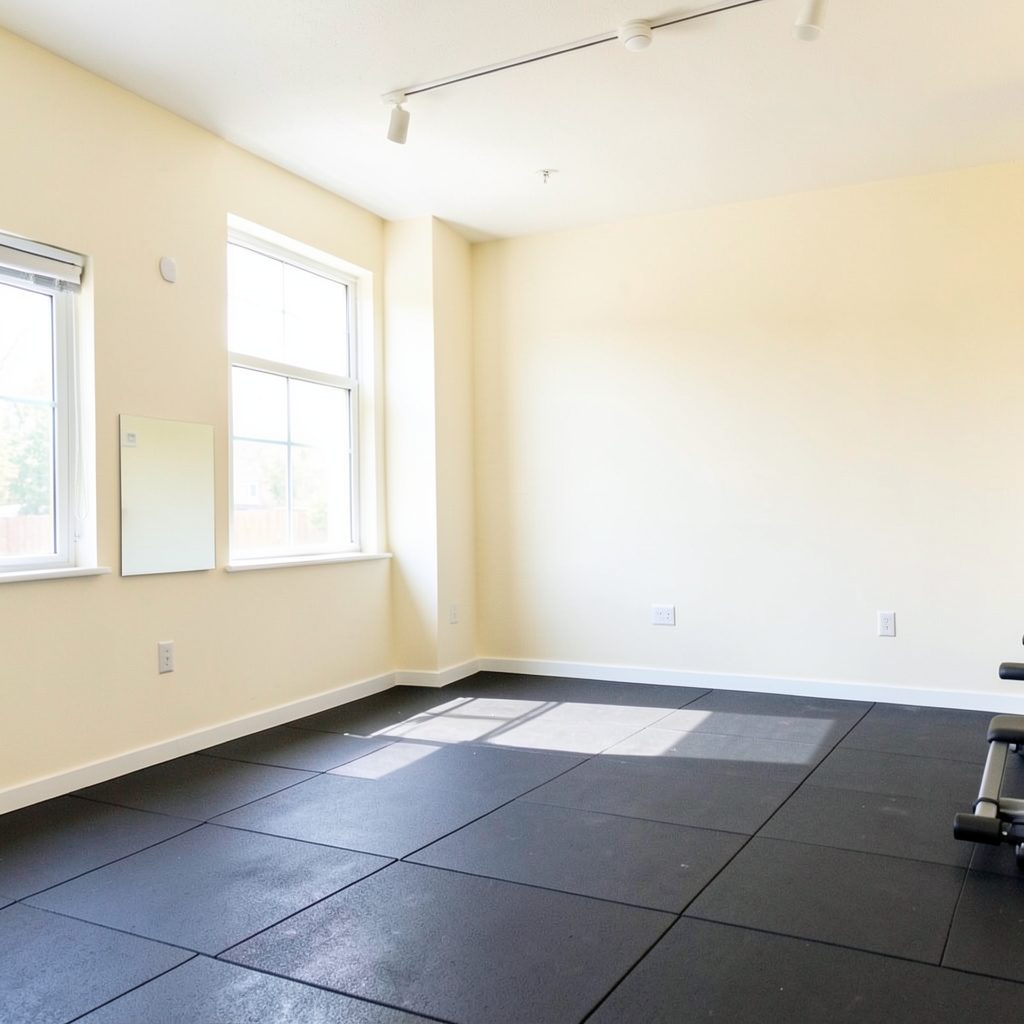
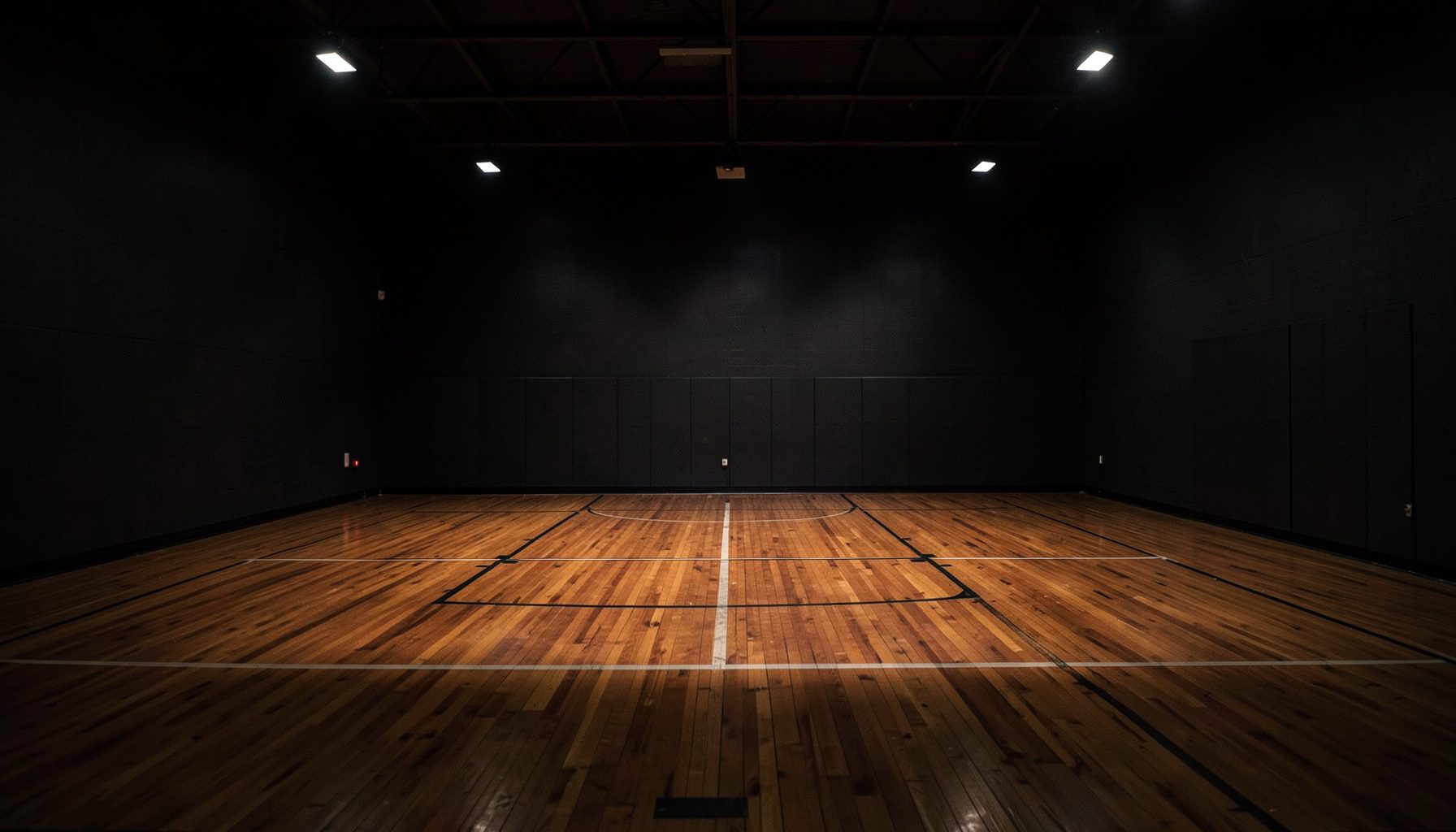
The Factory D1 Indy brings together three entities under one roof: competitive basketball leagues for all age groups, individual and group training, and wellness & recovery services including Normatec boot recovery and cryotherapy. Located off I-465 and High School Road at 6331 Crawfordsville Road, Speedway, Indiana 46224.
Get In TouchA Smarter Warm-Up For Basketball And Spin Sessions
A well-planned warm-up prepares the body for quick movement, repeated effort, and focused performance. Whether you are stepping onto a basketball court or climbing onto a spin bike, the goal is the same: raise body temperature, mobilize key joints, activate working muscles, and gradually rehearse the demands of the session.
An effective pre-workout routine should feel purposeful rather than exhausting. Spending several minutes on low-intensity movement and sport-specific preparation can improve coordination, help you feel ready sooner, and reduce the stiffness that often affects the first part of a game or cycling class.
The Factory D1 Indy supports athletes and fitness participants with basketball training, competitive leagues, spin sessions, and recovery services in Speedway, Indiana. A consistent warm-up can help young players, adult competitors, and cycling enthusiasts get more value from every visit.
Why Warm-Up Quality Matters
Cold muscles and joints are less prepared for sudden acceleration, jumping, stopping, or sustained pedaling. A gradual warm-up increases circulation and temperature while giving the nervous system time to organize movement. This matters in basketball, where a player may sprint, change direction, box out, and jump within a few seconds.
Spin sessions create a different demand. The effort may build progressively, but the hips, knees, ankles, and lower back still need to move comfortably through repeated pedal rotations. Starting too aggressively can make the legs feel heavy early in class and may cause poor posture or uneven pedaling.
A good warm-up also provides a mental transition. It allows you to assess how your body feels, identify tight areas, and adjust intensity before the main session begins. That awareness is especially useful for athletes managing school, work, strength training, and multiple weekly practices.
Start With General Heat
Begin with five to eight minutes of easy, continuous movement. Basketball players can walk briskly, jog around the court, or use light lateral movement. Spin participants can pedal at a comfortable resistance while maintaining smooth, controlled revolutions. The pace should elevate breathing without creating fatigue.
After general movement, add dynamic mobility rather than holding long static stretches. Use ankle rolls, marching knee lifts, walking lunges, arm circles, and gentle trunk rotations. These exercises move the joints through useful ranges while keeping the body active.
Pay attention to the areas that influence your chosen activity. Basketball athletes often benefit from preparing the ankles, calves, hips, groin, shoulders, and upper back. Cyclists should emphasize the hips, knees, ankles, shoulders, and spine, particularly if they tend to round forward while riding.
| Session | Early Movement | Activation Focus | Sport-Specific Finish |
|---|---|---|---|
| Basketball game | Easy jog, skips, and court movement | Glutes, calves, core, and shoulders | Defensive slides, closeouts, layups, and controlled shots |
| Basketball practice | Jogging and dynamic mobility | Hips, ankles, trunk, and upper body | Dribbling, passing, footwork, and short accelerations |
| Spin session | Easy pedaling with light resistance | Glutes, hips, core, and posture | Cadence changes, gradual resistance, and brief standing efforts |
| High-intensity cycling | Five to eight minutes of relaxed cadence | Lower-body control and breathing rhythm | Short progressive efforts with full recovery |
Prime Basketball Movement
Once you feel warmer, progress into basketball-specific actions. Start with low-speed defensive slides, controlled backpedaling, and short forward accelerations. Keep the first repetitions deliberate. The purpose is to rehearse balance and body position before demanding maximum speed.
Add movement patterns that resemble the opening minutes of competition. Perform closeout steps without overextending, practice a few controlled cuts, and include low-intensity jumps followed by stable landings. Land quietly with the knees tracking in line with the feet, then regain balance before repeating the movement.
Ball work can complete the basketball warm-up. Use stationary dribbling, crossover patterns, change-of-direction dribbles, and simple passing. Finish with close-range shots and gradually move outward. This sequence prepares the hands, eyes, feet, and decision-making system without using valuable energy too early.
Players who train several times each week should place warm-ups within a broader schedule. A useful resource on weekly basketball training can help athletes balance skill work, games, conditioning, strength sessions, and recovery.
Prepare The Body For Spin
For a spin session, begin seated with low resistance and a comfortable cadence. Focus on keeping the pedal stroke smooth rather than chasing speed. Relax the shoulders, keep the hands light on the handlebars, and maintain a stable torso. This posture helps the hips and legs produce force efficiently.
After several minutes, add brief cadence increases of 15 to 30 seconds. Return to an easy pace between efforts, then gradually increase resistance. These short progressions prepare the cardiovascular system for class intervals and help you find a rhythm before the instructor raises the workload.
Include a few controlled standing efforts if the session uses them. Stand for a short interval while keeping the resistance high enough to support the body, then sit and recover. Avoid bouncing, pulling hard on the handlebars, or standing before the joints feel ready.
Spin training can complement basketball conditioning by developing cardiovascular endurance without repeating every court movement. This explanation of spin training benefits shows how cycling can support athletes who need to recover between sprints and maintain effort throughout a game.
Use Timing And Intensity Wisely
A basketball warm-up commonly takes 12 to 20 minutes, depending on the athlete’s age, the environment, and how long they have been inactive. Younger players may need simple activities that keep them engaged, while experienced competitors can use a more structured progression from mobility to technical movement.
A spin warm-up may begin once the class starts, but arriving early gives you time to set the bike correctly and move before the demanding intervals. Adjust the seat and handlebars so the knees remain slightly bent at the bottom of the pedal stroke and the upper body feels supported without strain.
The final stage should be energetic but controlled. You should feel alert, mobile, and ready to perform—not breathless or depleted. Save all-out sprints, maximum jumps, and hard resistance efforts for the main workout unless a coach specifically includes them in the preparation.
Temperature and conditions also affect warm-up needs. In a cold gym, add a few minutes of easy movement and wear layers that can be removed. In a hot or humid environment, avoid excessive intensity and begin hydrating before the session becomes demanding.
Build A Repeatable Routine
Consistency makes a warm-up more useful. Use a familiar sequence, then make small adjustments based on the day’s goals and your current condition. A basketball player preparing for a game may emphasize lateral movement and shooting, while the same athlete before a strength session may focus more on lifting patterns and joint control.
A spin participant can use the first minutes to check breathing, pedal symmetry, and posture. If one knee feels uncomfortable or the lower back tightens, reduce resistance and address the position before adding intensity. Pain that persists should be taken seriously rather than covered by a harder effort.
Keep the routine practical enough to repeat at The Factory D1 Indy, at school, or before a home workout. The following sequence works as a flexible starting point:
- Move easily for five to eight minutes to raise body temperature.
- Complete dynamic mobility for the ankles, hips, shoulders, and upper back.
- Activate the glutes, calves, core, and shoulder stabilizers with controlled exercises.
- Rehearse the session’s main movements at low or moderate intensity.
- Finish with two or three brief progressions, then begin the workout feeling prepared.
A warm-up should support the session rather than compete with it. If fatigue appears before practice, the routine is too intense, too long, or poorly matched to the day’s demands. If you still feel stiff after several minutes, extend the general movement phase and use slower, more controlled mobility.
Make this preparation part of every basketball game, skills workout, league night, or spin class. Arrive early, move with purpose, and give your body time to transition from rest to performance. With a steady routine, you can step onto the court or bike feeling more coordinated, focused, and ready for the work ahead at The Factory D1 Indy.
Inside The Factory
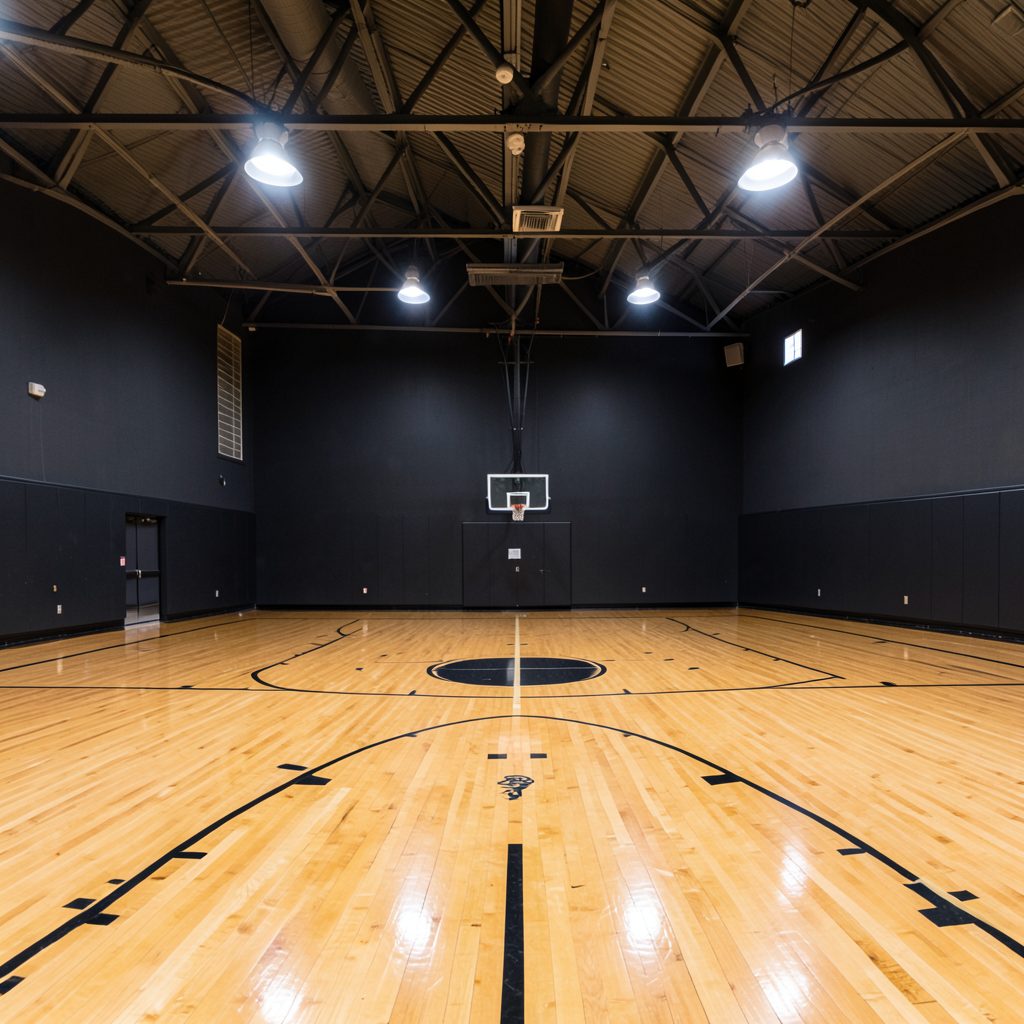

Three Entities, One Roof
Leagues
Eight league divisions span every age group: Indy Pro AM, 18+ Open Men's, 30+ Men's, Bite Size (ages 3–6), Impact League, 5th/6th Grade, Middle School, and High School. Gather your team and compete.
Training
Individual and group basketball training for all skill levels. Major M.O.V.E.S. Basketball Training serves ages 4–7 on Wednesday and Thursday evenings at 6:30 PM — $30 per session or $100 unlimited monthly.
Wellness & Recovery
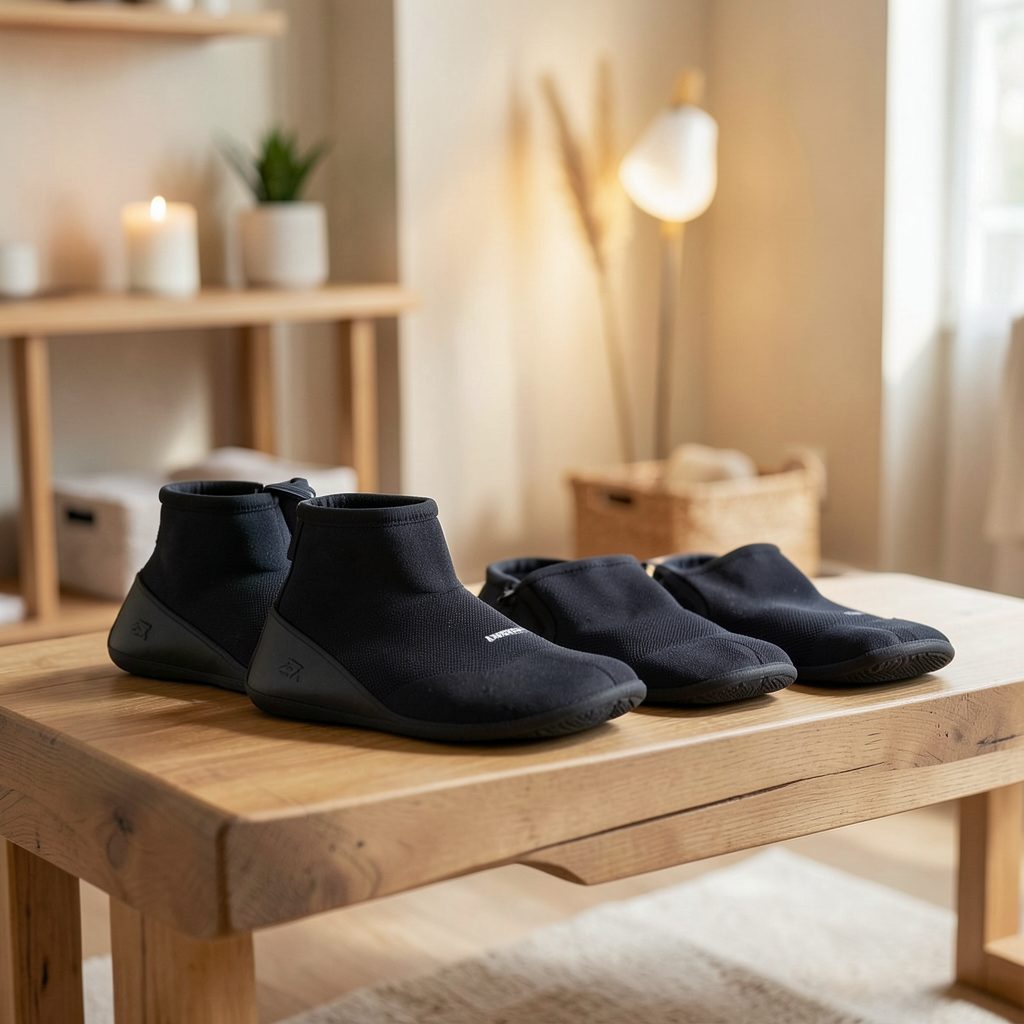
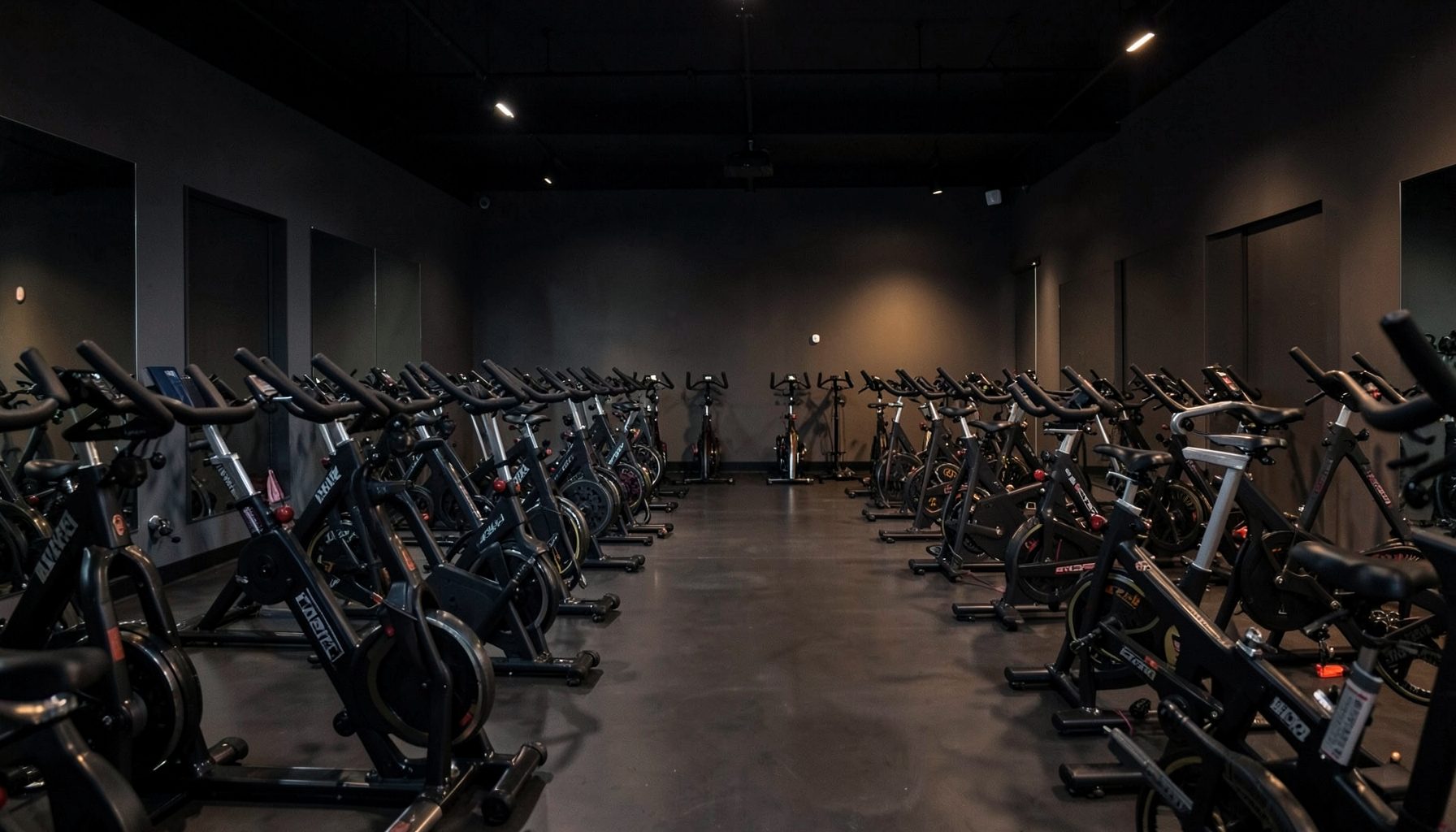
Normatec boot recovery and cryotherapy treatments help athletes bounce back faster. Cycle and spin classes add a cardio dimension to the holistic performance approach.
Have a Question?