Train. Compete. Recover.
A multi-purpose athletic facility in Speedway, Indiana — basketball leagues, skill training, and wellness services all under one roof.
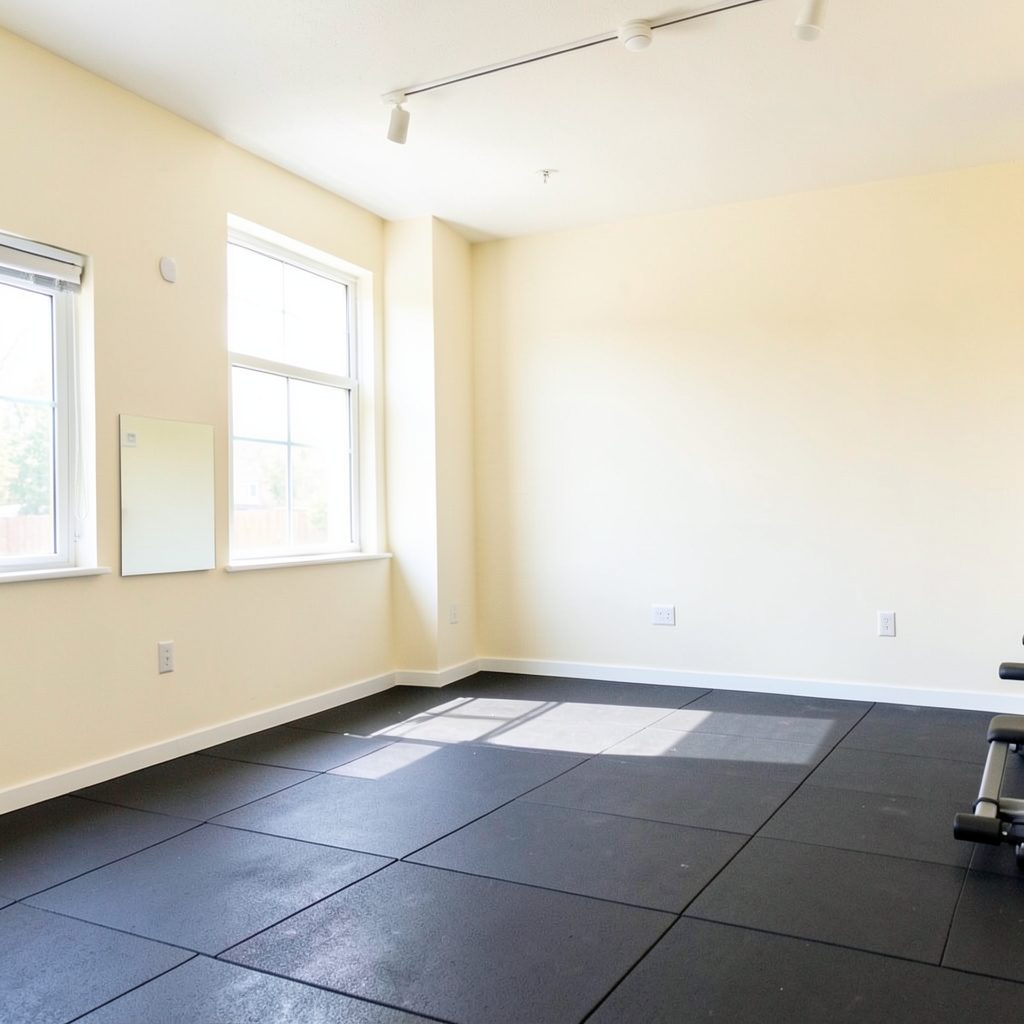
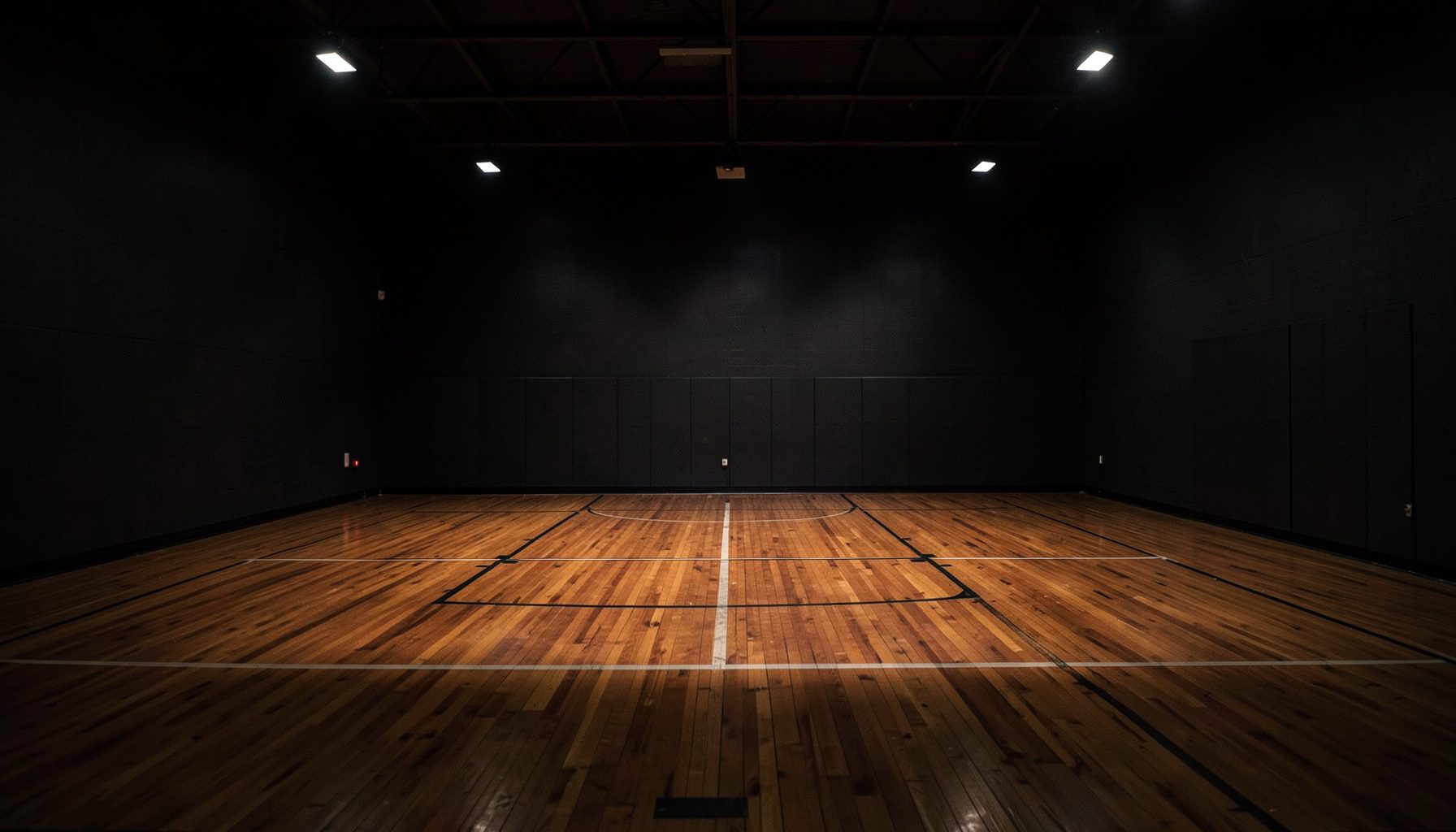
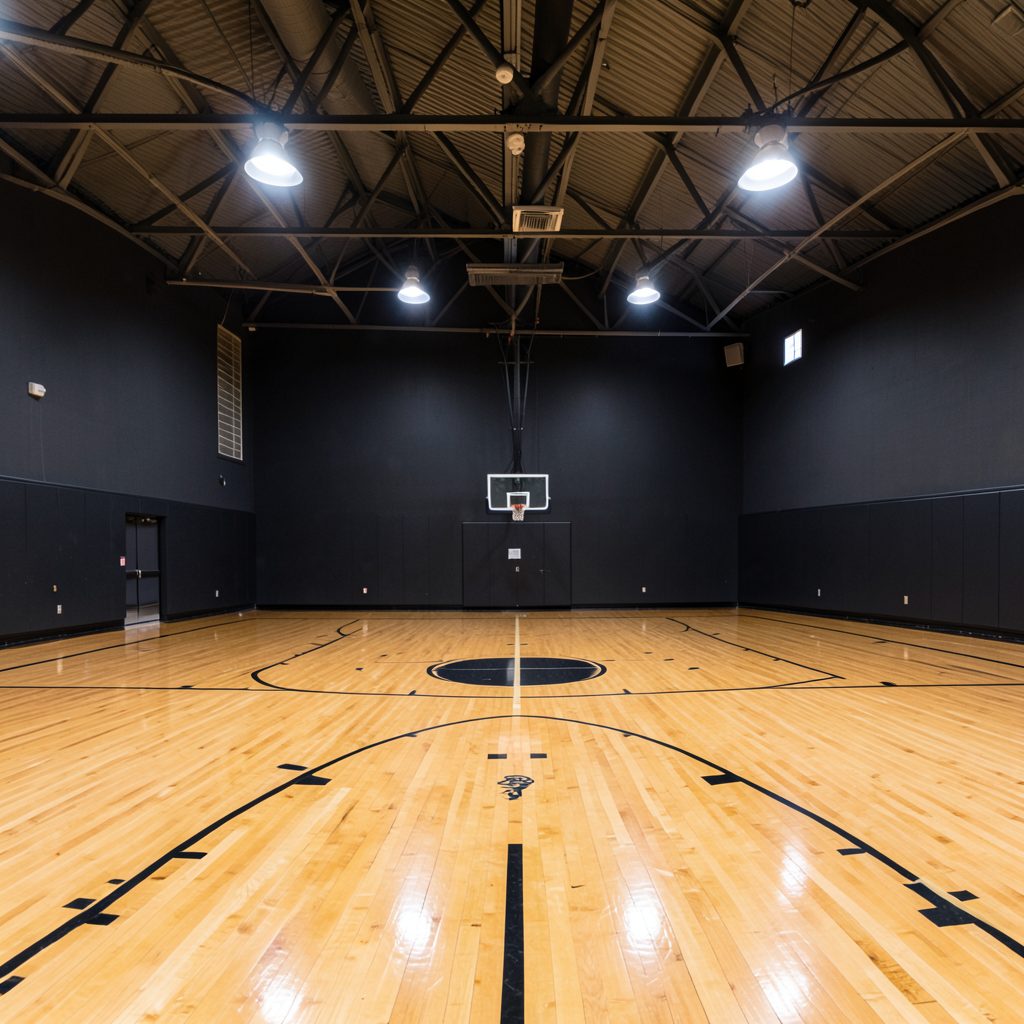
The Factory D1 Indy brings together three entities under one roof: competitive basketball leagues for all age groups, individual and group training, and wellness & recovery services including Normatec boot recovery and cryotherapy. Located off I-465 and High School Road at 6331 Crawfordsville Road, Speedway, Indiana 46224.
Get In TouchNormatec Therapy for Traveling Athletes
Travel can be a hidden opponent for athletes. Long periods of sitting, unfamiliar sleeping arrangements, packed schedules, and limited access to training equipment can leave the body feeling stiff before competition even begins. For basketball players, cyclists, and athletes in other high-demand sports, arriving at an event physically prepared is often as important as the work completed during practice.
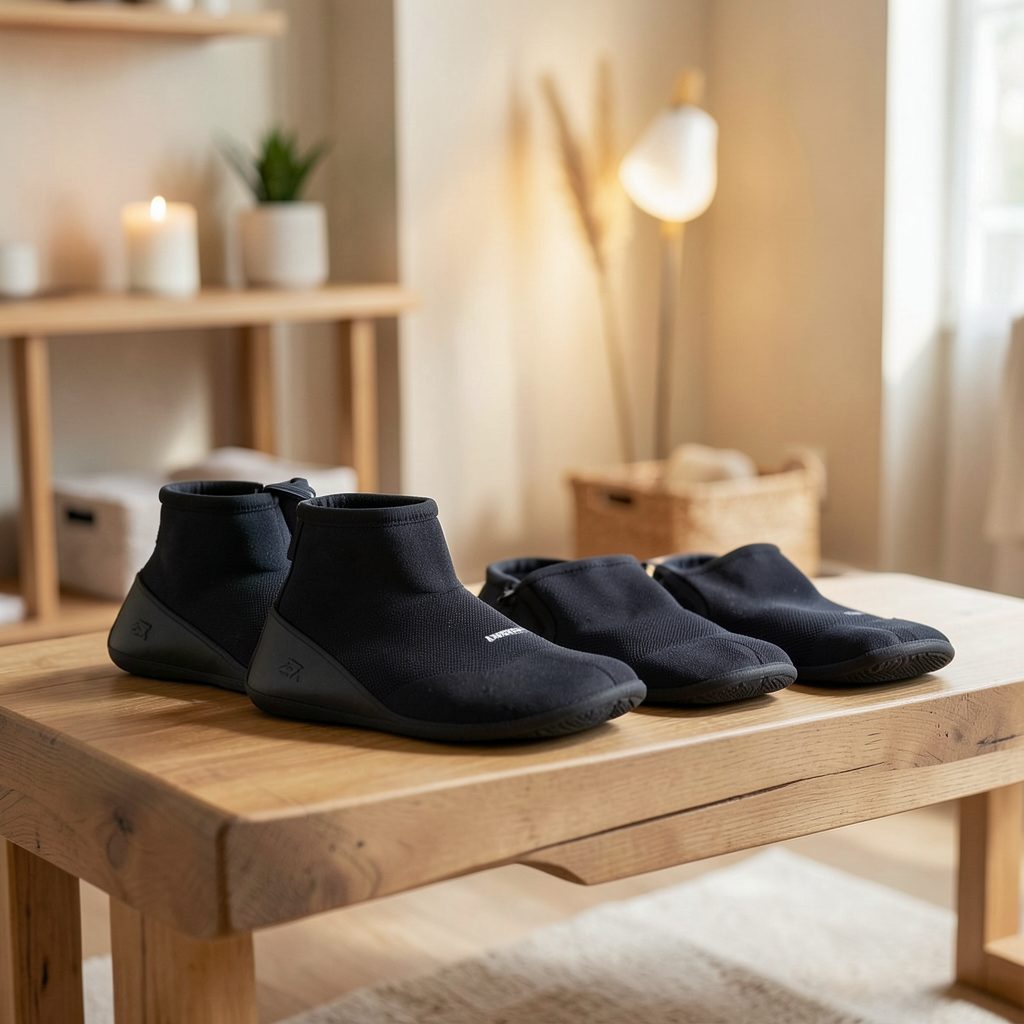
Normatec therapy offers a practical recovery option for athletes who need to manage soreness and maintain movement quality while away from home. The system uses pneumatic compression sleeves to apply sequential pressure to the limbs, creating a massage-like sensation that may support circulation and reduce the heavy, tight feeling that often follows training or extended travel.
At The Factory D1 Indy, Normatec compression therapy fits into a broader athletic routine that includes basketball development, conditioning, spin classes, competition, and wellness services. Used appropriately, it can help athletes build a more consistent recovery plan before, during, and after travel.
Why Travel Can Affect Athletic Performance
Sitting in a car or airplane for several hours keeps the hips and knees in a bent position and limits normal muscle activity. That reduced movement can contribute to stiffness, temporary swelling, and a sluggish feeling in the legs. Athletes may also arrive dehydrated or fatigued after rushing through airports, carrying equipment, or adjusting to a new schedule.
The problem becomes more noticeable when travel follows intense training. A basketball player may leave a hard practice with muscle soreness and then spend the next morning seated on a bus. A cyclist traveling to a race may have tired legs before completing a warm-up. Even when there is no injury, restricted movement can affect mobility, comfort, and readiness.
Compression recovery can be useful in this setting because it gives athletes a structured opportunity to rest while receiving a gentle mechanical stimulus. It does not erase the effects of insufficient sleep or poor preparation, but it can be a valuable part of a larger travel strategy.
How Sequential Compression Supports Recovery
Normatec systems use inflatable chambers that fill and release in sequence, generally moving from the lower part of the limb upward. This dynamic compression is designed to encourage fluid movement and support blood flow through the treated area. The sensation is adjustable, allowing sessions to be adapted to comfort and individual needs.
Athletes often describe the treatment as rhythmic pressure that feels similar to a massage. After a session, some notice less tightness, lighter-feeling legs, or improved comfort when walking and stretching. Research on pneumatic compression suggests potential benefits for perceived soreness and recovery, although results can vary based on the athlete, training load, session timing, and overall recovery habits.
That distinction matters. Normatec therapy should be viewed as a recovery aid rather than a performance shortcut. It cannot replace a gradual warm-up, mobility work, balanced nutrition, hydration, sleep, or medical care when an injury is present.
When Traveling Athletes Can Use It
Timing depends on the athlete’s schedule and the goal of the session. After travel, compression may help address the stiff, heavy sensation associated with prolonged sitting. A short, comfortable session before a light mobility routine can make it easier to move naturally before practice or competition.
After training or a game, athletes may use Normatec as part of a cooldown. It can provide quiet recovery time while the body transitions away from intense activity. Some athletes also prefer it later in the day, particularly when multiple games or training sessions are scheduled within a short period.
A team should avoid treating every session as identical. A player coming off a demanding tournament may need a different approach from an athlete completing a low-intensity practice. Staff should consider soreness, hydration, injury history, and the next scheduled activity before selecting duration and pressure.
Building Recovery Into a Travel Schedule
The best recovery routines are realistic enough to follow on busy travel days. An athlete might begin with light walking after arrival, drink fluids, eat a balanced meal, and then complete a Normatec session before stretching. That sequence addresses movement and basic recovery needs instead of relying on compression alone.
Teams can also schedule sessions around practices and games. For example, athletes may use compression after a long bus ride, before an evening walkthrough, or at the end of a tournament day. Individual sessions are often convenient because athletes can read, relax, or review film while using the system.
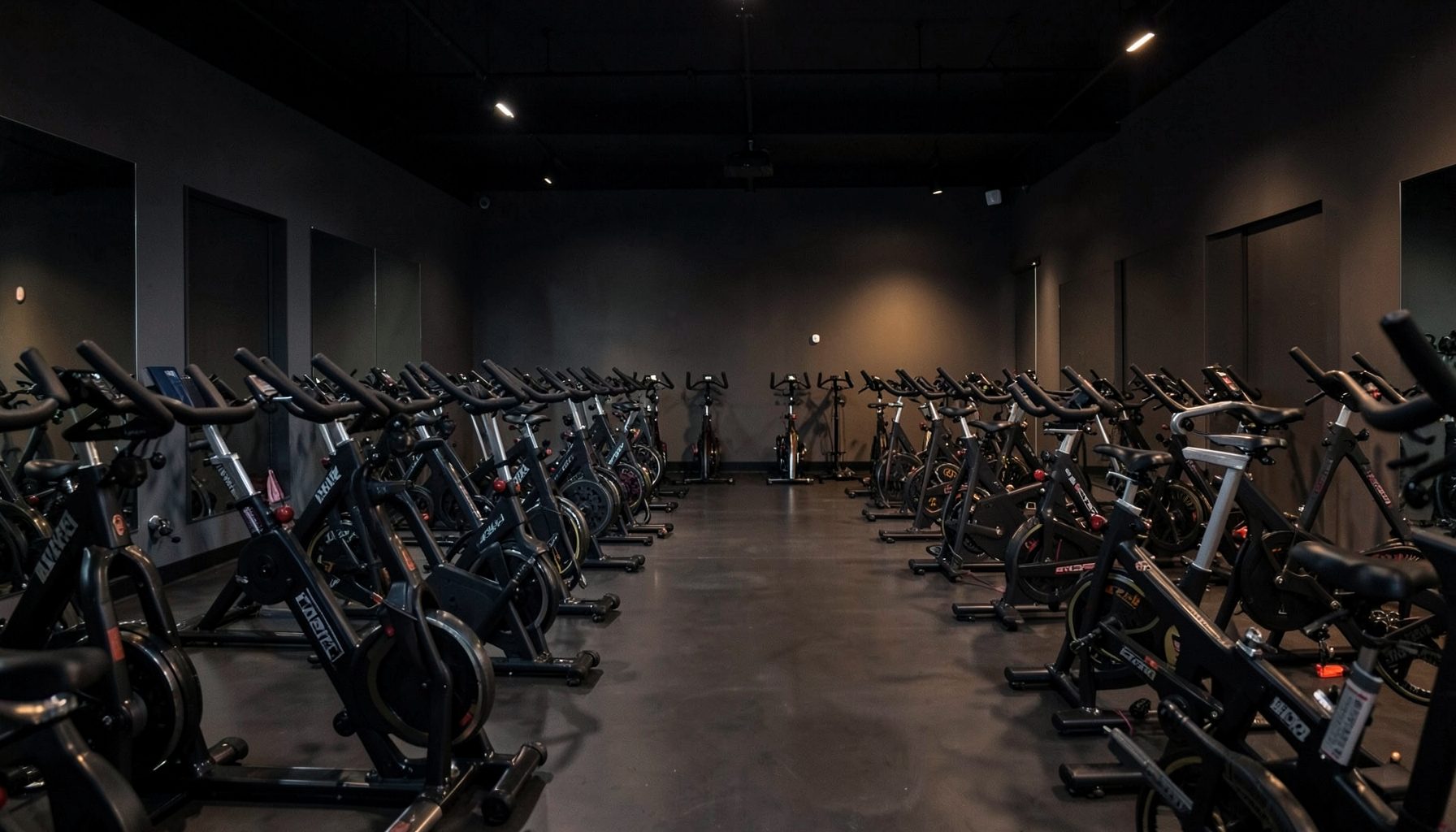
Cross-training habits can support the same goal. Spin sessions provide controlled cardiovascular work with less impact than repeated jumping and sprinting; athletes can learn more about spin cross-training when planning conditioning between competitions. Pairing cycling, mobility, and compression can create a balanced approach to managing training stress.
Benefits for Basketball, Cycling, and Team Sports
Basketball players place repeated demands on the calves, quadriceps, hamstrings, and hips through jumping, cutting, and defensive movement. During a tournament, those demands may be repeated several times in one day. Normatec therapy may help players feel more comfortable between games, especially when combined with active recovery and proper fueling.
Cyclists can experience a different pattern of fatigue. Long rides create sustained muscular work, while travel to an event can add hours of inactivity. Sequential compression may be especially appealing after a ride when the legs feel full or tired, though cyclists should still prioritize carbohydrate replacement, fluids, sleep, and gentle movement.
For youth athletes, recovery should remain age-appropriate and supervised. The purpose is to teach healthy habits rather than encourage young players to chase constant treatment. A positive team environment also matters. Programs that build competition culture can frame recovery as responsible preparation, not a sign that an athlete is weak or unable to handle competition.
| Travel Situation | Possible Recovery Goal | Helpful Pairing |
|---|---|---|
| Long car or airplane ride | Reduce the feeling of stiffness and heavy legs | Walking, ankle movements, hydration |
| After a demanding practice | Support comfort during post-training recovery | Nutrition, gentle stretching, sleep |
| Between tournament games | Promote relaxation and readiness for the next activity | Light mobility, fluids, coaching guidance |
| After a cycling event | Ease perceived leg fatigue | Refueling, easy movement, rest |
| Travel with soreness or pain | Avoid aggravating a possible injury | Evaluation by a qualified medical professional |
Safety, Comfort, and Appropriate Use
Compression therapy is not suitable for everyone. Athletes with certain vascular conditions, blood clots, uncontrolled heart or circulatory problems, acute infections, significant swelling of unknown cause, or other medical concerns should receive professional guidance before using pneumatic compression. A current injury, numbness, unusual skin changes, or unexplained pain also warrants evaluation rather than self-treatment.
Comfort is an important guide during a session. Pressure should feel firm and rhythmic, not sharp, painful, or excessively restrictive. Athletes should stop if they experience increased pain, tingling, numbness, dizziness, or a change in skin color. Facility staff can help with fit, settings, and positioning, but they should be informed about relevant medical history.
Traveling athletes should also remember that post-flight or post-drive swelling can have many causes. New or severe swelling, especially when it affects one limb or appears with chest pain or shortness of breath, requires urgent medical attention. Normatec is a wellness and recovery service, not a diagnostic tool.
A Practical Routine for Competition Travel
A simple plan can help athletes use compression consistently without making recovery complicated. Before travel, identify when the body will have time to move, eat, hydrate, and rest. After arrival, avoid going directly from prolonged sitting into maximal effort. A few minutes of walking and mobility can prepare the body for the next step.
A sample routine may include a brief walk after reaching the destination, water and a meal, a comfortable compression session, and a dynamic warm-up before practice. After competition, athletes can repeat the process with a cooldown, refueling, and sleep as priorities. Coaches should adjust the plan when game schedules, weather, or individual needs change.
Useful habits include:
- Use light movement before compression after a long seated journey.
- Choose comfortable pressure and follow trained staff guidance.
- Combine sessions with hydration, nutrition, mobility, and sufficient sleep.
- Avoid using compression to mask sharp pain or continue through a suspected injury.
- Schedule recovery around the next training demand instead of following a rigid routine.
The Factory D1 Indy gives local and visiting athletes access to basketball training, leagues, conditioning, and wellness services in one athletic setting. For a traveler, that convenience can simplify the transition from arrival to preparation, especially when the schedule leaves little time to find separate facilities.
Normatec therapy works best as one part of a complete performance routine. Athletes who plan ahead, move regularly during travel, respect warning signs, and use recovery tools with realistic expectations are better positioned to arrive ready and stay consistent through a demanding season. Schedule a Normatec session at The Factory D1 Indy and make structured recovery part of your next training or competition trip.
Inside The Factory
Three Entities, One Roof
Leagues
Eight league divisions span every age group: Indy Pro AM, 18+ Open Men's, 30+ Men's, Bite Size (ages 3–6), Impact League, 5th/6th Grade, Middle School, and High School. Gather your team and compete.
Training
Individual and group basketball training for all skill levels. Major M.O.V.E.S. Basketball Training serves ages 4–7 on Wednesday and Thursday evenings at 6:30 PM — $30 per session or $100 unlimited monthly.
Wellness & Recovery
Normatec boot recovery and cryotherapy treatments help athletes bounce back faster. Cycle and spin classes add a cardio dimension to the holistic performance approach.
Have a Question?