Train. Compete. Recover.
A multi-purpose athletic facility in Speedway, Indiana — basketball leagues, skill training, and wellness services all under one roof.
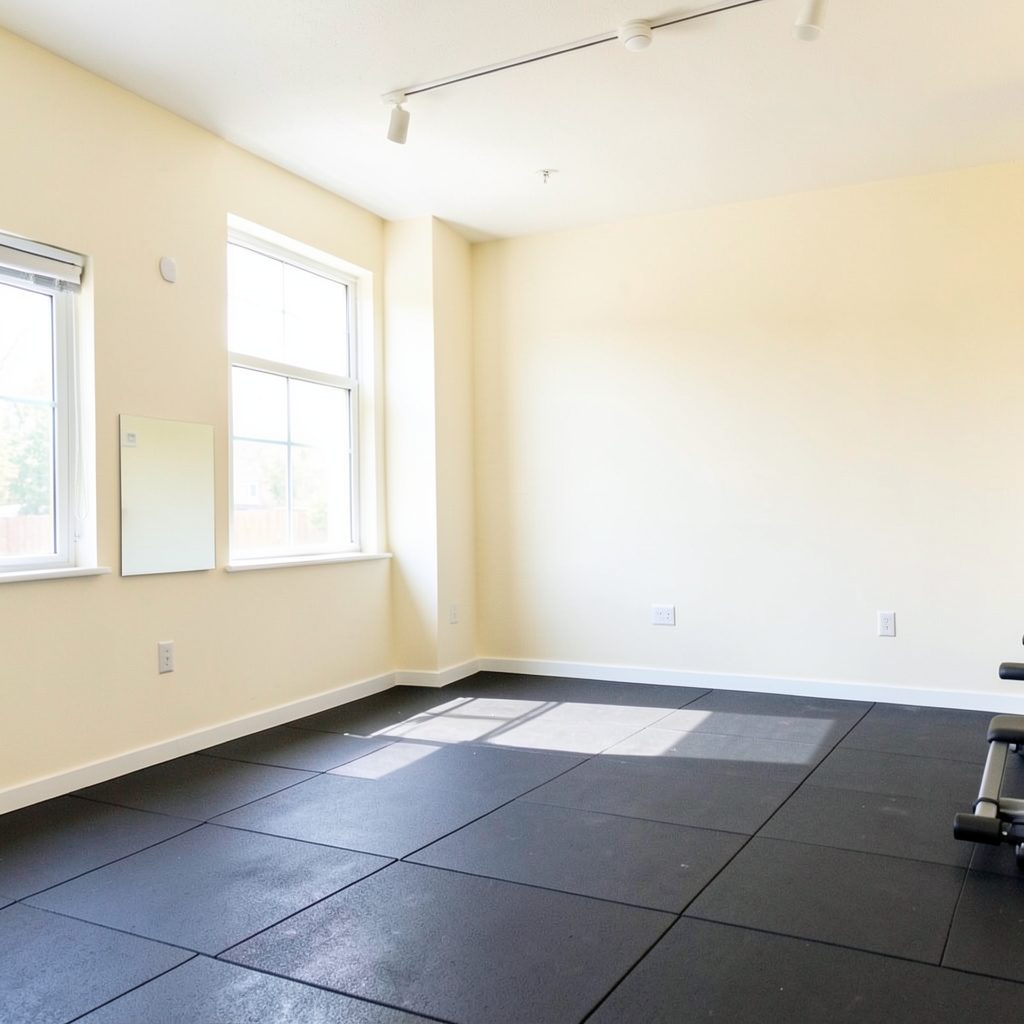
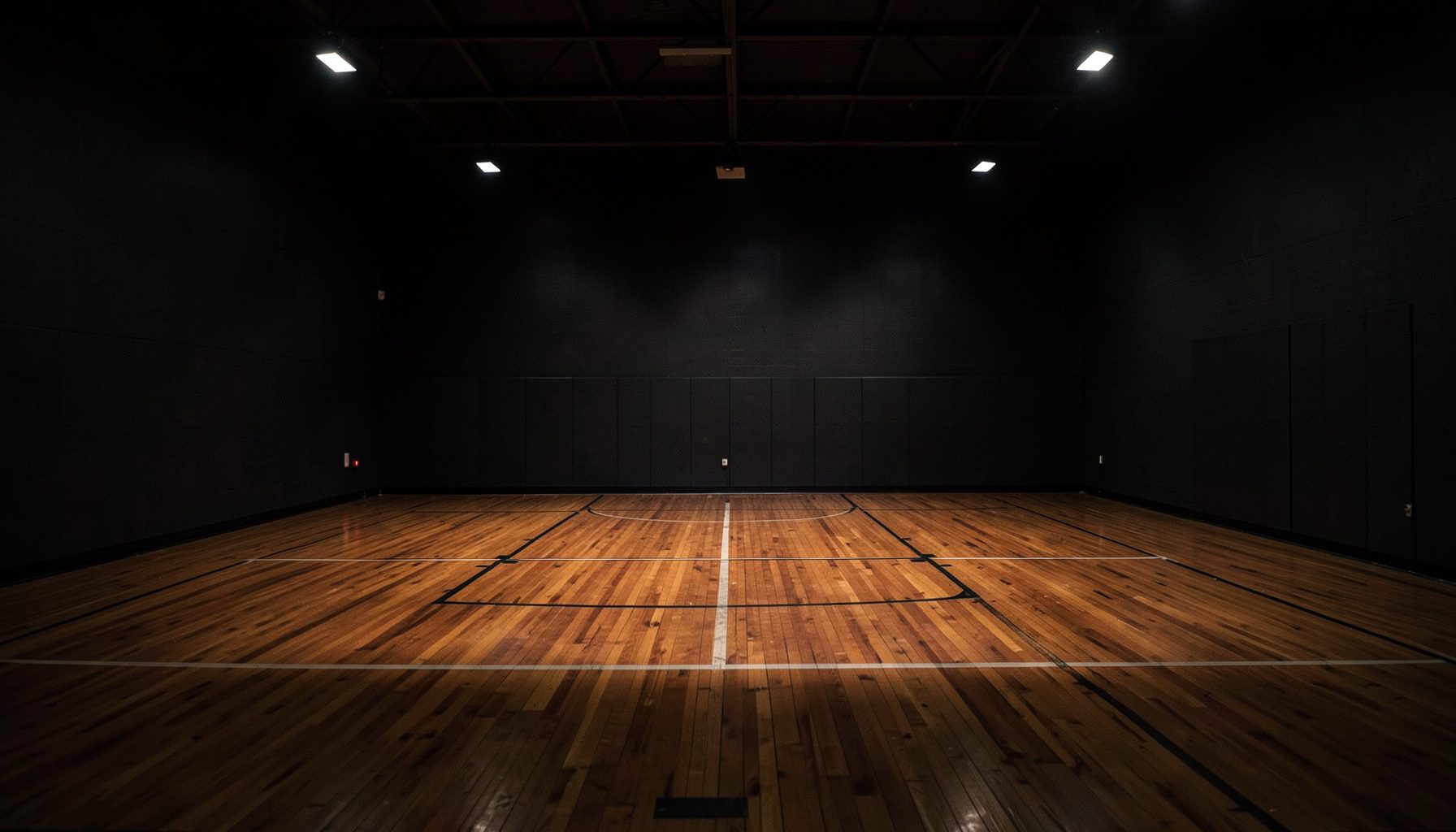
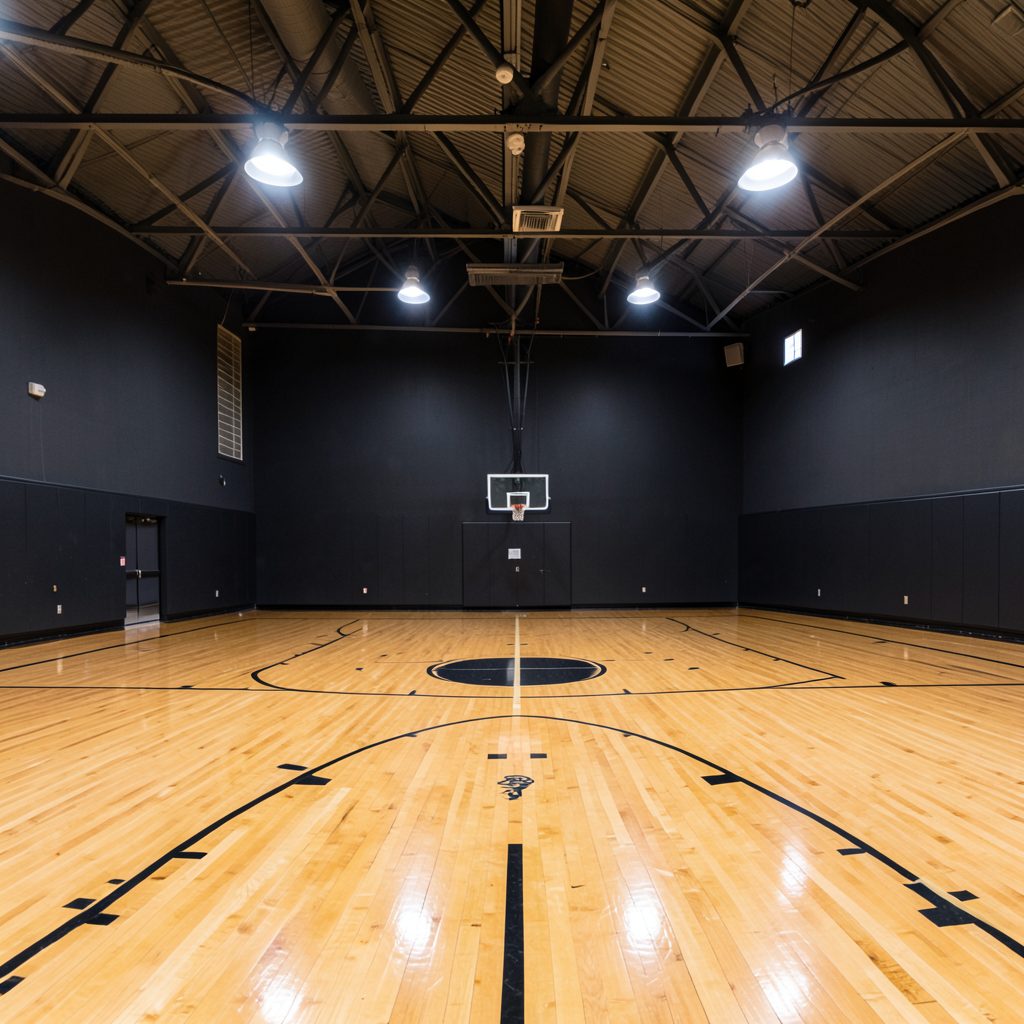
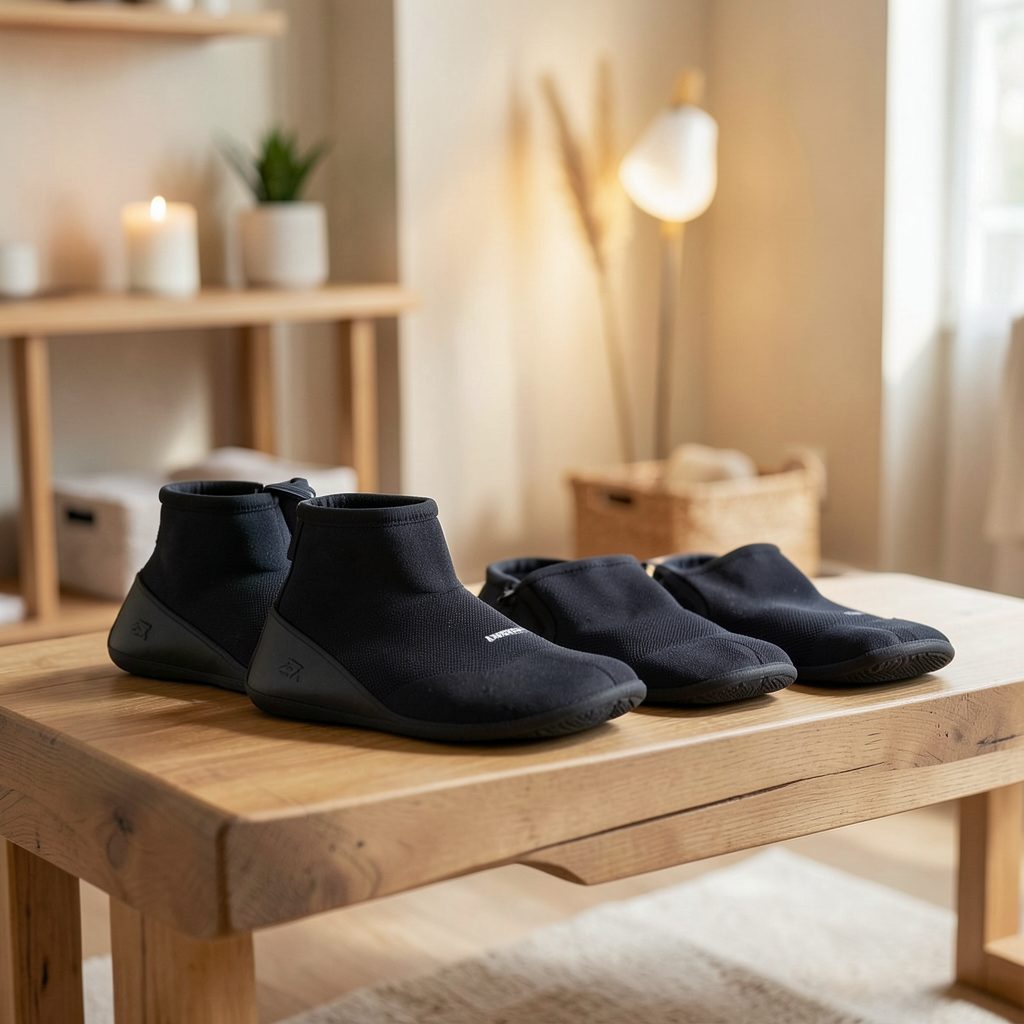
The Factory D1 Indy brings together three entities under one roof: competitive basketball leagues for all age groups, individual and group training, and wellness & recovery services including Normatec boot recovery and cryotherapy. Located off I-465 and High School Road at 6331 Crawfordsville Road, Speedway, Indiana 46224.
Get In TouchBuilding court vision: helping young hoopers see the whole floor
For young basketballers across the country, the jump from casual schoolyard games to organised competition comes with a steep learning curve. One of the most common habits coaches see in athletes aged eight to fifteen is dropping the head when the ball comes under pressure. A player who watches their feet loses the ability to read defenders, anticipate passes, and create opportunities for teammates. Teaching kids to dribble with their eyes up is less about raw talent and more about building reliable habits through deliberate practice.
Australian basketball has never been stronger at the grassroots level, with the NBL drawing bigger crowds than ever and pathways like the NBL1 feeding hungry juniors from Townsville to Perth. Whether your young athlete is grinding through Saturday morning reps at a suburban stadium or trying to earn minutes in a representative squad, vision work separates the good from the great. The drills, progressions, and teaching cues below are designed to help young hoopers develop the confidence to look up and trust their handles when defenders close out.
Start with body position and comfort
Before any athlete can scan the floor with confidence, they need to feel completely at ease controlling the ball at waist and knee level. Young players look down because their hands and fingers are still learning where to push the ball. A simple starting point is stationary ball-handling in an athletic stance, knees bent, chest up, and eyes fixed on a spot on the wall. Spend two minutes on pound dribbles, then crossover dribbles, then between-the-legs variations, all while keeping the chin level with the floor.
Once comfort develops, progress to walking dribbling while looking at a partner, then jogging, then light defensive closeouts. The goal is to remove the safety net of vision early in the session so the hands can find the rhythm without it. Players who spend too long looking down during the learning phase rarely break the habit under live pressure, so resist the urge to rush the progression.
Train peripheral awareness off the ball
Vision training actually begins before a player ever receives the pass. Encourage your young athlete to spend time watching their teammates play while standing on the sideline. Ask them to count defenders, track cutters, and call out rotations. This builds the same peripheral reading habits they will need when they have the ball. The brain learns to scan without the cognitive load of dribbling, which later makes it easier to combine the two skills.
Off-ball awareness drills can include two-touch passing while calling colours on a coach's shirt, or calling the number of fingers held up behind a partner's head. These games build the habit of seeing everything around them without forcing them to memorise complex patterns. In Australia, where many junior fixtures involve shared half-court time between clubs, the athlete who can absorb information quickly without looking down tends to stand out to selectors.
Layer defensive pressure gradually
A common mistake coaches make is throwing players straight into full-pressure situations before they have mastered the foundational skills. Instead, introduce a passive hand or a slow-moving partner first, then progress to a teammate applying half-speed pressure, and finally to live one-on-one scenarios. Each stage should require the player to keep their eyes on a target such as the rim, a teammate, or a cone rather than the ball.
When pressure is layered this way, young athletes learn to absorb contact through their core and use their off-arm to feel the defender. This is the same defensive awareness seen in NBL stars who read ball-screens in Sydney Kings or Melbourne United fixtures. They do not watch their feet because their core strength and off-arm positioning give them information without sight, and that is a habit worth copying from the pros.
Build endurance through smart conditioning
Court vision collapses quickly when an athlete runs out of gas. A player who is fatigued will instinctively drop their head to protect it, which is why conditioning must complement skill work. Short interval sessions that mimic game-speed bursts help players practise vision habits while their heart rate is elevated. Conditioning does not need to be boring either, and it can be woven into dribbling drills themselves.
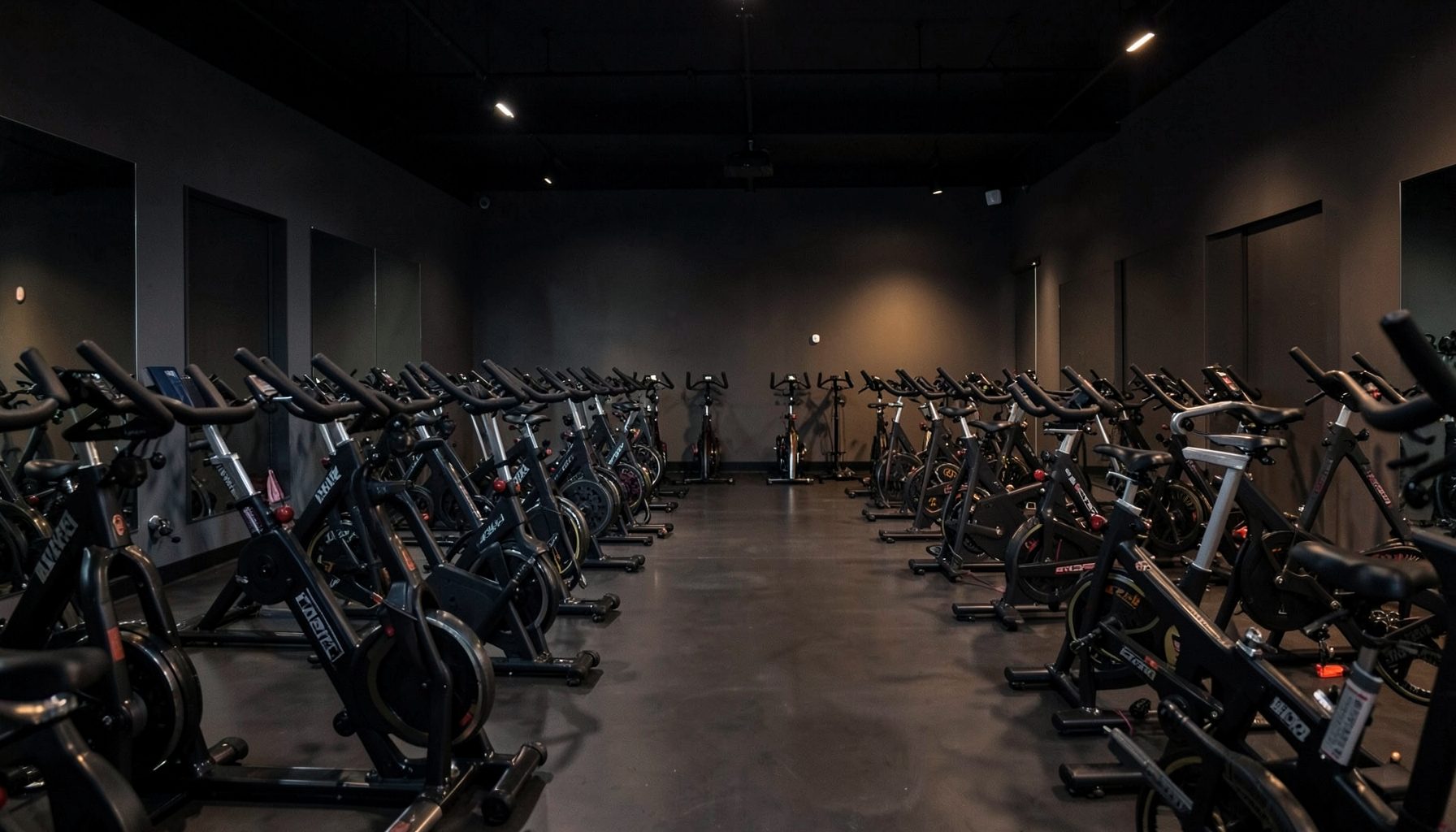
For athletes who want to add cardio variety to their week, structured heart rate training zones in indoor cycling classes can be a smart complement to on-court work. Tracking heart rate in deliberate zones builds the kind of aerobic base that allows young players to keep their eyes up deep into the fourth quarter of a tightly contested fixture.
Prioritise mobility and recovery
Young athletes often overlook how much stiffness in the ankles, hips, and thoracic spine affects their ability to hold a tall, athletic stance. A player who cannot hinge at the hips or rotate their torso will end up hunched over the ball, which pulls the gaze downward. Daily mobility work keeps the body ready to absorb contact and stay upright under pressure, which is exactly the position that allows vision to stay high.
Simple routines like ankle circles, hip openers, and thoracic rotations can be done in ten minutes before practice. Daily mobility exercises reinforce the posture needed to scan the floor. Recovery also plays a role, with hydration, sleep, and even contrast bathing helping young bodies stay loose across a long weekend of back-to-back fixtures at suburban stadiums.
Make the skill transfer to competition
The final stage is transferring the habit into organised games. Talk with your young athlete before each fixture about specific cues to remember such as scanning on the catch, scanning on the pickup, and scanning before every drive. Encourage them to wear a light wristband or use a coloured shoelace as a reminder to look up. Some coaches ask players to call out the colour of the rim or the shirt of a specific defender to keep vision active throughout the game.
Game-day pressure is where habits break down, so make sure the warmup mirrors the drills practised during the week. A player who has visualised the reads they want to make will handle pressure with much more poise. As Australian basketball continues to grow from the Brisbane Bullets through to the Cairns Taipans, the players who rise will be the ones who see the floor before anyone else does.
Book a session at The Factory D1 Indy today and give your young athlete the court vision they deserve. Our coaches build programmes from the ground up, weaving together skills training, conditioning, mobility, and competitive play under one roof so that every young hooper walks off the floor a smarter player than when they walked on.
Inside The Factory
Three Entities, One Roof
Leagues
Eight league divisions span every age group: Indy Pro AM, 18+ Open Men's, 30+ Men's, Bite Size (ages 3–6), Impact League, 5th/6th Grade, Middle School, and High School. Gather your team and compete.
Training
Individual and group basketball training for all skill levels. Major M.O.V.E.S. Basketball Training serves ages 4–7 on Wednesday and Thursday evenings at 6:30 PM — $30 per session or $100 unlimited monthly.
Wellness & Recovery
Normatec boot recovery and cryotherapy treatments help athletes bounce back faster. Cycle and spin classes add a cardio dimension to the holistic performance approach.
Have a Question?