Train. Compete. Recover.
A multi-purpose athletic facility in Speedway, Indiana — basketball leagues, skill training, and wellness services all under one roof.
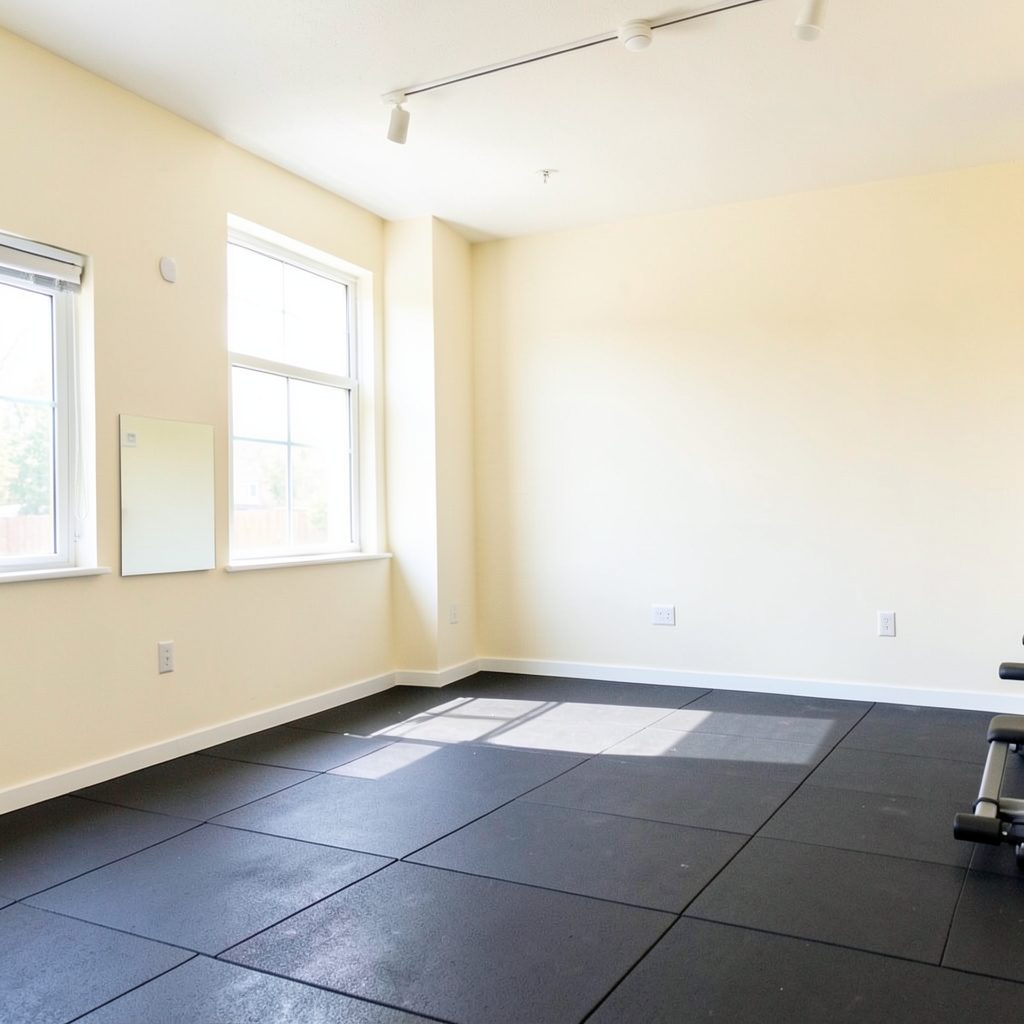
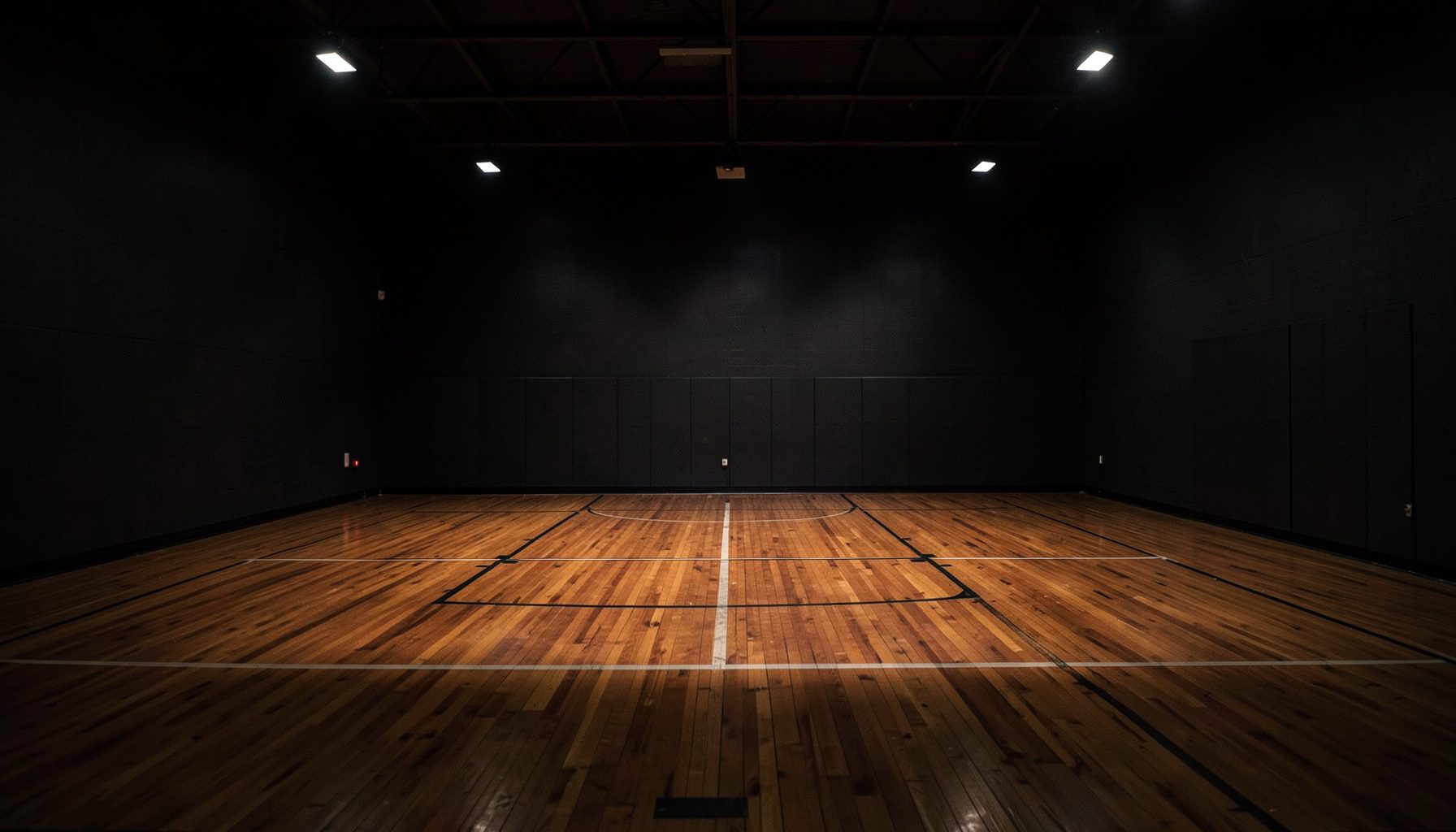
The Factory D1 Indy brings together three entities under one roof: competitive basketball leagues for all age groups, individual and group training, and wellness & recovery services including Normatec boot recovery and cryotherapy. Located off I-465 and High School Road at 6331 Crawfordsville Road, Speedway, Indiana 46224.
Get In TouchHow cryotherapy supports mental recovery after competition
Intense competition leaves more than tired legs. A close basketball game can keep an athlete mentally alert long after the final whistle, with elevated stress, restless thoughts and difficulty shifting back into ordinary routines. Recovery therefore needs to address concentration, mood and nervous-system load as well as soreness.
Cryotherapy is one option within a broader recovery plan. Short, controlled exposure to very cold air or targeted cooling may help an athlete feel refreshed, reduce the perception of muscle discomfort and create a deliberate pause between competition and the next demand. Its psychological value often comes from the routine surrounding the session as much as from the cold itself.
For Australian athletes, the idea fits a busy sporting culture that includes basketball, netball, AFL, football and endurance events. A player travelling from Melbourne to regional Victoria, training in Brisbane humidity or managing an evening league in Sydney may use recovery services to regain focus before work, study or the next session. The key is to use cryotherapy sensibly, with qualified supervision and realistic expectations.
| Recovery approach | Main mental benefit | Best use | Important limitation |
|---|---|---|---|
| Cryotherapy | A focused reset and perceived freshness | After demanding competition or congested schedules | It does not replace sleep, food or professional care |
| Sleep and quiet time | Restores attention, mood and decision-making | Every day, especially after late matches | Requires consistent scheduling |
| Gentle movement | Reduces stiffness and supports a calm transition | The day after competition | Intensity must stay low |
| Yoga and breathing | Helps regulate arousal and body awareness | When tension or racing thoughts continue | Benefits build with regular practice |
Why mental fatigue follows hard competition
Competitive sport places sustained demands on attention. Athletes must read opponents, make rapid decisions, respond to coaching instructions and manage mistakes in front of teammates or spectators. Afterward, the brain may remain in a heightened state, even when the physical event has ended. This can show up as irritability, poor sleep, mental fog or replaying key moments.
The body and mind are closely connected during this period. Heat, dehydration, muscle soreness and a high heart rate can make it harder to settle. In Australia, evening fixtures can be followed by a late drive home, a quick meal and an early work or school start. A short recovery ritual can help mark the transition from competition mode to rest mode.
Cryotherapy may support this transition through a clear, time-limited sensory experience. The cold demands attention, while the end of the session provides a defined point at which the athlete can begin breathing slowly, hydrating and reviewing the day more calmly. That does not make it a treatment for anxiety or depression, but it can be a useful part of post-match mental recovery.
How cold exposure may create a reset
Cold exposure causes an immediate, noticeable physical response. People often describe feeling alert and invigorated after a supervised session. This shift can interrupt repetitive thoughts and give an athlete a simple task: remain controlled, breathe steadily and follow the practitioner’s instructions. The experience can build confidence in managing discomfort without becoming overwhelmed by it.
The effect is partly behavioural. Scheduling a session after a tournament or busy league night creates structure around recovery. Instead of scrolling through match footage late at night, an athlete has a planned sequence: cool down, complete the session, drink fluids, eat, shower and wind down. Consistent routines are especially valuable during long basketball seasons, when emotional energy can fluctuate from week to week.
Research into whole-body cryotherapy and psychological outcomes is still developing, and responses vary. Cold exposure should be viewed as a short-term recovery tool rather than proof of improved performance or a substitute for mental-health support. Athletes who experience persistent low mood, panic, disordered sleep or loss of motivation should speak with a qualified health professional.
Cryotherapy and physical discomfort
Physical discomfort can keep the mind stuck in a defensive state. Sore calves, heavy legs or a tender shoulder may make an athlete worry about the next game, avoid normal movement or remain focused on symptoms. Reducing the perception of discomfort can create mental space for sleep, planning and positive reflection.
Athletes managing recurring soreness can read about regular cryotherapy for chronic muscle pain as part of a wider discussion about recovery. The important distinction is between feeling temporarily better and addressing the cause of pain. Persistent or worsening symptoms require assessment by a doctor, physiotherapist or sports medicine professional.
In the Australian market, recovery studios and athletic facilities in cities such as Melbourne, Sydney and Brisbane increasingly offer cold-based services alongside compression, massage and mobility work. Prices are commonly paid out of pocket because routine cryotherapy is generally not a standard Medicare benefit. Athletes should compare session details, practitioner qualifications, hygiene procedures and cancellation policies rather than choosing a provider on novelty alone.
Using the session to regulate attention
A cryotherapy appointment works best when it is treated as a mindful recovery period, not a dare. Before entering, the athlete can identify a simple intention such as calming down, releasing frustration or preparing for sleep. During the session, slow nasal breathing and relaxed shoulders may help prevent the mind from escalating around the sensation of cold.
The period afterward matters just as much. A few minutes of gentle walking, hydration and quiet breathing can extend the transition. Some athletes may benefit from writing down one positive action from the game and one practical adjustment for training. This approach limits unproductive self-criticism and turns competition into useful information.
Yoga, mobility and breath-led practices can complement the process. Australian athletes who enjoy guided movement may explore D Studio Yoga classes as another way to develop body awareness and down-regulate after demanding sessions. Cryotherapy supplies a brief stimulus; breathing, stretching and quiet attention help the nervous system interpret what comes next.
Safety and sensible timing
Cold-based recovery is not appropriate for everyone. People with certain cardiovascular conditions, uncontrolled high blood pressure, cold sensitivity, circulation disorders or other medical concerns should seek clinical advice before participating. Staff should ask about health history, explain the procedure clearly and stop the session if the participant feels unwell, dizzy or unusually distressed.
Australian operators also work within state and territory work health and safety requirements, which means businesses should manage hazards, maintain equipment and provide appropriate supervision. The exact rules can differ between New South Wales, Victoria, Queensland and other jurisdictions. A responsible facility will explain whether it offers whole-body cryotherapy or local cooling, what clothing is required and how emergencies are handled.
Marketing deserves careful attention. Under Australian Consumer Law, businesses must avoid misleading claims, while therapeutic claims may also attract scrutiny under Australian medicines and advertising rules when a service is presented as treating a condition. Statements promising guaranteed mood improvement or injury healing should be treated cautiously. Recovery providers should describe likely experiences accurately and encourage medical advice where appropriate.
Building recovery into a long season
Mental recovery is easier when it is planned before fatigue becomes overwhelming. A player might use cryotherapy after a tournament weekend or a particularly intense match, while relying on sleep, nutrition, light movement and social connection on ordinary days. This prevents the service from becoming an expensive response to every difficult training session.
A realistic weekly plan also protects motivation. Athletes can use long-season basketball motivation strategies to maintain perspective when results, selection pressure or travel begin to wear them down. The aim is to balance ambition with enough recovery to keep decision-making, enjoyment and consistency intact.
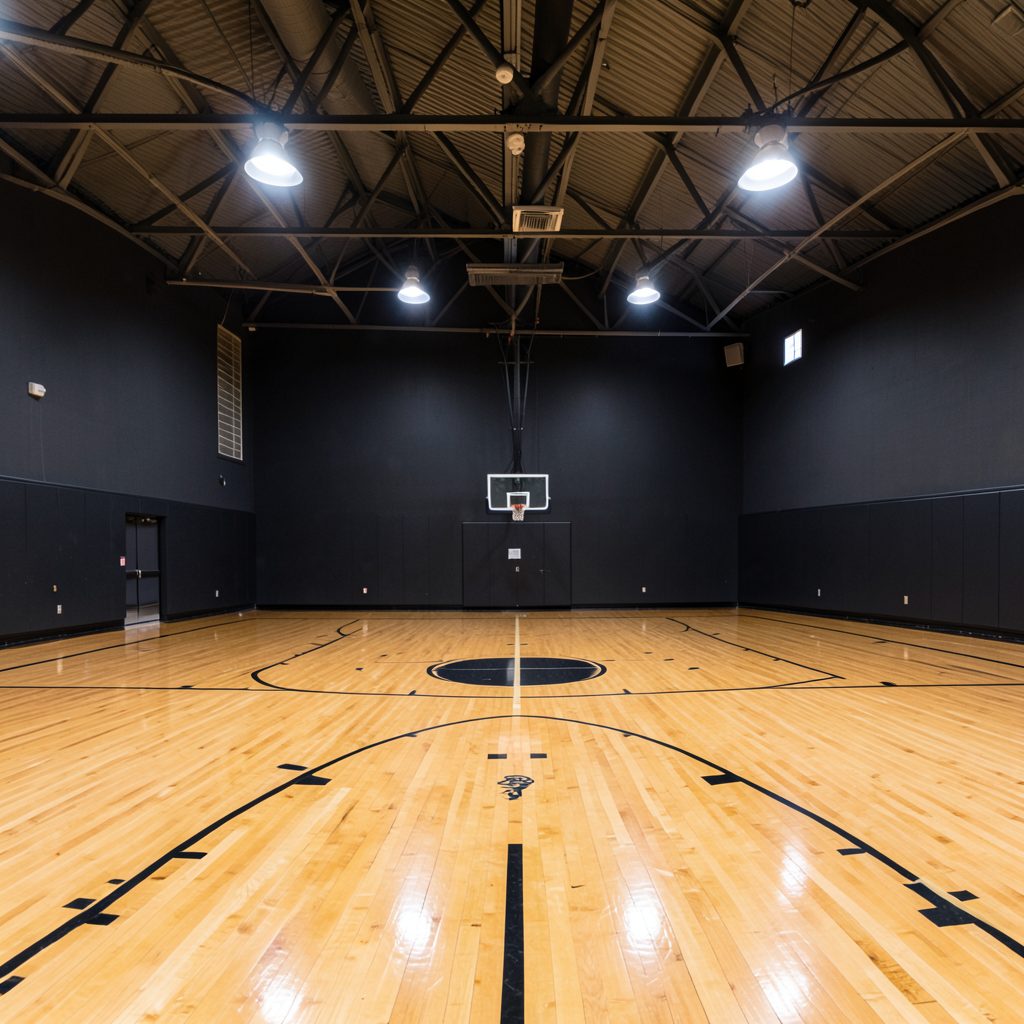
At The Factory D1 Indy, cryotherapy sits within a broader athletic environment that includes basketball training, leagues, conditioning and other recovery options. Australian visitors can apply the same principle at home: choose a reputable provider, combine cold exposure with fundamentals and monitor how the body and mind respond over time. A useful recovery method should leave an athlete better prepared for the next task, not simply impressed by the intensity of the session.
Build a post-competition routine that includes a supervised cryotherapy session when appropriate, followed by fluids, food, gentle movement and quality sleep. Review the routine with a coach or health professional, track how it affects focus and mood, and use recovery as an active part of athletic development.
Inside The Factory

Three Entities, One Roof
Leagues
Eight league divisions span every age group: Indy Pro AM, 18+ Open Men's, 30+ Men's, Bite Size (ages 3–6), Impact League, 5th/6th Grade, Middle School, and High School. Gather your team and compete.
Training
Individual and group basketball training for all skill levels. Major M.O.V.E.S. Basketball Training serves ages 4–7 on Wednesday and Thursday evenings at 6:30 PM — $30 per session or $100 unlimited monthly.
Wellness & Recovery
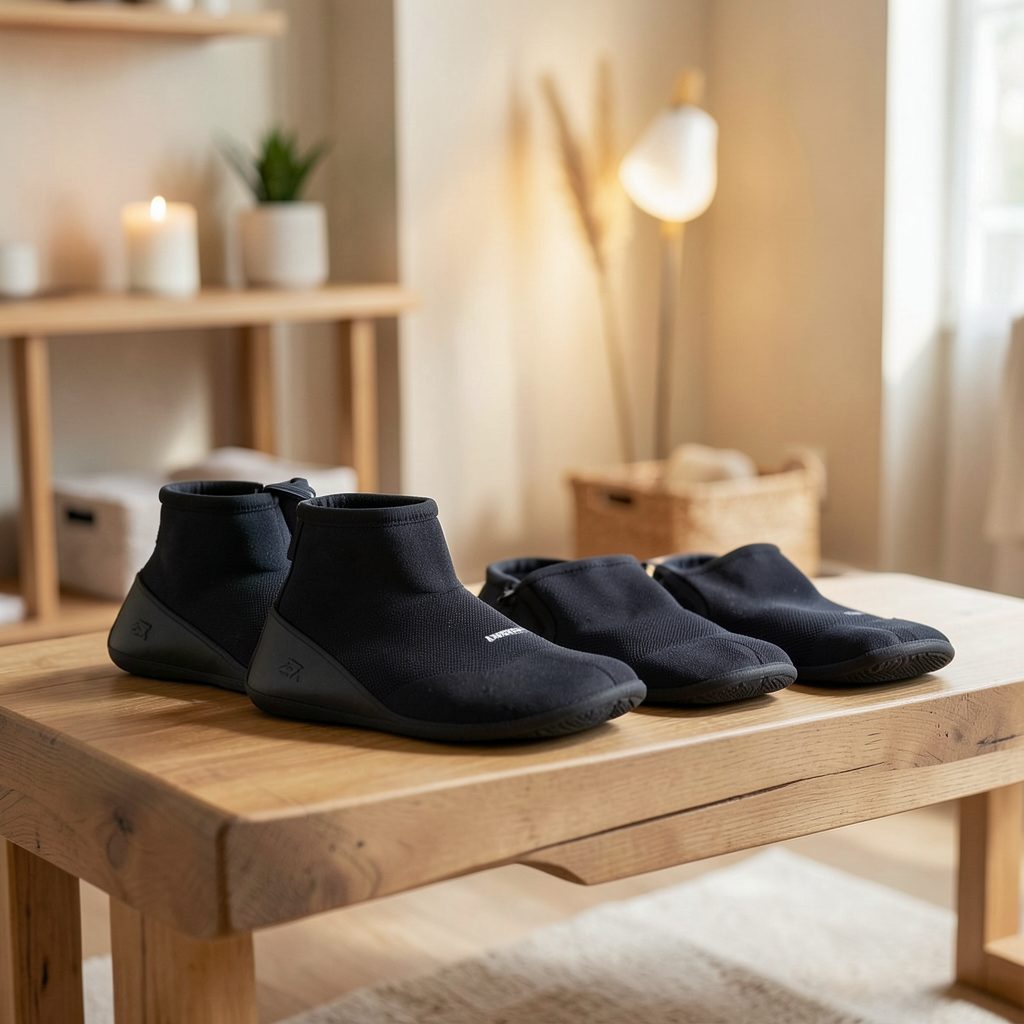
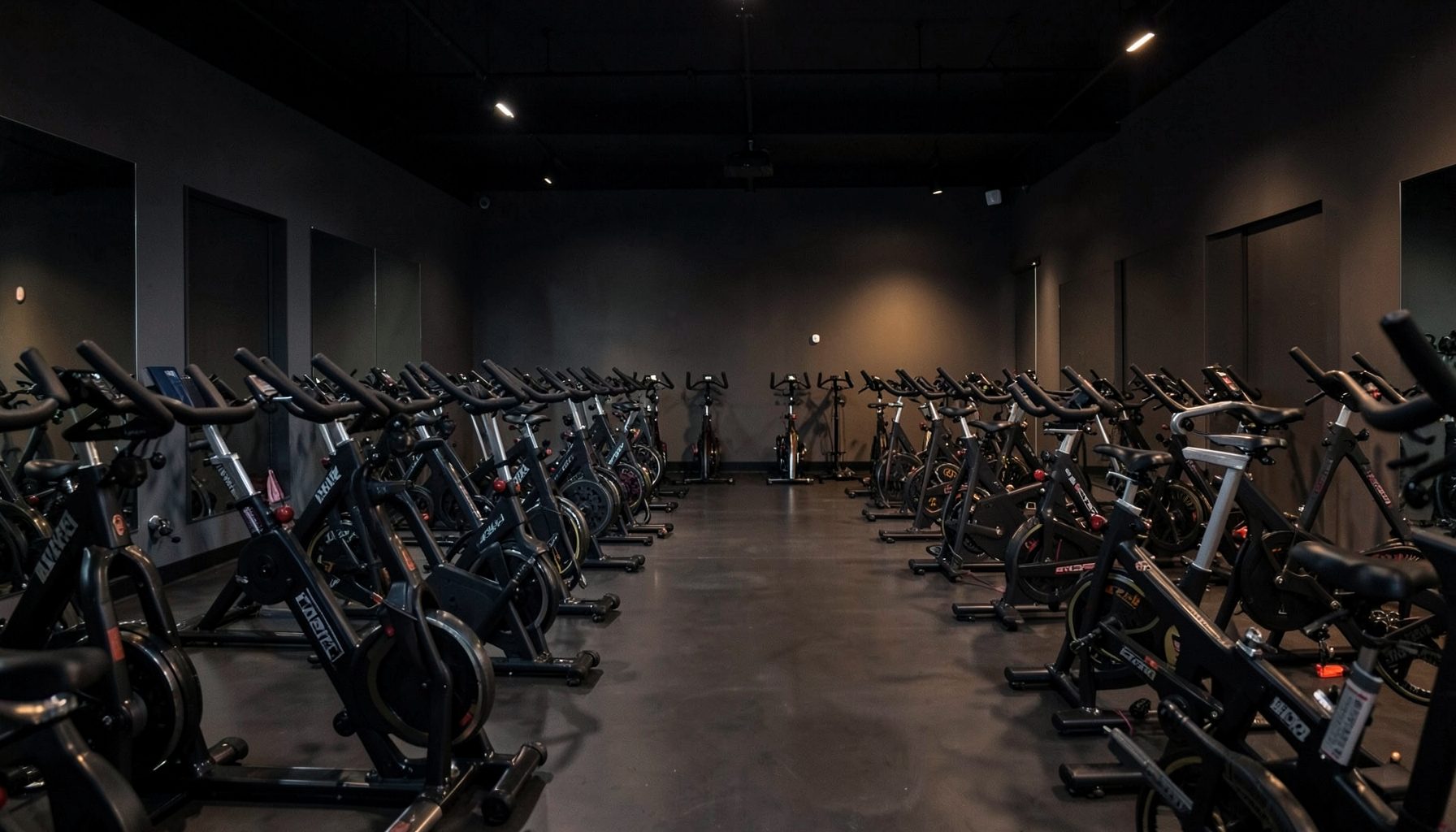
Normatec boot recovery and cryotherapy treatments help athletes bounce back faster. Cycle and spin classes add a cardio dimension to the holistic performance approach.
Have a Question?