Train. Compete. Recover.
A multi-purpose athletic facility in Speedway, Indiana — basketball leagues, skill training, and wellness services all under one roof.
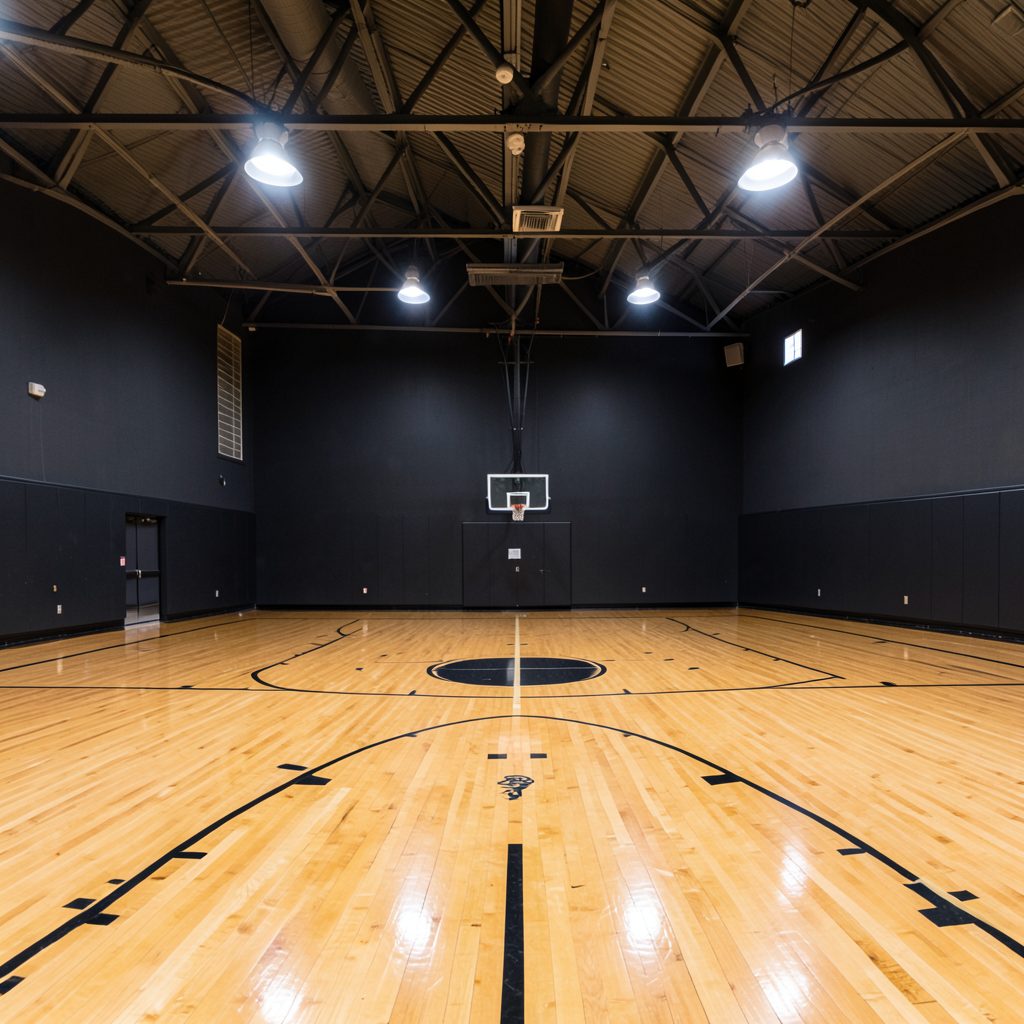
The Factory D1 Indy brings together three entities under one roof: competitive basketball leagues for all age groups, individual and group training, and wellness & recovery services including Normatec boot recovery and cryotherapy. Located off I-465 and High School Road at 6331 Crawfordsville Road, Speedway, Indiana 46224.
Get In TouchHow group spin workouts strengthen team bonds
A strong team is built through more than drills, plays, and game-day strategy. Athletes develop trust when they share demanding experiences, recognize one another’s effort, and learn how to communicate under pressure. Group spin classes create that environment through music, structured intervals, and a collective commitment to keep moving.
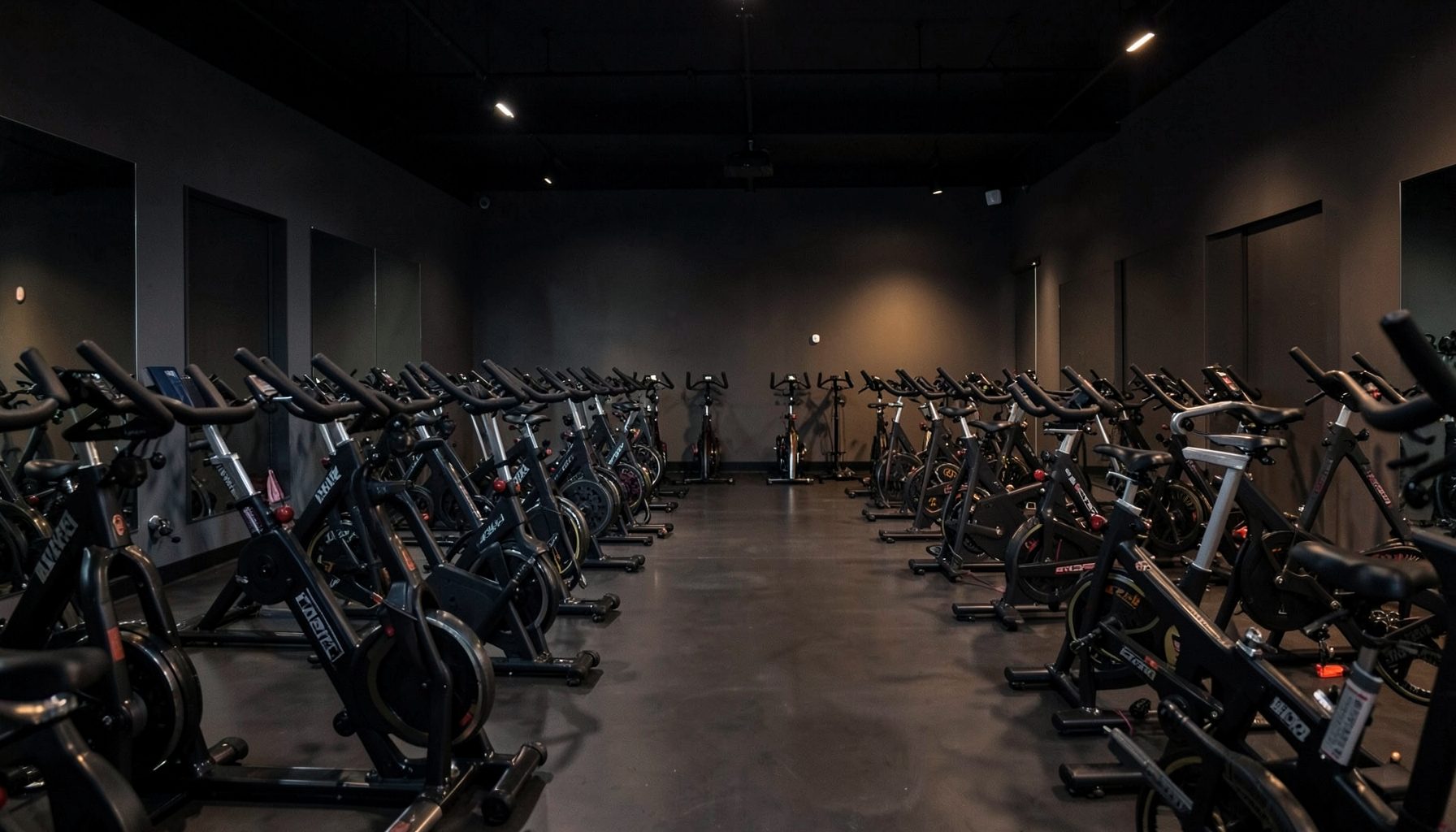
For basketball players, cyclists, and general fitness members alike, an indoor cycling session offers a challenging workout without requiring advanced technical skills. Every participant controls resistance and pace, yet the group still moves through the same warm-up, climbs, sprints, and recovery periods. That combination of individual control and shared purpose makes spin a useful team-building activity.
At The Factory D1 Indy, a multi-purpose athletic facility in Speedway, Indiana, group fitness can complement basketball training, youth programs, adult leagues, and recovery services. A shared conditioning session may help teammates connect away from the court while building stamina they can use during competition.
A shared challenge creates common ground
Team bonding often begins when athletes face a task that demands consistent effort from everyone. In a spin class, the resistance may vary from person to person, but each rider works through the same sequence. This creates a sense of collective progress without forcing every participant to perform at an identical level.
That balance is especially valuable for mixed-ability groups. A newer athlete can select a manageable resistance while an experienced competitor takes on a more demanding load. Both riders contribute to the energy of the room, and neither has to feel embarrassed about being at a different fitness level.
The shared experience also gives teammates something meaningful to discuss afterward. They can compare difficult intervals, celebrate personal milestones, or recognize someone who stayed committed during a challenging climb. These small conversations can make relationships feel more natural during practices and games.
Rhythm improves communication and trust
Spin classes rely on clear instruction, predictable transitions, and group awareness. Riders listen for cues, adjust their effort, and respond to changes in pace. Over time, these habits can reinforce the same qualities that teams need when calling screens, rotating on defense, or changing strategy during a close game.
A team that trains together learns how its members respond to fatigue. Some athletes may encourage others with upbeat comments, while others lead quietly by maintaining a steady pace. Both forms of leadership matter. Teammates begin to notice who remains composed, who communicates clearly, and who helps the group stay focused when the workout becomes uncomfortable.
Trust develops through repeated evidence. When athletes see one another show up, work hard, and support the group, they become more willing to rely on each other. That trust can carry into competition, where confidence in a teammate’s effort often makes communication faster and decisions more decisive.
Conditioning becomes a social experience
Individual conditioning can be effective, but it may feel repetitive or isolating. Group cycling adds structure and social energy to cardio training. Music, instructor cues, and synchronized intervals give the workout a stronger sense of momentum than many athletes experience while training alone.
The format also makes effort visible in a positive way. Riders can see teammates maintaining their cadence, standing for a climb, or finishing a final sprint. This visibility encourages accountability without turning the class into a direct contest. Athletes often push themselves a little further because others are working beside them.
For basketball teams, that improved conditioning can support repeated transitions, defensive pressure, and late-game execution. The benefits of group training extend beyond physical fitness because shared workouts can improve attendance, motivation, and familiarity among adult league teammates.
Why spin can complement court practice
Basketball practice develops sport-specific movement, decision-making, and technical skill. Spin classes serve a different purpose by emphasizing cardiovascular endurance, lower-body stamina, and controlled interval work. Used together, the two formats can create a more balanced training routine.
Cycling also offers a lower-impact alternative to constant running and jumping. That can be helpful during a recovery-focused training block, between games, or for athletes managing temporary soreness. Participants still experience a demanding workout while reducing some of the repeated impact associated with court-based conditioning.
The mental benefit matters as well. Athletes can leave a spin class feeling accomplished without having to focus on plays or performance errors. A relaxed setting may encourage teammates from different positions, age groups, or experience levels to interact more freely.
| Team-building element | How group spin supports it | Possible team benefit |
|---|---|---|
| Shared effort | Everyone completes the same workout structure at an individual resistance | Greater appreciation for each athlete’s commitment |
| Communication | Participants respond to instructor cues and class transitions | Faster, clearer responses during practices and games |
| Accountability | Regular attendance makes effort visible to teammates | More consistent participation |
| Leadership | Athletes motivate others through encouragement and example | Stronger peer-to-peer support |
| Inclusive participation | Resistance and pace can be adjusted for different abilities | More connection across skill and fitness levels |
| Recovery-minded conditioning | Cycling can provide challenging, lower-impact cardio | Better training balance between competitions |
A welcoming setting supports stronger connections
Group spin classes can bring together people who may not interact often during regular sports activities. A starting lineup, position group, or age division can create natural boundaries. In a shared fitness class, those roles become less important. Everyone is simply working through the next interval.
This can be particularly useful for adult basketball leagues, where teammates may have different work schedules, athletic backgrounds, and levels of conditioning. A recurring class gives them another opportunity to connect outside league games. Casual conversations before and after the session can strengthen relationships that may otherwise remain limited to game night.
A welcoming facility also helps new participants feel included. Instructors can explain bike setup, resistance, and pacing so first-time riders know what to expect. When athletes feel comfortable asking questions and modifying an exercise, they are more likely to return and become part of the group.
Recovery and consistency matter
Team bonding is strongest when participation continues over time. One intense class may be memorable, but regular sessions create shared history. Teammates begin to recognize familiar routines, celebrate progress, and develop traditions around training together.
Recovery services can help athletes maintain that consistency. After demanding practices, games, or cycling workouts, members may explore options such as compression therapy or cryotherapy as part of a broader recovery plan. Understanding the differences between cryotherapy and ice baths can help athletes make informed choices alongside guidance from qualified professionals.
Recovery should support, rather than replace, sleep, hydration, nutrition, and appropriate rest. When athletes take care of their bodies, they are more prepared to attend the next team session and contribute with energy. Consistency then becomes a social advantage as well as a physical one.
Ways to make the workout more team-focused
A coach, captain, or league organizer can shape the experience so that the class supports genuine connection rather than becoming another obligation. A few practical approaches can make a meaningful difference:
- Schedule a recurring class at a time most teammates can attend consistently.
- Pair newer riders with supportive teammates for bike setup and encouragement.
- Set a group attendance goal that rewards commitment rather than speed or resistance.
- Reserve a few minutes after class for hydration, conversation, and recognition of effort.
- Connect workout themes to team values such as communication, resilience, and shared responsibility.
The goal is to create a positive routine that athletes want to maintain. Leaders should avoid pressuring participants to match the strongest rider in the room. Personal pacing, inclusive encouragement, and steady attendance are more valuable for long-term team chemistry than a single impressive performance.
Bring your team to The Factory D1 Indy for a group spin experience that combines conditioning, motivation, and connection. Contact the facility to explore cycling classes and build a training routine that helps teammates work stronger together on and off the court.
Inside The Factory

Three Entities, One Roof
Leagues
Eight league divisions span every age group: Indy Pro AM, 18+ Open Men's, 30+ Men's, Bite Size (ages 3–6), Impact League, 5th/6th Grade, Middle School, and High School. Gather your team and compete.
Training
Individual and group basketball training for all skill levels. Major M.O.V.E.S. Basketball Training serves ages 4–7 on Wednesday and Thursday evenings at 6:30 PM — $30 per session or $100 unlimited monthly.
Wellness & Recovery
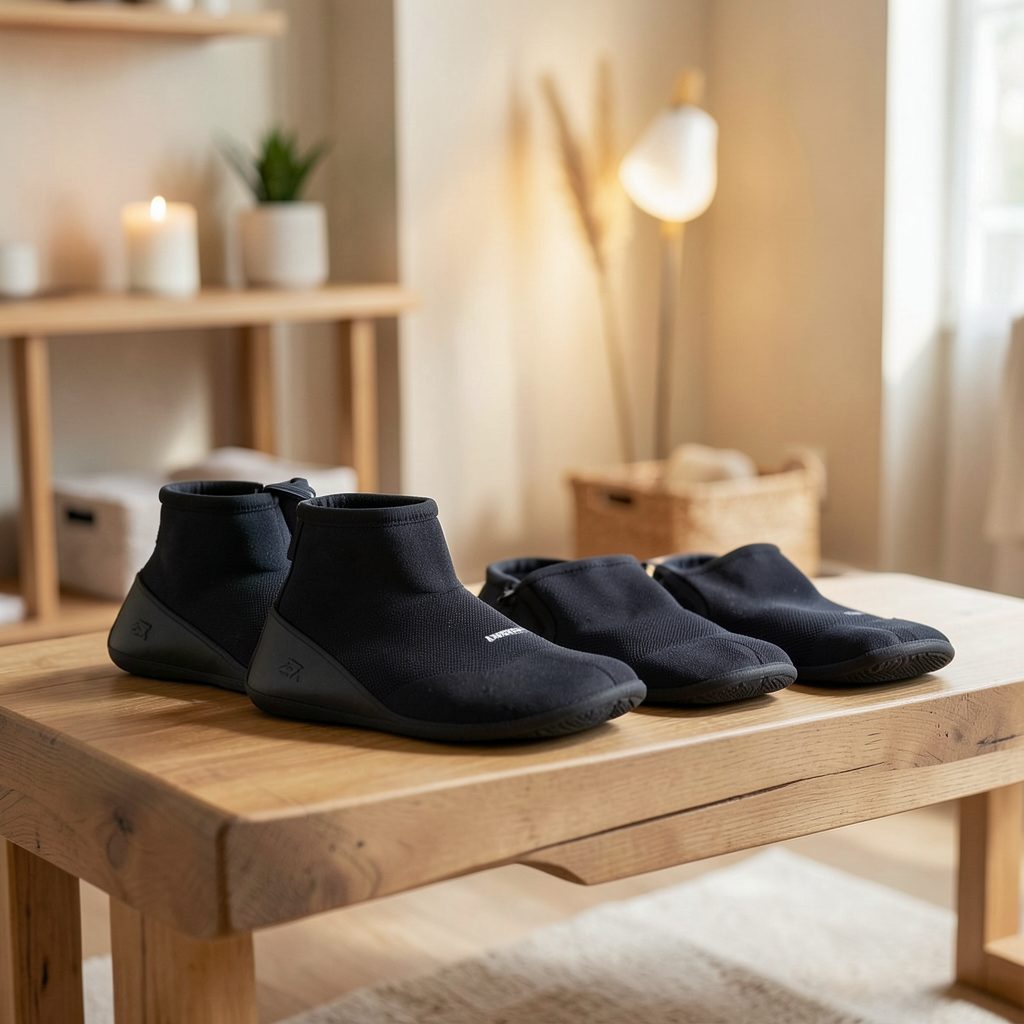
Normatec boot recovery and cryotherapy treatments help athletes bounce back faster. Cycle and spin classes add a cardio dimension to the holistic performance approach.
Have a Question?