Train. Compete. Recover.
A multi-purpose athletic facility in Speedway, Indiana — basketball leagues, skill training, and wellness services all under one roof.
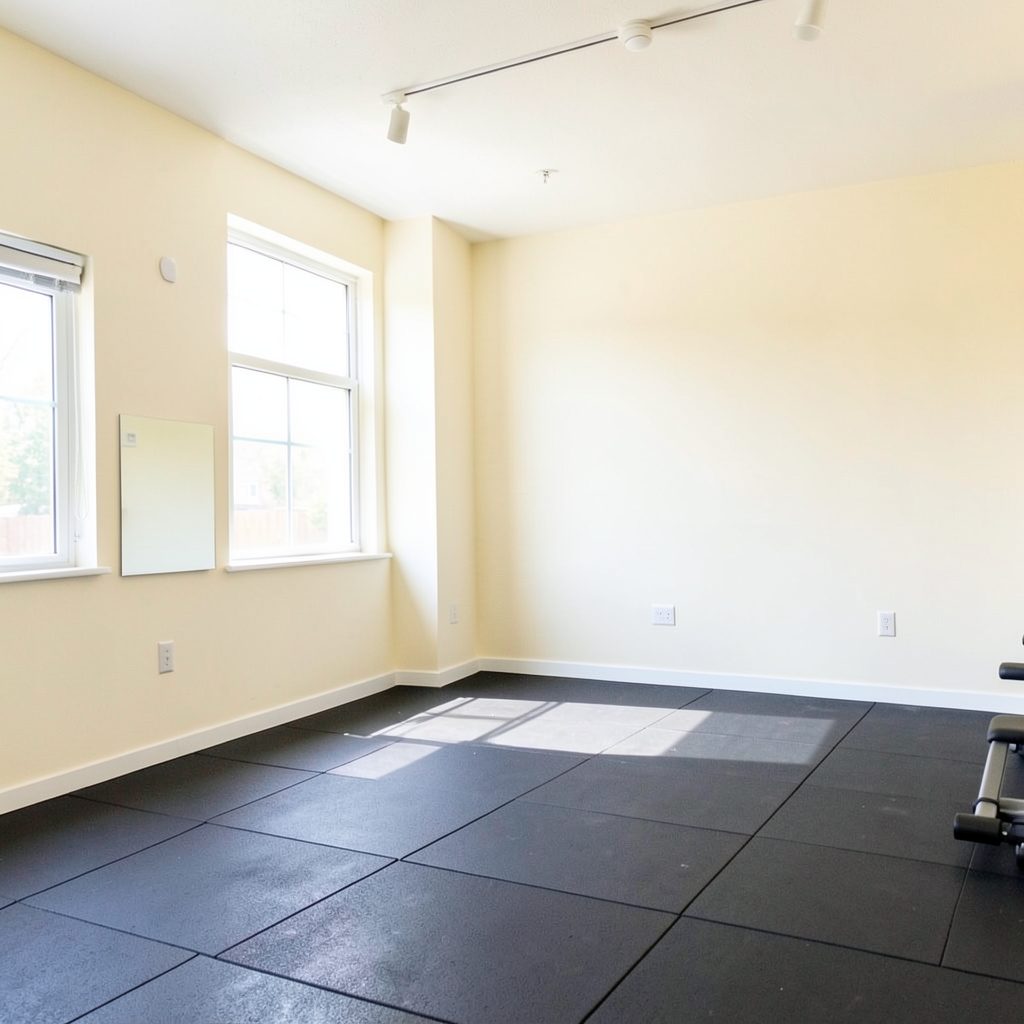
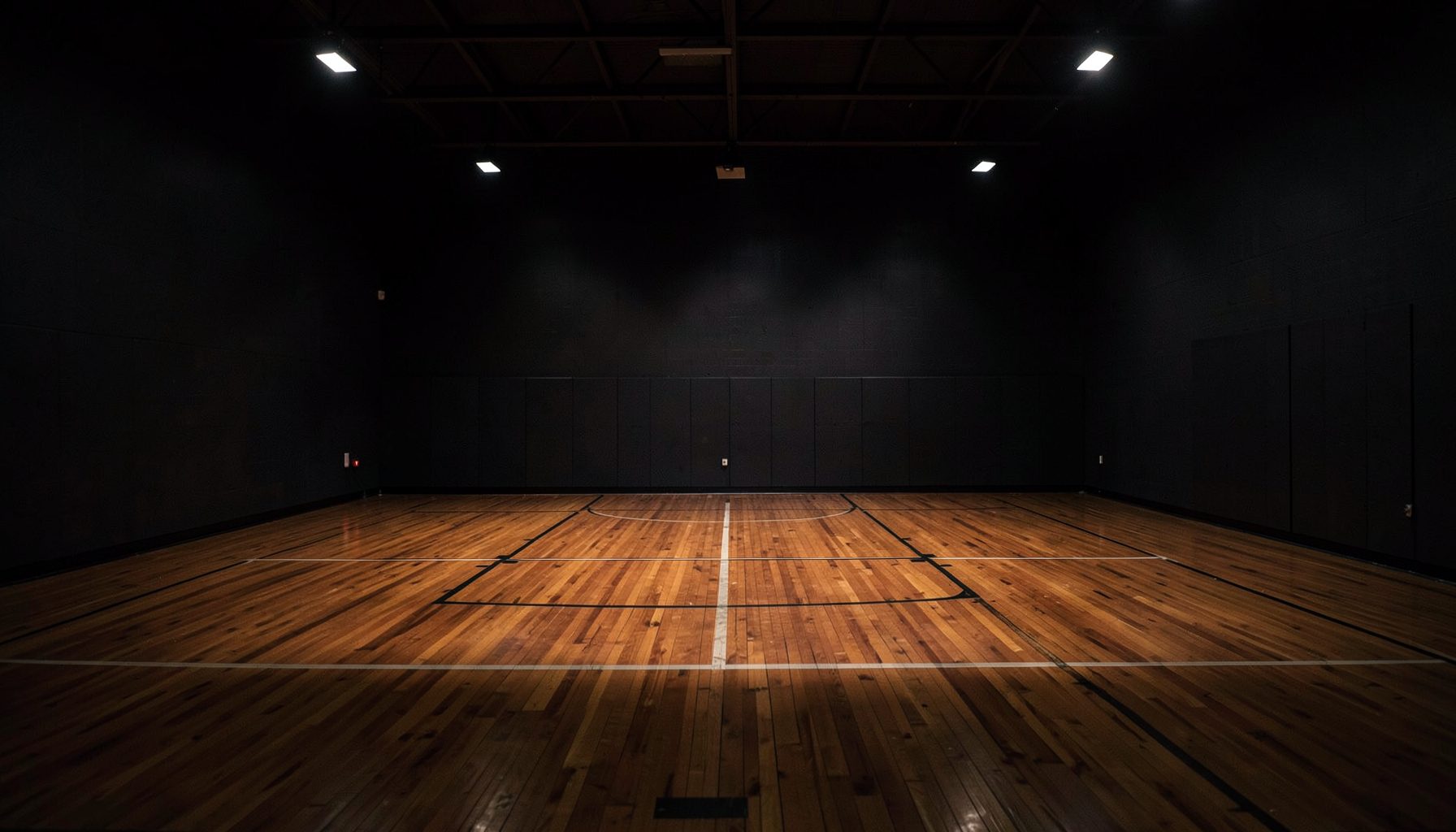
The Factory D1 Indy brings together three entities under one roof: competitive basketball leagues for all age groups, individual and group training, and wellness & recovery services including Normatec boot recovery and cryotherapy. Located off I-465 and High School Road at 6331 Crawfordsville Road, Speedway, Indiana 46224.
Get In TouchFixable passing habits for young basketball players
The most common mistakes youth basketball players make when passing are rarely about a lack of talent. Young players often pass too hard, look after releasing the ball, or hope a teammate will improvise. Those habits look harmless at first, yet they turn easy possessions into turnovers and frustrate teammates who are doing the right thing.
In Australia, these faults become obvious during winter shootarounds and summer club sessions. Melbourne and Sydney players often move between school competitions, council-run leagues and community clubs, sometimes playing on polished timber floors and then on outdoor asphalt courts. Each surface changes how quickly a pass can be caught, so sound technique matters more than a flashy move.
Passing is also a decision-making skill, not simply a two-handed action. A child may execute a textbook chest pass but still send it to a stationary teammate, into a defender's path, or over the top when a bounce pass would be safer. Correcting only the mechanics misses half the problem.
The encouraging part is that most errors can be improved with short, focused drills and clear feedback. The Factory D1 Indy in Speedway, Indiana, uses that kind of progression in its youth basketball development: practise the skill, apply it in a game-like setting, and add pressure gradually rather than confusing activity with learning.
See the habit behind each turnover
| Common habit | Why it causes problems | Better habit |
|---|---|---|
| Passing before looking | Defenders read the intended receiver and steal the pass | Scan, make eye contact and give a clear target |
| Using the same pass every time | The defence learns what is coming | Mix chest, bounce and overhead passes |
| Passing with excessive force | Receivers lose control and turnovers increase | Match the pace to the distance |
| Standing still while passing | The receiver has no space or time to catch | Pivot, move and offer a passing angle |
| Failing to communicate | Teammates overlap or wait for the same pass | Call names, types of passes and intentions |
Start by identifying whether the error belongs to technique, perception or communication. Ask the player to describe what they saw before the pass, who was open, and how the receiver was moving. That routine turns “bad pass” into a specific choice the player can repeat.
The eyes are the starting point of every useful pass. A young player should look at the intended receiver, then scan away to read the defender. A sharp fake can create separation, but only if the passer can sell it and still deliver to the right place.
Communication removes guesswork. Calling the receiver’s name, using simple signals for a chest or bounce pass, and saying “away” can prevent two players from chasing the same ball. These cues should be brief and audible, not a stream of instructions that distracts the whole team.
Build a pass that works on every court
A reliable chest pass starts with balanced feet and the ball held away from the chest. The passer steps towards the target, extends both arms, and finishes with thumbs down so the receiver can turn the ball over immediately. A wrist snap adds pace without changing the direction.
Strength should match the distance. A pass to a nearby guard may need to arrive firmly, while a pass across the top needs enough pace to beat a closing defender but not so much that it bounces out of a child’s hands. Bounce passes need a firm, flat delivery to the receiver’s side, around waist height. On outdoor asphalt, they can skip unpredictably, so use them only when the receiver has a stable target.
Practise each pass from both sides, then add a defender who raises an arm. A useful coaching principle is to fundamentals before winning: establish an accurate pass in space before asking players to score through it. If accuracy falls when pressure arrives, the movement or decision needs more work, not louder effort.
Create passing angles instead of chasing them
Spacing is often called passing support, and it starts with teammates doing something useful rather than standing still. A player who cuts to the basket, seals a defender briefly or moves into open floor gives the passer another option. When everyone occupies the same small area, good technique still produces a poor pass.
Receivers also need to show a target. They should present a visible chest or both hands, stop or cut away from the defender, and avoid turning their back to the passer. A passer should lead a moving teammate into open space rather than firing directly at their current position.
Decision-making improves when players learn when not to pass. Sometimes the safest action is to dribble, hold the ball, or reset. At a young age, an extra second does not make a player slow; it creates time to read the court. The goal is a useful advantage, not merely getting the ball away.
Prepare for pressure and Australian conditions
Australian club basketball can expose passing weaknesses because players often play several games in a week, rotate through positions and defend outdoor courts where wind, dust and heat affect the ball. In Sydney’s humid months or Melbourne’s hot afternoons, hydration and workload management can matter as much as footwork.
Training in the heat should be adjusted rather than ignored. Overseas guidance on training through hot conditions reinforces the value of gradual exposure, suitable clothing, scheduled water breaks and lighter sessions when conditions are severe. These basics keep decision-making sharp instead of asking a tired child to repeat the same mistake all season.
Pressure drills should begin with shape, not chaos. Make the passer face a stationary defender, then a moving one; reward a safe pass before adding a second defender. Later, use small-sided games so players must communicate, change angles and pass out of trouble. Record both successful passes and turnovers rather than scoring alone.
Make confidence part of the correction
Coaches should correct one error at a time and describe the next physical cue. “Eyes up” is more useful than “stop passing to the wrong place”, while “soft hands” gives a receiver something specific to prepare. Praising a well-timed pass also teaches players what good looks like, rather than making them afraid of making any pass.
Fatigue can magnify every technical fault, especially a heavy pass or weak finish. If a player has swelling after a knock during basketball training, recovery support may include appropriate assessment and options such as Normatec compression therapy, alongside rest and guidance from a qualified health professional. Recovery is part of training, but it does not replace technique work.
At The Factory D1 Indy, players can build passing fundamentals through individual or group skills sessions and then test them in youth leagues across age groups. Explore the programme options, speak with a coach about your child’s current passing habits, and book a session that turns one turnover into a clear next step on court.
Inside The Factory

Three Entities, One Roof
Leagues
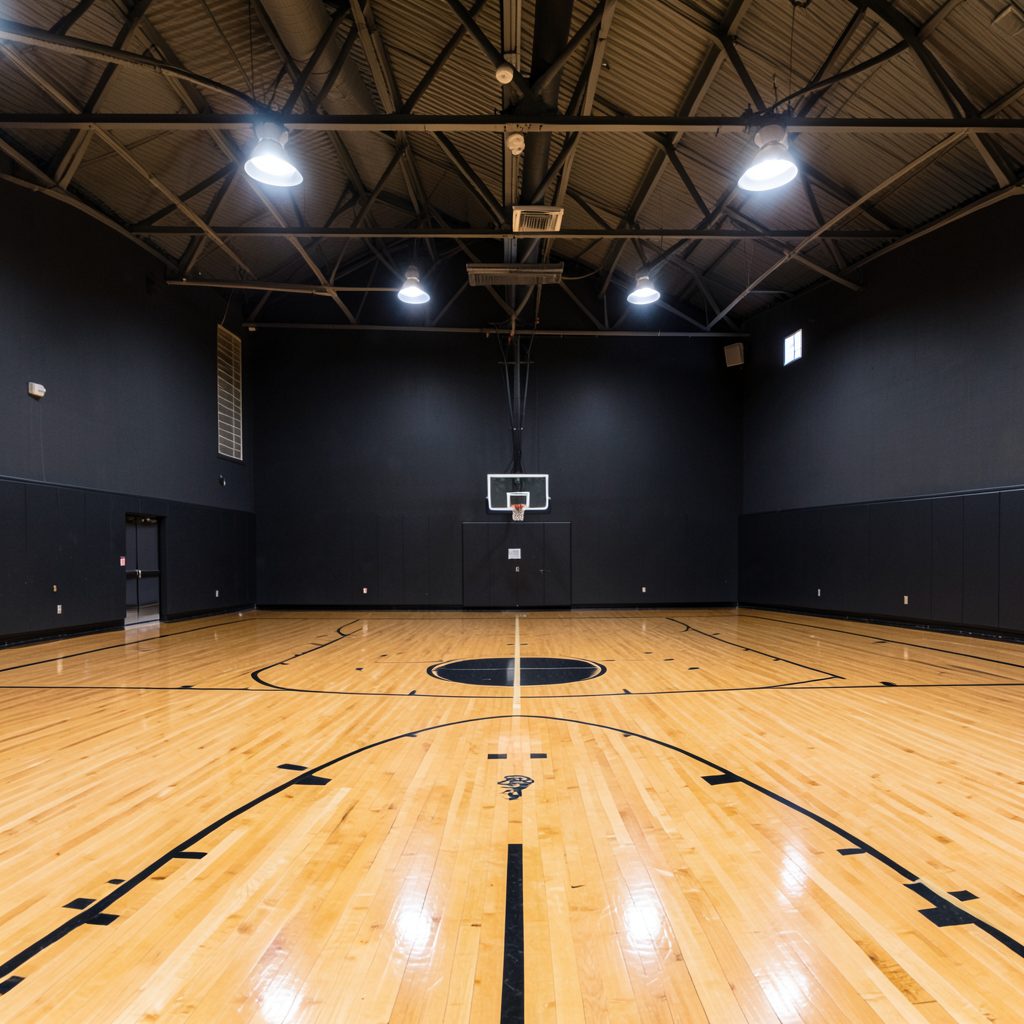
Eight league divisions span every age group: Indy Pro AM, 18+ Open Men's, 30+ Men's, Bite Size (ages 3–6), Impact League, 5th/6th Grade, Middle School, and High School. Gather your team and compete.
Training
Individual and group basketball training for all skill levels. Major M.O.V.E.S. Basketball Training serves ages 4–7 on Wednesday and Thursday evenings at 6:30 PM — $30 per session or $100 unlimited monthly.
Wellness & Recovery
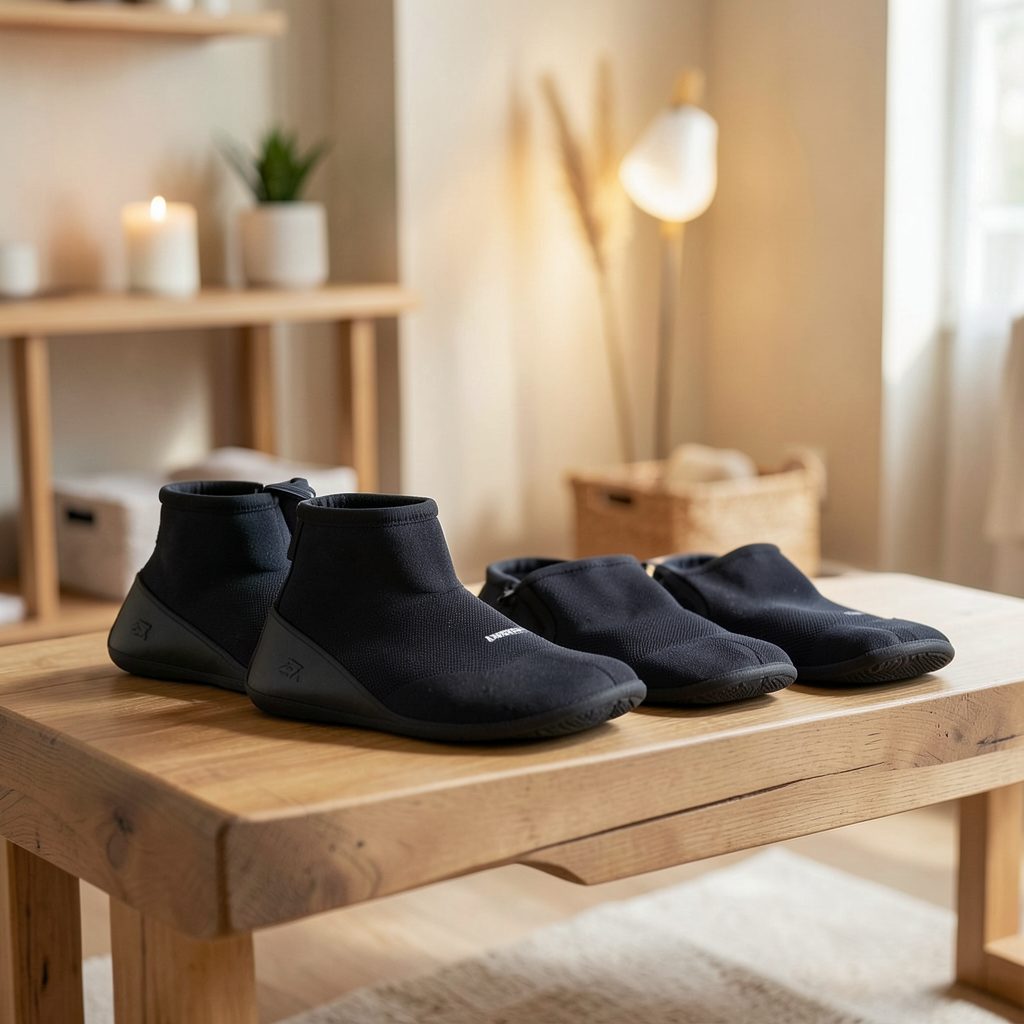
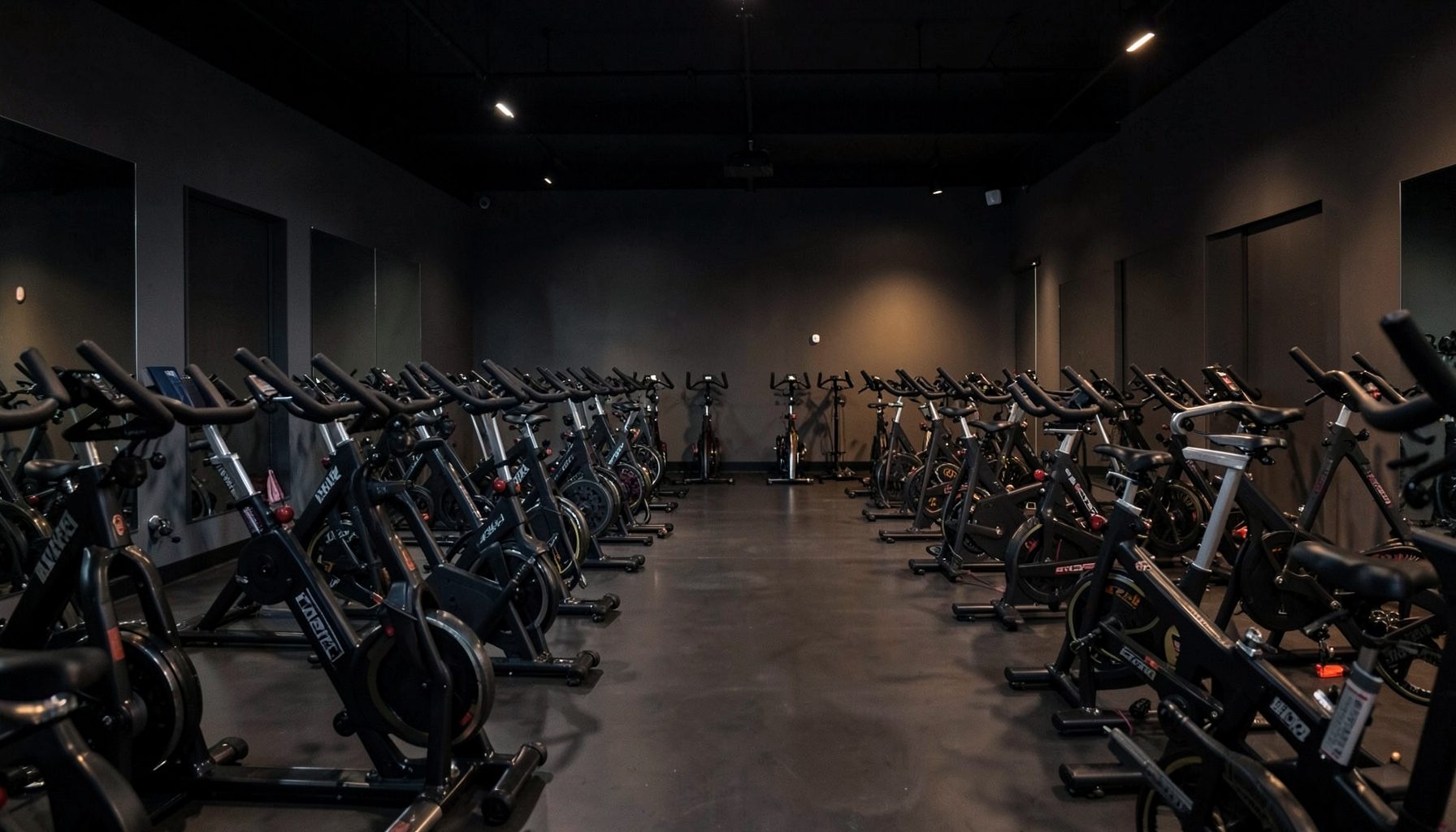
Normatec boot recovery and cryotherapy treatments help athletes bounce back faster. Cycle and spin classes add a cardio dimension to the holistic performance approach.
Have a Question?