Train. Compete. Recover.
A multi-purpose athletic facility in Speedway, Indiana — basketball leagues, skill training, and wellness services all under one roof.
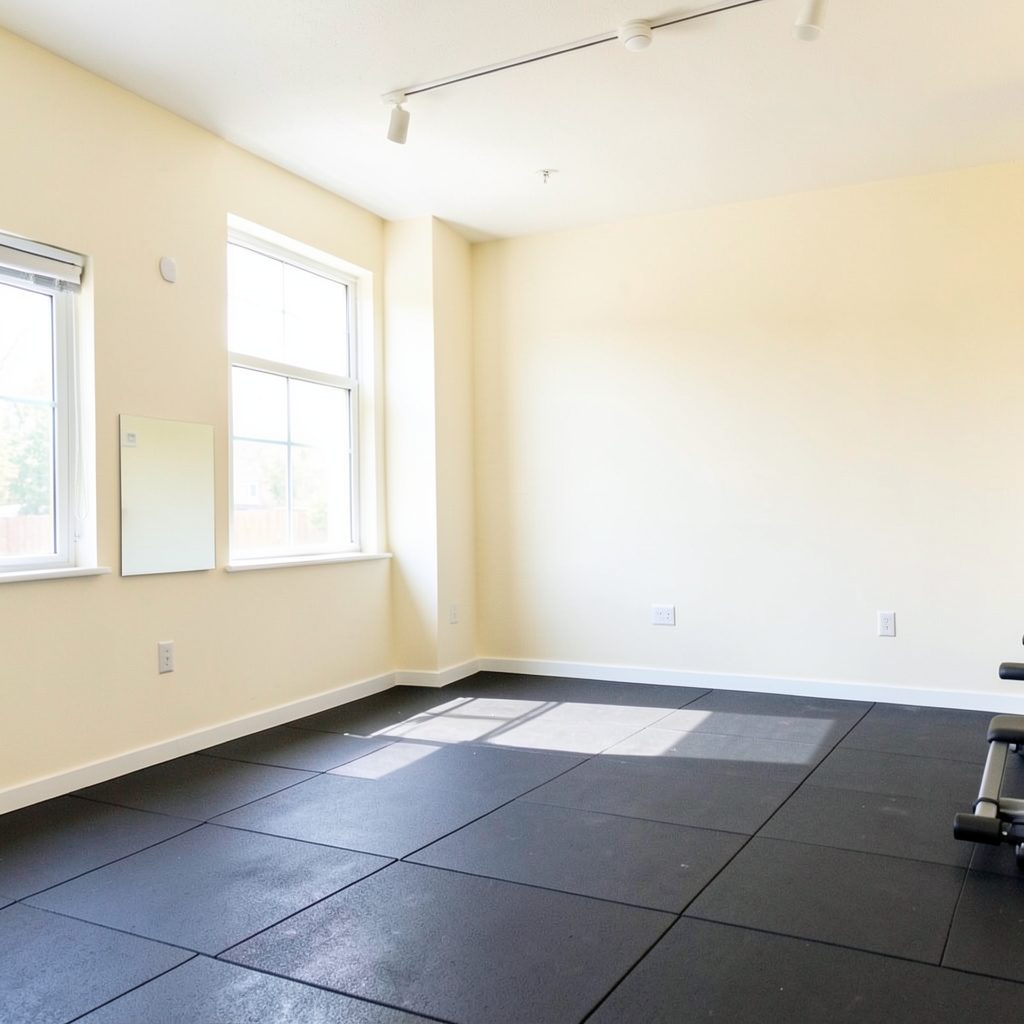
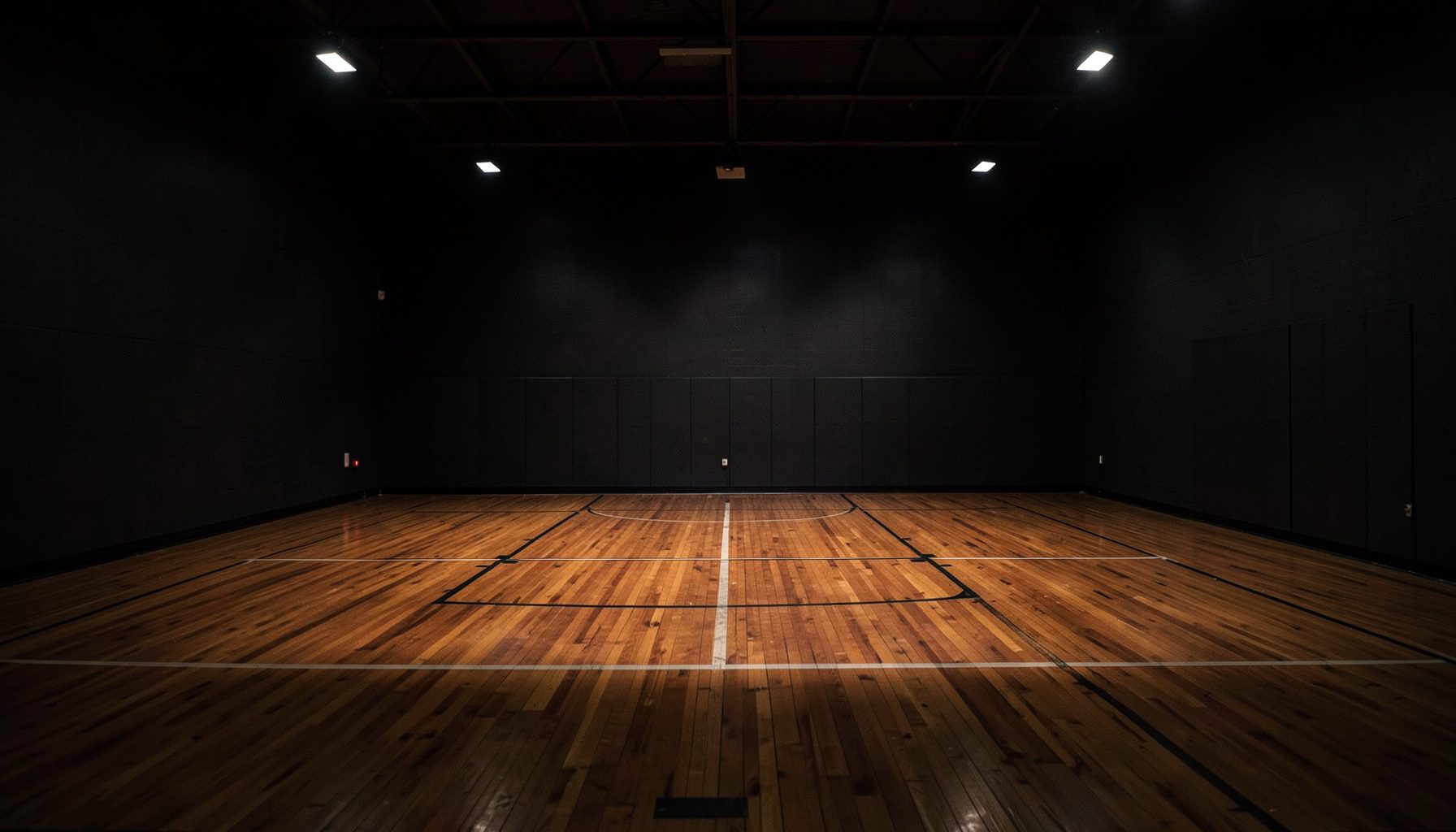
The Factory D1 Indy brings together three entities under one roof: competitive basketball leagues for all age groups, individual and group training, and wellness & recovery services including Normatec boot recovery and cryotherapy. Located off I-465 and High School Road at 6331 Crawfordsville Road, Speedway, Indiana 46224.
Get In TouchThe Psychology Behind Confident Free Throws Under Pressure
A free throw looks simple: one player, one ball, one basket, and no defender directly contesting the shot. Under pressure, however, the moment becomes psychologically demanding. The shooter must manage attention, physical tension, self-talk, timing, and the awareness that teammates, opponents, coaches, and spectators are watching.
The mechanics of a reliable foul shot matter, but technique can become difficult to access when anxiety rises. A player who normally shoots smoothly may rush the routine, grip the ball too tightly, or focus on the consequences of a miss instead of the target. Learning to regulate those reactions helps turn free-throw shooting into a repeatable skill.
At The Factory D1 Indy, athletes can develop this mental side of basketball alongside individual training, group workouts, competitive leagues, and age-appropriate youth programs. The goal is to make pressure familiar enough that the free-throw line feels like a place to perform rather than a place to fear.
Why Free Throws Feel Different In Competition
During practice, a player can shoot dozens of free throws with little emotional cost. In a close game, the same shot may determine whether a team ties the score, protects a lead, or moves into overtime. The physical action has not changed, but the meaning attached to it has.
This added meaning activates the body’s stress response. Heart rate may increase, breathing can become shallow, and muscles may tighten. Attention often shifts toward internal concerns: “What if I miss?” or “Everyone expects me to make this.” That self-monitoring interrupts the automatic rhythm developed through repetition.
Pressure also narrows attention in unhelpful ways. Instead of seeing the target and following a familiar routine, a shooter may notice the crowd, the scoreboard, or the opponent’s reaction. The mind begins treating the free throw as a test of identity rather than one basketball possession. Separating personal worth from a single result is an important part of competitive maturity.
The Role Of A Consistent Pre-Shot Routine
A pre-shot routine gives the brain a familiar sequence to follow when emotions become intense. It might include receiving the ball, taking a specific number of dribbles, setting the feet, inhaling slowly, choosing a visual target, and beginning the shot. The exact routine matters less than its consistency and simplicity.
The routine should direct attention toward controllable actions. A player cannot control the crowd or guarantee the outcome, but they can control their breathing, stance, focus point, and release. This shift from result-based thinking to process-based thinking reduces mental noise and reinforces trust in preparation.
Breathing deserves special attention. One slow exhale before the shot can lower unnecessary tension and create a pause between emotional reaction and physical execution. Players should practice this response during conditioning drills, scrimmages, and simulated late-game situations so it becomes available under genuine pressure.
Young athletes benefit when coaches teach routines as part of fundamentals instead of introducing them only after a player struggles. The guidance in youth basketball development reflects this broader principle: sound habits and decision-making should develop before the focus narrows to winning.
Attention, Self-Talk, And Aiming
Successful shooters usually use an external focus, directing attention toward the rim or a specific target point. Thinking about the smoothness of the elbow or the position of the wrist can be useful during technical instruction, but excessive mechanical analysis during a game can disrupt a well-learned movement.
A short cue word can help organize attention. Words such as “smooth,” “through,” or “arc” give the mind one useful instruction without creating a long internal speech. The cue should be practiced during normal shooting sessions until it feels natural rather than added as a desperate response to a missed shot.
Self-talk also influences arousal. Harsh statements increase threat and make the next attempt feel like a judgment. Constructive language does not require exaggerated confidence; it can be as simple as “Follow the routine” or “Commit to the shot.” The purpose is to return attention to the present possession.
Visualization supports this process. Before a game, a player can imagine walking to the line, hearing distractions, completing the routine, and finishing with balanced form. Effective imagery includes manageable pressure instead of picturing only a perfectly quiet gym. The brain becomes more familiar with the emotional setting it may encounter.
Training Pressure Before Game Night
Pressure tolerance grows when practice includes consequences, uncertainty, and realistic distractions. A coach might create a free-throw competition after a demanding drill, require a player to shoot while teammates watch, or begin a simulated final possession with the score and time clearly stated. These exercises should challenge athletes without becoming humiliating.
The purpose of pressure training is not to make players anxious for its own sake. It is to teach them that elevated nerves can coexist with effective execution. A successful practice attempt builds evidence that the athlete can breathe, use the routine, and shoot even when the moment feels important.
| Pressure factor | Common reaction | Helpful response |
|---|---|---|
| Crowd noise | Attention shifts toward spectators | Choose one visual target and use a cue word |
| Close score | Fear of making a costly mistake | Focus on the routine rather than the result |
| Fatigue | Legs feel heavy and timing changes | Exhale, settle the feet, and accept a controlled rhythm |
| Previous miss | Doubt carries into the next attempt | Treat the next shot as a separate possession |
| Teammate expectations | Desire to prove reliability | Use process language such as “same routine” |
Coaches should evaluate more than whether the ball goes in. A player who follows the routine, maintains balance, and commits to the shot is building a transferable skill even when the result is imperfect. This approach encourages learning and prevents athletes from abandoning good habits after one miss.
Turning Misses Into Useful Information
A missed free throw can trigger embarrassment, frustration, or fear of another attempt. Those reactions are normal, but they become harmful when a player treats the miss as proof that they cannot perform under pressure. A more productive response is to identify what happened without attaching a negative label to the athlete.
Was the routine rushed? Did the player stop breathing? Were the feet misaligned? Did attention move to the scoreboard? Specific observation creates a practical adjustment. Vague criticism such as “you choked” explains nothing and gives the athlete no strategy for the next possession.
Recovery between attempts is also a performance skill. A player can acknowledge the miss, take one breath, reset the feet, and return to the same target. This brief reset prevents the first shot from controlling the second. The same principle applies after a difficult game: review the sequence, identify one lesson, and leave the emotional judgment behind.
Physical recovery can support mental readiness across a demanding training week. Athletes who combine basketball workouts with cycling, conditioning, and competition need a plan for managing fatigue. Services such as Normatec compression therapy can be part of a broader recovery routine, helping athletes approach future practices with greater freshness and focus.
Recommendations For Building Composure
Mental skills become dependable when they are practiced regularly rather than reserved for tournament games. Players, parents, and coaches can reinforce the same language across individual workouts, team practices, and league competition.
- Create a short routine with one breath, one target, and one cue word.
- Practice free throws after fatigue and during realistic late-game simulations.
- Measure routine consistency and decision-making, not only shooting percentage.
- Use constructive self-talk that emphasizes controllable actions.
- Review missed shots calmly and choose one specific adjustment for the next attempt.
The routine should remain brief enough to use in every setting. A player who needs ten steps may lose the sequence when the official is waiting or the crowd is loud. A compact process is easier to trust, repeat, and carry from youth basketball into advanced competition.
Coaches can also protect the learning environment by treating pressure as a trainable response. Encouraging athletes to reset after mistakes makes them more willing to take important shots. Over time, repeated exposure teaches the nervous system that the free-throw line is demanding, but not dangerous.
Make The Free-Throw Line Familiar
Free-throw confidence is built through the partnership of mechanics and mindset. Strong form gives the athlete a dependable movement pattern, while breathing, attention, self-talk, and routine help preserve that pattern when the stakes rise. The objective is not to eliminate nerves; it is to perform effectively while nerves are present.
Every practice at The Factory D1 Indy can become an opportunity to build that response. Add purposeful free-throw work after skills training, test routines in competitive leagues, and use recovery resources to support consistent preparation. Step to the line with a plan, repeat it under pressure, and make composure part of your basketball development.
Inside The Factory

Three Entities, One Roof
Leagues
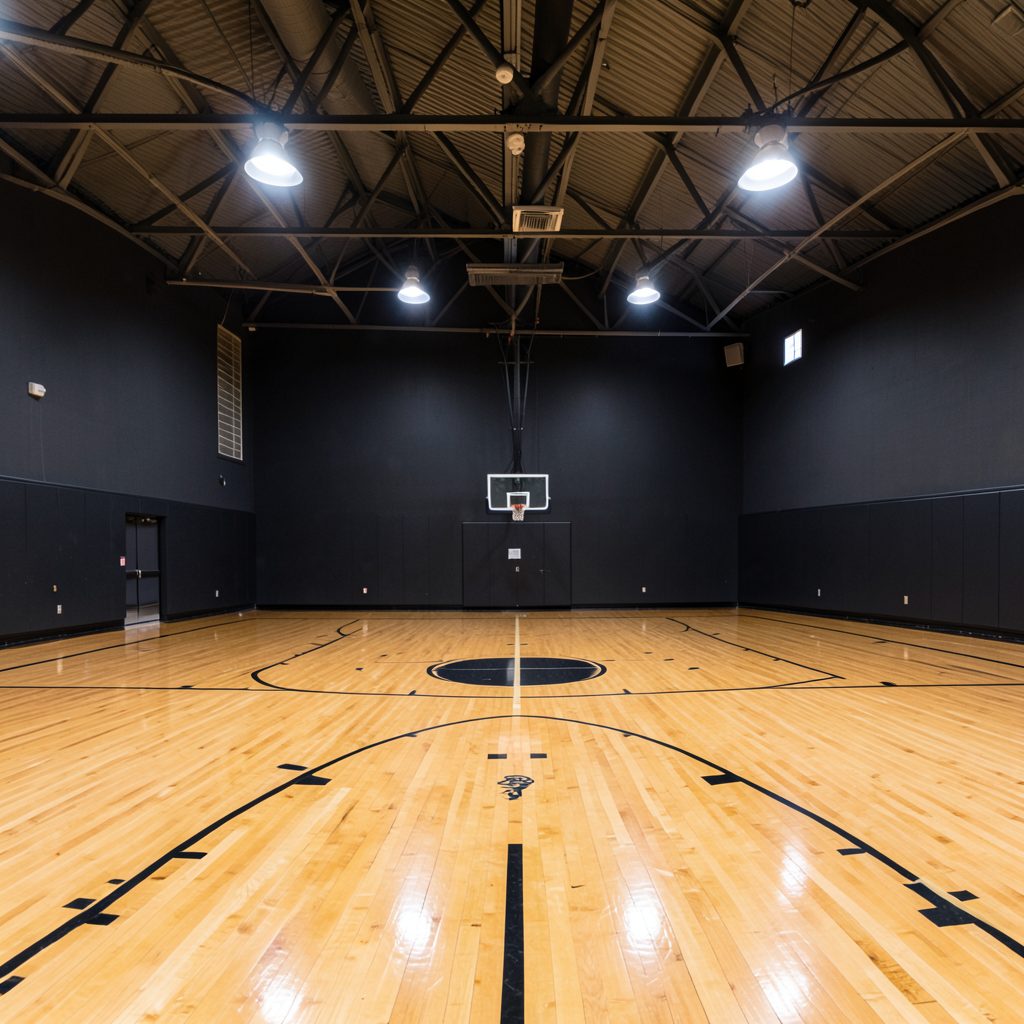
Eight league divisions span every age group: Indy Pro AM, 18+ Open Men's, 30+ Men's, Bite Size (ages 3–6), Impact League, 5th/6th Grade, Middle School, and High School. Gather your team and compete.
Training
Individual and group basketball training for all skill levels. Major M.O.V.E.S. Basketball Training serves ages 4–7 on Wednesday and Thursday evenings at 6:30 PM — $30 per session or $100 unlimited monthly.
Wellness & Recovery
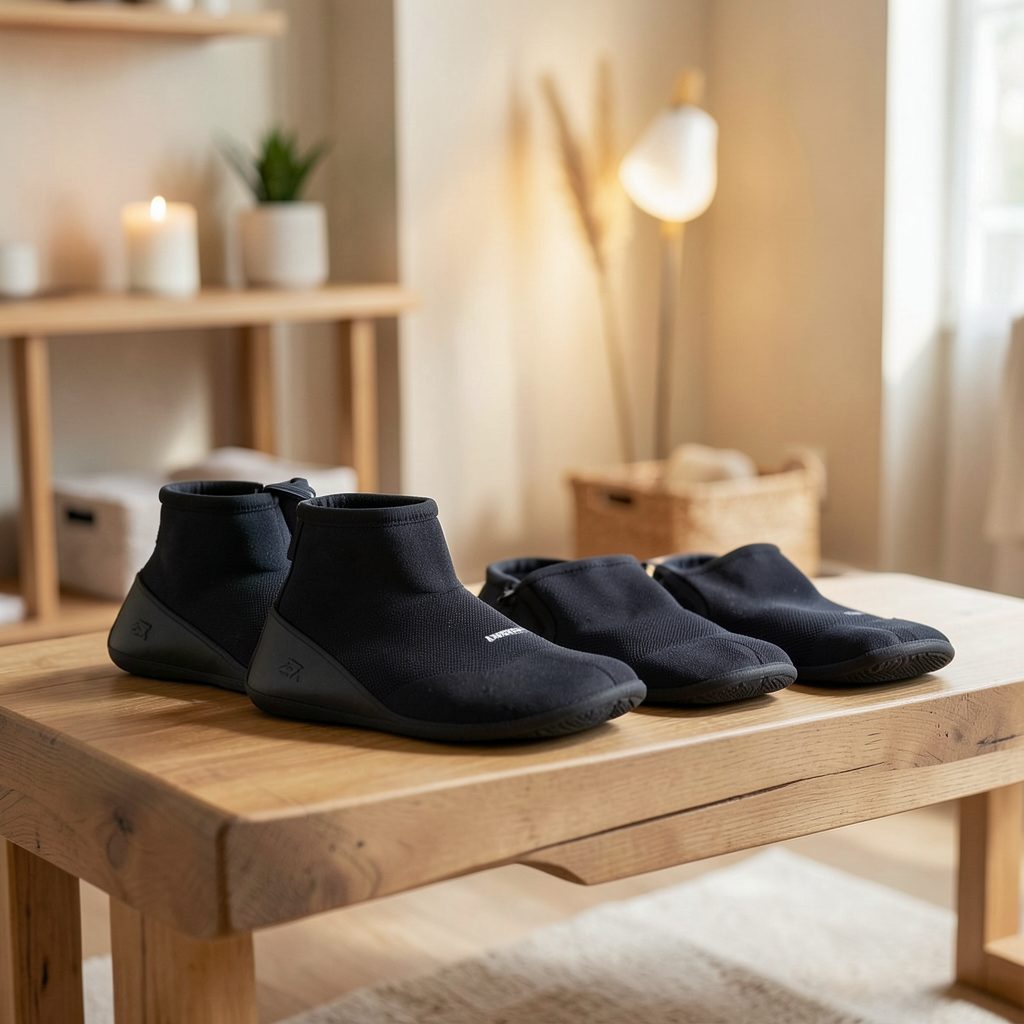
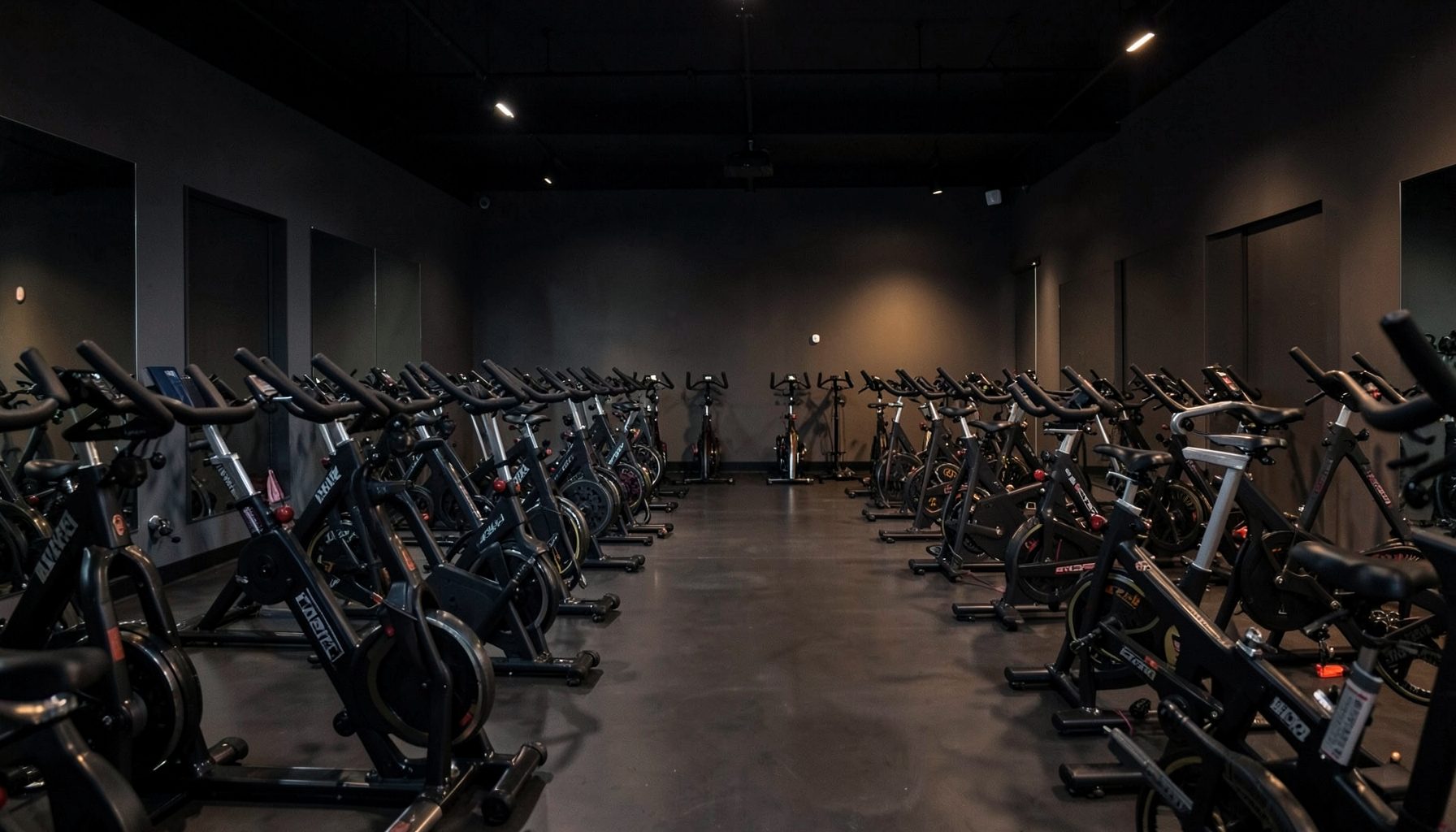
Normatec boot recovery and cryotherapy treatments help athletes bounce back faster. Cycle and spin classes add a cardio dimension to the holistic performance approach.
Have a Question?