Train. Compete. Recover.
A multi-purpose athletic facility in Speedway, Indiana — basketball leagues, skill training, and wellness services all under one roof.
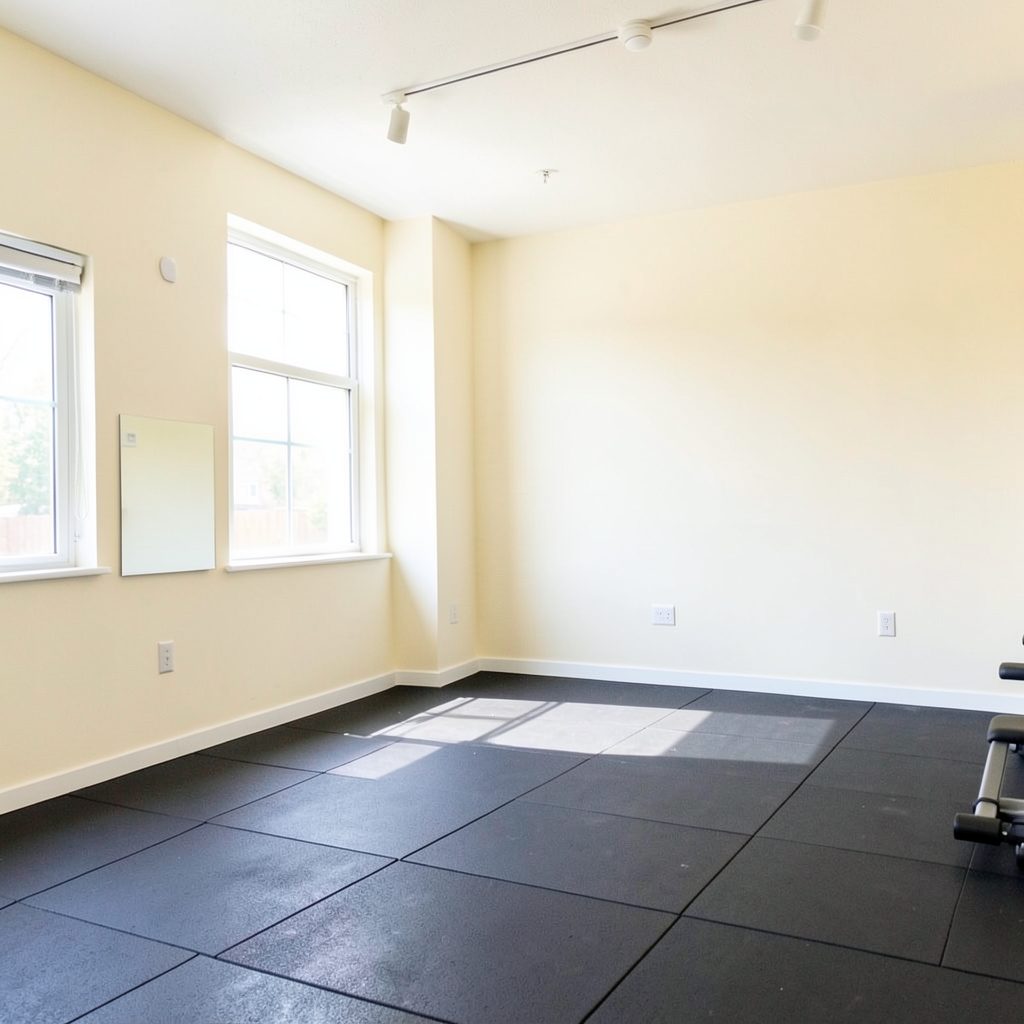
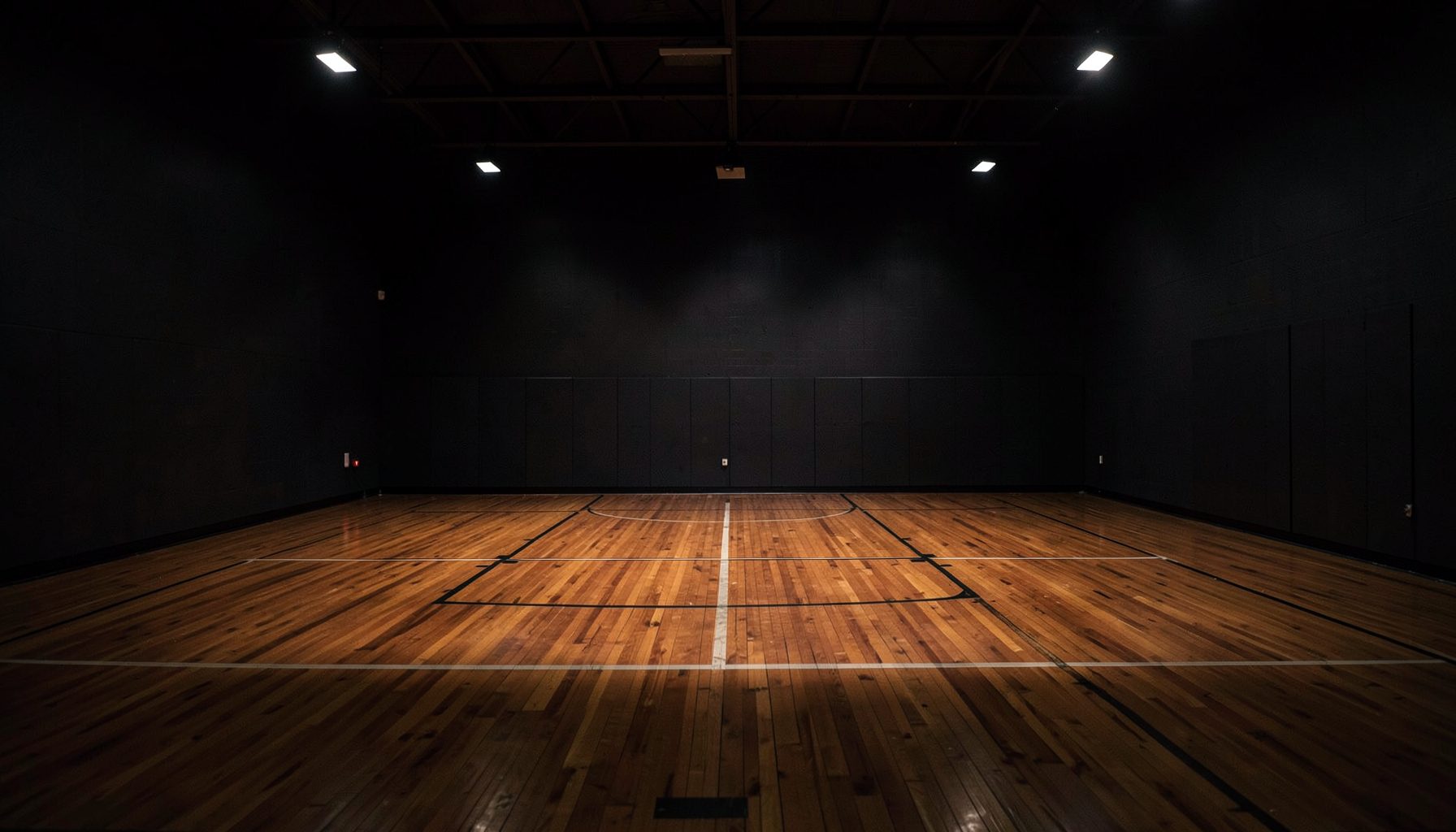
The Factory D1 Indy brings together three entities under one roof: competitive basketball leagues for all age groups, individual and group training, and wellness & recovery services including Normatec boot recovery and cryotherapy. Located off I-465 and High School Road at 6331 Crawfordsville Road, Speedway, Indiana 46224.
Get In TouchCalmer breathing for basketball game day
Breathing exercises can be a practical part of reducing basketball game-day anxiety. Slow, controlled breaths help settle an overactive stress response, sharpen attention and give players a repeatable way to manage pre-shot nerves, travel stress and the pressure of a packed venue. They work best when practised before competition rather than introduced for the first time at tip-off.
No single routine suits every athlete. Some players calm themselves with long exhales, while others prefer short, rhythmic breaths between free throws. The breathing should feel comfortable, and the goal is not to eliminate every nervous sensation. A little arousal can help with readiness; the aim is to bring it within a manageable range.
Australian basketball regularly features community clubs, state competitions and NBL1 games. Players may travel from Melbourne to Brisbane, compete in air-conditioned indoor stadiums or play through the summer heat, often while balancing training with work, school and other sports. Familiar expressions such as “game-day nerves,” “getting into the zone” and “hoops” fit the experience of many local players.
Breathing exercises are a support tool, not a cure for persistent anxiety or panic. Severe symptoms, disrupted sleep or avoidance of competition deserve attention from a qualified health professional. For everyday performance nerves, however, a well-rehearsed breathing routine can be fast, portable and free.
Why nerves change a player's game
Game-day nerves activate the body’s fight-or-flight response. The heart may beat faster, hands become clammy, breathing gets shallow and the mind begins anticipating mistakes. That physical response is normal, but when it becomes too strong, players can rush decisions, lose spatial awareness and tighten their shooting mechanics.
Australian basketball culture often adds intensity through packed suburban venues, local rivalries and finals pressure. Whether the game is at a community stadium in Adelaide or a busy court in Sydney, the noise and expectations can feel significant. Players travelling to Perth or Queensland may also deal with time zones, warm conditions and disrupted sleep before facing the same routines they know at home.
Training load matters as much as mental preparation. A tired player has fewer reserves for controlling attention, so adequate planned rest days between demanding sessions support steadier breathing and better decision-making. Recovery services such as compression therapy and cryotherapy can complement that schedule, but sleep, nutrition and manageable workloads remain the foundation.
What controlled breathing can do
Slow breathing influences the autonomic nervous system, which regulates automatic functions such as heart rate and breathing. Extending the exhale can encourage parasympathetic activity, helping the body shift away from high alert. This can reduce muscular tension and make it easier to concentrate on the next possession instead of the previous mistake.
Diaphragmatic breathing is one useful option. Place one hand below the ribs, breathe gently through the nose and allow the lower ribs and abdomen to expand. Then exhale slowly without forcing the air out. Box breathing offers another approach: inhale for four counts, hold for four, exhale for four and pause for four. A few rounds can provide a clear cue that the mind can follow.
Results vary, and some players become uncomfortable if they take overly large or forceful breaths. Keep the movements subtle and maintain a natural rhythm, ideally around five or six comfortable breaths each minute. Stop if dizziness, tingling or anxiety increases. The most effective technique is the one that feels calm, repeatable and easy to use under pressure.
Building a pre-game breathing routine
A useful routine begins before players enter the competitive warm-up. Spend two or three minutes with slow nasal breathing while checking the court, shoes and game plan. This establishes a transition from the hurried journey to the arena into deliberate, controlled readiness. It also gives teammates a shared signal for entering a calmer mental state.
Short resets can then be attached to familiar moments. Players might take three slow breaths while waiting to inbound, use one long exhale before a free throw or breathe during the walk back on defence. These cues should not disturb the flow of the game. One or two breaths are often enough to interrupt a spiral of negative thoughts and redirect attention towards spacing, timing and communication.
During breaks between games or quarters, players need a reset that does not add mental fatigue. Checking scores, discussing tactics and adjusting equipment can quickly raise arousal again. A minute of quiet breathing before returning to the bench helps restore composure. On multi-game weekends, keep the routine identical to avoid creating a new source of uncertainty.
Helping young players manage pressure
Young basketball players may show anxiety through shyness, distraction, crying, rapid breathing or sudden changes in shooting form. Adults should acknowledge the feeling without presenting it as failure. Simple language such as “slow the breath, soften the shoulders and find the next task” gives children something concrete to practise.
Coaches can also pair calm routines with reading the defence and other fundamental skills. A child who recognises where the ball is going has more attention available for ball movement, court balance and decision-making. Breathing then supports that tactical awareness rather than becoming a separate exercise detached from the game.
Parents and team volunteers can reinforce the same approach at home. Avoid repeatedly telling a child to “stop being nervous,” because the instruction may create more pressure. Instead, notice the signs of tension, offer a brief breathing prompt and praise a successful reset. Older players and adults can use the same methods, adapting the wording and duration to suit their training and competition schedules.
A practical match-day plan
Choose one breathing pattern during the week and rehearse it in training. Diaphragmatic breathing, extended exhales or box breathing can all work, provided the athlete remains comfortable. Practise under mild distraction, such as after a demanding drill or while teammates are talking, so the routine feels reliable in a busy arena.
On match day, use the breathing during arrival, the team introduction, warm-ups, dead-ball situations and timeouts. Pair each round with a useful focus cue: “quiet hands,” “scan the floor,” “communicate early” or “next play.” After the game, notice whether the routine helped and whether any particular moment felt difficult. Adjusting the cue gradually is more effective than replacing the method every week.
Ready to put the strategy into practice? Explore the skills training, competitive leagues, conditioning and recovery options at The Factory D1 Indy, then begin your next session with two minutes of calm, controlled breathing.
Inside The Factory
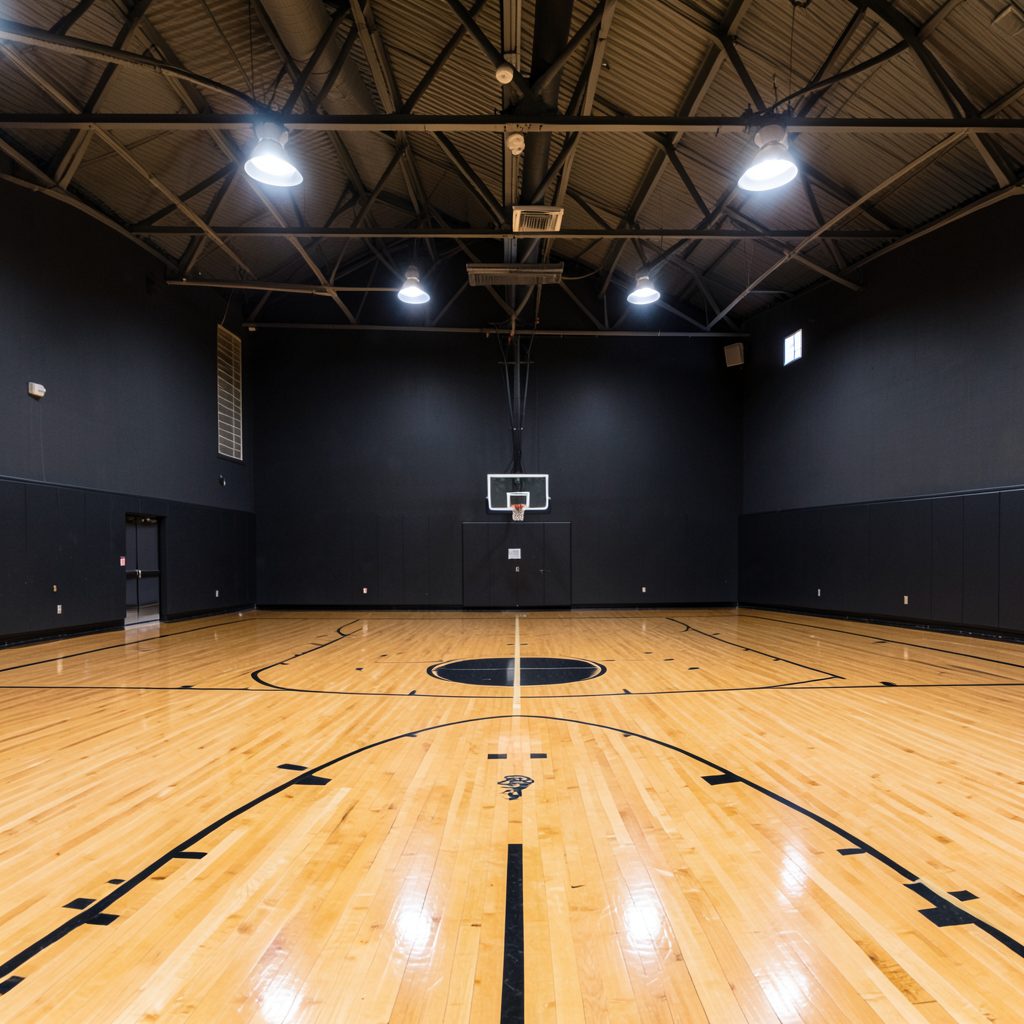

Three Entities, One Roof
Leagues
Eight league divisions span every age group: Indy Pro AM, 18+ Open Men's, 30+ Men's, Bite Size (ages 3–6), Impact League, 5th/6th Grade, Middle School, and High School. Gather your team and compete.
Training
Individual and group basketball training for all skill levels. Major M.O.V.E.S. Basketball Training serves ages 4–7 on Wednesday and Thursday evenings at 6:30 PM — $30 per session or $100 unlimited monthly.
Wellness & Recovery
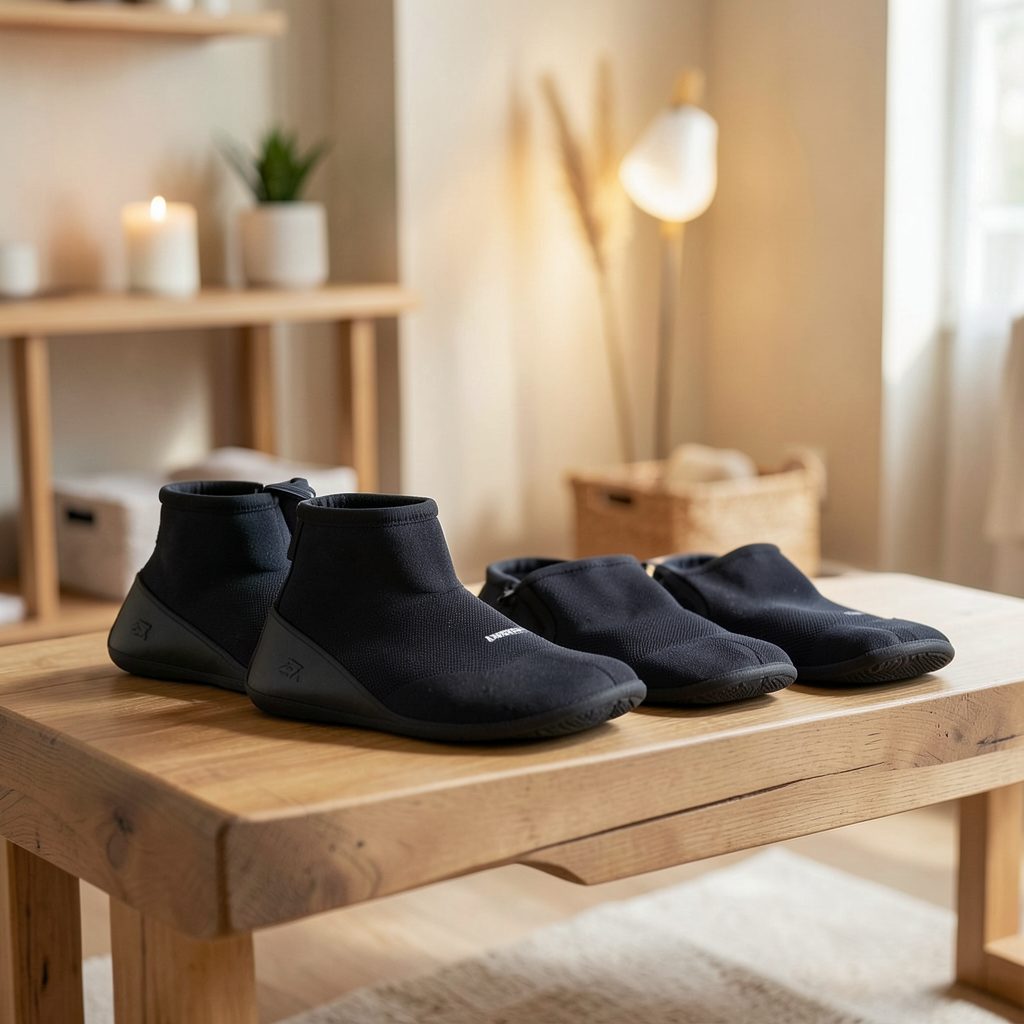
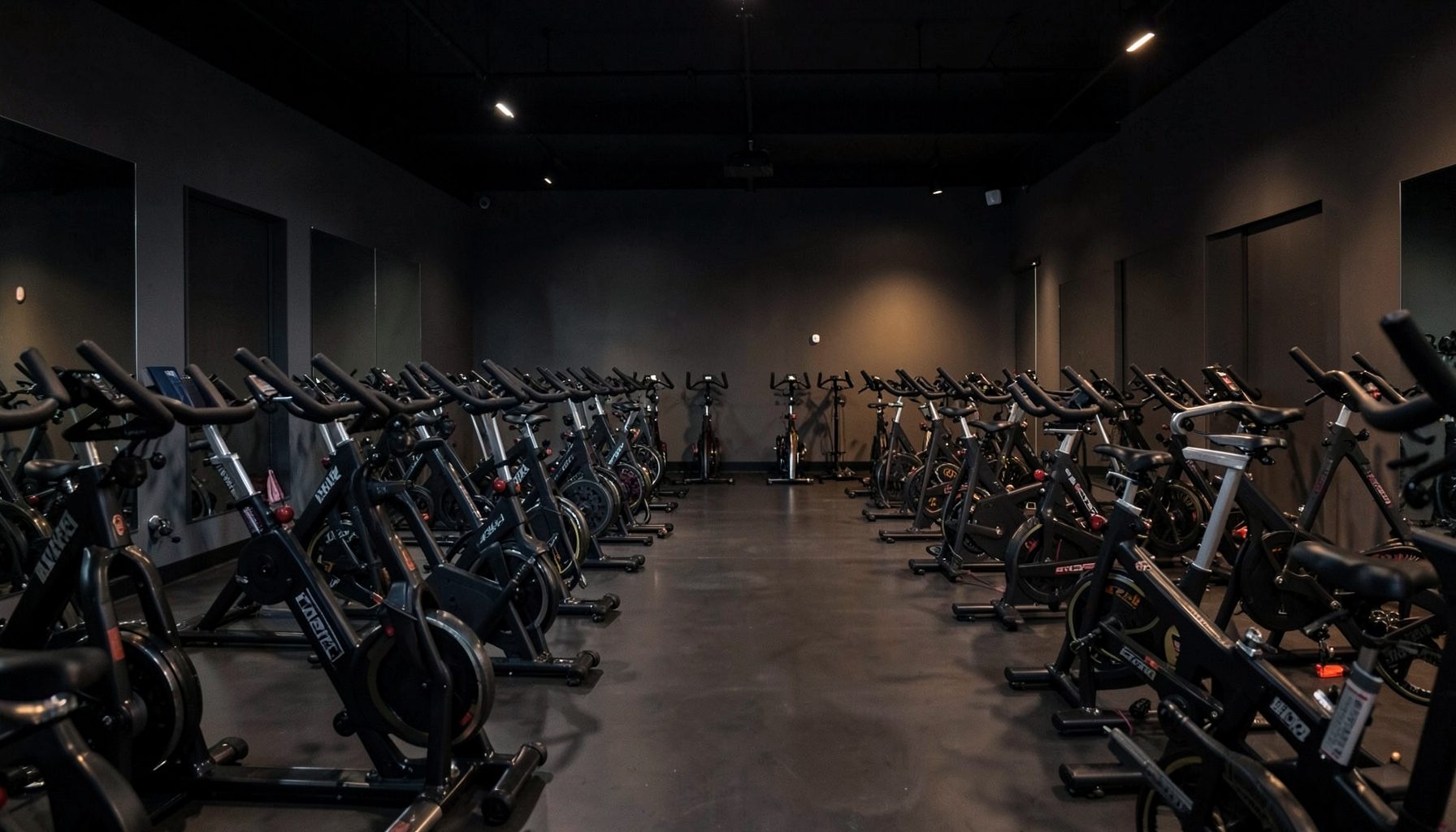
Normatec boot recovery and cryotherapy treatments help athletes bounce back faster. Cycle and spin classes add a cardio dimension to the holistic performance approach.
Have a Question?