Train. Compete. Recover.
A multi-purpose athletic facility in Speedway, Indiana — basketball leagues, skill training, and wellness services all under one roof.
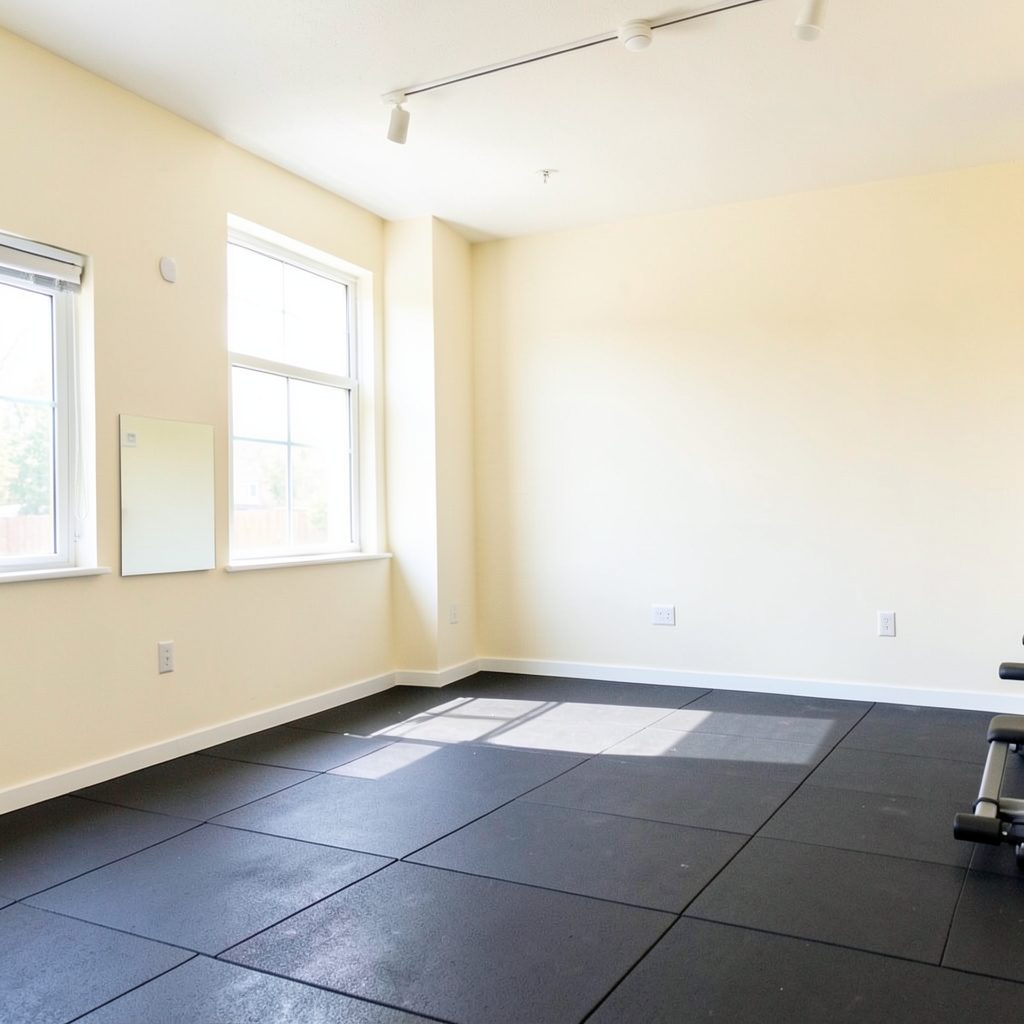
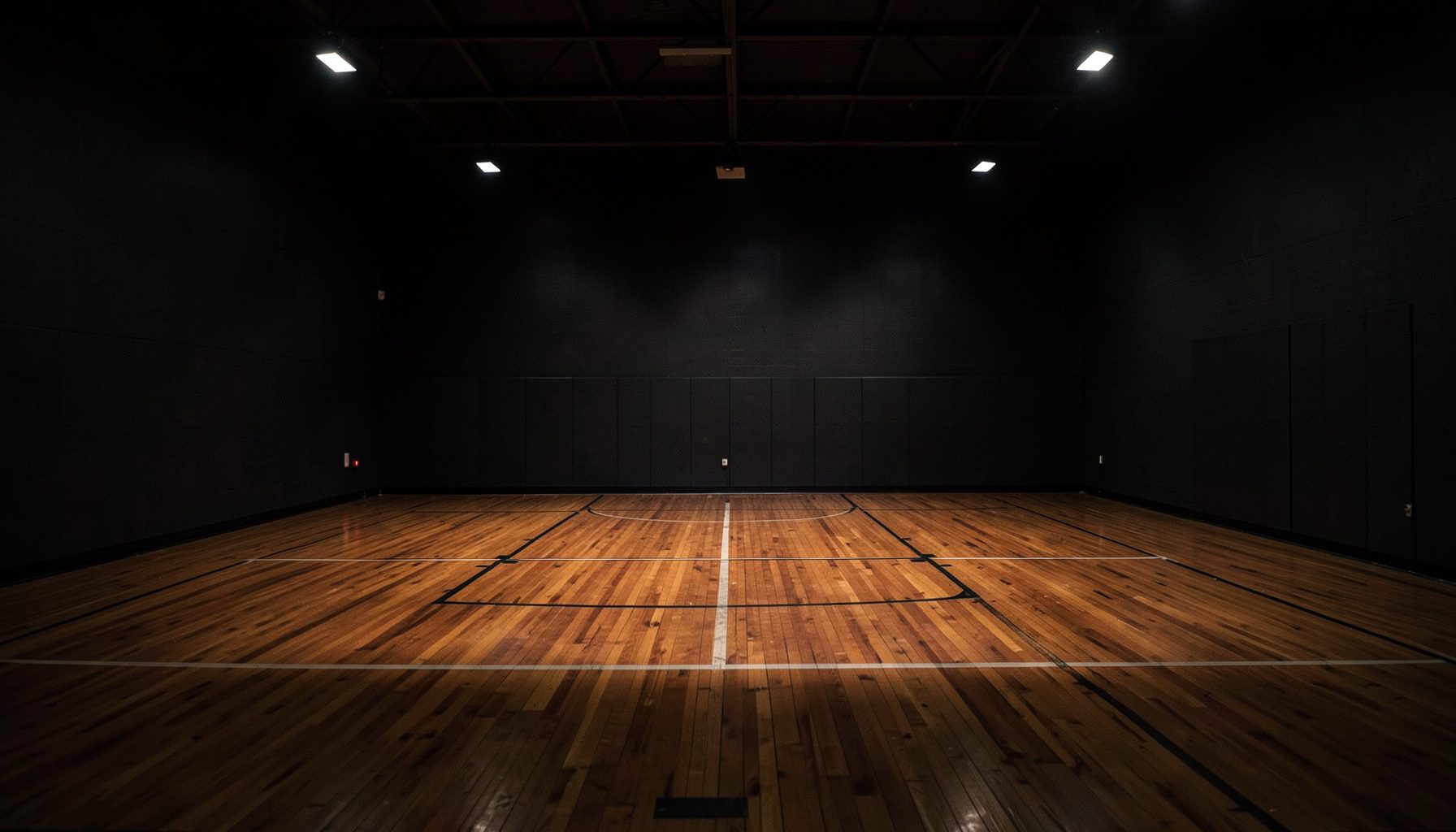
The Factory D1 Indy brings together three entities under one roof: competitive basketball leagues for all age groups, individual and group training, and wellness & recovery services including Normatec boot recovery and cryotherapy. Located off I-465 and High School Road at 6331 Crawfordsville Road, Speedway, Indiana 46224.
Get In TouchRecovery tools beyond Normatec and cryotherapy for athletes
When most athletes walk into a recovery room they head straight for the compression boots or the cold plunge, but the science has moved well past the assumption that pressure and chill alone can carry an athlete from hard session to hard session. The Factory D1 Indy has built its recovery offering around that shift, layering percussion tools, contrast bathing, mobility work, breath protocols, and lifestyle coaching into a single ecosystem. The goal is not just bouncing back, it is bouncing forward.
Australian athletes have caught on quickly. Walk into recovery spaces attached to NBL clubs in Melbourne or Super Netball outfits in Sydney and you will find stacks of foam rollers beside sauna rooms and yoga bolsters stacked beside ice baths. From the surf clubs at Bondi to the rugby leagues out west in Perth, weekend competitors chase the same protocols their professional counterparts use. The recovery menu below mirrors what is now standard in those facilities, scaled for everyday athletes who want to train hard and recover smart.
Percussive therapy and self-myofascial release
The most accessible piece of equipment outside the compression boots is a quality percussion gun. Percussive therapy works by delivering rapid, short pulses deep into the muscle tissue, which increases blood flow, reduces DOMS, and helps the nervous system down-regulate after high-intensity work. For basketballers who have just logged heavy pick-and-roll minutes, a three-minute sweep across the quads, calves, and mid-back can take an athlete from tight and irritable to loose and ready to move again.
Foam rollers and lacrosse balls sit alongside the guns for a reason. Foam rolling targets larger muscle groups with a slow, sustained pressure that works the fascia, while a lacrosse ball gets into spots like the glutes, the arch of the foot, and the upper traps where a roller cannot reach. The combination is particularly useful for guards who spend long hours on the court in plantar flexion, since rolling the arch and the calves can soften the chain reaction that ends in ankle stiffness. A ten-minute rolling session post-training, before the Normatec boots go on, often produces a more complete reset than either tool alone.
Contrast bathing, sauna, and hydrotherapy
Heat and cold have always shared a recovery room, and the modern version of the practice pairs them deliberately. Contrast bathing alternates hot immersion with cold plunges, driving vasodilation and vasoconstriction in sequence, which acts as a pump for the circulatory and lymphatic systems. The research on contrast bathing for strength athletes is mixed, but for basketball players the most reliable benefit is psychological: the cold finish leaves the nervous system in a calm, parasympathetic state that supports sleep that night. That alone is worth the two minutes of discomfort.
Sauna adds another layer. Regular sauna use, around four times a week, is linked in Finnish and Australian longitudinal studies to reduced incidence of respiratory illness and improved heat tolerance, both relevant for athletes who log summer miles in places like Brisbane where the mercury climbs past thirty degrees. The Factory D1 Indy recovery suite pairs a far-infrared sauna with a cold plunge so the contrast is built into the workflow. Athletes finish a sauna session at roughly sixty degrees Celsius, walk straight into a ten-degree plunge for two to three minutes, then ease back into the change room ready for the next block of training. Some athletes swear by adding Epsom salts to the soak for a magnesium boost, though the evidence on transdermal magnesium absorption is thin.
Mobility screening and corrective movement work
Recovery starts well before the session ends. Mobility screening flags restrictions in ankles, hips, and thoracic spine that, if left alone, quietly bleed force out of every jump and cut. The Factory D1 Indy staff run athletes through a short screen each pre-season, recording baselines that get re-tested mid-cycle. If a player's overhead reach loses five centimetres of dorsiflexion compared to their August numbers, the training plan adjusts before the issue becomes an ankle sprain.
Corrective work then fills the gap. This might be a banded ankle mobilisation before every session, ninety seconds of hip openers between shooting drills, or a thoracic rotation drill added to the warm-up. For adult athletes who came up through football codes rather than basketball, the thoracic mobility piece is often the biggest gap, since forward-facing sports like AFL and rugby train the chest and shoulders but leave the upper back stiff. Addressing that one restriction can add visible pop to a three-point shot without any extra gym work.
Yoga, breathwork, and the nervous system reset
The slowest growing corner of any modern recovery room is also the most underrated. Yoga, breathwork, and meditation work on the parasympathetic nervous system, which is the side of the autonomic system responsible for digestion, repair, and sleep. Athletes who can shift into that state quickly recover faster between sessions, sleep deeper, and report lower perceived stress. For teenagers balancing school, training, and travel, this piece is often more valuable than any piece of hardware.
The Factory D1 Indy now points athletes toward energy flow yoga sessions that target the kind of creative, flowing movement that benefits athletes who need to think on their feet. A short fifteen-minute flow before bed, paired with four-second inhale and six-second exhale cycles, can drop heart rate variability into a range that supports deep sleep. For athletes who travel for tournaments, this kind of portable routine is gold, since it does not depend on a fancy facility. For younger players working through coordination and balance challenges, the foundation laid through how early childhood basketball leagues build motor skills pairs naturally with breath-based recovery later on.
Sleep, nutrition, and hydration as recovery
None of the equipment matters if the basics are not in place. Sleep is the single most powerful recovery tool in the kit, and Australian research from the University of South Australia has repeatedly linked seven-to-nine hour sleep windows to lower injury rates in team sport athletes. Recovery rooms can support sleep hygiene by giving athletes a cool-down space, dim lighting, and a stretch routine that mirrors a bedtime wind-down, but the actual sleep still has to happen at home.
Nutrition lands in the same category. A post-training meal or shake with a 3:1 carb to protein ratio within forty-five minutes of finishing work tops up glycogen and starts muscle repair. Hydration matters too, especially during the southern hemisphere summer when Brisbane, Sydney, and Perth all swing past thirty-five degrees on training nights. The simplest hydration rule is to weigh in before and after a session, then drink one and a half litres of water per kilogram of weight lost. For athletes who add electrolytes, a sodium-rich mix beats plain water on hot days.
Sleep and nutrition also tie directly into the next training block. A well-rested athlete who has fuelled properly can absorb more from a passing drill like the youth basketball drills that teach passing under pressure than a tired one. Recovery is not a separate activity from training, it is the second half of the same session.
If you are ready to put together your own full recovery stack, the team at The Factory D1 Indy in Speedway can map a plan around your training load, your sport, and your goals. Drop in for a tour of the recovery suite, or chat to the coaches about booking a recovery assessment alongside your next skills session.
Inside The Factory

Three Entities, One Roof
Leagues
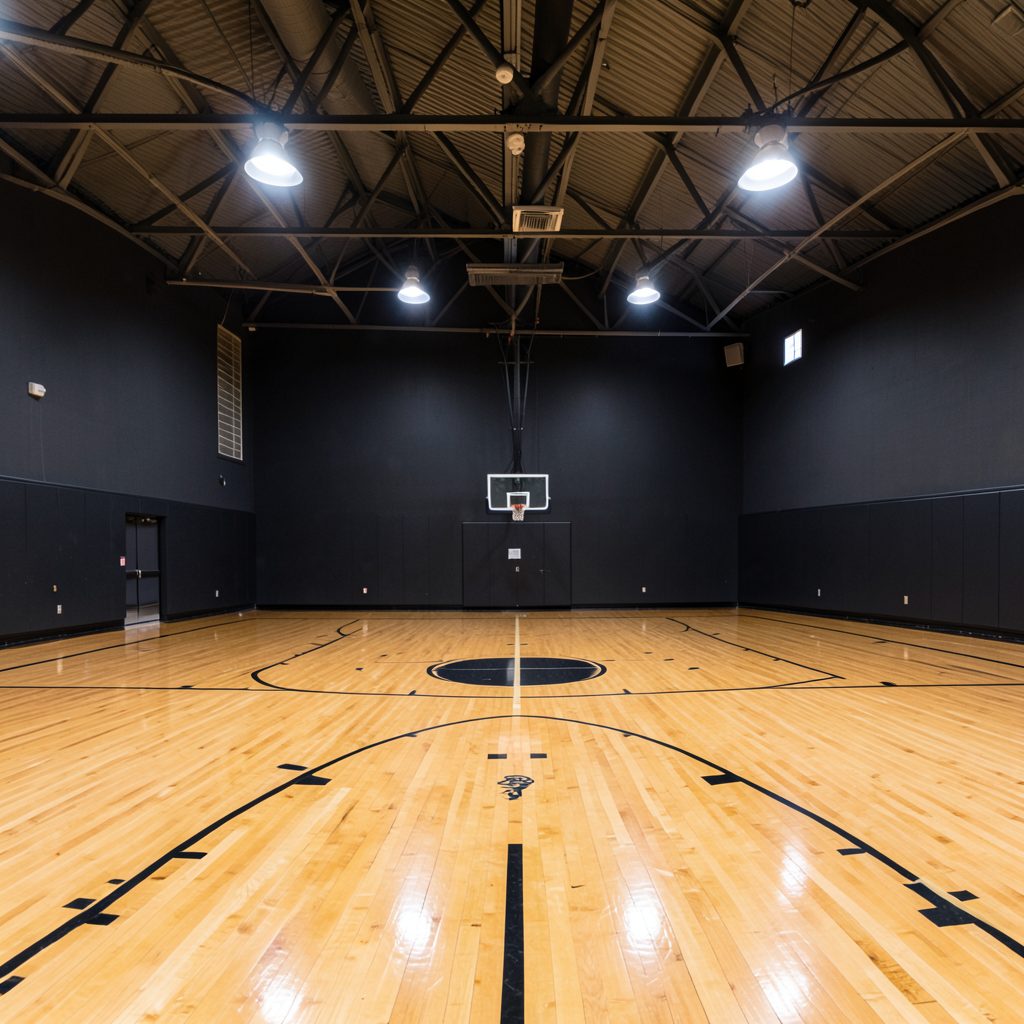
Eight league divisions span every age group: Indy Pro AM, 18+ Open Men's, 30+ Men's, Bite Size (ages 3–6), Impact League, 5th/6th Grade, Middle School, and High School. Gather your team and compete.
Training
Individual and group basketball training for all skill levels. Major M.O.V.E.S. Basketball Training serves ages 4–7 on Wednesday and Thursday evenings at 6:30 PM — $30 per session or $100 unlimited monthly.
Wellness & Recovery
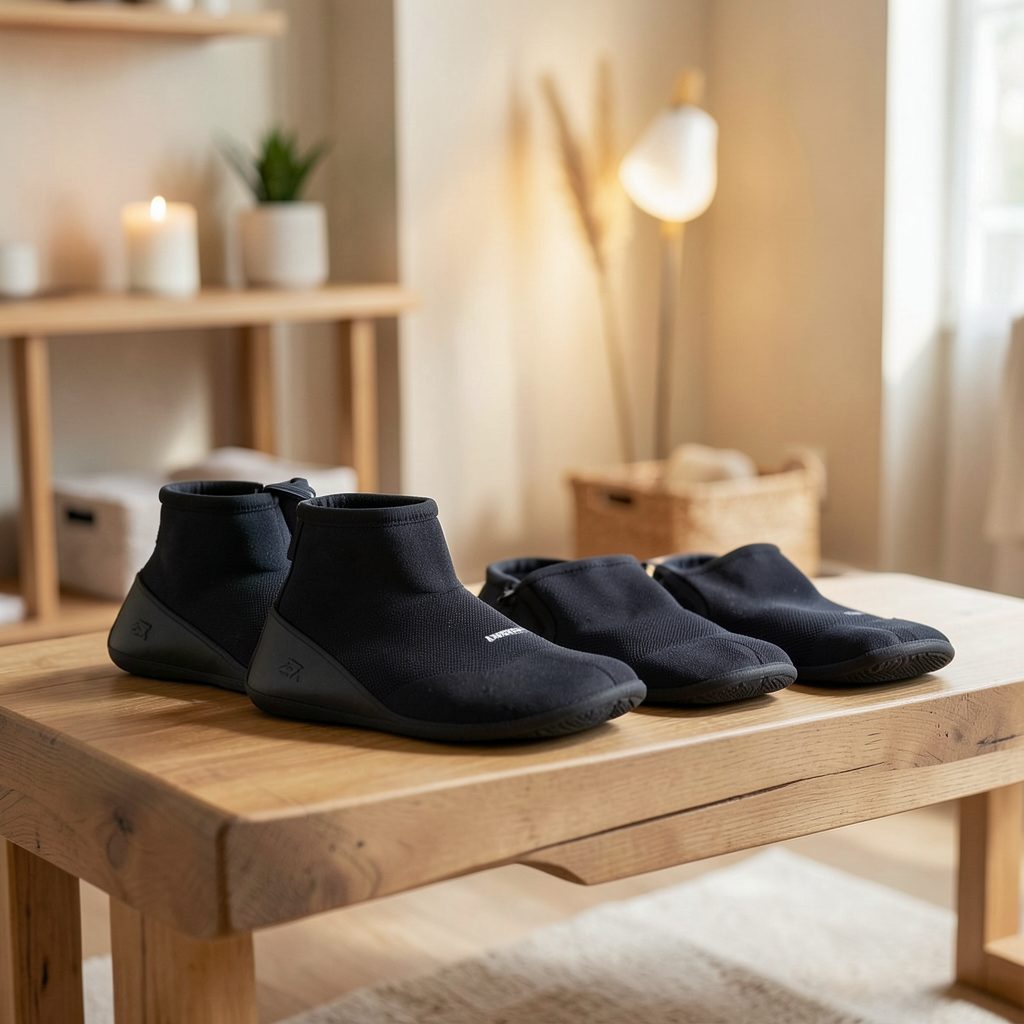
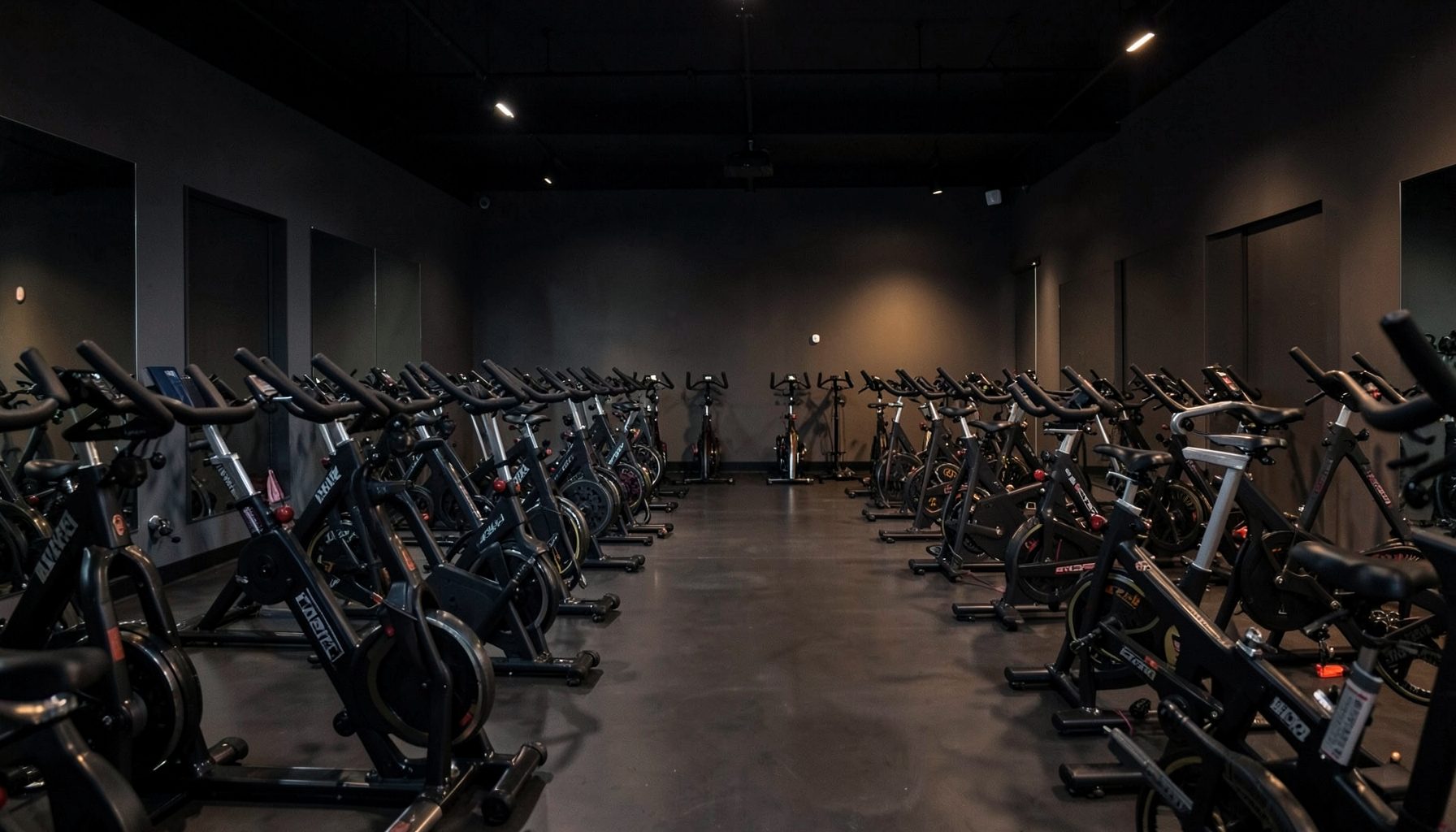
Normatec boot recovery and cryotherapy treatments help athletes bounce back faster. Cycle and spin classes add a cardio dimension to the holistic performance approach.
Have a Question?