Train. Compete. Recover.
A multi-purpose athletic facility in Speedway, Indiana — basketball leagues, skill training, and wellness services all under one roof.
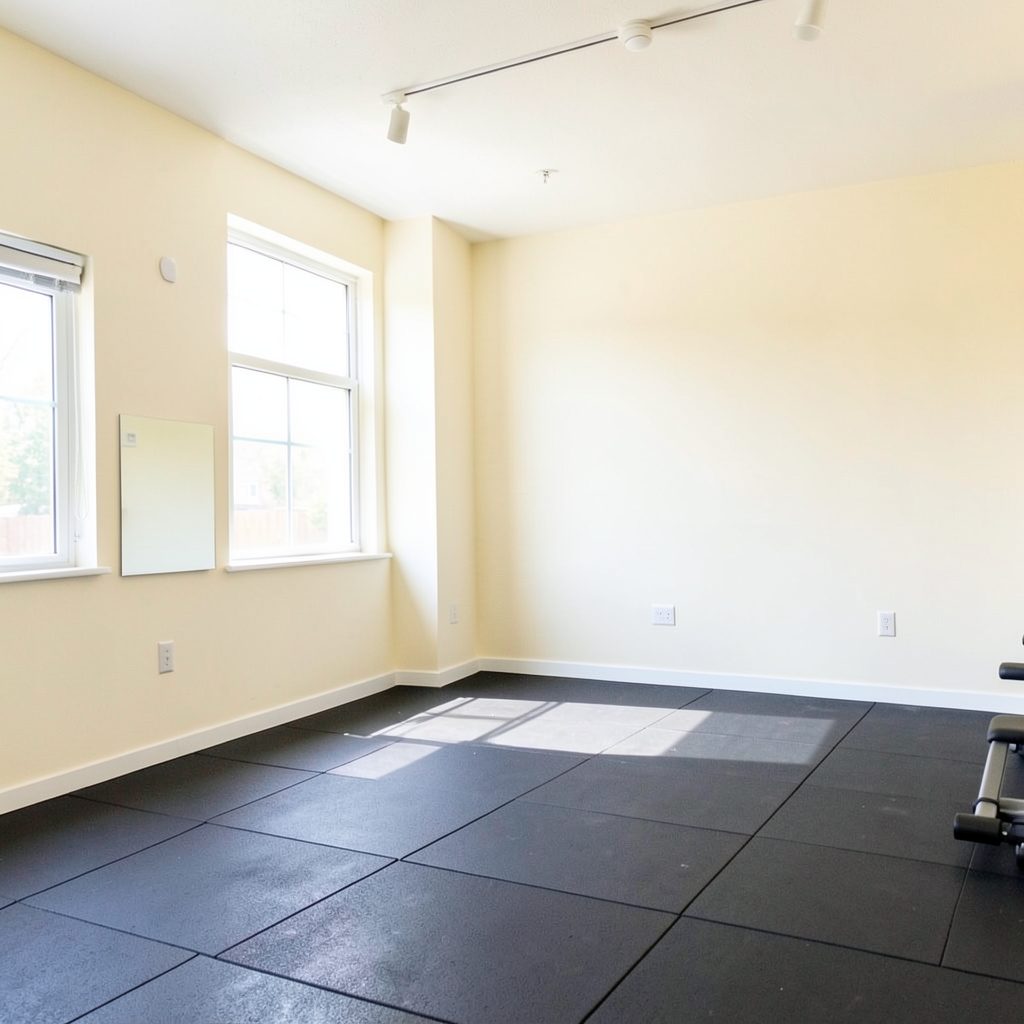
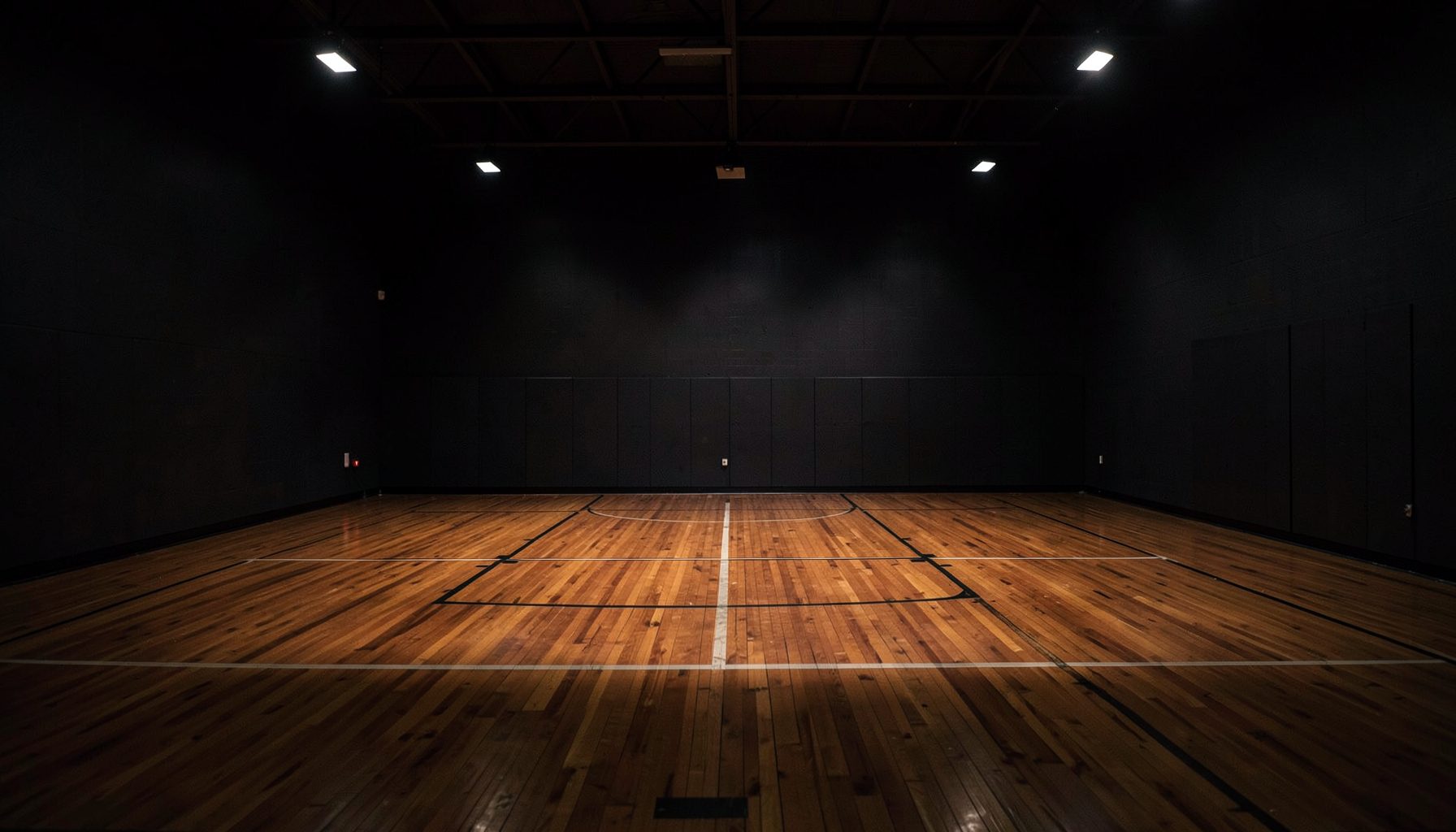
The Factory D1 Indy brings together three entities under one roof: competitive basketball leagues for all age groups, individual and group training, and wellness & recovery services including Normatec boot recovery and cryotherapy. Located off I-465 and High School Road at 6331 Crawfordsville Road, Speedway, Indiana 46224.
Get In TouchCold Water Immersion vs Cryotherapy for Recovery
Cold water immersion and whole-body cryotherapy are often grouped together as “cold recovery,” yet they expose athletes to different temperatures, pressures, timings and risks. At The Factory D1 Indy in Speedway, Indiana, players can train for basketball, compete in age-based leagues and combine court work with conditioning and recovery services. For Australian athletes, the distinction matters because an ice bath at home, a plunge tub in a gym and a nitrogen-chamber session are not interchangeable.
Choosing based on the goal rather than the trend is more useful. Cold water immersion may suit a quick change of pace after a hard game or leg day, while cryotherapy can offer brief, controlled cooling without getting wet. Neither needs to be treated as a reset button: sleep, food, hydration, load management and ordinary warm-ups still do the heavier lifting for performance.
What the Recovery Labels Actually Mean
Cold water immersion means placing the body, usually from the waist or shoulders down, into a tub, pool or purpose-built plunge unit. Common protocols use water around 10–15°C for roughly 10–15 minutes, although coaches and clinicians adjust this for the athlete, the training load and the desired recovery window. The submerged body also experiences hydrostatic pressure, which changes how the session feels and may alter fluid movement around the legs.
Whole-body cryotherapy uses a chamber filled with nitrogen gas, often at about –100°C to –140°C, for only two to five minutes. The athlete wears approved clothing and remains under supervision because nitrogen can displace oxygen and the cold can affect breathing and circulation. Local cryotherapy products are different again: they may use a cooled wand, sleeve or wrap on one injured area.
That creates three distinct options: water immersion, whole-body gas exposure and targeted cold therapy. “Cryotherapy” is sometimes used loosely for all of them, but the labels do not describe the same experience. Colder is not automatically better, since dose, duration, supervision and the athlete’s health determine whether a session is appropriate.
How the Methods Work Differently
Both approaches cool the body and may lessen the feeling of muscle soreness after unfamiliar or demanding work. Blood flow changes during exposure, and warmth returns afterward, so athletes may notice reduced stiffness or a stronger sense of readiness. That does not mean cold water or gas “flushes toxins”; the body’s normal circulation, lymphatic processes, liver and kidneys handle waste removal.
The practical differences remain. Immersion creates pressure around the body, cools more continuously and is easy to repeat at home, but a ten-minute bath takes longer than a three-minute chamber visit. Cryotherapy keeps the athlete dry and can be precise in a staffed setting, yet access is less common and sessions usually cost more because equipment, trained staff and safety monitoring are required.
Training intent matters too. For two-a-day schedules, travel days or a game followed by another competition, rapid cooling may have a place. If the priority is maximising adaptations to strength or hypertrophy work, using cold water immediately after lifting may blunt some signalling and make it harder to distinguish recovery from a harder session. Programs that mix court drills with hybrid training methods should schedule cooling deliberately rather than automatically after every workout.
Cold Water Immersion for Australian Athletes
Australia’s hot summer cities make recovery logistics distinctive. Brisbane and Sydney players may return from outdoor basketball in humid heat, while Melbourne’s weather can swing quickly; Celsius is the standard unit, so an Australian gym’s “10-degree ice bath” is easy to interpret. In Australian gym talk, “ice bath” and “cold plunge” usually mean water immersion, while “cryo” usually points to a gas chamber or a targeted cold device.
The home-recovery market reflects that distinction. Inflatable tubs and chilled plunge units are sold through Australian fitness retailers with delivery across the country, giving players an affordable do-it-yourself option. Backyard setups suit the country’s strong home-gym culture, but athletes still need safe entry, a controllable temperature and a clear plan. Basketball, netball, AFL and rugby schedules can make repeated training and rapid turnarounds familiar priorities.
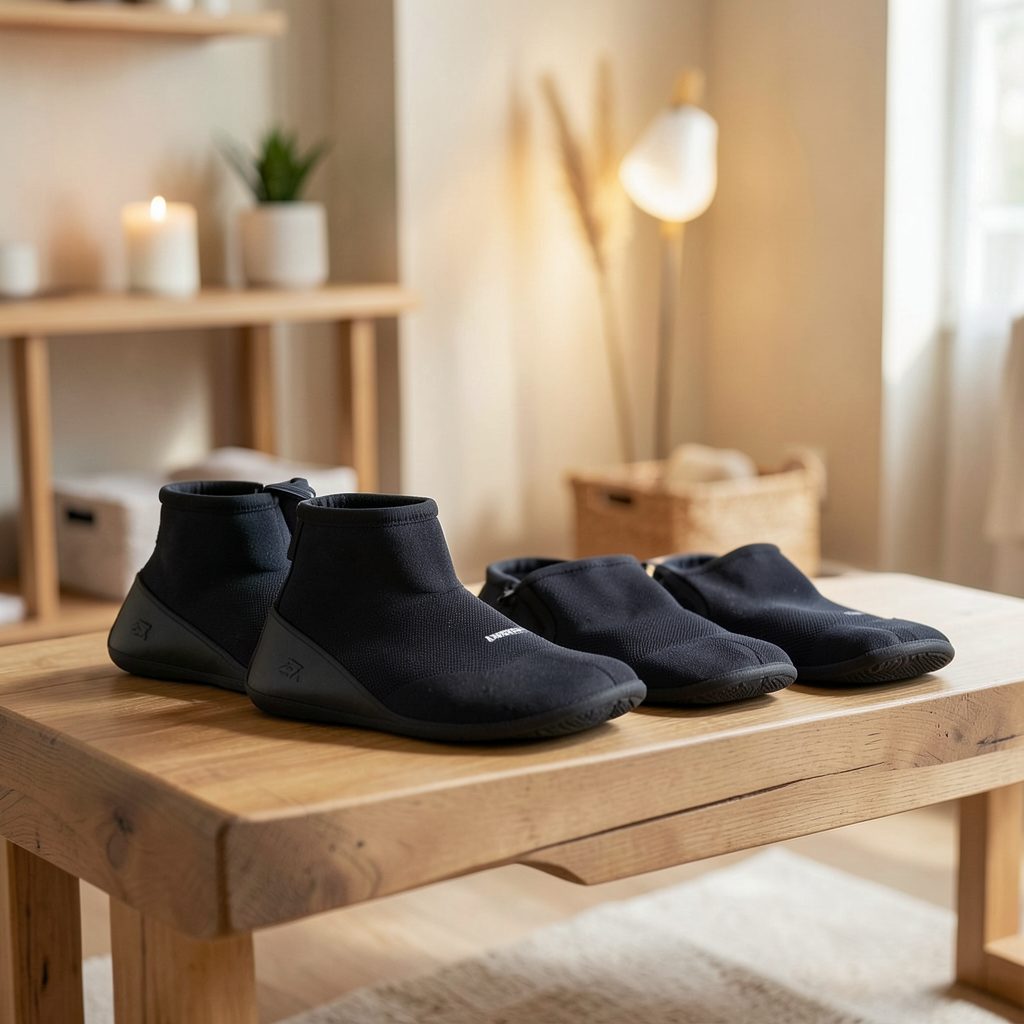
A practical immersion session is not simply the coldest water available. Many protocols pair a cool tub with a manageable duration, then allow time for a gradual rewarm and a normal meal or drink. For post-leg-day support, athletes can compare that approach with Normatec recovery guidance from The Factory D1 Indy, which explains how sequential compression may support relaxation and recovery without the same cold exposure.
When Cryotherapy Fits the Plan
Cryotherapy requires more deliberate administration. A trained operator controls the session, checks the athlete’s readiness and monitors the chamber environment; oxygen sensors are standard in professional systems. The brief cold shock can trigger an involuntary gasp, so entering the chamber should never be treated as a competitive dare. Temperature alone does not determine quality, and repeated exposure needs to be adjusted rather than escalated out of habit.
For a basketball athlete, whole-body cryotherapy may be attractive when soreness is the main issue and the next session is not a maximal lifting day. The evidence supports a modest perceived-recovery benefit for some people, but results vary and long-term performance gains are not guaranteed. People with heart conditions, uncontrolled blood pressure, Raynaud’s phenomenon, cold allergy, pregnancy or a history of cold-related fainting should seek medical advice before using either method.
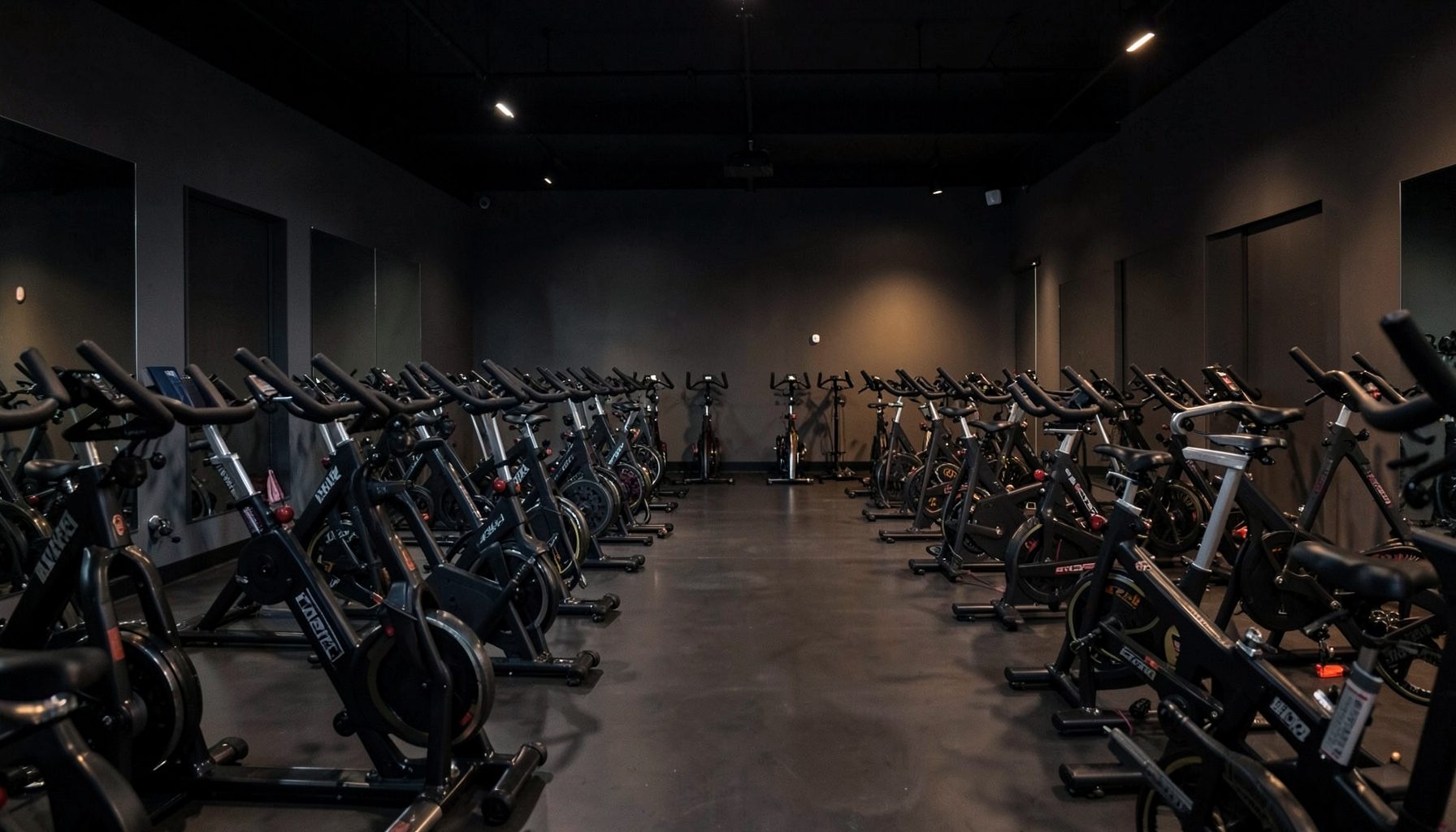
Recovery is only one part of preparation. A player who adds spin classes to improve aerobic fitness and legs can use the Factory’s spin cross-training overview to plan the workload around games. If conditioning creates heavy fatigue, an easy cycle can support circulation and unloading without adding another impact session; if the legs need strength, recovery choices should protect tomorrow’s quality rather than replace today’s training.
Make Recovery Part of the Training Plan
The Factory D1 Indy provides a useful model because it puts training, competition and recovery in one place. Its basketball programmes range from early-childhood development through youth teams to adult leagues, with individual and group skills work available for different ages. Cycle and spin classes add a conditioning option, while Normatec compression and cryotherapy give members and athletes more than one route to manage demanding training.
Start with the next 48 hours in mind. After a light skills session, ordinary stretching, food and sleep may be enough. After a hard game, travel day or heavy lower-body session, decide whether the goal is soreness relief, relaxation, quick re-entry or preserving adaptations. Then choose the lowest-complexity method that meets that goal and can be used consistently.
Contact The Factory D1 Indy in Speedway, Indiana to ask about basketball training, league placement, spin classes or an appropriate recovery session. Arrive with your recent workload, injuries and recovery goals in mind, and follow the advice of the coaching or clinical team managing your programme. A measured recovery plan can keep more athletes training consistently and arriving ready for the next game.
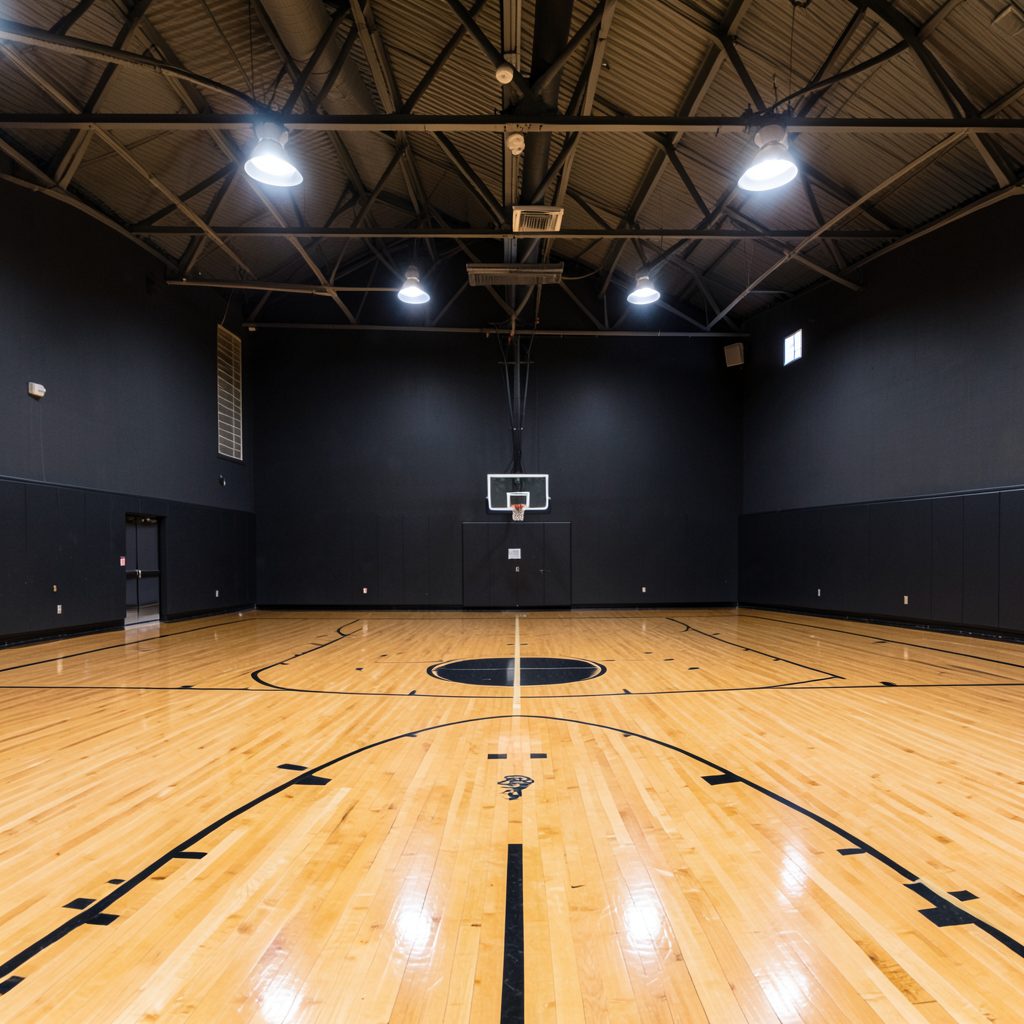
Inside The Factory
Three Entities, One Roof
Leagues
Eight league divisions span every age group: Indy Pro AM, 18+ Open Men's, 30+ Men's, Bite Size (ages 3–6), Impact League, 5th/6th Grade, Middle School, and High School. Gather your team and compete.
Training
Individual and group basketball training for all skill levels. Major M.O.V.E.S. Basketball Training serves ages 4–7 on Wednesday and Thursday evenings at 6:30 PM — $30 per session or $100 unlimited monthly.
Wellness & Recovery
Normatec boot recovery and cryotherapy treatments help athletes bounce back faster. Cycle and spin classes add a cardio dimension to the holistic performance approach.
Have a Question?